

Instead of continuing the maison’s tradition of whimsy and tongue-in-cheek attitude, Nigo crafted a collection grounded in homecoming.
Kenzo has always been unapologetically bold, playful, and diverse. Fall/Winter 2026 for the Japanese-founded bran, is a season to step back.
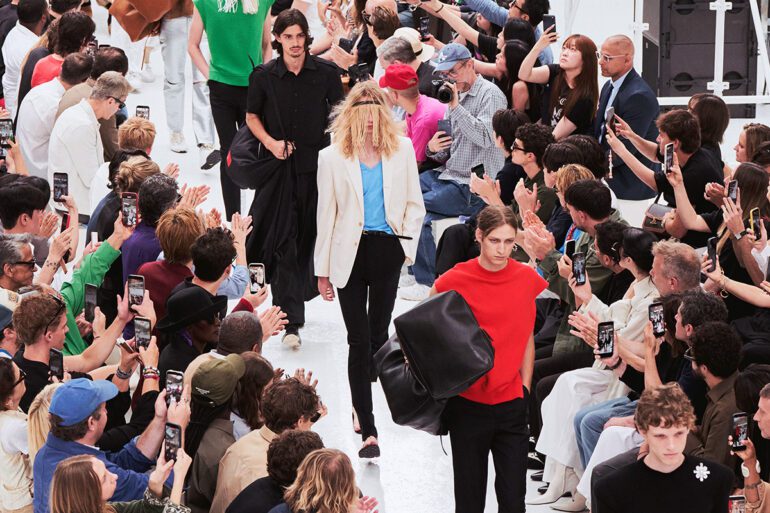
At its Paris Fashion Week show on January 21, creative director NIGO presented a collection guided by freedom, quiet energy, and the intimacy of a place deeply tied to the label—founder Kenzo Takada’s own home.
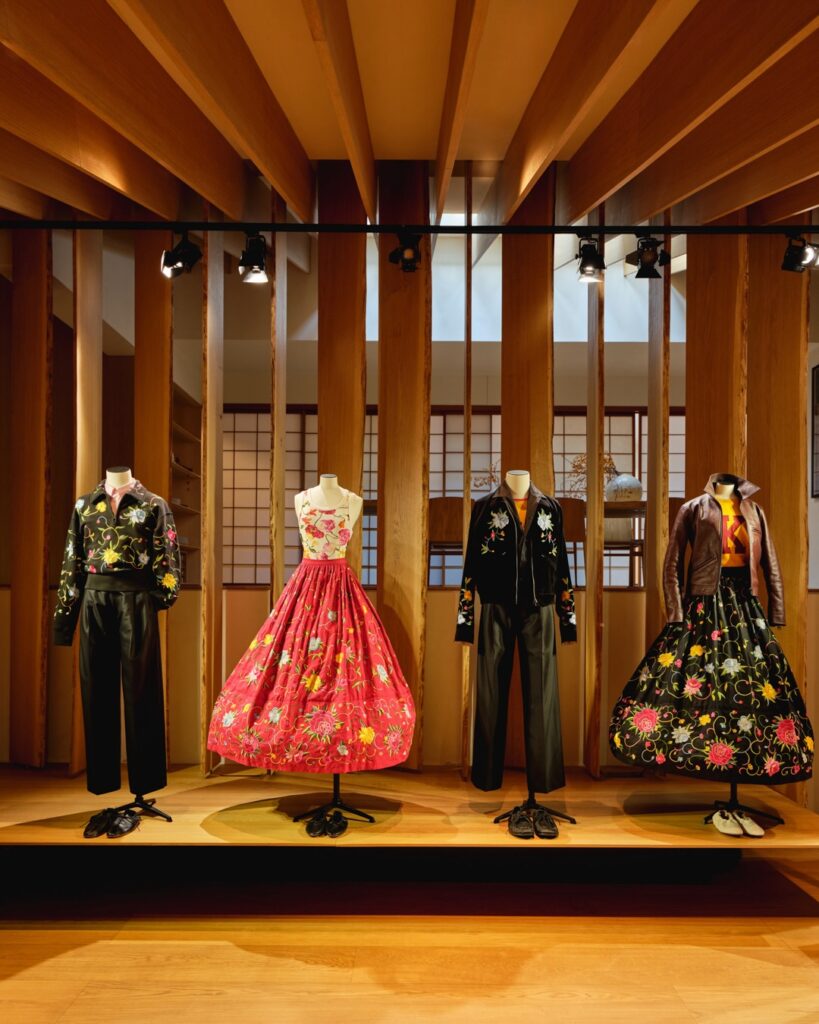
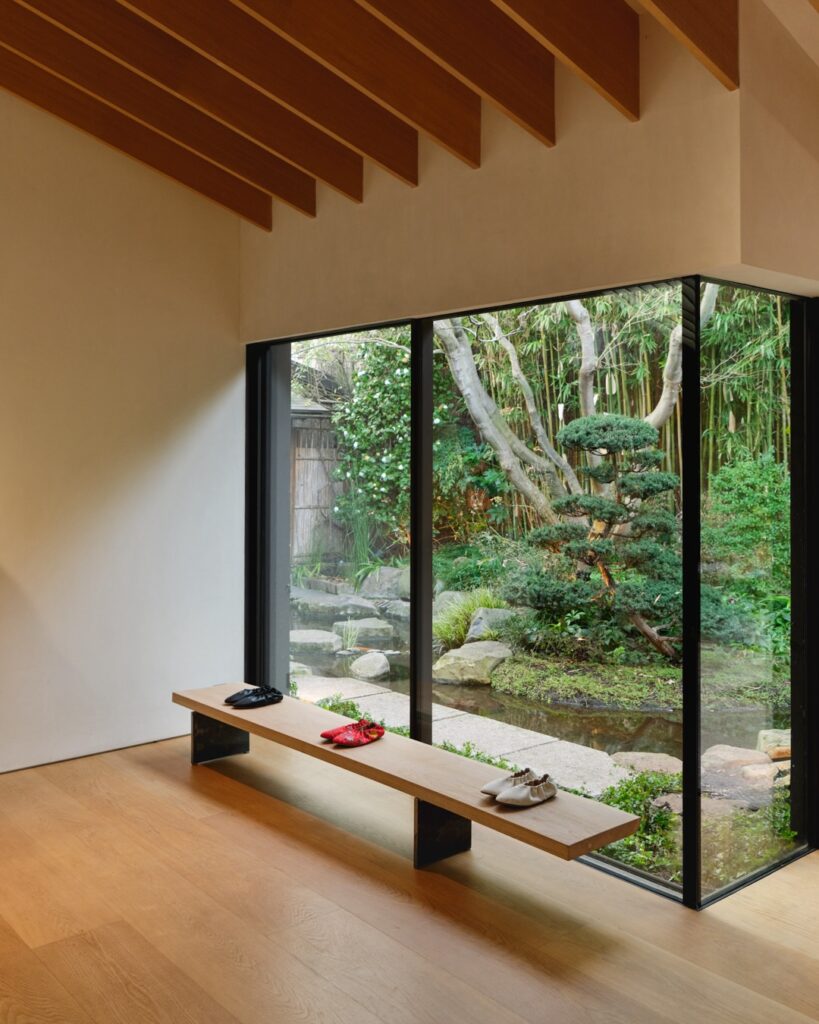
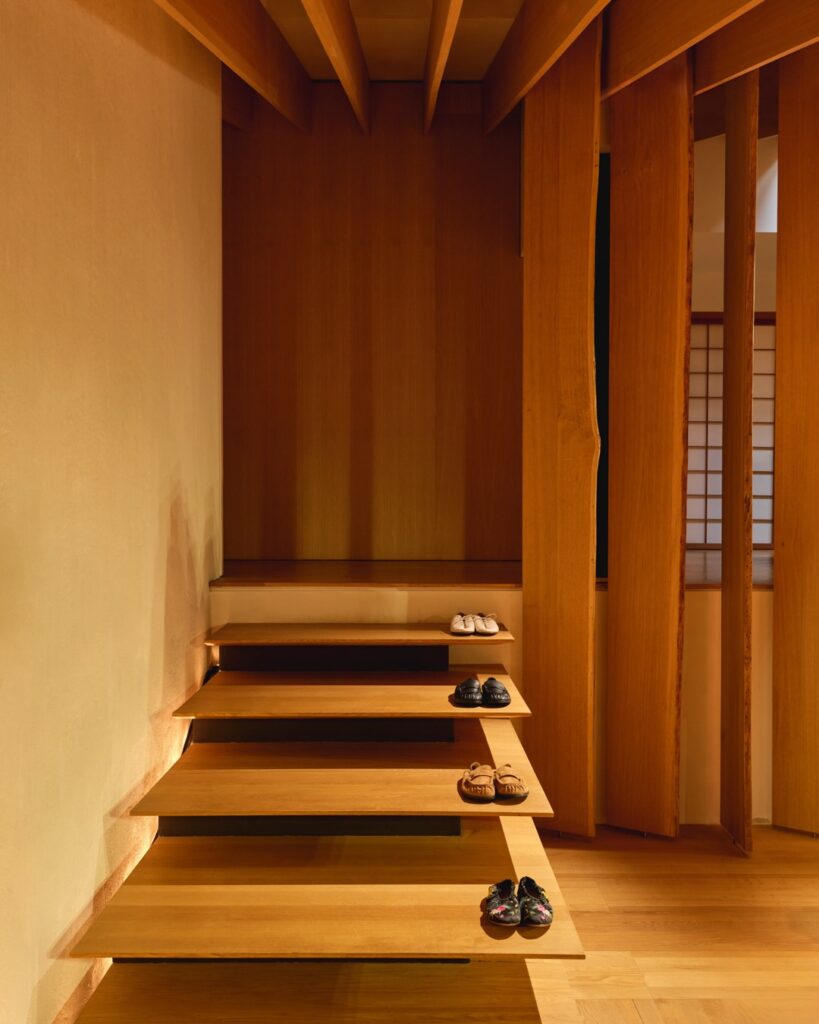
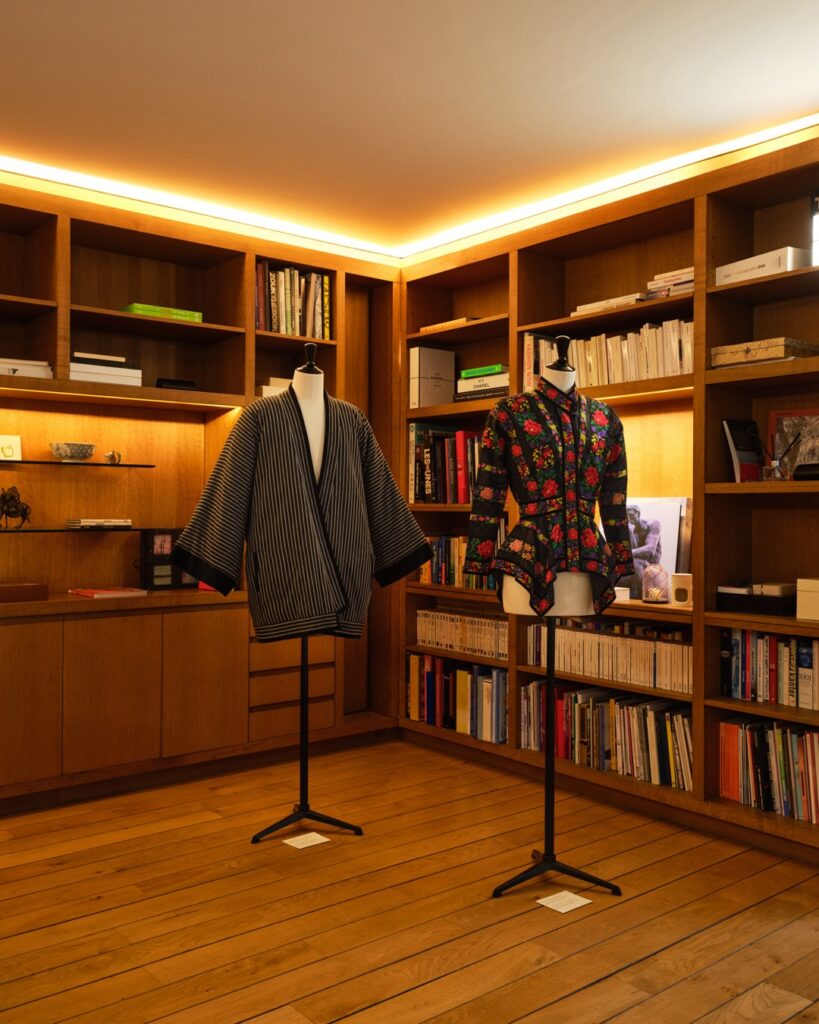
Takada’s Japanese-style abode is tucked behind a traditional 18th-century apartment building in Bastille, France. It was designed by the Himeji-born designer and his partner, the architect Xavier de Castella, as an “oasis home.” Surrounded by bamboo, junipers, cherry trees, and a koi pond, Takada’s home served as a place of sanctuary and creative vitality, hosting photoshoots, showrooms, and legendary parties.
Instead of continuing the maison’s tradition of whimsy and tongue-in-cheek attitude for Fall/Winter 2026, NIGO crafted a collection grounded on the idea of homecoming, not as a sentimental tribute, but as a way of reconnecting to its roots and finding stability there. “We are going back home, back to the beginning,” Nigo wrote in the show notes.
Related story: SSI Group brings Givenchy, Kenzo, Loewe, and Versace to The Mall at Nustar
Related story: Kenzo’s new fragrance channels the art of Ikebana and the scent of mimosa
It echoes Takada’s love and artful fusion of traditional Japanese design, French elegance, and American vintage aesthetic which he built his brand with in 1970. It is also a return to the more preppy, Ivy League-style dressing that NIGO revolutionized the house with during his appointment in 2021.
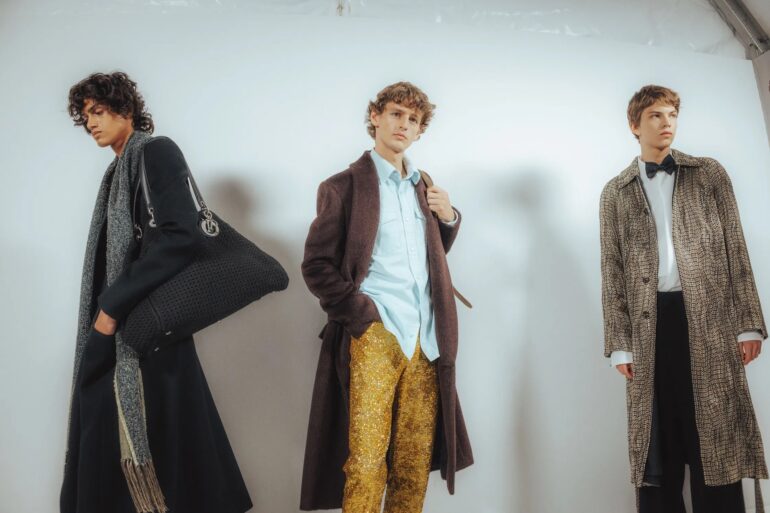
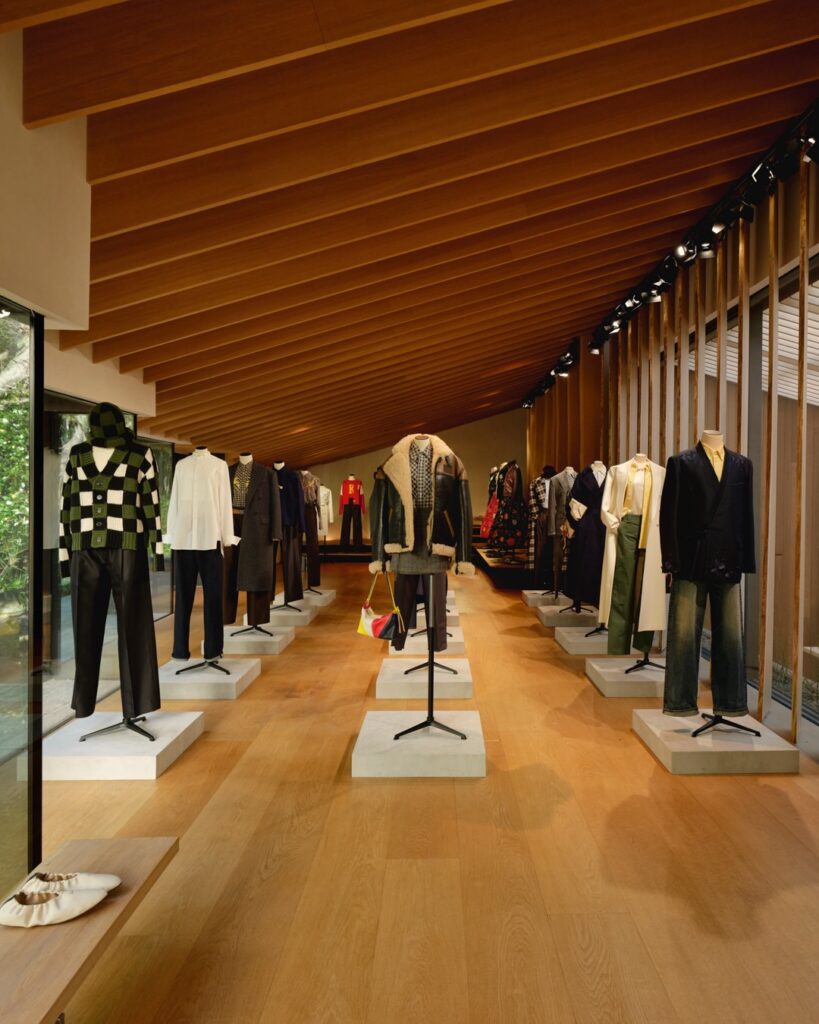
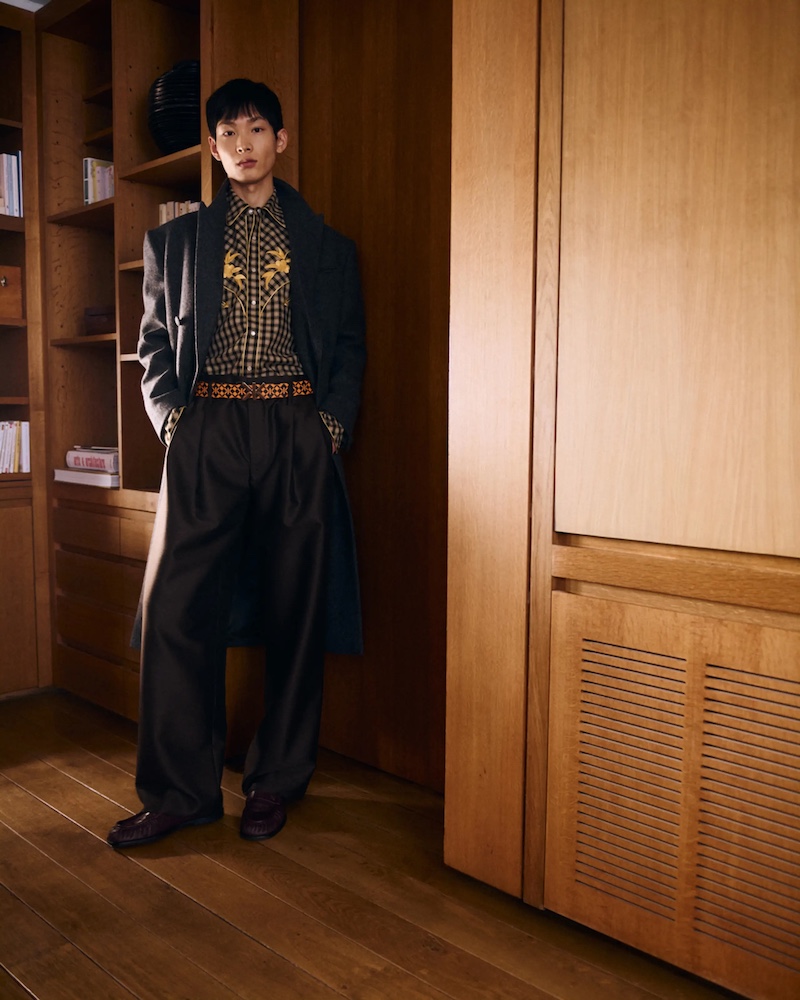
This season Kenzo breathes and exudes freedom, joy, and quiet confidence. It invites you into a cozy world where you can be most comfortable being yourself. Varsity references were aplenty, sparking a sense of nostalgia and youthfulness for all generations. Americanas are further elevated with Italian tailoring. Chinese-style pankou buttons bring new life to cowboy shirts.
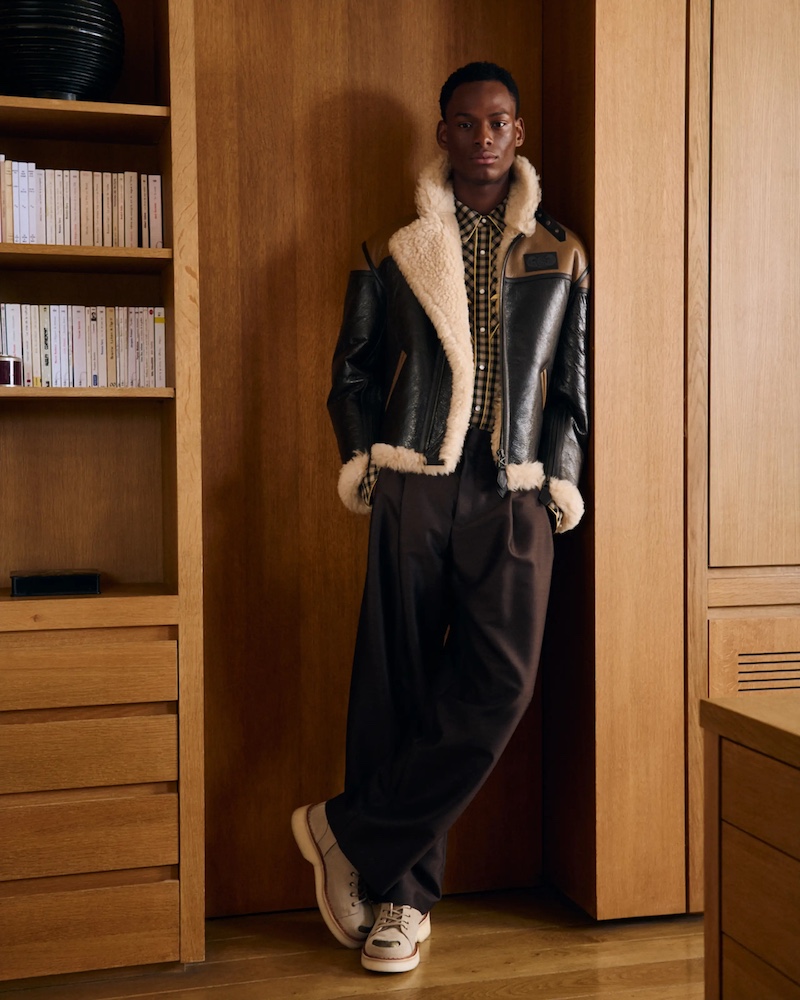
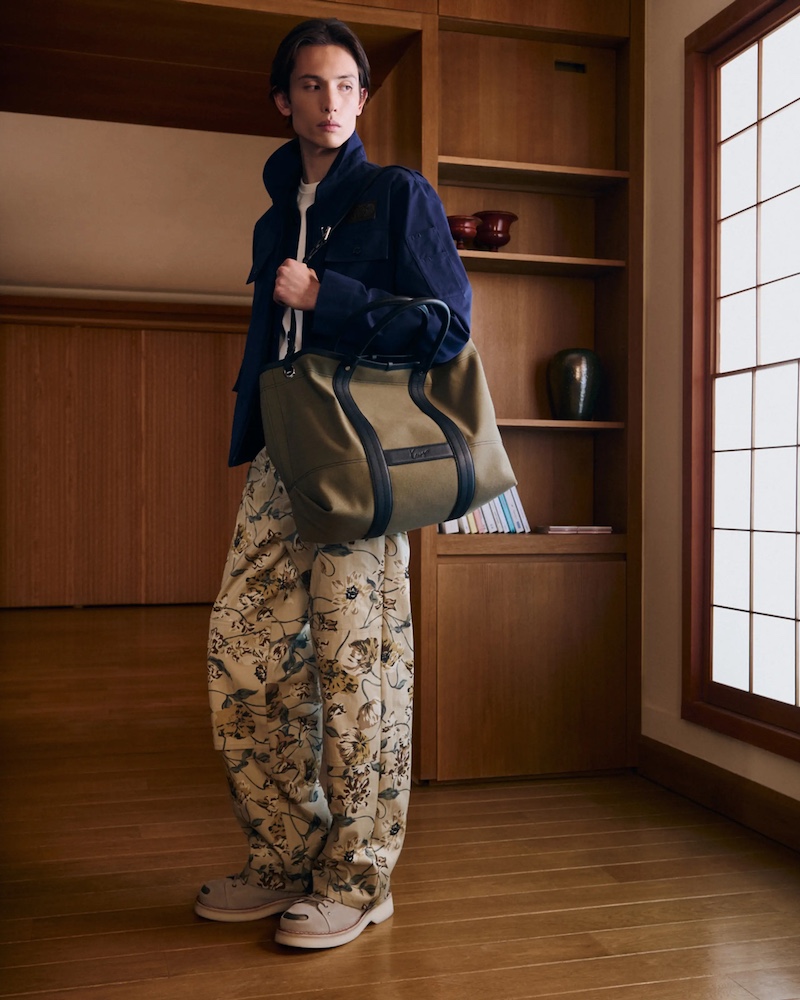


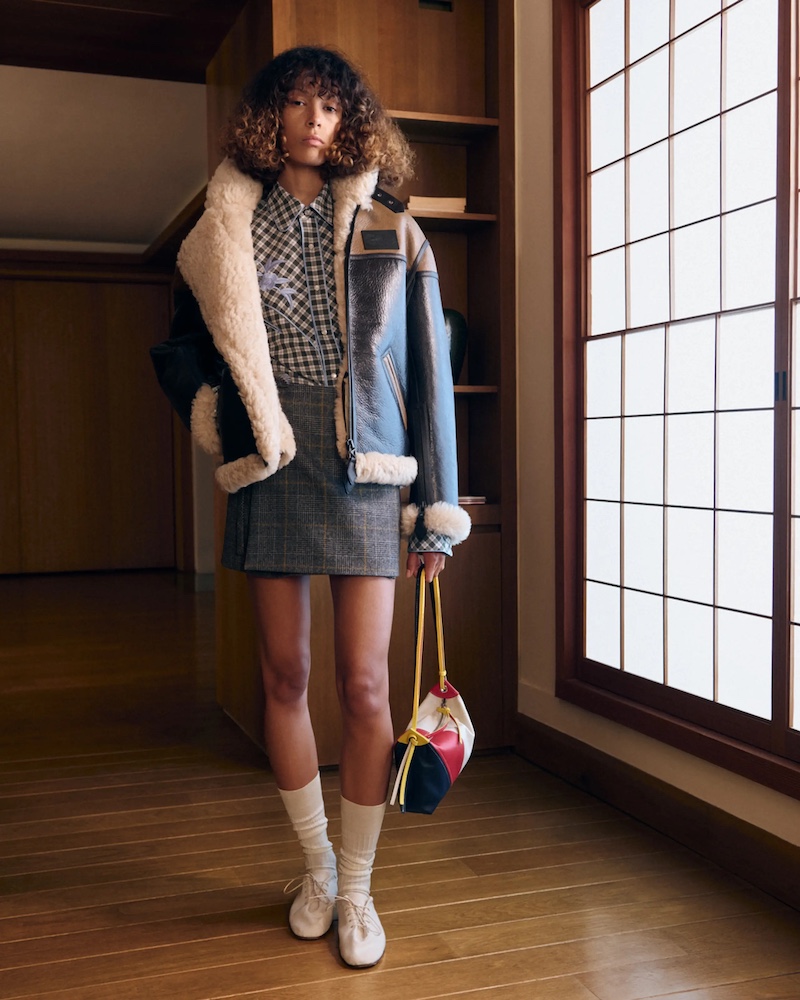
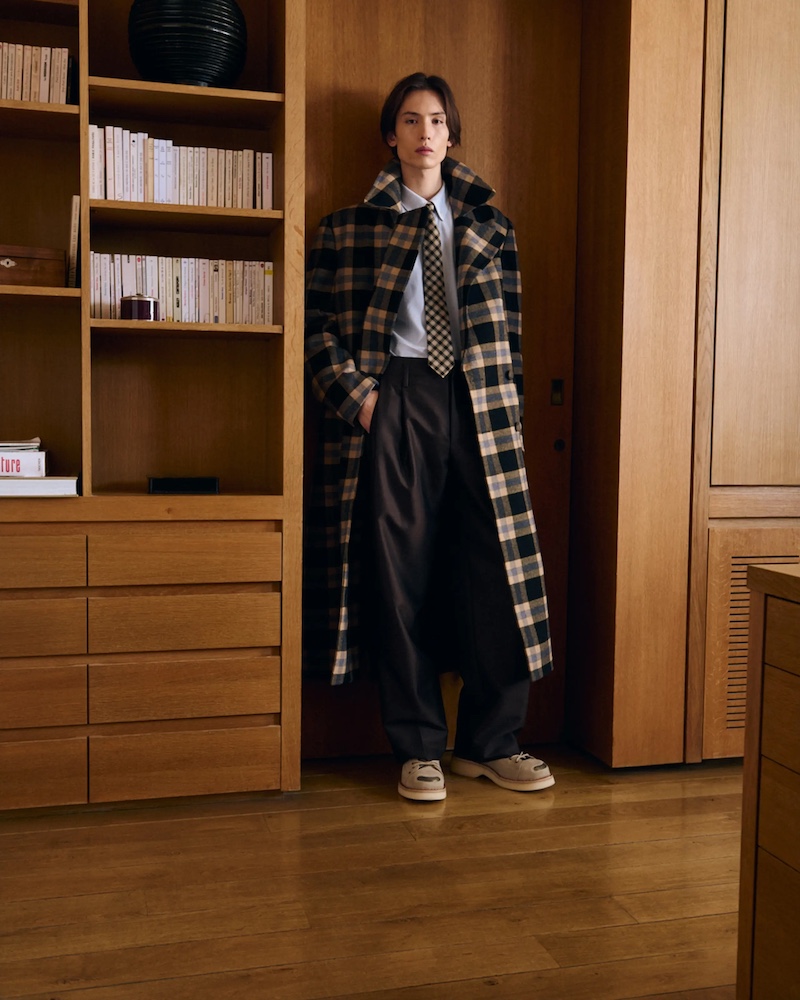

Silhouettes that defined Kenzo in its early years were reinterpreted through a contemporary lens. The Kenzo Jungle tiger from the 1970s makes a return as a signature motif on button-downs. Soft shades were pulled from the house’s collections of the same decade and enriched using calming blues, frosty grays, and optimistic red.
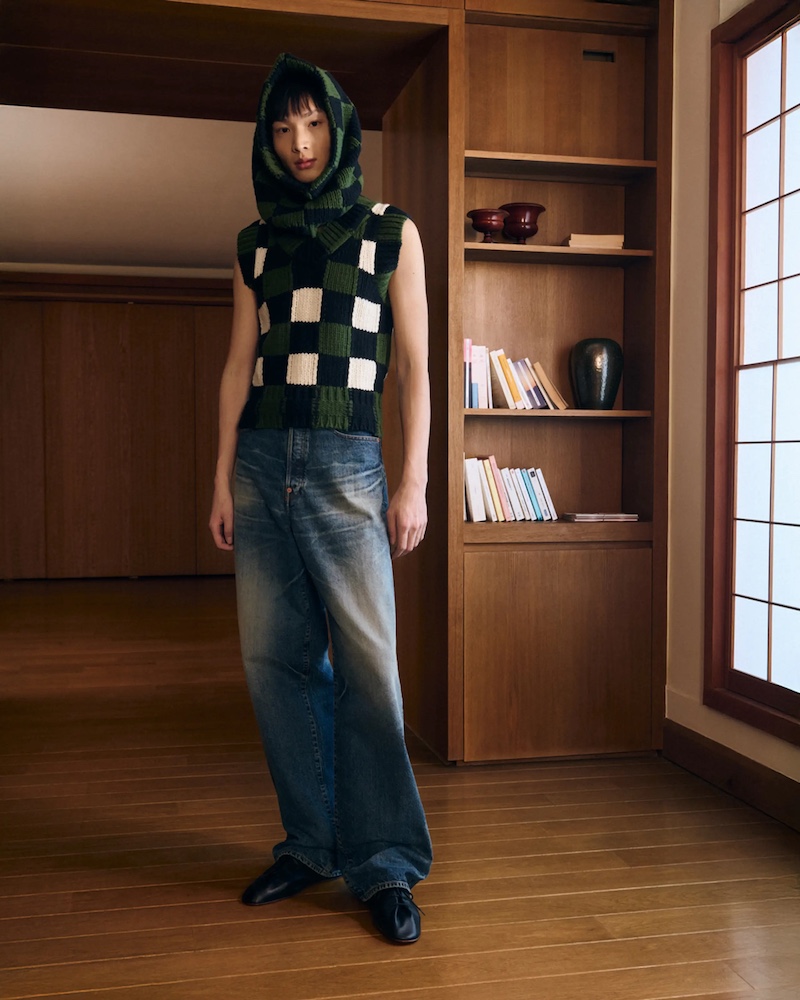
‘90s hits returned in new forms—graphic checks, stripes, and knits were beefed up in modern two-tone combinations, while embroidered organza skirts from the Kenzo 1994 collection were reinvented with modern, youthful styling.

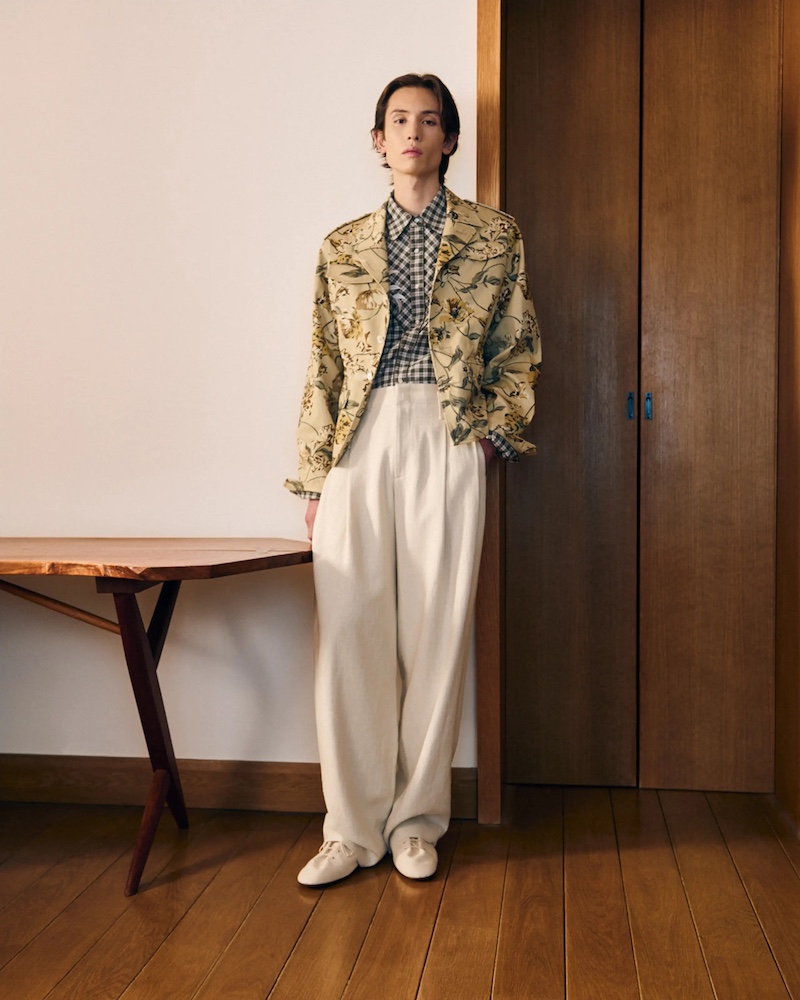

Related story: Pharrell Williams and Nigo take over the Louvre for Louis Vuitton Men’s Fall/Winter 2025
Related story: Sneak peek: Pharrell Williams and Nigo’s upcoming Japa Valley tourist hub in Tokyo
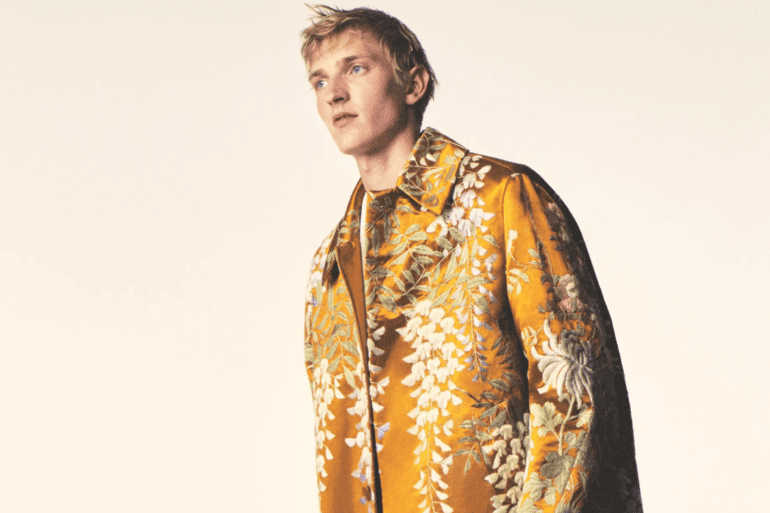
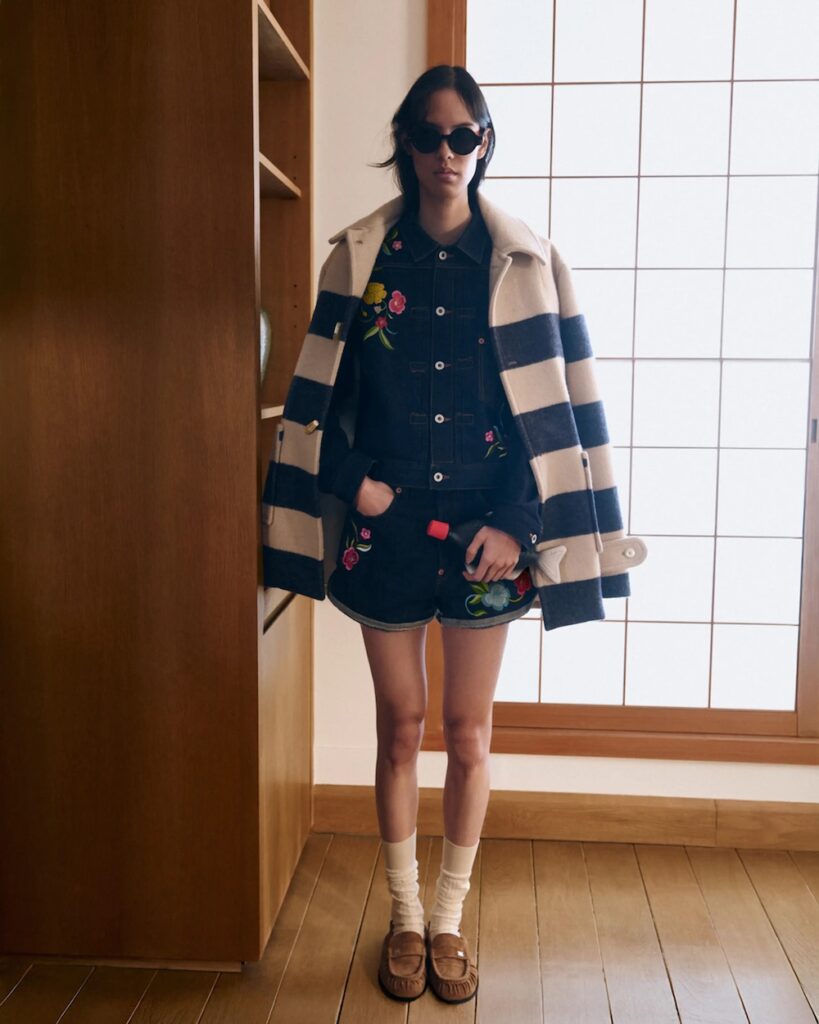
The collection likewise revived many of Nigo’s iconic elements from past collections. His Japan-inspired Boke Flower motif was spread across Western shirts, outerwear, and shoes.
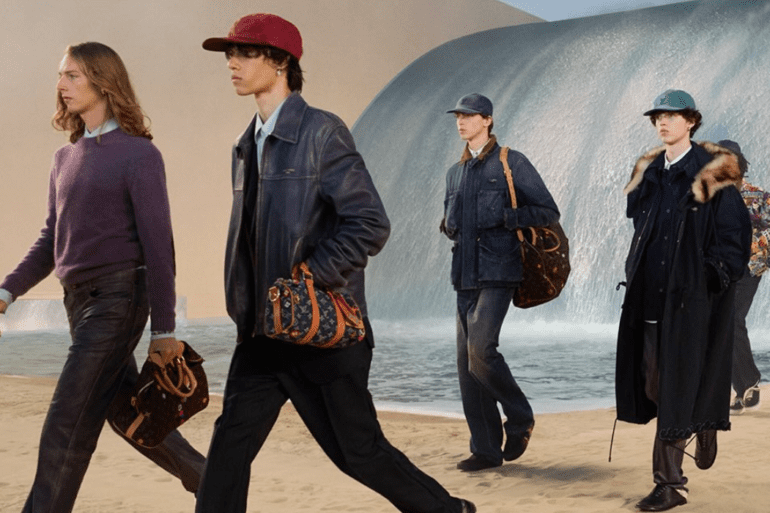
The “K” popularized by the Japanese designer during his appointment comes back in t-shirts, jackets, and cardigans. Salvaged denim continues as a brand foundation, with some reinvented in sun-faded or worn-in styles.

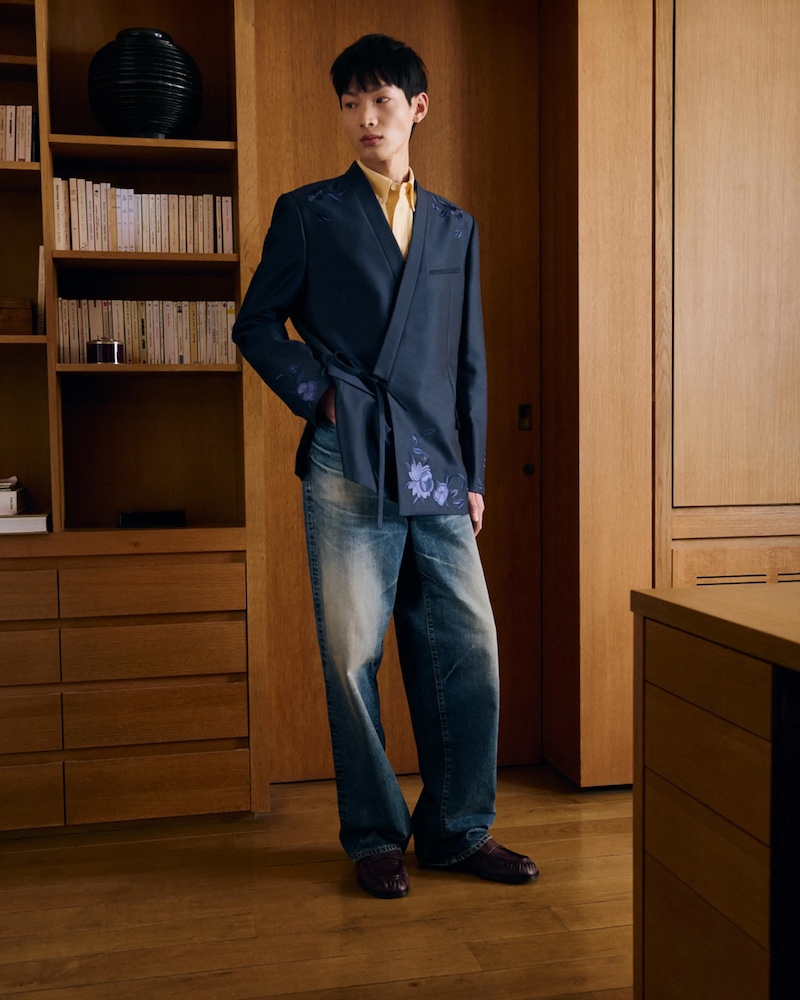


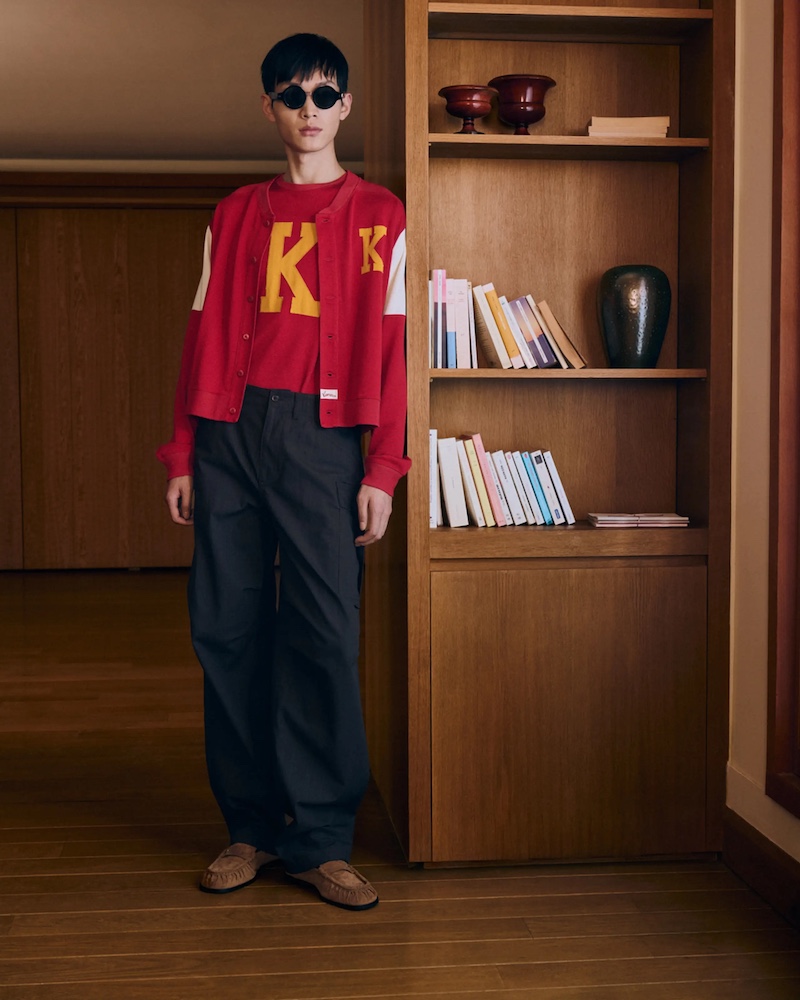
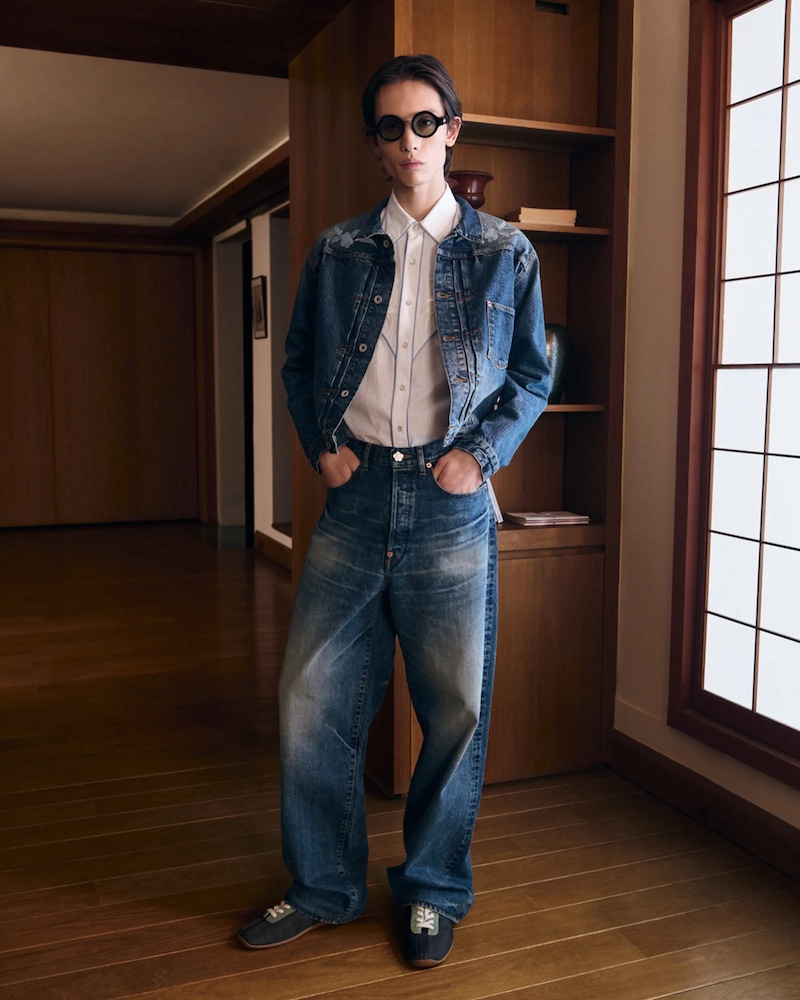
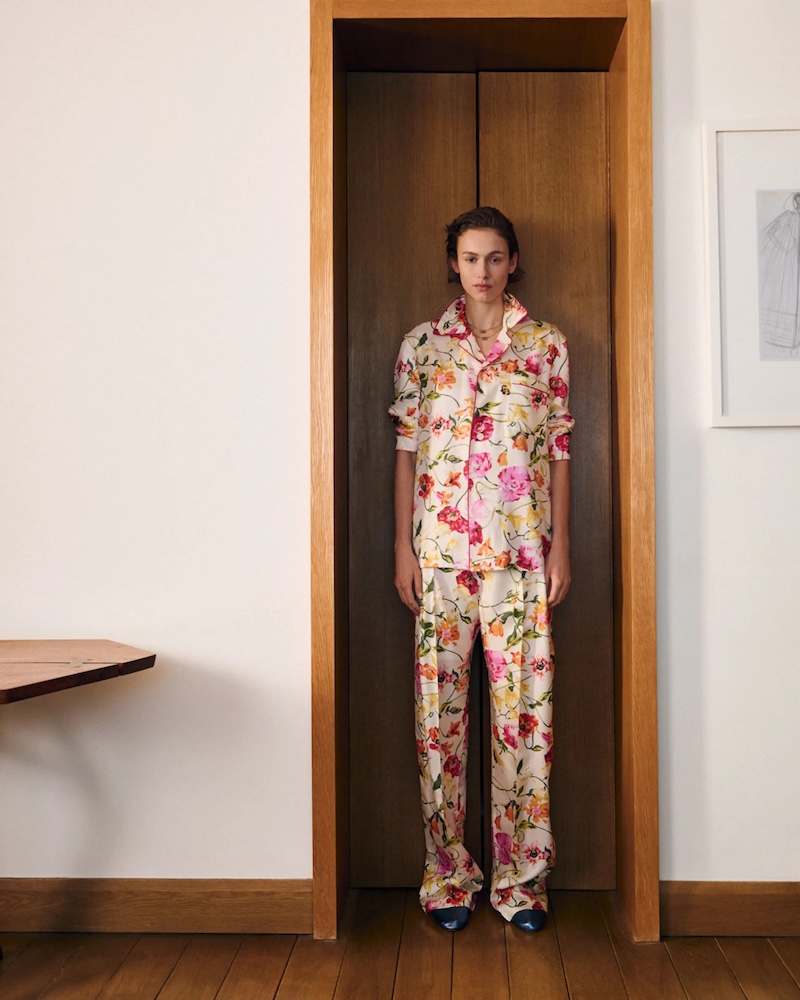
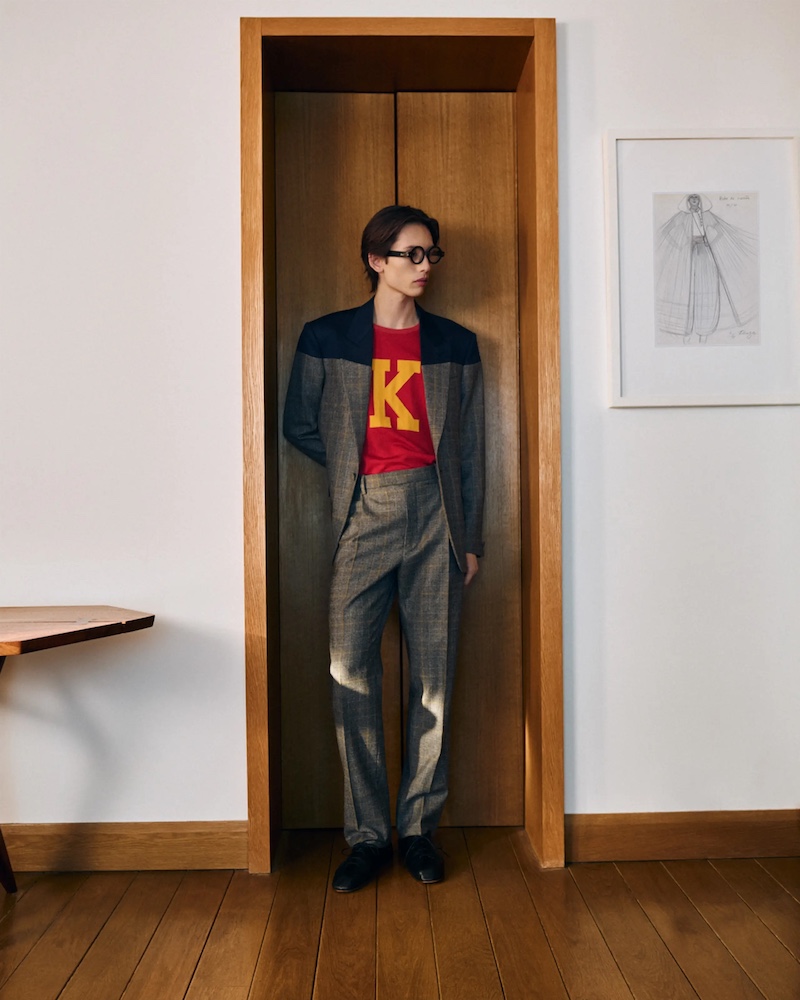
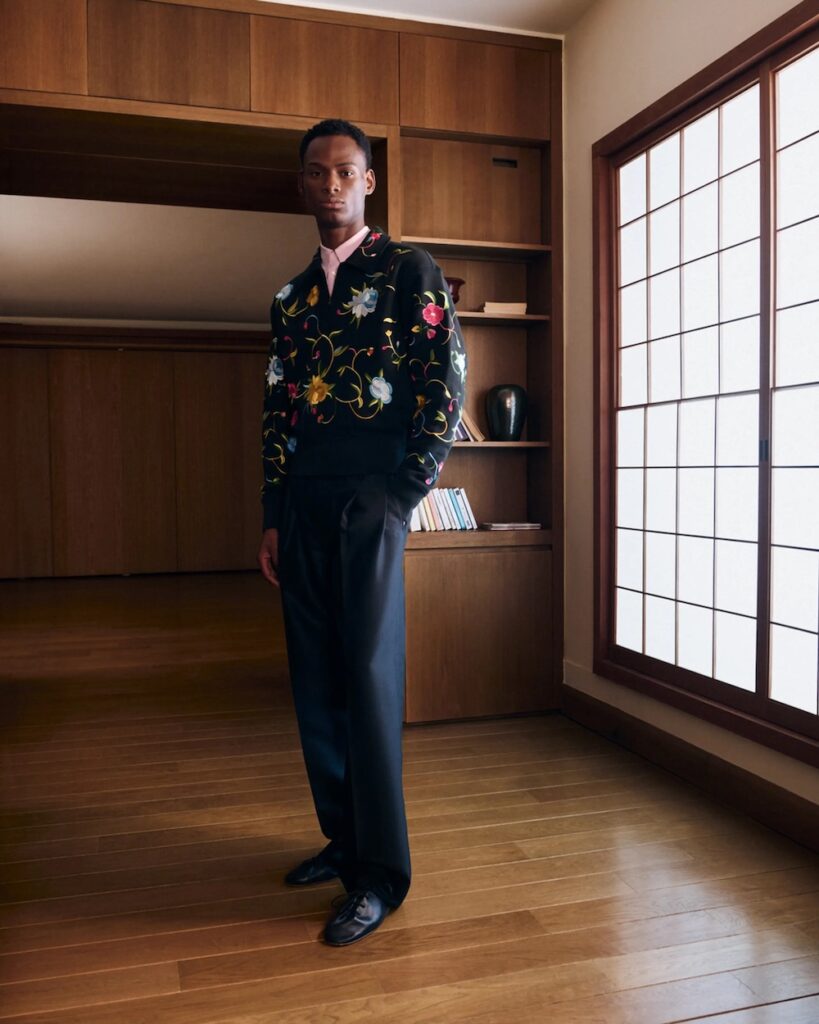
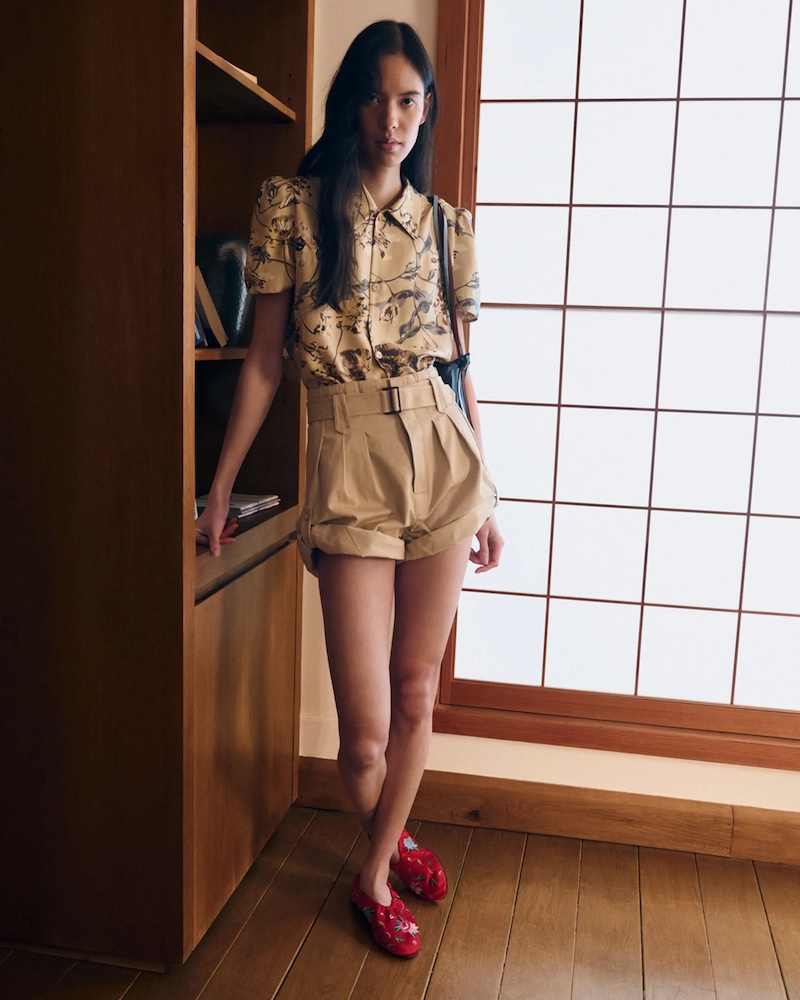
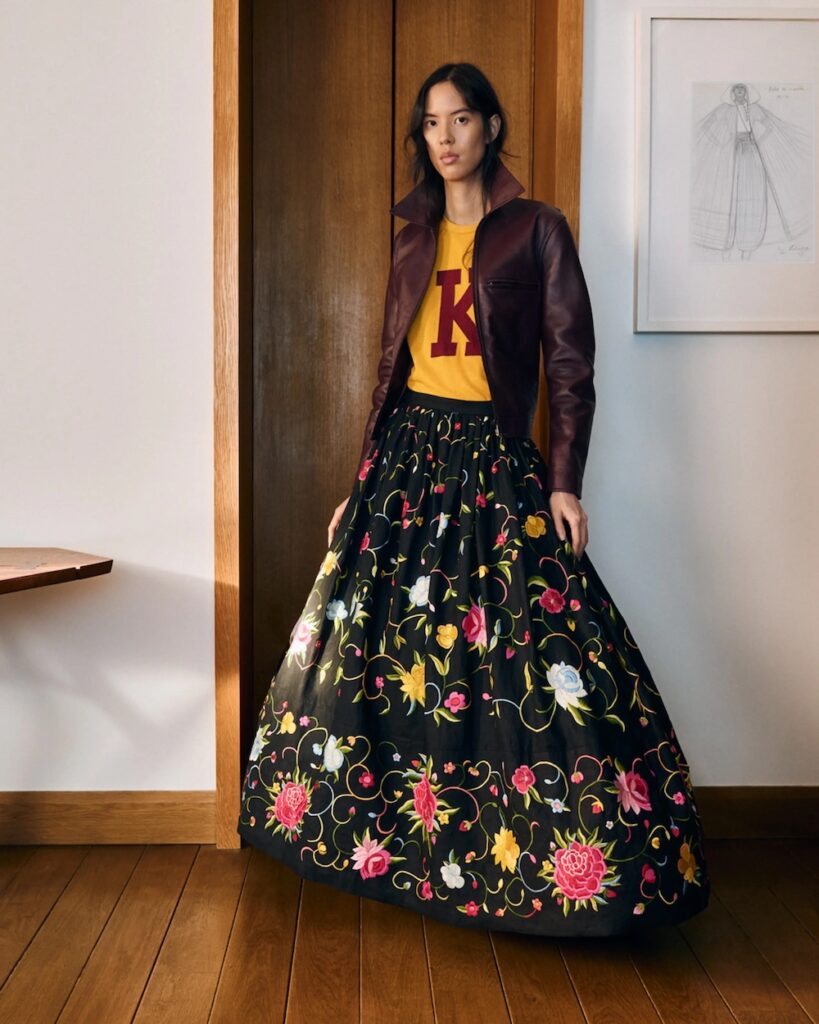
Kimono tailoring evolved in various forms, including apes on suits. The Kenzogram stays as a house signature across denim, nylon, jersey, knitwear, and belts. The collection’s florals and varsity spirit extends to the shoes and accessories, from the embroidered ballet flats to the statement canvas tote bag, as well as the 1986 Kite bag that morphed into new expressions.
Watch the Kenzo Fall 2026 show below.
Related story: Jaden Smith’s debut for Christian Louboutin: Purposeful theatrics or simply trying too hard?
Related story: Giorgio Armani Fall 2026 marks a new era that honors a timeless legacy