
Happening until Feb. 22, 2026, DTI’s latest trade fair provides you with 335 ways to uplift local communities while elevating your own style.
There’s nothing quite like wearing—or owning—something made with intention. Locally crafted pieces by Filipino artisans don’t just elevate your style; they also let you give back in a meaningful way. So if “doing good” is on your 2026 checklist, there’s no better place to start than the Department of Trade and Industry’s ongoing trade fair in Mandaluyong.
Organized under the agency’s Bureau of Market Development, Promotions, and One Town One Product (DTI-BMDPO), the “Bagong Pilipinas” trade fair brings together many of the country’s best micro enterprises in one expansive marketplace.
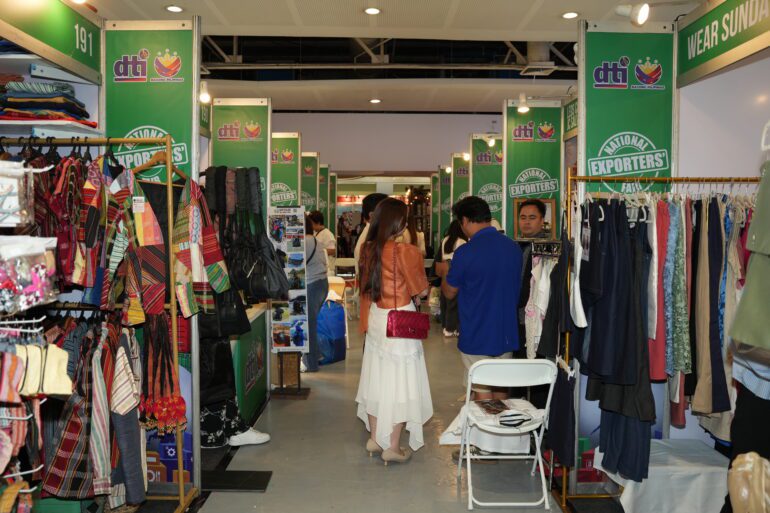
Located at the Megatrade Halls 1 to 3 of SM Megamall, the fair is the place to be if you’re looking for eco-friendly, design-driven, and high-value Filipino products to elevate your wardrobe and your home this year. You don’t just get to shop ethical and sustainable—you also “give back” to brands that drive meaningful change across society and the country.
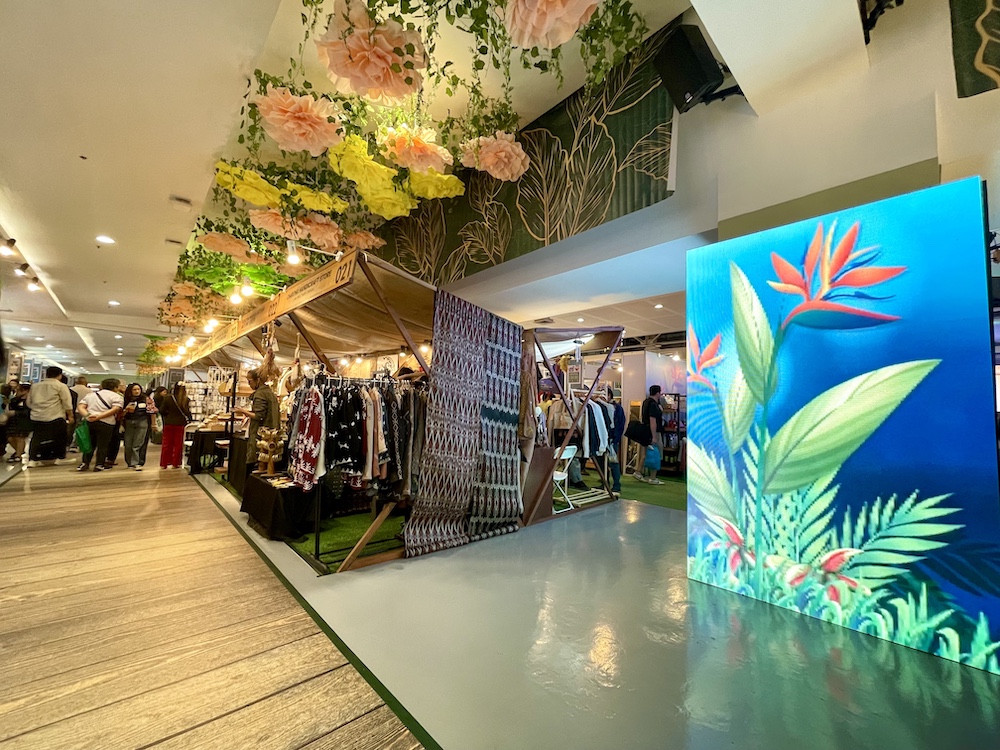
In fact, DTI-BMDPO’s trade fairs in 2025 generated a total of P665.13 million in revenue from cash sales, confirmed orders, and ongoing negotiations, which is directly benefiting 1,774 micro to medium enterprises nationwide.
This year, the trade show is featuring 335 exhibitors that specialize in crafting fashion, handicrafts, textiles, and furniture from coconut-based materials, engineered bamboo, natural fibers, plant-based dyes, and native grasses sourced from all over the country. This means you have hundreds of ways to uplift local communities while elevating your own style.
Here are the brands to catch at DTI’s “Bagong Pilipinas” trade fair before it ends on Sunday, February 22, at SM Megamall’s Megatrade Hall in Mandaluyong.
Related story: Playful, chic and ethical Filipino brands we love at ArteFino Fair 2025
Related story: Local beauty brands we’re loving from the DTI Beauty Fair
Jho Beads Arts and Crafts Store
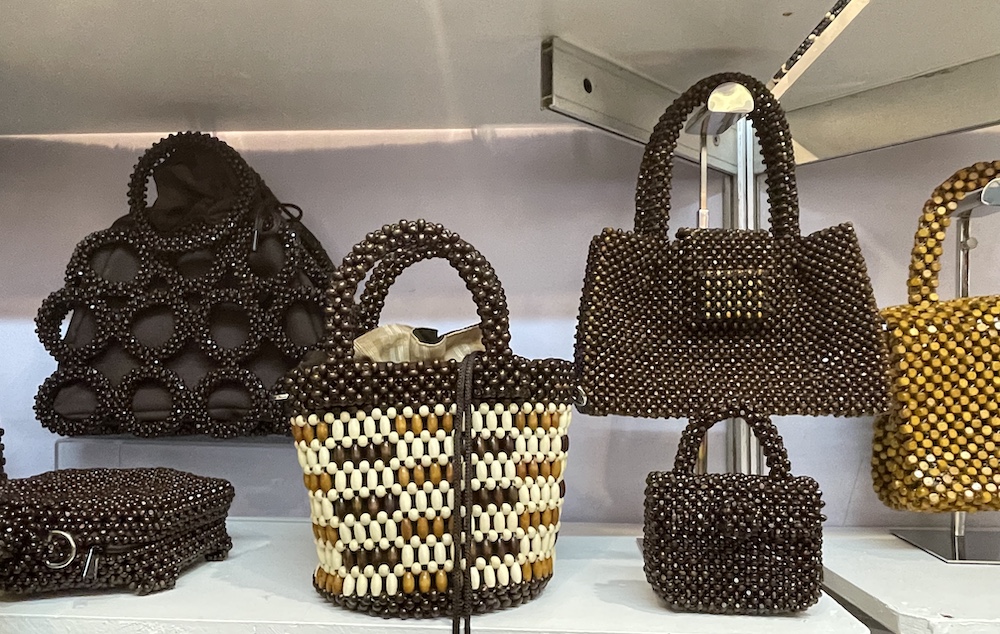
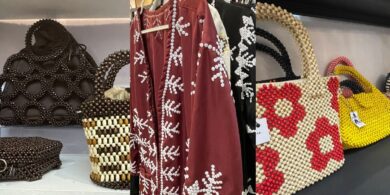
They’re definitely more than just accessories, conversation starters, or statement pieces in any outfit. Jho Beads’ ornamental bags are bold, playful style boosters that combine intricate beading and a means to spread kindness.
In an interview with The POST, owner Jocelyn Ybañez said that her business started inside Zamboanga City’s local detention facility. “I used to be a teacher specializing in arts and crafts and have always wanted to share my talent with others, especially those without jobs. So in 2016, I volunteered to train the inmates in the city jail in creating these beaded crafts,” Ybañez recalled in Tagalog. “I began training only three inmates, and because I noticed how beautiful the results were, I decided to pay for their labor.”
It may have seemed like a simple gesture—perhaps even the bare minimum—but it made a profound difference in the lives of those inmates. “They needed money inside the city jail,” Ybañez continued. “The detainees don’t get coffee or even toiletries for free. Their food is limited to galunggong and vegetables—that’s just it.”
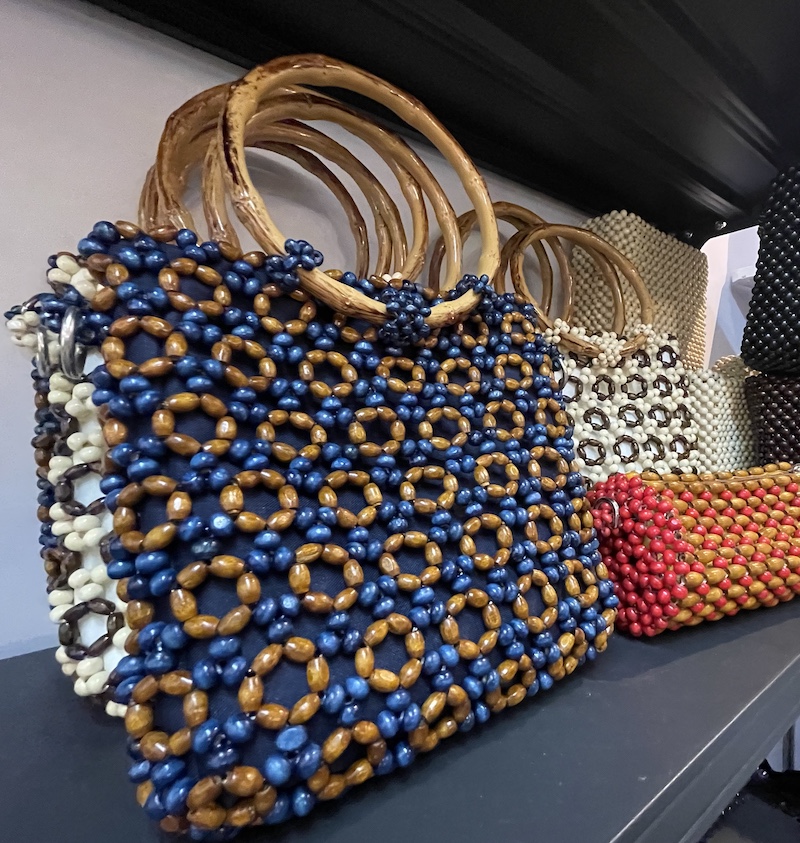
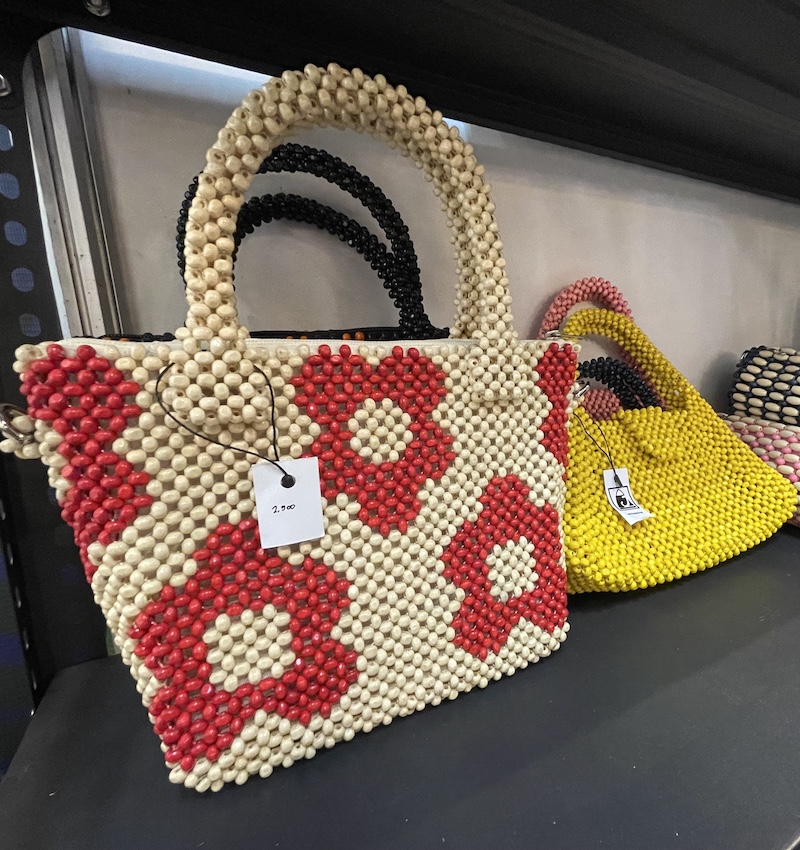
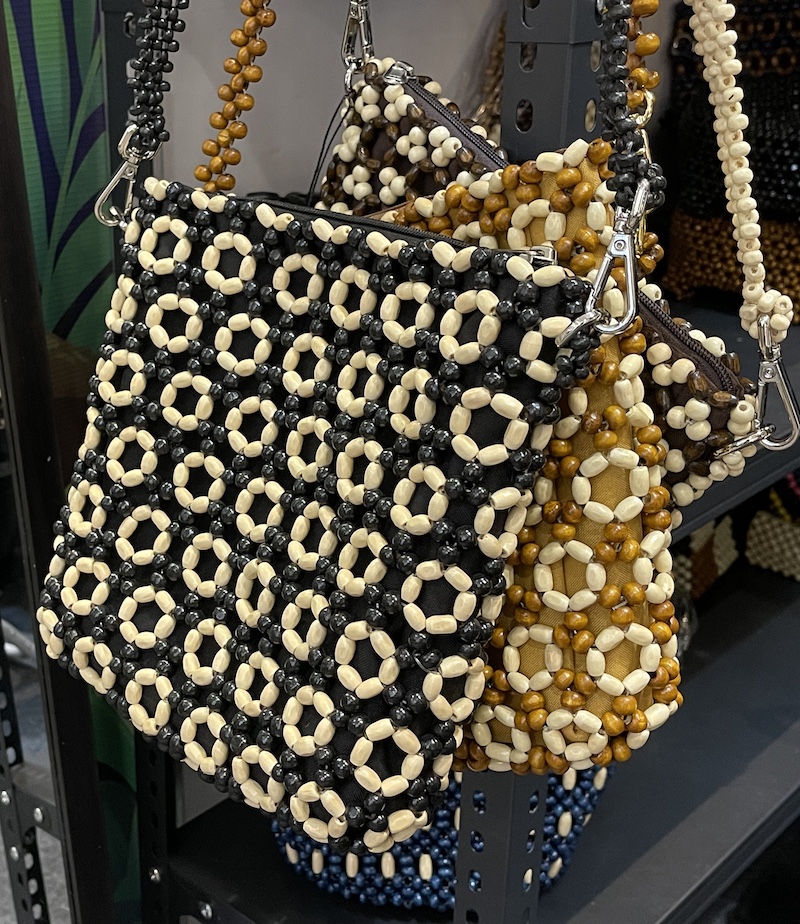
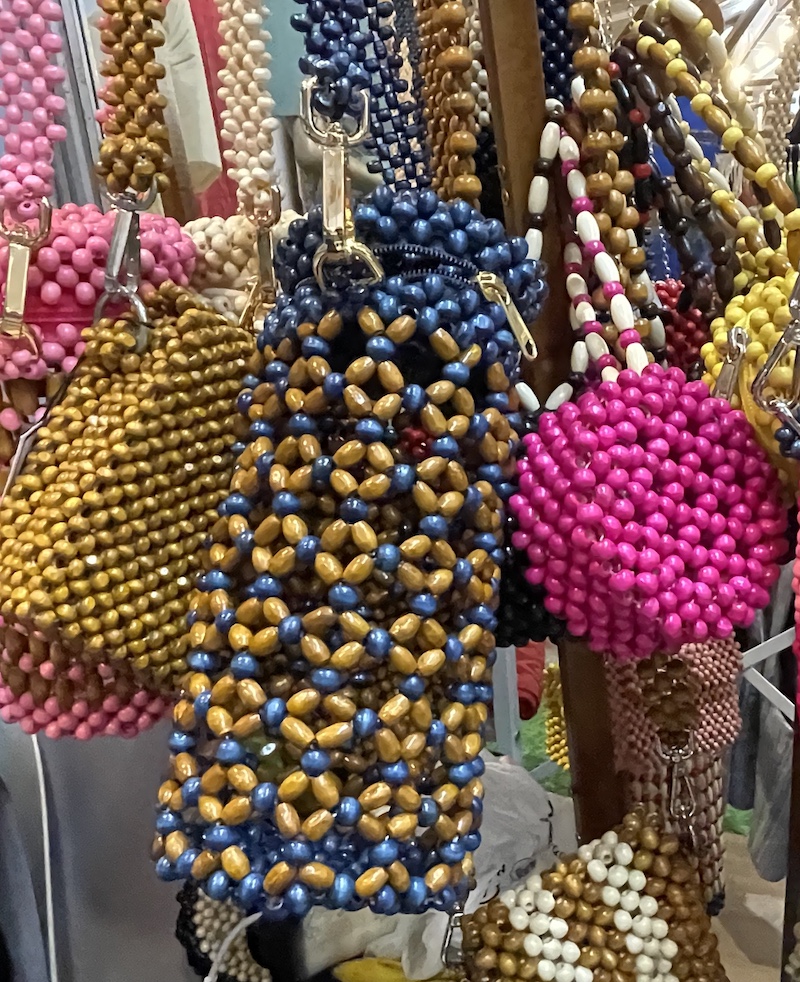
When the other prisoners learned that the three inmates earned money from making Ybañez’s coin purses, they began enlisting their services for the project. “Since then, I have been working under a partnership agreement with the Zamboanga City jail. I started with just three, and now they’re 53. Some would even send their earnings to their families,” she quipped.
Besides being an avenue to help others, Jho Beads’ coin purses, bag charms, pouches, and handbags are must-haves as they feature one-of-a-kind designs that have been catching the eye of popular designers like Zarah Juan. “I also have clients that export my bags to Japan and New York,” Ybañez added.
Ombeng Handicraft Store
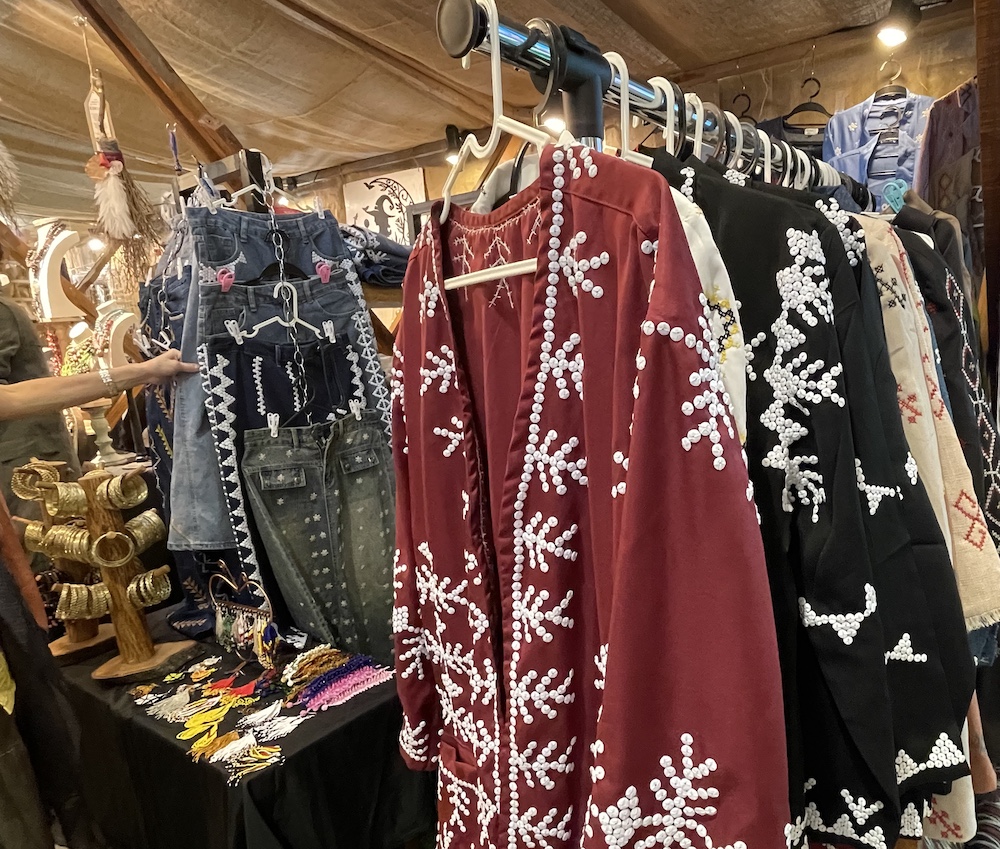
Artsy, bold, and nostalgic, Ombeng Handicraft Store’s collections serve a greater purpose beyond the aesthetic—tackling joblessness and educational barriers within Lake Sebu in South Cotabato. Owner Jocelyn Española told The POST that when she opened her business in 2007, T’boli women in South Cotabato had few ways to earn a living. Today, her association, “Tribe Ubu,” provides livelihood to 108 women who work in embroidery, sequin-making, and garment stitching—creating pieces that appeal to all generations, including Gen Z.
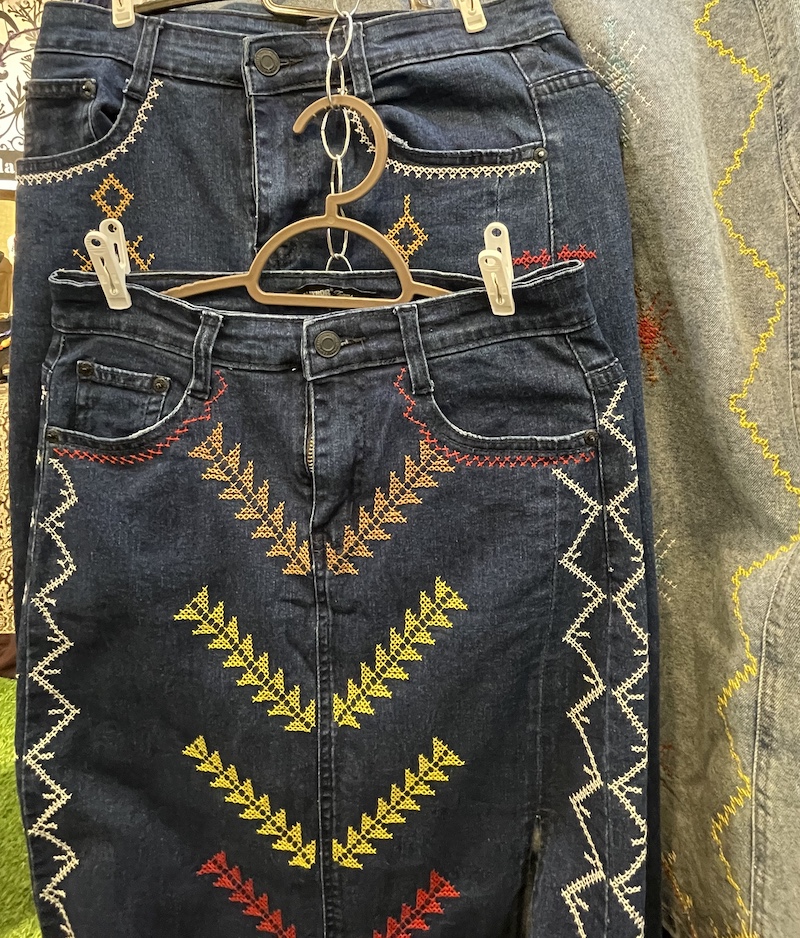
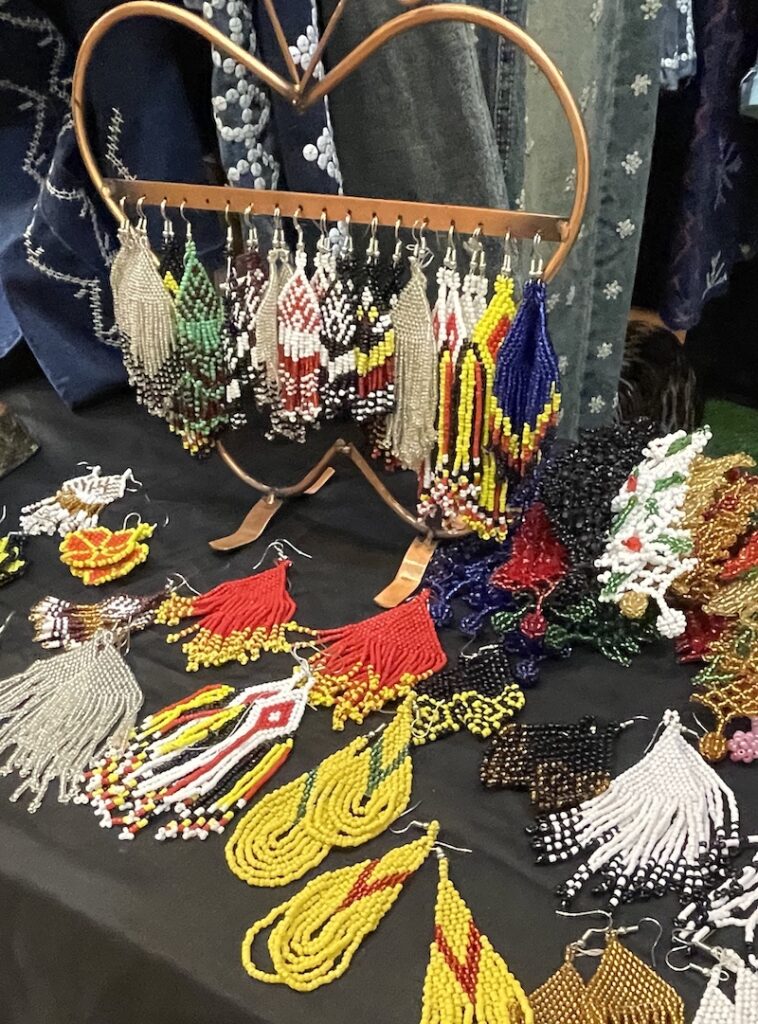
Besides providing T’boli women with income and a greater sense of purpose, Española has been using her business to fund the education of the less privileged students in Lake Sebu. “We need to work so we can support our students,” she told The POST in Tagalog. “If not, they won’t be able to finish their studies because life in South Cotabato is difficult because resources are scarce. We can’t always ask for help from the government, so we persevere in fulfilling our mission.”
Yahab Style
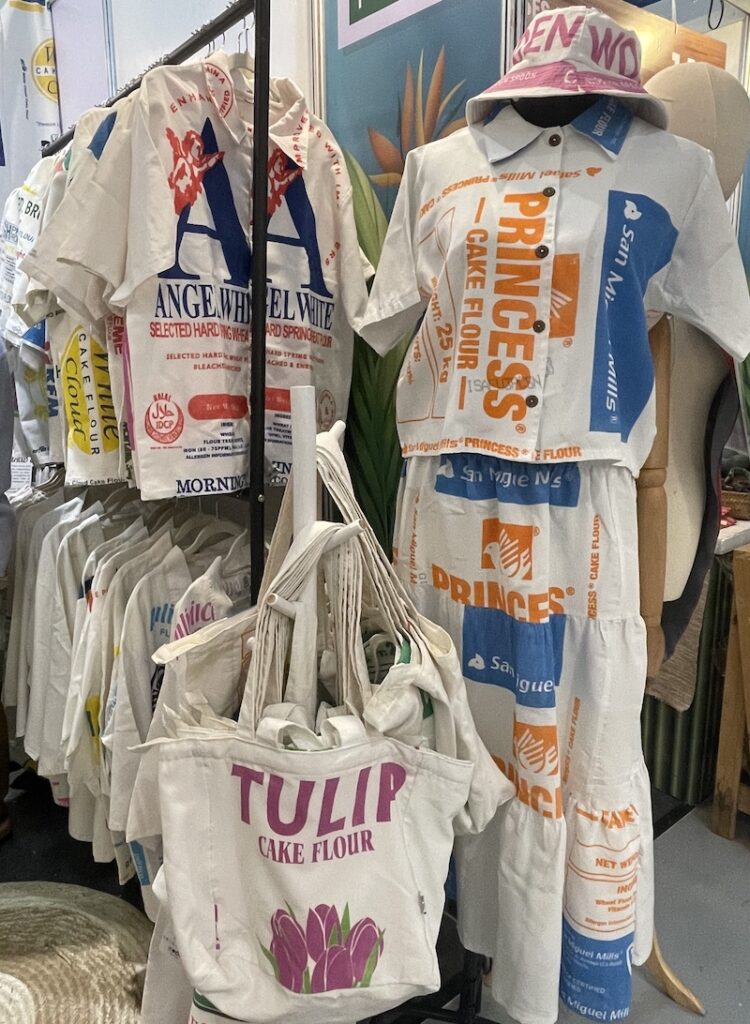
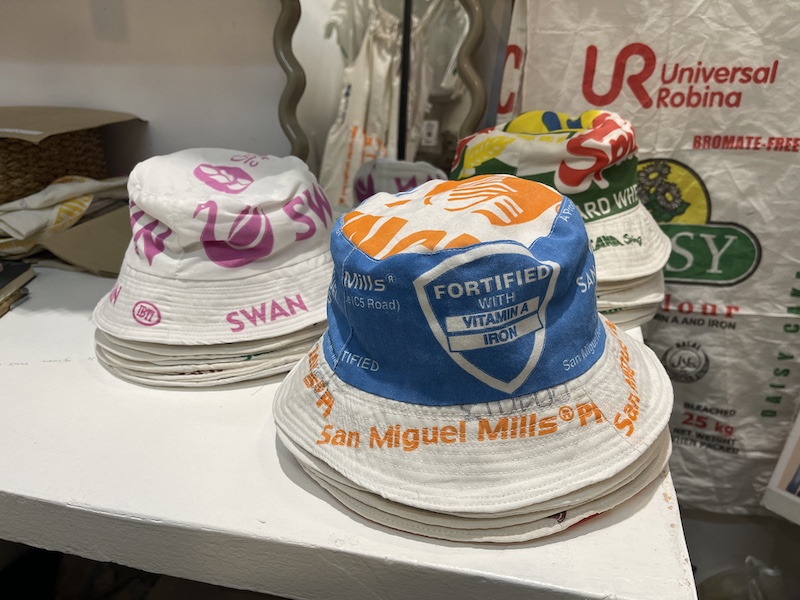
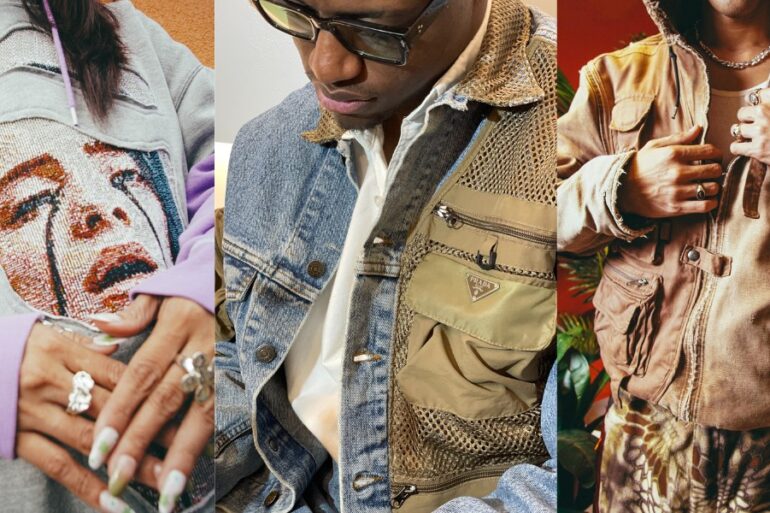
It takes confidence to embrace upcycled fashion, yet the meaningful impact behind each piece makes every wear all the more worthwhile. Take it from Yahab Style, which has been specializing in upcycling flour sacks into eco-friendly apparel since 2023.
Founders Ariel Casalbay and Emerson Labang would buy these cotton and katsa bags from bakeries around their hometown in Taytay, Rizal. With the sacks’ pastel-hued, printed patterns, Casalbay and Labang would create “walking pieces of art” that range from polo shirts and sleeveless tops to shorts with pockets and Tsuno Hobo bags.
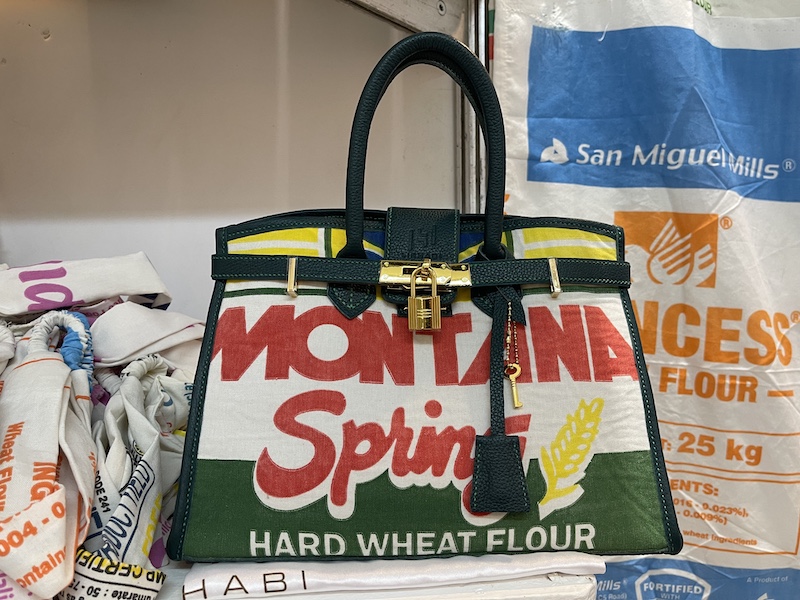
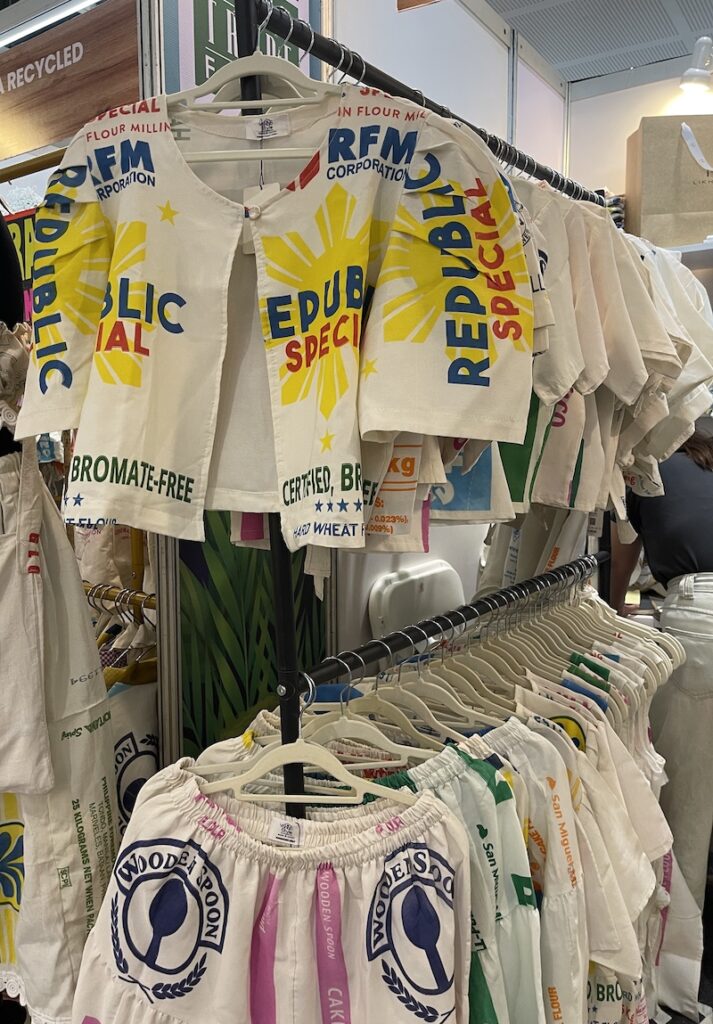
Speaking to The POST, Casalbay said that they specifically chose to upcycle flour sacks not only for their unique design, but also their cotton material, which is comfortable to wear in any season. The fabric also enables them to produce garments that are both functional and affordable, which has since been the main goal of their business.
“With our clothes, we want to convey that we Filipinos can love locally made products that are not expensive. We don’t want people to think that just because it’s Filipino, it is pricey,” Casalbay said. “We want to cater to every Juan—students and minimum-wage earners—not just people from the upper class. We designed these products in such a way that anyone can buy them because they’re Filipino-made.”

Related story: Revisiting a movement: Fashionably, proudly Filipino, and the high price of loving local
Dielle’s Apiary and Meadery Inc.
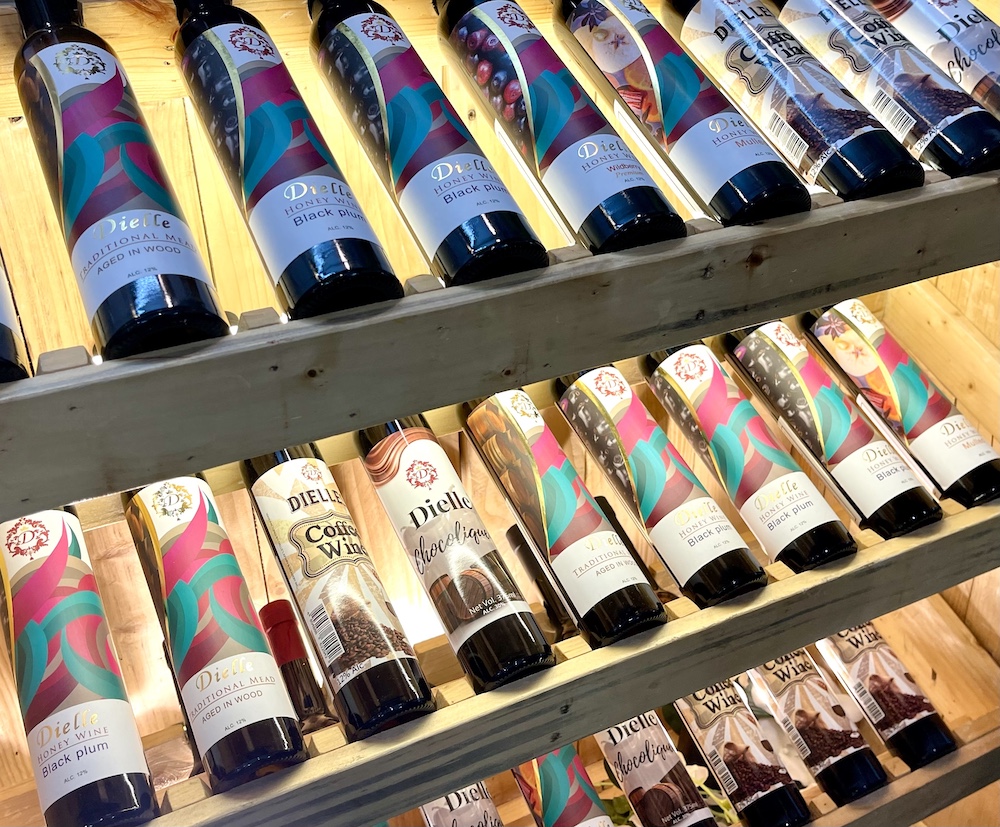
Drinking wine—especially in moderation—brings a lot of health benefits like lowering the risk of heart diseases and reducing stress. But just when you thought wine couldn’t get any better for you, Dielle’s Apiary and Meadery introduces a healthier way to enjoy these mood-lifting and body-boosting benefits. Enter: Dielle’s Honey Wine.
In a quick chat with The POST, Dielle’s Apiary and Meadery co-owner, Lope Noel Durian, said that they initially started the business as “beekeepers.” The decision to evolve into wine makers came about when his father-in-law, who had experience with wine-making abroad, talked about the possibilities of producing honey wine.
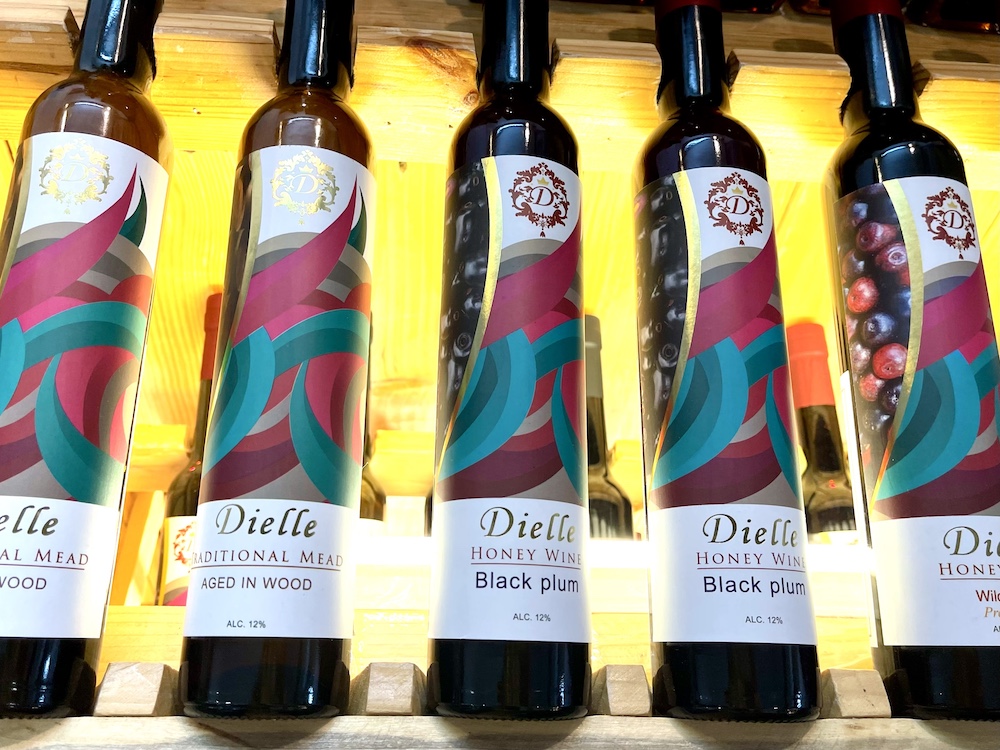
“The process of creating these wines is similar to traditional wine-making,” he explained to The POST. “But instead of using sugar, we use honey. Then we make use of our local fruits—we have wild berries, mangoes, among others. So they’re definitely healthier because instead of sugar, we use honey. It’s a healthy alternative, especially for people with diabetes or simply those who want to reduce their sugar intake.”
Tingting Crafts and Souvenirs
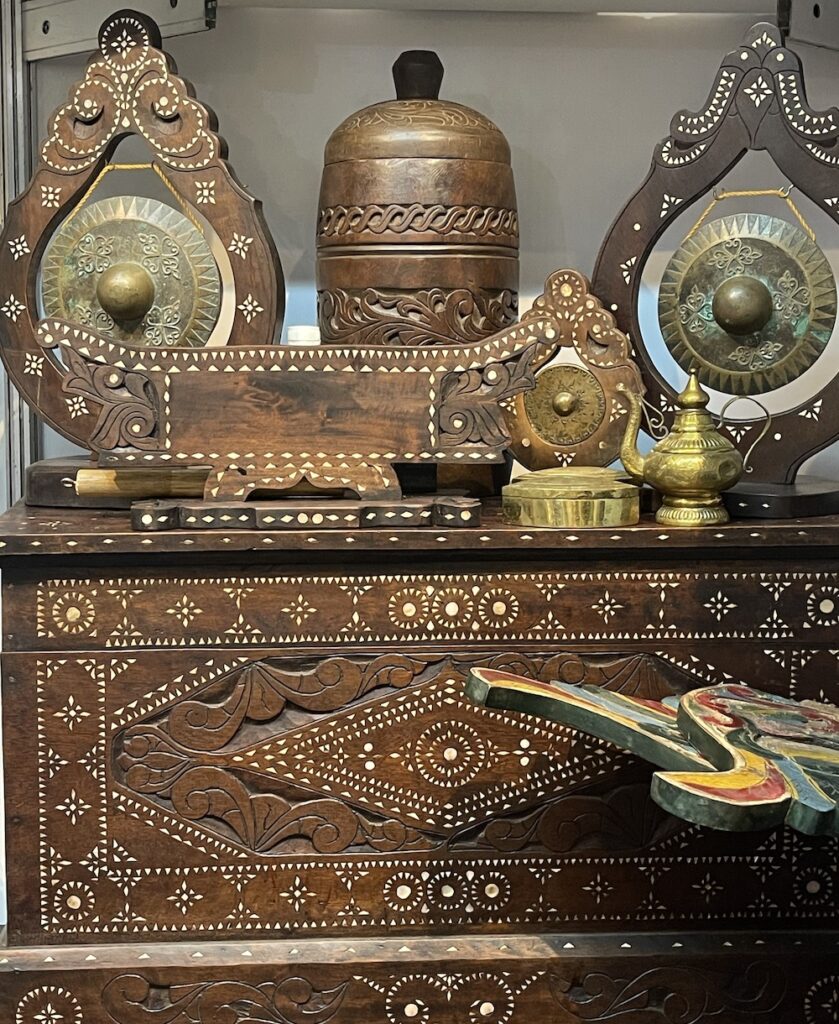
Filipino-made furniture has always been beautiful—not just in appearance, but in craftsmanship and cultural depth. It is evident, especially in the wooden chests, chairs, and ceramic vases crafted by Tingting Crafts and Souvenirs.
The Lanao del Sur-based furniture maker specializes in creating wooden and ceramic pieces that are crafted to impress and built to serve. According to Hedayfa Salik, child of the business’ owner, each piece of furniture is produced in Tugaya, with local artisans incorporating design details from Okir, a distinct, intricate folk art style from the Maranao people.
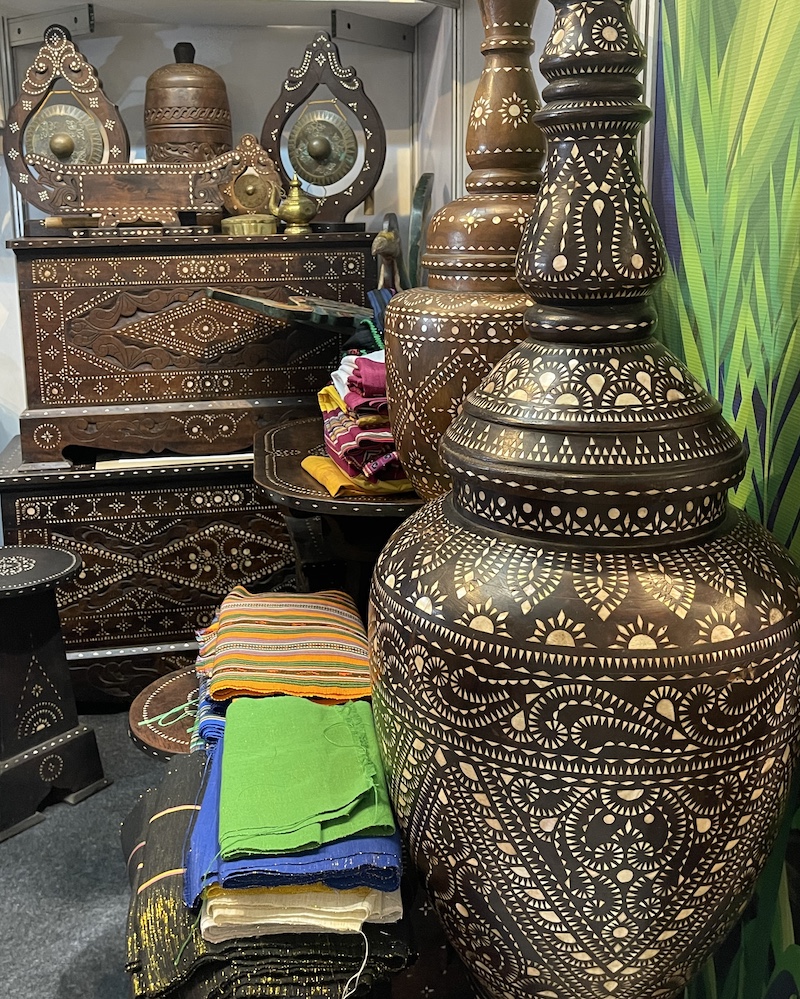
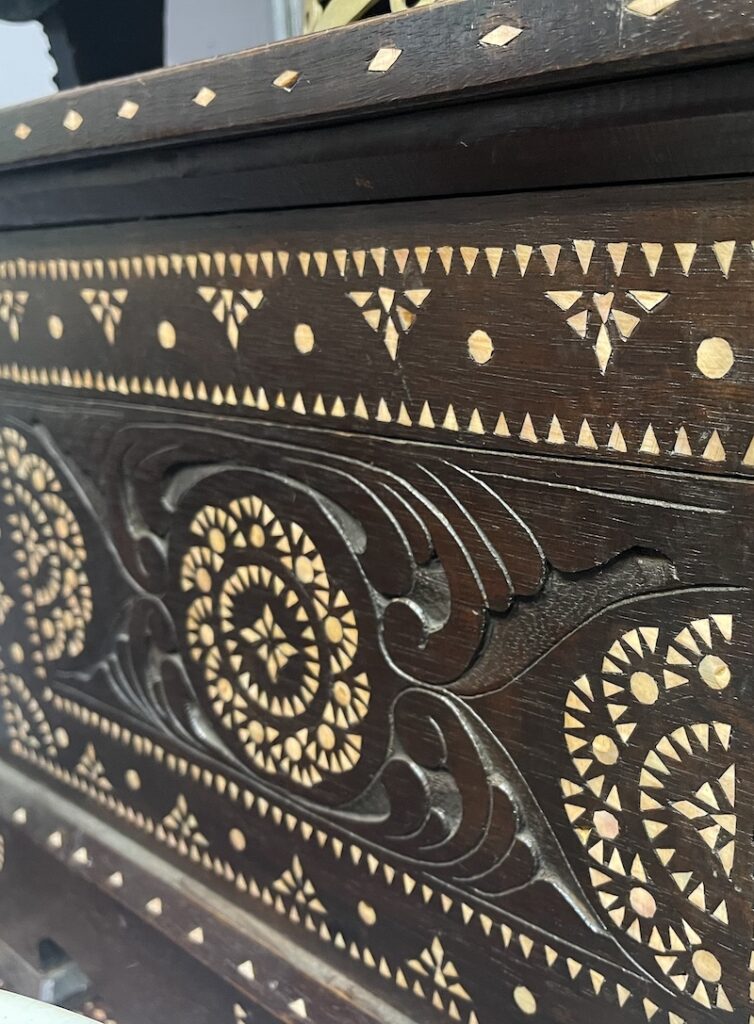
“They carve the wood or ceramic, then shave the Mother of Pearl, cut them into small pieces, and apply them onto the surface of the furniture one by one by hand,” Salik explained to The POST.
It takes a minimum of two months to craft each furniture, especially because the designs are made “on the spot,” according to Salik. Considering the dedication and detail invested in each creation, it’s an undeniable must-have for every Filipino home.
Related story: Independence Day finds: Local brands that make us proud to be Filipino
Related story: Missed Likhang HABI Fair? Here are the local brands we are still obsessing over