
A combination of resourcefulness, talent, and heart are still handy to have when you are a journalist. AI could never have all three.
The Devil Wears Prada 2 is out on the big screen, and it brought much-needed closure for many fans, neatly tying up loose ends by answering burning questions such as “Did Andrea really stick with her unsupportive boyfriend Nate?”
Much like its predecessor, this movie is definitely eye candy. For those who watched it for the fashion and cameos, it remains as lush and decadent as ever, with an insider’s eye on what goes on in major fashion events—you know, the ones that determine whether cerulean blue will eventually end up in some tragic discount bin corner as a lumpy blue sweater.
Changing worlds
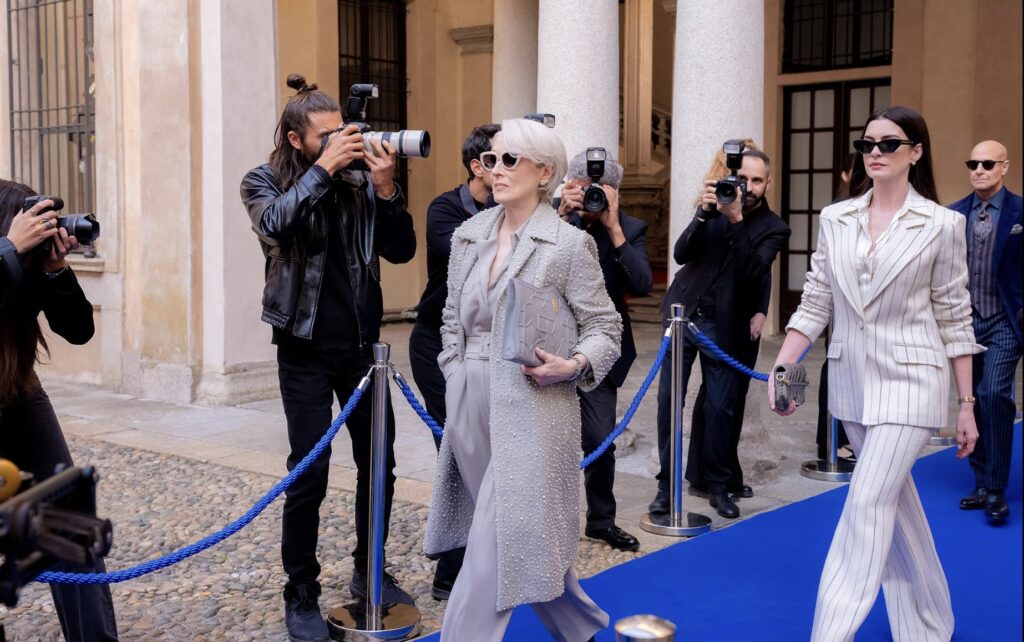
In that same monologue that every fashionista worth their sequins knows by heart, Miranda Priestly (Meryl Streep) talks about the fashion industry as one that represents millions of dollars and countless jobs. The very same can be said for publishing.
The parallelism doesn’t end there. Both are challenged in a changing world, with clothes being churned out incessantly by fast fashion companies and digital articles being spewed out by every Jane, Jill, and Julie who vapes while using Chatgpt.
The movie is an astute nod to both industries, scrutinizing the situation like photo transparencies laid flat on a light table (which is how we used to choose cover photos before the era of emails and GDrives), and giving them the value that they deserve.
Aside from being a lookbook for the fashion industry, The Devil Wears Prada movies are guides to those who want to see their byline in publications because, then, as it is today, “A million girls would kill for this job”.
I started my own journey in the publishing industry more than two decades ago. Watching the movie led me to some introspection on what writers and editors could learn (or relearn) in order to make it in this new frontier.
Related story: ‘The Devil Wears Prada 2’ is for everyone who has ever loved this industry and stayed anyway
Related story: After the Palanca Awards: A two-time winner on the doors that open and the ones that don’t
Related story: The POST Chats: Award-winning writer Kenneth Yu on writing short fiction
Field notes
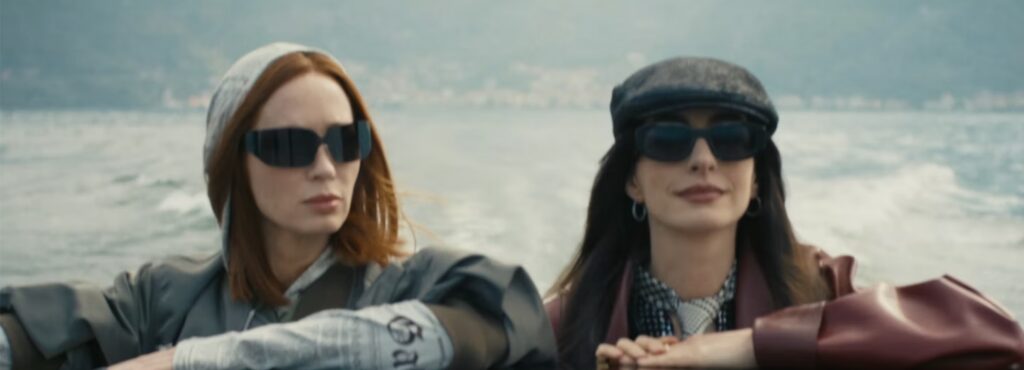
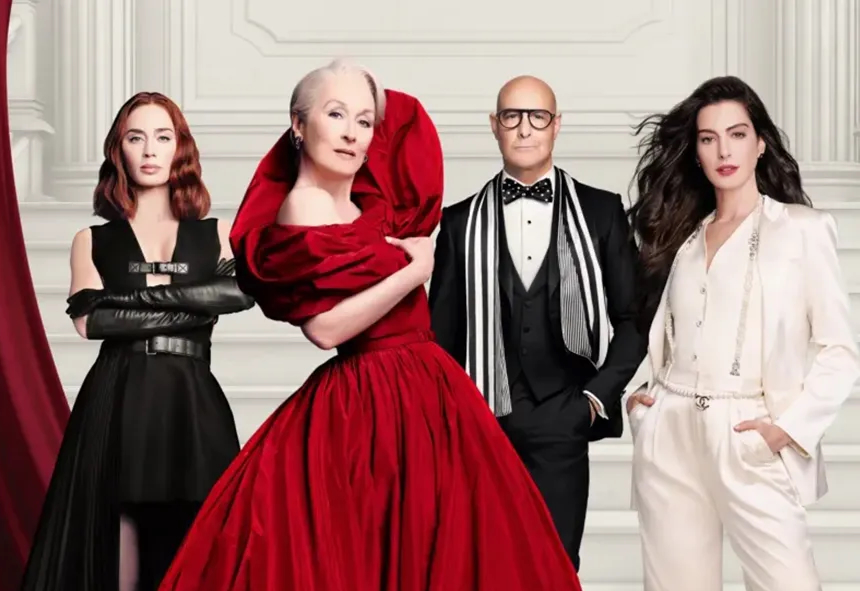
It’s 2026, and newspapers either downsize or shut down completely. Runway Magazine has had to pivot to digital. This is the setting in which Miranda, Nigel (Stanley Tucci), and Andy (Anne Hathaway) struggle to survive. This is where we are at now in real life. Here are a few lessons I picked up that can prove useful, whether you are a newbie or someone who is transitioning in their career.
1. Don’t stagnate, innovate. Whereas editorial rooms used to be concerned with advertising and circulation, these days it is all about how many doomscrollers you can get to stop and read what you wrote. We must learn to navigate digital. Even if it means writing your article with the mindset of “creating content”. If you really want to reach your readers, this also means leaving room for other pathways to catch their attention, such as short video formats. In many aspects, the digital landscape is still the Wild West. There is still so much more room to explore, instead of being “de kahon”.

2. Stick to old-school strategies. It contrasts starkly with Tip #1, but there’s still something to gain from sticking to what works. Remember when Andy had to look for the latest Harry Potter book? She showed the same level of hustle in the new movie to pursue something that meant career survival. She was able to accomplish her mission by following every available lead to make it happen. A combination of resourcefulness, talent, and heart are still handy to have when you are a journalist. AI could never have all three.
3. Find a mentor, then pass it on. Your editor or a senior colleague can light your path with their experience and connections. They can also be a critical sounding board for ideas you want to pursue. When you have established your place in the hierarchy, be gracious enough to offer your wisdom and support too.
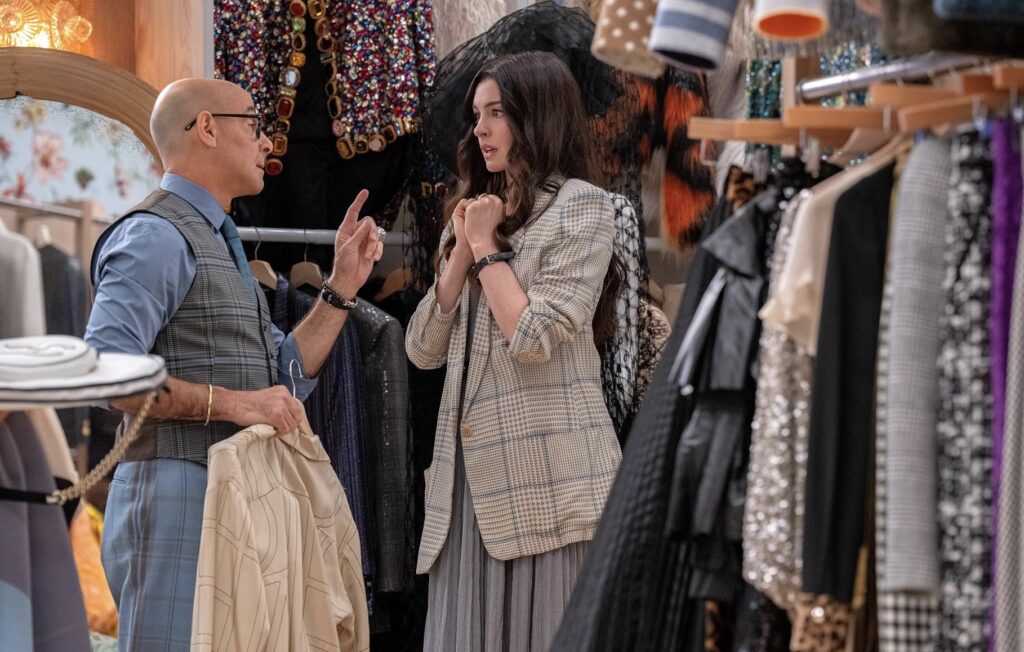
4. Have integrity, be trustworthy. Make genuine connections, be an authentic person. It may be hard to remain human after churning out five stories a day, but being known in the industry for your integrity and trustworthiness will certainly open the right doors for you when the time comes. “May the bridges I burn light my way”, Emily (Emily Blunt) utters at one point, but isn’t it better to have healthy relationships with your colleagues, interviewees, and patrons?
5. Metrics matter, but good writing is king. These days, you might be an award-winning journalist, however, these days, you need “eyeballs” to be considered a good writer and you are congratulated for going “viral”. The bosses will keep a close watch on views, clicks, and engagement, but at the end of the day, we just want to write. So, write it well, and make sure to add value to those who do read you. Don’t be afraid to pitch stories that matter, but also make sure to follow through. This is where passion and good old journalistic intuition come into play.
Through it all, The Devil Wears Prada 2 takes a pragmatic look at life beyond the byline. It can be disheartening to see the state of the industry, but it is also a good reminder for building character, celebrating excellence, and well, just hoping for the best through the inevitable progression of events.