

Whether pets, strays, or wildlife, animals need two things: a law with teeth and a society with heart.
Walk down almost any street in the Philippines, and you’ll see how much we love our animals: an aspin peacefully dozing under a sari-sari store’s canopy, the neighborhood puspin with a name (or names!) and a feeding schedule, the family dog who is, for all practical purposes, a person.
We post our pets online, plan their OOTD for a trip to the mall, and mourn them like we do the ones dearest to our hearts. Yet the same country keeps producing headlines that are at times too heartbreaking to read.
How can we claim to be a civilized society when we can’t keep innocent animals safe?
Related story: Having a furry pal may help slow down cognitive decline
Related story: What losing a pet teaches us about grief
From outrage to outrage
We can’t seem to catch a break from the spate of animal cruelty cases.
In July 2023, a security guard at SM North EDSA tossed a puppy off a footbridge following an argument with a group of children who owned the pet, leading to fatal injuries, widespread public outrage, and the guard’s immediate termination and subsequent criminal charges. In 2024, a golden retriever named Killua was found dead inside a sack in Camarines Sur, and #JusticeForKillua took over social media. In 2025, CCTV footage in Sta. Ana, Manila, showed a man beating an aspin with a metal stick, and the outrage was just as swift.
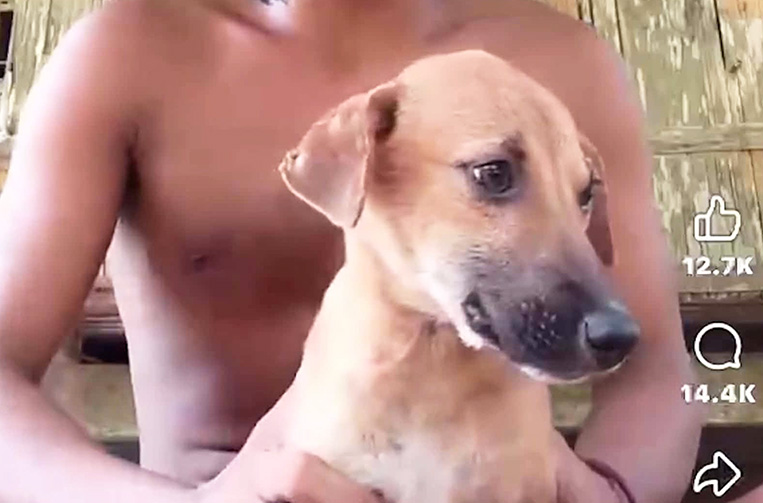
Despite the intense indignation that always follows such brutal incidents, animal cruelty seems to show no signs of ending. In fact, this year, the stories have taken a new, more sinister turn. In July, an 18-year-old content creator from Cauayan, Negros Occidental, faced public backlash and potential charges after hitting a four-month-old puppy on video for engagement and monetization. Advocates said the puppy and his other dog, who both showed signs of trauma, were rescued soon after the news broke.

Just last September, content creator Hart Yu from Lemery, Batangas, allegedly ordered two dogs captured and killed over a pair of “expensive” slippers. Animal welfare groups rescued the dogs, and the Animal Kingdom Foundation has filed a case against Yu under the Animal Welfare Act.
These rescues are good news, but they point to a troubling shift. On top of the old dangers, animals now face a new one: being hurt for clicks. The Animal Kingdom Foundation warns that responding to minor pet mishaps with violence, and even filming it, risks normalizing abuse for everyone watching.
The contradiction is glaring. We say we love our animals, so why do we keep failing to protect them? Because two things are lacking. The first is responsibility at home: adoring an animal is easy, but caring for it for life is the hard part. The second is consequences in law: when a man who beat a dog to death is fined just ₱1,000, cruelty has little to fear.
Whether pets, strays, or wildlife, animals need these two things: a law with teeth and a society with heart. That is why a new bill that aims to fix half of that equation has animal lovers paying close attention.
Related story: I had not intended to become a father. Then I became a dog dad
Related story: What being a dog mom means on Mother’s Day
What is ALAGA?
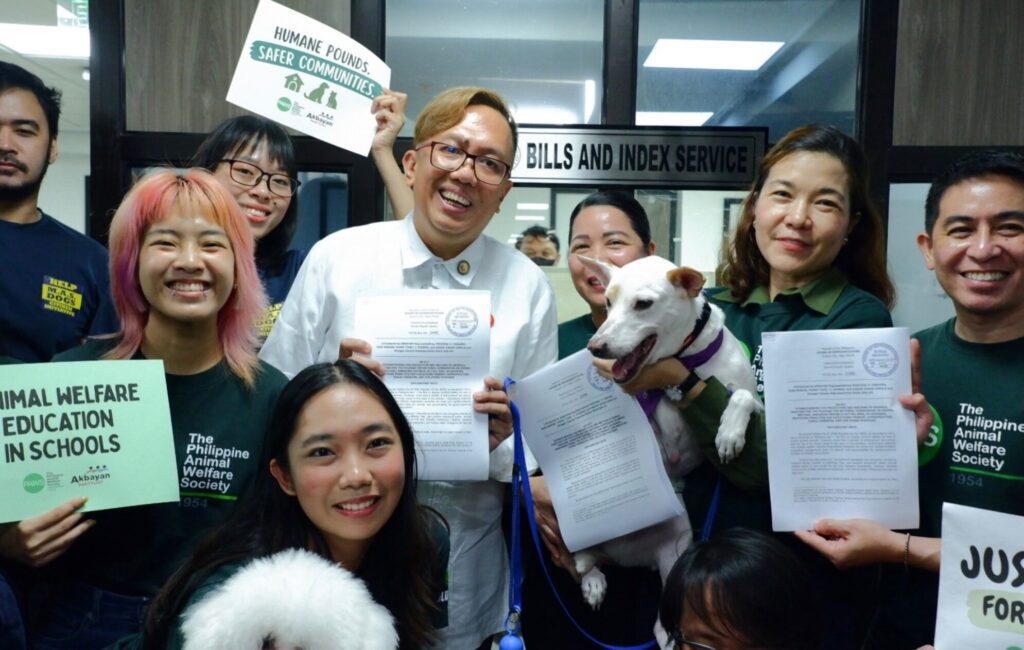
Akbayan Rep. Percival “Perci” Cendaña recently filed House Bill 11495, the Animal Life Advocacy and Guardianship Act, or ALAGA, with the backing of the Philippine Animal Welfare Society (PAWS). The bill aims to hold people more accountable for cruelty and neglect, improve how animal welfare cases are handled, and promote kinder treatment of animals nationwide.
It is anchored in two big ideas. The first is tougher punishment. The second is a new national body, the National Commission for Animal Welfare, to enforce animal welfare laws and help bring cruelty cases to court.
A word of caution: ALAGA is a filed bill, not yet a law, and it still has to pass through Congress. Earlier proposals have stalled. For example, the Revised Animal Welfare Act did not pass before the previous legislative session ended, despite broad support.
At its core, ALAGA protects animals from neglect as well as cruelty: the quieter harm of an animal left without food, water, shelter, or care. It also targets specific abuses. The bill would ban dog-meat trading and animal fighting, along with making, sharing, or showing content that depicts animals being deliberately hurt or killed for entertainment or profit. That last provision speaks directly to the rise of cruelty for views.
It protects people, too. Rescuers who enter a property to save a neglected animal will be shielded from criminal liability, and local governments would be required to deploy trained personnel for Trap-Neuter-Vaccinate-Return programs to manage stray populations.
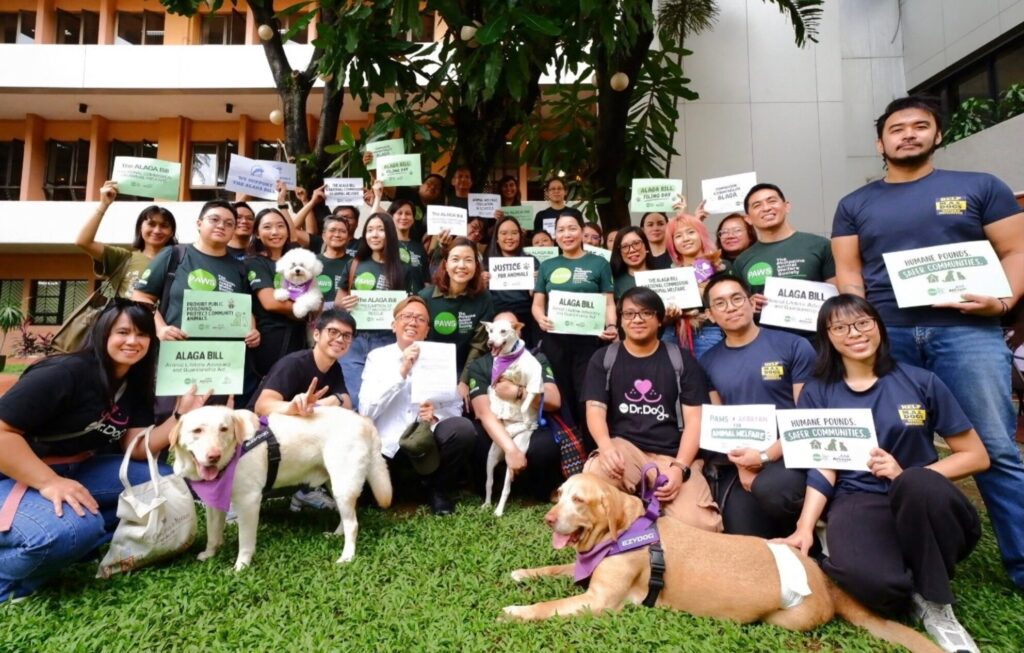
While the Philippines pioneered animal protection in Southeast Asia with the 1998 Animal Welfare Act, advocates argue lax enforcement and lenient penalties—which allow judges to issue standalone fines as low as ₱1,000—fail to deter abuse. Under current law, severe cruelty carries a penalty of six months to two years in prison or a fine of up to ₱100,000. In Killua’s case, the man responsible was fined just ₱1,000, plus ₱19,000 in damages.
ALAGA closes this loophole by making both imprisonment and a fine mandatory upon conviction, according to PAWS, so a token penalty would no longer be possible. Moreover, under the proposed act, severe animal cruelty or neglect resulting in death is punishable by 18 months to three years in prison and a ₱100,000 to ₱500,000 fine. Causing grave injury carries a penalty of one to 1.5 years’ imprisonment and a ₱50,000 to ₱80,000 fine.
The proposed National Commission for Animal Welfare would be independent, with its own budget and the power to make rules, issue licenses, and help prosecute cruelty cases. Separately, a coalition of animal welfare groups has backed bills that would place trained animal protection officers in police stations.
Related story: How my rescue dogs bring so much joy into my life
Related story: My aspin Abby and I are no strangers to discrimination. We are the outliers

Why it shouldn’t end there
While ALAGA is a welcome step forward for animal rights, plenty remains to be done because much of the animal suffering in the Philippines doesn’t come from a viral act of violence. It comes from everyday neglect: the dog chained outdoors for years, the unsterilized cat that keeps breeding, the pet abandoned when it stops being cute. No commission can supervise every household. Laws can punish harm after the fact, but only responsible ownership prevents it.
For those of us who share our homes with animals, that means doing the unglamorous things, too. Remember, pet ownership is a whole-life commitment! It should not be a choice made on a whim when you see a cute, fluffy puppy.

It means vaccinating, registering, and sterilizing your pets, unless you are a responsible breeder. It means giving them real shelter, not a cramped cage or a life on a chain outside the home. A dog is not just a bantay. They are family, too.
Adopting is a noble act, but it should also be done thoughtfully. My heart still breaks for Tootsie, an aspin adopted only to be abandoned in a dirty cage on an empty lot in front of her adopters’ house when they finally got purebred dogs. Good thing Project Kuna was able to take Tootsie back and find her a fur-ever home last September.
Then there are the strays: about 13 million dogs and cats, according to a June 2026 article on the Animal Kingdom Foundation website. Even if ALAGA passes, no law can solve this alone while owners keep abandoning pets and letting them breed on the streets. So sterilize your pets, never abandon them, and if you feed a street animal, help get it vaccinated and neutered if you can. Strays aren’t a separate problem. Many result from irresponsible pet ownership.
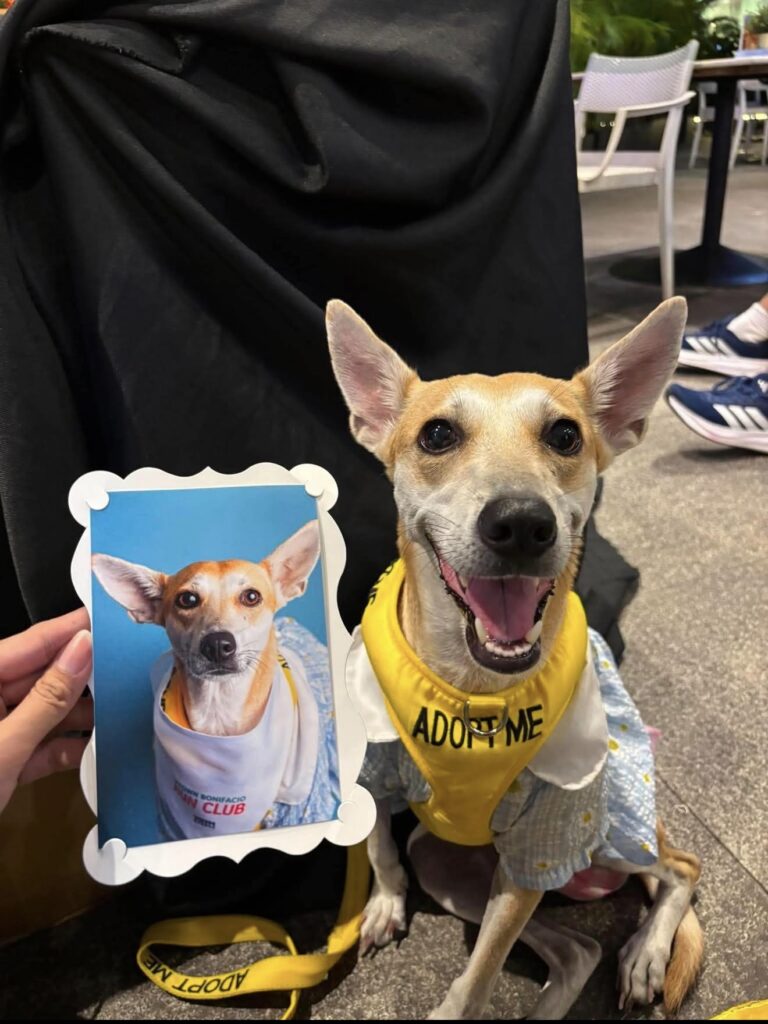
Photo from Project Kuna’s Instagram account
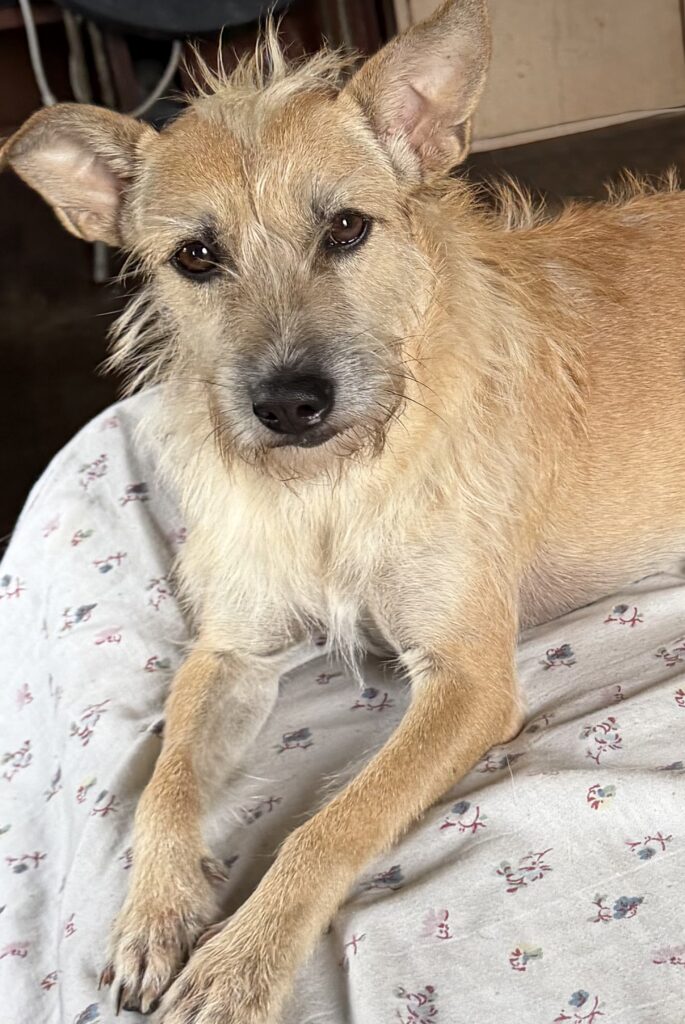
Eya, the author’s rescue aspin, who insisted on being in this story. Photo by Johanna L. Añes de la-Cruz
But responsibility doesn’t stop at home. In the age of content, protecting animals also means refusing to click on, share, or reward creators who treat them as props. Animals are not objects!
Cruelty and neglect are crimes, and if you witness either, don’t look away! For your safety, however, report it to the police or PAWS rather than confronting the offender yourself. PAWS says it offers free legal assistance to anyone willing to sign an affidavit and appear in court, because your testimony can keep offenders from hurting other animals.
A strong law and a responsible owner do different things. The first sets a minimum standard and tells the cruel there will be consequences. The second sets the everyday standard: ensuring every animal in our care is fed, safe, and loved. And “in our care” goes beyond our own homes. It includes the strays we pass on the street and the wildlife we share this beautiful world with. Remember: We are not the masters of this earth, only its caretakers.
ALAGA may give our laws the teeth they need. The heart has to come from us. Only then can we call ourselves a civilized nation, one where no animal lives in fear of the people around it.
Related story: Can’t get enough of dogs? These eight doggo accounts on Instagram will make your day