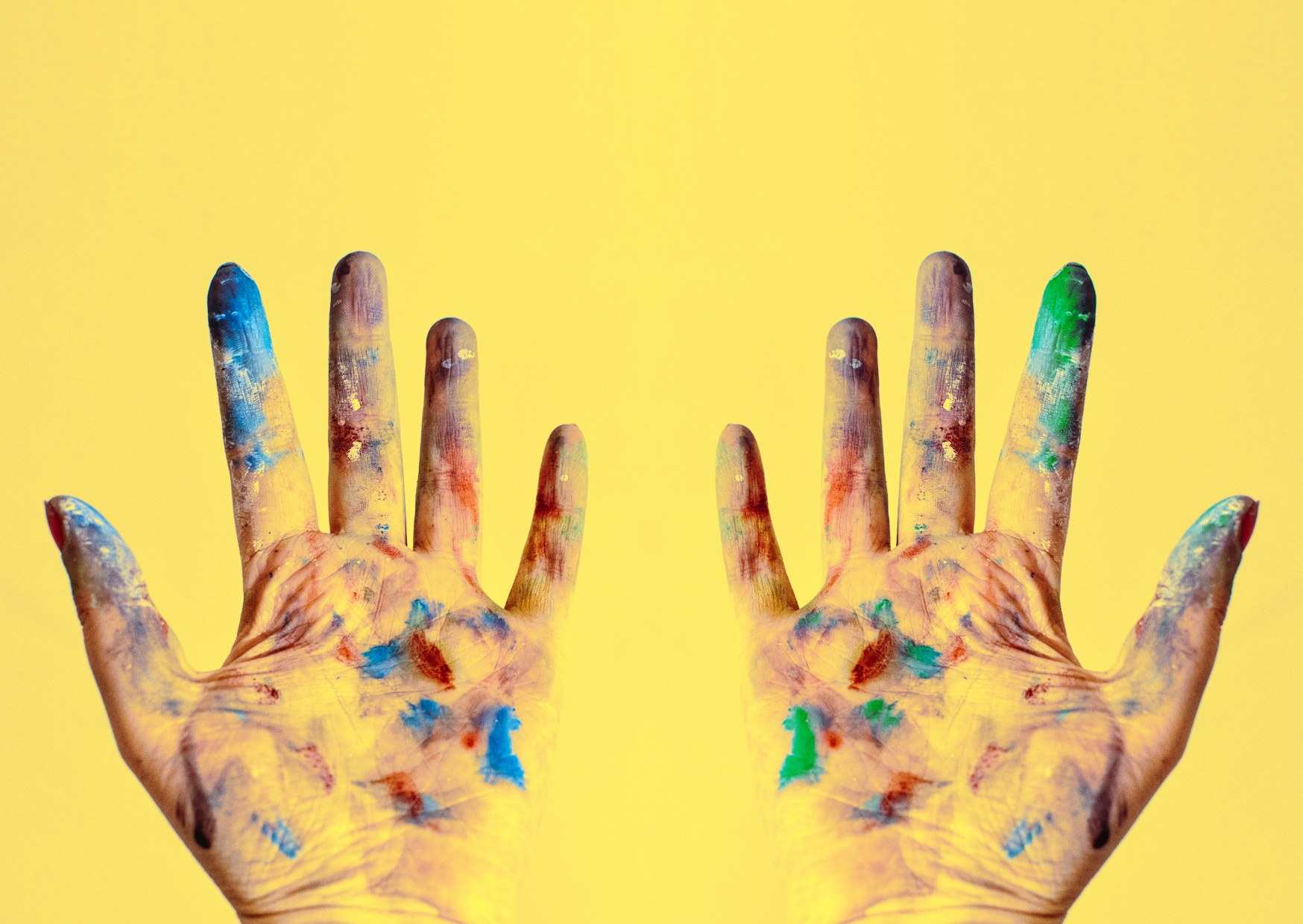

As artificial intelligence becomes part of everyday life, Cambridge Dictionary’s choice points to a growing interest in human creativity, work and connection.
I’ve caught myself pausing over images online to ask, Is this AI? Sometimes it’s easy to tell. Other times, I look for a caption or a behind-the-scenes clip to see who made it. That question has become part of how I scroll, and I know I’m not the only one asking it.
Cambridge Dictionary named “human” its 2026 word of the year on Nov. 18. The choice reflects how the word is taking on a sharper meaning as AI becomes more common: it can now signal that something was created by a person, rather than by a machine. Cambridge points to phrases such as “human-written,” “human-generated” and “human-made” as examples of this growing distinction.
Related story: The great AI debate: Hit the brakes or charge ahead?
Related story: Will generative AI really boost our productivity? Researchers think not yet
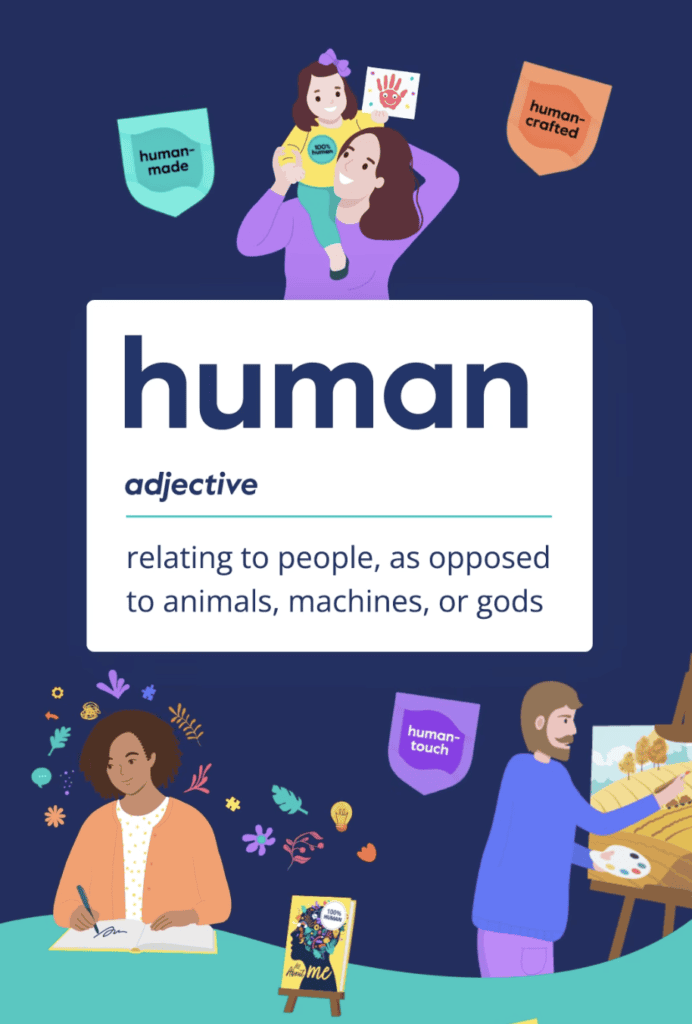
The dictionary’s editors look at language data, internet trends and search habits when choosing their word of the year. This year, they saw “human” used more often as a counterpoint to AI. Cambridge suggests that this shift may reflect more than a change in vocabulary. As AI-generated material fills more of the internet, people may be developing a stronger appreciation for the human touch, including the judgment, creativity and personal perspective behind a piece of work.
When human-made becomes part of the appeal
That distinction is showing up in the way how brands present their work. Fashion houses are commissioning artists to draw, animate and make things by hand, bringing the creative process into the campaign itself.
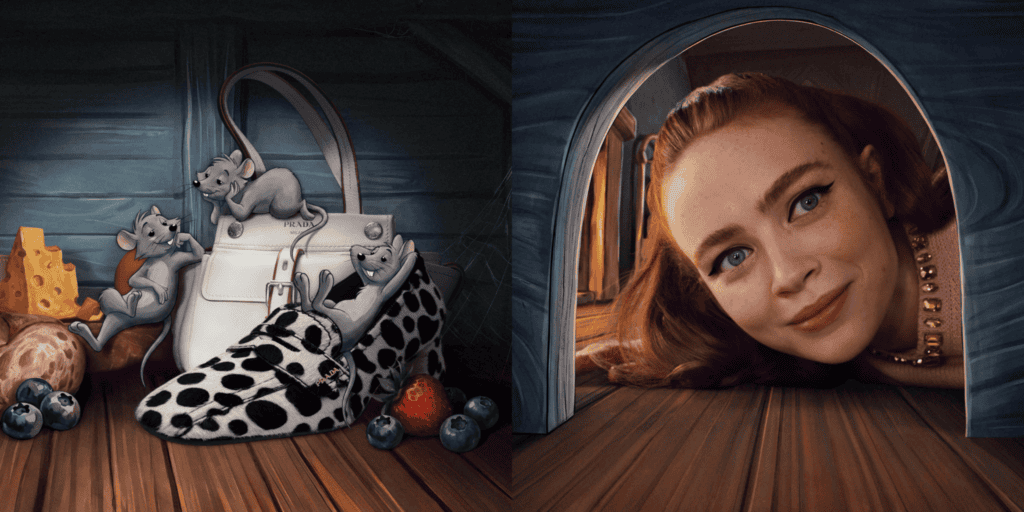
Vogue has described this approach as “effort signaling,” a term coined by brand consultant Miranda Shanahan. The idea is that visible time and skill can communicate care and value. Hermès has used hand-drawn animation, Chanel commissioned an illustrated teaser for its couture show, and Prada’s holiday campaign paired live-action footage with hand-drawn animation.
Handcrafted work isn’t new, and it doesn’t automatically mean a brand is rejecting AI. But when polished digital content is easy to produce, seeing the artist or the process can make a campaign feel more special and distinct. Prada, for example, shared footage of the animators working on its campaign alongside the finished film.
Related story: This artist turns designer clothes into food you can actually eat
Related story: Prada’s holiday campaign looks like a storybook you can step into
The question behind “Is this AI?”
I find myself looking for those signs of human involvement because I want to know who made what I’m seeing. That curiosity can come with concern about creative jobs and the value of artists’ work. It can also come from fatigue with a feed that seems to produce more images and content every day.
Cambridge’s shortlist offers another clue to the year’s concerns. It included “agent,” a term for an AI system that can carry out tasks with limited human control, and “analogue,” which has come to describe screen-free activities such as reading a physical book or listening to vinyl. The words point to two sides of the conversation, and that is AI taking on more tasks, while some people are looking for ways to spend time away from digital tools.


The dictionary’s choice also extends beyond advertising. Cambridge notes that technology can make it possible to get things done without speaking to another person, while leaving people more aware of what may be missing—human connection. An app can recommend dinner or AI can draft a message, but convenience doesn’t replace asking a friend what they think or talking to someone face-to-face.
“Human” isn’t a demand to give up useful technology, or a claim that anything made by hand is automatically better. It reflects a shift in what people notice and value—the person behind the work, the choices they made and the connection a piece of content can create.
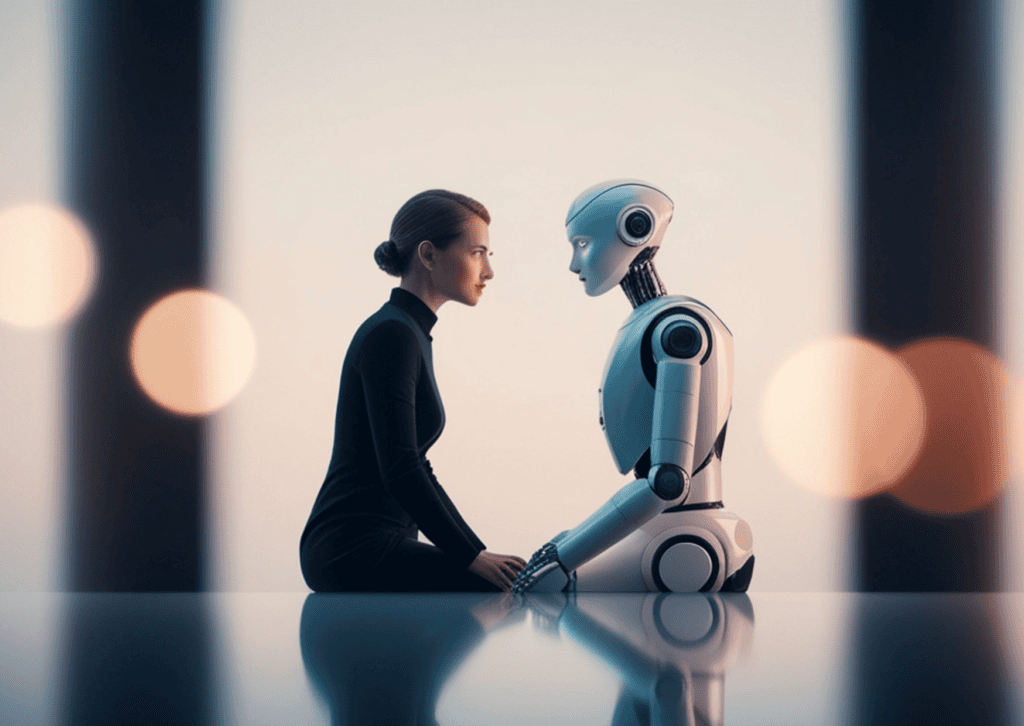
In a year when so much can be generated or automated, Cambridge’s word of the year imposes a thoughtful question: what do we still want people to make, decide and share with one another?
Related story: Collins Dictionary just named ‘mogging’ word of the year. Have you been mogged?
Related story: I tried Status AI and ended up in a K-pop fake-dating scandal