
Pasta jeans, bread boots, and handbags for lunch. Sibatable’s food art shows why visible effort matters in a feed full of AI slop.
The jeans have pockets, belt loops, and neatly folded legs. They also happen to be pasta.
For an Abercrombie & Fitch Instagram Reel, Korean food artist Min Kyung-jin recreated denim pants in miniature, then lined them up and folded them into little stacks. According to Vogue Business, the video drew more than five million views. One commenter called them “fettujeane,” which deserves a spot on a menu.
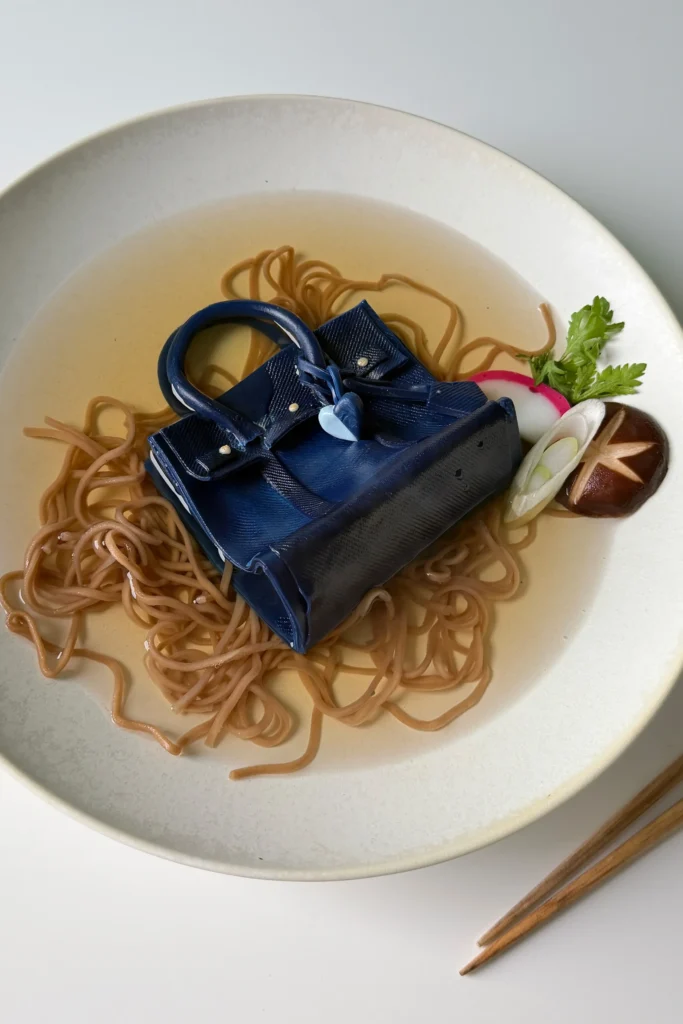
Min works under the name Sibatable, turning food into tiny clothes, bags, animals, and other things you might hesitate to put a fork through. Fashion brands have taken notice. As feeds fill with AI slop, her work gives people something to look at closely, with real ingredients and hours of work behind it.
Related story: Valentino S/S27 takes its reading list to the runway
Related story: Lili Reinhart takes style notes from our favorite rom-com leads
Designer dressing takes on a different meaning
Fashion gives Min plenty to work with: folds, textures, unusual shapes, and accessories that already look like small sculptures.
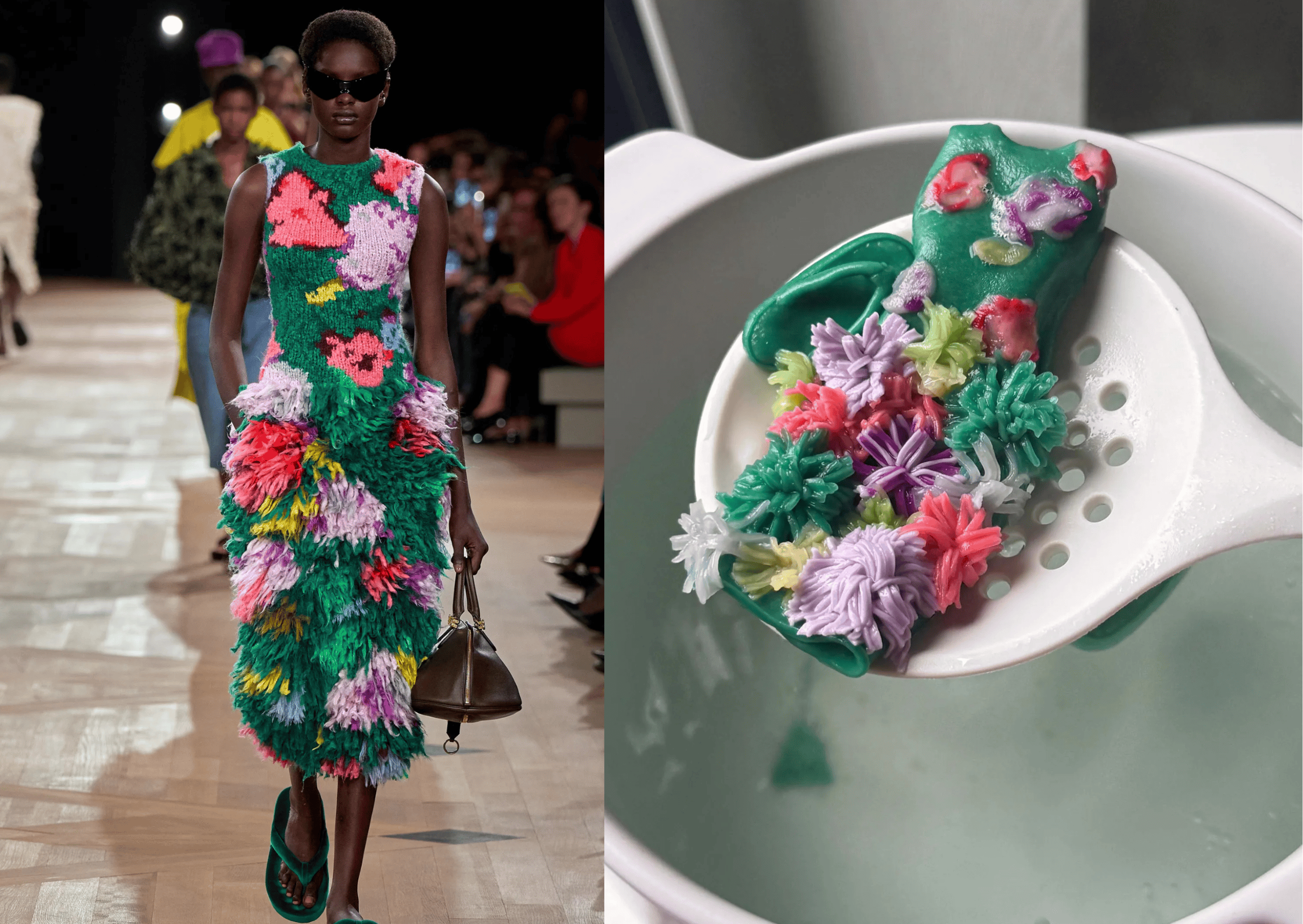
She thinks about how ingredients can capture those details. In her interview with Vogue Singapore, she described combining ingredients to suggest tweed or imagining an oversized bag as an edible container with a filling. Her projects have included tiny pasta jeans for Motel Rocks and handmade ravioli modeled after Furla bags.
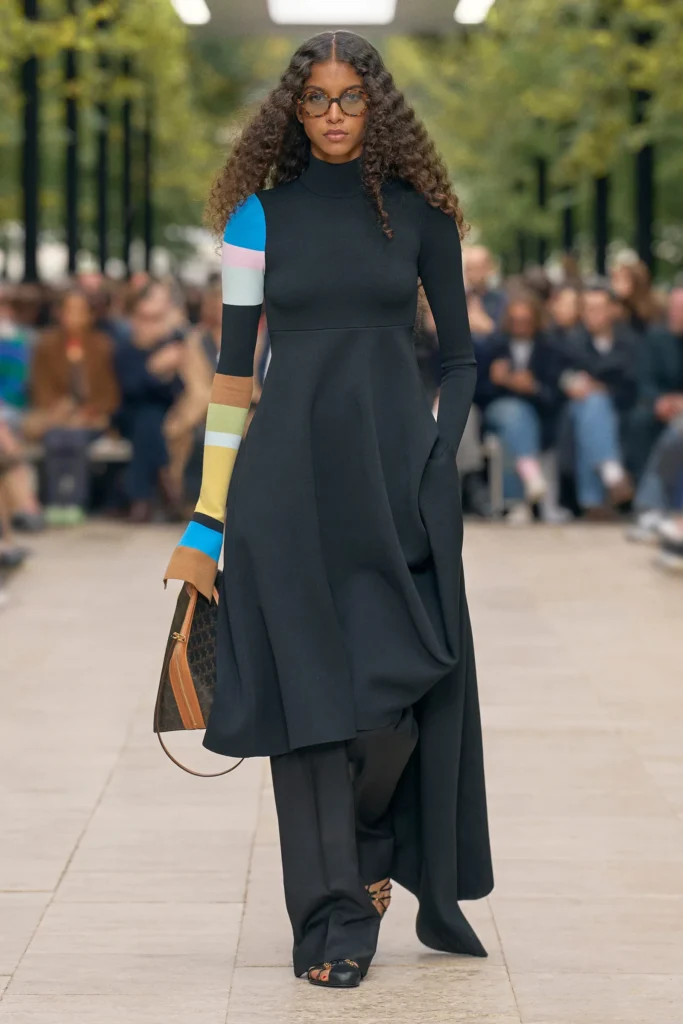
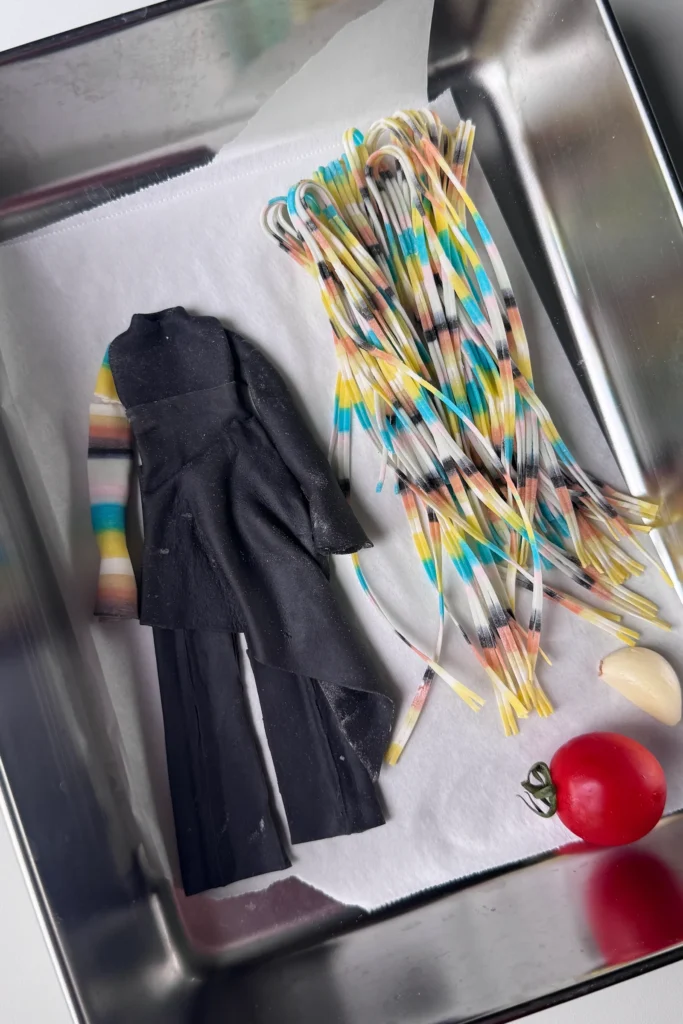
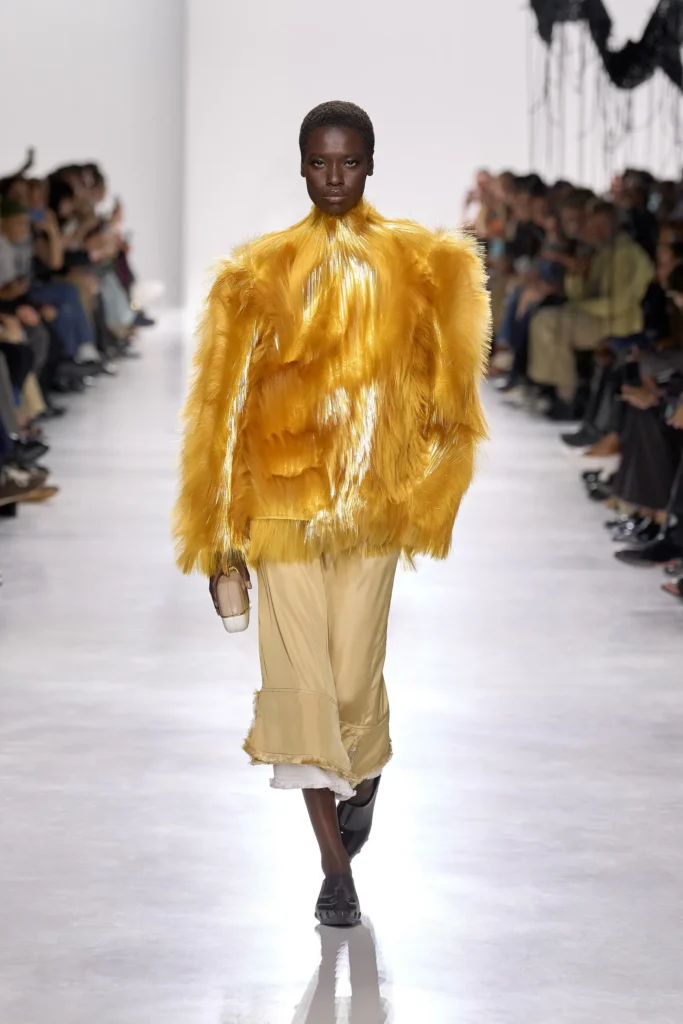
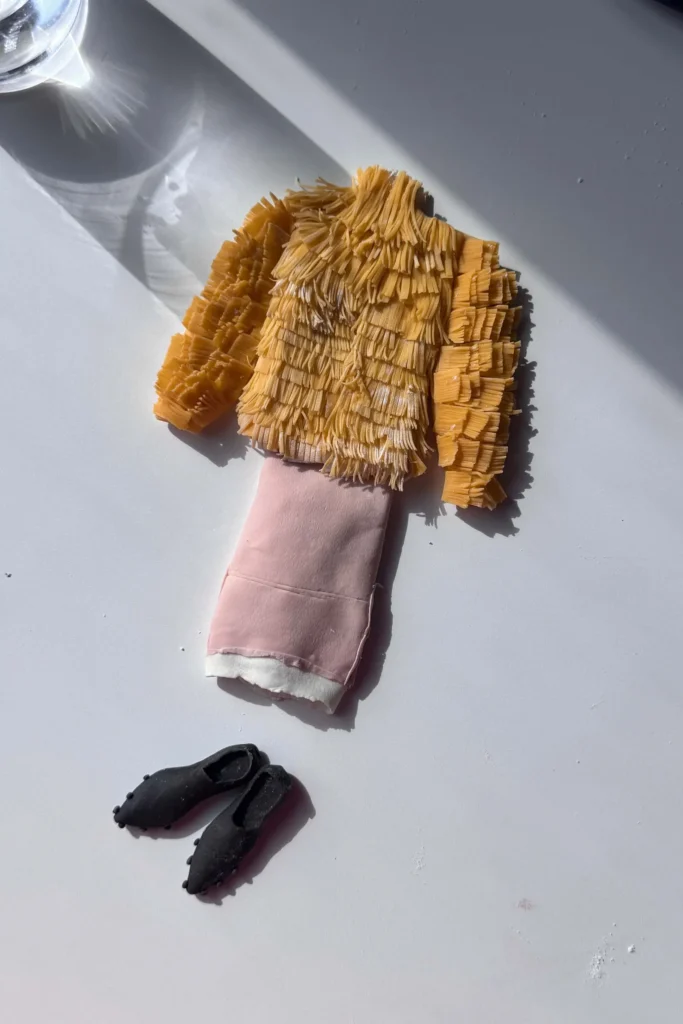
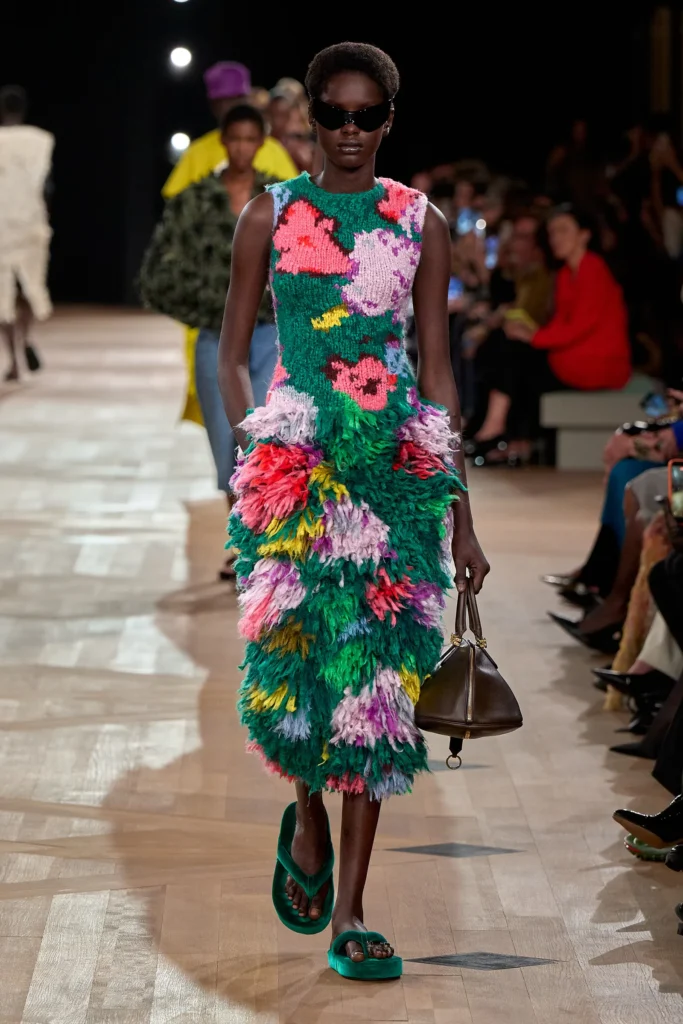
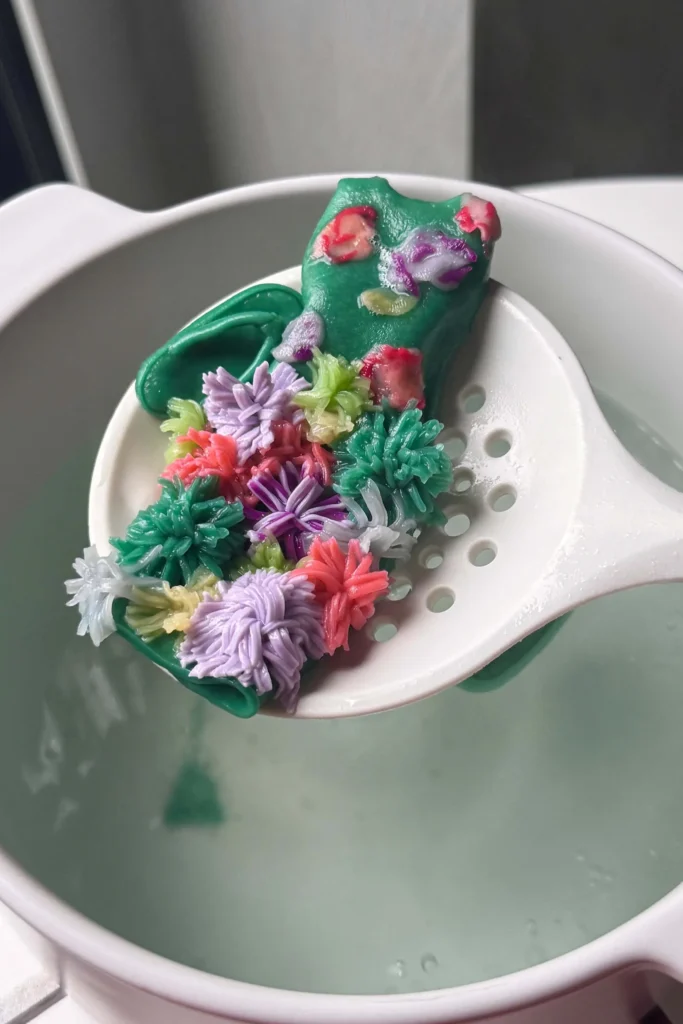
For Vogue’s National Pasta Day project in October 2025, she recreated spring 2026 runway looks using dough and pasta. Jonathan Anderson’s ribbon dress for Dior became folded dough, while Louise Trotter’s yellow Bottega Veneta sweater took on a second life with buttery sauce.
AI slop has changed how we look at strange images
There is a sudden pause when you see something unusual online now. You look closer and check whether it’s real or not. That’s AI slop.
Feeds serve up polished, strange images so often that even work made with physical materials can leave viewers suspicious. A surprising picture may need a BTS video before people believe it.
For Sibatable, seeing the process gives viewers more to enjoy. You can watch food take shape, notice the tiny decisions, and understand why the result took time.
Related story: Dots, dresses, designer dreams: Looking back at Yayoi Kusama’s fashion collaborations
Fashion brands want the effort to show
Sibatable’s work fits into a wider shift called “effort signaling,” a term coined by brand consultant Miranda Shanahan. Brands commission painstaking craft to show the time and skill behind an image. Handmade work gives brands a concrete way to show care, while bringing an artist’s skills to a wider audience.
Min’s collaborators include Coach, Marc Jacobs, J.Crew, and Victoria’s Secret. Her creations give familiar products a fresh setting and people a reason to talk about them. You might scroll past another photo of jeans. Tiny pasta versions with carefully shaped pockets invite a second look.

Of course, an elaborate campaign cannot tell you how well the actual clothes are made. But commissioning an artist gives the campaign its own value: someone gets paid to experiment, solve problems, and make something people enjoy seeing.
Give real artists room to create
The more AI slop fills our feeds, the more refreshing it feels to see something someone took the time to make. With Sibatable, even the smallest detail gives us a glimpse of a person trying an idea, getting it wrong, and figuring it out.
Illustrators, sculptors, animators, and food artists spend years developing their skills and finding their own style. Emerging artists deserve more chances to show what they can do, especially when so much online content starts to look the same.
Brands can help by working with these artists and giving them room to experiment. Showing the process and crediting the creator also gives audiences a way to discover someone whose work they might want to keep following.
Related story: Young artists explore humanity’s connection to the ocean in ‘Waters We Share’ exhibit
Related story: Milo Naval turns to Japan’s ancient ‘yakisugi’ wood technique for his exhibit