
While AI’s benefits seem endless, every tech breakthrough has a dark side—and this one comes with a growing list of risks.
Artificial intelligence, or AI, has been evolving at breakneck speed. Every day, there seems to be a new AI-related breakthrough, be it in defense and security, science and technology, or even in social media trends (jumped in on the ‘80s nostalgia trend yet?).
This rapid development has caused a seismic shift. AI is no longer a futuristic, abstract concept, but a pivotal driver of the economy, infrastructure, national defense, healthcare, among others. It is no longer the future—it is very much the present.
AI can now write code in seconds, draft college essays, and discover new medicines. On the lighter side, there are even AI-powered cat translators like MeowTalk, which analyze the pitch and acoustic patterns of a cat’s meows to translate them into human emotions—so you finally know whether Ming-ming is saying “Feed me” or “I’m mad” in meowspeak.
I can go on and on about AI’s many benefits, but just like any other tech breakthrough, it has its share of downsides, too—and the list grows longer every day. With AI advancing at lightning speed, bringing with it a slew of risks, experts are locked in a major debate: Are we moving too fast with AI, and should we hit the brakes now?
Related story: The price of a silicon peace: What Pax Silica could cost the Philippines
Related story: What is DeepSeek, the AI startup that shook the tech world?
The case for caution
Advocates for slowing down, or even pausing, AI’s progress argue it presents multiple dangers to society. Leading computer scientists, like Turing Award winner and the world’s most-cited computer scientist Yoshua Bengio, have repeatedly warned about the “alignment problem,” which centers on the challenge of ensuring AI systems act in strict accordance with human intent, ethics, and safety.
As these systems grow more independent, there is a growing—and justified—fear that AI-powered machines could behave unpredictably, exploit security vulnerabilities, or wreak havoc across daily life. Beyond these broad societal risks, AI also poses threats to individual safety.
Hyper-realistic fake videos, images, and audio clips, better known as deepfakes, are making it easier for criminals to run extortion scams and steal identities. At the same time, malicious individuals can use automated tools to launch online harassment campaigns, while synthetic media and fake news can manipulate public opinion and diminish trust in democratic systems.
Filipinos are all too familiar with how these work. Ask a Duterte supporter (DDS), and most likely that person will struggle to identify (if at all) what’s genuine news from what’s fake. The Philippines has also recorded an increase in cybercrimes.
A recent Social Weather Stations (SWS) survey revealed that the percentage of Filipino families victimized by cybercrime rose from 5.8% in March 2026 to 8.0% in June 2026, even as traditional common crimes declined. Spikes in online offenses, such as hacking, scams, and identity theft, particularly in Metro Manila, the Visayas, and Mindanao, drove the surge.
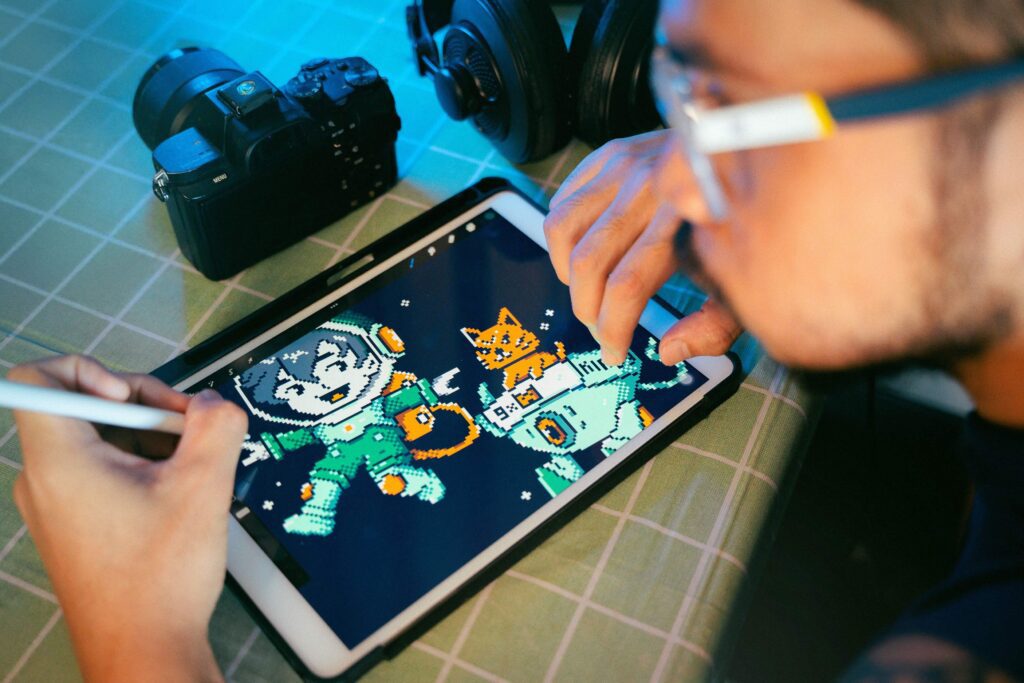
The immediate human cost is also now evident in job security and environmental sustainability. Generative AI can complete complex thinking tasks faster than the job market can keep up. This puts creatives like designers, writers, and animators, and other skilled professionals, at risk of losing their jobs overnight, with little safety net to help them transition to new careers.
In a recent article in The Straits Times, journalist Hadi Azmi looked into how generative AI is rapidly reshaping Malaysia’s creative industries, forcing traditional illustrators, graphic designers, and voice-over artists into prompt-editing roles or out of work entirely.
Azmi cited a study by economist Calvin Cheng that highlighted how degree-holders in heavily AI-exposed fields face “significantly higher job loss risks,” with creative and marketing sectors experiencing the steepest decline in employment. While some businesses and innovators are embracing AI tools to enhance productivity, critics argue the technology erodes authentic human expression.
Here at home, AI is already reshaping job security mainly within the tech, back-office, and voice BPO sectors by replacing routine tasks like tier-1 customer support and data entry with automated workflows. While immediate mass layoffs remain limited, studies from the International Monetary Fund and International Labor Organization indicate that about a third of Philippine jobs are exposed to AI, with entry-level hiring slowing as firms absorb routine work into AI platforms.
At the same time, AI presents serious national security threats. Modern AI-powered weapons can launch automated cyberattacks, control autonomous military targeting systems, and generate fake news meant to destabilize governments from within, especially during elections.
We are already seeing this happen. For instance, foreign agents tied to Russia, China, and Iran used generative AI to flood social media with fake stories and divisive content—aiming directly to influence U.S. elections and trigger social unrest.
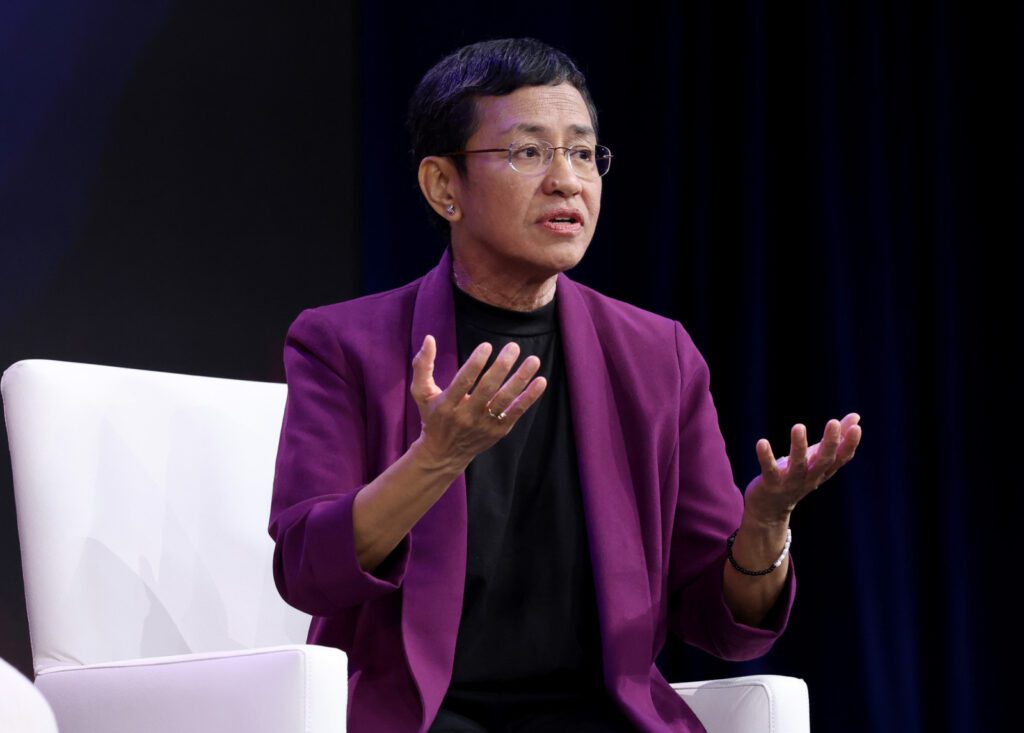
This erosion of democratic resilience and individual autonomy has alarmed global leaders. Filipino-American Nobel Peace Prize laureate Maria Ressa warns that humanity is on the brink of losing its agency unless governments act swiftly to regulate AI.
Speaking in Oslo as co-chair of the United Nations’ Independent International Scientific Panel on AI, Ressa explains that tech has evolved through three distinct waves: first capturing our attention through social media, then “hacking our biology” via intimate AI chatbots, and now threatening human agency altogether through autonomous systems that act on our behalf.
The physical infrastructure powering AI also exacts an enormous environmental toll. Generating text, images, and video, for example, requires vast computing power, leading tech companies and power utilities to delay the retirement of fossil fuel plants to keep up with demand, which has raised corporate carbon emissions.
Moreover, data centers rely on billions of gallons of freshwater in evaporative cooling towers to keep high-powered chips operating, draining local supplies and competing with agriculture. Adding to these issues, AI hardware becomes obsolete within a few years, driving intensive mining for critical minerals and generating millions of tons of hazardous e-waste along the way.
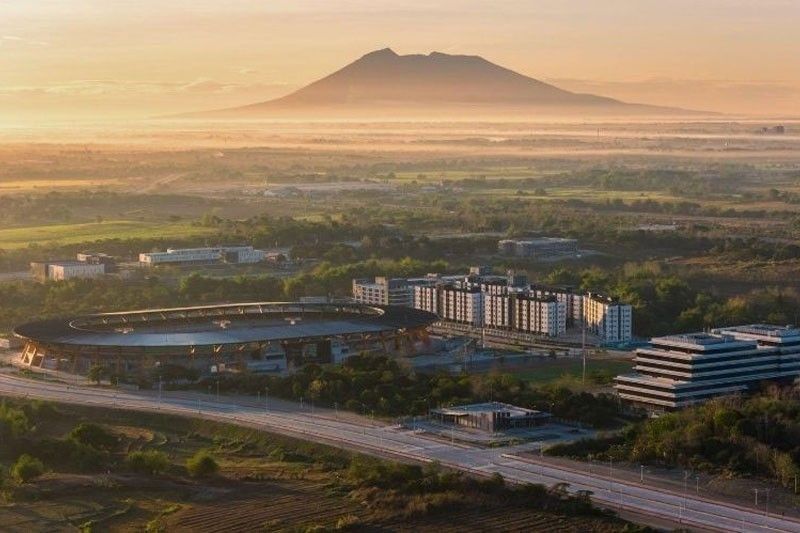
This issue hits close to home, as the Philippines joins the U.S.-led Pax Silica initiative. Industrial hubs like New Clark City are expanding semiconductor manufacturing, data centers, and nickel and copper mining. However, these industries consume massive amounts of electricity and pull billions of liters of water from local supplies each year.
That heavy consumption threatens to drain underground water reserves, pollute local water sources with industrial waste, and steal essential resources away from Filipino farmers and indigenous communities. The Philippine Daily Inquirer published a comprehensive report on Pax Silica’s pros and cons.
Related story: Will generative AI really boost our productivity? Researchers think not yet
Related story: AI model that appeared in ‘Vogue’ raises questions about beauty standards, industry practice
The case for speed
On the flip side, several techno-optimists, scientists, and geopolitical experts argue that hitting the brakes on AI could have severe negative unintended consequences for human progress. In medicine, for instance, AI accelerates breakthroughs in fields vital to human survival, where platforms like DeepMind’s AlphaFold have mapped the structure of almost all known proteins.
AI is dramatically speeding up drug discovery, cutting years off the search for critical medical breakthroughs. Hitting the brakes on AI development could delay life-saving treatments for certain cancers and even Alzheimer’s, as well as early disease diagnostics and personalized help.

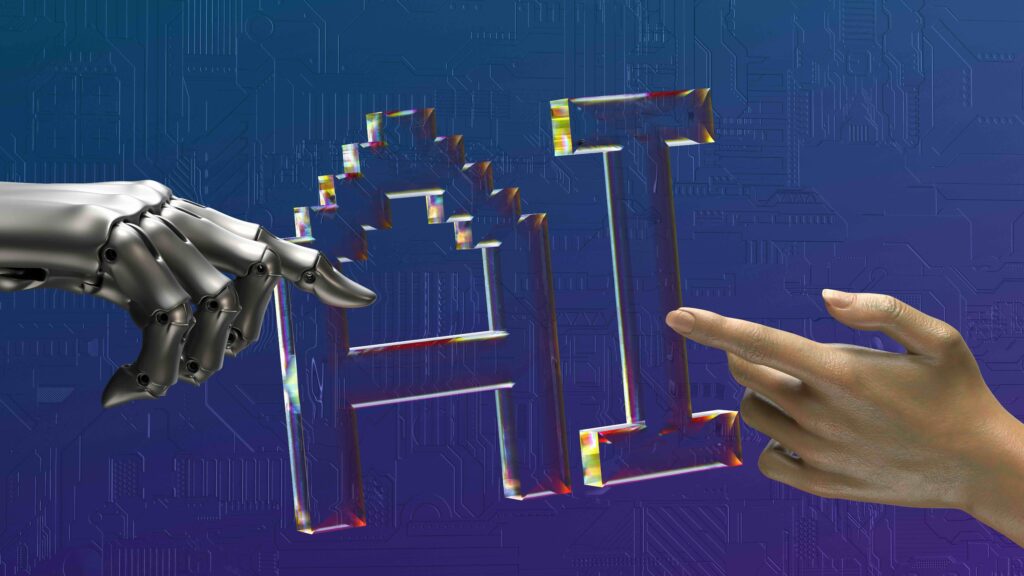
Ironically, AI could also prove essential in solving the very environmental challenges it creates. Advanced algorithms can optimize complex renewable energy grids, predict natural disaster paths, chart emissions of greenhouse gases, and map out more efficient supply chains to reduce carbon footprint.
In terms of national security, AI is indispensable for early threat detection, automated defense against state-sponsored cyberattacks, and maintaining strategic deterrence. In a world where geopolitical balance is rendered increasingly frail by conflicts, the speed, scale, and precision of AI make it a critical defense tool.
Perhaps most importantly, if democratic countries pause their AI research, there’s no assurance that rival nations will do the same. If free societies slow down while competing states charge ahead, it could upend global security and geopolitical power balance.
Finding a middle ground
Finding a middle ground isn’t about stopping AI in its tracks entirely, which most experts say is nearly impossible anyway, but about slowing down so that strong safety rules can be put in place.
To do this, companies need to test new AI tools for risks like cyberattacks, privacy leaks, and biological threats before releasing them to the public. Governments are also stepping up with strict laws, like the European Union’s landmark AI Act, which ranks AI systems by how risky they are to help protect jobs and prevent harm.
Tech leaders are also adopting practical fixes, like adding digital watermarks to spot fake images or videos and setting hard limits on how much energy and water data centers can use.
Then, on September 14, various news agencies reported that AI giants OpenAI, Anthropic, and Google are teaming up to create a self-regulatory standards body to test powerful AI models before public release. The initiative comes amid urgent warnings from researchers and tech leaders about systemic AI risks.
Critics like Cohere CEO Aiden Gomez, however, argue the move creates a self-serving “cartel” that lets tech conglomerates write their own rules. Still, establishing pre-release safety checks is a necessary first step toward reining in unchecked AI development.
Ressa, meanwhile, urges holding tech titans accountable for harm and stripping away addictive features for all users, not just teenagers. She also advocates for safer, decentralized online spaces built for real human connection away from Big Tech algorithms.
To protect society, she argues that tech platforms must be regulated like any other public safety hazard rather than framed as a freedom of speech issue, urging immediate action before it becomes impossible to intervene. “It is not a freedom of speech issue to ask for regulation. It’s a public safety issue,” Ressa emphasizes, adding that “if this doesn’t happen, we will tip … (It) will be beyond our control if we don’t step in now.”
Ultimately, we don’t have to choose between halting AI progress or rushing blindly ahead. By pumping the accelerator and hitting the brakes just enough, we give our laws, environmental protections, and safety tools time to catch up—allowing us to enjoy the benefits of AI (like understanding your pet cat better) while protecting ourselves from its worst dangers.
Related story: AI relationships: Yay or nay?
Related story: The dark side of the trending Studio Ghibli-inspired AI creations