
As All Souls’ Day approaches, an unconventional ceremony offers another perspective on the Filipino tradition of remembrance.
Every November, Filipinos gather at cemeteries and memorial parks to remember loved ones who have passed away. Flowers, candles, prayers, and family reunions define All Souls’ Day, a deeply rooted tradition of honoring the departed and preserving their memories.
But what if people could hear their own eulogies, receive flowers from their families, and celebrate the lives they have lived while they are still here?
This is the idea behind a living funeral, an unconventional celebration gaining attention in the Philippines. With comedian Ate Gay’s highly publicized ceremony this October, the concept is prompting conversations about mortality, meaningful connections, and expressing appreciation while there is still time.
What exactly is a living funeral?
Also called a living wake or pre-funeral, a living funeral is a gathering organized to honor someone who is still alive. Family members and friends come together to share stories, deliver tributes, express gratitude, and celebrate the person’s accomplishments and relationships.
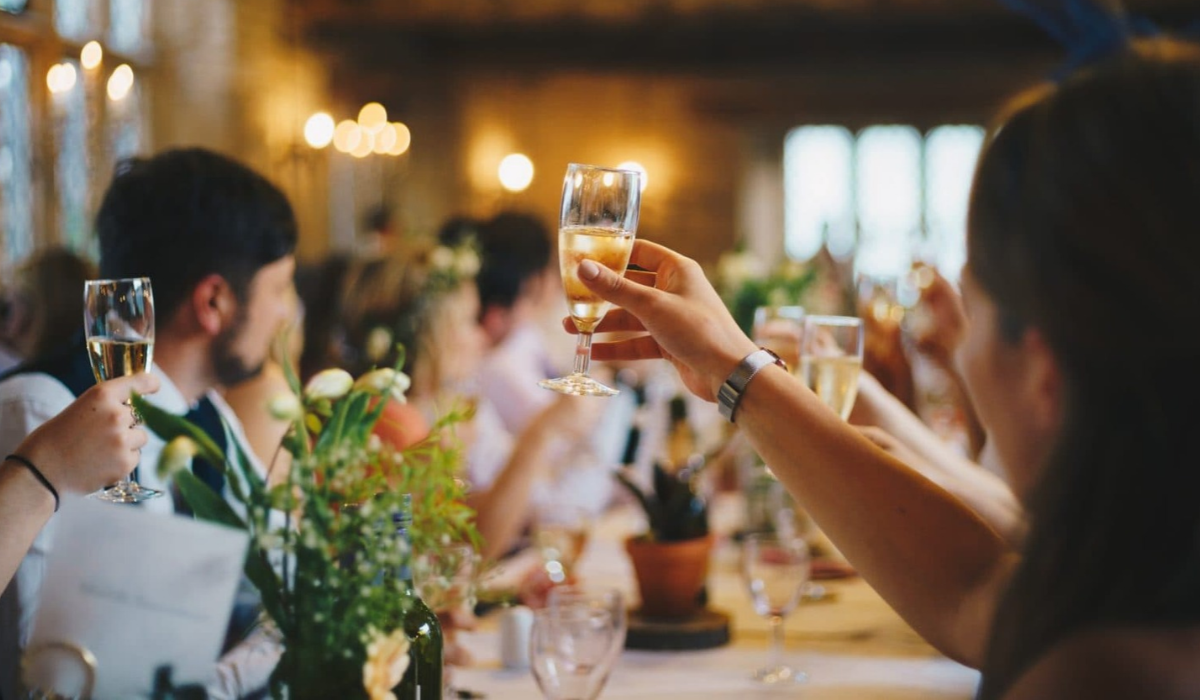
The occasion can resemble a traditional wake, complete with floral arrangements, photographs, music, and eulogies. The difference is that the person being honored can participate, respond to heartfelt messages, and create new memories with loved ones.
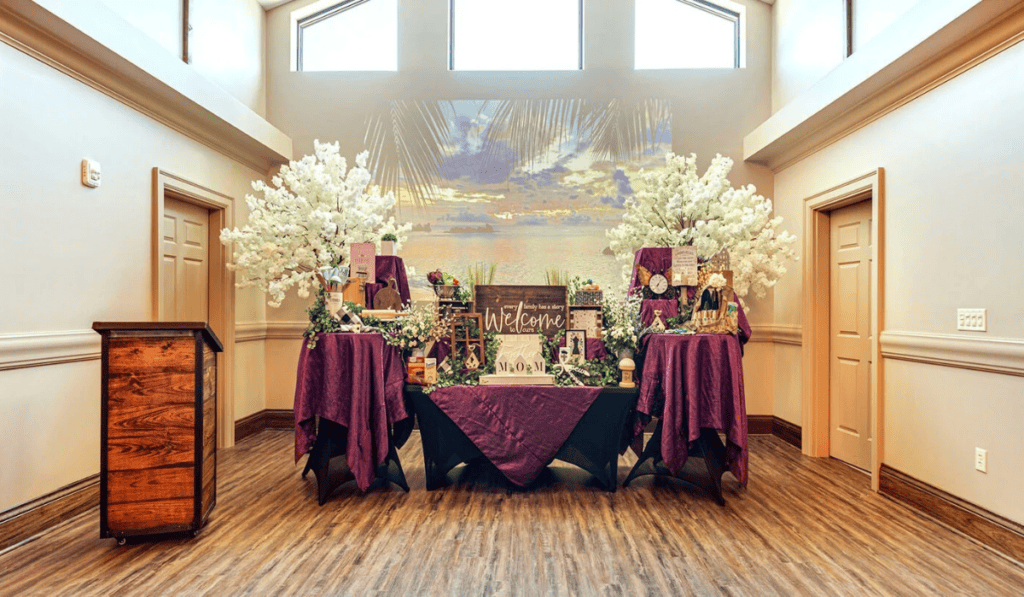
According to Dignity Memorial, an international funeral services provider, living funerals allow people to hear tributes firsthand and participate in their own celebrations.
Why living funerals are gaining attention in the Philippines
Although living funerals remain relatively uncommon locally, Ate Gay’s celebration has brought greater visibility to the practice. There are currently no established national statistics documenting its popularity in the Philippines. For Filipinos, whose culture places considerable importance on family relationships, remembrance, and religious traditions, the concept offers another opportunity to express love and appreciation.
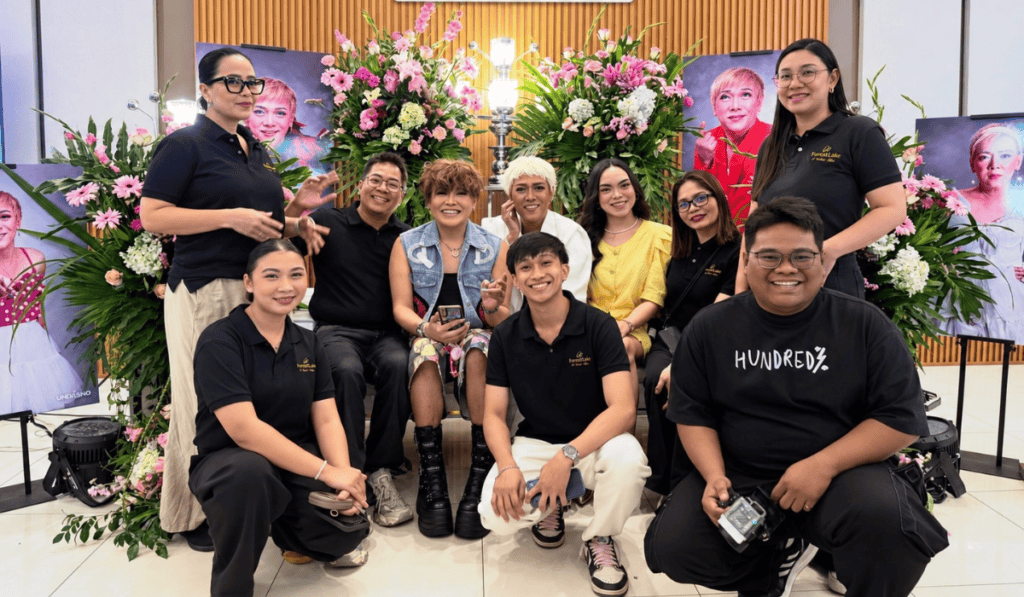
Traditional eulogies are delivered when their subjects can no longer hear them. Living funerals allow families to exchange those sentiments directly, opening conversations about gratitude, forgiveness, and meaningful personal connections.
Living funerals around the world
Living funerals have cultural precedents in several countries, particularly Japan, where the practice gained attention during the 1990s. Known as seizensō, these ceremonies allow individuals to organize their own farewells, express gratitude, and celebrate personal relationships. According to Co-op Funeralcare, some elderly Japanese individuals embraced the practice to ease the emotional and organizational burden on their families.
In South Korea, living funerals have also become part of programs encouraging reflection and reconciliation. A report published on the South Korean government’s official website documented over 25,000 participants at Hyowon Healing Center between 2012 and 2019. Participants experienced simulated funeral rituals intended to encourage appreciation for life.
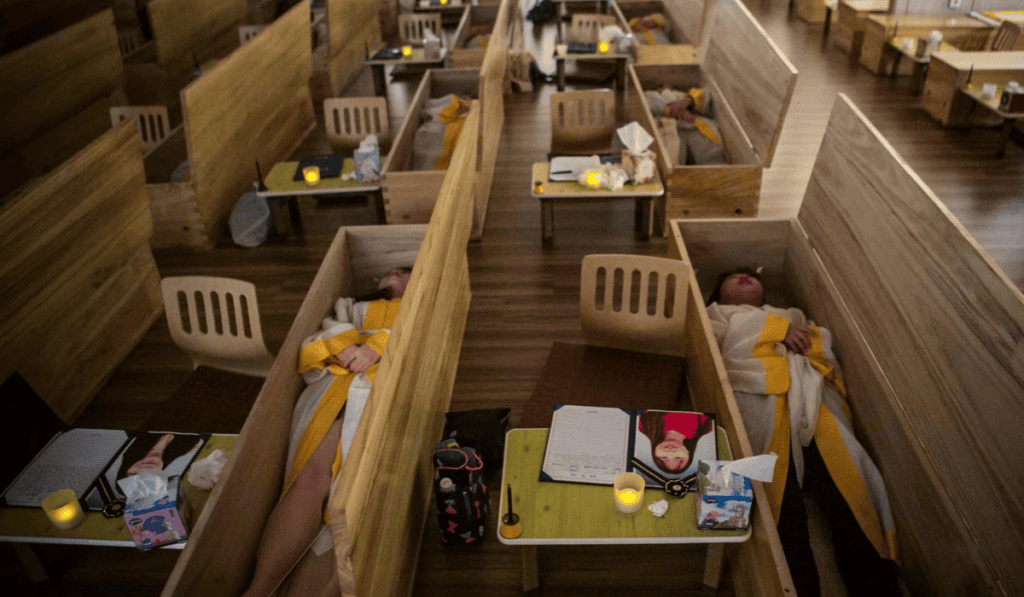
The practice has also attracted attention in the United Kingdom and United States, where celebrations often involve intimate gatherings, personal tributes, and shared memories. British end-of-life charity Marie Curie recognizes living funerals as an option for individuals who wish to celebrate their lives alongside loved ones, particularly those approaching the end of life.
Where can you arrange a living funeral in the Philippines?
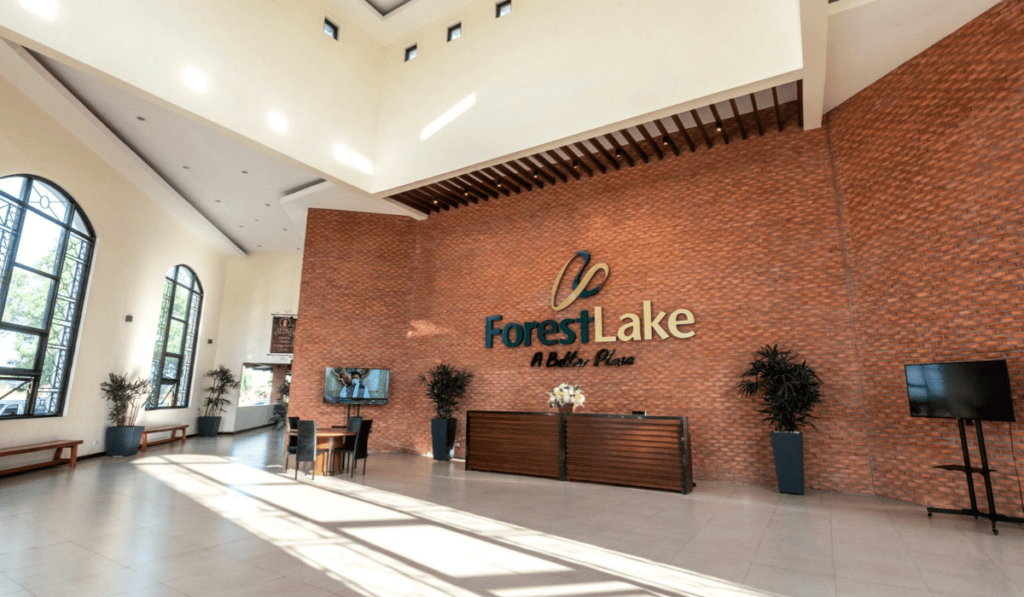
Forest Lake Memorial Parks | Biñan, Laguna
Forest Lake helped organize Ate Gay’s living funeral, providing the venue and event support. Families interested in similar celebrations may inquire about customized arrangements through its official Biñan chapel website.

St. Peter Life Plan | Nationwide
St. Peter has publicly discussed the concept of living funerals and their significance. Interested families may contact the company through its official website to ask about possible arrangements, although a dedicated living-funeral package has not been confirmed.
Families can also organize private celebrations at home, restaurants, gardens, or event venues. Costs depend on the location, number of guests, catering, decorations, and program requirements.
Celebrating life while there is still time
As All Souls’ Day approaches, living funerals offer another perspective on the Filipino tradition of remembrance. While visiting graves and offering prayers remain meaningful expressions of love, celebrating someone during their lifetime creates opportunities for connection in the present.
A living funeral does not necessarily replace traditional wakes or burial ceremonies. Instead, it gives families the chance to exchange affection, revisit cherished memories, and honor meaningful relationships together.
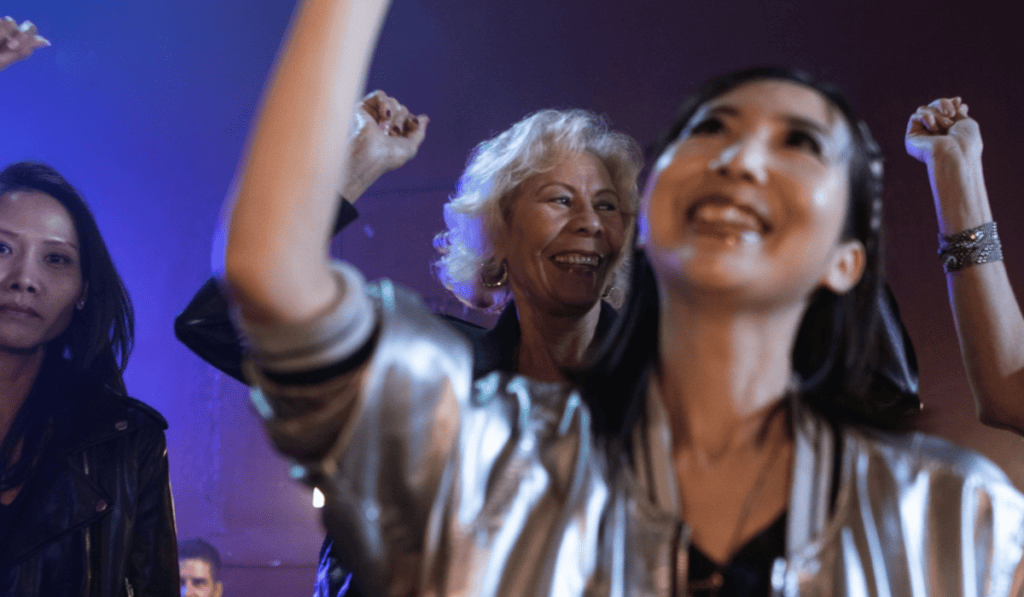
Ate Gay’s celebration, for one, illustrates a simple sentiment worth remembering: the most meaningful tributes do not always have to wait until goodbye.
Related story: What losing a pet teaches us about grief
Related story: Why Pope Francis is breaking tradition with his simple funeral rites and final resting place