
Amid the digital age, these toys reveal the region’s playful pursuit of personality, sentiment, and shared purpose.
Across Japan’s cultural arena, toys have long transcended their role as a source of amusement. What once started as symbolic objects unique to child upbringing gradually grew into imaginative companions shaped by storytelling, craftsmanship, technology, and tradition.
Throughout the years, these play pieces shifted alongside society itself—reflecting the country’s regard for artistry, accuracy, and advancement. Today, everything from transforming robots and kawaii recreations to tactile tabletop games and digital gadgets continue to influence how children and adults adapt, collect, and connect.
Transformable toys
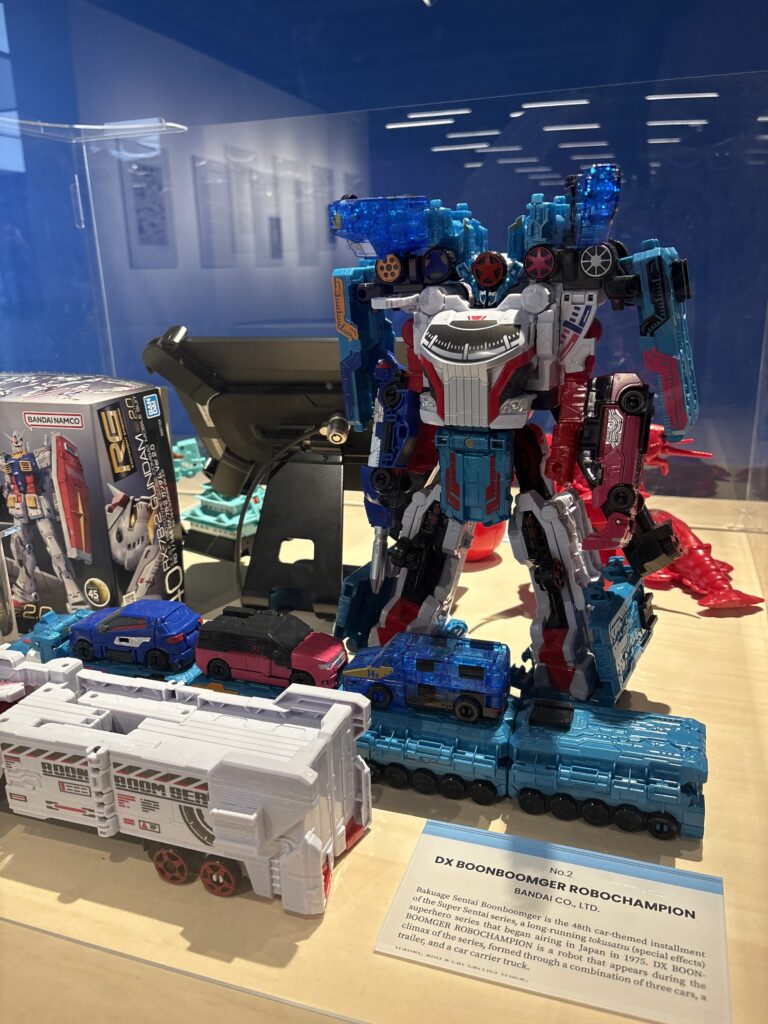
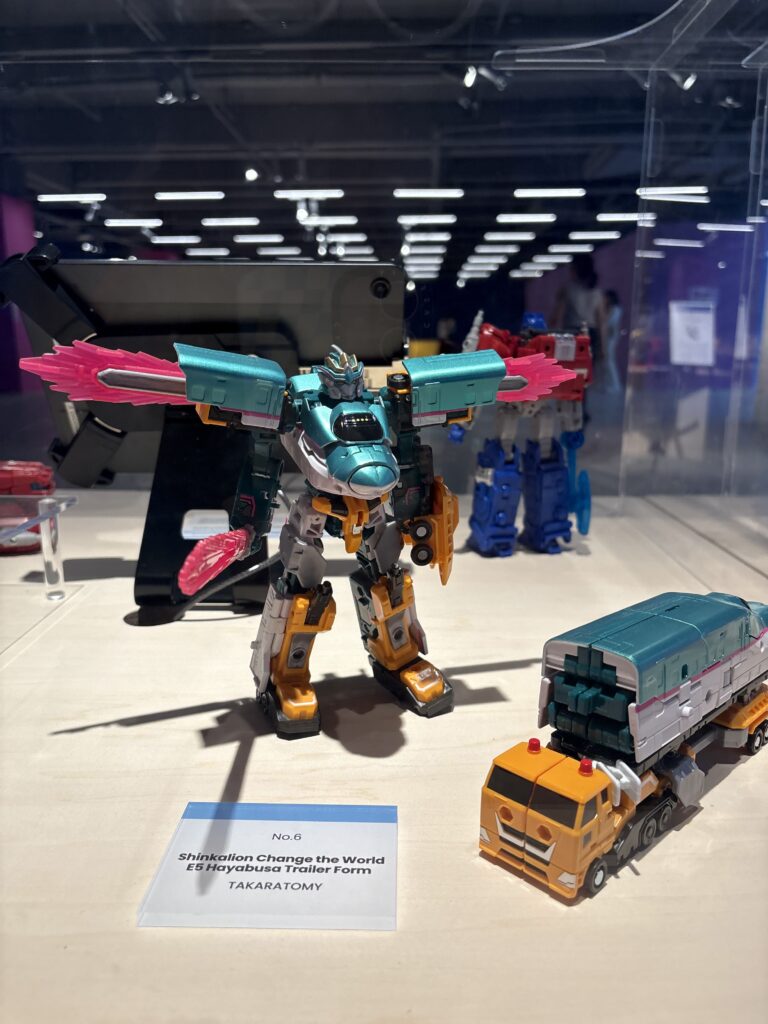
In Japan’s toy terrain, transformation has long been linked to fascination. Across families, children have collected toys that twist, turn, rotate, and rebuild themselves into something innovative. From bullet-train-based robots to Mecha machines, a range of play pieces stitch motion and mechanics with storytelling. A standout example is the Shinkalion series, where high-speed railway systems are reimagined as humanoid, giant robots. Graphic, interactive figures inspired by superheroes and sci-fi franchises continue to dominate shelves, showing how deeply Japan cultivate toys that reward creativity through construction and reinvention. Even beyond entertainment, this transformative philosophy parallels daily Japanese design principles: efficiency, precision, and the beauty of parts stacked together toward a singular purpose.
Character toys
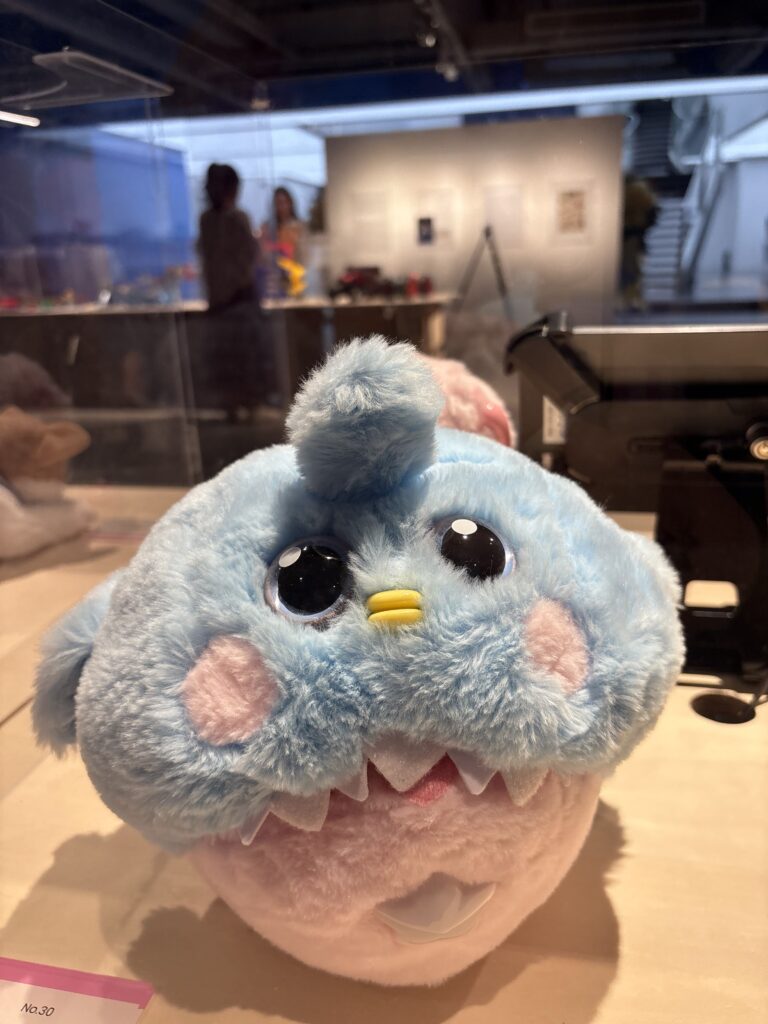
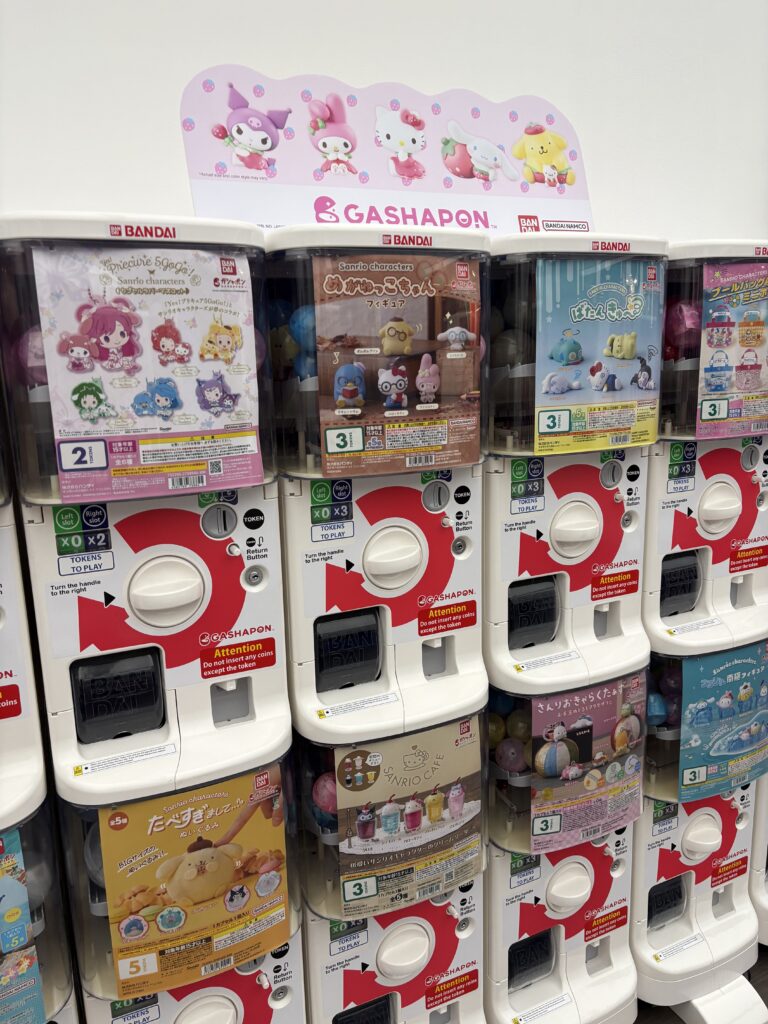
Japanese character toys have blossomed far beyond simple merchandise. Slowly, they have turned into emotional extensions of several beloved stories, cultural icons, and childhood memories that many continue to carry into adulthood. Whether rooted in anime, manga, or television, these mascots have the flexibility to transform fictional personalities into playful, collectible companions that generations tend to grow with. Regulars such as Doraemon, Ultraman, Pokémon, Anpanman, and Sailor Moon remain enduring fixtures within Japan’s toy tradition—not only out of nostalgia, but because each franchise reinvents itself for rising or shifting audiences. Some amplify action-packed play, while others offer comfort, companionship, or creativity. Across toy aisles, school supplies, and capsule machines, characters persist as symbols of Japan’s storytelling power and its timeless ability to transform imagination and pop culture into play.
Miniature masterpieces
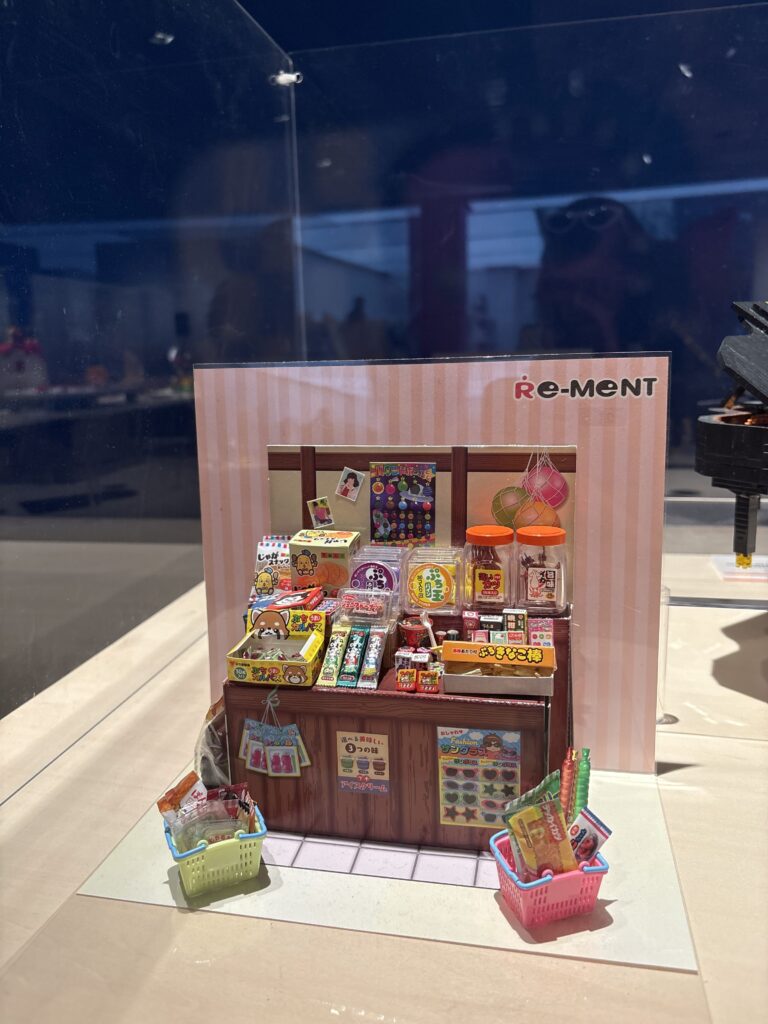
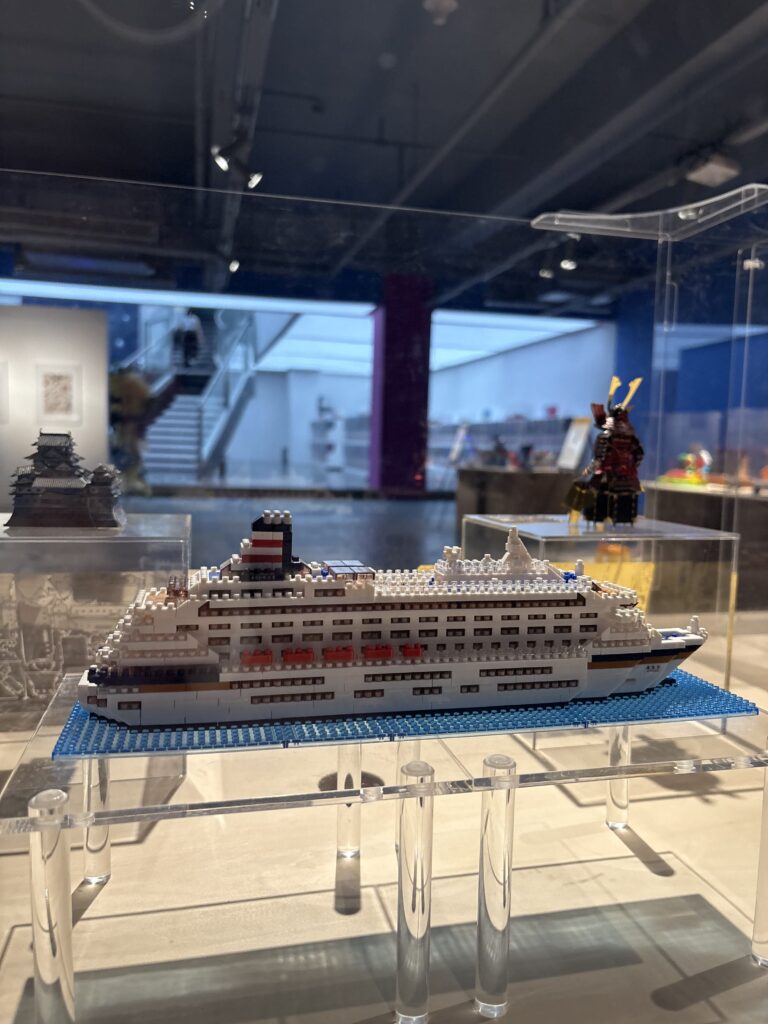
Tiny yet thorough, Japan’s super-miniature sets suggest that scale does not limit sophistication. A lot of new, discoverable collectibles invite consumers to peek into palm-sized spaces where restaurants, rail stations, dessert shops, city corners, and bonsai gardens are recreated with remarkable grandeur. Brands like Nanoblock and miniature display lines have built loyal followings among fans and model decorators. These toys keep kids entertained while also attracting adults who enjoy assembling, displaying, and archiving cultural snapshots of the country. In many ways, miniatures like this reflect the region’s taste for craftsmanship and careful detail—where even the daintiest, tiniest piece is treated with precision, ingenuity, and intention.
Kawaii toys and keepsakes
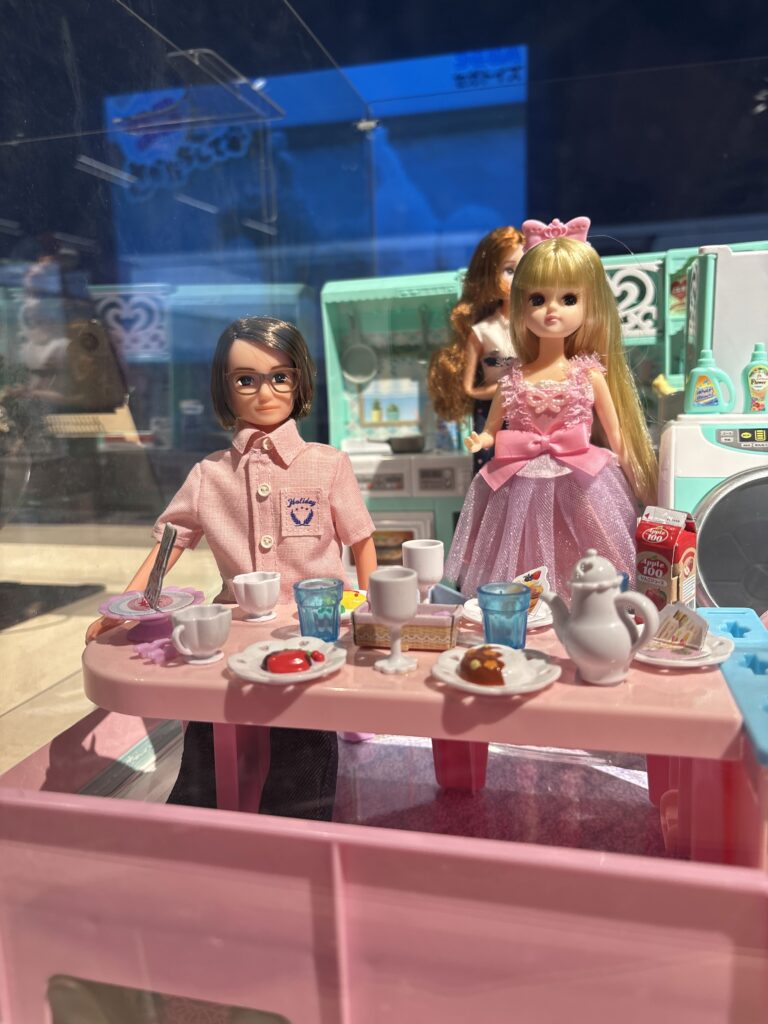
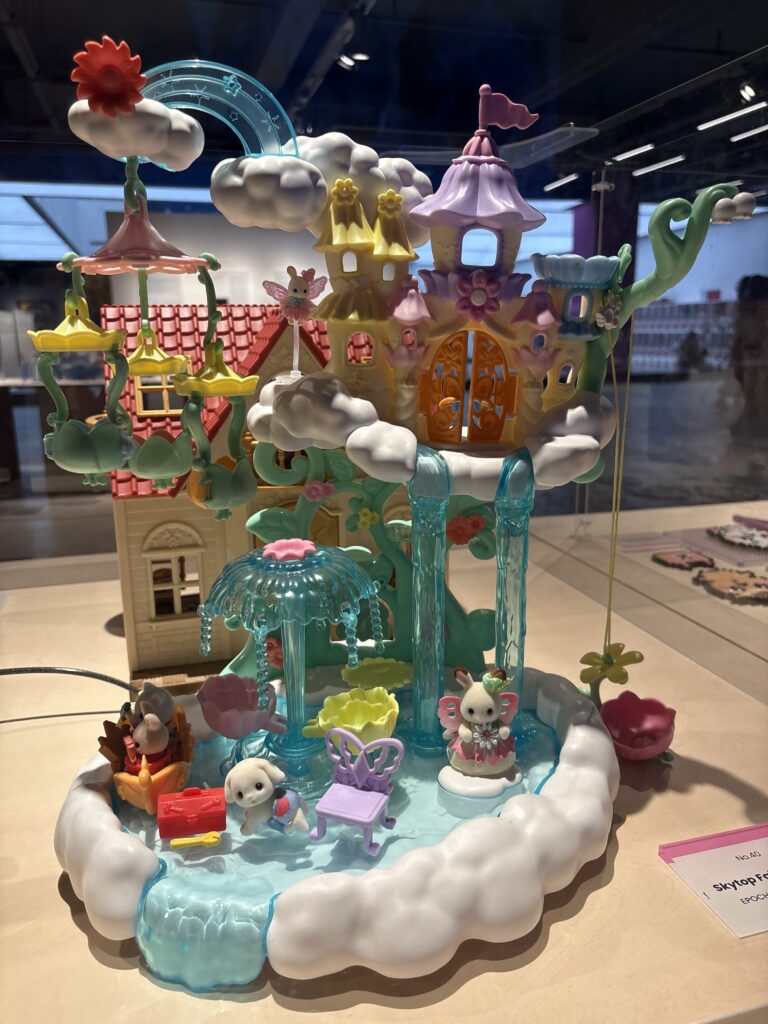
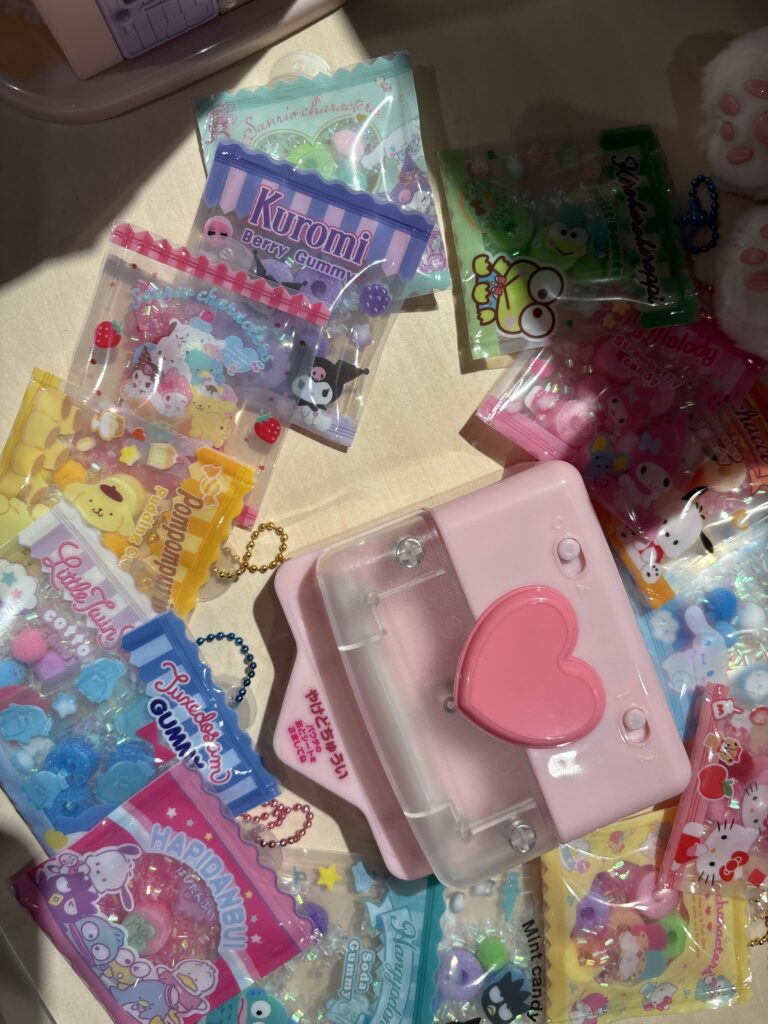
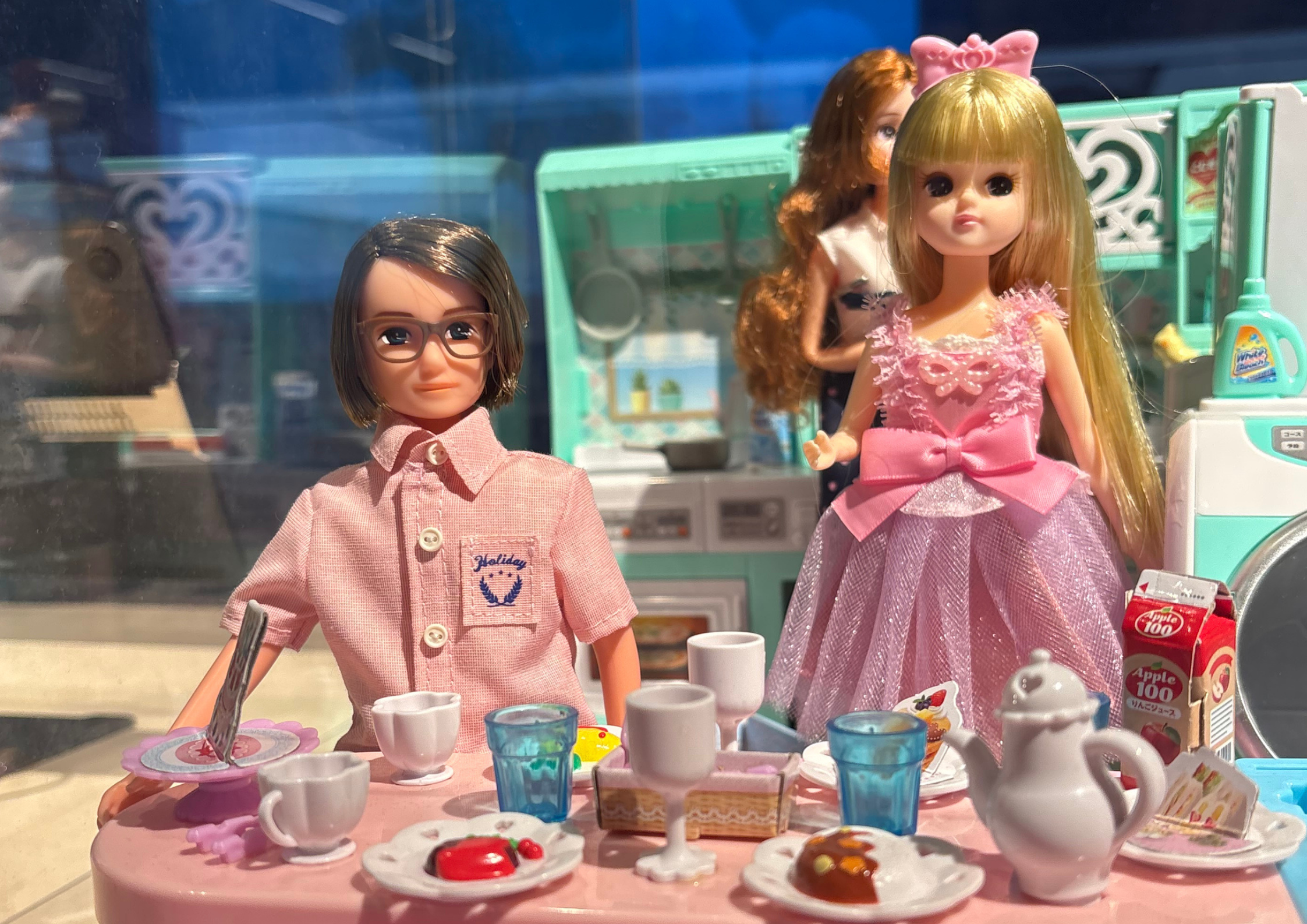
Not all Japanese toys are built around battles or adventure. Some are designed to soothe, inspire, and illuminate everyday encounters. Rooted in Japan’s globally recognized cute or kawaii culture, these toys project warmth, positivity, and emotional connection. Character lineups like Hello Kitty, Sylvanian Families, and Licca-chan continue to thrive as they capture both cuteness and bliss. Their journeys around nurturing revolve around relationships, fashion, and domestic life. Dream mansions, miniature furniture, and close-knit communities allow children and adults to live aspirational lifestyles. Over time, these tributes have offered a sense of belonging, serving as emotional keepsakes in an ecosystem where everything feels expedited, pressured, and fast-paced.
Digital devices
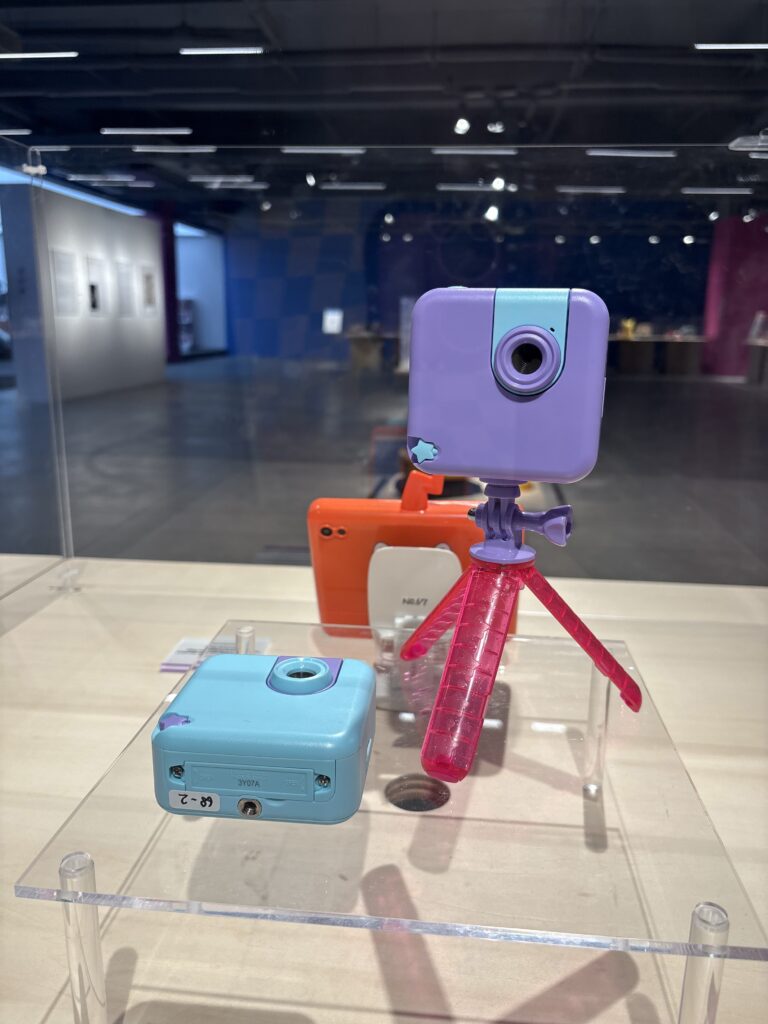
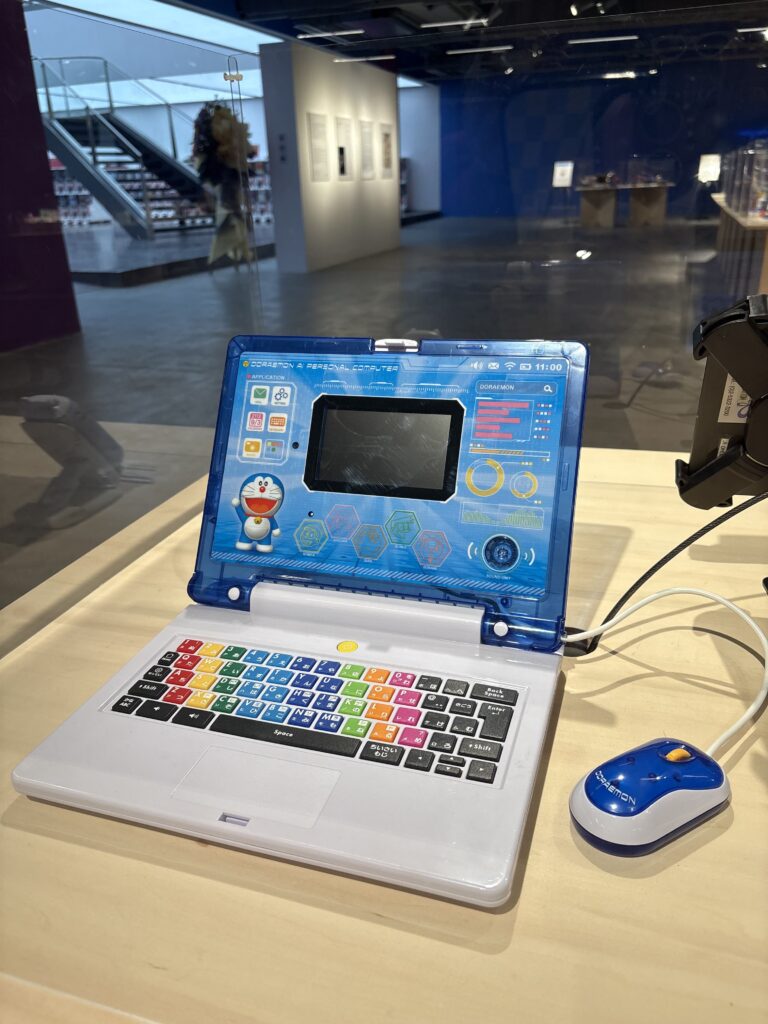
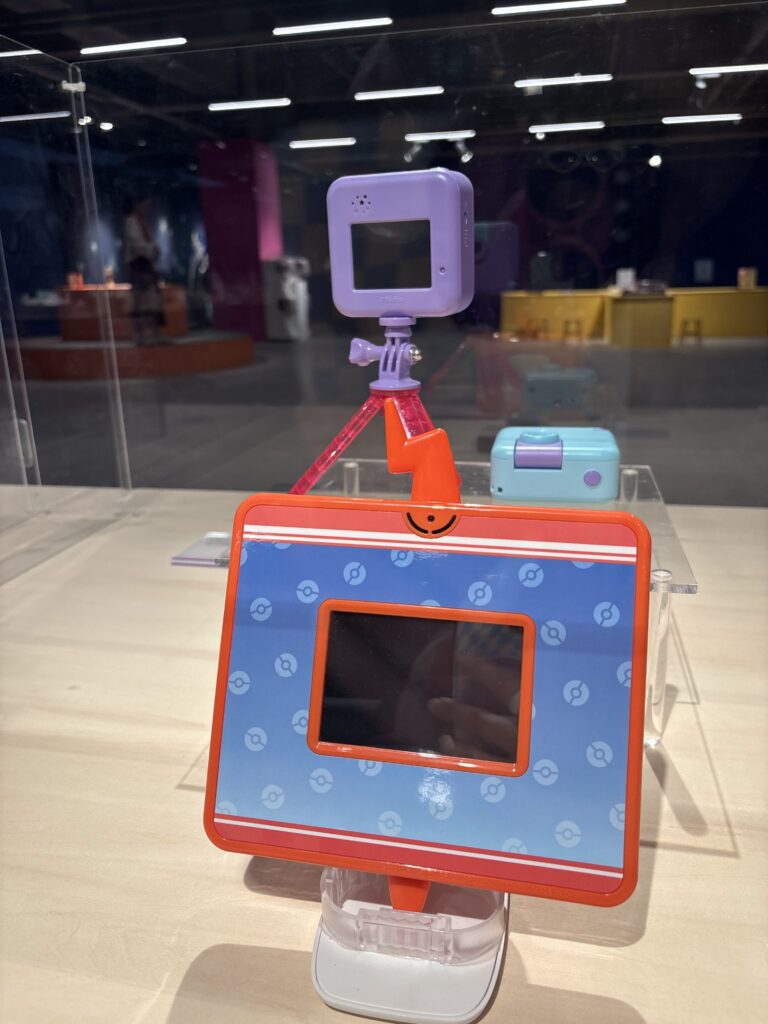
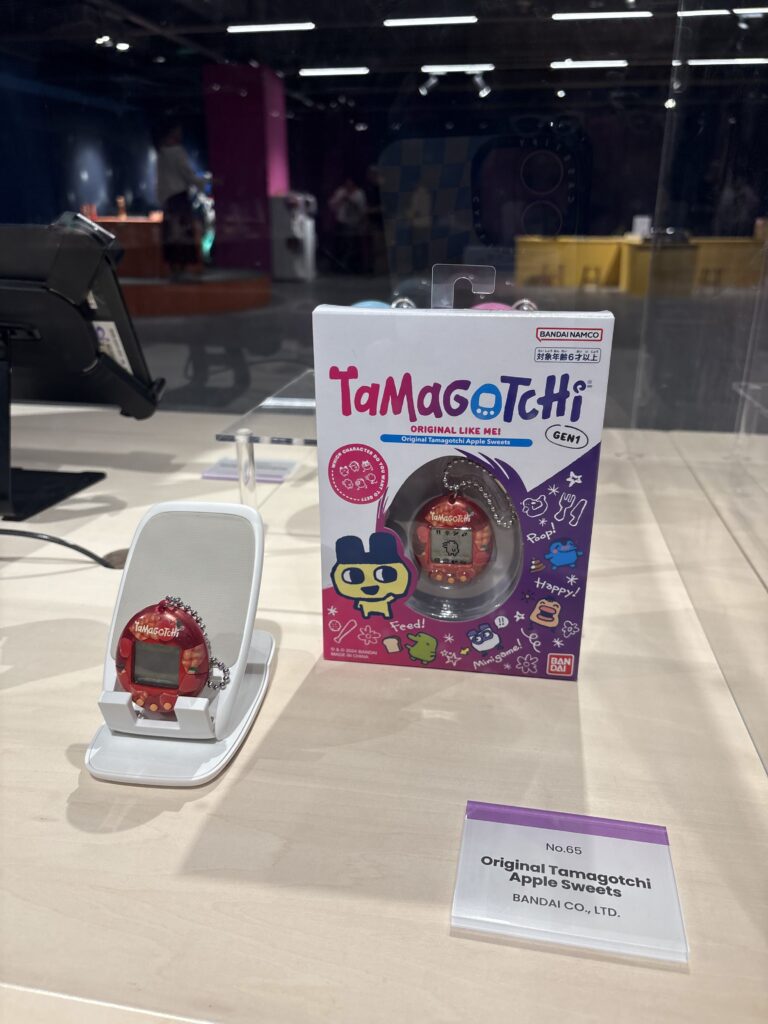
Japan’s digital toy dimension thrives at the intersection of technology, interaction, and imagination. Unlike traditional electronic toys of the vintage past, newer generations now blur the boundaries between gaming devices, daily gadgets, and virtual pets. Undeniably, the continuity of Tamagotchi demonstrates how digital companionship remains relevant across various ages. Recently, newer releases integrate touch-based technology, interaction, content creation, and social media-style features that follow the habits of contemporary children. Some toys simulate caregiving through tactile controls, while others leverage online learning, photography, or livestreaming. Virtual toys validate the importance of wonder as well, weaving together entertainment, communication, and experience.
Thought-provoking toys
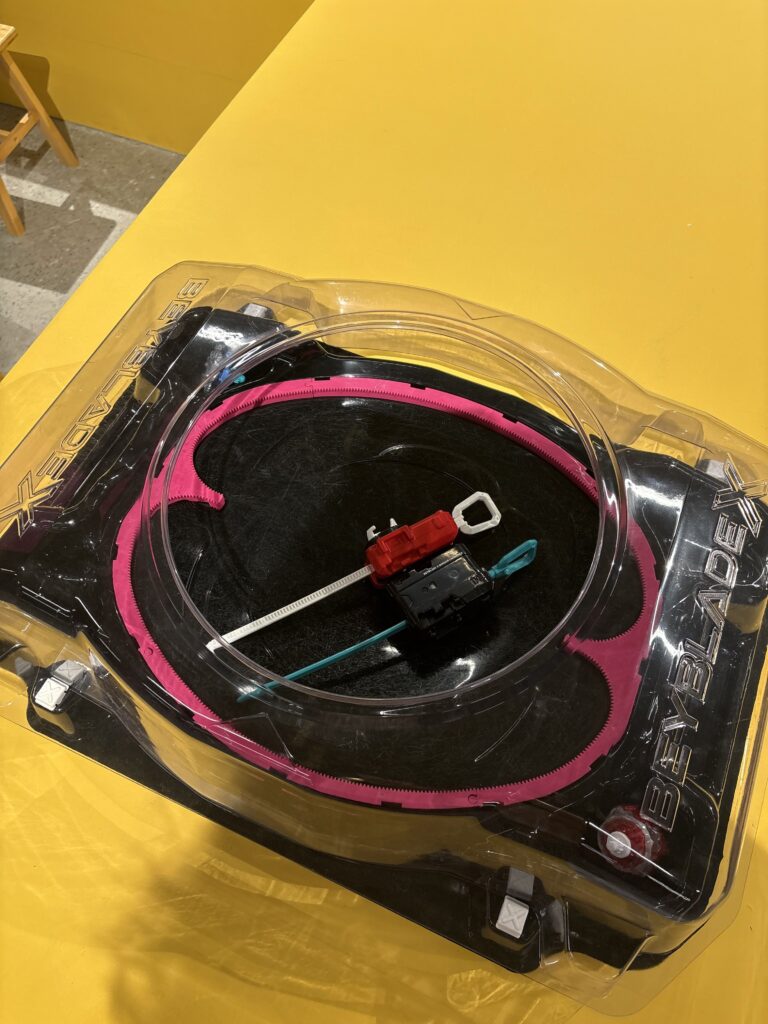
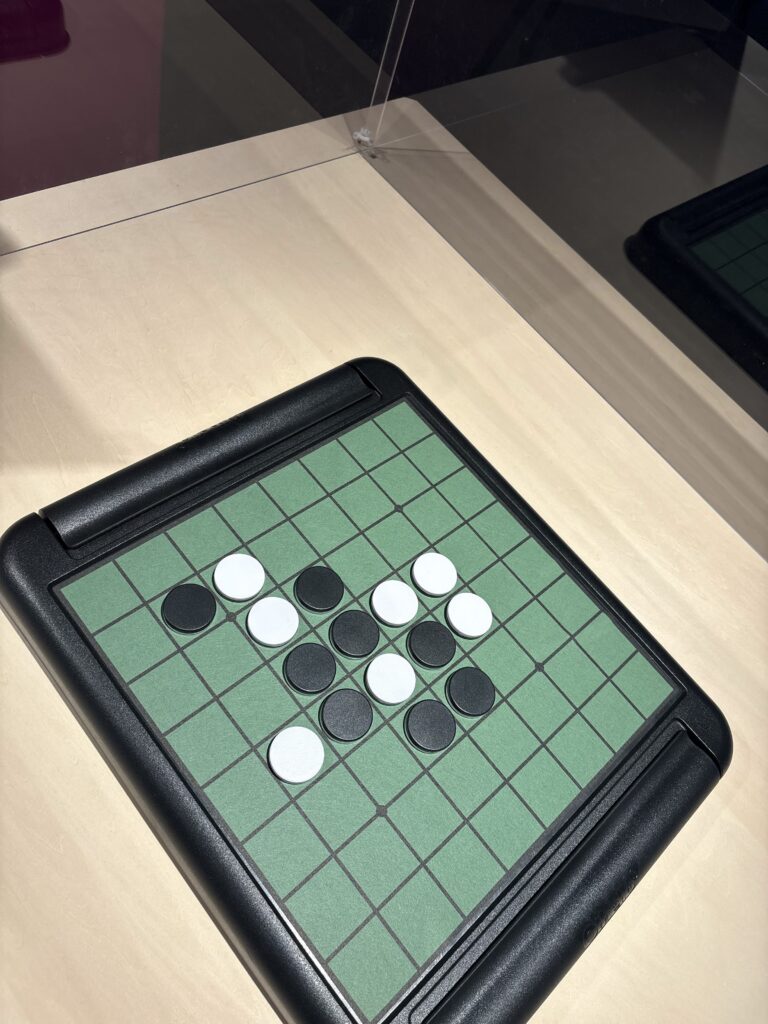
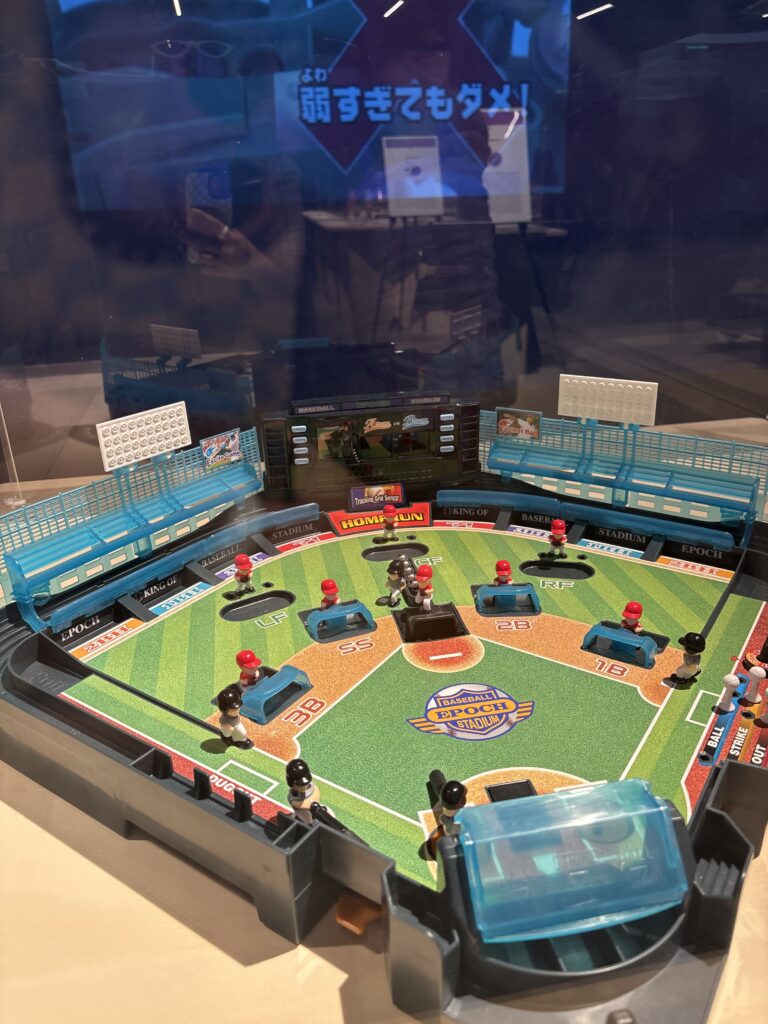
Despite an increasingly digital age, analog hobbies continue to hold a meaningful place within Japanese play modules. Their staying power comes from their simplicity: pastimes that encourage teamwork, imagination, physical interaction, strategy, and face-to-face socialization without relying on screens or robotic software. Group tabletop games, mechanical sports simulators, and motorized battle tops remain a regular because they allow tangible participation of players. Beyblade, for instance, became a huge hit by integrating competition with customization, letting participants layer setups, swap parts, and experiment with performance. Similarly, baseball simulation displays mirrored Japan’s deep-rooted fondness for the sport, fusing realism with recreation and practice with playfulness. These retro, analog formats feel authentic in that they encourage tactile experiences that digital technology cannot replicate or capture.

Transportation toys
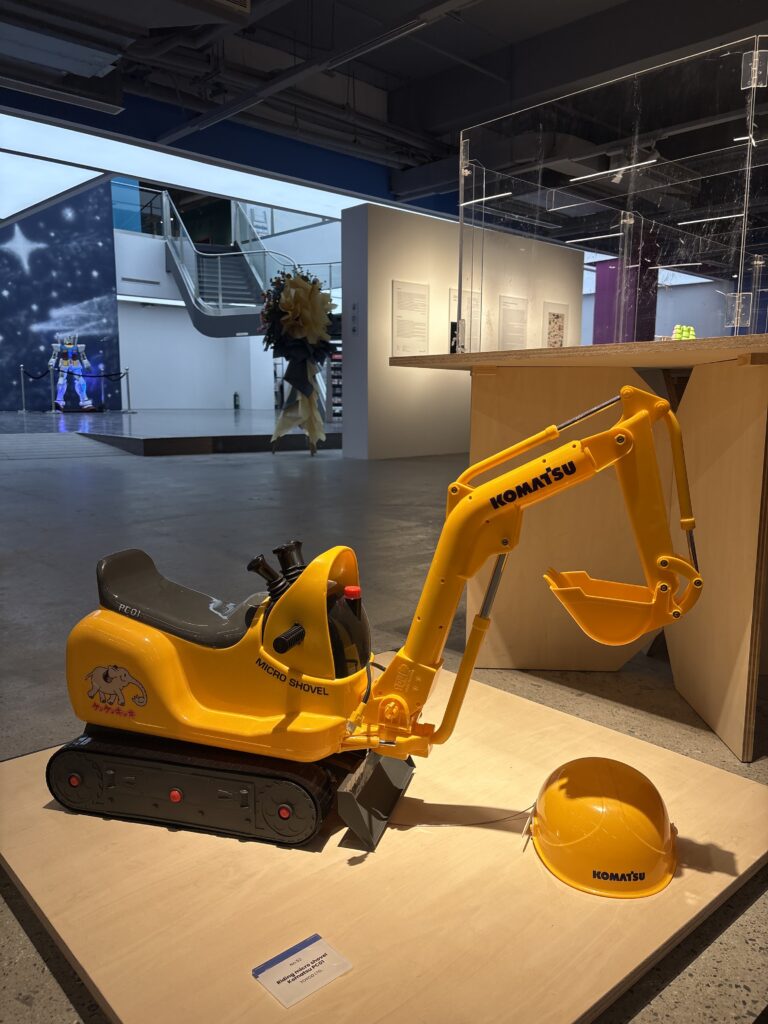
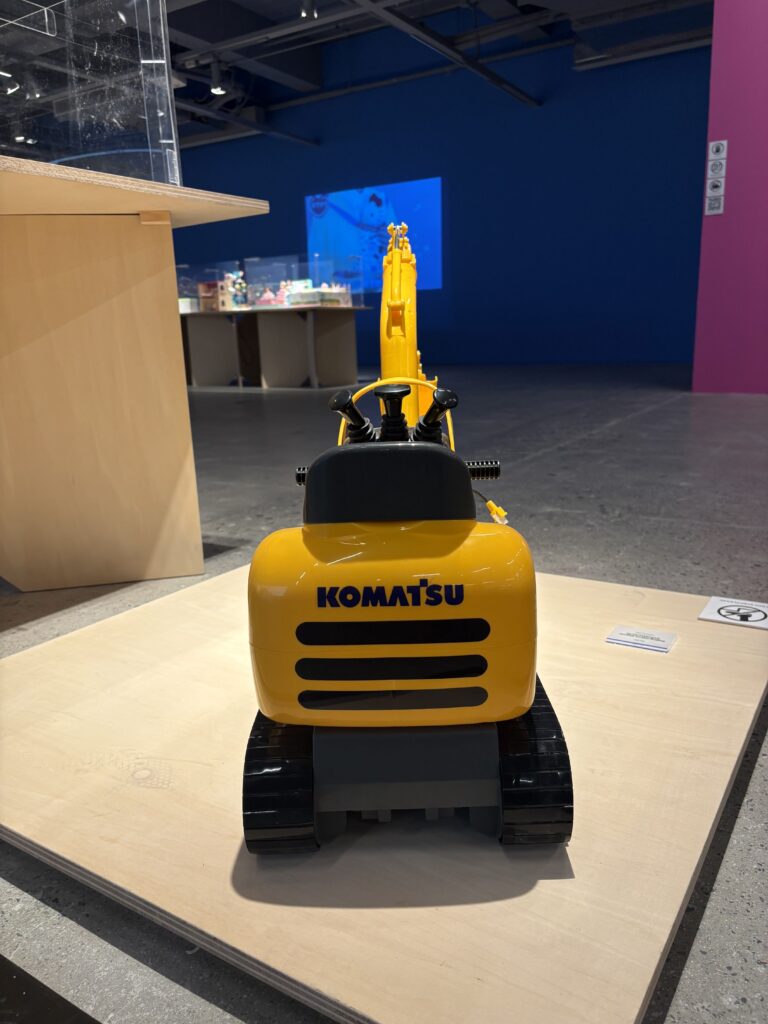
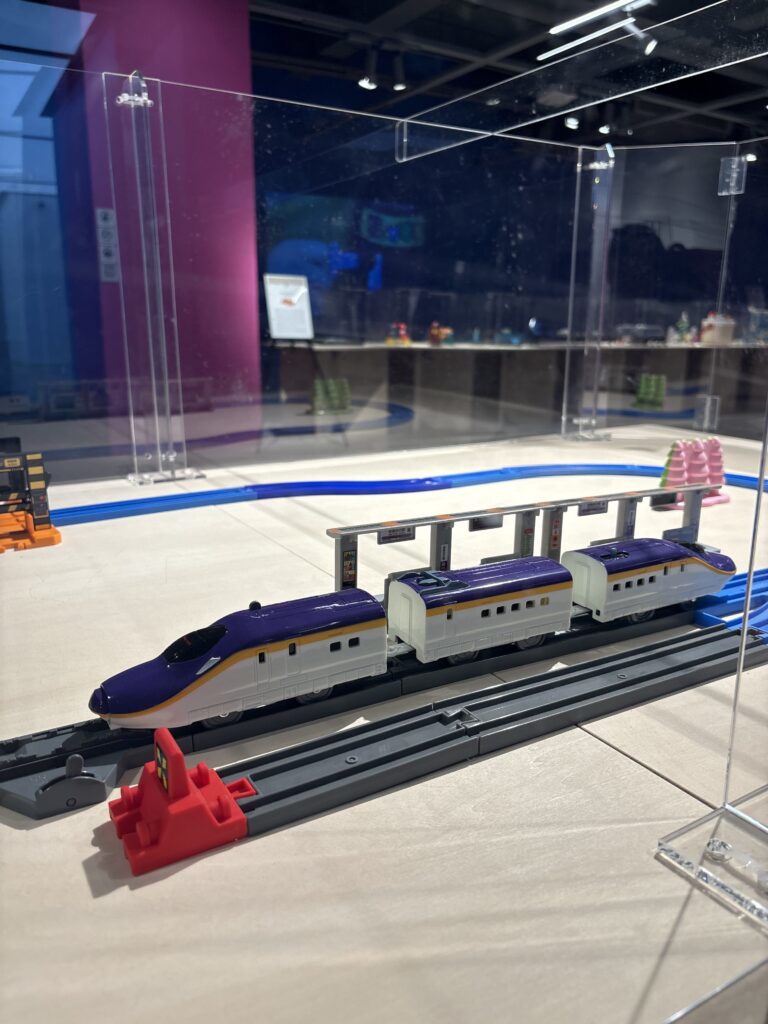
Vehicle toys in Japan have visibly evolved alongside the nation’s advanced engineering, transportation, and technology. What began as miniature builds eventually expanded into highly intricate creations complete with train stations, parking structures, tracks, crossings, and interactive cityscapes. Line releases like Tomica and Plarail transformed toy vehicles into immersive ventures rather than repetitive, standalone objects. Some children could come up with narratives and transit networks, organize routes and operations, and simulate real-world railway systems through customizable play. The toys’ charm extends beyond eager collectors, carrying limited-edition launches and carefully crafted replicas of Japan’s renowned trains, luxury transit, and urban infrastructure. Ultimately, these toy types elevate daily mobility as a defining element of the layered, modern life in Japan.
Presented by the Japan Foundation in partnership with the Metropolitan Museum of Manila, the “Omocha: Japanese Toys Today” exhibition celebrates the enduring bond between play, popular culture, and everyday customs in Japan.
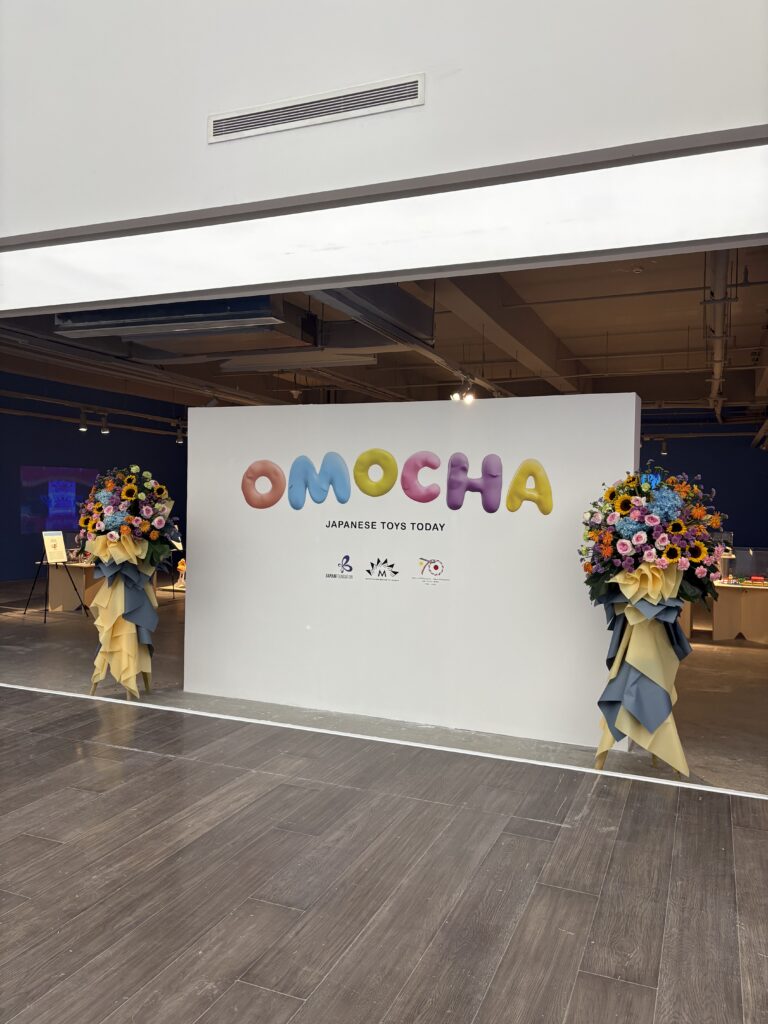
The art exhibit runs until May 31 at the Metropolitan Museum of Manila in Bonifacio Global City, Taguig—rewarding arts enthusiasts and cultural followers a closer look at Japan’s toy landscape through transformable figures, miniature fixtures, cute toys, character toys, learning and lifestyle gadgets, tactile tabletop games, and many more.
Related story: Heads up, millennial parents: Here are 2026’s must-have toys to keep children entertained
Related story: Barbie through the years: These 5 dolls embody diversity, autism, and disability