

How the term became Collins Dictionary’s 2025 word of the year. And yes, ‘aura farming’ and ‘biohacking’ were shortlisted too.
You may have missed it. Before Oxford Dictionary named “rage bait” as the 2025 word of the year, and Cambridge Dictionary chose “parasocial,” Collins Dictionary in early November had already chosen a word (or a term) that captures a global cultural shift: “vibe coding.”
In past years, the chosen terms often reflected political upheaval, climate anxiety, or digital chaos. But for 2025, the winner comes from an unexpectedly light, almost TikTok- corner of the internet. At first glance, it sounds like a tongue-in-cheek phrase used by programmers who’ve grown too comfortable with AI assistants. But its selection as Word of the Year by Collins reveals something deeper: that the world’s relationship with technology is undergoing a transformation that’s being expressed through casual, conversational language.
For decades, coding was the thing “other people” did, the thing geniuses did on which entire industries depended on but only a few understood. But now you can tell an AI what you want to build, and it will write the code for you.
According to Collins Dictionary, their shortlist “reflects this further shift towards a tech-dominated world. But the runners-up on this year’s list also reveal a society grappling with authenticity in an increasingly performative world. Perhaps we’re all a bit too focused on aura farming, defined as the deliberate cultivation of a distinctive and charismatic persona that looks effortless but is anything but. This Gen Z phenomenon, which exploded after a viral video of an Indonesian boy exuding calm confidence while dancing during a boat race, captures the paradox of our age: trying to look like you’re not trying.”
Vibe coding refers to the increasingly common practice of describing what you want an AI to build, and letting it write the code for you. Instead of memorizing syntax or worrying about brackets and indentation, you simply… talk. You tell an AI system: “Make me a dashboard that tracks monthly expenses,” or “Create a simple game where a cat jumps over obstacles,” and the system responds with ready-to-run code.
The phrase caught on earlier this year because coding suddenly felt experimental and fun. For decades, coding was the thing “other people” did, the thing geniuses did on which entire industries depended on but only a few understood.
Vibe coding cracks that gate open. Its popularity reflects the rise of AI models making executable software. And it marks a shift in how people now fear technology less, how there are fewer rules, more play, more collaboration.
Related story: Oxford crowns ‘rage bait’ as the 2025 Word of the Year
Related story: ‘Parasocial’ is Cambridge Dictionary’s Word of the Year 2025
What it means to be human in the age of AI
“Vibe,” a word usually reserved for music, fashion, or feelings, is now applied to software development. It reflects a world where technical processes have softened into something more fluid and expressive.
Marketing consultant and copywriter Rachel Quin continues on Collins’ blog: “Many words on this year’s shortlist speak to fundamental tensions: we’re embracing AI and technology (vibe coding) whilst simultaneously resisting it (clanker, broligarchy, taskmasking). We’re chasing authenticity (calling out glazing) while polishing our own public personas online and offline (aura farming). We’re optimizing our bodies (biohacking) and trying to optimize our bank balances (HENRY) while acknowledging we’re burnt out, metaphorically and sometimes literally (micro-retirement, coolcation). In 2025, it’s more apparent than ever that people contain multitudes, and this year’s Word of the Year list encapsulates what it means to be human in the age of AI.”
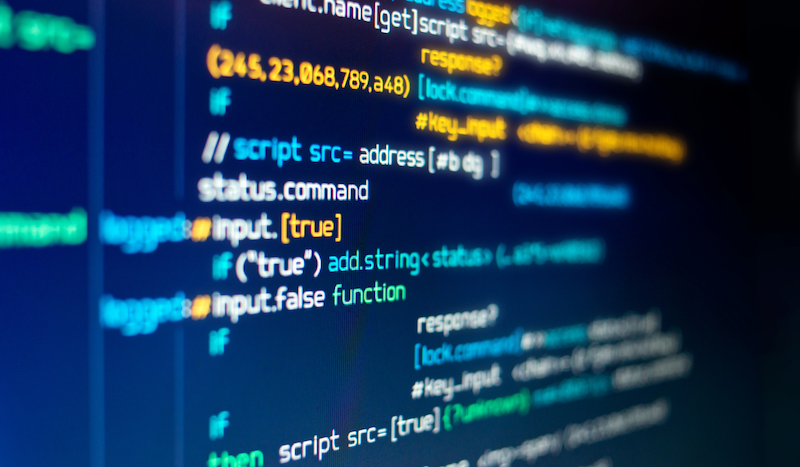
In 2025, whether you’re a teacher, a teenager, a startup founder, or someone building an app for fun, vibe coding offers a way that previously required years of training. You don’t have to be a “coder” to code anymore — you only have to be someone with ideas.
Of course, not everyone is thrilled. Traditional developers, many of whom spent years honing their craft, have mixed feelings about this shift. To some, vibe coding feels like magic; others point out that while AI can generate code, it doesn’t always generate good code. If an AI writes your code, who is accountable when something breaks?
Previous tech buzzwords—blockchain, cryptocurrency, quantum computing—sounded intimidating, complex, inaccessible. Vibe coding makes the future sound approachable, even a little silly.
We are in the beginning of an era where human creativity and machine capability intertwine more closely, where ideas move quickly from imagination to execution, and where the next generation may never learn to code the way the previous one did.
In short, it’s not just a vibe. It’s a revolution happening right here, right now.
Related story: Gen Z grew up online—now we’re tired of being perceived
Related story: AI relationships: Yay or nay?