
I left Manila for Baler. Here’s what it took to stay
I moved from Marikina to Baler, Aurora in 2016, but the decision didn’t happen overnight.
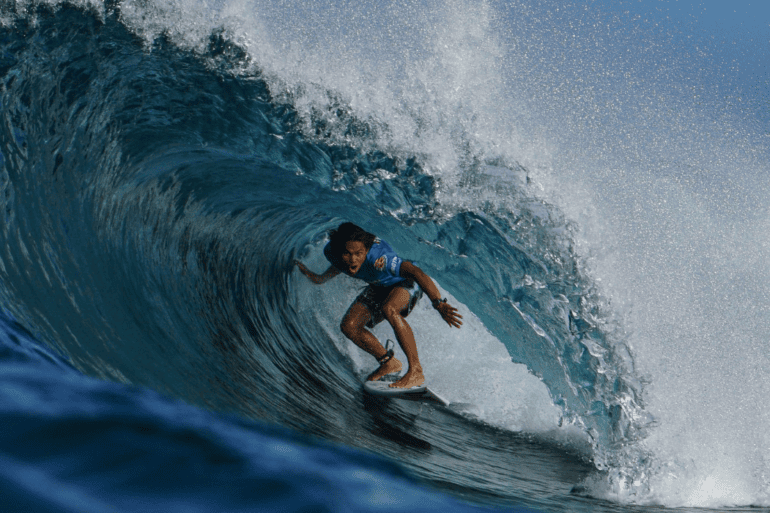
I first went to Baler in 2013. At the time, it was just another trip. Still, I made it a point to come back at least once every two months. By 2015, I was going almost every weekend. Somewhere along the way, something shifted. I fell in love with the place, the people, and surfing.
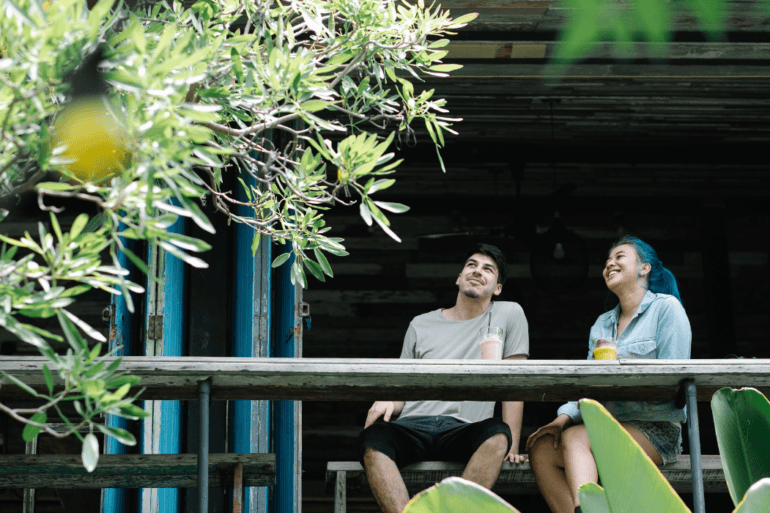
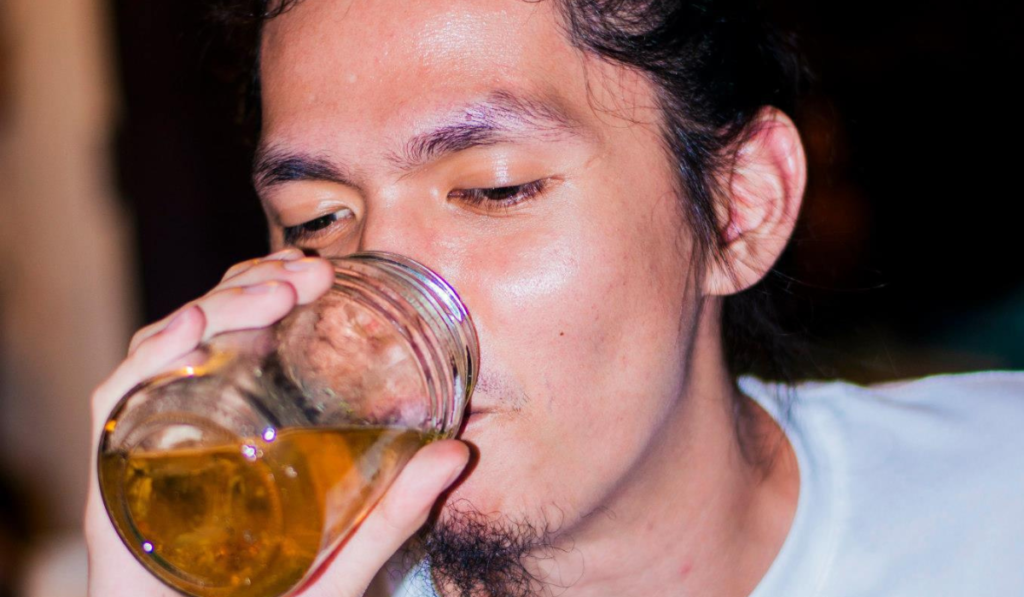
Back in Manila, my way of unwinding was simple: I would go out and drink. It was part of the routine—and at some point, it felt like the only way to deal with the stress of daily life.
At the same time, life in Manila began to feel heavier. The traffic, the daily rush, the constant cycle of work and commute. I reached a point where I realized I didn’t want to live like that long-term. I got tired of the pace. I didn’t want to be stuck in that cycle for the rest of my life.
Baler offered something different. It wasn’t just a place to visit anymore. It started to feel like somewhere I could actually live.
That’s when the idea of moving became real.
Related story: 5 family-friendly museums to see in the south
Related story: I moved to the south and it saved my mental health
Starting over, slowly
The move itself required planning. Before leaving Manila, I needed to secure a remote job, find a place to stay, and make sure there was reliable internet to support my work. That last part mattered the most—without it, the move wouldn’t work.
At the time, internet options in Baler were limited, and the service provider I signed up with couldn’t give a definite timeline for installation. Even after paying for an apartment, there was still no clear schedule. The uncertainty forced me to adjust my last day at work more than once. Thankfully, my supervisor was understanding and accommodating. It wasn’t a smooth transition, but it was necessary.
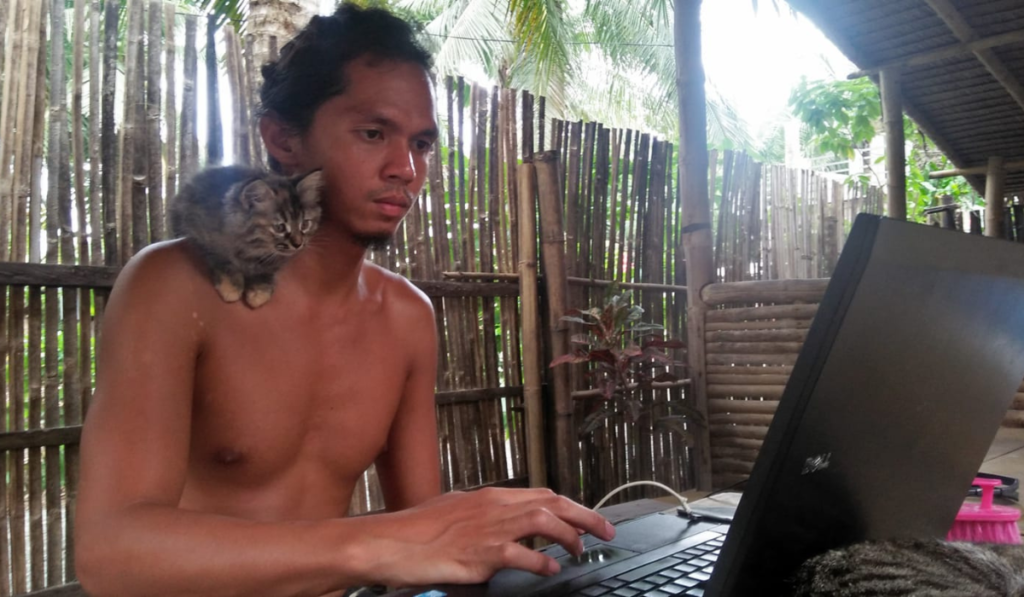
Once I arrived in Baler, things began to fall into place, though not all at once. I started working as an online English teacher, which allowed me to stay in the province while earning remotely. The pay was around ₱60 per 25-minute class, and bookings weren’t guaranteed, so income could be unpredictable.
Teaching was enough to cover basic needs, but not much more. To support myself, I also took on local work. Surf school owners welcomed me and gave me the opportunity to train as an instructor. It was a different kind of routine—less stable than what I was used to, but more grounded in the life I was trying to build.
A different pace of life
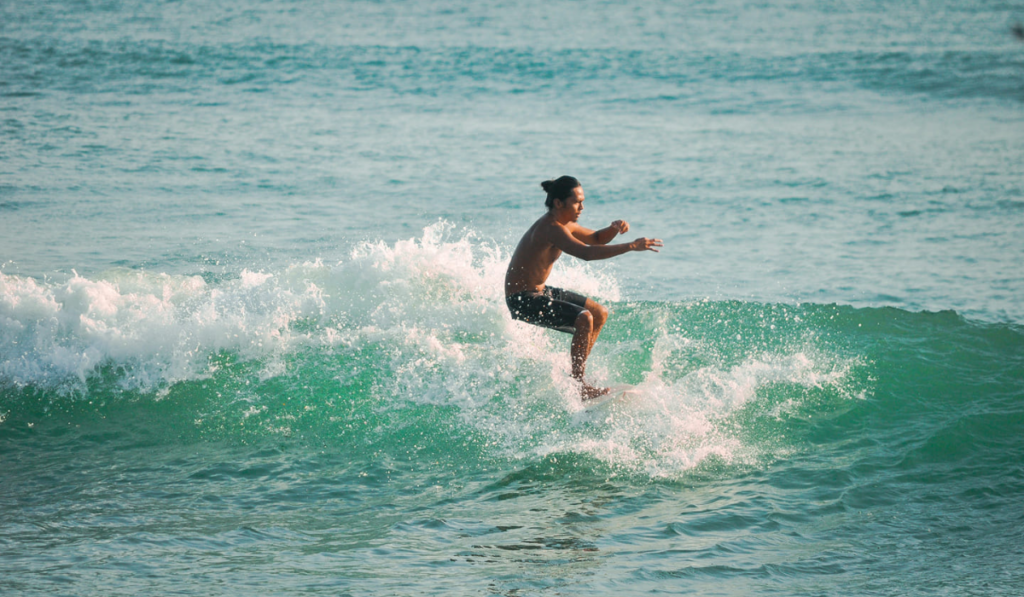
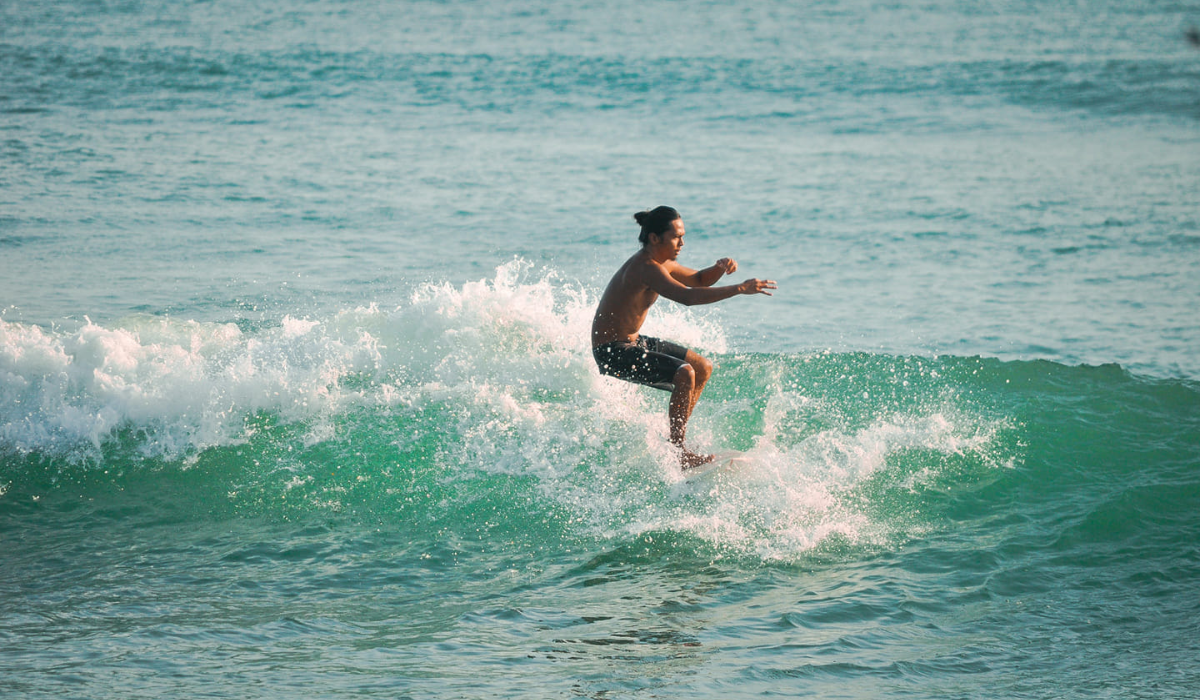
What stood out most was how daily life changed. Life in Baler is laid-back—very different from Manila, where everything feels fast, scheduled, and constant. In Manila, surfing wasn’t even part of my routine. I only learned it after I started going to Baler, and over time, it became something I looked forward to every trip. Eventually, it replaced many of my old habits.
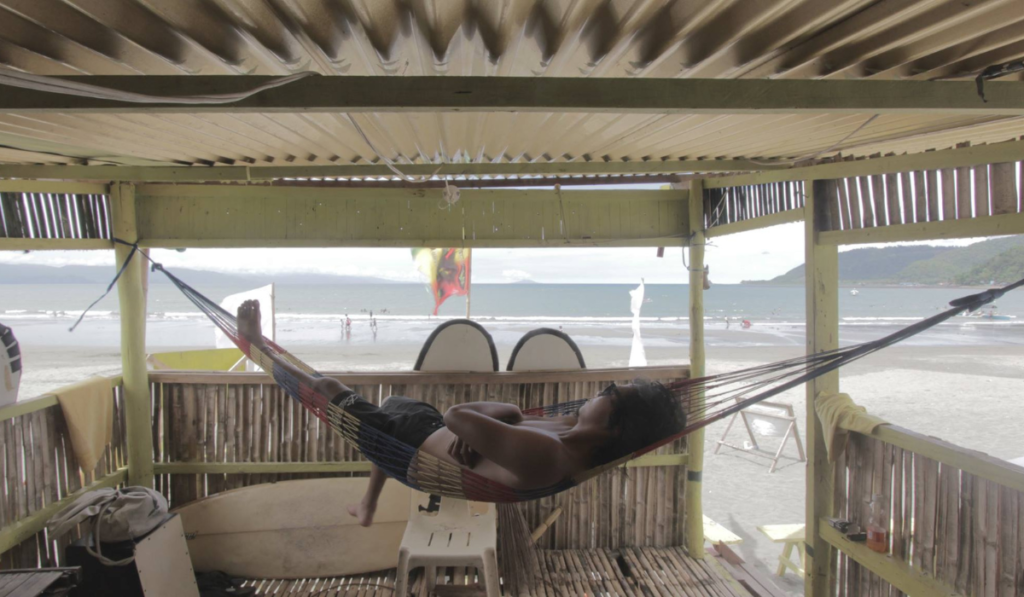
I quit smoking in 2014. As I spent more time in Baler and got deeper into surfing, I also found myself drinking less. What used to be my main way of dealing with stress in the city slowly faded. In Baler, mornings often begin in the water. The rest of the day follows a simpler rhythm—work, meals, and time outdoors.
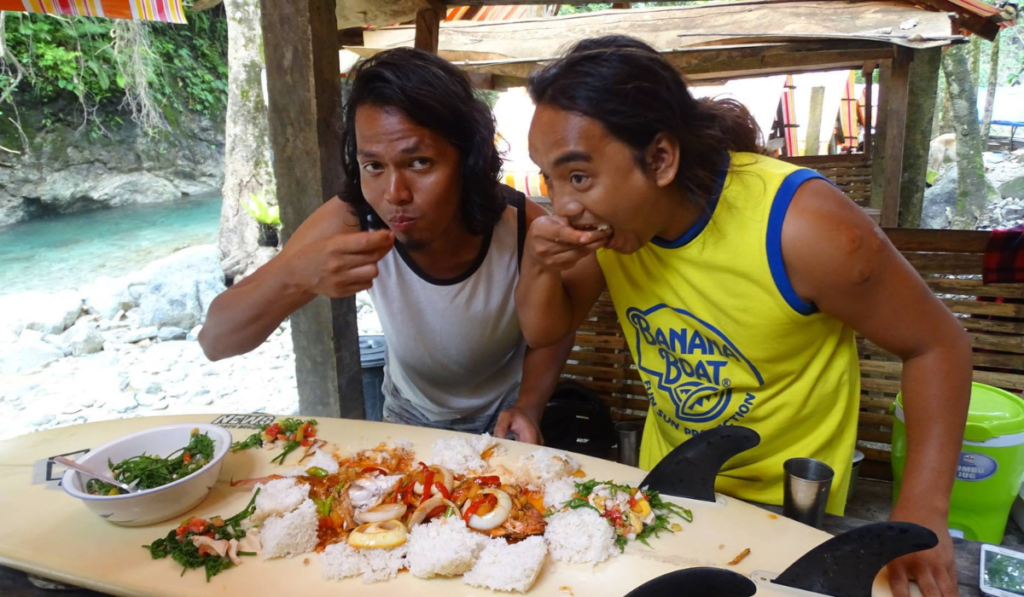
Living expenses were also much lower. Back then, around ₱200 to ₱250 a day was enough to get by. Meals at local carinderias cost around ₱85 to ₱90, and I mostly got around by bicycle. The lifestyle didn’t feel like I was giving things up. It felt more focused. I didn’t mind the lack of malls or entertainment back in 2016—and I still don’t. As long as I can surf, I’m good.
The adjustments that come with it

Still, moving to the province comes with trade-offs. Baler, for one, isn’t like the city. There are no large malls, and most establishments close earlier than you might be used to. Supermarkets usually close by 9 p.m., and cafés and restaurants follow similar hours.
That said, Baler has grown over the years. It now has a Robinsons Supermarket, a Puregold branch, and familiar fast food spots like Jollibee, Chowking, and Mang Inasal. These add a level of convenience—and a bit of city familiarity—when you need it.
For coffee lovers, the local café scene is worth noting. Since around 2021, more cafés have opened across town, each with its own style and take on coffee. There’s enough variety to keep things interesting if coffee is part of your daily routine.
If you’re looking for a full mall experience, you’ll need to travel. The nearest options are in Cabanatuan, Nueva Ecija, or Baguio City—both around four hours away by bus or van. Nightlife exists, but it sure is quieter.
I go out occasionally, but most of the time it’s just dinner and drinks with friends—either at home or at my café after hours. For me, that shift wasn’t a big deal—but it’s something you have to adjust to.
The bigger challenge early on was infrastructure. Internet was unreliable, and everyday systems weren’t as efficient as what I was used to in Manila.
The cost of living, then and now
One of the biggest advantages of living in Baler is the cost. Even now, it’s still more manageable compared to Manila, though prices have increased over time. Back in 2016, fish cost around ₱150 to ₱200 per kilo. Now it’s closer to ₱220 to ₱280. Pork went from ₱250 to around ₱320, and beef from ₱300 to ₱400.
Even with these changes, though, daily expenses here are still lower. In Manila, I used to spend around ₱500 a day. In Baler, ₱200 to ₱250 is usually enough, depending on your lifestyle—especially if you live solo, like I do most of the time.
Vegetable prices also vary depending on supply. Transportation costs have also increased slightly, with tricycle fares rising from ₱15 to ₱20. Rent is still flexible and depends on the landlord and location. In my case, I pay ₱4,000 a month for a two-bedroom apartment with a bathroom, kitchen, and a spacious garage. In other areas, studio units typically range from ₱5,000 to ₱7,000.
Building something long-term
Over time, my life in Baler has become more stable. I eventually transitioned into a more secure remote job with better financial support and benefits. At the same time, I started exploring business opportunities.
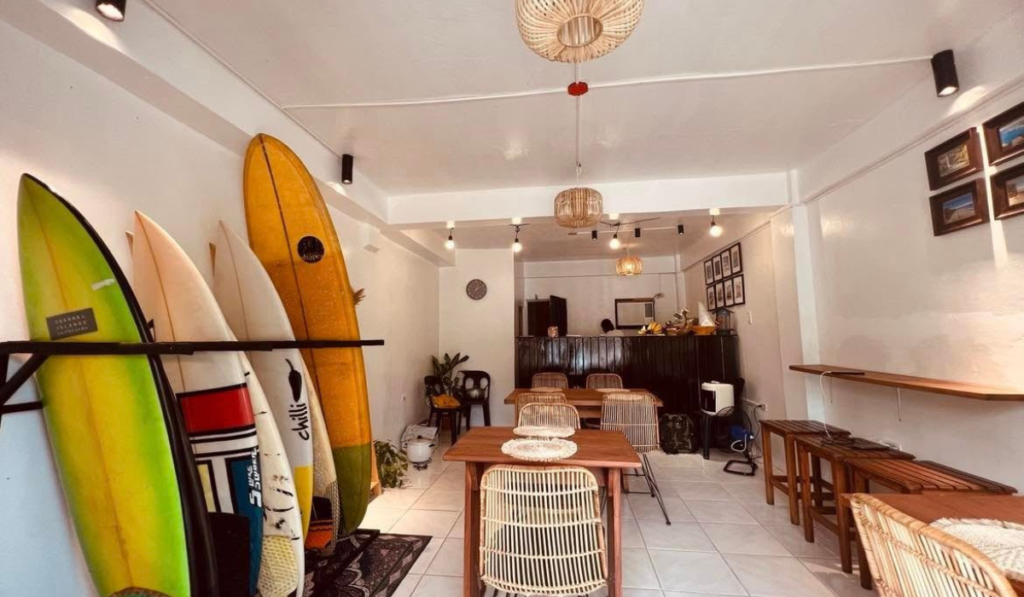
In 2019, I opened my first café. It closed in 2020 due to several challenges, including the pandemic—a tough setback. Looking back, I realized how important it is to study the market before committing to a business.
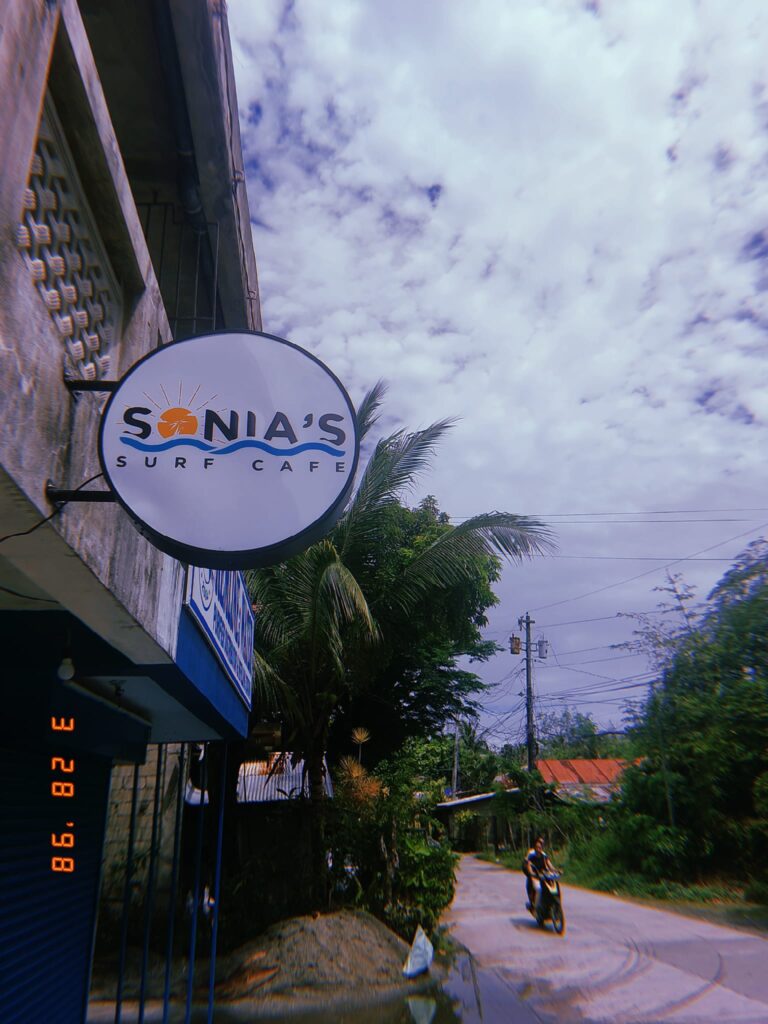
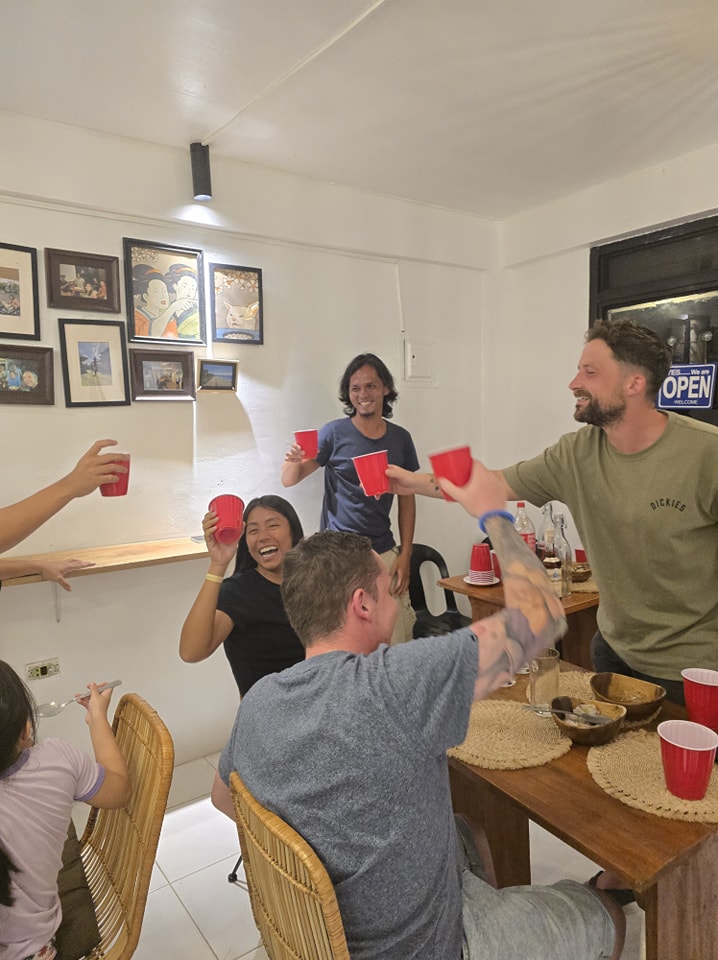
In 2024, I decided to try again. I reopened in a new location as Sonia’s Surf Café, this time with a clearer understanding of the area, demand, and foot traffic. If you’re planning to start a business in Baler, take the time to understand the local market and how customers move within your chosen niche.
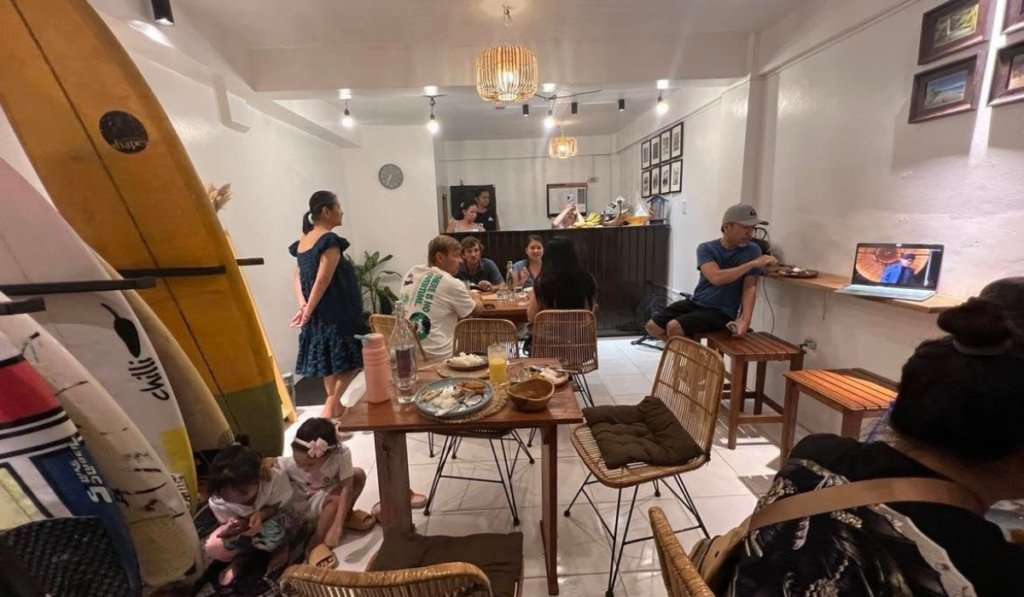
Not long after, another milestone followed. In 2025, I got married, which changed how I approached both life and work.
Even after almost a decade, I still travel back to the city to visit family. My wife currently works in Manila, so we’re in a long-distance setup for now, but she visits Baler during long weekends or whenever her schedule allows.


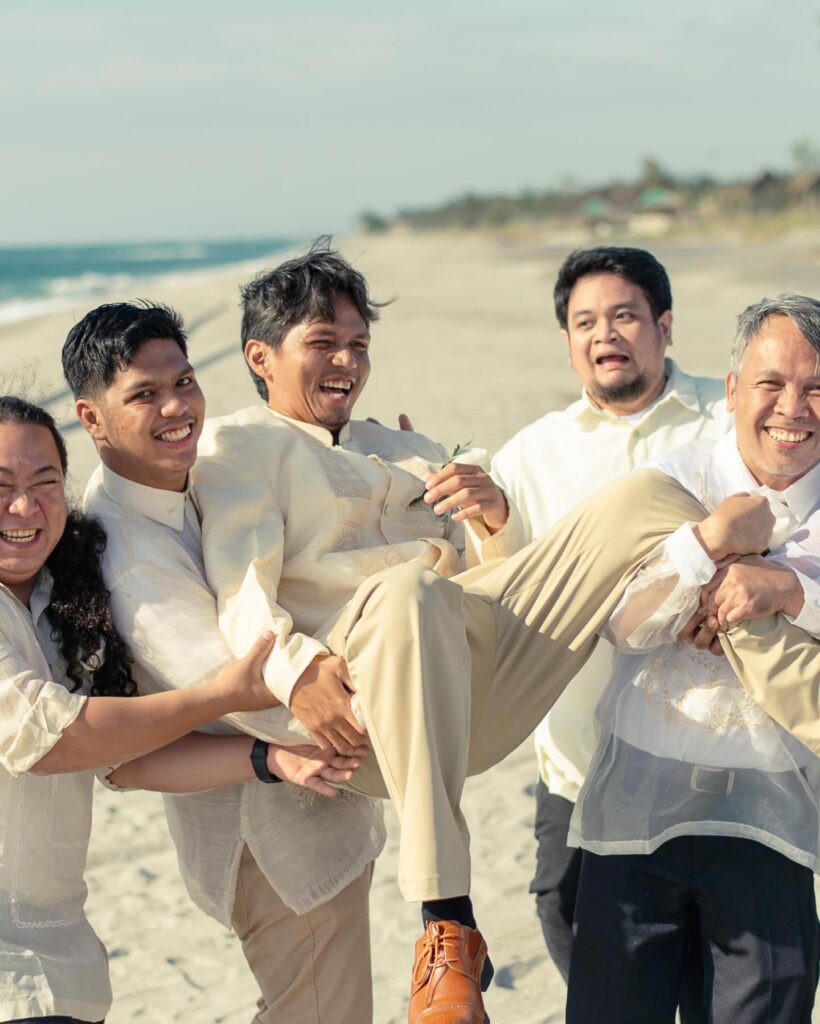
I also make it a point to travel occasionally. Even if you live somewhere like Baler, it’s still important to explore beyond it.
What to know before making the move
If you’re planning to move to a place like Baler, preparation is everything. Secure a place to stay before you arrive, and plan your internet connection early. These days, installation is much faster—often within a week—but it’s still best to sort it out ahead of time, especially if you work remotely.
Think about transportation, too. A motorcycle or bicycle is usually the most practical option. Before fuel prices increased, I used to spend around ₱100 on gas, which would last three to four days—covering my usual route between home, the beach, the market, and my café, all within five to ten minutes of each other.

One important thing to know: apartment listings are rarely posted online. The best way to find a place is to go around town. Most available units have signs posted on gates or doors, making them easy to spot. Areas like Zabali, Suclayin, and Buhangin typically offer more rental options and are close to key establishments.
Hospitals are also accessible. The town’s private hospital is about five to ten minutes from the center, while the public hospital is around 15 to 20 minutes away. Markets, supermarkets, and grocery stores are all within reach.
For government services, Baler has offices for BIR, DTI, and SSS. For passport renewals and similar services, you’ll need to travel—to Palayan, Nueva Ecija, Baguio City, or back to Manila.
For pet owners, Baler has several pet shops and veterinary services, making it easier to relocate with pets.
If you plan to surf, it’s best to take lessons first—especially if you’re new. Surfing on your own can be risky. Lessons typically cost around ₱500 per hour, which includes an instructor and board rental.
For foreigners, access is another factor. The closest major airport is Ninoy Aquino International Airport. From there, you’ll need to travel to the Genesis Bus Terminal and take a night bus to Baler. The earliest trip is usually around 12:30 a.m., and the journey takes about five to six hours.
Another option is Clark International Airport, where vans and buses can take you directly to Baler in around four to five hours.
Beyond the move

Beyond logistics, there’s something more important. Relocating is only the beginning. Building a sustainable lifestyle is the real challenge.
It’s easy to fall into a vacation mindset, especially in a place like Baler. But, once you move, this is no longer a holiday—it’s your everyday life.
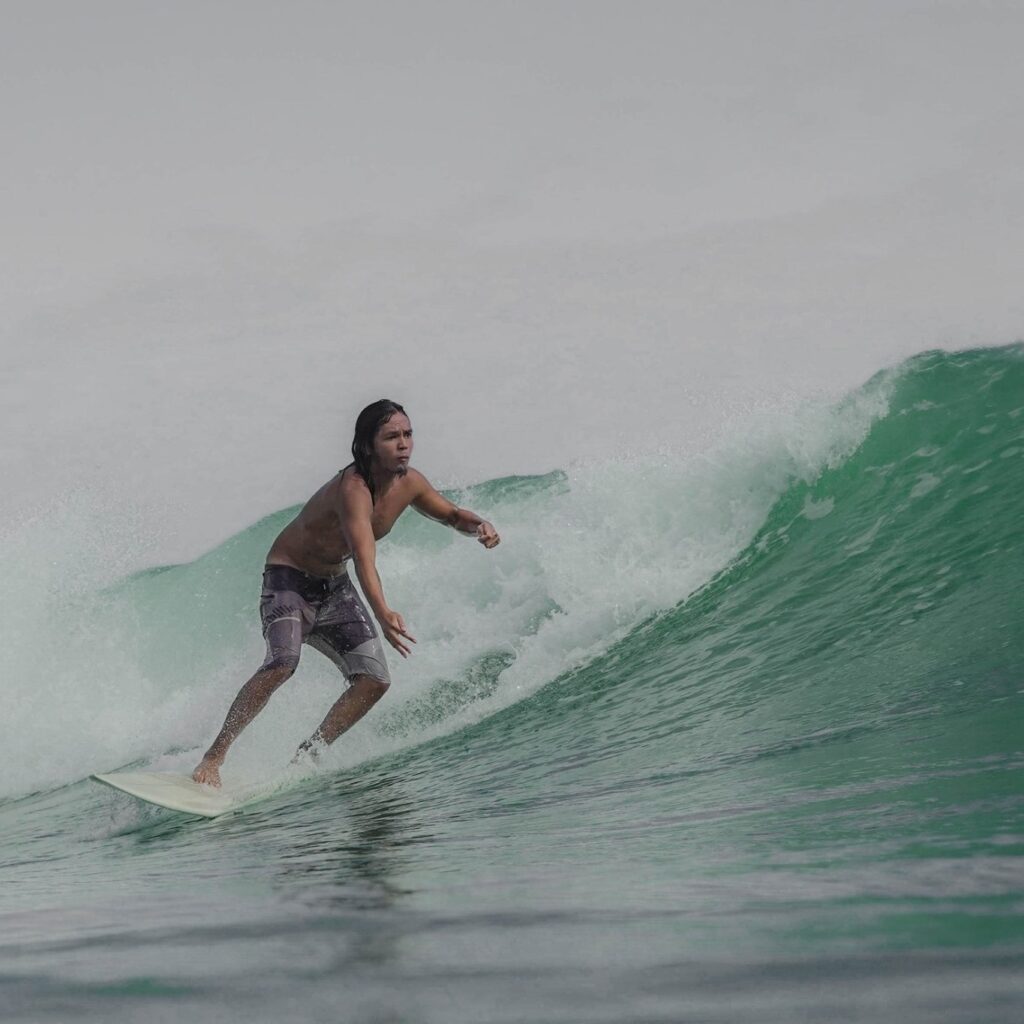
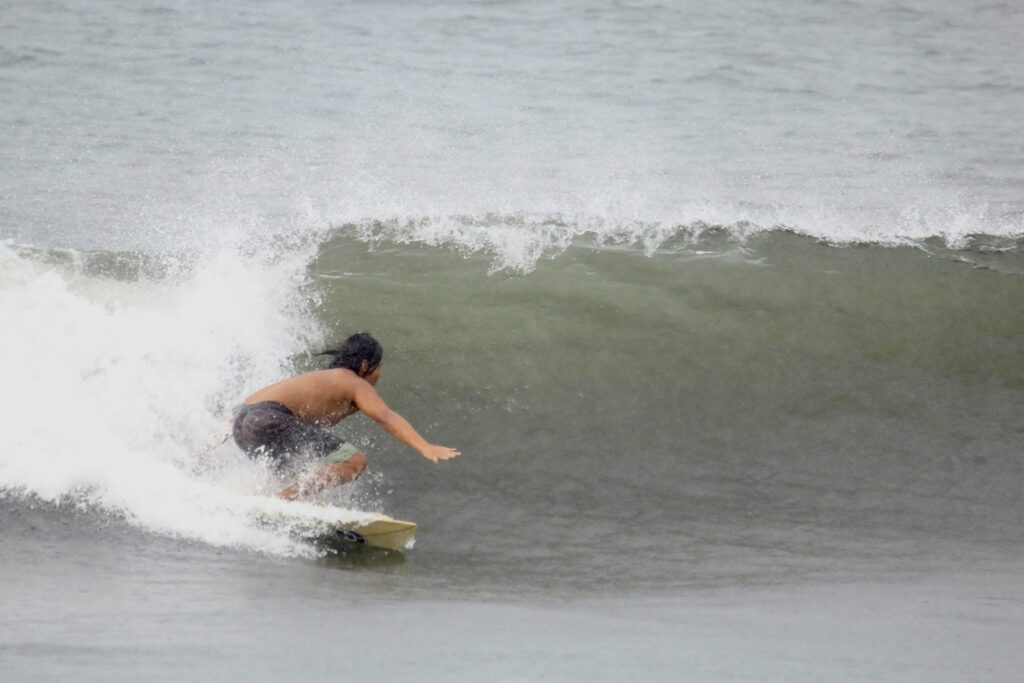
You still have responsibilities. You still need structure. Finding the balance between enjoying the lifestyle and staying disciplined with work and finances is key.
Some people struggle with that balance and eventually leave. The ones who stay are usually those who treat the move not as an escape, but as a long-term decision.
A different kind of choice
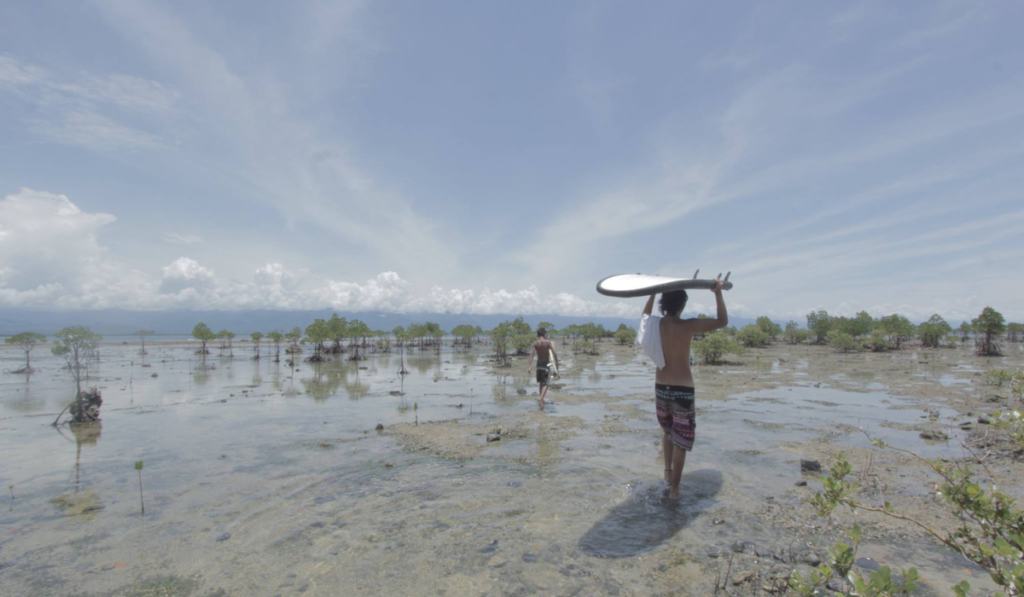
Looking back, moving to Baler wasn’t just about leaving the city. It was about choosing a different kind of life. It’s not perfect.
There are limitations, slower systems, and fewer conveniences. But then, it also offers something the city often doesn’t:
More time. More space. A routine that feels like your own. In the end, the move has been worth it—in both how I live and what I’ve built here.
Related story: The best surf spots in the Philippines, from beginner waves to advanced breaks
Related story: Is Bali still worth it for digital nomads?