
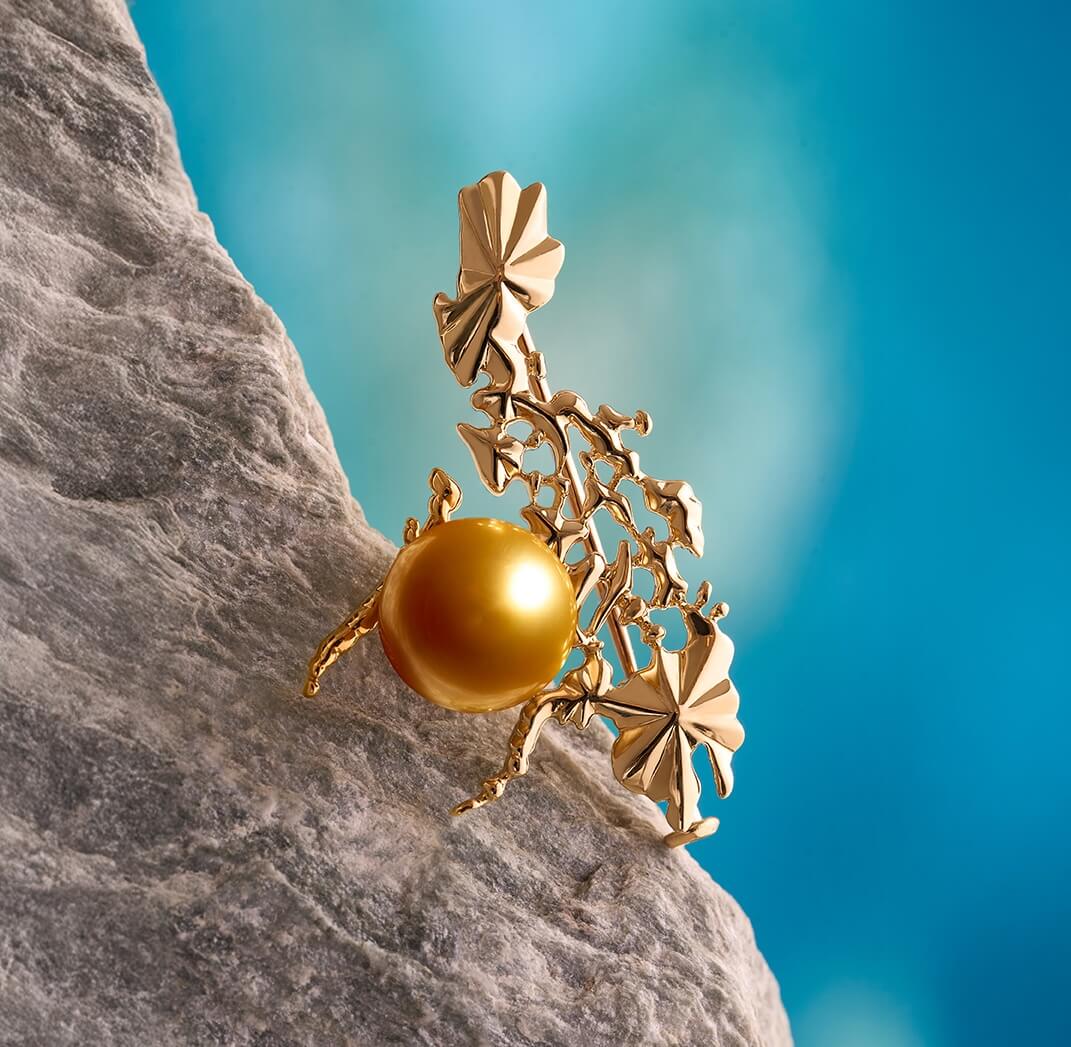

Every June, Pearl Month celebrates one of the Philippines’ most extraordinary natural treasures: the South Sea pearl.
Revered around the world for its exceptional size, radiant luster, and rare golden hues, the South Sea pearl is a symbol of luxury and the country’s rich marine resources, skilled craftsmanship, and enduring commitment to environmental stewardship.
This year is particularly meaningful as it marks the 30th anniversary of the South Sea pearl’s declaration as the National Gem of the Philippines. The milestone puts the spotlight on the pearl’s significance not only as a prized gemstone but also as a source of national pride, representing a uniquely Filipino story that begins in the pristine waters of Palawan.
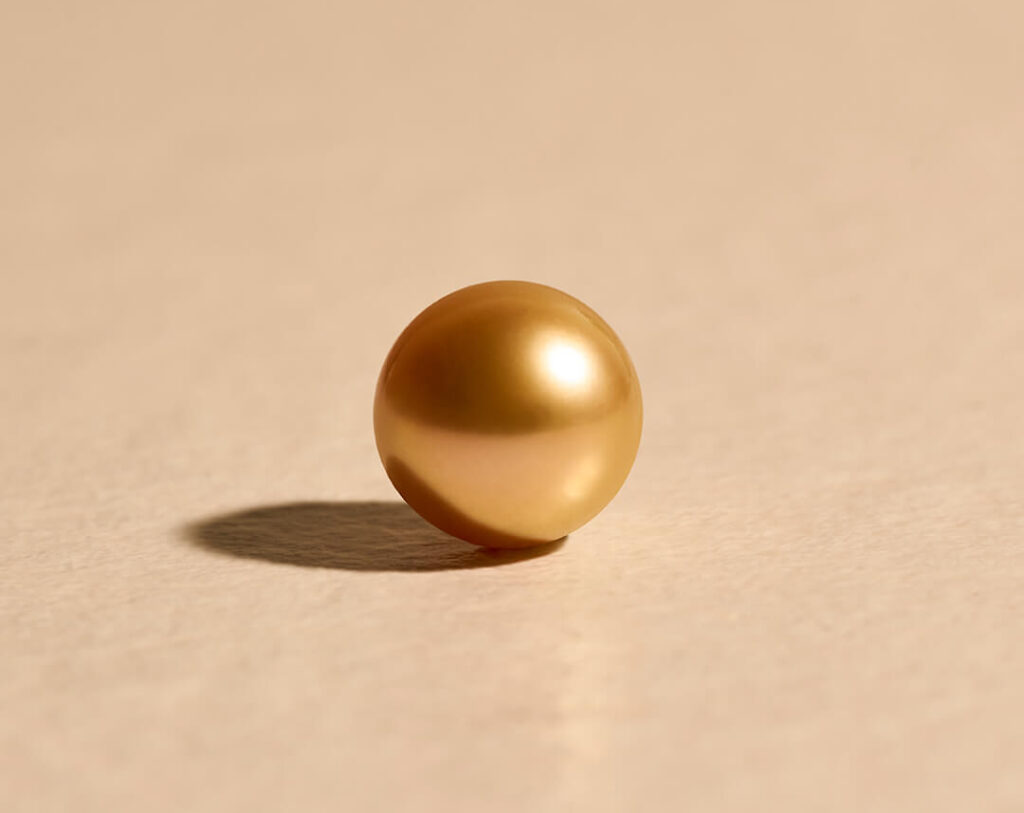
For nearly half a century, Jewelmer has been at the forefront of that story. Known globally for cultivating the rare Golden South Sea pearl, the Filipino luxury jewelry house has dedicated itself to preserving and sharing the legacy of one of nature’s most remarkable creations. Through a process that combines scientific expertise, artisanal skill, and a deep respect for the marine environment, Jewelmer has helped position the South Sea pearl among the world’s most coveted gems.
Yet what many people see—a luminous pearl adorning a necklace, ring, or pair of earrings—is only the final chapter of a much longer journey.
A five-year miracle
The creation of a South Sea pearl cannot be rushed. From its earliest stages to harvest, the process spans approximately five years and involves 377 carefully executed steps.
The journey begins in a hatchery, where parent oysters with the finest characteristics are selected to breed the next generation of pearl-producing oysters. This stage lays the foundation for quality, ensuring that only healthy oysters with desirable traits continue through the cultivation process.
Once the young oysters are ready, they are transferred to the waters of Palawan, home to some of the world’s most biodiverse and ecologically rich marine environments. Here, they spend two to three years growing naturally in the sea.
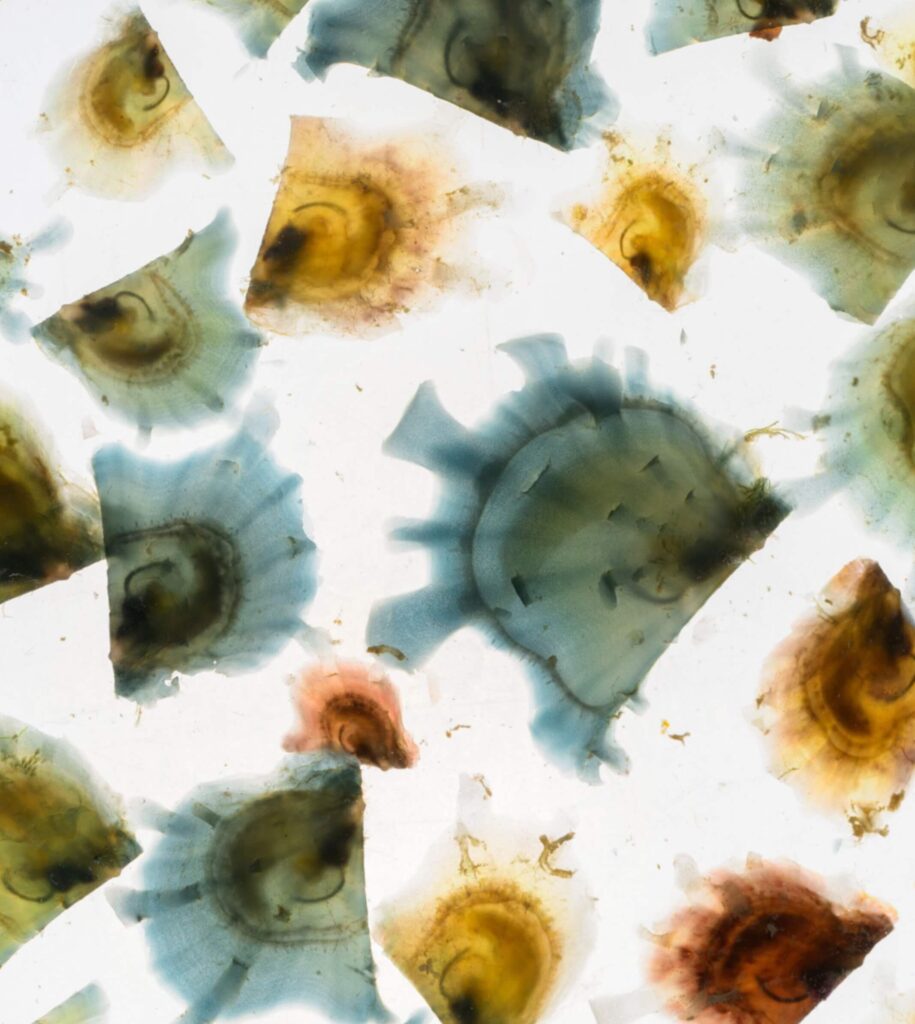
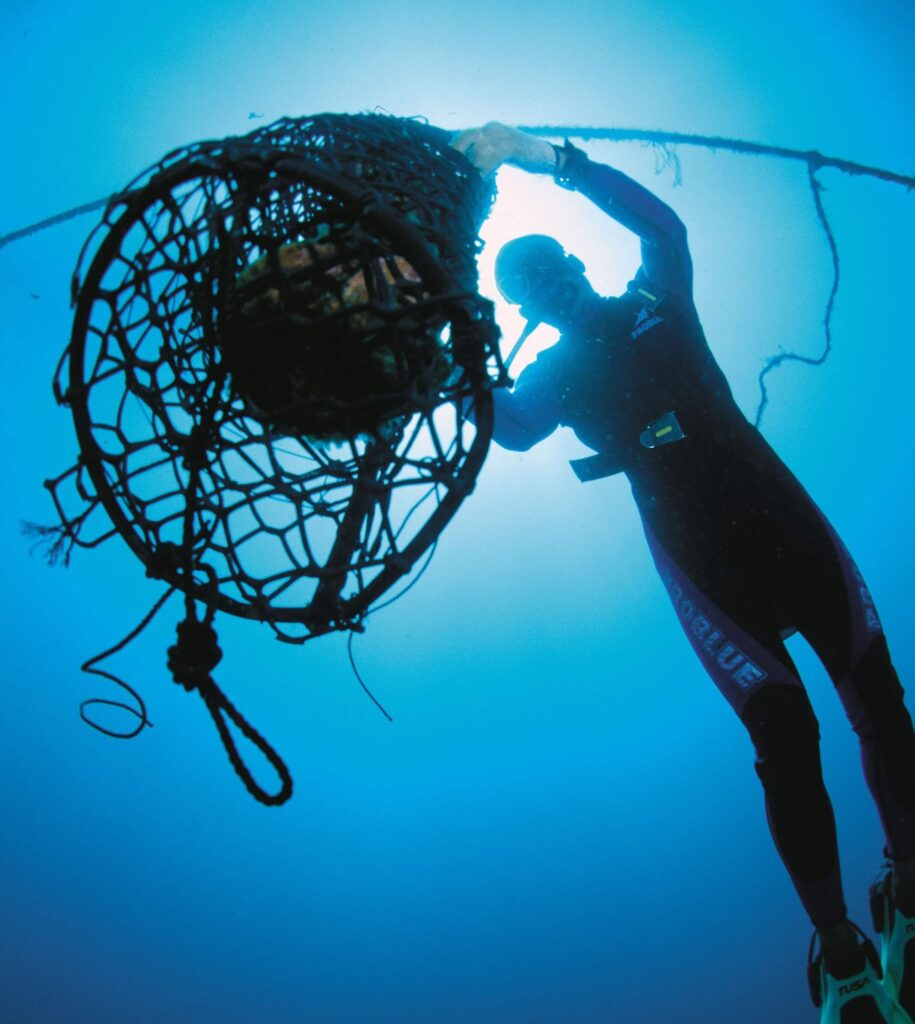
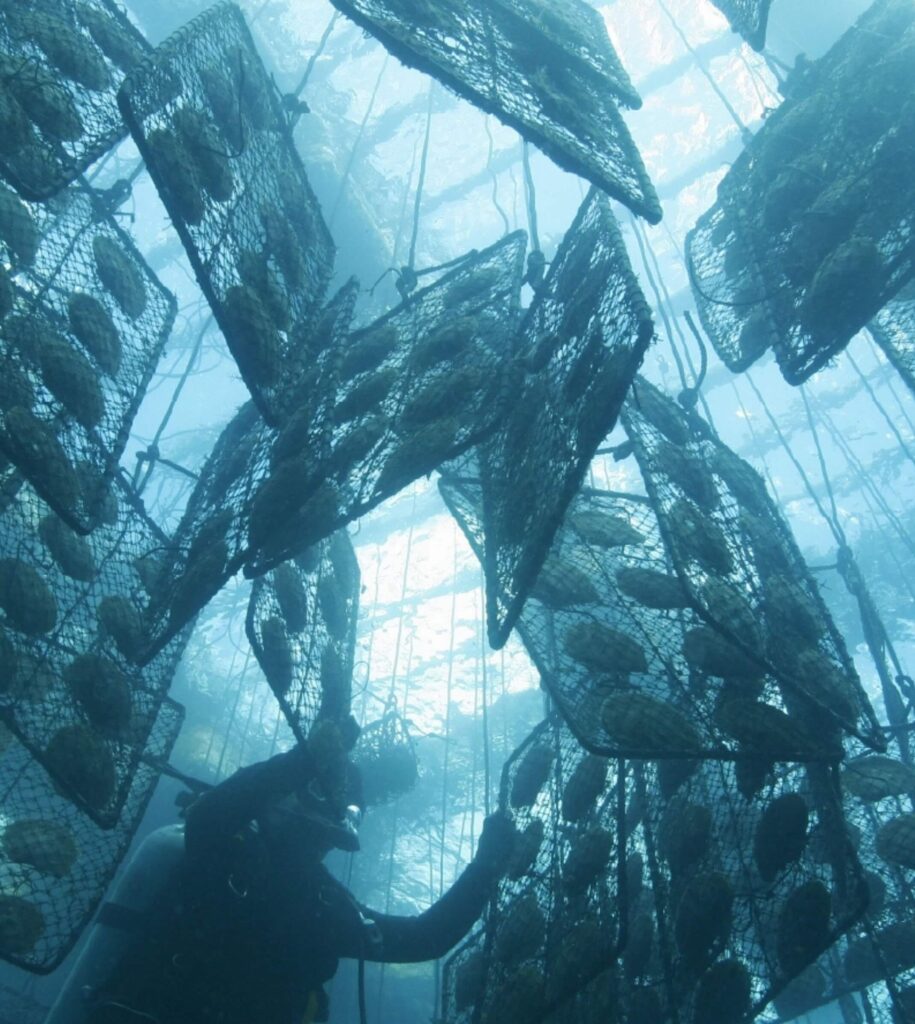
Throughout this period, pearl divers play a vital role. Far from being passive caretakers, they regularly monitor the oysters, clean them, and ensure that they remain healthy despite changing ocean conditions. Their work requires a thorough understanding of marine ecosystems and a commitment to maintaining the delicate balance between cultivation and nature.
After years of growth, the oysters reach maturity and are ready for one of the most critical stages in pearl cultivation: grafting.
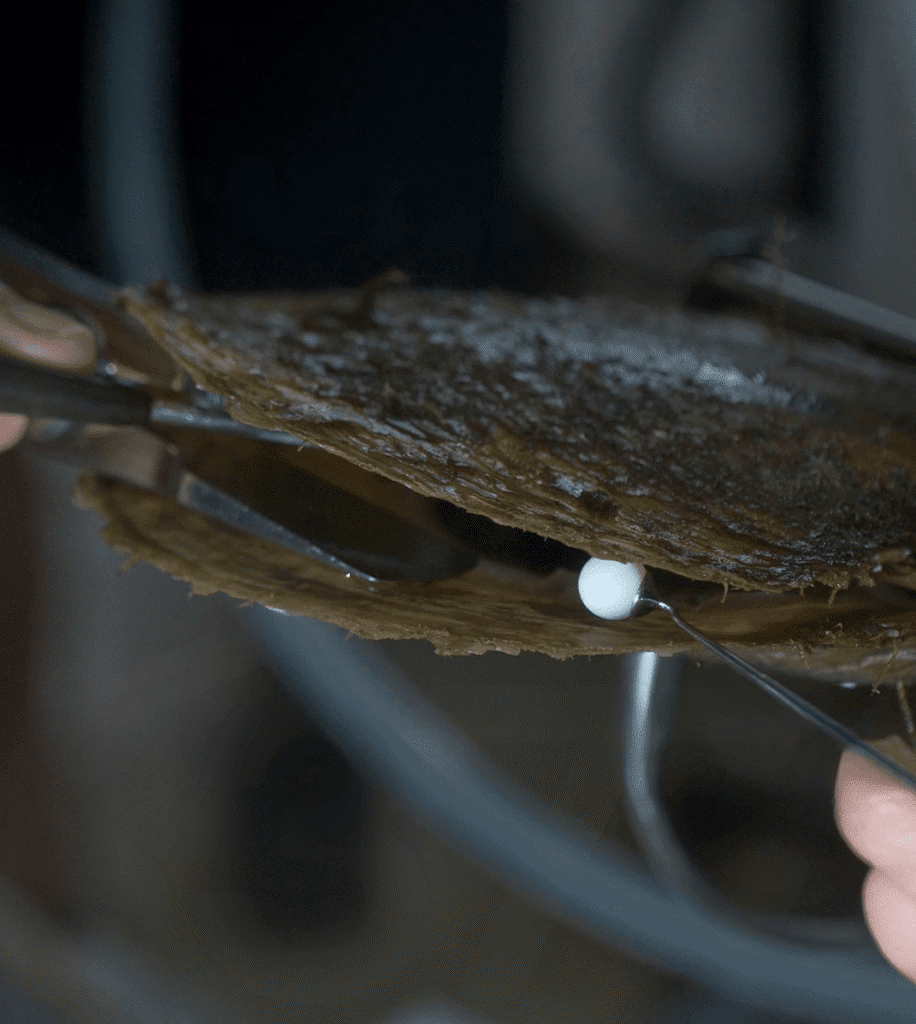
This highly specialized procedure is performed by trained master grafters whose expertise has been refined through years of practice. During the process, a bead nucleus and a small piece of mantle tissue from a carefully selected donor oyster are inserted into the gonad of the host oyster.
The operation demands extraordinary precision. A successful graft can determine not only whether a pearl forms, but also the quality of its eventual shape, surface, color, and luster.
Once grafted, the oysters return to the sea, where nature takes over.
Over the next two to three years, the oyster slowly deposits layer upon layer of nacre around the nucleus. This nacre—the same iridescent substance that lines the oyster’s shell—creates the pearl’s distinctive glow. The process unfolds gradually and invisibly beneath the water’s surface, requiring patience and meticulous care.
Divers continue to tend to the oysters throughout this period, regularly turning baskets and nets, removing marine growth, and monitoring the health of the oysters to ensure optimal conditions for pearl formation.
The moment of discovery
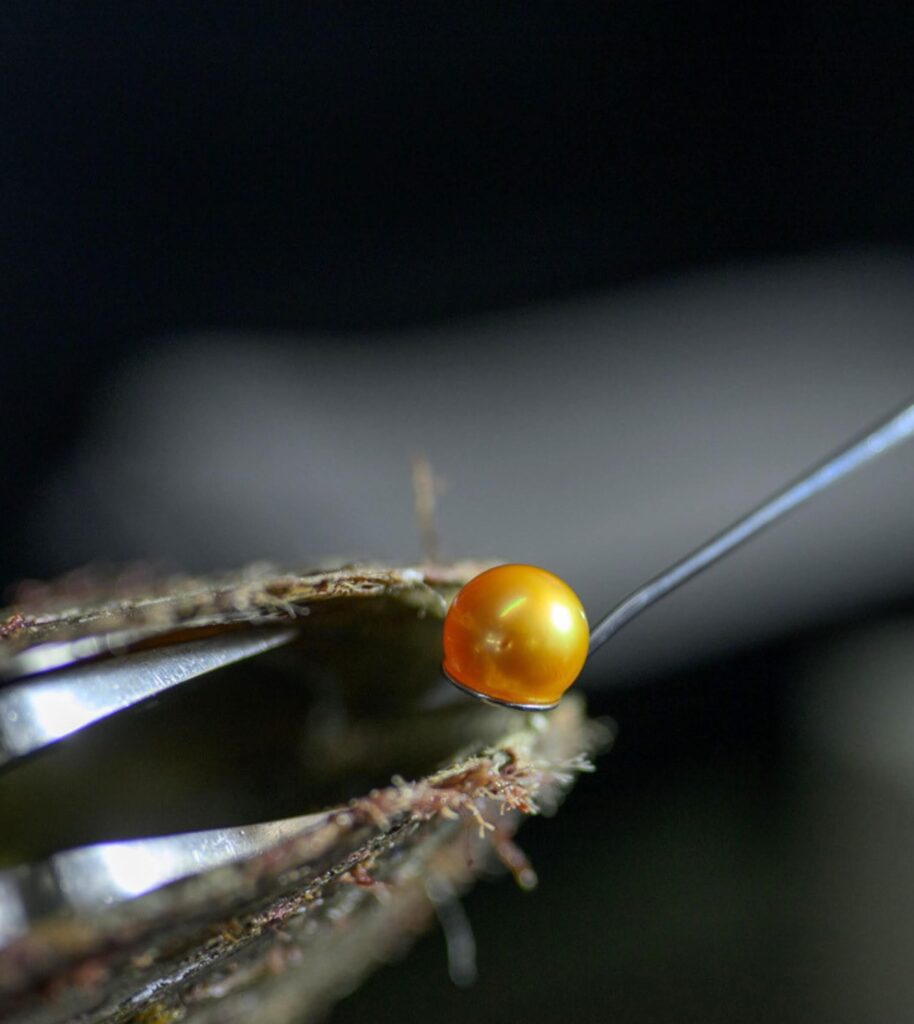
After years of nurturing, the harvest finally arrives. For pearl farmers, harvest day remains one of anticipation and wonder. Despite the extensive care invested in every oyster, the final outcome remains a surprise. No two pearls are exactly alike.

As the oyster is carefully opened, the master grafter extracts the pearl—a gleaming sphere shaped by time, nature, and human dedication. It is the culmination of thousands of hours of work and a process that has remained rooted in patience and respect for the natural world.
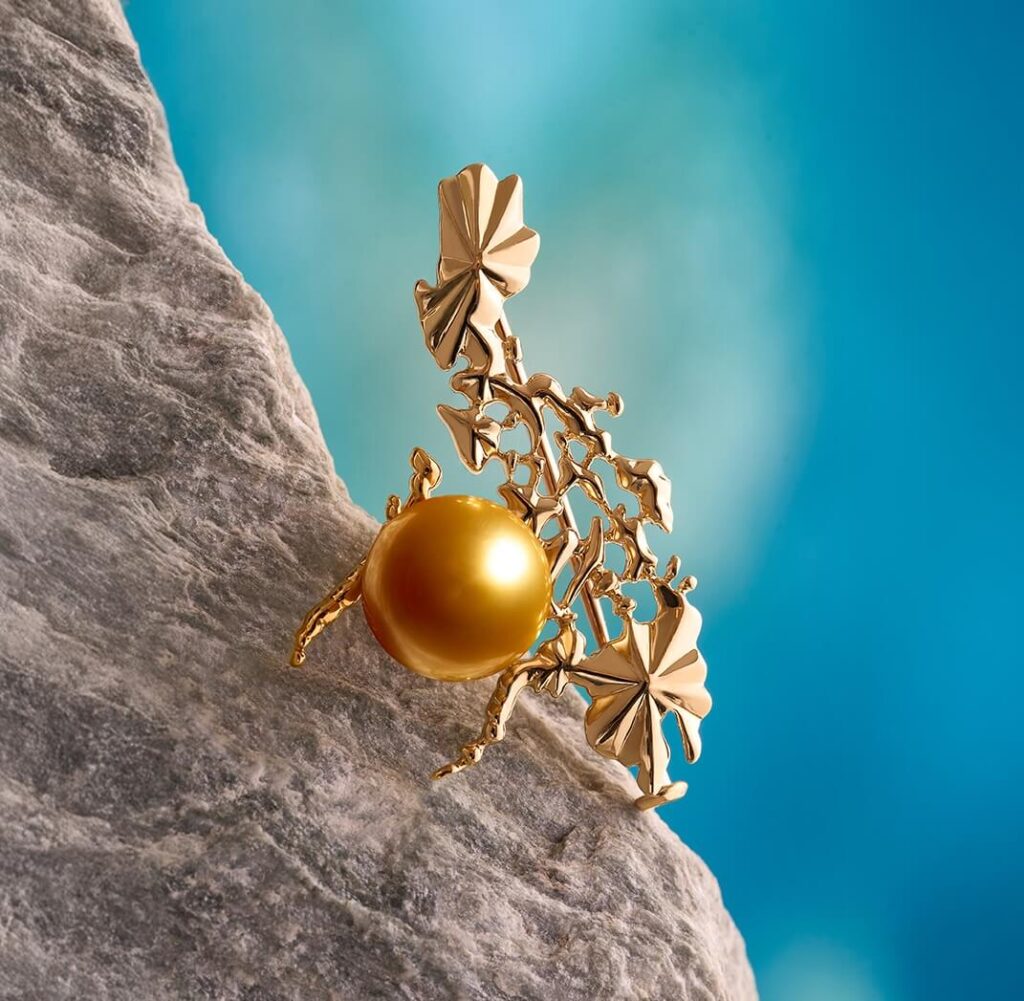
The harvested pearls are then meticulously sorted according to their size, shape, color, luster, and surface quality before they are transformed into fine jewelry creations.
A legacy worth celebrating
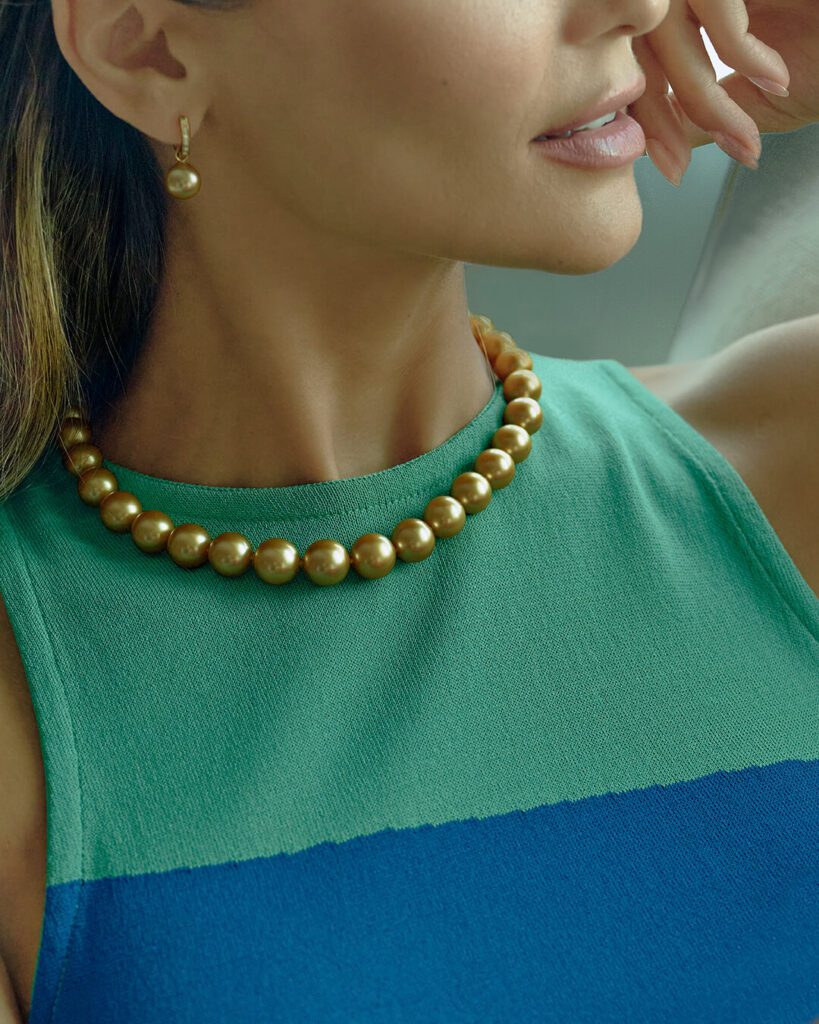
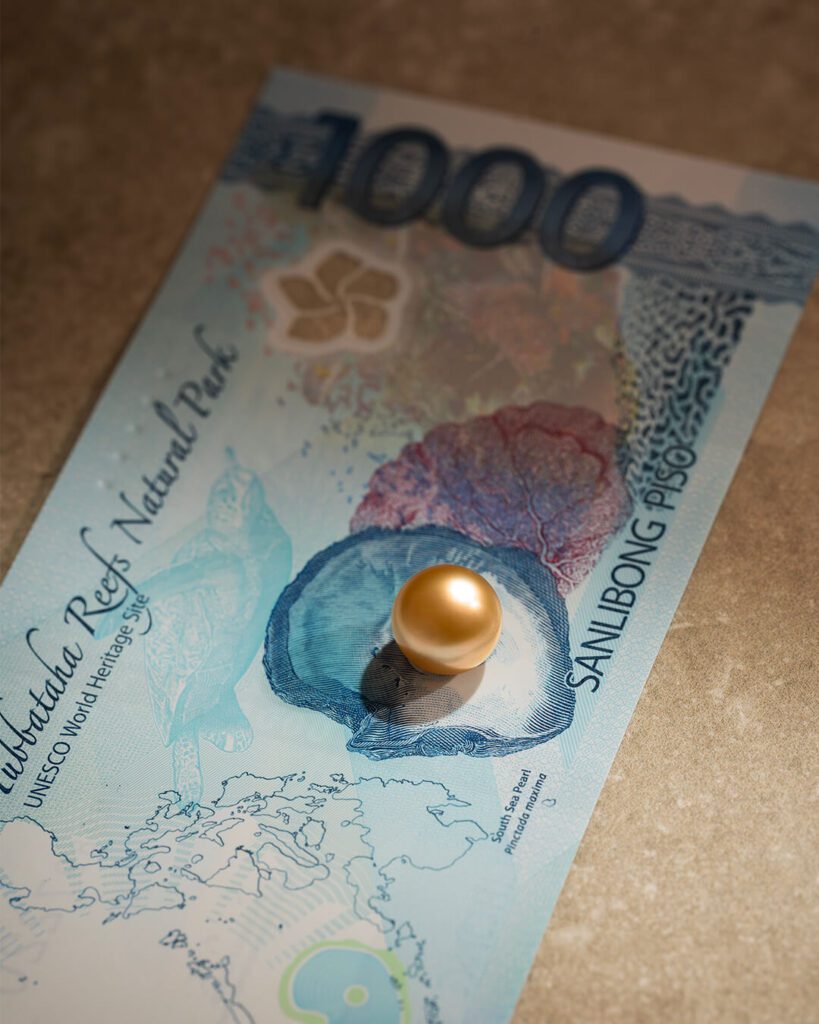
As the Philippines commemorates three decades since the South Sea pearl was named its National Gem, Pearl Month serves as a reminder of the extraordinary journey behind every pearl.
For Jewelmer, that journey reflects a philosophy that extends beyond luxury. The company has long emphasized the importance of sustainable pearl cultivation, marine conservation, and community development, recognizing that the future of the South Sea pearl depends on the health of the ecosystems that nurture it.
This June, as Pearl Month shines a spotlight on the South Sea pearl, Filipinos are invited to look beyond its luminous surface and discover the remarkable five-year journey behind every gem.
Check out Jewelmer’s website, follow it on Facebook and Instagram.
Related story: Crowning moments: The 72-year evolution of the Miss Universe crown
Related story: Imperfection is beauty: 5 things to consider when buying diamond jewelry
Related story: Spilling the ‘tea’ on designer Rajo Laurel’s latest collab