

Caring for your body shouldn’t feel clinical, confusing, or crisis-driven.
Your twenties and thirties are a season of becoming—building careers, nurturing relationships, and learning how to listen to your body a little more closely. While major health scares may still feel distant, preventive care becomes powerful during these years. The goal isn’t fear; it’s foresight.
Think of medical checkups not as emergency responses, but as routine resets. From vaccines to screenings, these procedures help catch concerns early, support long-term wellness, and give you peace of mind as life grows fuller and faster.
Related story: Gut health? Five fascinating facts about our gastrointestinal tract and how to keep it healthy
Related story: Give your heart some lovin’—eight tips for a heart-healthy lifestyle
Here’s a clear, no-panic guide to the medical procedures women in their 25s to 30s should know—what they are, when to do them, and how often they matter:
1. Vaccines: prevention with a purpose
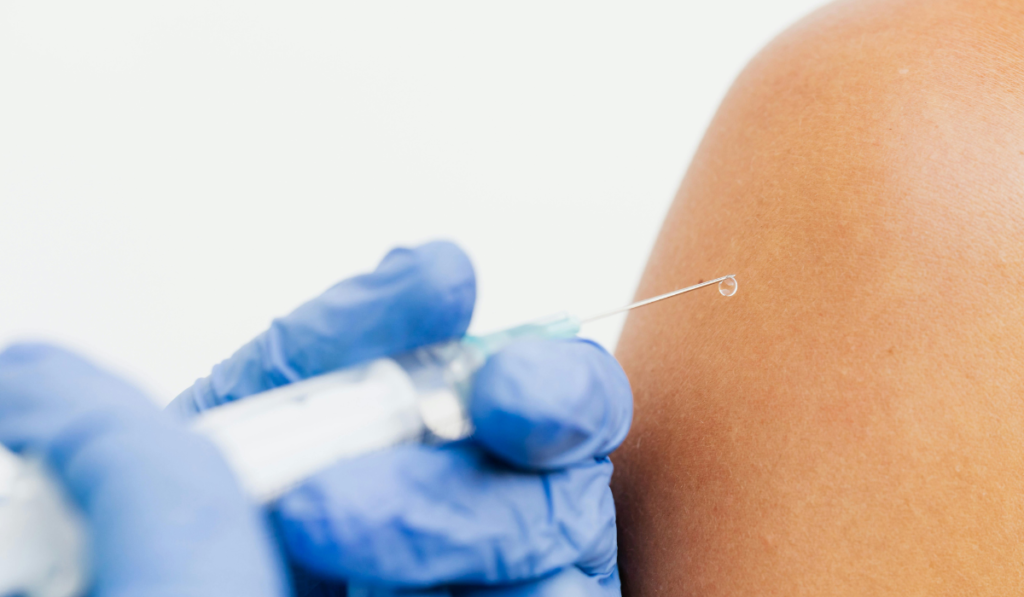
HPV or cervical cancer vaccine (P3,500-P8,500 per dose in private hospitals or OB clinics; discounted or free in some LGUs and public hospitals for eligible age groups)
- Ideal age: As early as 9 years old, but still recommended up to 26 years old
- Extended eligibility: Some women may receive it up to 45 years old (doctor-guided)
- Frequency: Given in 2-3 doses, depending on age at first shot
Even if you’re already sexually active, the HPV vaccine can still protect against strains you haven’t encountered. It’s one of the most effective tools for reducing cervical cancer risk and a strong example of prevention done early and well.
Flu vaccine (P800-P1,500 per shot in clinics, hospitals, and select pharmacies)
- Ideal age: Annually, starting in adulthood
- Frequency: Once a year
Especially important if you work in offices, travel often, or live in shared households. A small jab, big seasonal protection.
2. Cervical and reproductive screenings
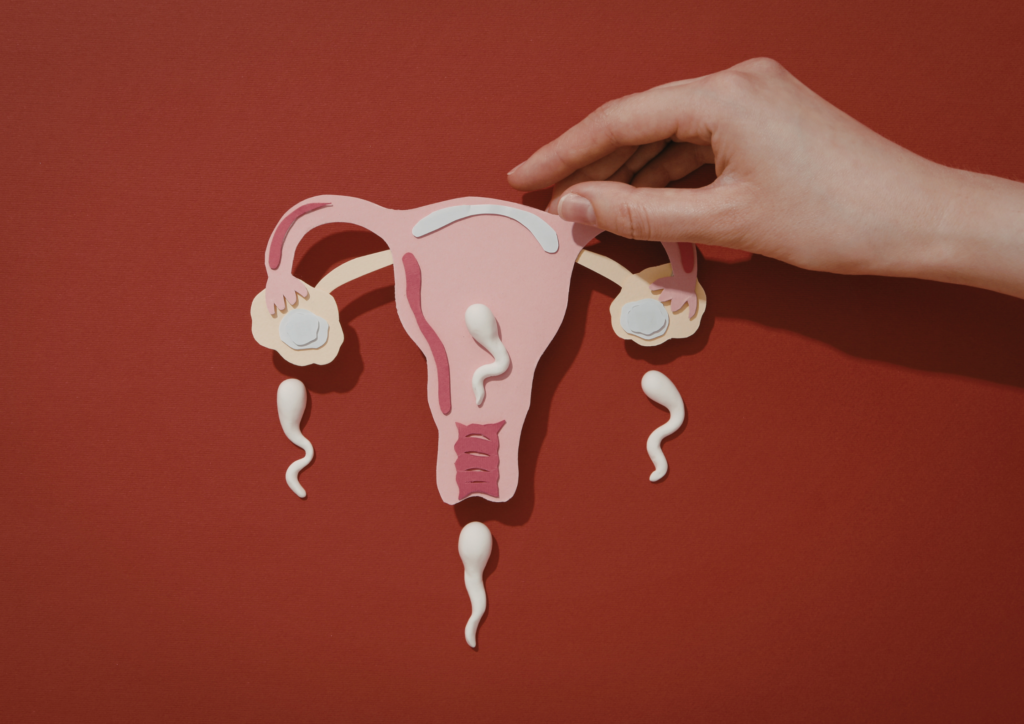
Pap smear or pap test (P1,500-P3,500 in private OB clinics; free to low-cost in select government hospitals and health centers)
- Ideal age to start: 21 years old
- Frequency: Every 3 years (if results are normal)
This simple screening checks for abnormal cervical cells long before they turn serious. It’s quick, slightly uncomfortable, but absolutely worth it.
HPV test (P4,000-P8,000 if combined with pap smear in private hospitals and diagnostic clinics)
- Ideal age: 30 years old and above
- Frequency: Every 5 years (when combined with Pap smear, if results are normal)
3. Breast health checks: awareness over anxiety
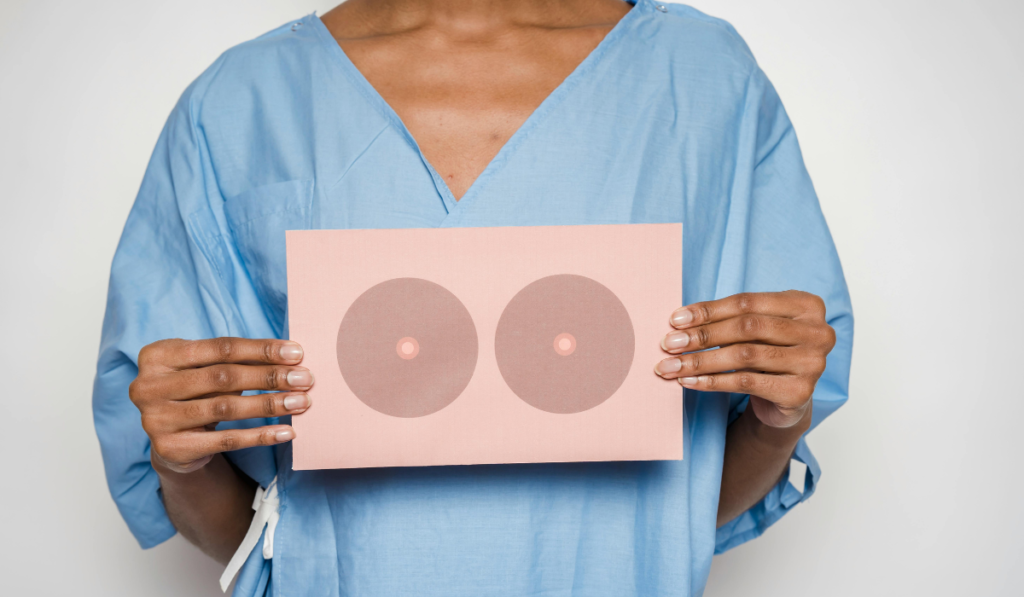
Breast self-exam (P1,000-P4,500 for breast ultrasound; P1,500-P6,000 for mammogram)
- Ideal age: Start in your 20s
- Frequency: Monthly, a few days after your period
Knowing what’s normal for your body helps you notice changes sooner.
Clinical breast exam (P800-P2,500 when done as part of an OB-GYN consultation; often subsidized or free in select government hospitals or barangay health centers)
- Ideal age: 20s-30s
- Frequency: Every 1-3 years (or annually if recommended)
Performed by a doctor, this exam adds a layer of reassurance especially if you have a family history of breast concerns.
4. Hormonal and metabolic checks: listening to subtle signals
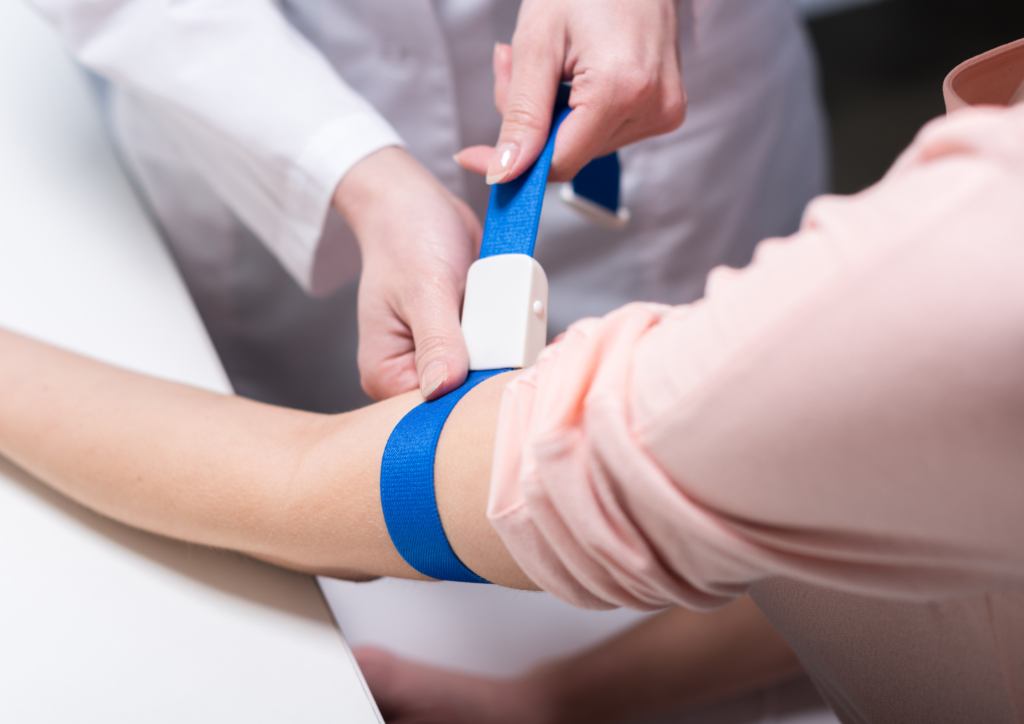
Basic blood tests: CBC, Fasting Blood Sugar, and Lipid Profile (P1,200-P3,000 in diagnostic labs)
- Ideal age: Mid-20s onward
- Frequency: Every 1-3 years, or annually if you have risk factors
These tests help monitor anemia, cholesterol levels, and early metabolic changes—often before symptoms appear.
Thyroid function test (P1,200-P2,500)
- Ideal age: Late 20s onward (earlier if symptomatic)
- Frequency: As advised by your doctor

Fatigue, unexplained weight changes, hair thinning—these quiet signs often point back to thyroid health.
5. Sexual and reproductive wellness: informed, intentional care
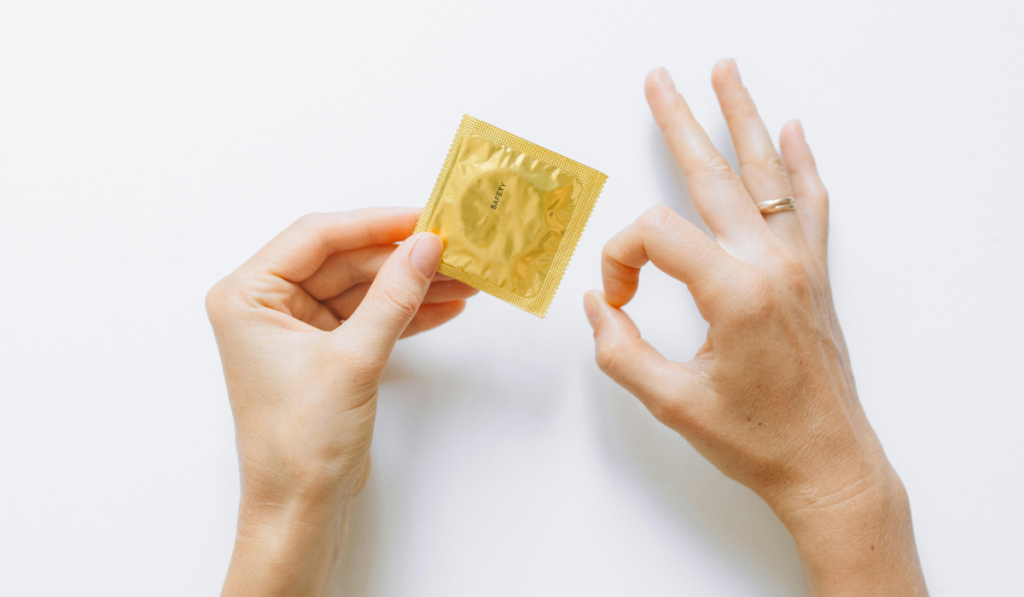
STI screening: HIV, Hepatitis B/C, Syphilis, etc. (P1,500-P4,000 depending on the number of tests; Free HIV testing available in select government clinics and NGOs)
- Ideal age: Sexually active adults
- Frequency: Annually, or with new partners
Testing is not a reflection of risk, it’s a reflection of responsibility.
Preconception check (P3,000-P8,000 depending on inclusions)
- Ideal age: Late 20s to early 30s (if planning pregnancy)
- Frequency: Once, before trying to conceive
This includes lifestyle counseling, vitamin recommendations (like folic acid), and baseline health checks—helpful even if pregnancy is a future, not immediate, plan.
Related story: Goodbye, mammogram? A potential fingerprint test could make breast cancer screening more affordable
Related story: Jumpstart your fitness journey with these simple, sustainable diet tips

Sometimes, the most meaningful care is the kind you do consistently, and on your own terms. These checkups aren’t about anticipating the worst, they’re about building a foundation strong enough to support whatever comes next.
So book the appointment. Ask the questions. Keep the records. Your future self will thank you for the care you chose today.
Related story: What Dawn Zulueta and her daughter Ayisha’s wellness shift means for women managing body transitions
Related story: It might be time to stop taking melatonin supplements as sleeping aid. Here’s why