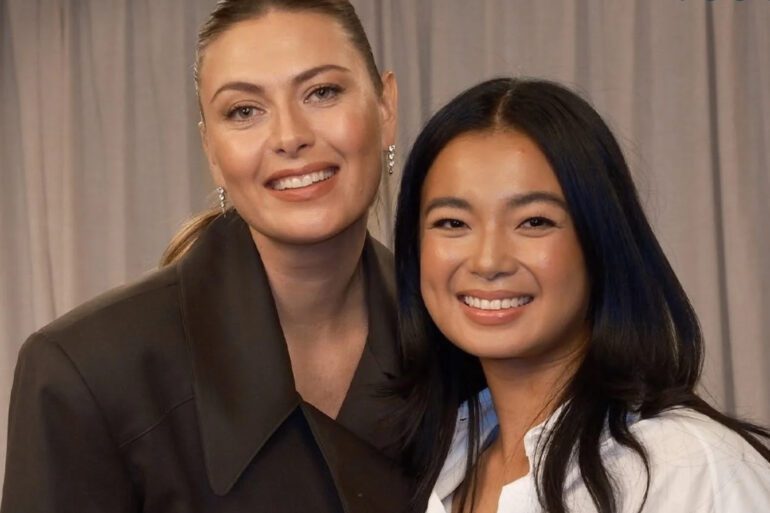
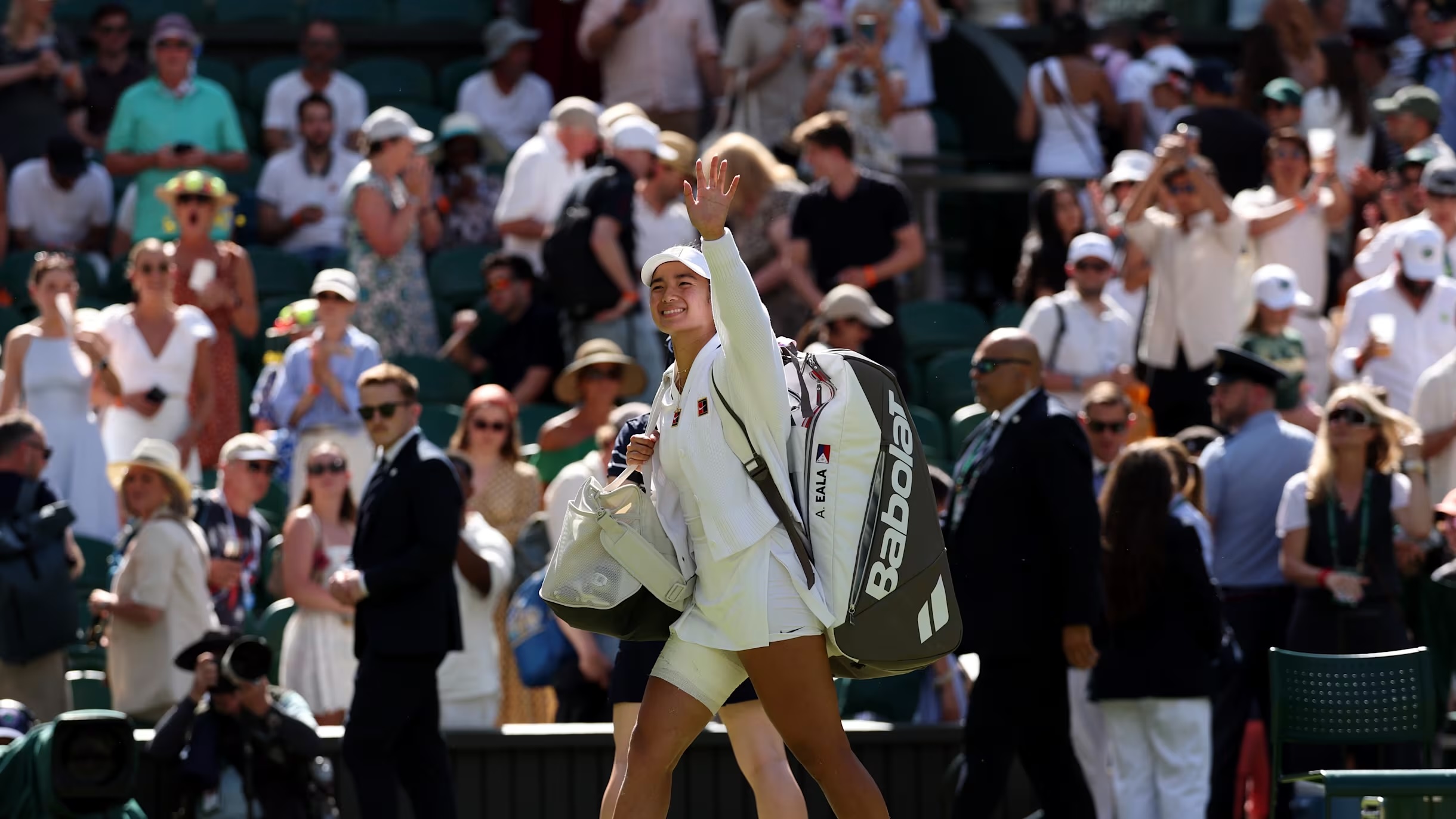

Fans’ conduct during matches reflects not only on Alex Eala but also on the Philippines and our growing tennis community.
Tennis is not the most popular sport in the Philippines, but since Alexandra “Alex” Eala burst onto the scene (her breakthrough was the Miami Open in 2025), more and more Filipinos have been drawn into the sport.
This translates to numbers—staggering numbers. Alex’s videos rack up millions of engagements online. She draws throngs to her matches, both from Filipino communities and from curious new fans wherever she plays.
It helps that the Philippines has one of the world’s largest diasporas. It is estimated that 10 to 15 million Filipinos live outside the motherland, representing about 10% of our 117-million-strong population. This total includes permanent immigrants, temporary workers, and those of dual citizenship or Filipino descent.
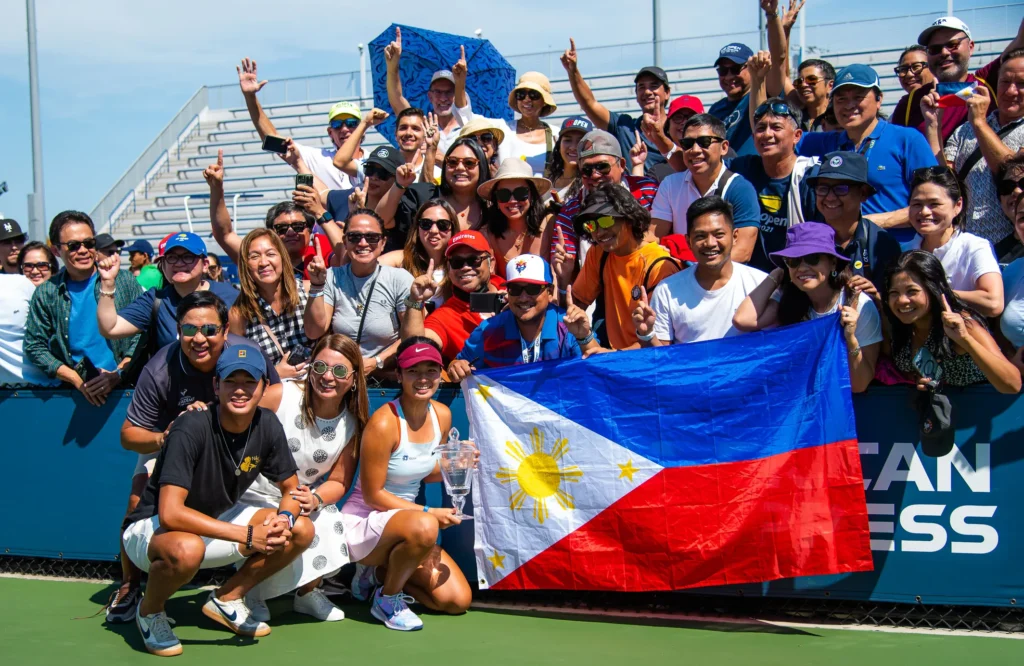
That massive support was in full display, for instance, at the 2026 National Bank Open in Toronto, Canada. Reports stated that demand for Alex’s opening match exceeded the 2,800-seat Grandstand’s capacity, prompting organizers to move it to the 10,077-seat Sobeys Stadium (Centre Court).
The August 6 night session (Toronto time) then sold out, with officials estimating that about 80% of requests were tied to the 21-year-old’s appearance. This prompted Karl Hale, the Toronto Open’s director, to say that “Alex is an absolute blessing to the sport of tennis and our tournament.”
Tennis demands intense concentration, which is why applause is reserved until a point ends. The challenge for Alex’s legions of fans is to preserve their enthusiasm without turning every rally into a manic frenzy.
According to Tennis Connected and Tennis 365, only Serena Williams has reportedly sold out a Wednesday night opening match in the last 20 years of the tournament, proof of Alex’s immense star power.
Her appeal has also been seen elsewhere: the 2026 Dubai tournament recorded a 48% year-on-year rise in women’s-week ticket sales, while a packed Monday final at Washington’s Mubadala DC Open led tournament officials and opponent Jessica Pegula to praise the strong weekday turnout.
Related story: Alex Eala becomes first Filipino to win a WTA title: Why 2026 is her defining year
Related story: IN PHOTOS: Alex Eala’s unforgettable 2026 season (so far)
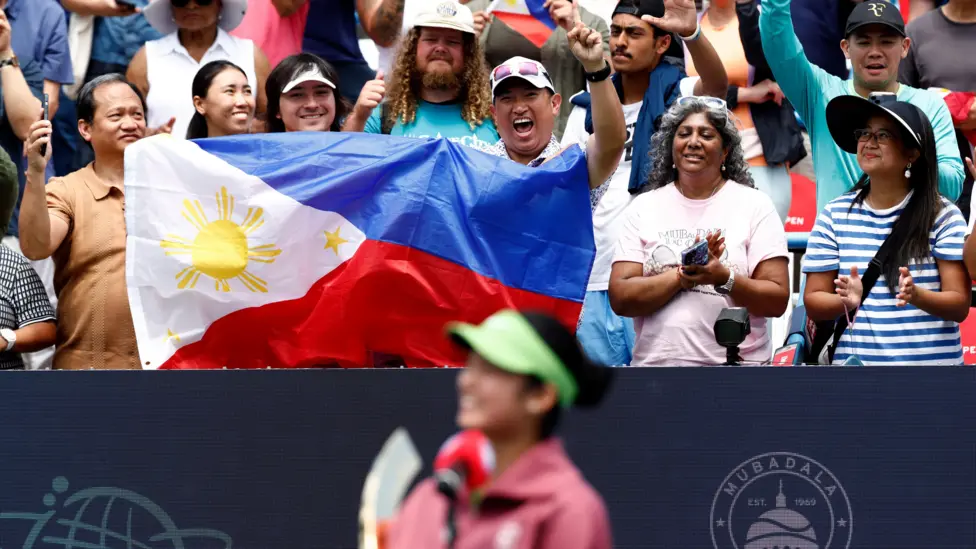
The overwhelming turnout and response to her matches have resonated with Alex herself. “It’s the pleasure of my life to experience crowds like this,” she said in the news conference after her 6-1, 4-6, 6-2 win over Alycia Parks of the United States on Tuesday, August 4, in Toronto.
The mania is great not only for Alex, but for the sport. Fellow tennis players have largely responded to Alex’s popularity with admiration rather than resentment. Jessica Pegula has described the Filipino support as “insane,” adding that Alex’s fan base had grown even more intense since their meeting in Miami earlier this year.
Two-time Grand Slam champion Coco Gauff, meanwhile, shared that after the match she played in Dubai against Alex, she received a lot of support from Filipino fans after praising Alex in a post-match interview. “I thought that was super cool,” she said. Coco also mentioned that the new audience Alex is bringing to tennis is something the sport should embrace.
Related story: From chubby cheeks to center court conqueror: Alex Eala’s history-making hour
Related story: Game, set, match! Five unforgettable moments at Wimbledon 2026
Related story: The Alex Eala effect: Here are 5 tennis schools for your young champions
Misbehaving Filipino fans?
However, Filipino fans have also drawn criticism. For a country still in the teething stages of tennis mania, bringing exuberant, basketball-style energy to Alex’s matches is still the norm—much to the chagrin of many fellow spectators.
During Alex and Alycia Parks’ match at the 2026 Australian Open on January 19, umpires reportedly had to remind sections of the crowd to stay quiet during rallies. In tennis, applause usually waits until a point ends.
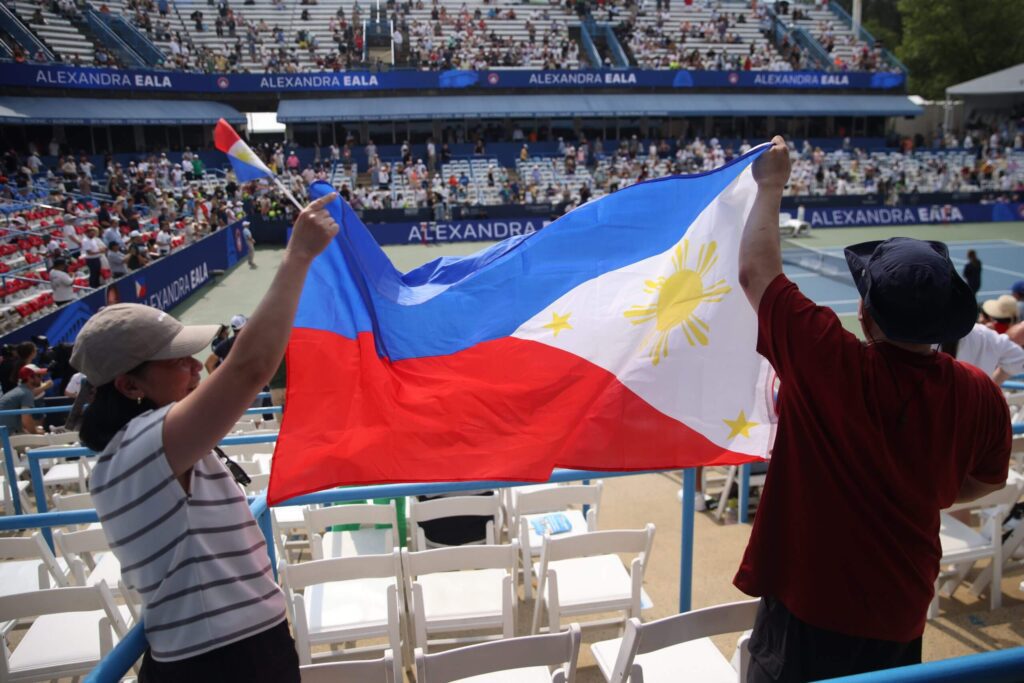
In most of Alex’s matches, fans cheered when her opponent committed errors, including double faults, actions widely viewed as breaches of tennis etiquette.
But then again, most Filipino fans are still new to the sport. Many of us have simply been swept up in Alex’s stunning breakthrough and are still learning the sport’s customs. A January 2026 article in the Philippine Daily Inquirer discussed this.
The challenge for Alex’s legions of fans is to preserve the enthusiasm that has become one of her greatest sources of support without turning every rally into a manic frenzy.
Related story: Wimbledon 2026 is serving looks (and iconic moments!) on and off the court
Related story: REVIEW: Netflix’s ‘Rafa’ is an intimate, inspiring look into one of tennis’ greatest champions
Why tennis etiquette matters
First, a word on why etiquette in tennis is important.
Tennis is not a team sport, unlike basketball, volleyball, or football. This makes it particularly isolating. Katie Mobed, a leading sports psychologist, said that tennis is perhaps “the most emotionally challenging of sports and there are so many reasons for that.”
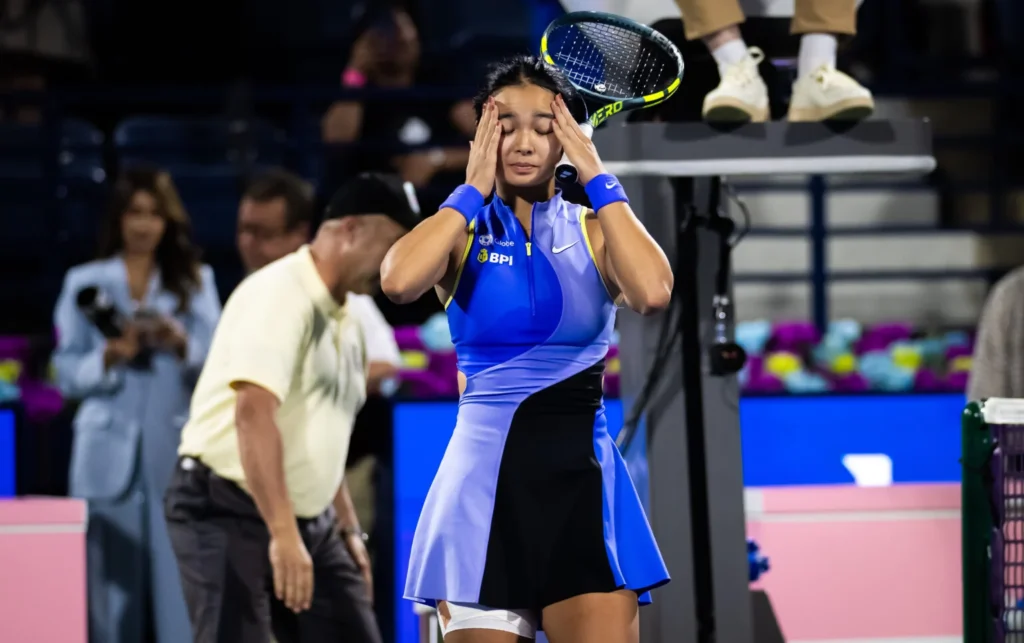
There is no teammate or coach with whom to share the pressure when on court. Every decision, point, and emotional dip must be managed in full view of the opponent and the crowd. Once a singles match begins, the player must carry all the responsibilities alone.
I do not share the view of some Filipino fans that etiquette makes tennis less exciting. In fact, it sharpens the excitement. When a stadium falls silent before a decisive serve, the tension becomes palpable—almost physical. When the point ends, the applause feels earned, making the moment even more satisfying.
Tennis also demands intense concentration. A player may be preparing to serve at more than 100 miles per hour, or deciding whether or not to attack a match point, when a ringing phone, fans’ shouting, or moving spectator breaks the rhythm.
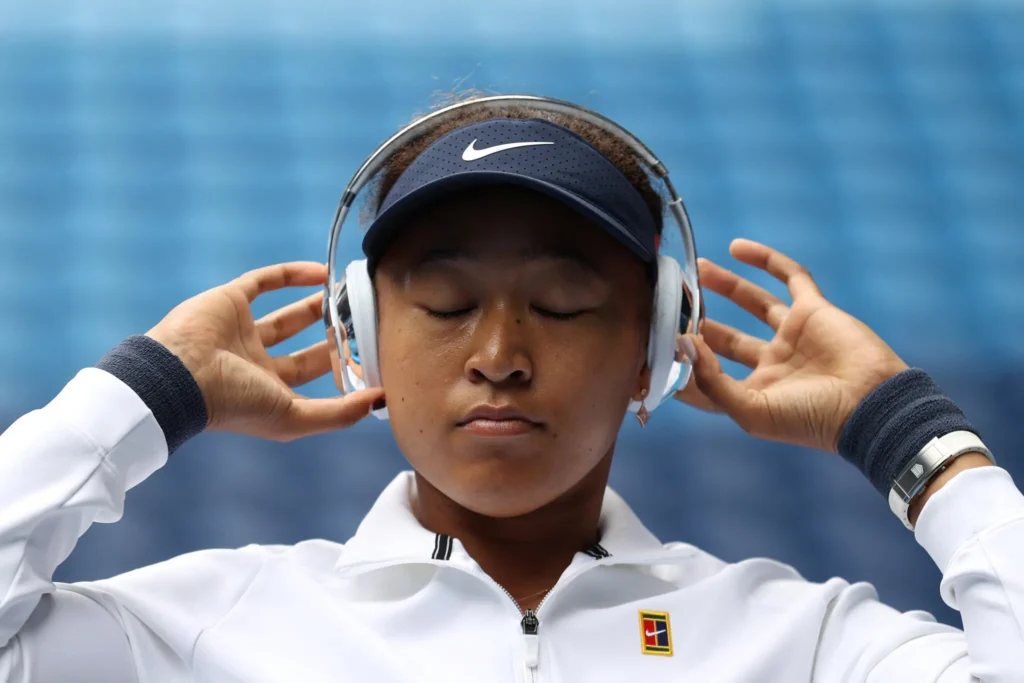
The professional circuit’s format also intensifies that solitude. Players travel for much of the year, face defeat, and often compete far from their families and support networks, as The New York Times reports.
It may not be too obvious at first glance, but basic etiquette helps keep the players’ focus during a match.
That said, here are some reminders.
Related story: The women of Wimbledon 2026: Contenders, style, and what to know
Related story: Alex Eala wins Birmingham Open, earns over ₱2 million ahead of Wimbledon
Keep quiet during rallies.
When watching live, avoid talking, shouting, or making unnecessary noise once a point begins. Silence is especially important as a player prepares to serve and throughout the rally. Applause should come after the point, whether it ends with a stunning ace, a breathtaking exchange, or a hard-fought winner.

Please avoid cheering an opponent’s double fault or unforced error. Supporting a favorite player is natural, but celebrating another player’s mistake can reflect poor sportsmanship.
The principle is simple: quiet during the point, cheer after it.

Move only at appropriate moments.
Arrive at your seat before the match begins, or at least before the next game. If you need to grab some snacks or take a toilet break, wait for a changeover rather than walking across the row during a live point.
Stay seated when play is in progress, keep flags and signs modest, and avoid standing in aisles or leaning into another spectator’s view. Umbrellas, large hats, and oversized banners can block the action for people at your back.
The Australian Open’s and Wimbledon’s rules specifically prohibit standing or other distracting activity in seating areas until the end of a game or between matches. They also prohibit opening umbrellas in spectator areas while a match is in progress.
Keep your phone on silent.
Your phone should be on silent mode and not merely set to vibrate, since a buzzing device can still be distracting. Avoid taking calls at courtside and use headphones if you are listening to anything on your device.
Photograph carefully.
You may take the occasional photo, but keep the flash off and avoid turning a match into a personal Instagram photo shoot. Make sure your phone does not block the view of the person behind you.
Video rules vary considerably by tournament. At the 2026 Australian Open, for instance, match-play video or sound recordings are permitted only for personal use and may not exceed one minute, including when shared on social media. Flash photography is not allowed in court areas.

Respect the players and officials.
Do not heckle players, question every line call, or shout coaching instructions from the stands—you’re a spectator, not a coach. The umpire’s decision may sometimes be frustrating, but it is not an invitation to jeer or curse at them.
One final note: Tournament rules are not identical.
Tennis tournaments, especially the four Grand Slams, share the same spirit of respect, but each has its own restrictions. Always check the official conditions of entry before attending because rules on bags, recording, signs, and movement can change from one tournament to another.
Remember, cheer with passion but also with mindfulness.
I do not share the view of some Filipino fans that etiquette makes tennis less exciting. In fact, it sharpens the excitement. When a stadium falls silent before a decisive serve, the tension becomes palpable—almost physical. When the point ends, the applause feels earned, making the moment even more satisfying.
I also disagree with those who call tennis etiquette “elitist.” Those rules are not meant to exclude fans, but to foster courtesy toward fellow spectators and the players as well. I see nothing wrong with that.
Related story: Meet Alex Eala: Filipina tennis prodigy smashing barriers
Related story: Filipina firsts, global goals: Alex Eala and Bianca Bustamante meet at the “Oscars of Sports”

The ideal tennis spectator is not emotionless. You can cheer, clap, celebrate a thrilling rally, and wear your colors loud and proud. But remember that you are not the only passionate fan in the stands. Do your part to make the experience more enjoyable for everyone, including the players you came to watch.
That means keeping quiet while the ball is in play, moving only during changeovers, applauding good tennis from either player, and following the tournament’s specific rules.
A well-behaved crowd is not a silent, boring crowd; it is a thoughtful and respectful one. I am sure even Alex Eala would appreciate that. After all, your conduct reflects not only on Alex but also on the Philippines and our growing community of tennis fans.