
The four-part series is a worthwhile watch for anyone needing inspiration.
When a documentary is made about a sports hero, it comes with the usual ingredients: highs, lows, and the lessons learned in between.
Rafa, a four-part documentary series on Netflix, has plenty of these, but with a little more intimacy and honesty, making it among the most memorable of its kind.
From sun-kissed Mallorca to the clay courts of Paris
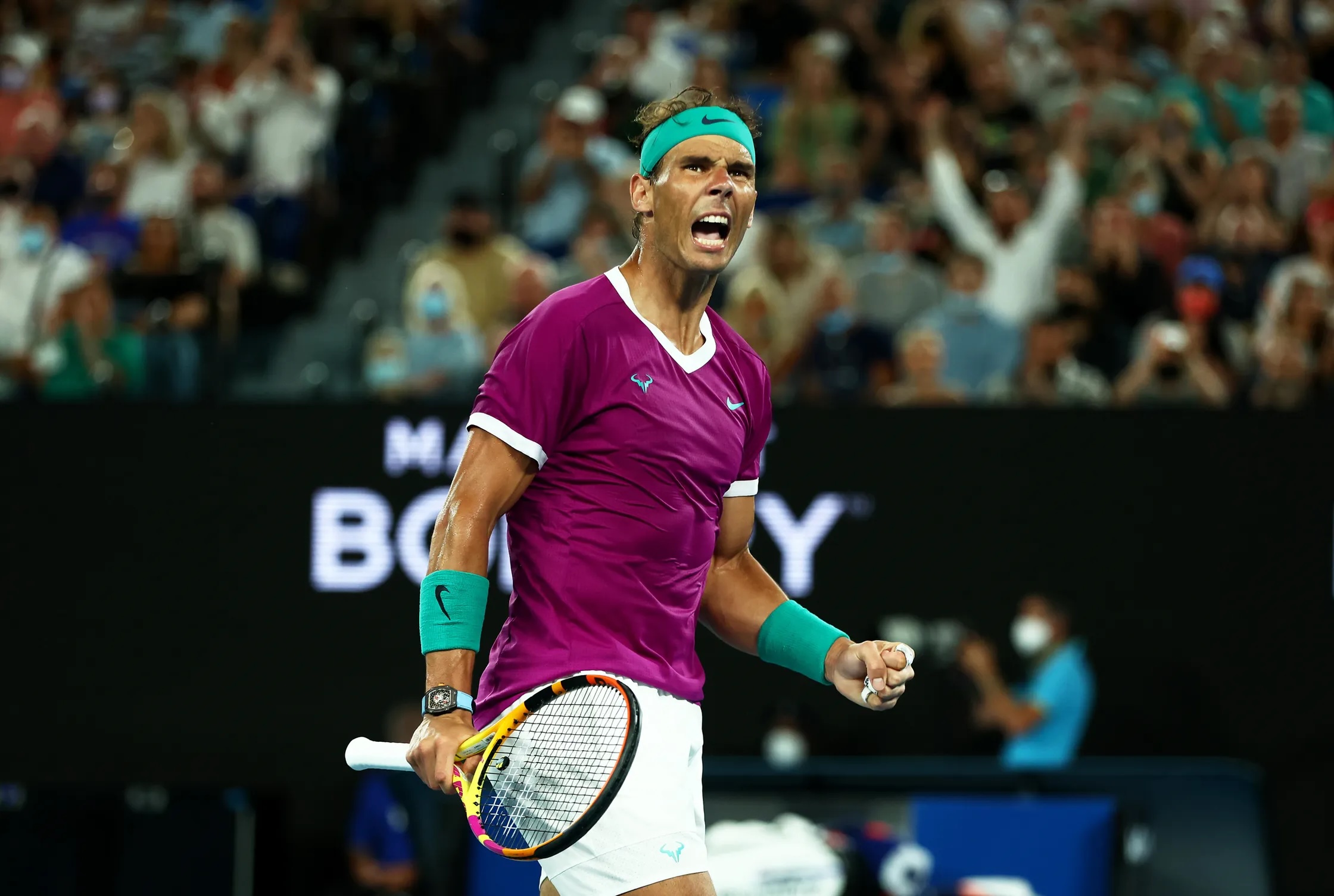
Rafa follows the titular tennis legend, Rafael Nadal, through his final competitive season in 2024. Directed by Oscar-nominated American director Zach Heinzerling, it’s worth noting that unlike most sports documentaries, Rafa is not a producer on the series, unlike many athletes who lend their names to projects about themselves.
The film isn’t chronological; it intersperses key moments from Rafa’s 23‑year career—from his 2001 pro debut at 15 to his official retirement in November 2024—against the backdrop of his imminent farewell.
Related story: The women of Wimbledon 2026: Contenders, style, and what to know
Related story: Serving looks: The 8 most stylish women in tennis right now
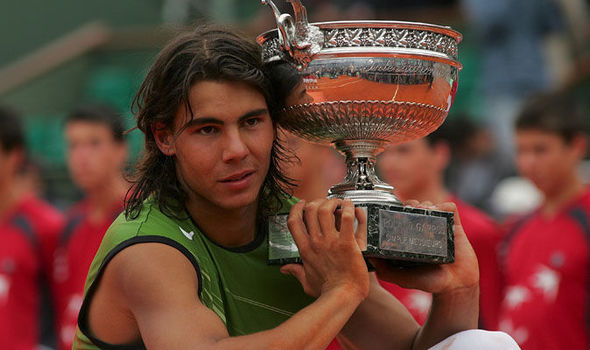
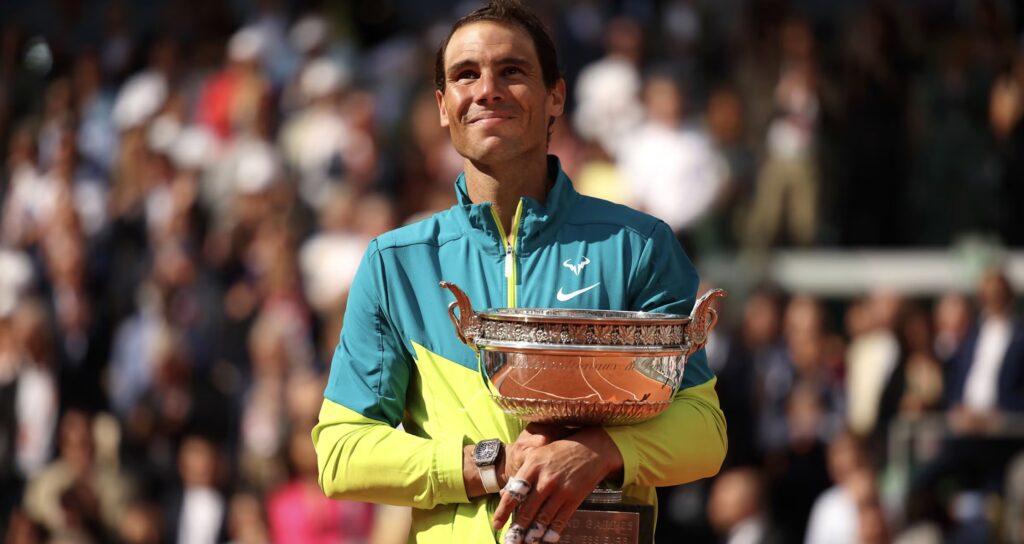
It traces Rafa’s journey from his childhood in sunny Mallorca to becoming a 22-time Grand Slam winner, 14 of which were won at Roland-Garros, making him the undisputed king of clay, and second only in number of Slams behind Novak Djokovic’s 24.
The documentary shows not only his biggest victories but also his most devastating losses. The latter were at times almost too agonizing to watch, since it shows some of Rafa’s most private moments, such as when he is being treated for his numerous injuries. There is even a clip showing Rafa suffering from too much pain at a US Open press conference, causing him to slowly slip from his seat, his face contorting in agony.
Related story: Serving up the new generation
Related story: Alex Eala wins Birmingham Open, earns over ₱2 million ahead of Wimbledon
Thankfully, we get enough heartwarming moments to balance things out. Among my favorites are the videos from his younger days as a shy, tentative tennis prodigy to his teen years, where in one clip, he expresses frustration that the apple of his eye, María Francisca “Mery/Xisca” Perelló (who is now his wife), has not responded to his messages yet.
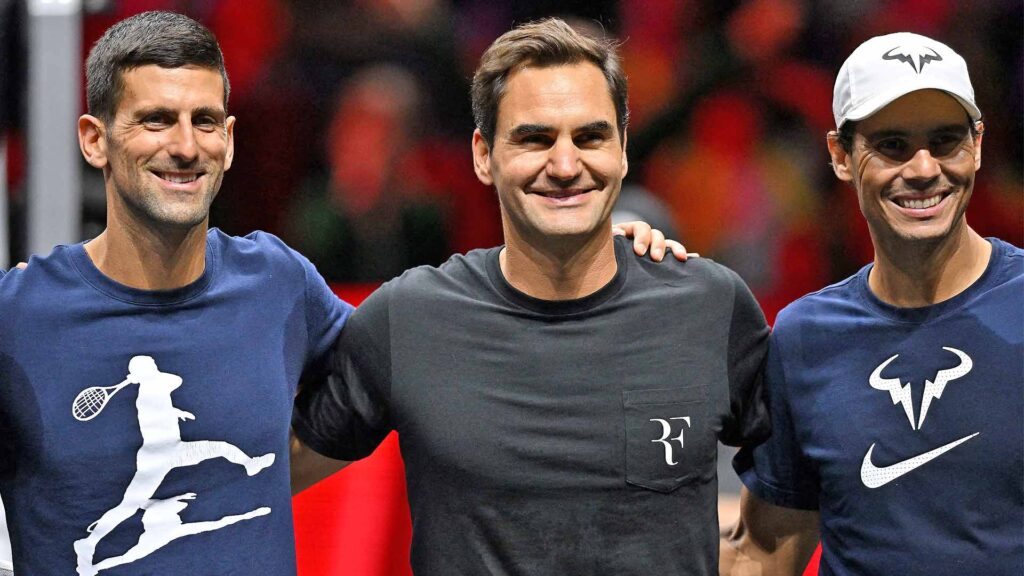
Rafa also includes insightful interviews with Rafa himself, as well as his wife Mery, parents Sebastián and Ana, coaches Carlos Moyá and Toni Nadal (who is his uncle), and, of course, his chief on-court rivals Roger Federer and Novak Djokovic.
Packed with life lessons
Rafa carries key lessons that go beyond sports that even non-tennis fans would find the documentary four hours well spent. Here are the most memorable of them.
Greatness often comes at extreme personal and emotional cost. Rafa’s career, which has its highs, lows, and plateaus, shows how greatness often comes from enduring hardships. In the first part, he notably says. “But you can’t be a great champion if you don’t do things that are truly difficult.”
Although his rivalries with Novak and Roger defined much of his career, Rafa’s greatest adversary was his own body. Throughout his playing years, he had endured serious injuries, chronic pain, and a rare foot condition.
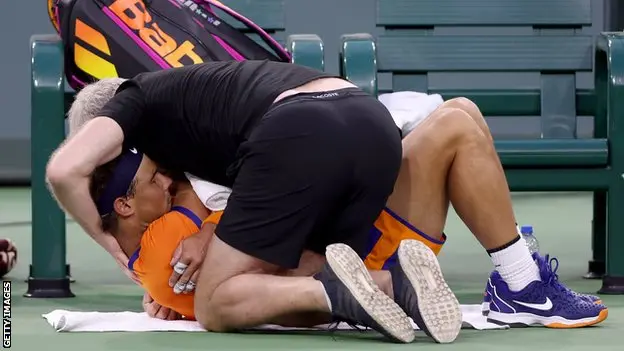
Called Müller-Weiss syndrome, this incurable and degenerative disease affects the navicular bone in the midfoot, causing it to collapse and disintegrate progressively. Although told at 19 that it might be a career-ending injury, he learned to manage it—going through such lengths as taking anesthetics before a match—and went on to win 103 career titles, an astounding 92 in singles and 11 in doubles.
Rafa’s team calls him a “masochist” for embracing pain as a way of life. “It was a philosophy. To learn how to suffer through sport,” his mother Ana says. Longtime physiotherapist Rafael Maymó agrees: “Rafa likes to suffer, to feel he’s pushed to the maximum.” Coach Carlos Moyá calls him “a competitor, an addict to competition.”
While Rafa’s equating suffering with success may seem excessive, his tenacity in the face of adversity is something we can all derive inspiration from.
Don’t be afraid to take risks and push the limits. The third part of the series shows him continuing to suffer from injuries, causing him to take several medicines for pain management. This leads to perforations in his intestines, with Rafa describing himself as “the most perforated player in the history of our sport.”
“In my career, I have had to make decisions about my health where you are on the borderline between right and wrong. This is where I tell you that the line is thin,” he says at one point, while a montage of the 2013 US Open Finals plays, which he wins for the second time, allowing him to regain world no. 1 status after a two-year slump. “But if I hadn’t explored all that, I probably would have ten fewer Grand Slams. I’m not saying one or two; I’m saying ten or twelve. It’s the reality.”
Related story: Filipina firsts, global goals: Alex Eala and Bianca Bustamante meet at the “Oscars of Sports”
Related story: Meet Alex Eala: Filipina tennis prodigy smashing barriers
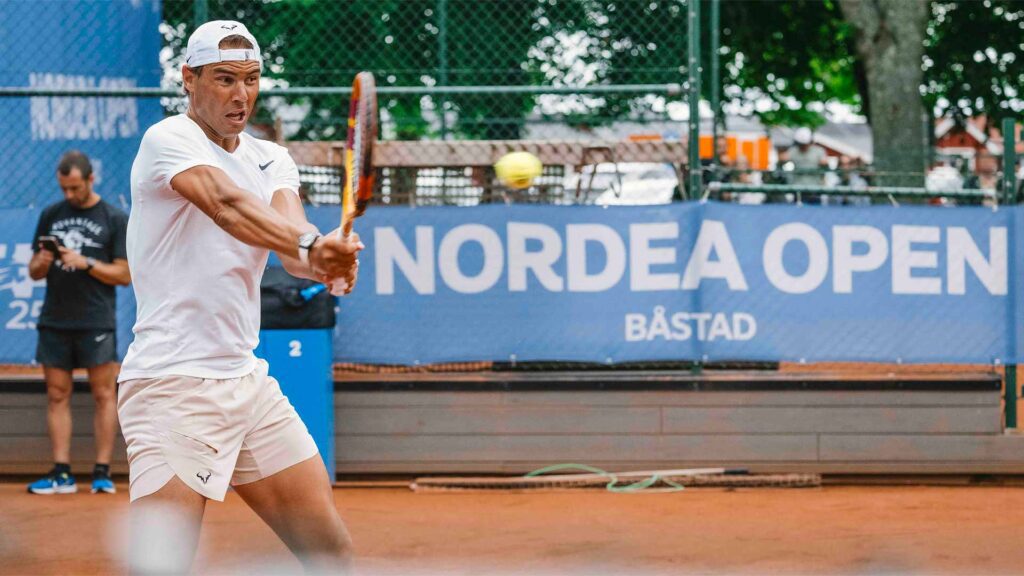
This also answers a question that has long lingered in my mind: why do many sports icons not retire at their peak? With some even coming out of retirement? It’s because they want to see how far they could still go.
We have many examples of such athletes: Serena Williams (who has recently made a comeback at Wimbledon—only to bow out of the first round and withdraw from doubles, citing injury) Michael Jordan, and our very own Manny Pacquiao.
Instead of retiring after his 2022 Roland-Garros win, Rafa still played two more years, promising to “keep fighting.” He could have retired after that win, which happened two days after his 36th birthday, and 17 years after first winning the title as a 19-year-old—but, of course, he didn’t.
It only hit him after losing the Swedish Open final that retirement was impending. On 10 October 2024, he stated his intention to retire from the sport after playing for Spain in the Davis Cup Finals in Málaga, Spain, in November. His last match as a pro was a loss against Botic van de Zandschulp as Spain lost to the Netherlands in the quarterfinals of the tournament in 14 November 2024.
By repeatedly pushing the limits, often skirting the fine line between what’s safe and reckless, Rafa has achieved heights he once thought were not possible. He has also retired on his own terms, with no regrets because he knows he has given it all.
Change can be good. In the final installment, we see Rafa in a prolonged slump in 2015 and 2016, which he describes as his worst years. This compels Rafa to reassess his team, especially his then-coach, Toni Nadal, since nothing seems to be working in his favor anymore. His coach, however, is not just any other coach, but his beloved Uncle Toni, who, until that point, has coached him since he was a child. Toni was Rafa’s first tennis teacher, giving him his first lesson at age 3.
While Rafa has no intention to drop Toni from his team, he knows that something has to change. In what could only have been a difficult decision, not wanting to hurt Toni, of course, Rafa taps long-time friend, fellow Mallorcan, and former world no.1 and Grand Slam champion Carlos Moya to be his head coach in hopes of reviving a stalled, injury-hit career. True enough, Carlos’ inclusion in the team team provided fresh tactics and an experienced, outside voice. He remained Rafa’s head coach until his retirement.
Related story: These young Filipinos just made Forbes’ 30 Under 30 Asia 2026 list
Related story: Here’s the story behind Rafa Nadal receiving the Olympic torch from Zinedine Zidane in Paris
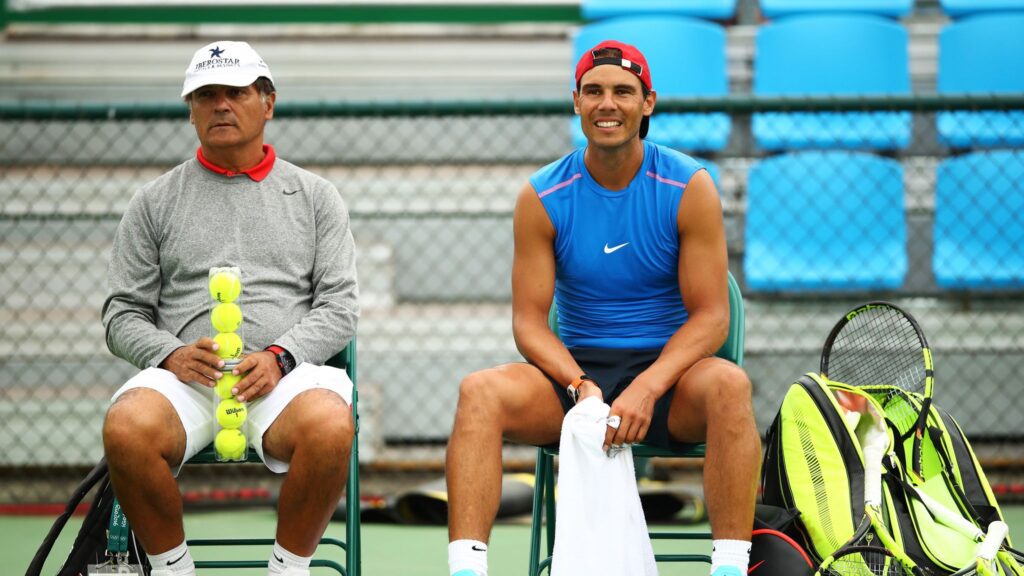

As for Toni, it was he who ultimately decided to stop coaching Rafa after the 2017 season because he felt he was no longer necessary to the team, a decision Rafa admitted to have caught him off guard. Toni also felt that other team members, like the new coach Carlos Moyá, could do a better job.
If Rafa didn’t opt for change—an especially difficult one given his deep, personal relationship with Toni—his career could have ended much earlier and with fewer wins to his name.
The value of support systems. The documentary shows how having an honest and reliable support system could spell the difference between success and greatness. Growing up in a tight-knit family and having a team that seems to genuinely love and care for Rafa is one of his life’s greatest blessings.
He was so close to his family that he lived with his parents until he was 32, a year before he got married to Mery. In fact, it was Mery who convinced Rafa to move out, adding that if she hadn’t done that, Rafa would have lived with his family for far longer.
Related story: Naomi Osaka brings Harajuku fashion to US Open, dominates first round
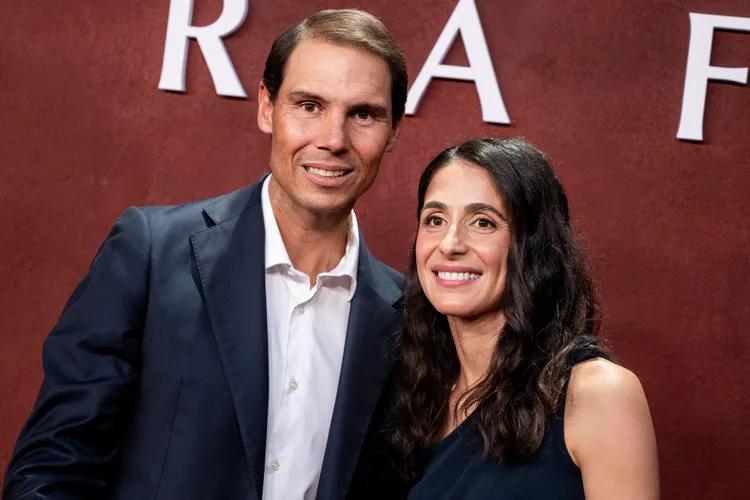
An especially vulnerable moment in the third episode shows Rafa reeling from an especially heartbreaking loss in Rome in 2015. In the voice-over, he says that he has been fighting against his body for many years, and that it has mentally been an “enormous, enormous drain.” We transition to Mallorca in May 2024, where he tells his team that he is already “deeply exhausted” and that it has been a “never-ending story.” In that instance, he says he’s considering retiring, while literally lifting his racquet and hanging it on an imaginary nail.
While his team remains optimistic, Mery, his wife, has a different response. In the car, Rafa tells her that tennis is already “taking away much more than it’s giving me. Mery comforts him by saying with a smile, “Another life is waiting for you.” They hold hands, fingers intertwined, Rafa gently pressing his wife’s hand.
It’s simple moments like this that remind viewers that even the most successful people still rely on others for strength, guidance, and stability.
Overall, Rafa avoids glorifying its titular sports icon, showing him as human—subject to pain, doubt, and loss like you and me—yet one who faces these difficult moments with extraordinary tenacity. Worth watching for anyone needing inspiration.
Rafa is now streaming on Netflix.