
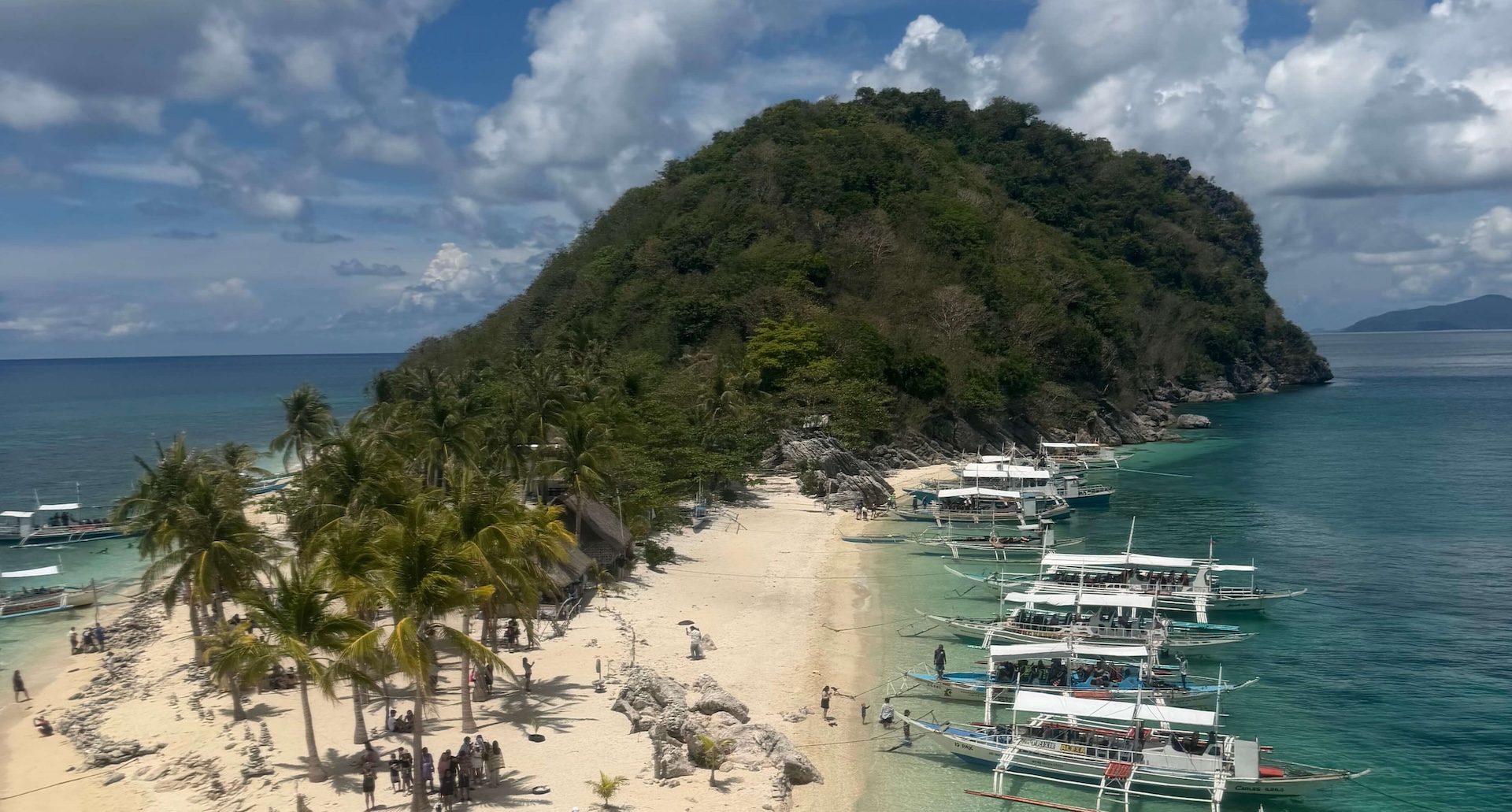

Between island hopping and unlimited scallops, Gigantes Islands offers a different kind of escape. Here’s what to know before you go.
For many travellers, Iloilo is a starting point. Heritage churches, Dinagyang, La Paz Batchoy. The city has enough to fill a long weekend without leaving its streets. But venture farther north into Carles, and you’ll find one of the province’s most quietly spectacular destinations: the Gigantes Islands.
Crystal-clear water, dramatic limestone cliffs, white sand beaches, and some of the freshest scallops you’ll ever eat. It’s the kind of place that rewards curiosity, and it’s easier to reach than it looks on a map, provided you plan ahead.
If it’s your first time visiting, here’s what’s worth knowing before you pack your bags.
Choose the airport that fits your itinerary
One of the first decisions you’ll make is where to fly into. Most travelers default to Iloilo International Airport, but depending on your itinerary, flying into Roxas City Airport can actually work in your favor. For our trip, we landed in Roxas City, where our DOT-accredited tour agency was already waiting with a van for the airport pickup. From there, we headed north toward Gigantes Islands.
On the return leg, we flew out from Iloilo International Airport, which gave us the chance to explore Iloilo City before heading home without backtracking.
First-timer tip: If Gigantes is your main destination, consider an open-jaw route arriving in one airport and departing from the other. It saves time and adds variety to the trip.
Related story: A guide to planning your Sicogon Island vacation
Related story: The secret life of Hanky Lee as innkeeper of The Henry Hotels
Related story: How Nadine Lustre’s Siargao restaurant changed my mind about plant-based food
Expect a journey before the island adventure begins
Getting to Gigantes Islands takes some intention, and that’s part of what makes the destination feel earned.
After our pickup in Roxas City, the group settled into a river cruise where lunch was served on board. It was a relaxed, unhurried way to decompress after the flight and ease into the pace of the region. It already felt less like a transfer and more like the trip beginning in earnest.
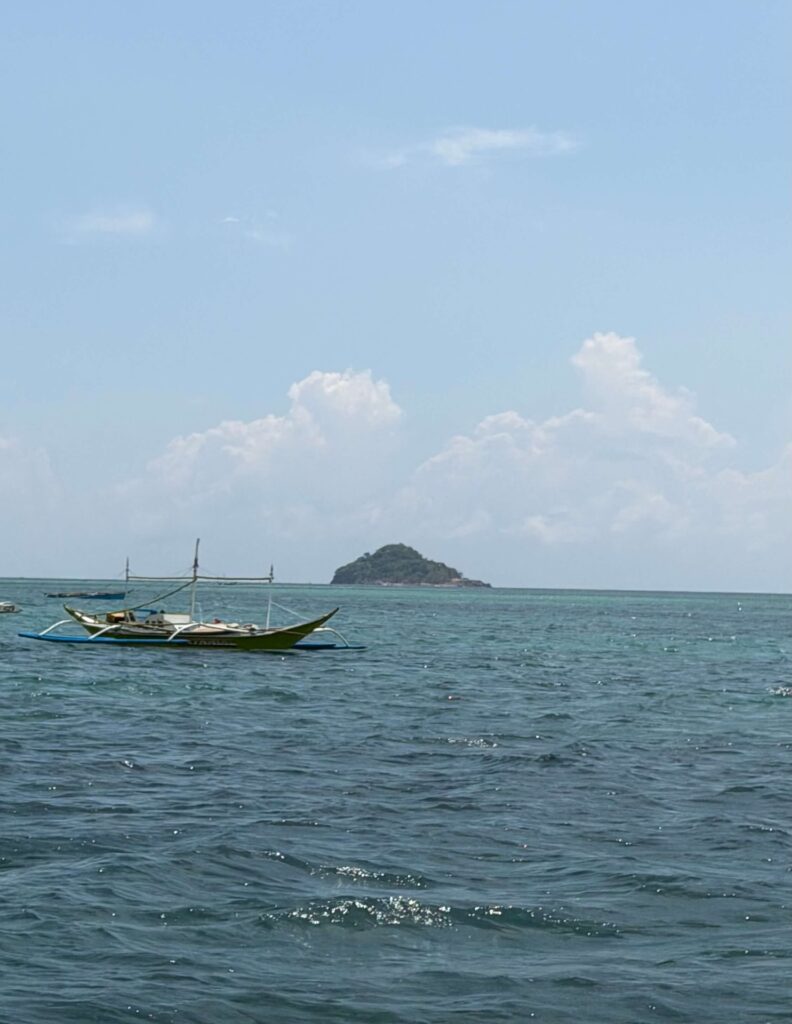
From there, we made our way to Bancal Port in Carles, where we boarded a boat for the roughly one-hour crossing to Gigantes Islands. The closer you get, the more the scenery shifts: open water, distant limestone formations, fishing boats passing in the other direction. By the time you arrive, the city already feels far away.
Island hopping is the main event
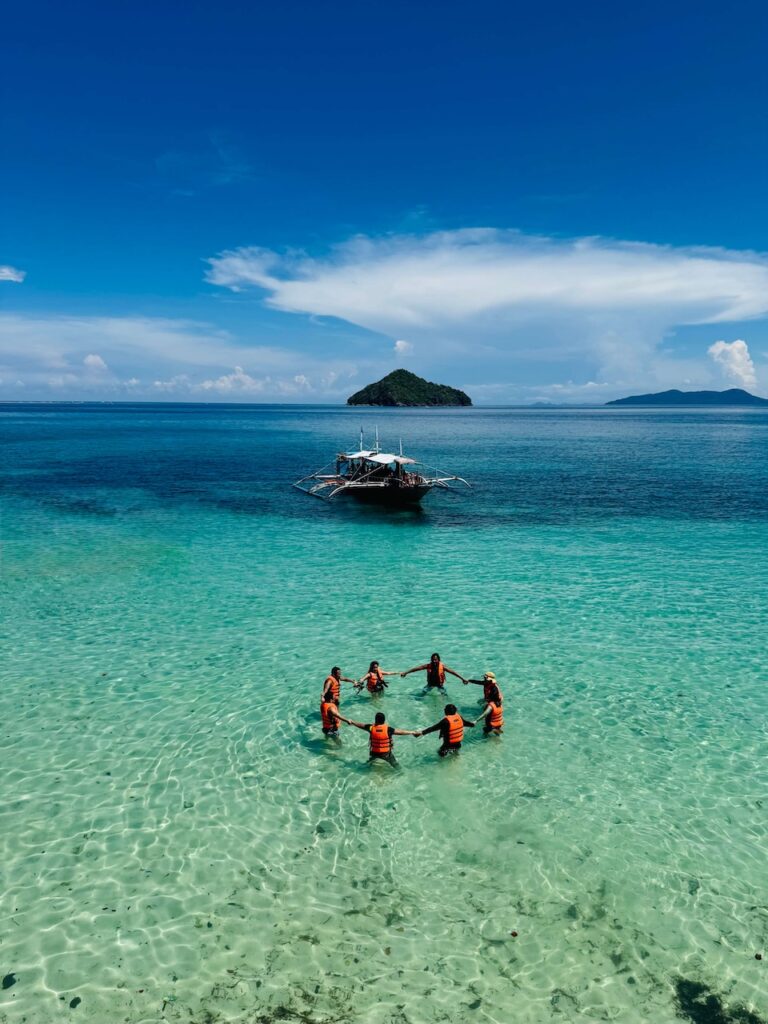
Most visitors come to Gigantes Islands for one reason, and island hopping delivers on the hype. Each stop offers something different, so the day never starts to feel repetitive.
Cabugao Gamay Island tends to be the one people come for. Its famous viewpoint looks out over two strips of white sand curving around turquoise water, the image most associated with Gigantes Islands, and one that earns its reputation in person. Getting there early helps, before the larger groups arrive and the viewpoint fills up.
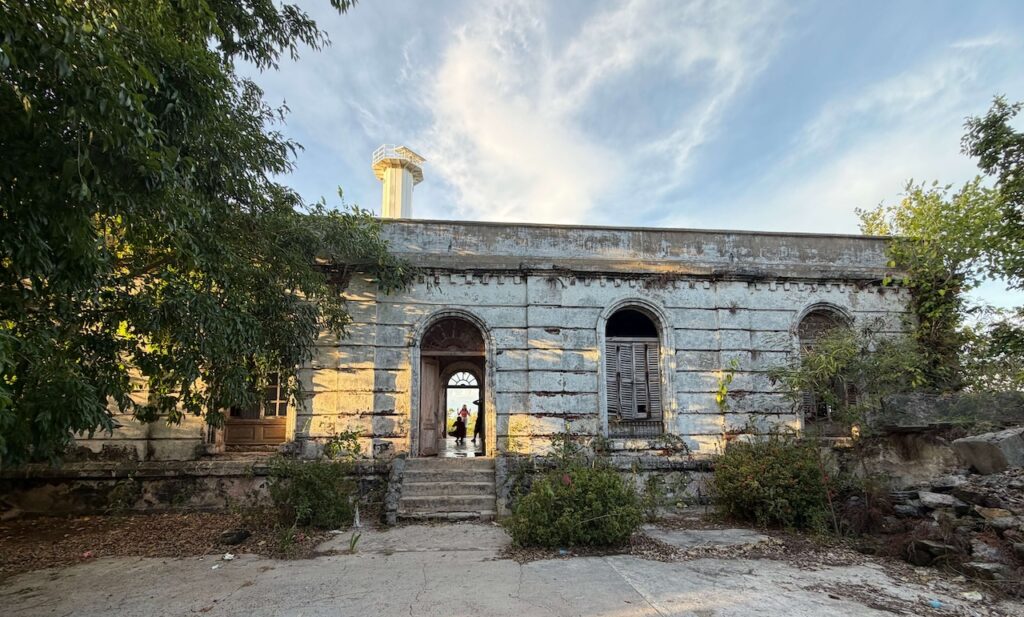
The Old Spanish Lighthouse offers a completely different kind of reward. The climb is short, but the view at the top, sweeping across the islands and the water below, is the kind of perspective that quietly reframes the whole trip.
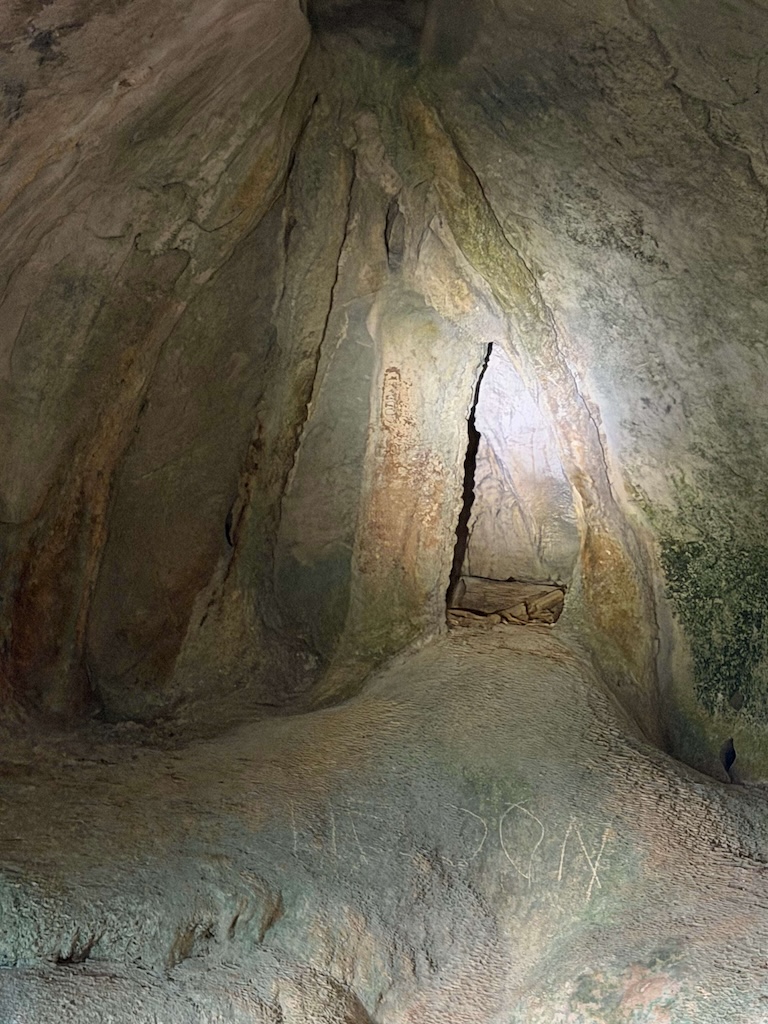
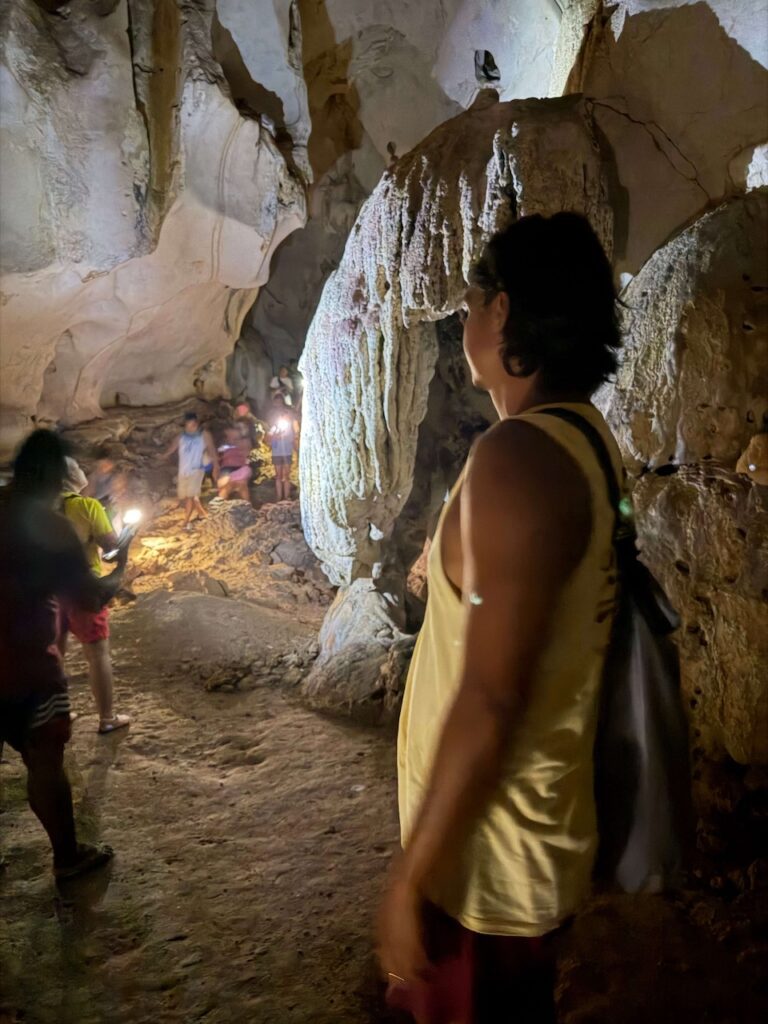
Pawikan Cave adds an adventure element to the mix. Rock formations, narrow passages, and a reminder that the islands have more to offer than just beaches.
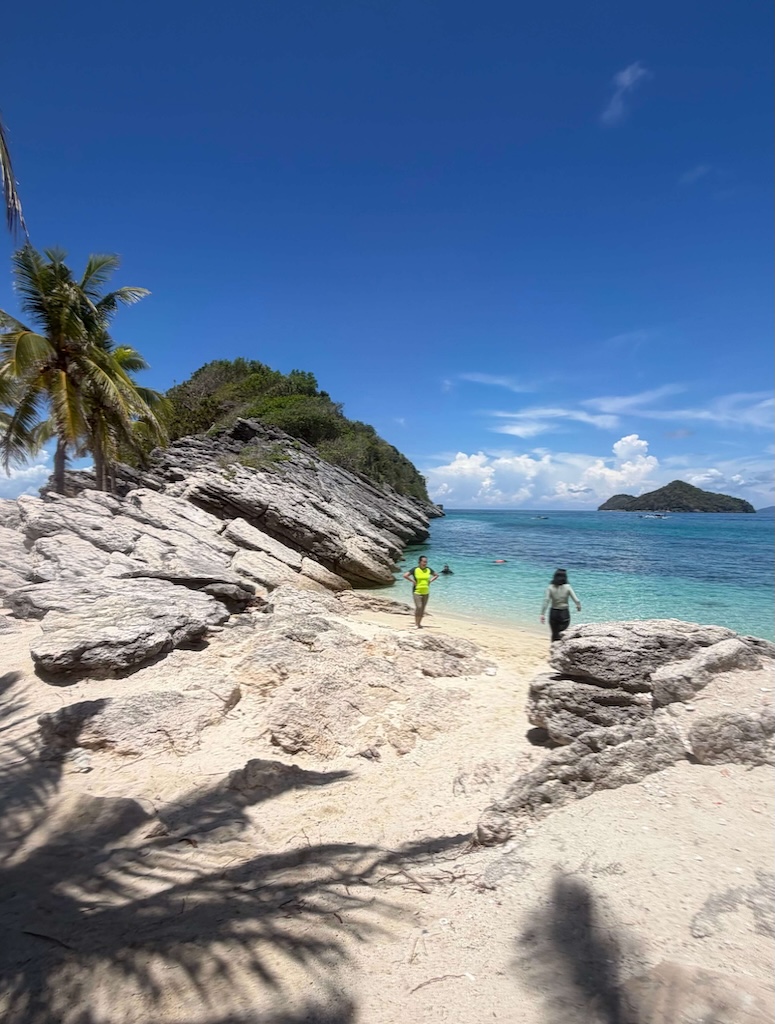
Antonia White Beach is where the pace slows down considerably. The water here is clear and calm, making it one of the best spots on the island hopping circuit for snorkelling and free diving. If you’re the type who’d rather spend an hour underwater than on a beach towel, this stop is yours.
After the water, lunch takes over: freshly grilled seafood and what many visitors describe as seemingly endless scallops. They are good enough to be the thing you remember most.
Tinagong Baybay is known locally as the Mini Boracay of Gigantes Islands, and it earns the nickname. Powdery white sand, calm shallow water, and a relaxed atmosphere that makes it easy to linger longer than planned.
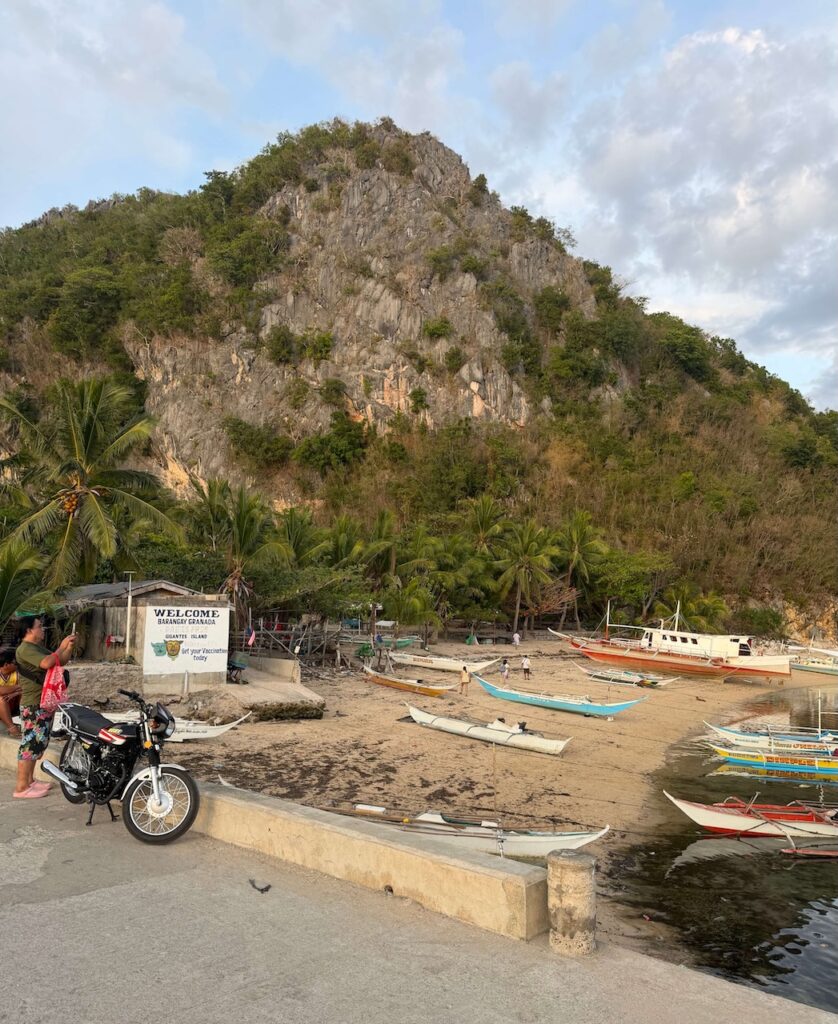
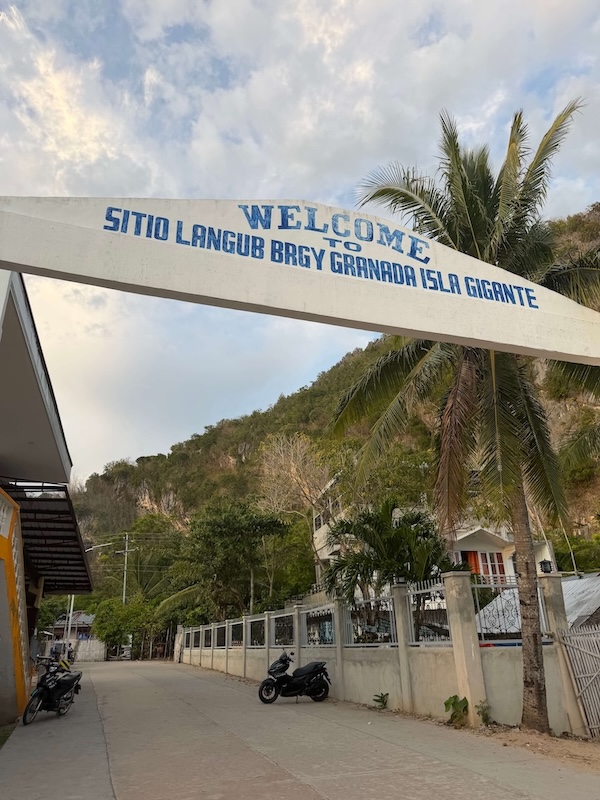
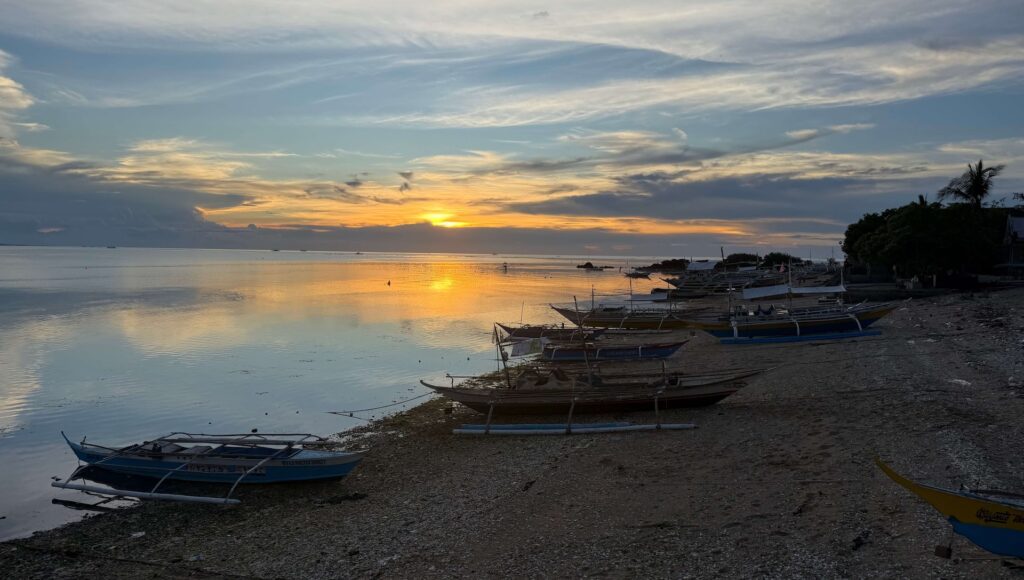
Langub Port closes out the day with a sunset that feels like it was designed to wrap up the experience properly. Fishing boats returning home, the sky shifting through orange and pink, and a natural sense that the day is complete.
First-timer tip: Bring reef-friendly sunscreen, a waterproof bag, an extra set of clothes, and footwear that can handle both sand and uneven rocky surfaces. You’ll be getting on and off boats throughout the day. And if snorkeling or free diving is your main reason for coming, Gigantes Islands is very much built for that.
Related story: The role of cafés in small beach communities
Related story: A chill Bohol itinerary with good food, mini adventures, and time to slow down
Come hungry
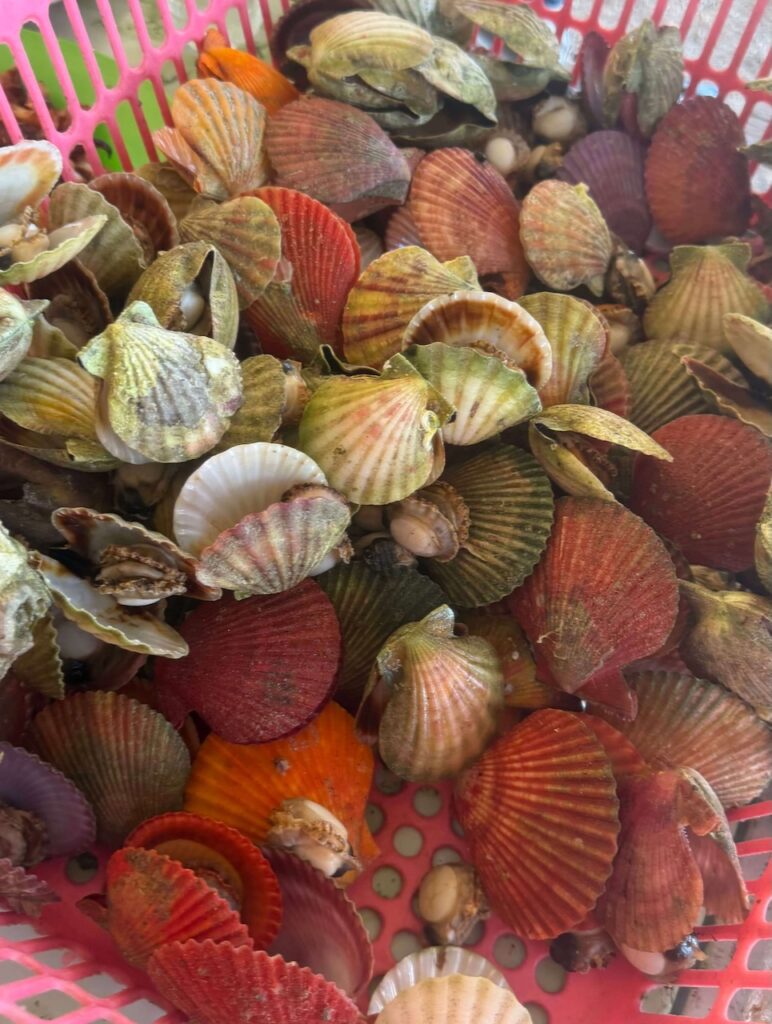
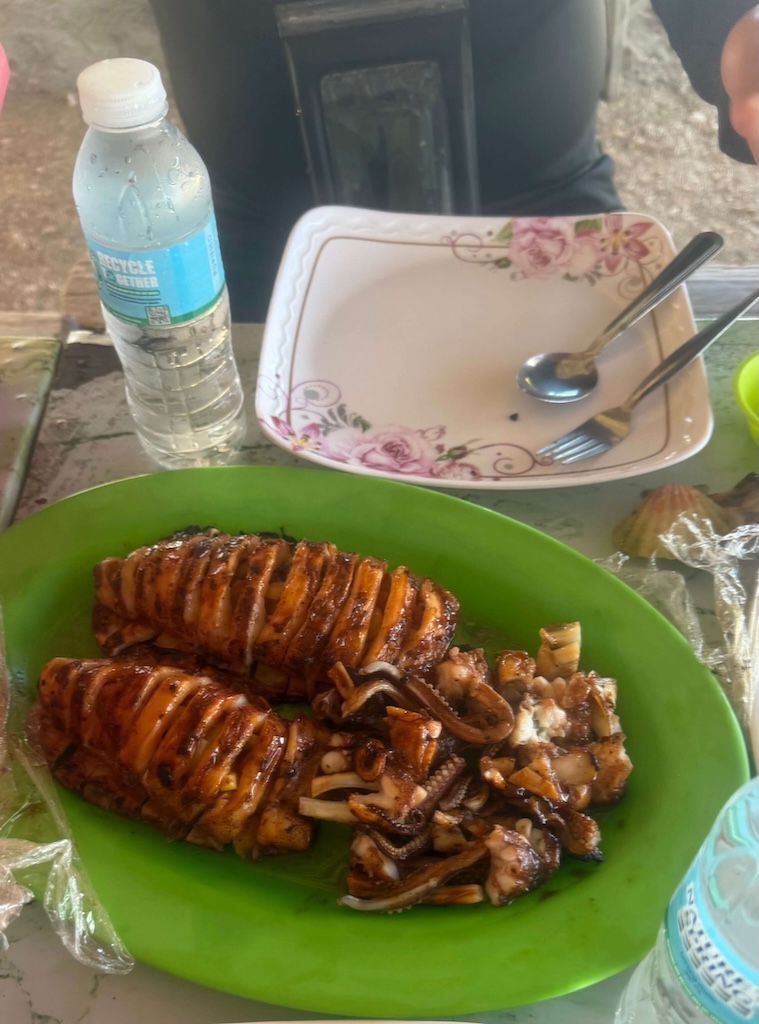
If Gigantes Islands has a second identity beyond its scenery, it’s seafood. Scallops are the undisputed local star, and you’ll encounter them in some form at almost every meal. Our island lunch at Antonia White Beach included an unlimited serving of them, grilled simply and eaten fresh by the water. It sounds like a small thing until you’re sitting there eating your fifth or sixth round and realizing this is just how lunch works here.
The seafood doesn’t feel like a special occasion. It feels like the default, which is exactly what makes it so good.
First-timer tip: If fresh seafood is part of the reason you’re making this trip, don’t skip the island lunches. They’re among the best meals you’ll have on the entire trip, not because of the setting alone, but because of how good the food actually is.
Bring cash, and withdraw before you arrive
This is one of the most practical things to sort out before you board the boat. Most establishments on Gigantes Islands are small, family-run businesses, and nearly all of them operate on cash only. GCash, PayMaya, and bank transfers are not widely accepted, and ATM access on the island is not something you can count on.
Before heading out, withdraw what you need in Roxas City or Iloilo City proper, where banks and ATMs are easy to find. Having enough cash on hand means one less thing to worry about once you’re on the island.
Don’t be surprised if you go offline
One of the more unexpected parts of visiting Gigantes Islands is the limited mobile signal throughout much of the area.
Instead of reliable data, you’ll find Piso WiFi machines scattered around the island. These coin-operated terminals let you purchase internet access in short bursts when you need it.
At first, this feels like an inconvenience. Then something shifts. You stop checking your phone reflexively. Conversations last longer. Sunsets become things you actually watch rather than photograph and move on from. The slower rhythm starts to feel less like a limitation and more like the point.
For a destination built around beaches and open water, being offline suits it.
First-timer tip: Download your offline maps before you leave and save your booking confirmations somewhere accessible without a connection. And as mentioned, bring enough cash since digital payments are limited across most of the island.
Save time for Iloilo City
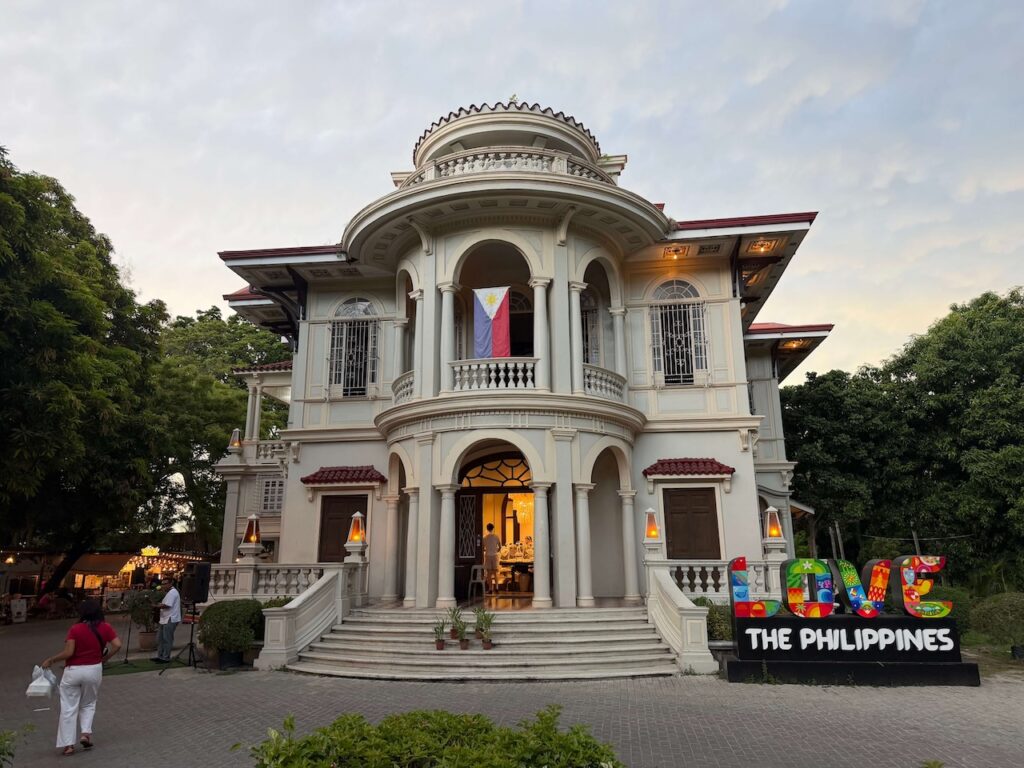
If your schedule allows it, don’t head straight to the airport. Two stops worth making are Molo Church (formally the Sta. Ana Parish Church) and the nearby Molo Mansion. The church is one of Iloilo’s best-known heritage landmarks, with a character and history that feels distinct from the modern city around it. The mansion next door now houses local food stalls and souvenir shops, making it an easy and pleasant way to pick up a few things before heading home.
Beyond its heritage sites, Iloilo City also has an impressive creative community. Musicians, poets, visual artists, and other local talents call the city home, and that energy tends to surface in its smaller venues, markets, and cultural spaces if you know where to look.
Together, they offer a different side of Iloilo that complements the islands rather than competing with them.
A trip that moves at its own pace


Gigantes Islands isn’t the kind of destination that asks you to rush. There’s no long list of must-see attractions demanding your attention before sundown, no pressure to optimize every hour.
What it offers instead is simpler: fresh scallops eaten by the water, a lighthouse with a view worth climbing for, clear water that rewards anyone who wants to explore below the surface, and the quiet discovery that being offline for a while is not actually a problem.
If you have any flexibility with timing, May is worth aiming for. The weather is warm, with far less rain than later in the year. Island hopping under clear skies with calm water makes a noticeable difference, especially when most of your time is spent on boats, beaches, and open viewpoints. It’s one of those practical details that quietly shapes the whole trip.
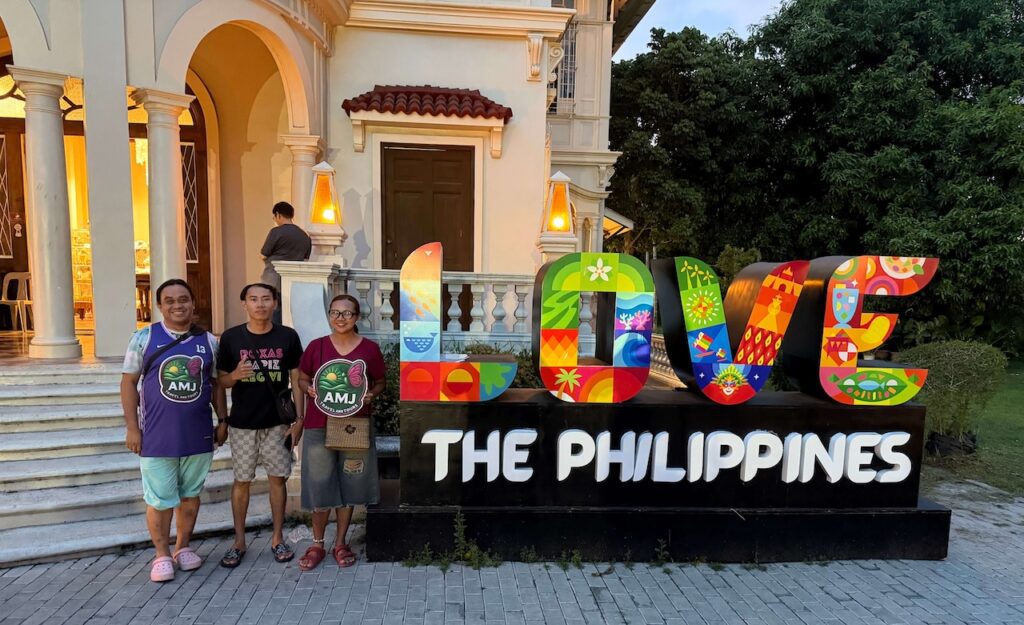
Coordinating airport transfers, boat schedules, accommodation, and island tours independently is doable, but booking through a DOT-accredited agency removes a lot of the guesswork, especially for first-timers. Our guides from AMJ Travel and Tours and the Capiz Content Creators Society handled everything seamlessly, and their warmth throughout the trip made a genuine difference.
For first-time visitors, the best advice is also the most straightforward: arrive with an appetite, bring cash, book a tour that handles the logistics, and let the island set the pace.
Chances are, you’ll leave already thinking about when to come back.
Related story: These Boracay resorts are redefining luxury
Related story: The dual charm of Bohol’s Amorita Resort: Adventure in the sun, reset in the rain