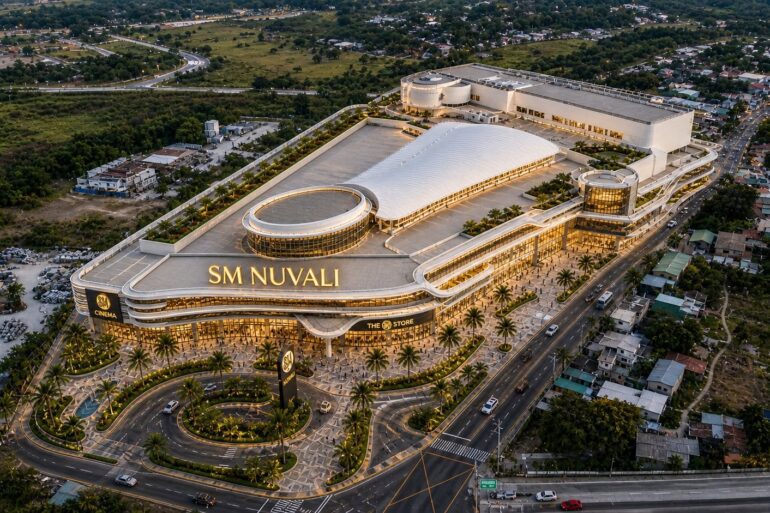


In many coastal towns, cafés have quietly become the center of community life.
When people think about beach destinations in the Philippines, the first images that often come to mind are waves, sunsets, and long days spent by the water. Yet spend enough time in any thriving coastal community, and it becomes clear that some of the most important interactions happen away from the shoreline.
More often than not, they happen in cafés.
Over the past decade, cafés have evolved far beyond their traditional role of serving coffee and snacks. In many beach towns, they have become gathering spaces where residents, travelers, entrepreneurs, surfers, and remote workers cross paths. They provide a place to meet, work, relax, and connect, while also supporting local businesses and contributing to the character of the community itself.
In many ways, cafés have become part of the social fabric that helps small coastal towns thrive.
More than a place for coffee
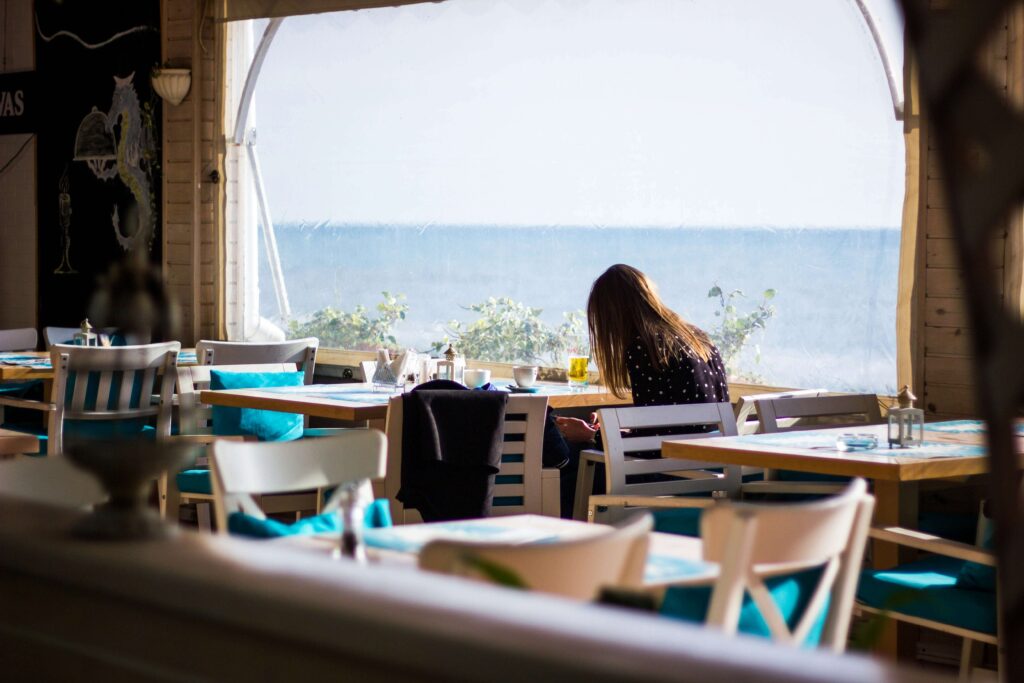
One reason cafés have become so important is that they serve as what many people call a “third space,” a place that exists somewhere between home and work. Unlike offices, they encourage conversation and connection. Unlike homes, they are open to anyone who wants to be part of the community.
In beach destinations, this role often becomes even more visible. People stop in for a coffee before heading to the water, return for lunch after a surf session, or spend part of the afternoon catching up with friends and colleagues. What begins as a simple coffee stop frequently turns into a place where ideas are exchanged, plans are made, and relationships are built.
This dynamic can be seen in destinations such as Siargao, where cafés have become closely tied to both surf culture and the growing remote-work community. Many serve as informal meeting points where island events are discussed, surf trips are organized, and creative collaborations begin. The atmosphere is typically relaxed, encouraging people to stay longer than they originally intended.
What makes these spaces valuable is not simply the coffee they serve, but the sense of belonging they help create. In communities where people arrive from different places and backgrounds, cafés often become one of the few spaces where everyone naturally comes together.
Related story: 6 stunning cafes in Bangkok—or why you should get out of the city center for coffee
Related story: The World’s 100 Best Coffee Shops 2026 is out and Yardstick is the Philippines’ sole entry at No. 34
Related story: Cafés in Manila we’d gatekeep if we could
Influencing local culture and daily routines
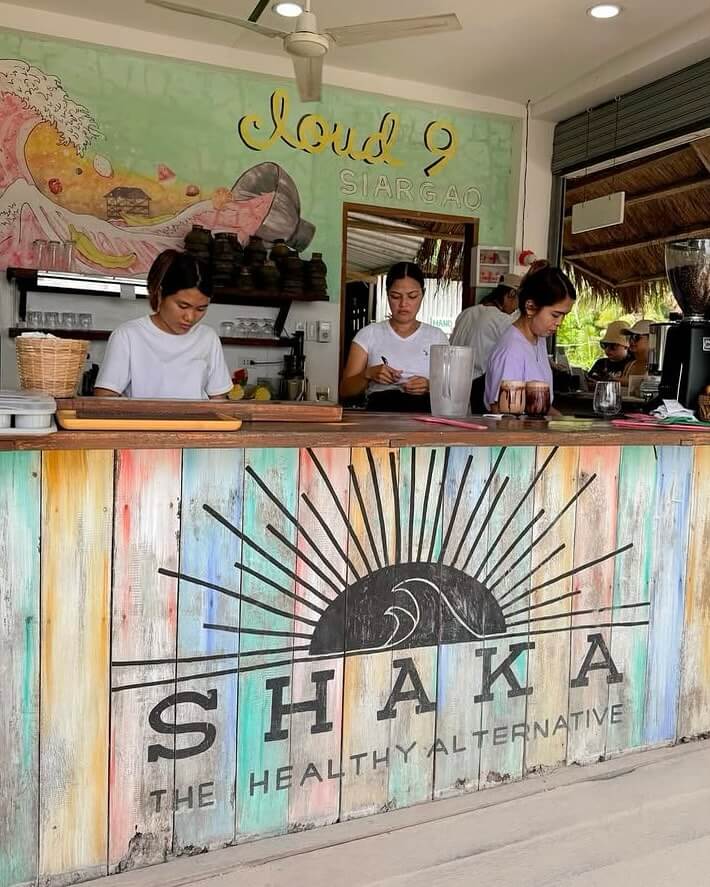
Beyond their social role, cafés often shape the rhythm of daily life in coastal communities. Many beach towns follow a routine that revolves around the ocean. Early mornings bring surfers heading out before the crowds arrive, while afternoons tend to move at a slower pace. Cafés naturally fit into this schedule. They provide coffee before sunrise sessions, comfortable spaces during the hottest hours of the day, and relaxed gathering spots in the evening.
As remote work has become more common, many cafés have also adapted to serve a new audience. Reliable internet, comfortable seating, and longer opening hours have transformed some establishments into informal coworking spaces. A café may welcome surfers in the morning, remote workers throughout the afternoon, and groups of friends gathering after sunset, all within the same day.
This evolution has influenced local culture in subtle ways. In some communities, cafés have helped introduce specialty coffee while also creating demand for locally grown beans. The farm-to-cup movement seen in parts of La Union is one example, where cafés work closely with coffee producers and help highlight Philippine coffee to both locals and visitors.
Elsewhere, sustainability has become a defining characteristic. In destinations such as Palawan, many cafés have embraced locally sourced ingredients, environmentally conscious practices, and partnerships with regional producers. These decisions reflect the values of the communities they operate in and demonstrate how cafés can influence culture beyond food and beverage trends.
Finding the balance between locals and visitors
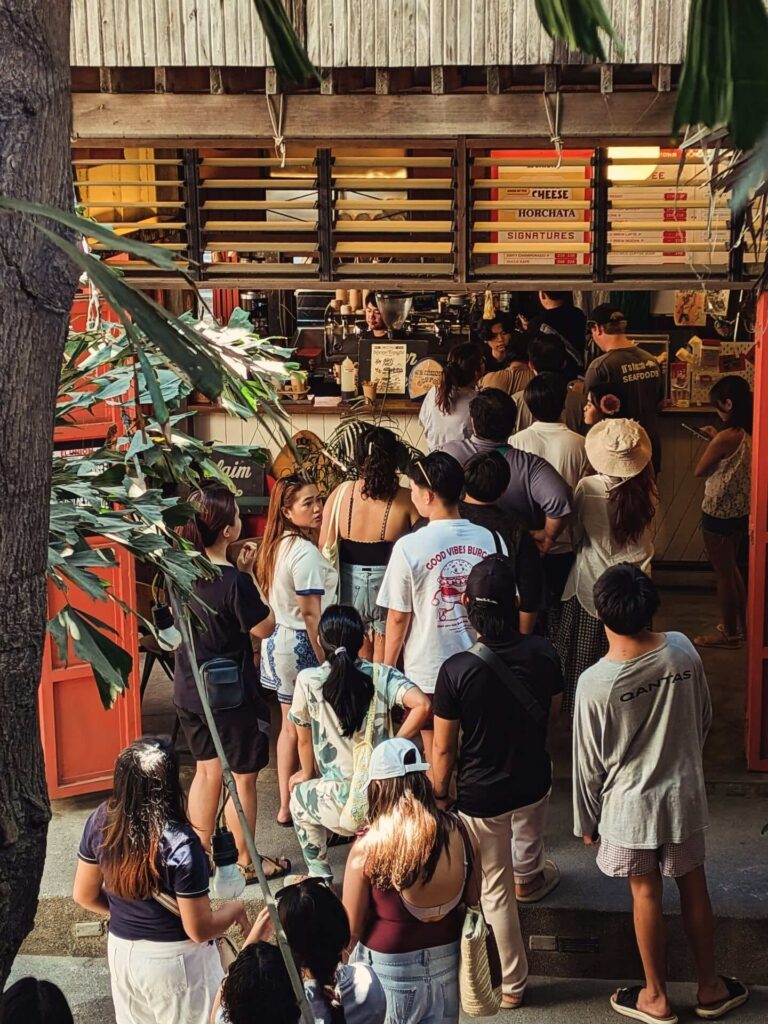
One of the most interesting challenges faced by cafés in beach destinations is balancing the needs of locals and tourists.
Visitors often bring energy, spending power, and new ideas. At the same time, a café that focuses exclusively on tourists risks losing the community connection that made it appealing in the first place. The most successful establishments tend to understand that both groups matter.
Locals provide consistency throughout the year, while visitors help introduce new opportunities and perspectives. When a café manages to serve both audiences well, it often becomes a space where meaningful interactions happen naturally. Conversations between residents and travelers can lead to friendships, business opportunities, and cultural exchanges that benefit the wider community.
This balance is particularly important in destinations experiencing rapid growth. As beach towns become more popular, maintaining a sense of authenticity becomes increasingly valuable. Cafés often play a significant role in preserving that identity because they remain one of the few places where visitors can experience the community beyond the usual tourist attractions.
Related story: Hometown Cafe is a nostalgic glimpse of Subic’s past through a contemporary lens
Related story: The dual charm of Bohol’s Amorita Resort: Adventure in the sun, reset in the rain
Related story: How the manager of the No. 1 resort in PH worked his way up from the laundry room
Creating jobs and small business opportunities
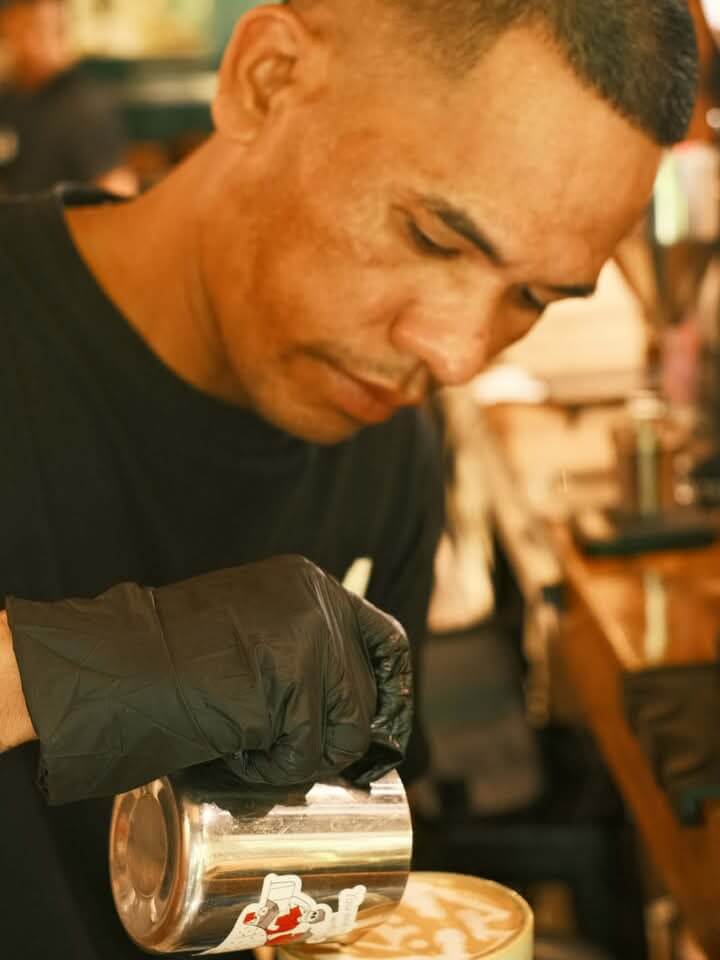
The influence of cafés extends far beyond their dining areas.Every café creates employment opportunities, from baristas and kitchen staff to managers, bakers, and service crews. However, the economic impact often reaches much further into the community. Many cafés source ingredients from local suppliers, work with nearby farmers, collaborate with artists, and support musicians through community events.
Coffee itself creates another layer of opportunity. As demand for specialty coffee grows, more businesses are looking to source quality beans from local producers. This creates stronger connections between cafés and agricultural communities while helping showcase Philippine coffee to a wider audience.

For entrepreneurs, cafés also represent an accessible path into business ownership. Many began as small passion projects before growing into recognizable community institutions. Their success often inspires other businesses to open nearby, contributing to a broader ecosystem of restaurants, accommodations, retail stores, and tourism-related services.
As a result, cafés frequently become catalysts for economic activity that extends well beyond coffee.
How cafés help define a community
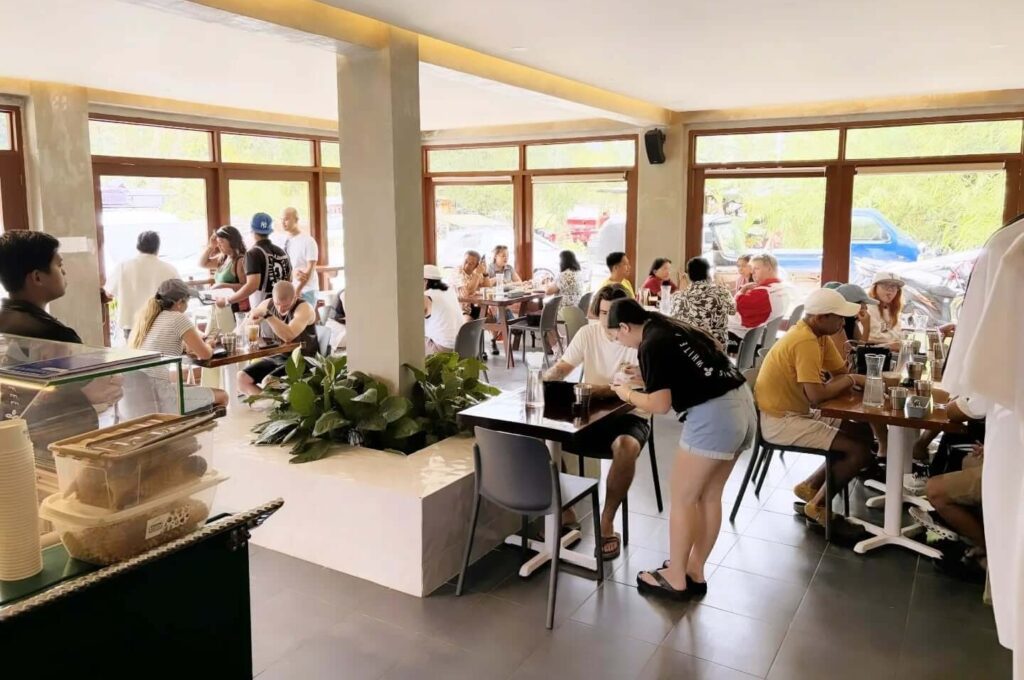
The most memorable destinations are rarely defined by scenery alone. People may initially be drawn to a beach because of its waves, coastline, or natural beauty, but what often brings them back is the feeling they experienced while they were there. Cafés contribute significantly to that feeling.
Over time, certain establishments become local landmarks. They become places where people begin their mornings, celebrate milestones, reconnect with friends, or simply enjoy familiar routines. Their menus reflect local tastes, their design reflects local influences, and their customers reflect the people who make up the community.
In that sense, cafés do more than serve coffee. They help tell the story of a place.
More than just a cup of coffee

In small beach communities, cafés have become far more than places to order a drink. They act as social spaces where people connect, community hubs where ideas are exchanged, and economic engines that create opportunities for local businesses and entrepreneurs. They influence daily routines, help balance the relationship between residents and visitors, and contribute to the identity of the places they serve.
The beach may be what attracts people initially, but cafés are often where communities come together. As coastal destinations continue to evolve, these spaces will likely play an even greater role in shaping the culture, character, and future of the communities around them.
Related story: Robusta, but make it fine: The future of coffee is here—and it’s Filipino
Related story: The secret life of Hanky Lee as innkeeper of The Henry Hotels
Related story: The coffee connoisseur’s guide to Melbourne’s specialty coffee spots