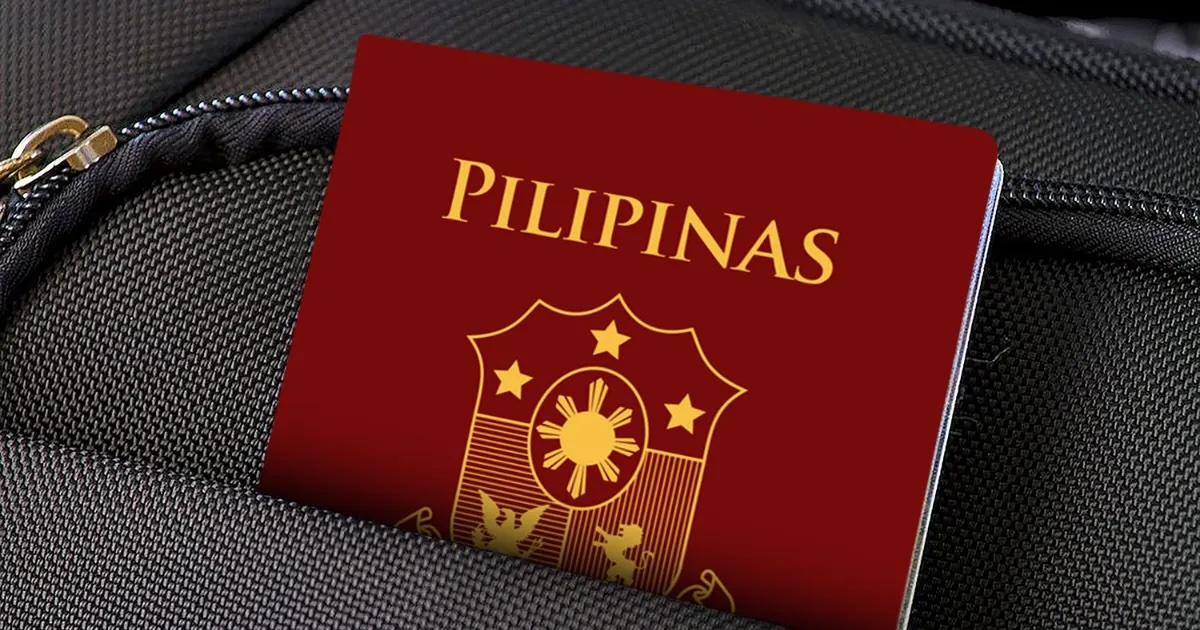

The Philippines takes the 72nd spot with visa‑free access to 65 destinations worldwide.
A bit of good news for Filipino travelers: the Philippine passport slightly improves its ranking. It’s now 72nd in the 2026 Henley Passport Index, up three places from 75th in 2025.
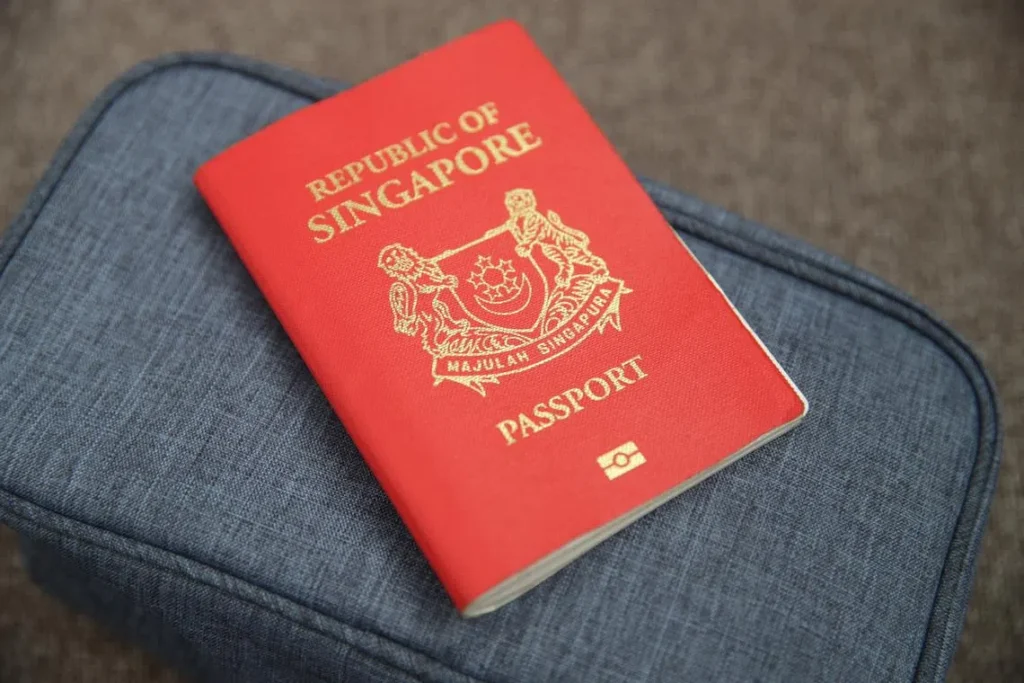
Singapore once again holds the world’s most powerful passport. This ranking means that Singaporeans can travel visa-free (or with visa-on-arrival entry) to 192 out of 227 destinations.
Related story: Taiwan extends visa-free travel for Filipinos. Here are five places to go beyond Taipei
Related story: Thinking of Dubai? The UAE just made travel easier for qualified Filipinos
Related story: Planning to work remotely from South Korea? This may be your sign!
The United Arab Emirates is the biggest mover since the January 2026 edition of the index, climbing three places to join Japan and South Korea in 2nd place with access to 188 destinations.
The United Kingdom has climbed one place to 6th since the start of the year after securing visa-free access to China and Malawi, while Canada has risen to 7th following similar gains. The United States remains in 10th place and is now one of the few top-ranked passports whose citizens still require a visa to China.
Languishing at the bottom five of the rankings are Yemen, Pakistan, Iraq, Syria, and Afghanistan.
Henley’s Passport Index ranks passports by the number of destinations their holders can enter without a visa or with visa-on-arrival access, using exclusive IATA data and updating the list monthly. Rankings can shift as countries revise visa policies and access rules.
The latest list, which is released biannually, marks the index’s 20th anniversary edition.
Related story: Passport stamps will soon be a thing of the past in these 29 countries
Related story: Low passport power, high visa costs for Filipino travelers: Why ranking 72nd still hurts
Seventh most powerful in ASEAN
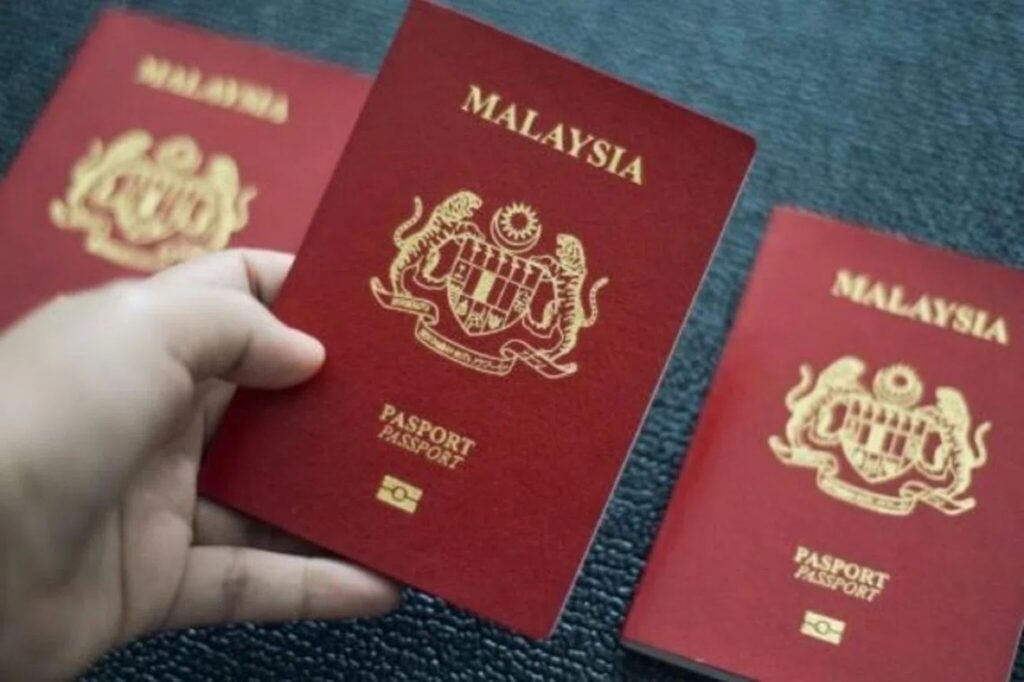
The Philippine passport ranks seventh compared to its neighbors in Southeast Asia. Aside from Singapore, Malaysia also has a strong showing in the index, placing seventh, together with Australia, Canada, Czechia, Latvia, New Zealand, Slovakia, and Slovenia. These passports have visa-free access to 183 destinations.
After Singapore and Malaysia, the next highest-ranked countries in the region are: Brunei (19th), Timor-Leste (52nd), Thailand (63rd), and Indonesia (68th).
Ranked below the Philippines are Vietnam (87th), Cambodia (88th), Laos (89th), and Myanmar (91st).
Our passport has long occupied the middle ground in the Henley Passport Index: neither among the world’s strongest nor stuck at the bottom rungs. Its highest rank was 62nd from 2007 to 2009, with a low of 83rd in 2021 at the height of the pandemic.
It has since recovered into the 70s in recent years.
Why rankings matter
“20 years of data show that passport power is one of the clearest expressions of a country’s geopolitical capital. It reflects far more than peace or prosperity alone,” says the index’s creator Christian H. Kaelin, who is also the chairman of Henley & Partners.
“The world’s strongest passports belong to nations that other countries want as partners – for trade, investment, security or cooperation. Mobility is ultimately a measure of the value other countries place on their relationship with you.”
Related story: Japan visa made simple: Expert tips straight from the embassy
Related story: 4 new travel rules to know if you’re visiting Japan in 2026
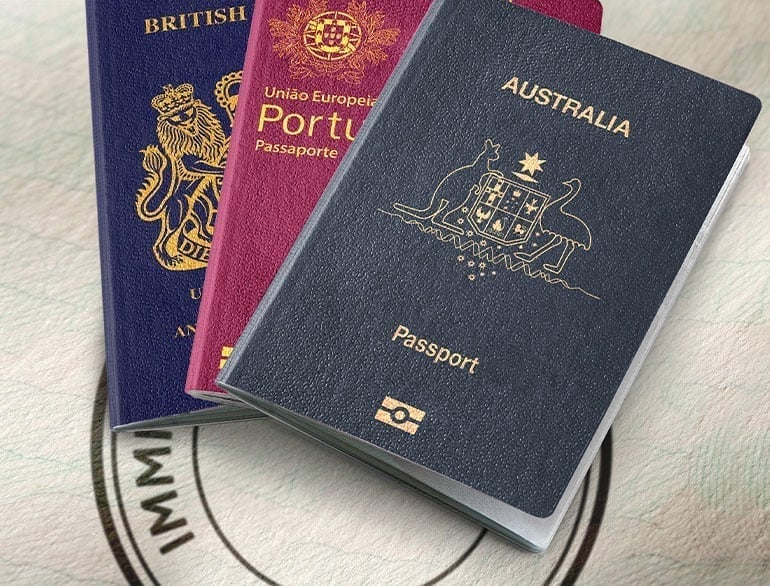
As one of the clearest indicators of mobility, a passport’s ranking matters because it measures how easily we can move across borders for work, business, study, and leisure. A higher ranking means fewer bureaucratic steps, lower travel costs, and more flexibility for ordinary travelers.
In the Philippines’ case, the trend has been uneven, showing both long-term progress and vulnerability to global disruptions. For a country so deeply embedded in the systems of migration, where overseas work and travel are woven into the personal, social, and economic aspects of life, even the slightest change in ranking matters. It can mean simply booking a ticket versus preparing multiple documents for a visa (with the ever-present possibility of a denial).
Passport rankings are also important because they reflect a country’s global standing. They are not an all-encompassing measure of national power, but they offer a simpler look into the complex web of international relationships.

As the Henley Passport Index notes, the ranking reflects freedom of travel, which is shaped by diplomacy, reciprocity, and the willingness of other countries to open their borders to yours.
In that sense, a passport’s ranking is a small but telling sign of how a country is perceived by others.
For example, the United States, once the holder of the most powerful passport, is now at 10th, while the United Kingdom has fallen to sixth. This shift signals a weakening of traditional transatlantic dominance and a decline in how other countries perceive the US.
Related story: Attention, travelers: Pay travel tax first to generate eTravel QR code
Related story: PH to launch digital nomad visa
Asian states, meanwhile, have surged, with Singapore, Japan, and South Korea occupying the highest ranks. Many European countries still find themselves clinching top spots, but competition has intensified.
There are now 38 passports in the top 100’s upper tier versus only 26 in 2006, meaning passport power has broadened while an individual country’s advantage has narrowed.
However, a passport’s rank does not capture all forms of mobility, since some countries offer e-visas, long-term residence options, or special bilateral arrangements not reflected in the actual ranking. It also says little about the quality of a traveler’s experience once they arrive.
Still, the Henley Passport Index remains authoritative because it distills complicated visa rules into numbers. For travelers, knowing their country’s ranking is useful because it hints at how much planning a trip requires. For policymakers, meanwhile, it offers a benchmark for progress.
Since the index was first launched in 2006, the Philippine passport’s rankings have always been less satisfactory. Sure, there have been modest gains, but these are offset by recurring setbacks that keep our mobility precarious. It is frustrating.
I look forward to the day when I will no longer feel envious of my Singaporean and Malaysian colleagues who can travel the world with much more ease. May that time come soon.