

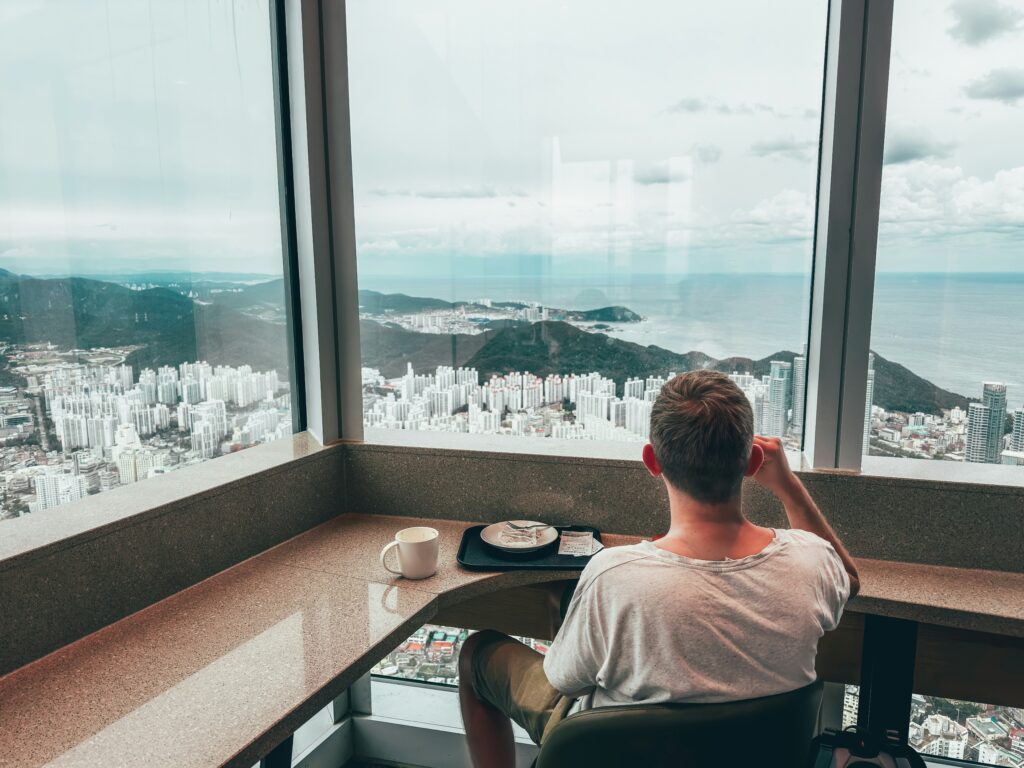
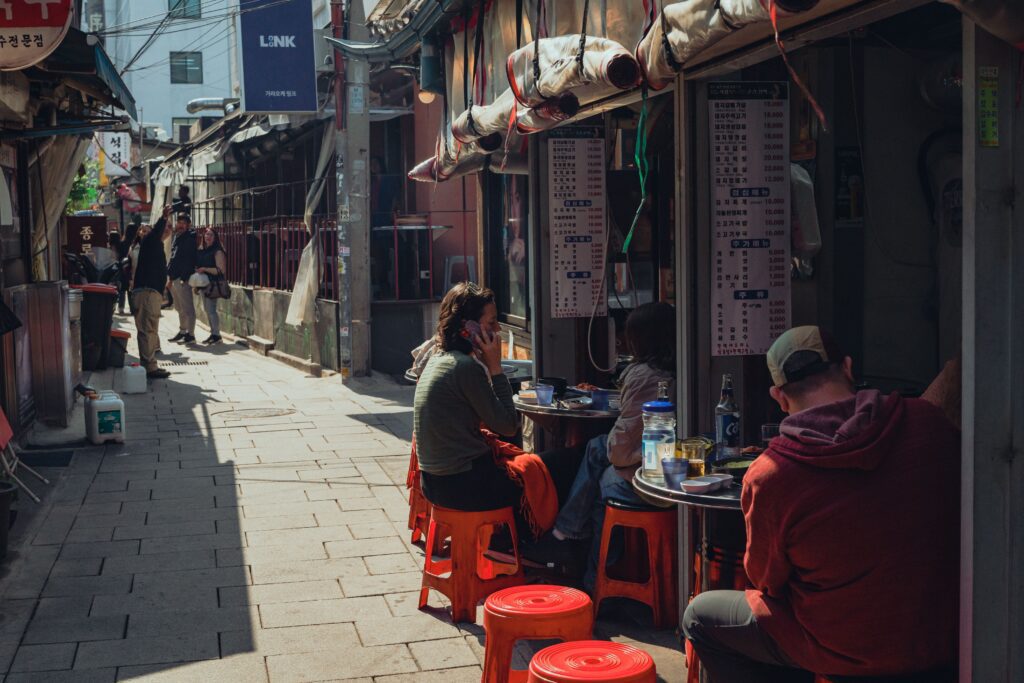
Working from a cafe in Seoul, weekends in Busan, or eating ramyeon by the Han River no longer has to stay just on your vision board.
South Korea has officially launched its digital nomad visa with more relaxed eligibility requirements than those applied during its pilot program. The F-1-D visa, also known as the “workation visa”, became officially available on June 30, 2026. It lets eligible remote workers live in South Korea while continuing to work for employers or clients based overseas.
For many Filipinos whose careers are already built around remote work, freelancing, or international companies, the new changes could make South Korea a more realistic place to call home, even if only for a few years.
Related story: Live like a local: New, low-key things to do on your next trip to South Korea
Related story: No more bank statements: South Korea makes tourist visa easier to get in 2026 overhaul
A visa built for people who work online
Unlike traditional long-term visas, the digital nomad visa doesn’t require you to land a job with a Korean company, enroll in a university, or have family ties in the country. Instead, applicants must already be employed by a company outside South Korea or run a business registered overseas. The work itself also has to remain outside Korea while you’re living there.
In other words, if you’re a Filipino working remotely for international clients, or managing your own business, this visa was designed with that setup in mind.
Applicants must also have at least one year of experience in their current industry and submit supporting documents, including proof of employment, income records, and bank statements.
The income rules are now more flexible
Previously, regardless of age or region of residence, applicants had to earn at least twice Korea’s per capita GNI from the previous year. Going forward, relaxed income requirements ranging from one to two times the per capita GNI will be applied to those who are younger or who reside in non-metropolitan areas or regions with population decline
For example, applicants aged 18 to 34 who reside outside Seoul, Incheon and Gyeonggi Province are eligible if they earn at least the previous year’s GNI per capita, rather than twice that amount. Everyone else generally still meets the standard 2x requirement.
Korea’s GNI per capita stood at $36,963 in 2025. Here’s roughly what that means:
- 1x GNI (ages 18–34, outside Greater Seoul): about US$37,000, or roughly P2.1 million a year
- 2x GNI (standard requirement): about US$74,000, or roughly P4.3 million a year
These levels remain well above the average salary in the Philippines, but they may be attainable for experienced tech professionals, consultants, digital marketers, creatives, software engineers, and business owners working with overseas clients.
Note that the exact intermediate brackets between 1x and 2x aren’t yet spelled out publicly, and peso figures move with the exchange rate, so treat these as estimates and check the current numbers before applying.
Related story: Why Gyeongju, South Korea’s ‘museum without walls,’ deserves a spot on your travel list
Related story: What to know about South Korea’s e-Arrival Card before you fly

You can stay for up to three years
Another major update is the length of stay. The original pilot program allowed digital nomads to remain in South Korea for up to two years. Under the official program, eligible visa holders may now stay for up to three years, with annual renewals as long as they continue meeting the requirements.
What you still can’t do
The visa allows you to live in South Korea, but it isn’t a Korean work visa. That means you cannot work for a Korean employer or take local jobs unless you obtain separate work authorization. Your income must continue coming from overseas employment or clients outside South Korea.
Visa holders are also expected to maintain eligibility throughout their stay. Serious violations of Korean law or immigration regulations could result in the visa being revoked.

Health insurance is mandatory
Applicants must also carry private health insurance throughout their stay.
The policy should provide at least 100 million won (roughly P4.2 million) in coverage and include medical treatment in South Korea, as well as emergency repatriation if necessary.
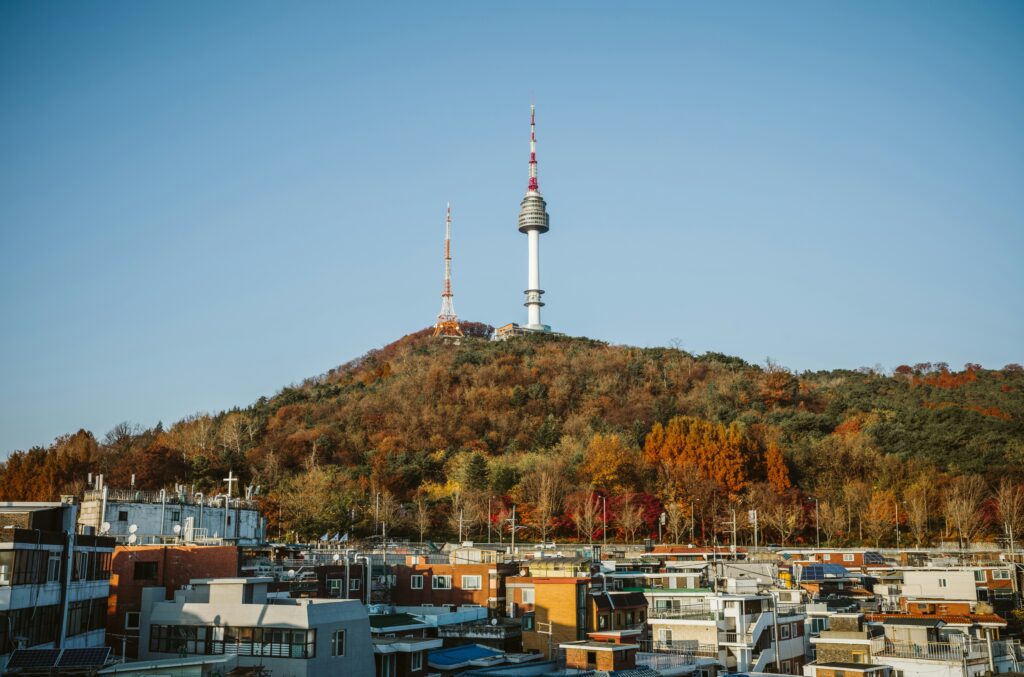
Could this be an option for Filipino remote workers?
Remote work has become part of everyday life for many Filipinos, from virtual assistants and software developers to writers, designers, marketers, consultants, and business owners serving international clients.
While the income requirement means the visa won’t fit everyone’s situation, South Korea’s updated digital nomad program opens another pathway for professionals who want to experience life abroad without putting their overseas careers on pause.
“The digital nomad visa is intended to expand opportunities for creative talent from around the world to experience South Korea,” Justice Minister Jung Sung-ho said.
For those who have always imagined mornings in Seoul and evenings exploring local neighborhoods after logging off work, that idea is becoming a little more achievable.
Related story: At this new Starbucks, you get to sip your coffee amid sweeping views of North Korean village
Related story: Addicted to shopping? South Korea’s ‘dopamine’ sites scratch the shopping itch without checkout
Related story: Ready your K-Pop heart! South Korea rolls out Hallyu-themed tours