
This year’s selection delivers everything a reader could ask for: two former Booker winners, a brilliant debut, and seasoned writers at the peak of their literary might.
The 2026 Booker Prize shortlist is out. For bookworms like me, it signals that time of year to update our to-read lists (though, if I’m being honest, my list overhaul starts as early as the longlist announcement!).
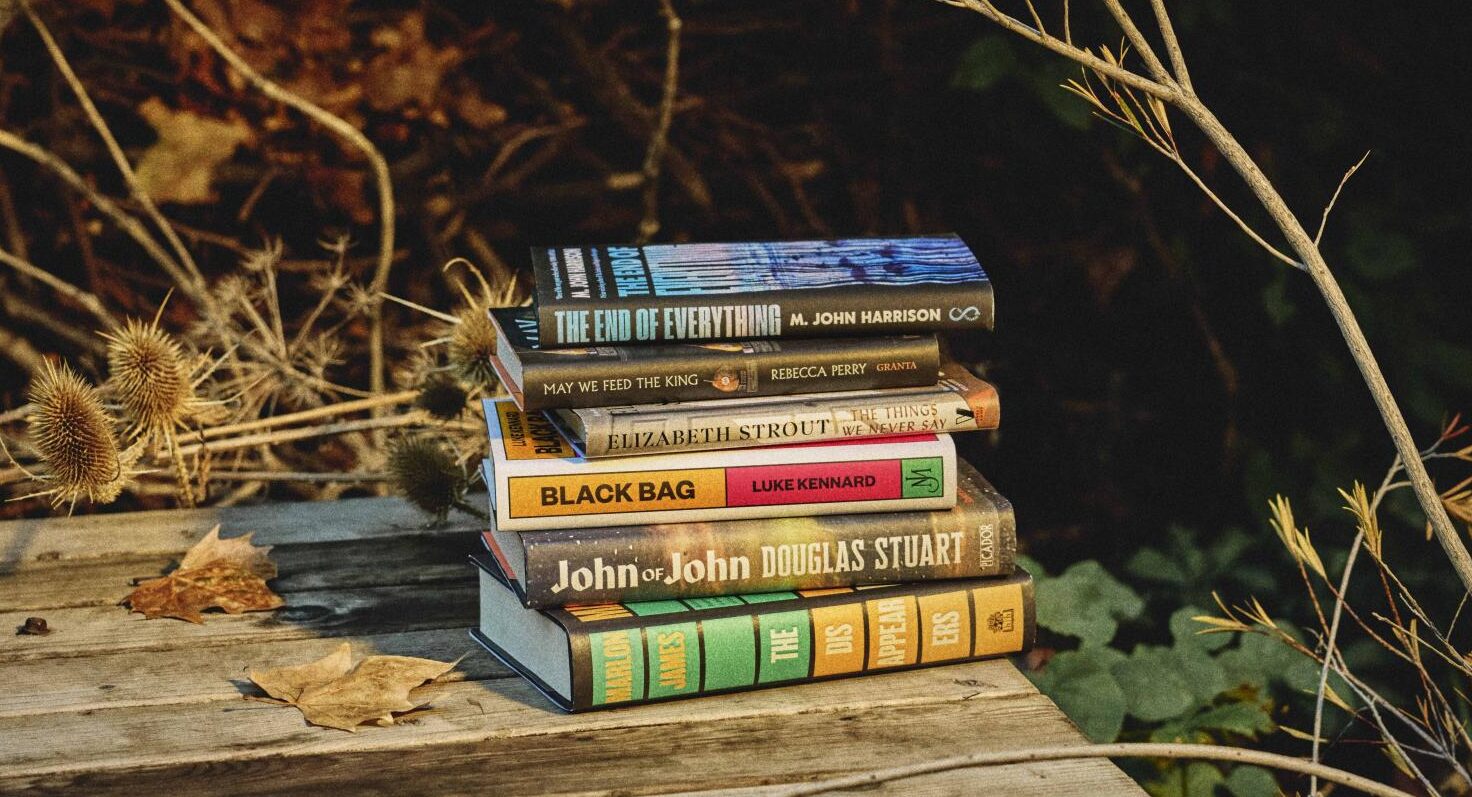
This year’s selection delivers everything a reader could ask for: two former Booker winners, a brilliant debut, and seasoned writers at the peak of their literary might. Together, their stories grapple with isolation, hidden truths, and human resilience while balancing traditional craft with fresh narrative structures—more than enough reason for any book lover to make a beeline for the nearest bookstore!
Before we get to know this year’s six contenders, it’s worth taking a brief step back to appreciate how one of the world’s most prestigious literary awards came to be.
A quick history lesson
Conceived in 1968 by publishers Tom Maschler and Graham C. Greene and first awarded in 1969, the Booker Prize was created to emulate the prestige of France’s Prix Goncourt, as well as to promote the reading and discussion of top-tier contemporary fiction.
Funding the inaugural prize was Booker McConnell Ltd., a food distribution company that acquired a majority stake in James Bond author Ian Fleming’s literary estate to launch its authors’ division. British novelist P.H. Newby was the inaugural winner for Something to Answer For.
Related story: 7 Greek mythology retellings to read after watching ‘The Odyssey’
Related story: Eight books to serve a tennis-loving bookworm

Sponsorship shifted in 2002 to the investment firm the Man Group (becoming the Man Booker Prize), before reverting to its original name in 2019 under the backing of the charitable foundation Crankstart.
Originally, the prize was limited to citizens of the British Commonwealth, the Republic of Ireland, and Zimbabwe. In a major decision in 2014, eligibility was expanded to any original novel written in English and published in the UK or Ireland, regardless of the author’s nationality.
The 2025 Booker Prize winner was Hungarian-British author David Szalay for his novel Flesh, a spare portrait tracing a man’s life from a Hungarian housing estate to London’s super-rich elite.
Each year, aside from the Booker Prize, the Booker Prize Foundation also awards the International Booker Prize. It is easy to confuse the two, but they serve two distinct goals. The Booker Prize (main prize) focuses on original fiction written in English and published in the UK or Ireland. The £50,000 (about US$66,000) prize money goes entirely to the author.
The International Booker Prize, meanwhile, celebrates world literature translated into English. It awards a single work of fiction translated into English from any language and published in the UK or Ireland. To honor the vital work of translation, its £50,000 purse is divided equally between the author and the translator.
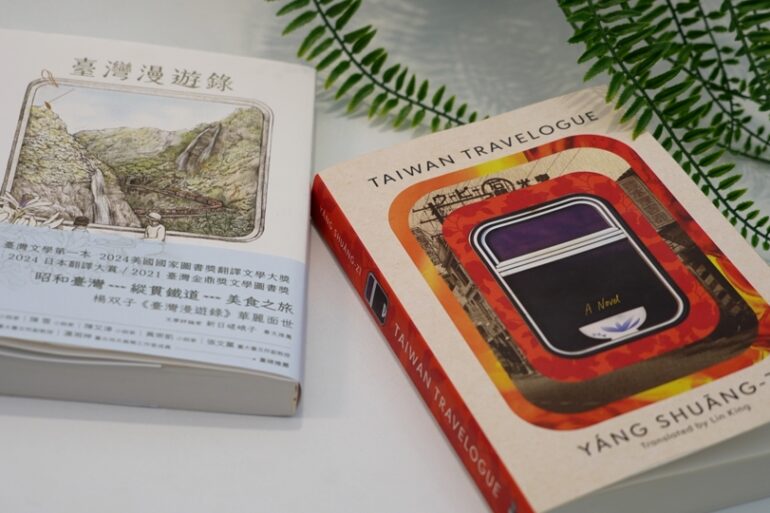
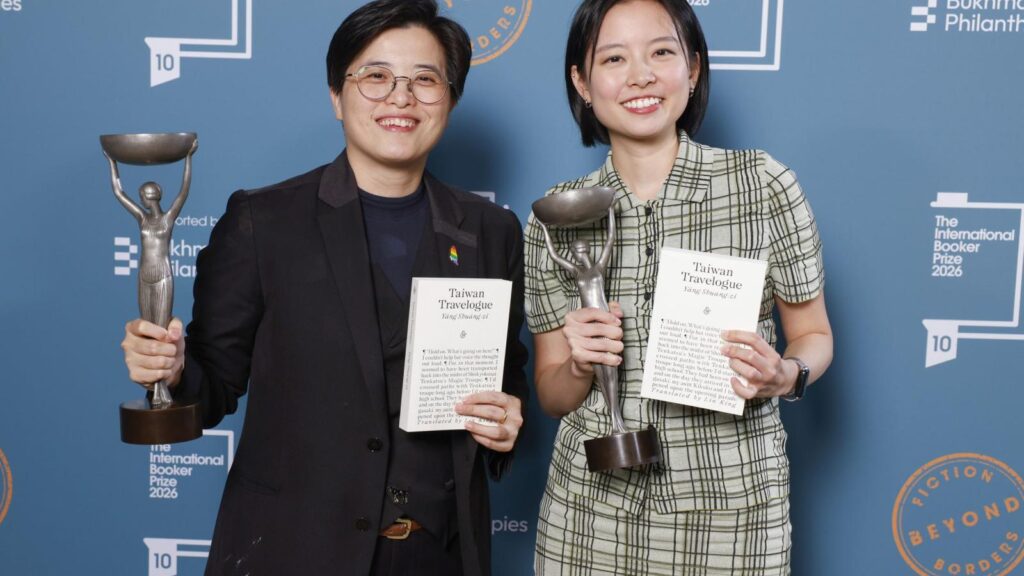
Early this year, the 2026 International Booker Prize was awarded to Yáng Shuāng-zǐ and translator Lin King for Taiwan Travelogue, one of my all-time favorite books, which I reviewed for The POST.
Related story: REVIEW: 2026 International Booker winner ‘Taiwan Travelogue’ is a bittersweet exploration of how power impacts relationships
Related story: Book lovers are planning vacations around their favorite reads
“Writing at its best”
The shortlist of six novels was selected by the 2026 judging panel, composed of Mary Beard, Raymond Antrobus, Jarvis Cocker, Rebecca Liu, and Patricia Lockwood, from a pool of 163 submissions written in English and published in the UK and/or Ireland between October 1, 2025 and September 30, 2026.
“This is writing at its best. There’s plenty to enjoy, some blissful escapism and prose to die for (‘I just wish I could have written that’ kept going through my mind). But there is also plenty here to change the way we see the world, to surprise us and to challenge our certainties,” said Beard, who chairs the Booker Prize 2026 panel of judges.

Among the shortlisted authors are Marlon James and Douglas Stuart. Should one or both of them win, they will join an elite group who have won the prize more than once: J.M. Coetzee (1983 and 1999), Peter Carey (1988 and 2001), Hilary Mantel (2009 and 2012), and Margaret Atwood (2000, 2019/shared with Bernadine Evaristo). Salman Rushdie has been nominated a record seven times, winning once in 1981 for Midnight’s Children
The winning book will be announced on November 9 at a ceremony at Old Billingsgate in London. Until then, let’s get to know these titles a little more.
1. The End of Everything by M. John Harrison
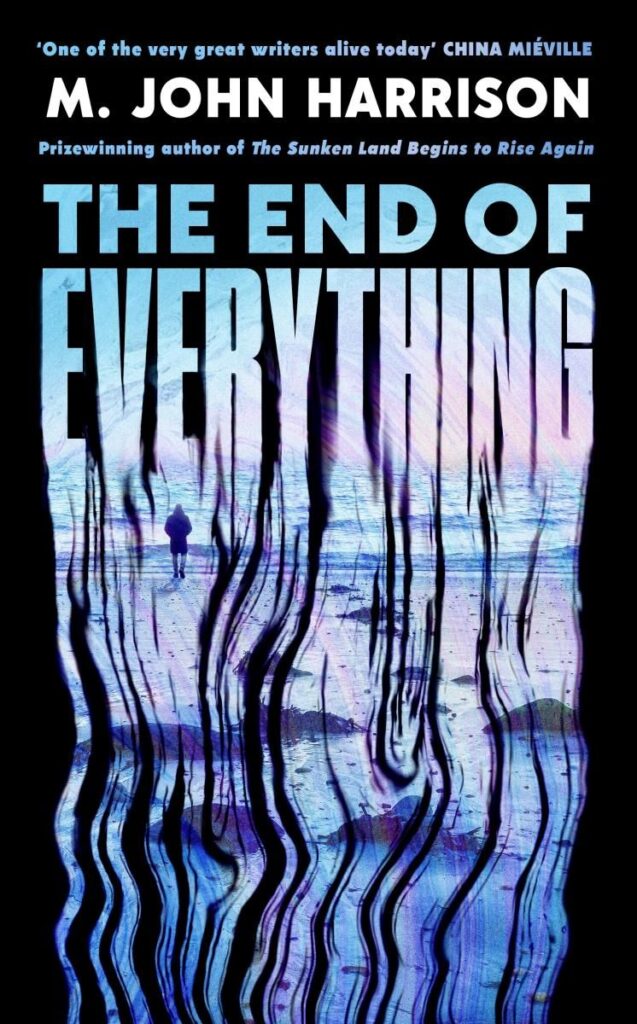

Set along a barren Kent coastline in a near-future, post-apocalyptic Britain, the story follows a beachcomber eking out a living by salvaging and selling debris washed ashore from the English Channel—until he recovers a shape-shifting, sentient artifact. As he tries to find a buyer, the creature begins imitating human speech and behavior, drawing him into a world filled with ruin.
Why you should read it: At 81, M. John Harrison, considered a science fiction master, continues to push the boundaries of speculative fiction. Described by The Guardian as “bleak yet brilliant,” the novel serves as a “slyly satirical and unsettling” examination of the limits of human understanding, balancing atmospheric dread with razor-sharp prose.
Related story: Are we losing the ability to read books?
Related story: To read or not to read…in public
2. The Disappearers by Marlon James
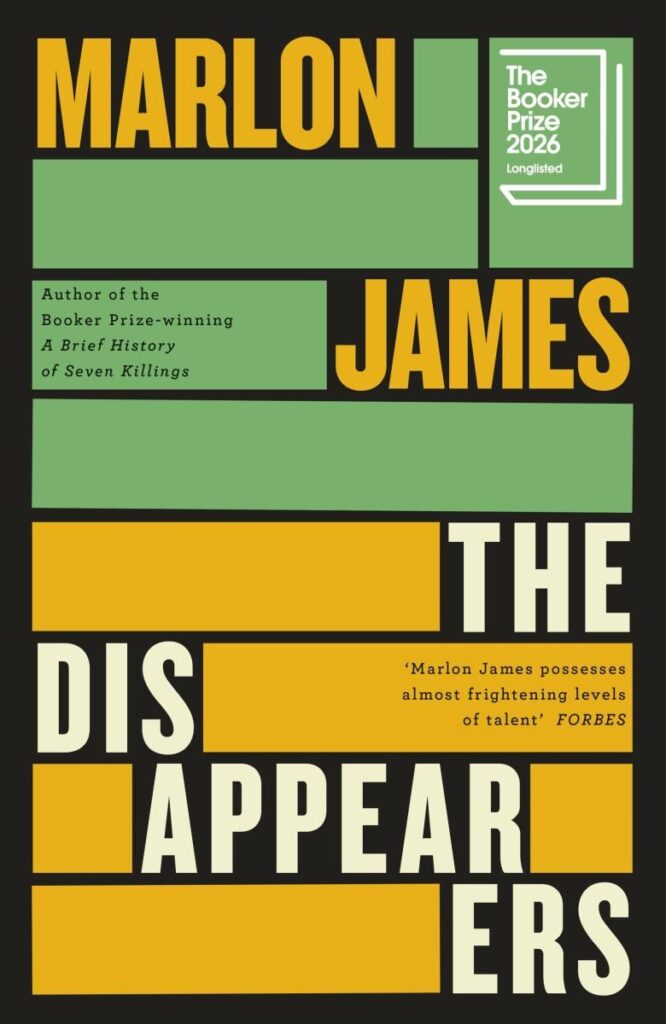
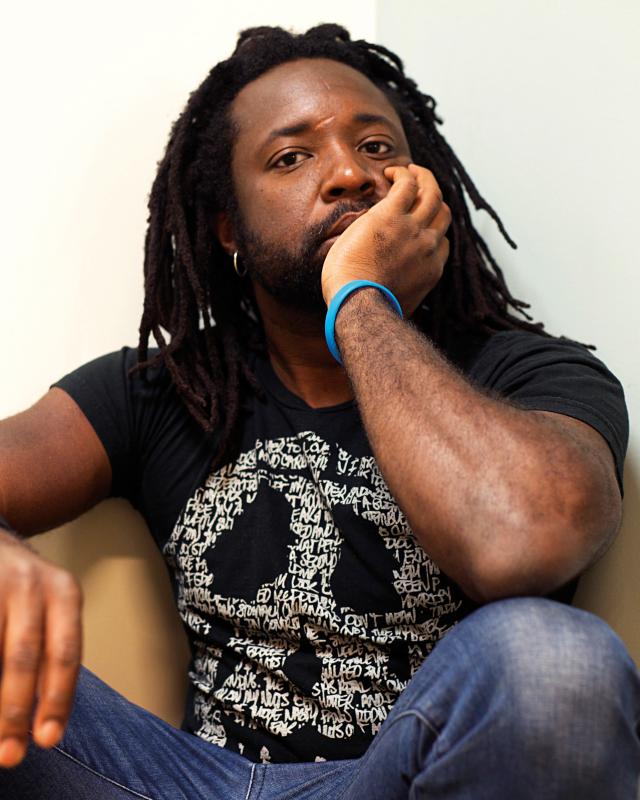
Set in Kingston, Jamaica, in 1988, the narrative centers on the violent mob attack against a group of gay actors rehearsing a play. In the lingering aftermath, the survivors navigate grief, retribution, and survival across decades as they reckon with deep-seated homophobia and the search for missing friends.
Why you should read it: The 2015 Booker winner for A Brief History of Seven Killings returns to late 20th-century Jamaica with a visceral, deeply human story about compromise, survival, and institutional silence. James crafts a masterclass in tension, social history, and emotional gravity, while exposing the realities in his homophobic motherland. The New York Times calls it the “novel of the decade, if not the century.” As my current read, it fully lives up to the hype—its hefty 600-plus pages might not even be enough!
3. Black Bag by Luke Kennard
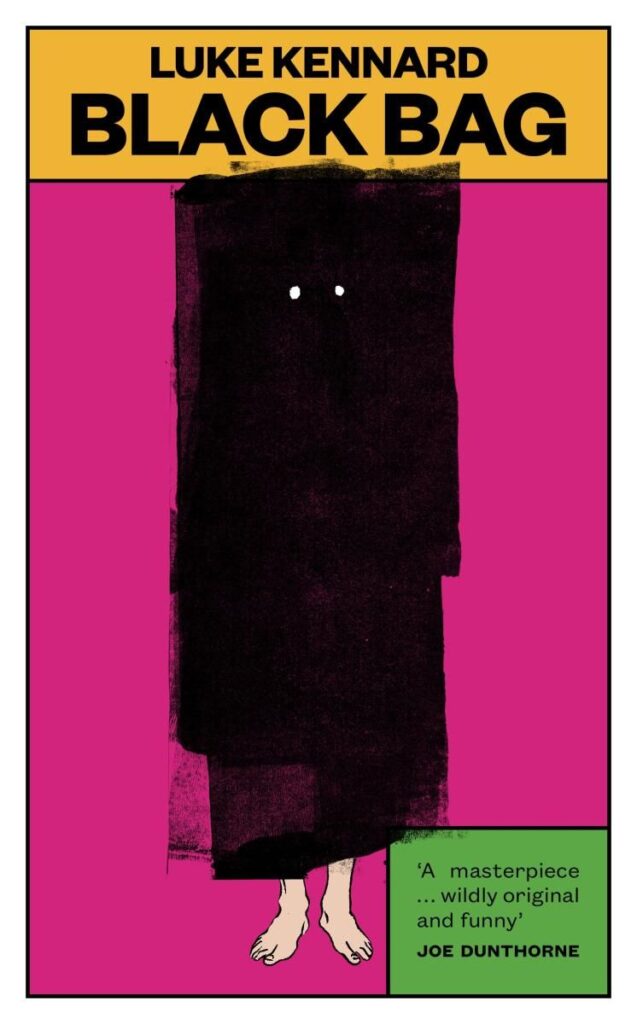


Inspired by a real 1967 psychological experiment testing the “mere-exposure effect,” an out-of-work actor accepts a paid gig to attend university lectures zipped inside a giant black leather bag. As simple campus curiosity turns into intense scrutiny, the performance morphs into a bizarre and thought-provoking look into identity, loneliness, and public perception.
Why you should read it: Kennard turns an absurd premise into a brilliant campus satire, crisis-of-masculinity study, and a quirky love story. The Booker Prize jury describes it as “blazingly funny,” while also being discomfiting and surprisingly tender in its exploration of human identity and passion.
4. May We Feed the King by Rebecca Perry
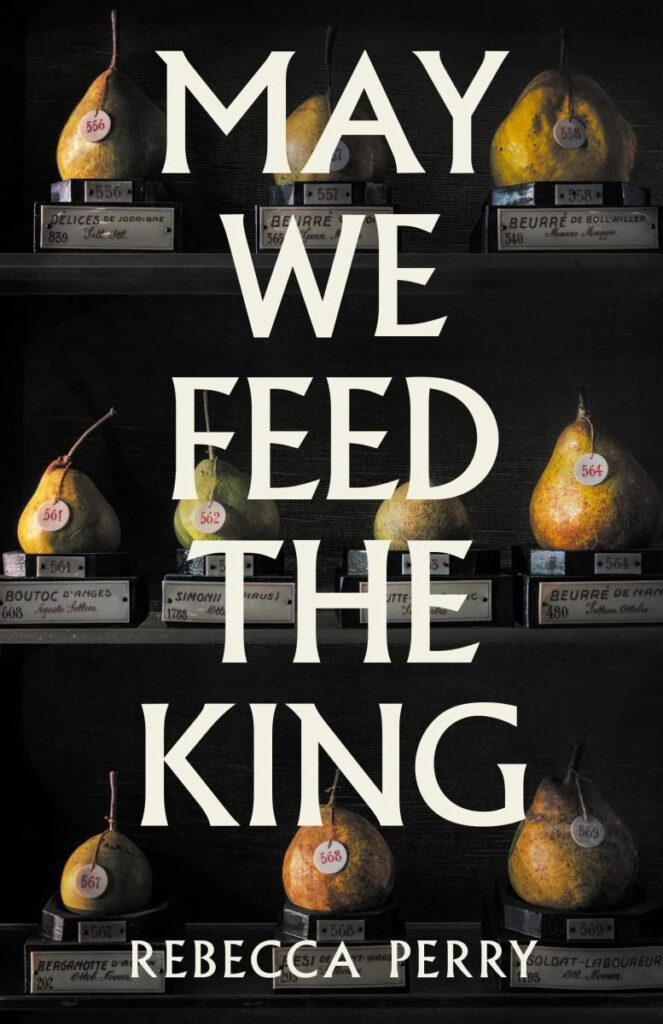

Alternating between a medieval court and modern-day London, this novel follows a young woman unraveling the mysterious history of a king forced to reign during a devastating famine. As her research uncovers long-buried secrets, both timelines reveal the power of memory, resilience, and human connection in times of crisis.
Why you should read it: The sole debut novel on this year’s shortlist, poet Rebecca Perry delivers an ingenious—and at times playful—meditation on power, history, and storytelling. It is a story that compels us to reflect on a question many of us ask in the quiet of the night: What truly gives life meaning?
Related story: 5 translated books that deserve a spot on your shelf
Related story: Four must-visit bookstores in Kuala Lumpur for all the bibliophiles out there
5. The Things We Never Say by Elizabeth Strout
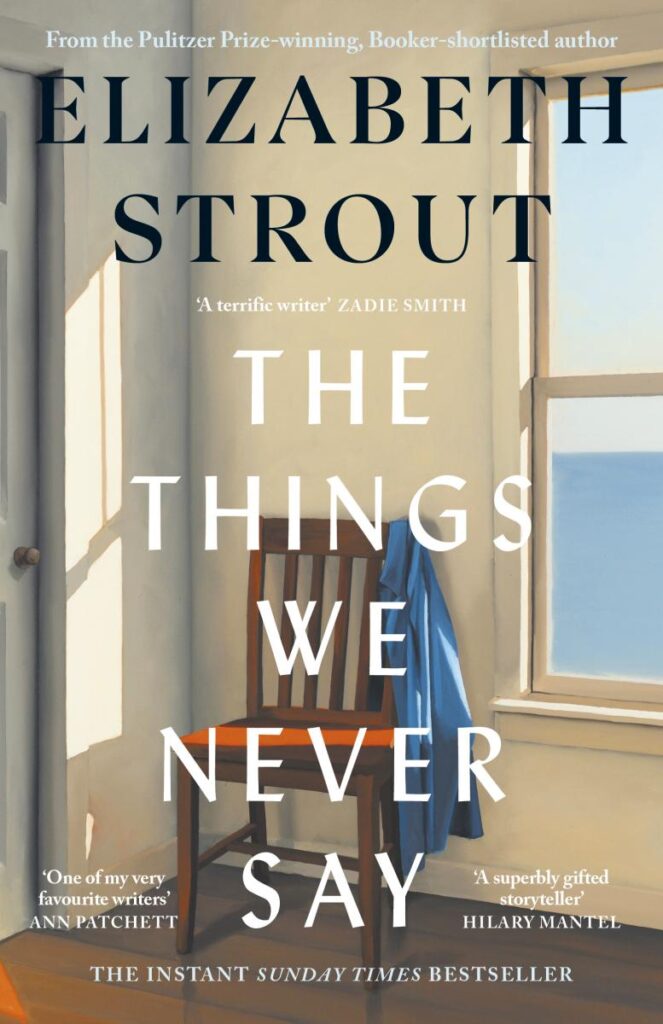

Set in a quiet New England town, this moving novel follows a high school teacher whose structured life falls apart when a long-buried family secret comes to light. As old wounds reopen and community tensions rise, she must choose between protecting her comfortable routine and confronting painful truths about the past.
Why you should read it: Strout’s mastery of contemporary realism shines as she explores the impacts of grief, the comforting power of true friendship, and the freedom found in unburdening ourselves from deep secrets. It is a deeply affecting work on the intricacies of domestic life and the complex labyrinth of our inner worlds. This marks Strout’s third Booker Prize nomination.
6. John of John by Douglas Stuart
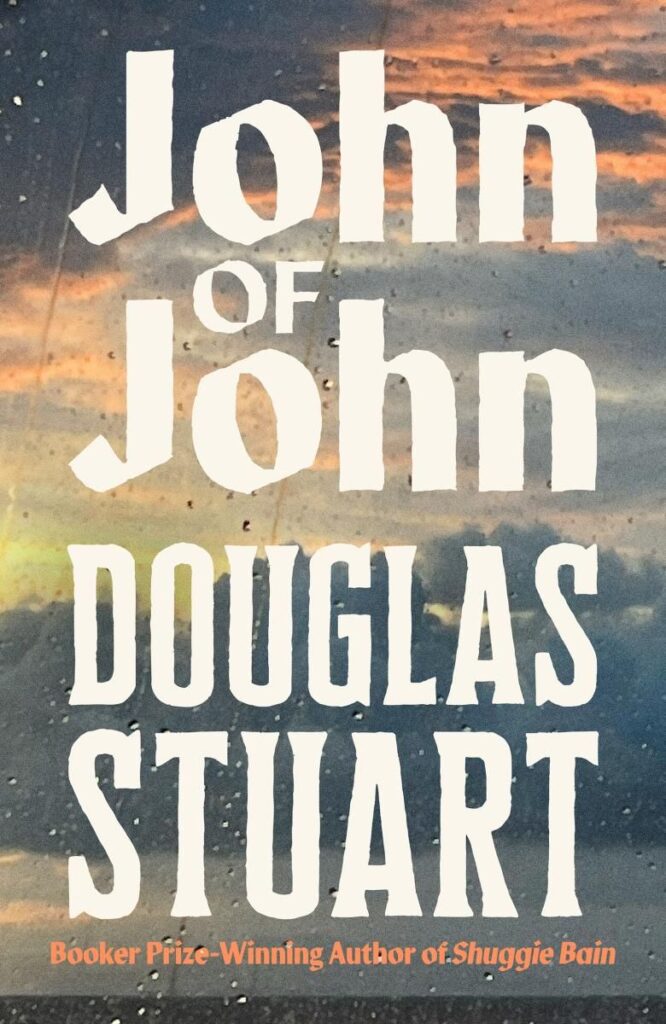

Set in the 1990s on a remote Scottish island in the Outer Hebrides, a father and son who share the same name and the same weight of buried shame navigate religious obligation, family ties, and small-town secrets. As old tensions resurface, they are forced to reckon with hidden truths and find a way to heal.
Why you should read it: The 2020 Booker winner for Shuggie Bain returns with a heartbreaking yet joyful exploration of identity and familial expectations. At its heart, the novel explores the friction and unspoken love between a father and son who seem worlds apart. As the Booker Prize jury noted: “John of John confirms Douglas Stuart as one of the great British writers at work today.”
Related story: Going to the beach? Here are eight books to read under the sun
Related story: To read or not to read…in public