
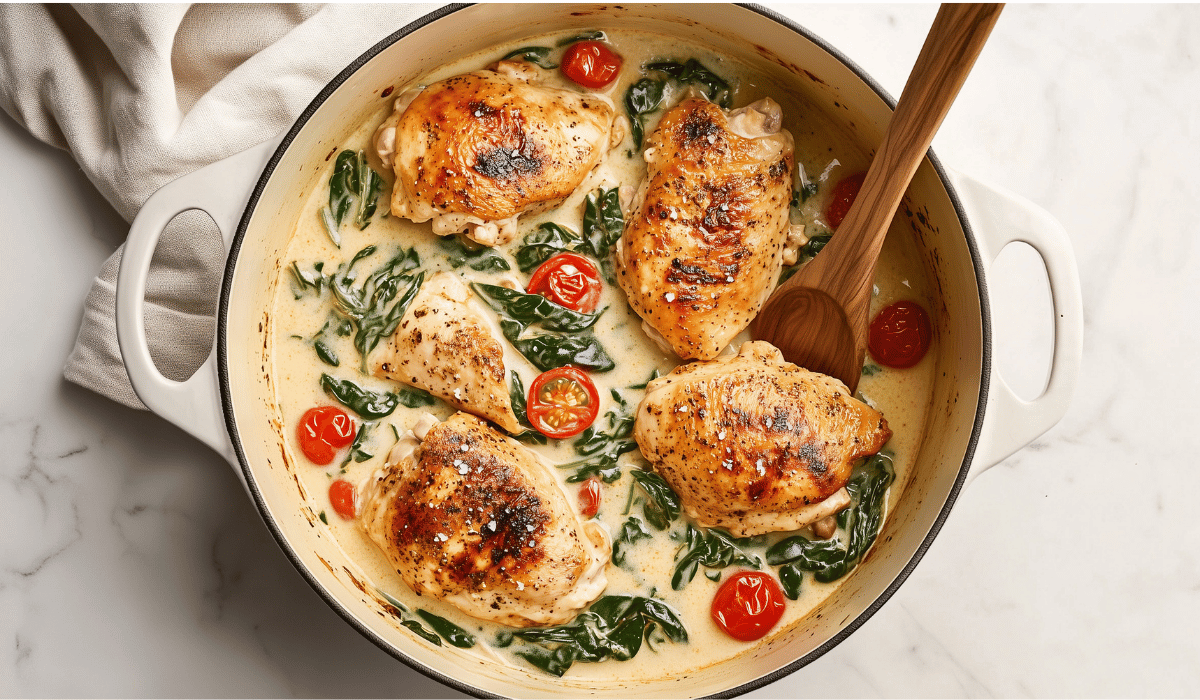

Chicken may be one of the most familiar ingredients on the Filipino table, but familiarity can sometimes make us forget just how much it can do.
Beyond the usual fried chicken, grilled pieces or that comforting bowl of tinola, poultry can take on the flavors of almost any cuisine, shift from everyday fare to festive centerpiece, and offer a practical source of protein without demanding complicated cooking techniques.
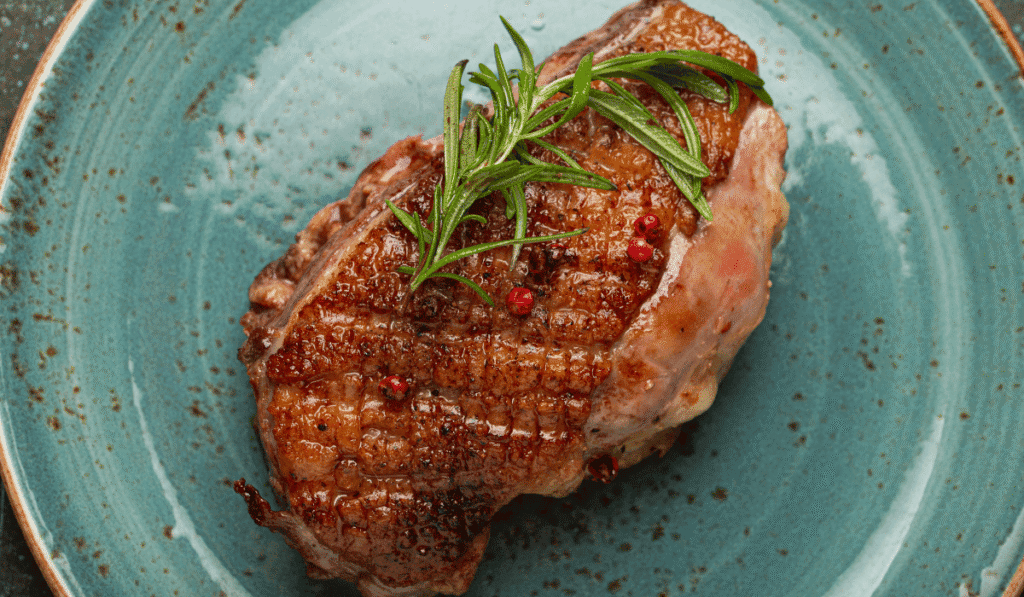
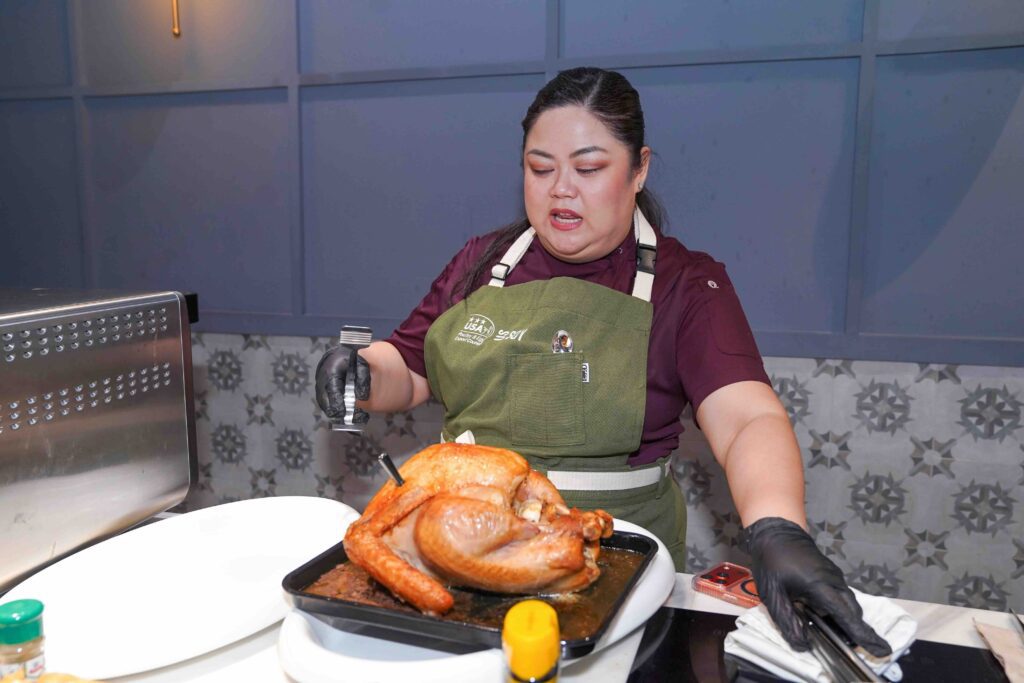
That wider view of poultry came into focus during a recent culinary showcase by the USA Poultry & Egg Export Council (USAPEEC). The event brought together chefs Kalel Chan, Sonny Mariano, Ivory Vaksman, Miguel Valdez, and JM Sunglao to explore US chicken, duck, and turkey through different dishes, techniques, and culinary traditions, making the most of an ingredient that is versatile, nutritious, and accessible. Turkey was presented in rendang, duck was a salad ingredient, and chicken was given Asian flavors through karaage and laksa.
Related story: Seafood 8 by Olio’s elevates seafood dining in Quezon City
Related story: Tory Burch brings The Romy Bakery to the Philippines
Poultry prep
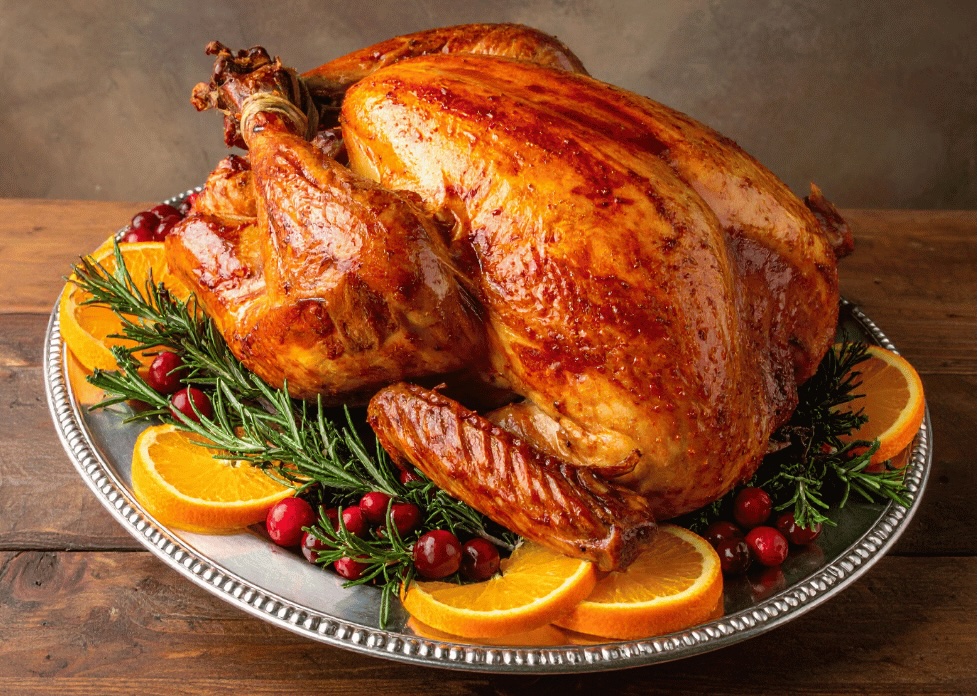
“Poultry is a versatile source of high-quality protein,” says nutritionist Jo Sebastian, pointing out that it provides all nine essential amino acids needed by the body. She adds that, as there are many ways to prepare it, poultry is particularly useful when variety is important in a person’s diet.
Sebastian believes that variety is vital because people often fall into the habit of eating the same things over and over. “It’s really about having that variety,” she said, noting that poultry can help provide that variety because there are different cuts and different ways of preparing it.
The versatility of poultry also makes it easy to build a more complete meal around it. Sebastian recommends thinking of poultry as the protein component, then adding a carbohydrate source, vegetables or other produce for fiber and nutrients, and appropriate fats, seasonings, and flavor. The Filipino favorite tinola fits into this framework, bringing together chicken with sayote or green papaya, malunggay, ginger, and other aromatics; its eventual calorie content depends largely on how it is prepared and how much oil and other ingredients are used.
For processed poultry products, Sebastian recommends paying attention to the nutrition label, taking into consideration sodium, saturated fat, added sugar, and other ingredients that can change the nutritional profile considerably. “Processing is not necessarily bad. Chopping, grating and cooking are all forms of processing, and some methods can even make certain nutrients easier to absorb. What matters is the nature of the process and how much processed food forms part of the overall diet.”
For all its convenience, poultry still requires care in the kitchen. Raw poultry can carry pathogens, making proper handling, storage, and cooking essential. Sebastian emphasizes thawing poultry safely, keeping hands and preparation surfaces clean, and avoiding cross-contamination between raw poultry and other foods.
It is equally important to pay attention to storage and cooking temperatures. Leftovers should not be left out for extended periods, while poultry needs to reach an appropriate internal temperature. Vaksman recommends using a thermometer, particularly for larger birds such as turkey, where cooking evenly can be more challenging.
Cuts above the rest
The nutritional conversation around poultry often becomes overly focused on chicken breast, largely because it is lean and high in protein. But Sebastian’s explanation offers a more balanced way of looking at the different cuts. She explains, “White meat usually has less fat, but the dark meat has more iron; it has more zinc. So, it’s not necessarily bad versus good, but understanding what you want in terms of your nutrition.”
Chicken breast remains an efficient protein choice. In the examples discussed at the event, 100 grams of roasted chicken breast meat contains approximately 165 calories, 31 grams of protein, and 3.5 grams of fat. But that does not mean that other cuts should automatically be off the menu. Thighs, drumsticks, and wings are generally classified as dark meat, with the difference in color associated with myoglobin.
Even removing the skin, often done by people watching their calorie intake, is more of a choice rather than a nutritional commandment. “It’s not necessary for you to do that,” Sebastian says. Removing the skin is simply one way of lowering calories and fat while retaining the protein.
The secret to a better chicken breast
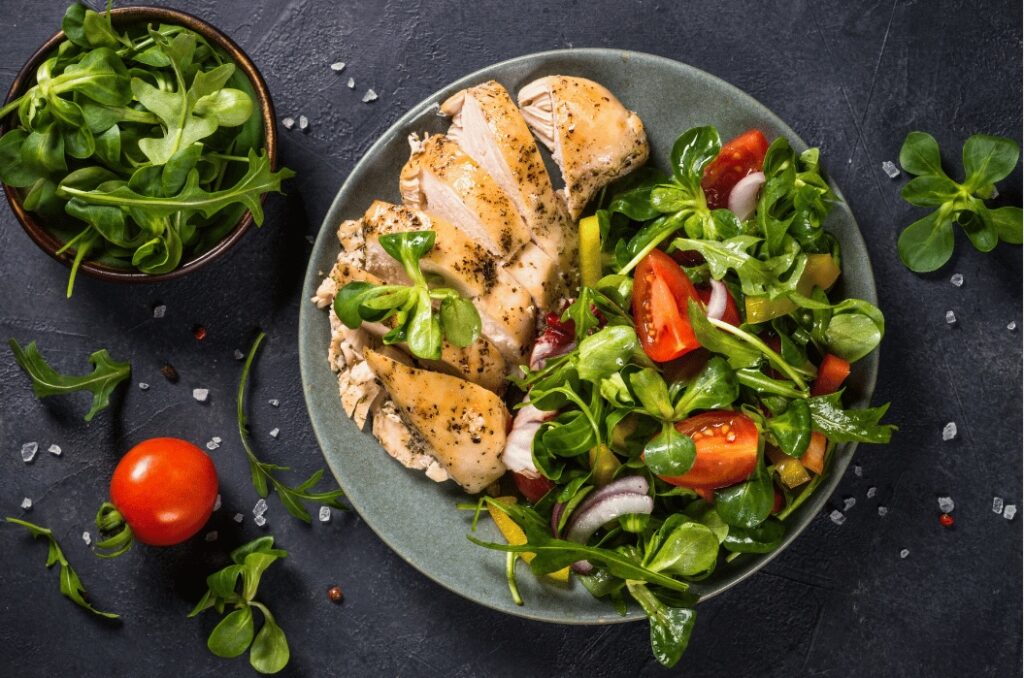
For those who opt for chicken breast, there is the familiar challenge of keeping it from becoming dry. Chef Kalel Chan’s answer begins well before the chicken hits the pan. “Number one is brining,” he said, explaining that the breast should be submerged in a seasoned liquid with aromatics for at least four hours. Don’t brine it overnight, he cautions, because that is already curing and you will end up with chicken that is pink inside. The brined chicken should also be thoroughly patted dry before searing or roasting. He also suggested sous vide as another option, noting that the same brining approach can be used for turkey.
Chef Ivory Vaksman has another trick. “My secret is milk,” she says, recommending that chicken breast be marinated in milk for one to four hours. According to Vaksman, the technique helps tenderize the meat while the natural sugar in the milk contributes to caramelization and a crust during cooking.
Sebastian’s advice is less about a particular technique and more about making healthy eating sustainable. “What a lot of people tend to miss when they go on a diet is they don’t add flavor. Add some sauce, add some flavor, herbs, seasonings. There are many ways to spice it up.” And just as important, she adds, “Don’t rely only on chicken breast. Try the other cuts. Try the other poultry as sources of protein.”
Related story: World Cellar: Where everyday Filipinos can start their wine journey
Related story: The latest menu of Cantabria by Chele González captures the essence of summer
Related story: After 14 years of saying no, Yushoken finally says yes