
This design trend keeps your space full of spirit without losing sight of luxury, creativity, and cohesion.
For many years, minimalism has convinced us that good taste came in beige. Kindercore, however, keeps the bright hues happening in homes. Cute and deliberately childlike, this design direction trades restrained rooms for spaces that seem to smile in sweet saturation.
The term “Kindercore” gained traction around the turn of the decade, with Architectural Digest describing the aesthetic through color blocking, coordinated shapes, and strong geometric gestures.
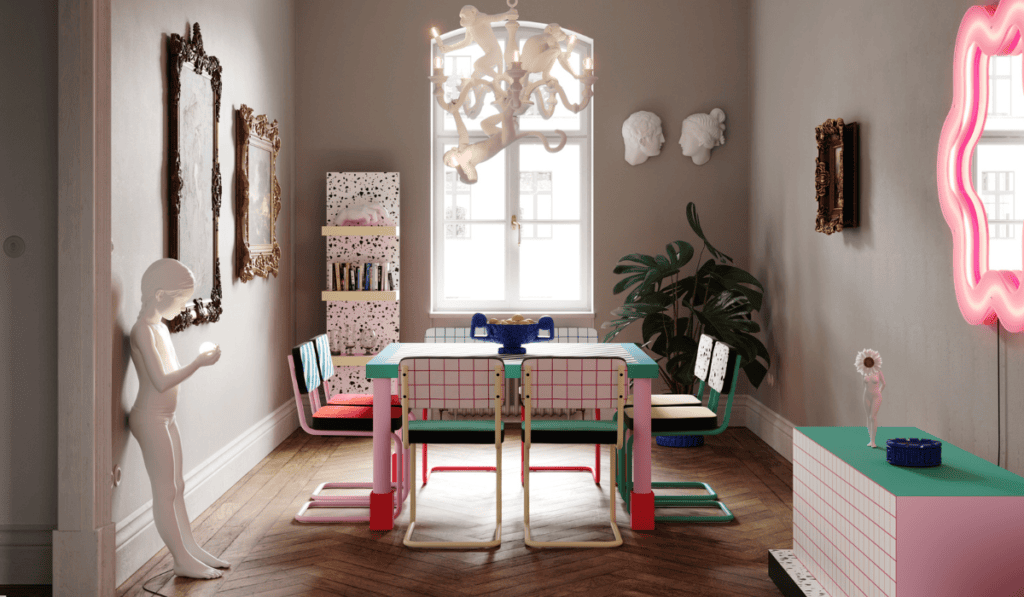
Its visual vocabulary also repeats motifs reminiscent of Bauhaus and Memphis Milano, two breakthrough movements marked by their commanding colors and fanciful forms. The aesthetic may look more lighthearted than the average adult appeal, too, but its building blocks borrow from serious design history.
Discover the five features that make this style instantly identifiable:
Color is the main catch
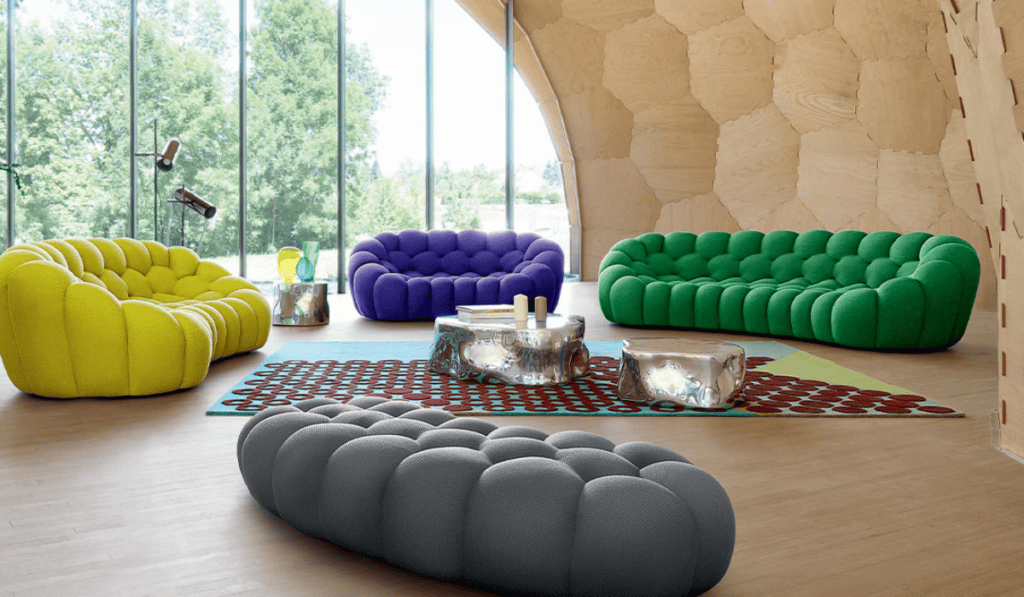
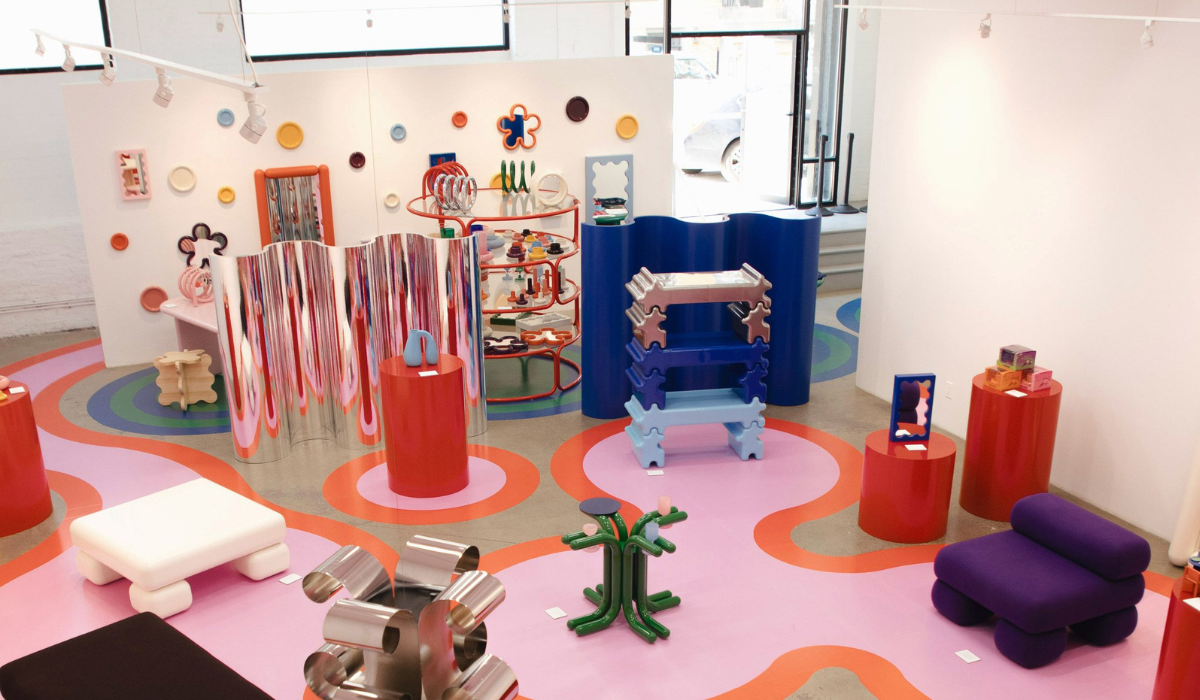
Pastels and neons are practically Kindercore’s calling cards. Instead of the muted interiors associated with modern minimalism, the approach embraces full-fledged expression. It often brings contrasting colors beside one another—from thoughtfully selected tones on walls to accents, furniture, homeware, and finishing touches. The result then renders a carefully curated, punchy color play.
Curves replace corners
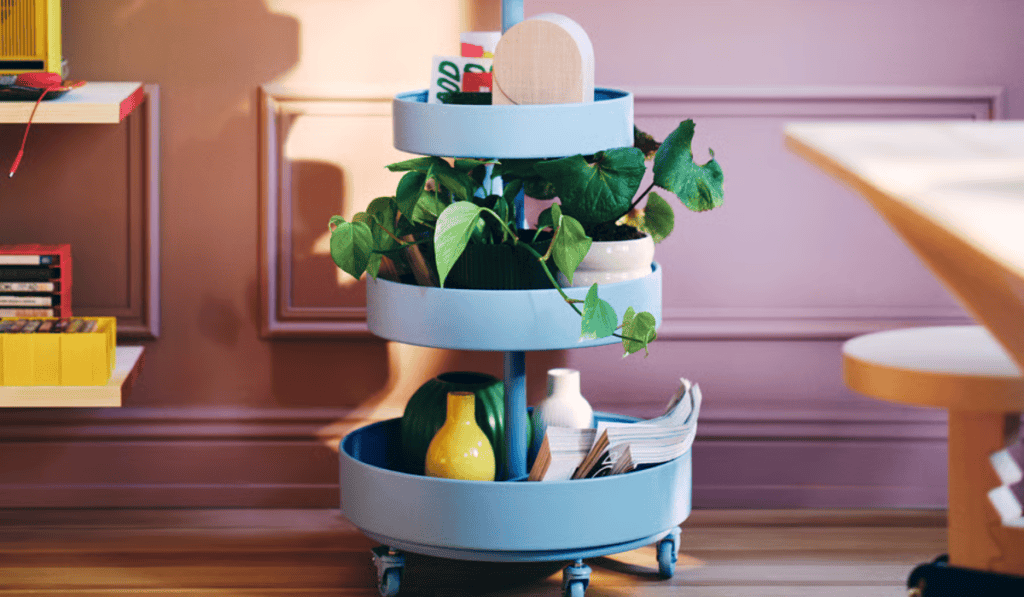
Kindercore rarely takes the regular straight and narrow. Stylistically, it favors rounded formats such as bulbous sofas, tubular chairs, circular tables, and loud, sculptural lighting. The preference overlaps with the present appetite for neotenic architecture, which is characterized by curvaceous, inflated-looking items that encourage tactility, comfort, and emotional connection.
Geometry gets a piece of the puzzle
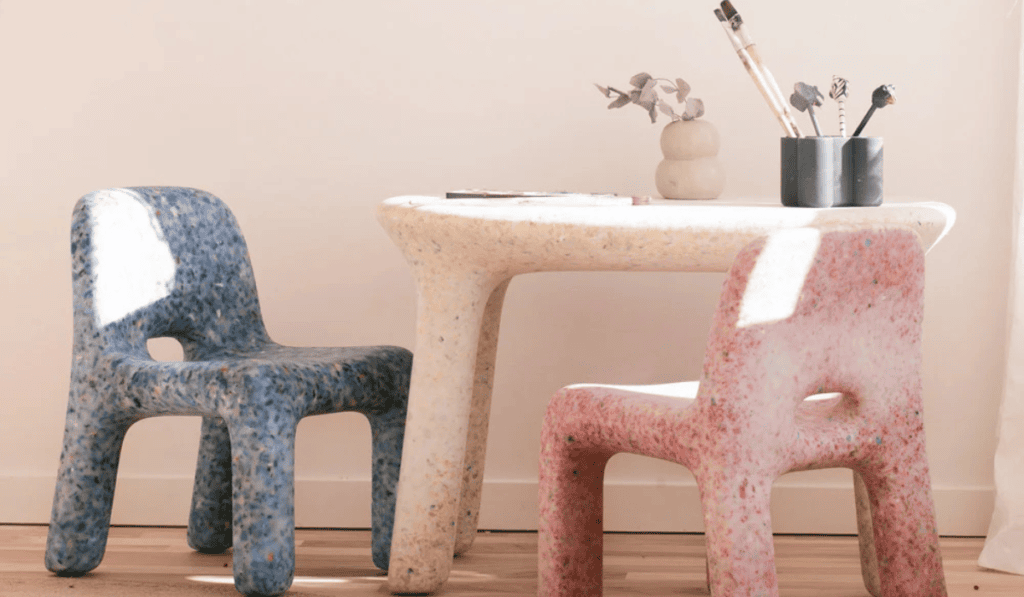
Circles, arches, cylinders, blocks, and blobs bring playful geometry and gleeful proportions into the picture. The idea is to veer away from visuals that are familiar and traditional, supersizing or deconstructing shapes until something unique and functional feels like a toy. It is largely this combination of tactile shapes and strong colors that caters to our instinct for visual interest.
Furniture becomes a friend
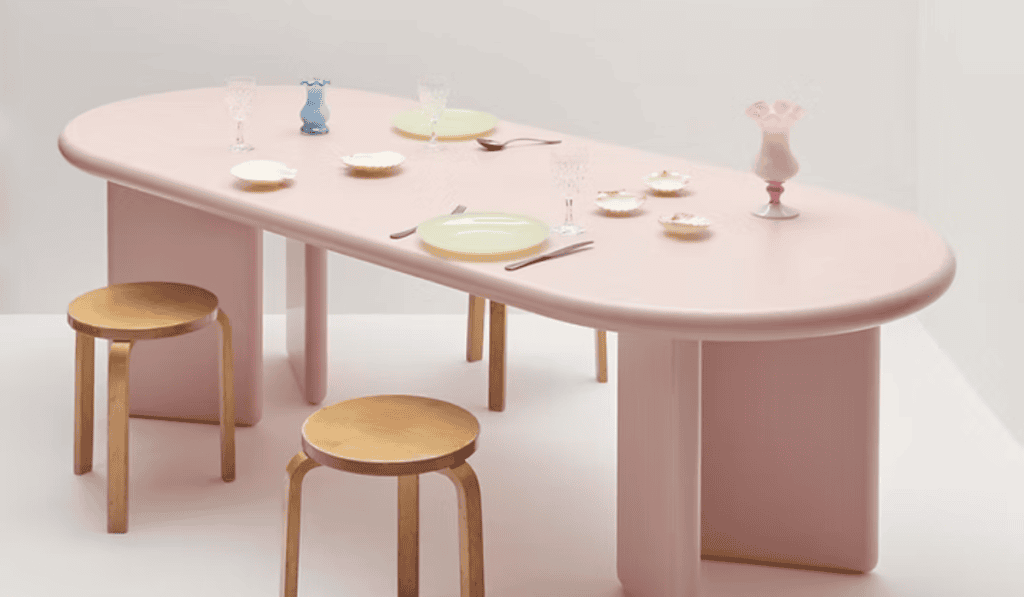
A chair doesn’t have to conventionally behave like a basic layout. In Kindercore, functional furnishings become focal features, whether via vivid volumes, an exaggerated backrest, or an eccentric irregularity. Interiors can feel cartoonish without getting strictly childish, letting an otherwise grown-up space loosen its collar.
Joy is part of the job
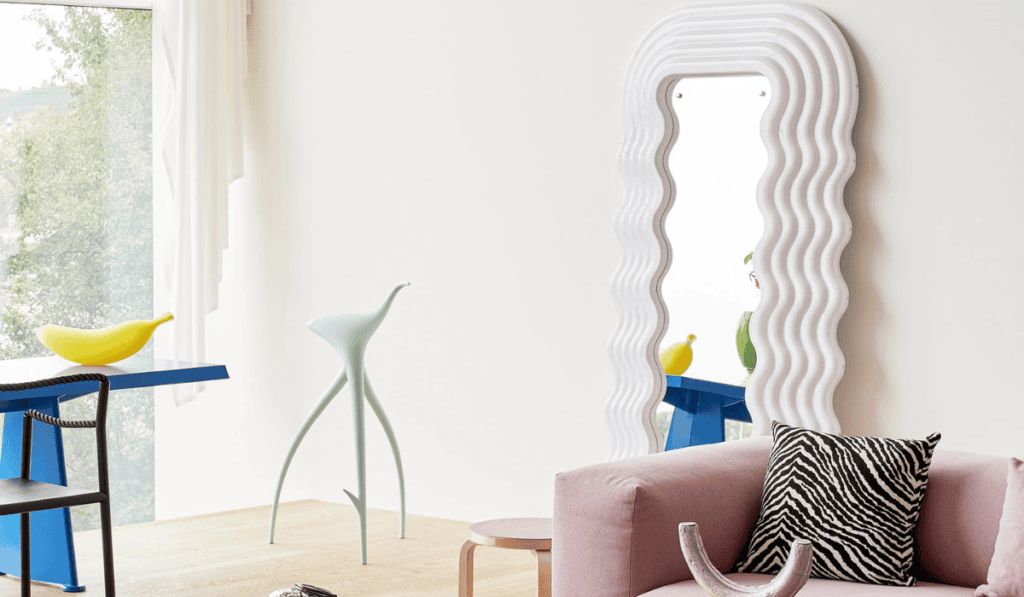
Perhaps Kindercore’s core philosophy is playfulness with purpose. Where minimalism favors restraint, Kindercore permits personality: something silly, surprising, or simply strange yet satisfying. That thoughtful mindset feels relevant as contemporary interiors increasingly center comfort, character, and interaction over inhibition.
Kindercore, however, does not demand turning a bedroom into a toy box.

A cobalt couch, curious cabinet, or chunky centerpiece can carry enough character to shift a space without sacrificing sophistication. More than a mood, the movement makes room for wonder within routine. It guarantees that good design can be clever, dynamic, and spirited without sacrificing substance.
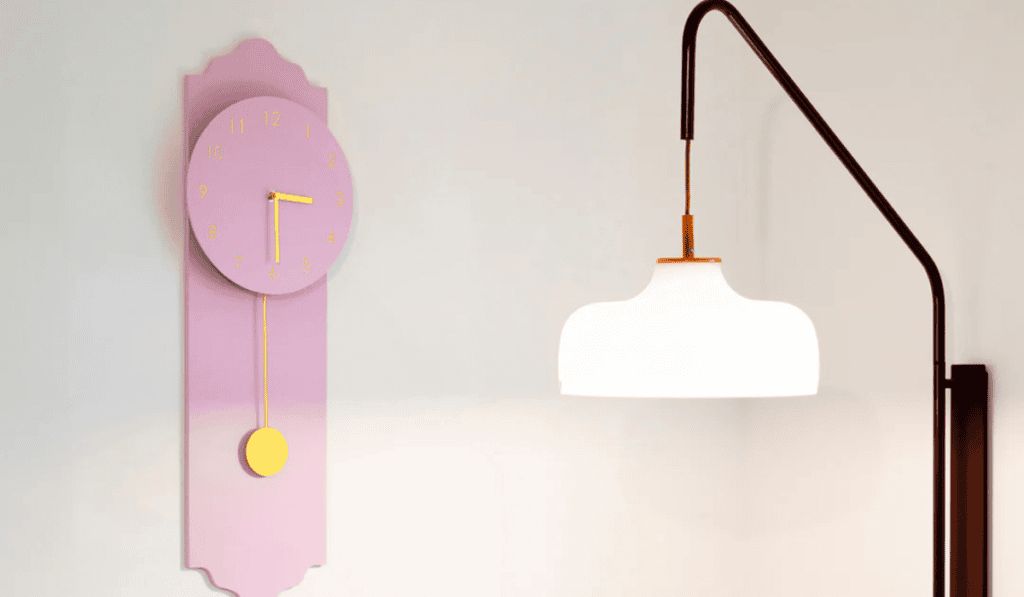
Growing up, after all, doesn’t mean our decor and dwellings have to grow up with us.
Related story: How design influences what we feel, do, and remember
Related story: Millennial beige is out. Playful design is back (thank God)