
A smarter wash routine, properly dried roots, and occasional deep cleansing can help keep your scalp healthy when the weather is hot, humid, and unforgiving.
A good hair day can make you feel instantly more capable, even if your life is currently powered by iced coffee, calendar reminders, and sheer delusion. But Korean beauty culture keeps reminding us of one important thing: healthy hair starts at the scalp.
In Korea, hair care has moved far beyond the usual shampoo-conditioner routine. Scalp treatments, head spas, tonics, exfoliation, steam, massage, and even microscopic scalp checks are now part of a beauty culture that treats the scalp almost like the face. The logic is simple: the scalp is skin too, and when it is oily, congested, dry, itchy, or irritated, the hair eventually tells on you.
That matters even more in a tropical country like ours, where heat and humidity are part of daily life. Sweat, oil, pollution, styling products, dry shampoo, and dandruff triggers can build up quickly, especially if you commute, work out, spend time outdoors, or simply exist in Manila weather.
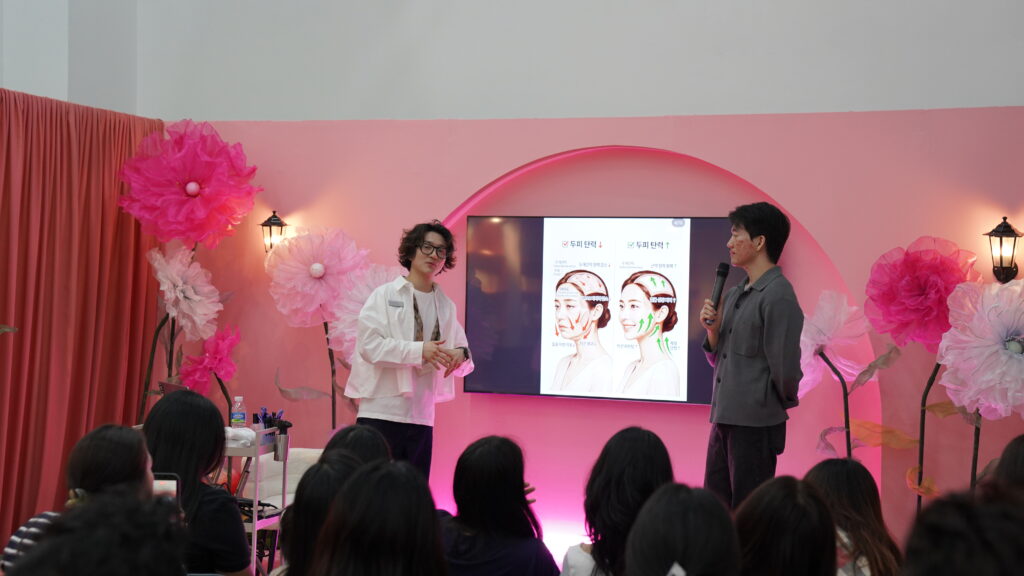
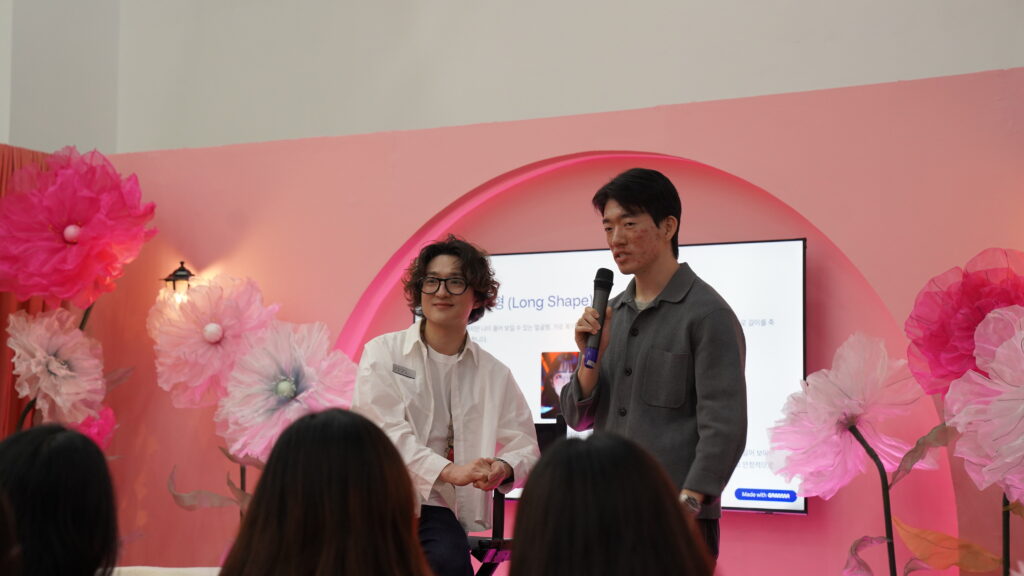
At a recent hairstyling workshop at K-Beauty Week in the Korean Cultural Center PH, hair expert Director Sean from Juno Hair explained why scalp care is something we shouldn’t neglect.
Related story: Experts reveal how celebrities get their gorgeous hair
Related story: Your hair needs a skincare routine, too!
In Korea, scalp care is treated like a serious beauty step
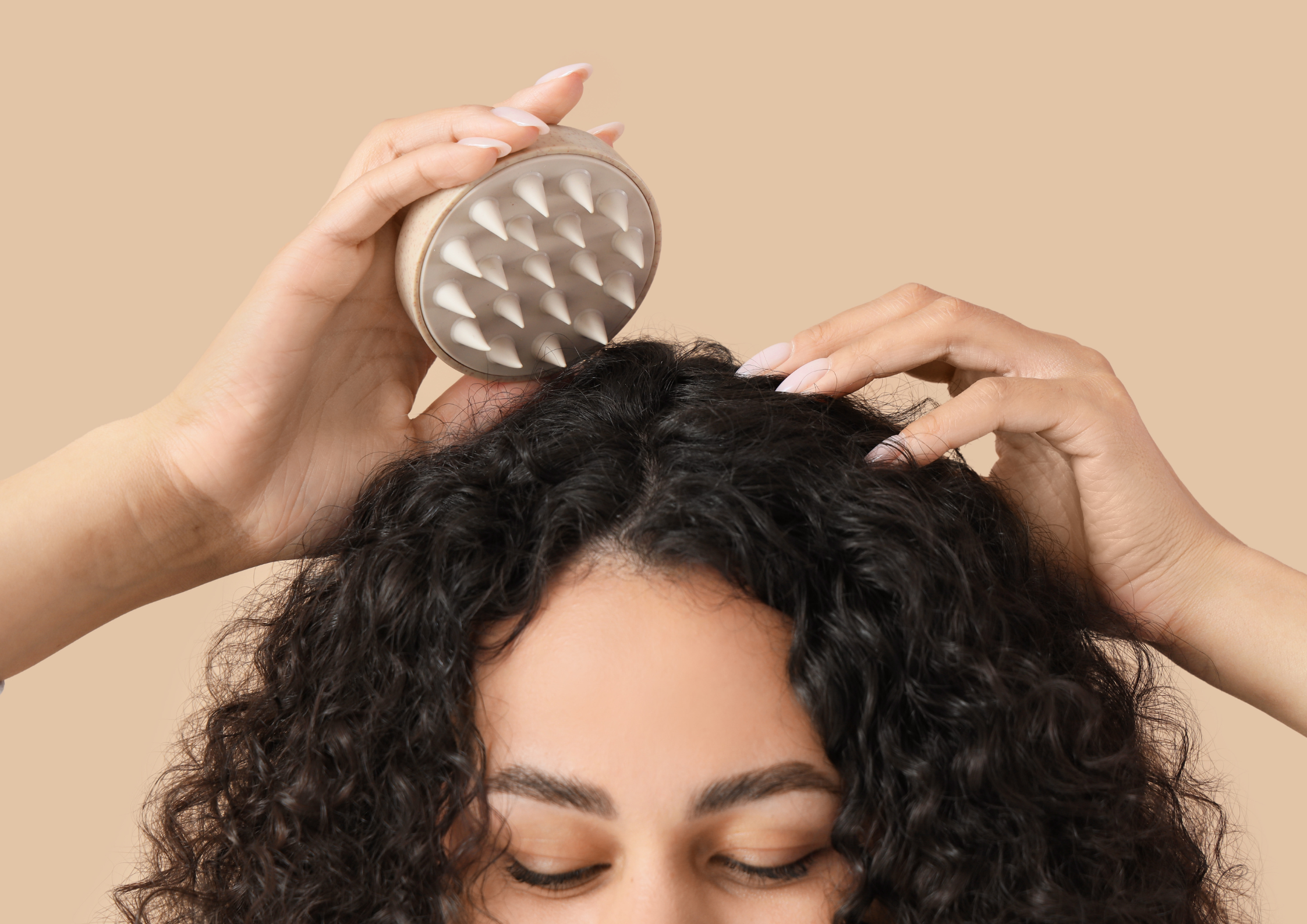
Part of Korea’s beauty influence comes from how detailed its approach can be. In Seoul, scalp treatments have become an entire wellness experience. Some treatments can include scalp diagnosis, oil massage, exfoliation, steam, shampoo, scalp tonic, massage tools, and styling. The idea is not only to make the hair look better after one appointment, but to reset the scalp so the hair has a cleaner, healthier base.
This growing interest is not limited to Korea anymore. Globally, scalp care has become one of beauty’s newer obsessions, with scalp serums, scalp massagers, and head spa treatments gaining attention across social media and salon menus. Still, experts caution that scalp care should be practical. If there are serious symptoms like sudden hair loss, painful irritation, wounds, or persistent flaking, it is better to see a dermatologist than rely on salon treatments alone.
For everyday maintenance, however, Korea’s scalp-first mindset is especially useful for us Filipinos. Our weather can make the scalp sweaty and oily fast, which is why scalp care should not feel like an extra step.
Should you wash your hair every day?
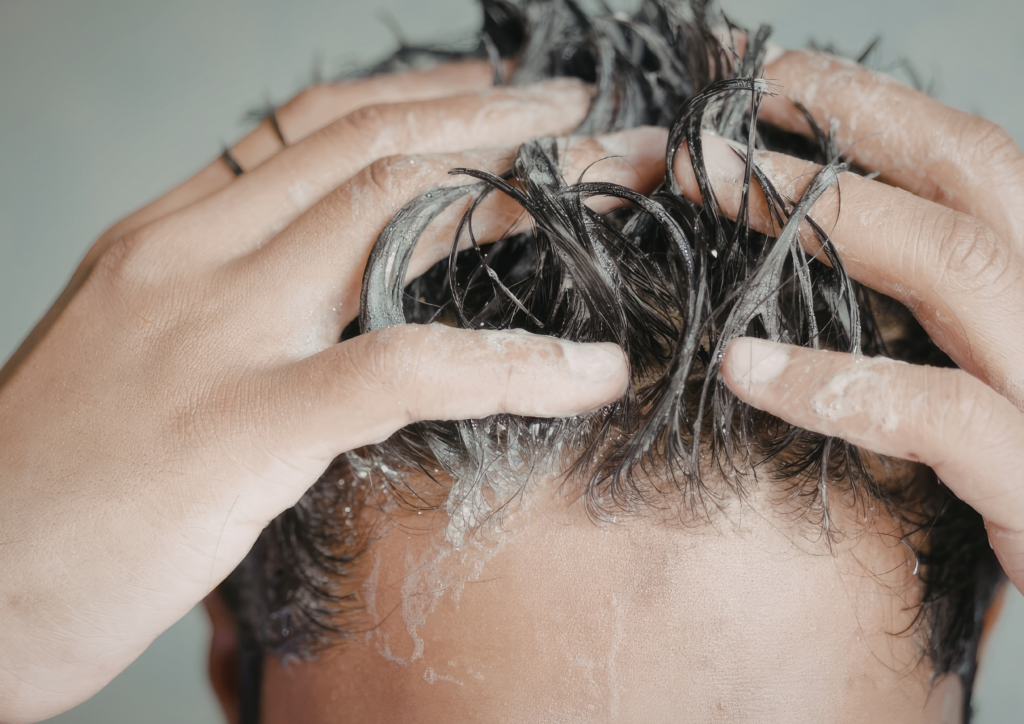
The old beauty advice usually sounds like this: do not wash your hair every day because it will strip your natural oils. Director Sean offered a more practical view. From the Korean perspective, washing often is not treated as something automatically damaging. It is part of hygiene, especially after going outside.
“Koreans have this idea that once they step out of the home, they’re already polluted,” he said. “Even though they just go to the corner store, the convenience store, they have to take a bath.”
He also shared that many Koreans bathe in the morning and evening. Some people, especially celebrities who deal with styling, schedules, and cameras, may even wash their hair more than once a day.
“But when we see them, do we feel that they have worse scalp and worse hair and worse skin than us? No,” he said. “If we wash often, take care of ourselves often, we’ll be more beautiful.”
The key is context. If you sweat a lot, have an oily scalp, use styling products, work out, commute, or spend time outdoors, your scalp may need more frequent cleansing. Instead of asking whether daily washing is good or bad, ask what your scalp went through today. If it feels oily, itchy, sweaty, heavy, or less than fresh, it probably needs a wash.
The non-negotiable step: dry your scalp properly
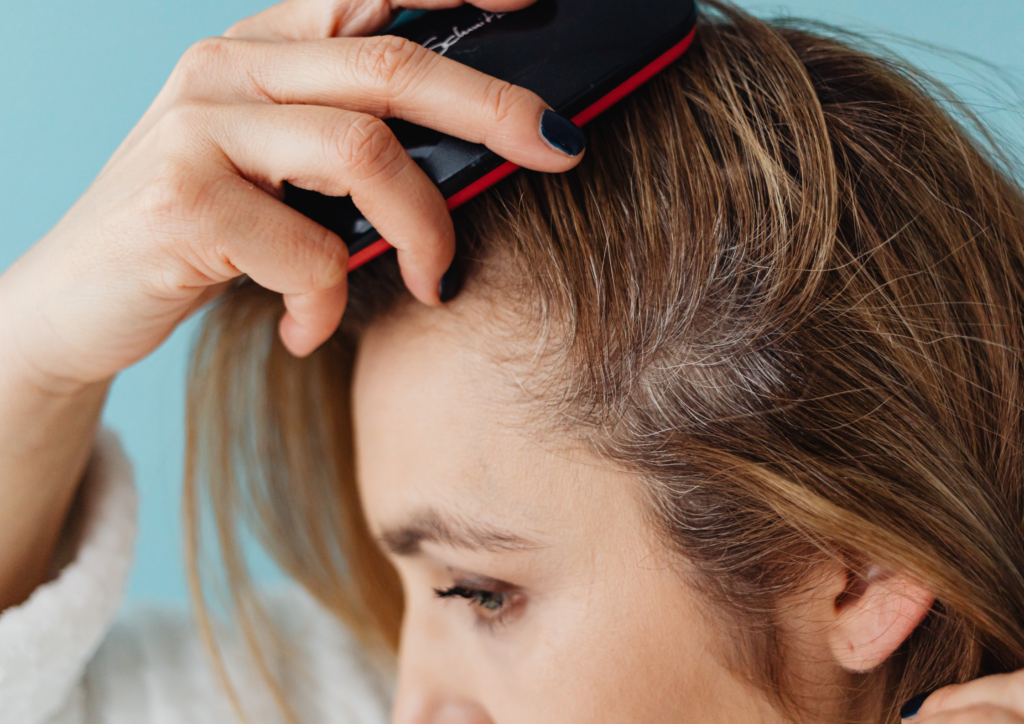
Here is where things get very practical. If you wash your hair at night, do not sleep with a damp scalp. Director Sean was clear about this. “After you take a shower in the evening, wash your hair in the evening, you have to dry it well,” he said.
In a humid climate, hair can take longer to dry. When the roots stay damp for hours, the scalp can feel uncomfortable, itchy, oily, or heavy. You do not need to blow-dry your hair into a full salon finish, but make sure the roots and scalp are dry before bed.
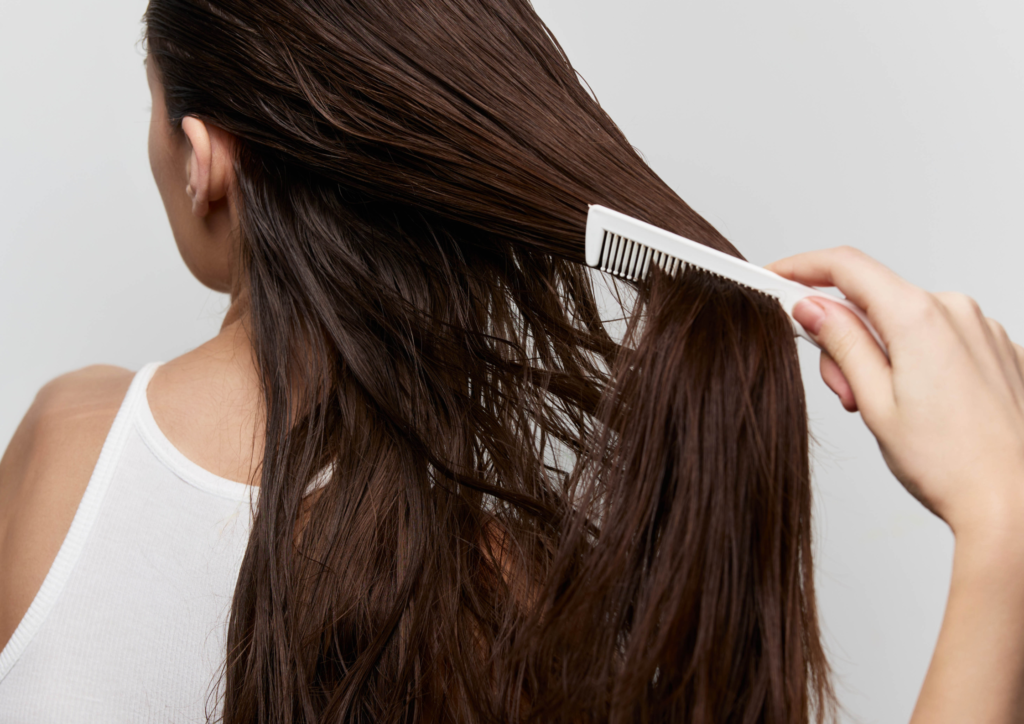
The easiest method: gently towel-dry first, avoid aggressive rubbing, then use a blow-dryer on a comfortable setting focused on the roots. The ends can air-dry if your hair type can handle it, but the scalp should not stay wet while you sleep.
The simple routine: shampoo, treatment, scalp tonic
When asked for an ideal daily hair routine, Director Sean kept it simple. “Good shampoo, good treatment, and good scalp tonic,” he said.
That is the whole framework. No 15-step regimen needed.
Start with shampoo for the scalp. Shampoo is meant to cleanse the roots, remove oil, sweat, and buildup, and help keep the scalp comfortable. Then use conditioner or treatment on the mid-lengths and ends. Your scalp may need cleansing, while your ends may need softness, slip, and repair. If your scalp gets greasy easily, avoid putting rich conditioner directly on the roots.
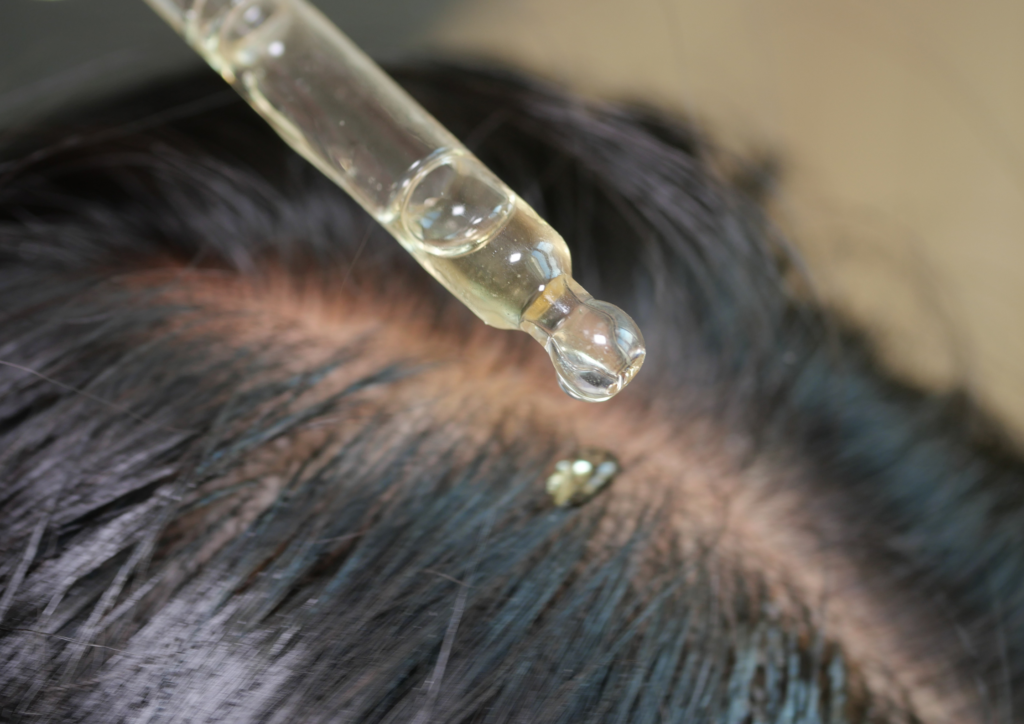
After washing, apply scalp tonic right away when the hair is still slightly damp. Think of it like skincare for the scalp: cleanse first, then apply treatment.
Detox and deep cleansing
In Korea, scalp treatments often include a deep-cleansing step. Director Sean described it as a way to “reset” the hair and scalp.
“When people wash their hair, wash their face, sometimes we need deep cleansing,” he said. “We all have this service where we reset the hair. We call it the detox.”
For Filipinos, this does not mean running to a salon every week. It simply means understanding that buildup is real. Sweat, oil, dry shampoo, leave-in products, hair spray, sunscreen near the hairline, and pollution can sit on the scalp. Over time, regular shampoo may not always feel like enough.
A clarifying shampoo or gentle scalp exfoliant can help once in a while, especially if your hair feels heavy, flat, greasy too quickly, or dull even after washing. The catch is not to overdo it. Too much exfoliation can irritate the scalp, especially if you already have flakes, redness, wounds, or sensitivity. Think of detoxing as occasional maintenance.

How often should you get a scalp treatment?
When asked how often people should get professional scalp treatment, Director Sean said it depends on the person.
“For those who have a lot of time, ample time, they usually come back to get it twice a week or once in two weeks,” he said. But for regular maintenance, once a month is a more realistic rhythm. “Depending on the scalp, depending on the hair of the person, it may last from three to six weeks,” he said. “So once a month.”
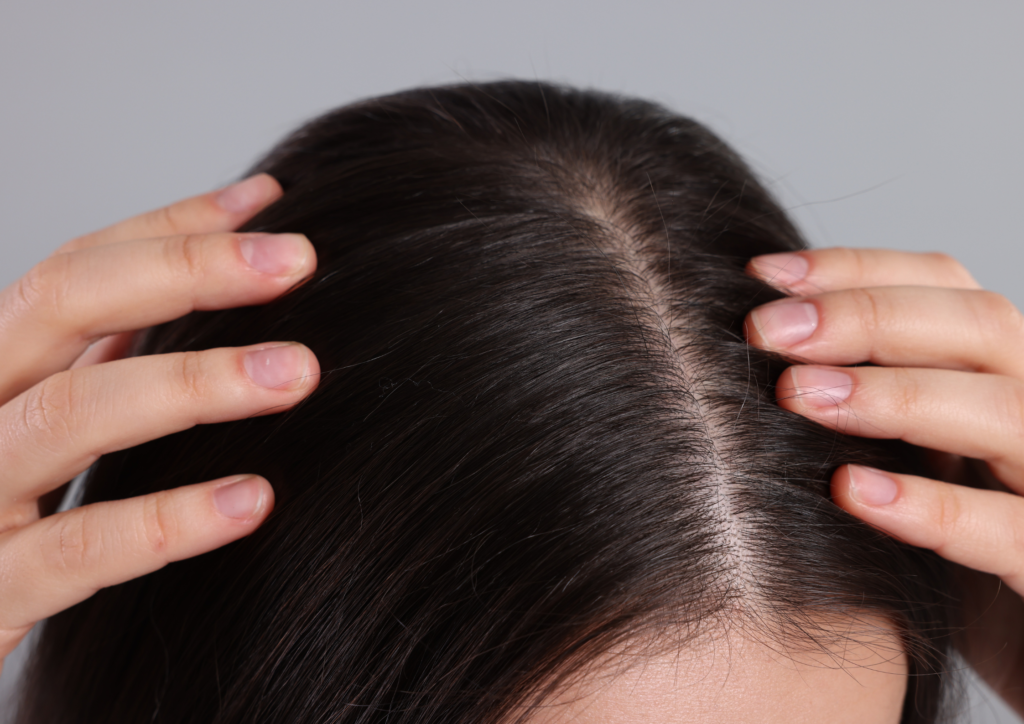
That timing is applicable for the average Filipino who wants maintenance. Consider a scalp treatment when your scalp feels congested, oily, itchy, flaky, or heavy despite regular washing. It may also help after heavy styling, frequent heat tools, beach trips, travel, or summer events where your hair has gone through sweat, sun, and product buildup.
What you should look for in scalp products
You do not need every viral scalp serum, massager, tonic, mist, and scrub on your feed. In fact, adding too many products can cause more buildup or irritation.
For our weather, start with the basics. Choose a shampoo that matches your scalp. If your scalp gets oily quickly, you may need a shampoo that cleanses well without making the hair feel stripped.
Director Sean also mentioned that some Korean hair care routines try to be mindful of ingredients like silicones and glycerin, especially for people whose scalps easily feel heavy, oily, or congested. The point is not that these ingredients are automatically bad. Silicones, for example, can help smooth hair, reduce frizz, and create a protective coating, but some types may build up if the hair is not washed properly. A review on silicones in hair care notes that prolonged use of water-insoluble silicones, including dimethicone, can lead to accumulation on the hair shaft.
Glycerin is also not the enemy. It is a humectant, which means it helps attract and hold moisture. That can benefit dry or frizzy hair, but in very humid weather, it may draw too much moisture into the hair for some people, making strands feel puffy, frizzy, or harder to manage.
Use treatment or conditioner where your hair actually needs it, usually the mid-lengths and ends, not the scalp. Add scalp tonic only if it fits your routine.
Be careful with heavy oils too. They may work for some hair types, but on oily or dandruff-prone scalps, too much oil can feel suffocating and may worsen buildup.
Scalp care sounds fancy but at its core, the idea is practical.
Cleanse when your scalp feels oily or heavy, dry your roots properly, keep conditioner on the mid-lengths and ends, and avoid layering on too many products. A professional treatment can help when your scalp feels congested, but persistent dandruff, itching, or irritation is worth bringing to a dermatologist.
Because yes, hair is our crowning glory. But even the best crown needs a healthy place to sit.
Related story: Stay glowing: the summer beauty edit you need this season
Related story: Subtle statements: 5 finest fragrances for hair