
The ink is barely dry on the Versailles agreement signed June 16, but travel planners, airlines, and tourists are already asking the same question: what happens now?
After nearly four months of conflict that grounded flights across the Middle East, rerouted global shipping, and stranded travelers from Dubai to Doha, the ceasefire offers the first real hope of normalcy. Here’s what to expect as the industry begins its recovery.
Airspace reopening: A gradual process
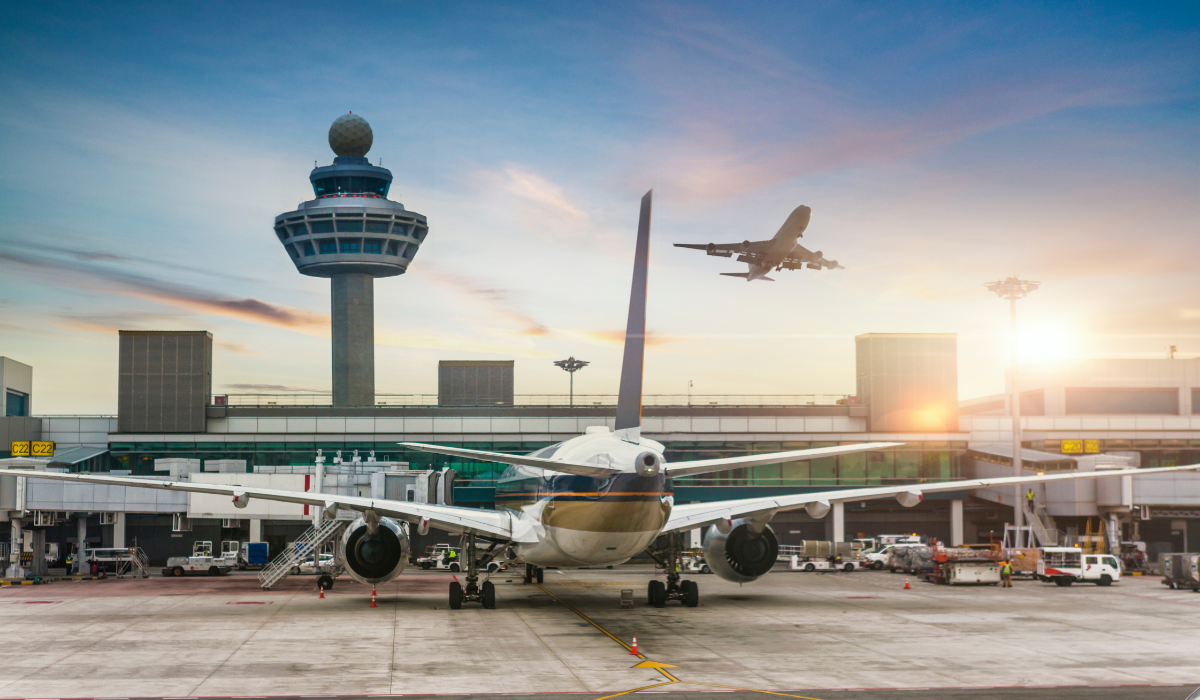
The war’s most immediate impact was on aviation. Dubai International Airport—one of the world’s busiest hubs—was damaged by drone strikes in early March and operated at reduced capacity for weeks. Flight paths between Europe and Asia were severely disrupted, with carriers forced into costly detours around Iranian and Gulf airspace.
With the agreement now in place, airspace restrictions are expected to ease incrementally over the coming weeks. Airlines will need time to resume normal routing, rebuild schedules, and restore staff and equipment to regional hubs. Travelers should expect:
- July to August: Limited resumption of flights through Gulf airspace; capacity constraints and higher fares persist.
- September onward: Fuller schedules as airlines restore pre-war frequencies, though some routes may lag.
Fares and availability: Relief on the horizon
Jet fuel costs spiked during the conflict, and airlines passed those increases on to passengers. With the Strait of Hormuz reopening to commercial traffic and oil markets stabilizing, airfares should begin to soften in the third quarter—though a return to pre-war pricing may take until late 2026.
For now, travelers booking summer trips should:
- Book flexible tickets where possible; schedules remain fluid.
- Monitor airline announcements for restored routes and flash sales as capacity returns.
- Consider indirect routings if direct Gulf connections remain limited.
Middle East tourism: Cautious optimism
The war halted tourism across the region almost overnight. Hotels in Dubai, Abu Dhabi, and Doha saw mass cancellations; cruise lines rerouted away from the Persian Gulf entirely.
Recovery will be uneven:
- UAE and Qatar are likely to rebound fastest, leveraging established infrastructure and aggressive marketing.
- Saudi Arabia’s Vision 2030 tourism push faces a credibility test after the conflict exposed regional security vulnerabilities.
- Jordan, Oman, and Egypt—less directly affected—may capture travelers still wary of Gulf destinations.
Industry analysts also expect Middle East inbound tourism to reach 60–70% of pre-war levels by year-end, with a full recovery extending into 2027.
Winners from the disruption
Not every destination suffered. Southern Europe and select North African markets absorbed demand from travelers seeking safer, more affordable alternatives. Greece, Portugal, and Morocco all reported stronger-than-expected bookings in spring 2026.

As Gulf travel normalizes, these substitution destinations may retain some of their newfound visitors—but should brace for competition as Middle East hubs fight to win back market share.
What travelers should do now
- Reassess postponed plans. If you shelved a trip to Dubai, Oman, or the wider Gulf, now is the time to revisit. Early bookers may find deals as hotels and airlines court returning customers.
- Stay flexible on dates. The first few months of recovery will be bumpy. Build buffer days into itineraries in case of delays or schedule changes.
- Check travel advisories. The US State Department and other governments will update their guidance as conditions stabilize.
- Watch for insurance exclusions. Some policies written during the conflict may still carry war-related exclusions; review terms before booking.
The bigger picture
The Versailles agreement ends the active conflict, but its aftershocks will ripple through global travel for months. Airlines must rebuild, airports must repair, and travelers must regain confidence. The second half of 2026 will be a period of gradual normalization, not instant recovery.
Still, for an industry that has weathered pandemics, volcanic ash clouds, and now a major regional war, the outlook is clear: travel adapts, and travelers return.
Related story: When travel crosses the line: What recent tourist incidents in Asia reveal
Related story: How the Middle East conflict is reshaping travel across Asia