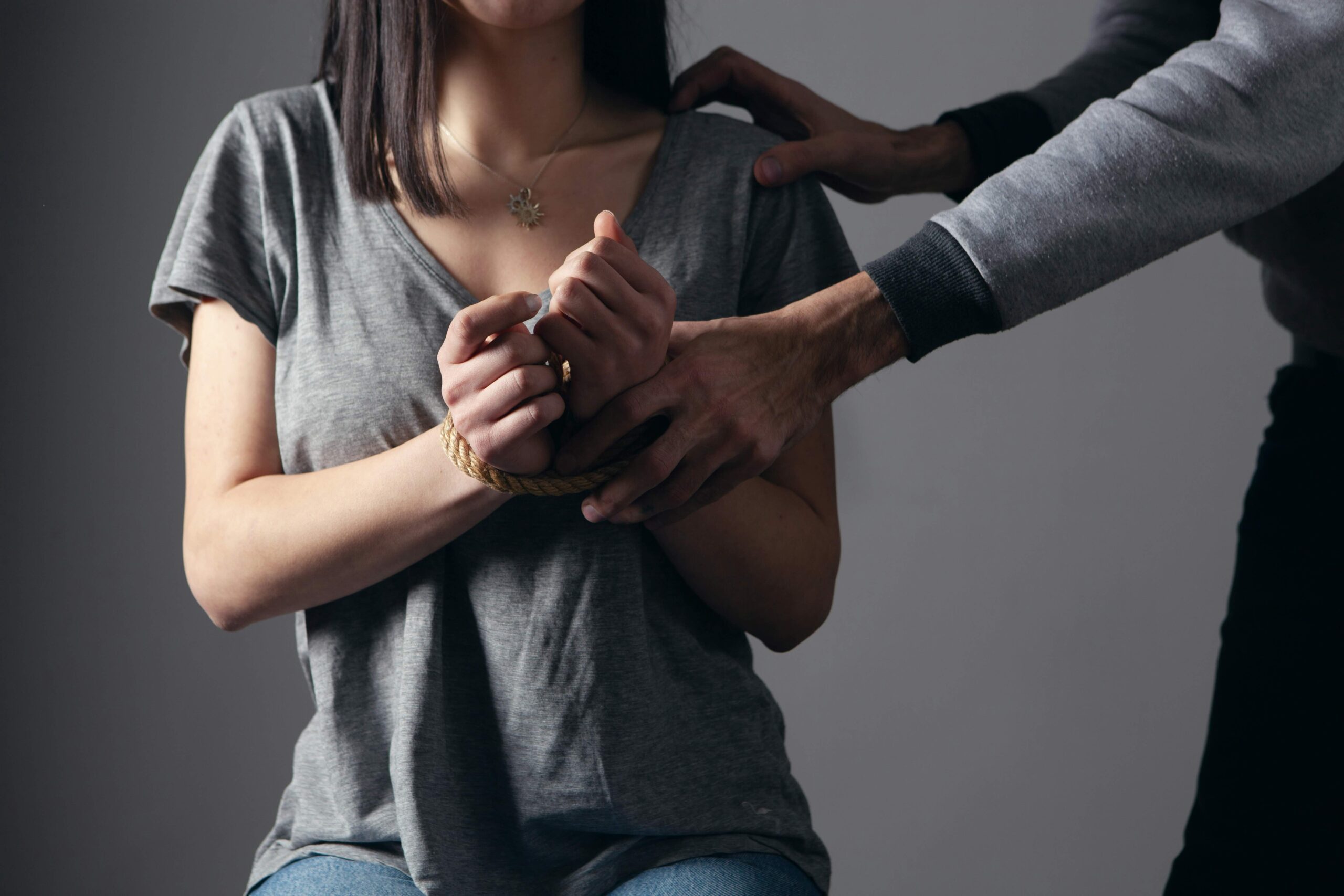

Behind the alarming headlines and heartbreaking statistics lies a complex cycle of harm that extends far beyond the physical.
In late October, two women came forward about years of abuse by the police officers they lived with. On October 22, a woman told the National Police Commission (NAPOLCOM) that her partner, a staff sergeant, had repeatedly beaten and threatened her over nearly six years. Five days later, on October 27, a teacher from Mindanao filed an administrative complaint against her live-in partner, a police corporal, accusing him of physical abuse over nearly nine years.
Both cases left me shaken, and they are likely only part of a much bigger and much darker story: for every woman who speaks up, many more stay silent.
The numbers show how widespread the problem is. According to 2023 World Health Organization (WHO) estimates, roughly one in three women globally—about 840 million—experience physical or sexual violence from a partner or non-partner in their lifetime. About a quarter of women aged 15 and older who have been in a relationship have faced intimate partner violence (IPV), with adolescent girls at particularly high risk, as over 20% of partnered 15- to 19-year-olds have already been victimized.
In the Philippines, a 2025 WHO report estimates that 7.2 percent of Filipino women aged 15 to 49 have experienced physical or sexual abuse from a husband or male partner at least once in their lifetime. In 2023 alone, police received 8,055 reports under the Anti-Violence Against Women and Their Children (VAWC) Law, and advocates say many cases never reach authorities.
Behind these statistics lies a complex cycle that goes beyond physical harm. To better understand domestic violence, we must first look beyond the headlines and examine how abuse quietly takes root within the home.
Related story: Autism is not a punchline. Cruelty is not comedy.
Related story: Law and love: Why Philippine animal welfare needs both
The invisible mechanics of power and control
Domestic violence rarely stems from a single trigger. Researchers and advocates point to a complex mix of factors, but at its core, it stems from power and control.
In an interview with The POST, Assumption College San Lorenzo psychology professor Dr. Jasmine Nadja J. Pinugu explains that domestic abuse, which most commonly affects women, begins when one partner dictates the relationship and household dynamics.
While physical violence is the most visible sign, Dr. Pinugu—who brings over 20 years of academic experience in the field—highlights that abuse often manifests in subtler ways long before physical harm occurs. Micromanaging a partner’s clothing, social choices, child-rearing, and personal views usually signals the early stages of abusive behavior. From there, control manifests through economic restrictions, emotional blackmail, and psychological isolation—such as cutting off outside contact under the pretense of focusing on family.

While economic, emotional, and psychological abuse may not involve aggression and harm, it is considered abuse because of the extent of control exerted by the perpetrator over the victims, which inhibits the person from enjoying their life,” Dr. Pinugu says. “Absolute control over clothes, lifestyle, child-rearing, and even politics in the family is usually the beginning of abuse.”
Alcohol or drug abuse also often acts as a catalyst. As Dr. Pinugu notes, an intoxicated partner frequently brings home frustration from the outside world and uses the household as an outlet for that rage.
Related story: Child support isn’t conditional: What separated parents should know about PH law
Related story: Reddit, Discord, and the question of online anonymity in the Philippines
The human cost
The fallout from domestic violence spans physical, emotional, psychological, and social dimensions.
For Dr. Pinugu, the single most critical psychological toll is the destruction of a survivor’s identity and self-esteem. “Victims of abuse sometimes come to feel that the mistreatment is something they deserve, resigning themselves to being their perpetrator’s punching bag,” she says. “This is crucial because once the abuse penetrates your identity and self-worth, it breeds a complete lack of confidence, impairs decision-making, and destroys optimism.”
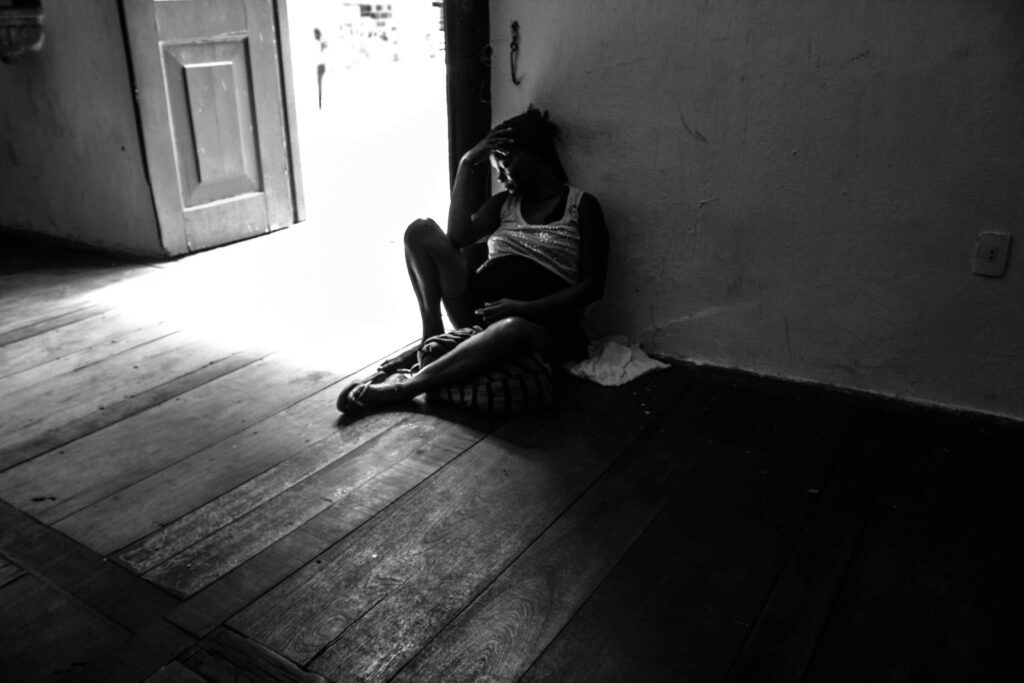
At its most extreme, survivors may feel that ending their life is the only way to stop the pain. “They feel so trapped that they come to view death as their only exit,” Dr. Pinugu laments. For those with children, this psychological trap is twice as debilitating.
On the other hand, resilience can empower survivors to escape an abusive situation and seek justice, Dr. Pinugu notes. “Their strength and emerging well-being enable them to break free, reclaim their agency, and start life anew.”
Why leaving (and reporting) takes years
In many cases, domestic violence goes on for a long time without being reported. Data from domestic abuse charity SafeLives indicates that victim-suvivors live with domestic abuse for an average of 2.3 years in high-risk situations and 3 years in medium-risk situations before accessing formal, effective help. Across broader population datasets, the overall average duration of abuse before effective support is sought reaches 4 years.
Data compiled from service users by Solace Women’s Aid, meanwhile, shows that women using their specialist support services experienced domestic abuse for an average of 7 years prior to receiving comprehensive intervention.
While local research does not provide a single nationwide average for the exact number of years or incidents before a victim reports domestic abuse, national surveys paint a clear picture of high non-reporting rates and delayed help-seeking. According to the 2022 Philippine National Demographic and Health Survey (NDHS) conducted by the Philippine Statistics Authority (PSA), 72% of Filipino women aged 15–49 who experienced physical or sexual violence did not seek help or tell anyone about the abuse.
Moreover, earlier NDHS data and baseline reports on Violence Against Women (VAW) show that among victims who did reach out for formal help, only about 9.3% filed a report with the police, while 6% reached out to social service organizations.
“We are a family-centric society in the Philippines. Thus, our perspective is that we do not wash dirty linen in public. We need to always uplift our family,” Dr. Pinugu explains.
This cultural mindset often places family reputation above individual protection. “In instances of incest, for example, families are unlikely to report the crime to the police because they fear it will bring shame upon them,” she continues. “The focus shifts toward shielding the family from disgrace rather than securing justice for the victim.”
For survivors, this enforced silence compounds an already heavy emotional toll. “The psychological burden of the crime is overwhelming—they are disbelieved by their own relatives and discouraged from coming forward,” Dr. Pinugu adds, noting that suppressing the truth only fuels a cycle of abuse that rarely stops at a single victim.
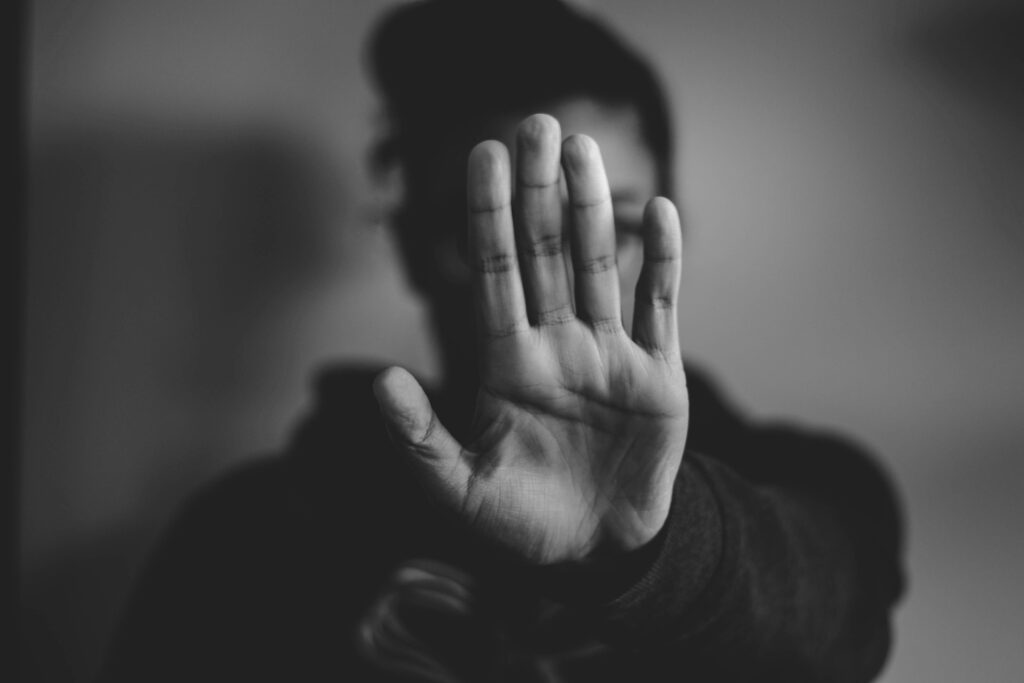
Beyond the family circle, broader social stigma creates an additional hurdle to seeking help. “Most victims of abuse are afflicted with severe mental distress and trauma,” she explains. “Yet, beyond the prohibitive cost of therapy and counseling, the shame surrounding the abuse prevents them from seeking treatment and, ultimately, obtaining justice.”
Compounding this trauma is economic dependence, as survivors often struggle to leave when an abusive partner controls the household finances. Yet even beyond financial ties, prolonged exposure to violence inflicts a deeper psychological conditioning.
“After enduring abuse for so long, many wives reach a point where they feel this is the purpose of their existence,” Dr. Pinugu notes. “They become so accustomed to the mistreatment that it feels normalized, leaving them resigned to living as victims.”
Related story: Turning the tide: Why it’s long overdue for rape-related shame to switch sides
Related story: ‘I am Jane Doe’ could be this generation’s Me Too moment

Breaking the cycle
Ending the cycle of abuse requires a comprehensive approach: helping victims overcome the fear of reaching out, giving them immediate help, and ensuring the police and courts deliver real justice.
“I have always been a firm believer that justice brings about peace,” Dr. Pinugu shares. The initial hurdle, she notes, is dismantling self-blame: “The first step is making victims aware that what is happening is not normal—that it is not justified.”
To illustrate how deeply abuse can be internalized, Dr. Pinugu recalls an episode of Oprah set in India, where a woman had boiling water poured on her for burning her husband’s shirt while ironing. When asked what she would do next, the survivor insisted she would return to her husband, believing the brutal act was entirely her fault.
Overcoming this normalization requires empowering grassroots protections. “The women’s desk should be empowered and more should be established not only in police stations but also in barangay halls,” Dr. Pinugu says.
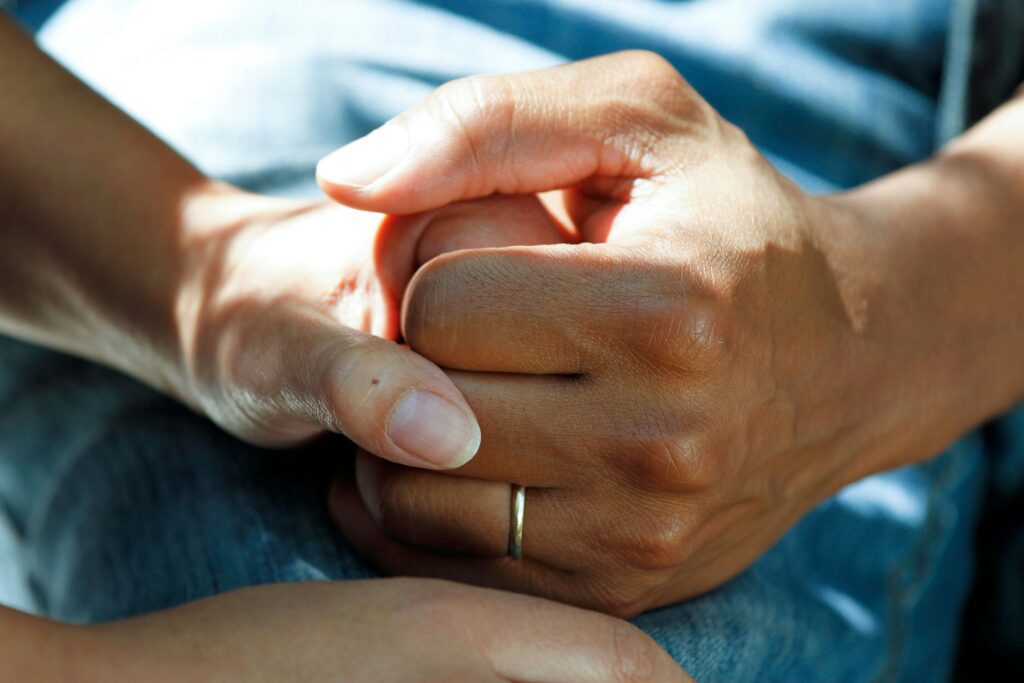
She calls on loved ones to support survivors in reporting abuse and securing DSWD assistance for safe housing and family healing programs. Encouraging formal complaints is essential to prevent further harm, but local police must do their part by strictly enforcing protective laws in every neighborhood.
Because domestic abuse is a complex issue, Dr. Pinugu believs that mental health professionals and law enforcement must work together. By combining their efforts, they can protect survivors, encourage victims to seek help, and ensure justice is meted out.
Significantly, the movement toward compassionate, trauma-informed reform has gained traction in the highest courts. In September 2026, the Supreme Court formally adopted the term “victim-survivor” in sexual and gender-based violence cases.
Writing for the Court, Associate Justice Japar B. Dimaampao explained that the phrasing acknowledges the real harm inflicted while honoring the strength, agency, and dignity of survivors. Beyond enforcing legal penalties, the Court also ordered the DSWD to connect victim-survivors with specialized crisis centers for therapy, medical care, and long-term recovery.
Indeed, lasting solutions require effort at every level. “At a macro level, encourage an egalitarian partnership where all family members have an equal say in ensuring protection, family efficacy, and well-being,” Dr. Pinugu says. “Lastly, that police power inherent in our sovereignty should be used to fight for the oppressed and abused and not (for the police) to be the actual perpetrators of abuse.”
If you or someone you know is in danger, know you have options.
• Call for help. Dial 911, which accepts violence against women and children (VAWC) calls, or the PNP’s Aleng Pulis hotline at 0919-777-7377 or 0966-725-5961. The DILG reports that the national 911 line received almost 600 VAWC emergency calls between September and November 2025. Check the Philippine Commission on Women’s website for VAWC hotlines per region.
• Go local. Your barangay has a VAW desk, and police stations have a Women and Children Protection Desk.
• Ask for a protection order. The barangay captain can issue a Barangay Protection Order without a hearing, and it lasts 15 days. Courts can issue a Temporary Protection Order, which lasts 30 days, or a Permanent one.
• Keep evidence. Save messages, photos, and medical certificates.
• If you’re a friend or relative, listen without judgment, don’t push someone to leave before they’re ready, and help them plan a safe way out.