
The world is watching. The true test is ensuring it never looks away.
Ube on the Starbucks menu. A Filipino tennis player on Wimbledon’s Centre Court. A Hollywood film built on Filipino folklore.
Philippine culture is having a moment, but can it be sustained?
A banner year
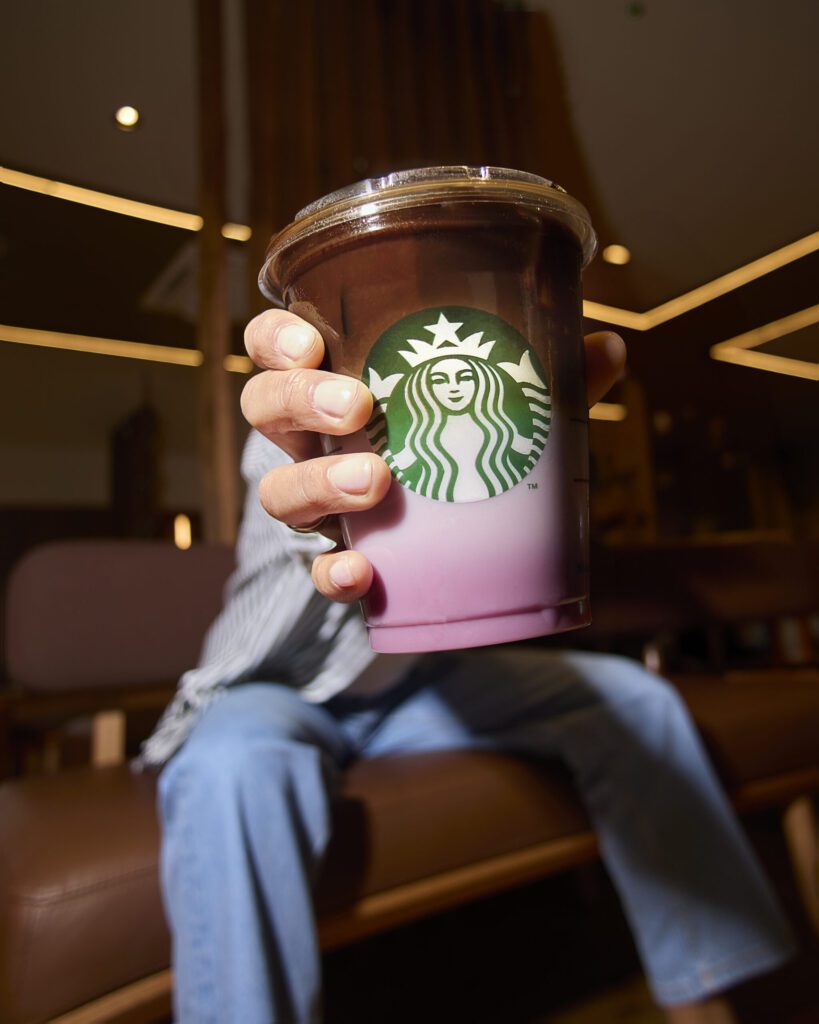
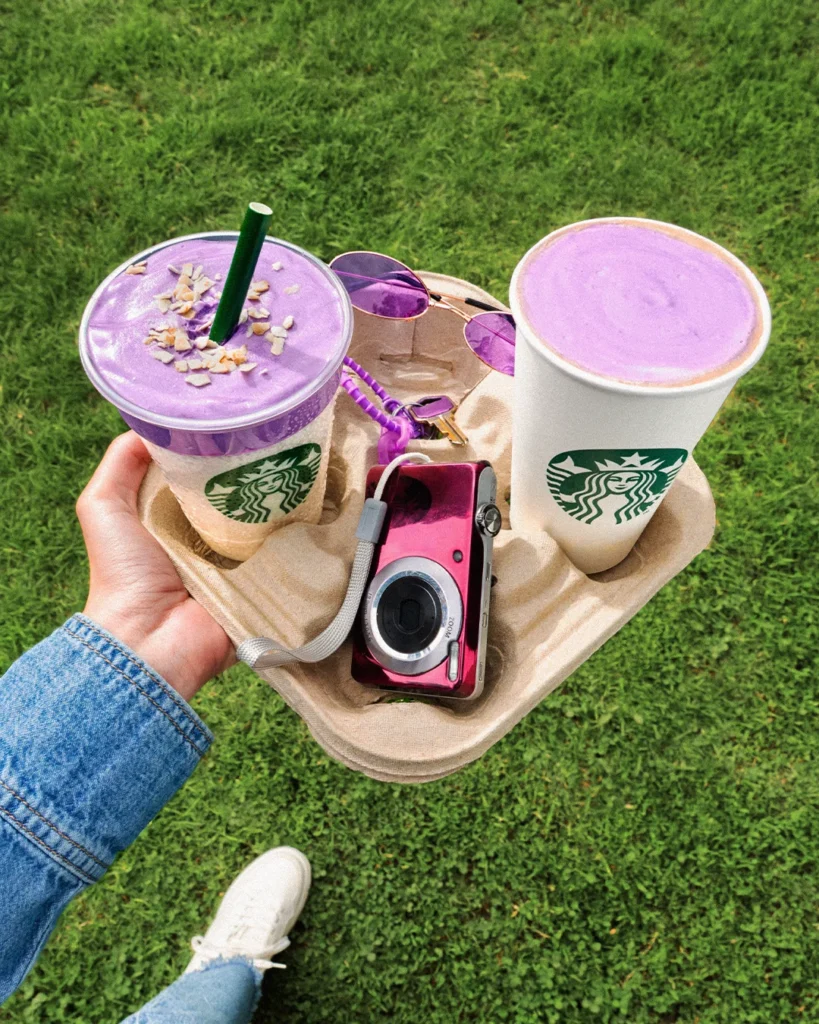
2026 has been a good year for Philippine culture on the global stage. Though ube began making its presence felt in the US around 2016, largely through artisanal donuts and pastries, and then broke out in spring 2022 when Baskin-Robbins launched an ube coconut swirl ice cream, Datassential notes that the world truly caught on to the craze in 2026. It now appears either regularly or seasonally on menus from New York City to Berlin and Paris. Matcha must be shaking.
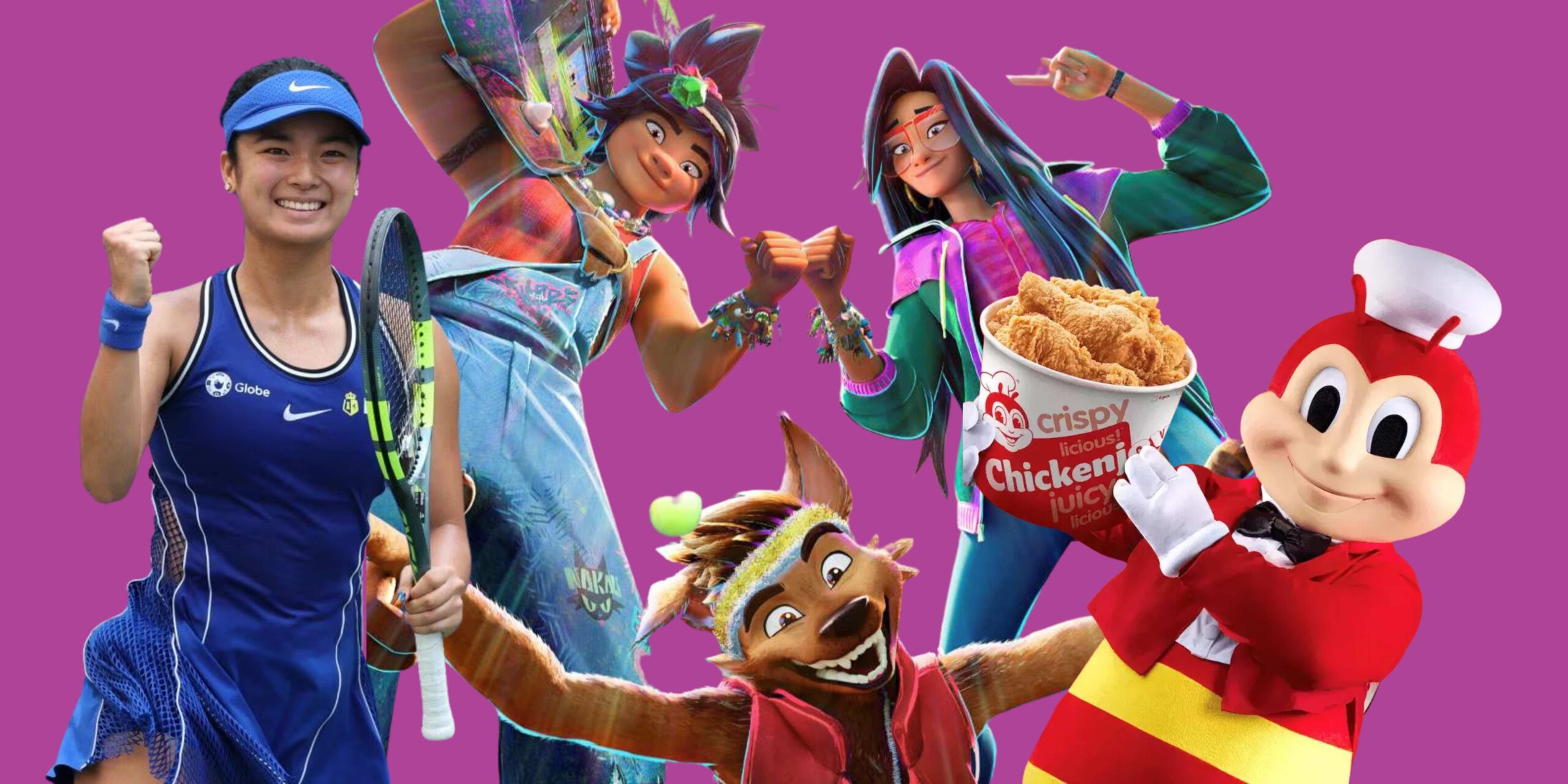
Then, of course, there’s every Filipino’s favorite fast-food chain, Jollibee, which is now gaining non-Filipino fans, too. It has gone from local comfort food to global corporate heavyweight: the Jollibee Group, with more than 10,000 stores across 33 countries, was named to TIME’s 100 Most Influential Companies of 2026 and to the magazine’s inaugural top 10 for food and drink. Brand Finance counts it among the world’s five strongest restaurant brands, the only Philippine and Southeast Asian brand featured in the report.
Beyond the kitchens, the Philippines has also been making waves on the tennis court, thanks to one talented and charismatic young lady. Though she started gaining attention for her memorable Miami Open 2025 run, it was at Wimbledon this summer that 21-year-old Alexandra “Alex” Eala proved she was more than just hype.
Her upset of defending champion Iga Świątek made her the first Filipino to reach the fourth round of a Grand Slam and announced to the world that she’s a force to reckon with. Weeks later, she won the Mubadala DC Open, the first WTA Tour title by a Philippine-born player. She’s now ranked 18th, the highest-ever for a Southeast Asian player. Most recently, she made the 2026 TIME100 Next List, with no one other than tennis icon Rafael “Rafa” Nadal writing her official profile tribute.
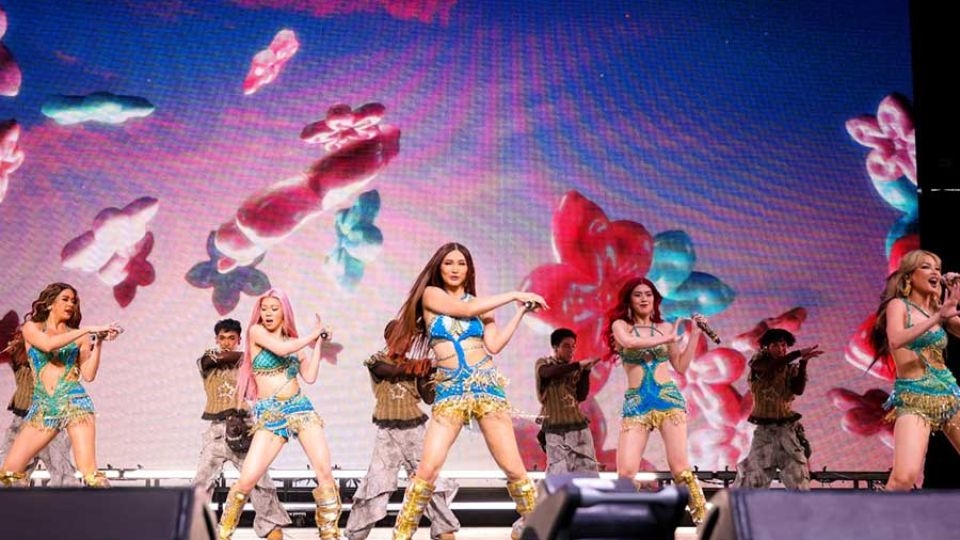
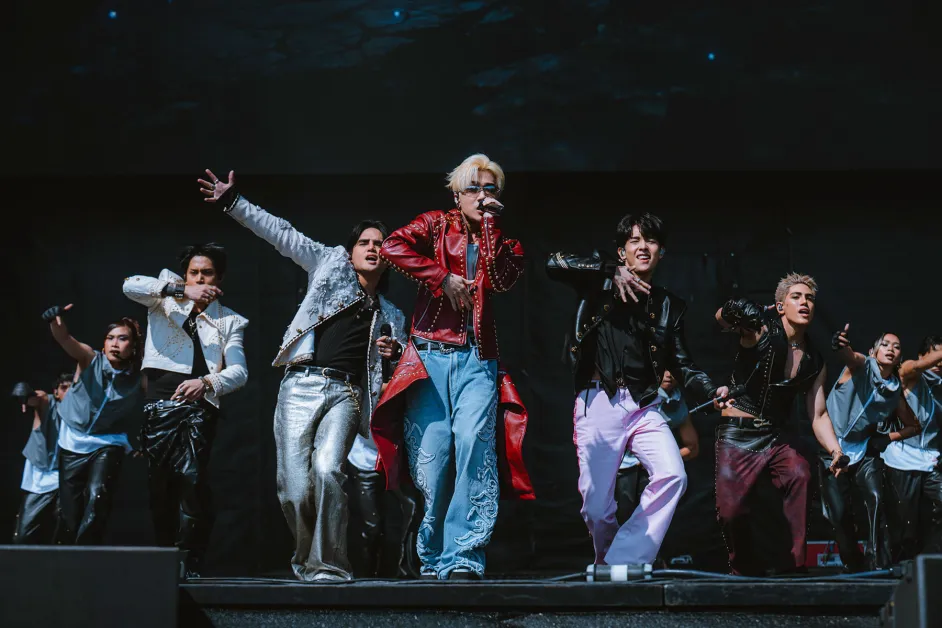
We Filipinos have long been known for our love of music, from karaoke to singing contests, but this year two P-pop heavyweights made sure the whole world noticed our vocal prowess. BINI played Coachella and won Billboard’s Global Force Award, while SB19 became the first Filipino act at Lollapalooza, with both groups taking the stage at Japan’s Summer Sonic.
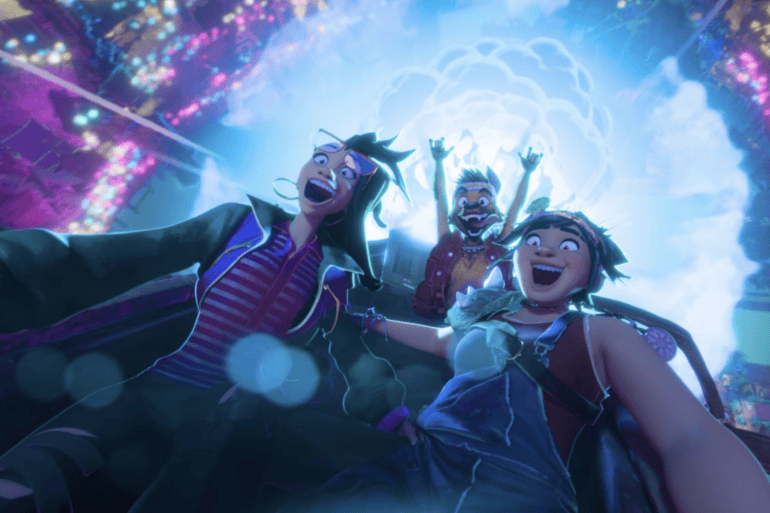
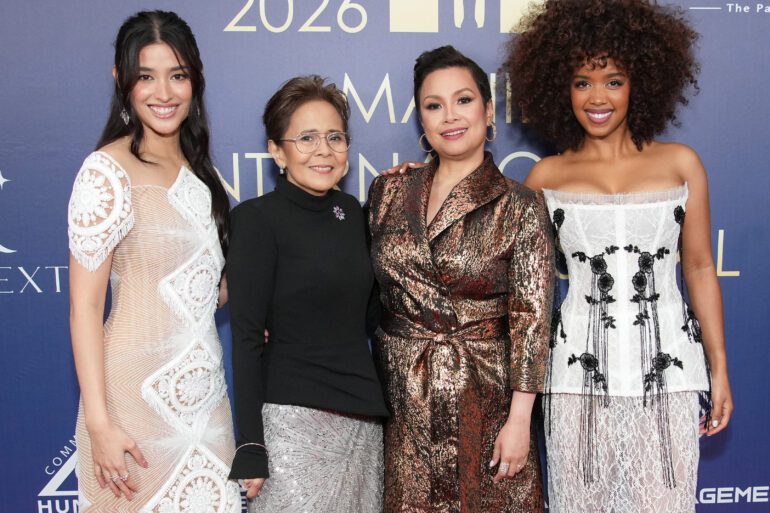
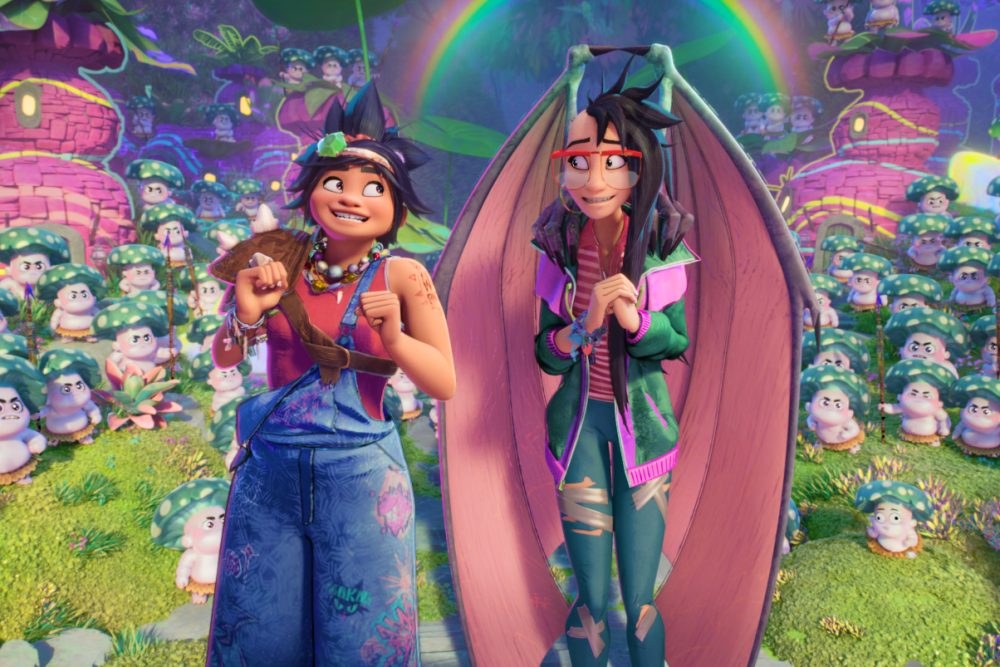
Then came Forgotten Island, Hollywood’s first major animated feature built on Filipino folklore. Its voice cast is largely Filipino or Filipino-American: H.E.R. and Liza Soberano star as best friends Jo and Raissa, Dolly de Leon plays Jo’s folklore-loving lola, Lea Salonga is the dreaded Manananggal, and Jo Koy is a kapre. Manny Jacinto is the baby-faced tiyanak Bungi, and Dave Franco is a were-aspin, a mythical weredog. BINI and SB19 add to the soundtrack.
The island of Nakali, short for nakalimutan, or “forgotten” (hence the title!), is teeming with creatures from the stories many of us Filipinos grew up hearing, from the manananggal to the Ibong Adarna. I never thought I’d see the day these characters would come to life on the big screen in a Hollywood production.
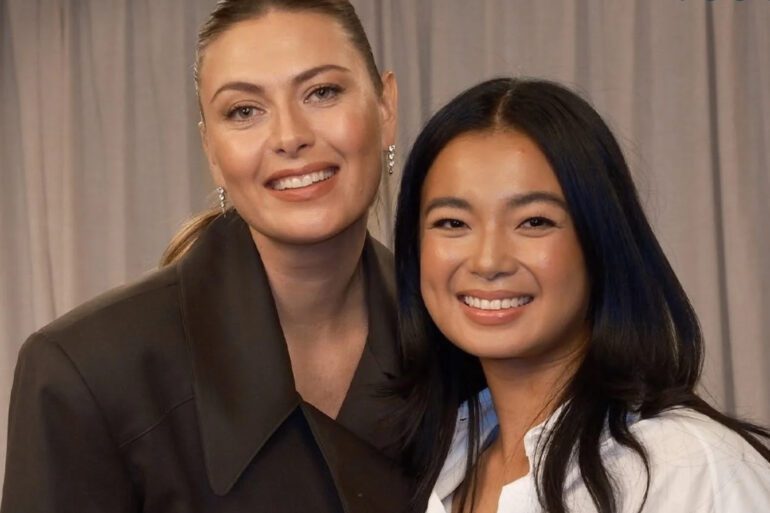
Related story: Alex Eala talks perfection, pressure, and progress with Maria Sharapova
Related story: REVIEW: ‘Forgotten Island’ gives us a little childhood, a little heartbreak, and a lot of home
Why soft power matters
So why does all this matter? The answer lies in soft power. Coined by political scientist Joseph Nye, the term is described as the influence earned through attraction or persuasion rather than coercion. For a country long known for exporting its labor force—from the best medical professionals to the most hardworking domestic workers—it is a chance for the Philippines to be known for its talent, flavors, and stories, too. The concept may seem abstract, but the payoffs are tangible: customers, tourists, investors, and goodwill.
Look at South Korea, whose content exports hit a record US$14.9 billion in 2025, while tourism revenues also reached a record US$27.2 billion. The Korean wave doesn’t just entertain—it fills airplanes. A Korea Tourism Organization survey found that exposure to hallyu content, such as K-pop, was the top reason visitors wanted to visit the country. Case in point: in March 2026, the month of BTS’s highly anticipated comeback performance, South Korea set a monthly record of 2.06 million foreign arrivals.
Korean dramas, for their part, have turned places like Gyeongbokgung Palace, Namsan Seoul Tower and Bukchon Hanok Village into must-visit stops in “K-drama pilgrimages.”
Japan is another soft power giant. Its anime, manga, and games earned ¥4.7 trillion (US$29.6 billion) abroad in 2022, nearly matching its semiconductor exports. Powered by global mega-franchises like Pokémon, Japan now holds third place in Brand Finance’s Global Soft Power Index, ahead of the UK and just behind the U.S. and China.
Southeast Asia is taking note, too, Thailand especially. Beyond tourism, one of its strengths, its 5F strategy now also banks on entertainment (especially its boys’ love, or BL, series), T-beauty, and music festivals to woo more tourists. A content agency modeled after South Korea’s is taking shape. The early result: Brand Finance’s 2026 index ranks Thailand 38th, up one place.
Related story: DreamWorks’ ‘Forgotten Island’ has folklore, friendship, and a soundtrack stacked with Filipino talent
Related story: Another proud moment for Filipino talent at Manila Film Festival 2026 in Los Angeles
What it means at home and abroad
A warmer global profile is leverage: it helps sell nearly everything from fast food to tourism. For the roughly 10 million Filipinos living overseas, it is something more personal. Forgotten Island touches on the fear of abandonment many families feel when someone leaves to build a better life abroad, and when the Jollibee mascot turned heads at its Los Angeles premiere (on the purple carpet as a nod to ube!), it felt more like a trip back home than a Hollywood event.
For Filipinos born or raised outside the motherland who grew up explaining their lunchboxes to classmates, proper recognition matters.
Moreover, the country’s image abroad is too often written by its worst headlines, such as a flood-control corruption scandal that helped push the Philippines down to 120th of 182 countries in Transparency International’s latest corruption index, and an unlucky address on the Pacific Ring of Fire that keeps it atop the world’s disaster-risk ranking yet again despite blessing it with some of the most gorgeous seascapes on the planet.
Both are real, but neither tells the whole story. A country that gives the world Lea Salonga’s voice, Alex Eala’s grit, and a bucket of crispylicious Chickenjoy is so much more than its corrupt politicians and its tempestuous weather.
Has it reached beyond the diaspora?
Partly. Ube is the clearest crossover. Starbucks launched an ube lineup this spring, and Trader Joe’s ube pancake mix regularly sells out. According to Datassential, 27 percent of US consumers now know ube, up from 15 percent in 2021, and its presence on restaurant menus has grown 231 percent in four years. But only 13 percent have tried it, and it appears on just 1.3 percent of menus.
Alex Eala’s wins need little explanation, since any tennis fan understands what it means to beat top-10 players like Iga Świątek, Elena Rybakina, Jessica Pegula, and Elina Svitolina.
Music may be next: the 2027 Grammys will debut a Best Asian Pop Music Performance category. SB19’s “Visa” has been submitted for consideration, and BINI is being watched as a contender, though nominations are not expected until November.


Screens are trickier. Forgotten Island drew rave reviews, with roughly 95% for both critics and audience scores on Rotten Tomatoes and an A CinemaScore, yet it opened to US$20.6 million worldwide against a US$80 million budget, though it topped the Philippine box office.
This mixed picture is reflected on the broader stage. Brand Finance’s 2026 Global Soft Power Index ranks the Philippines 54th of 193 countries, down one place. Yet the nation excels in hospitality—ranking 18th for “fun” and 22nd for “friendliness”—while jumping 18 places in heritage recognition and rising to 42nd in arts and entertainment.
Supported by a $32 billion creative economy (7.3% of national GDP) alongside gains in lifestyle appeal (51st), these figures prove that while global crossover takes time, authentic cultural identity is already converting soft power into real international influence.
Related story: Lea Salonga makes history as first Filipina to receive a Hollywood Walk of Fame star
Related story: Coachella 2026: Asian acts to watch, including Katseye, BigBang, and BINI
Moment or movement?
Both, so far. Jollibee shows what staying power looks like: it keeps opening branches abroad, including a downtown San Francisco store in July, with more California openings on the way and a new branch opening soon in Central London. Its Chickenjoy has gained a cult following and was named America’s best fast-food fried chicken by USA Today readers for the third straight year.
Meanwhile, Alex is only 21. Ube has been a slow burn, not just a viral TikTok trend. Safe to say, they will be around for a long time.
The risks, however, are real too. Rapid demand for ube is already straining domestic supply, prompting Philippine farmers to push for protected geographical status. National pride also comes with caveats. As Maria Leyesa, a Philippine-born baker, told The New York Times, while she hopes ube‘s mainstream moment elevates broader Filipino cuisine, watching a sacred heritage ingredient turn into an internet trend leaves her with mixed feelings.
Tours end, and trends pass. Virality doesn’t always translate to revenue, and Forgotten Island’s box office is a sobering reminder that positive reviews alone won’t sell tickets. In the end, it’s the not-so-glamorous bits— from funding to policy—that could turn a fleeting spike in popularity into something that endures.
A moment becomes a movement when the Philippines owns the means, from farms to studios to brands, and keeps telling its own stories on its own terms. That does not mean chasing recognition. It is perfectly fine not to seek international validation, but that should never stop us from taking pride in our amazing heritage, which was worth celebrating long before others took notice.
Still, the world is watching. The true test is ensuring it never looks away.
Related story: SB19 steps into a new role—this time as ambassadors for Philippine tourism
Related story: Ube is having a moment, and the world is catching on