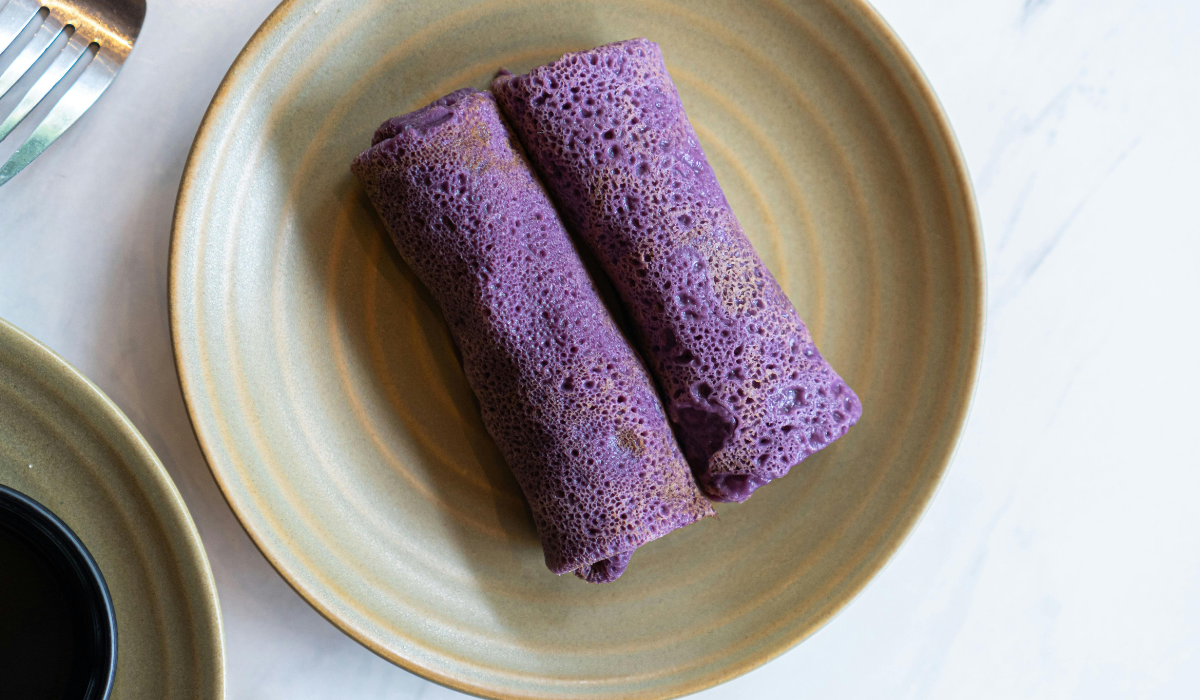

Ube has always been part of everyday life in the Philippines. Now, it’s starting to catch global attention.
In the Philippines, ube has never needed an introduction. It’s part of everyday life, quietly present in kitchens, markets, and celebrations.
Grown in provinces like Bohol and parts of Luzon, ube has long been used in familiar forms. There’s ube halaya, often made at home or bought from local producers. There’s ube ice cream, ube hopia, and ube cakes that show up at birthdays and holidays. For most Filipinos, it’s not something new or exciting. It’s something that’s always been there.
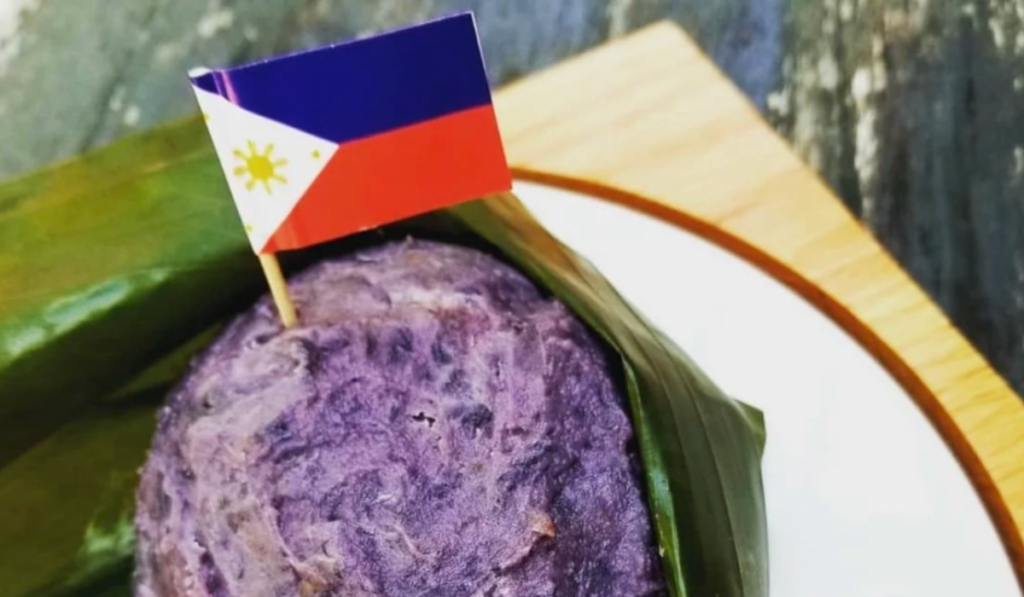
That familiarity shapes how it’s viewed locally. Ube isn’t treated as a trend because it doesn’t need to be. It stands on its own, without needing reinvention or added flavors to make it appealing.
Not as simple as it looks
Behind its bright color and soft sweetness, ube is not the easiest ingredient to work with.
It takes time to grow and harvest, and even more effort to prepare. Turning it into halaya, for example, means boiling, grating, and slowly cooking it down. It’s a process that requires patience and consistency.
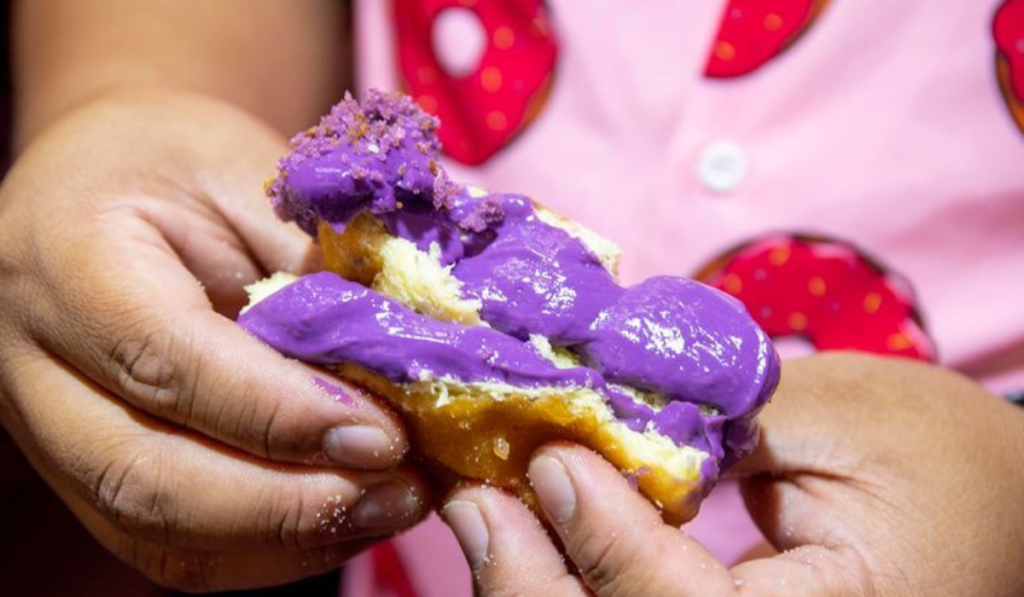
This is part of the reason why ube hasn’t scaled globally as quickly as other ingredients. It’s not as easy to mass-produce, and quality can vary depending on how it’s handled.
That complexity, however, is also what makes it stand out.
A shift happening at home
While ube has always been part of Filipino food culture, the way it’s being used is starting to evolve.
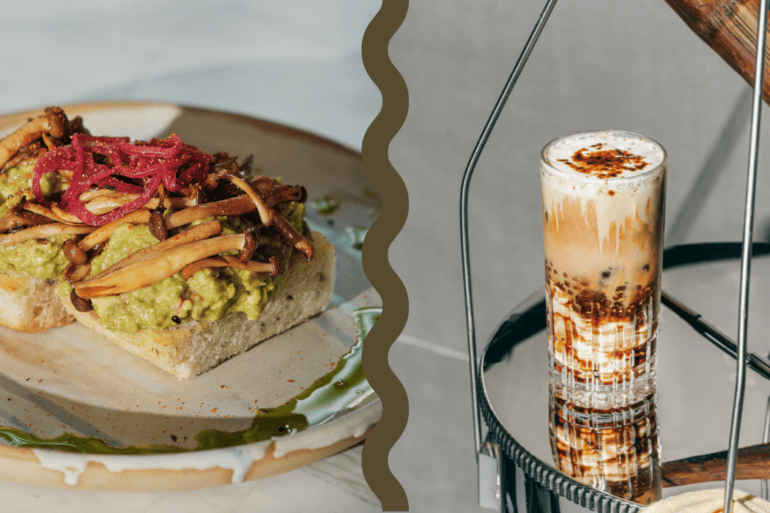
For a long time, it stayed within traditional formats. But in recent years, more chefs and small businesses have started experimenting. Ube is showing up in pastries, drinks, and desserts that feel more aligned with global trends.
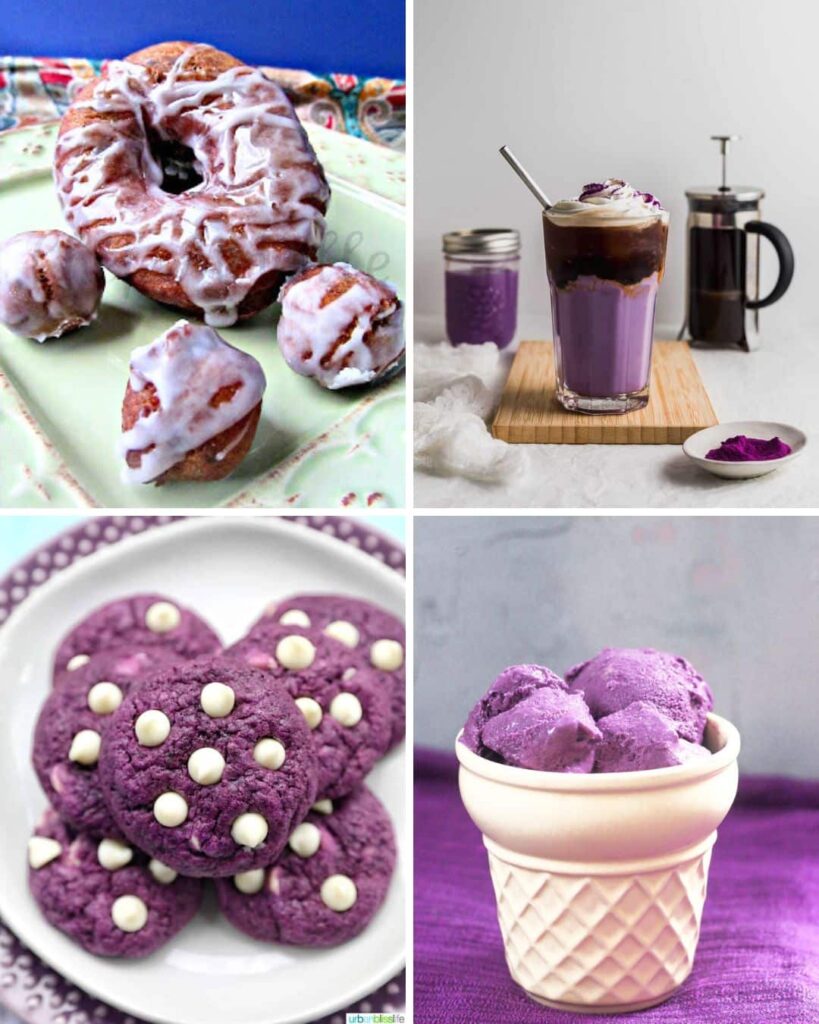
This shift is gradual. It’s not about replacing tradition, but expanding on it.
At the same time, there’s still a sense that Filipinos are just beginning to explore what else ube can become. Not because it was overlooked, but because it was already enough as it was.
Ube is gaining attention around the world
Outside the Philippines, ube is starting to stand out in a different way. Across the US, UK, and parts of Europe, ube is showing up in unexpected formats. From Basque cheesecakes in London to donuts in New York and lattes in Paris, the ingredient is slowly finding its way into everyday menus abroad.
In South Korea, ube fits naturally into a culture that values presentation and café experiences. Its color alone makes it visually striking, which makes it easy to share and talk about.
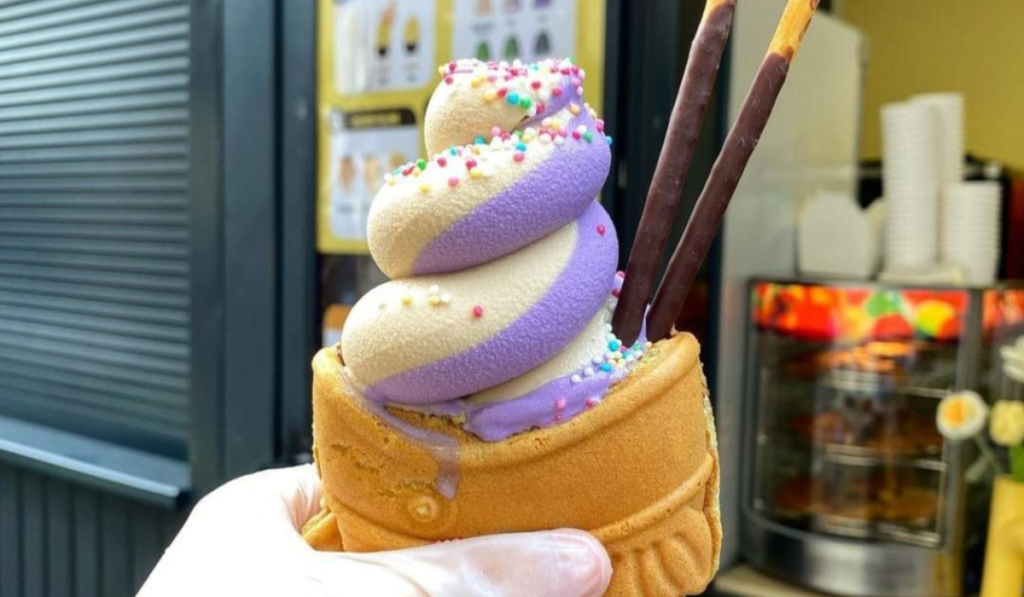

At one point, SEVENTEEN member Seungkwan was seen having ube cake at a local café in Quezon City. Soon after, fans began looking for the same item, and it started selling out regularly. It wasn’t planned as a trend, but it quickly became one.
Moments like this show how quickly attention can shift.
Brands sharing ube with the world
A big part of ube’s global visibility comes from Filipino-owned businesses abroad.
In London, Mamasons Dirty Ice Cream helped introduce ube to a wider audience through bold, unapologetically Filipino desserts. Early on, customers didn’t always know what to expect, but over time, curiosity turned into demand.
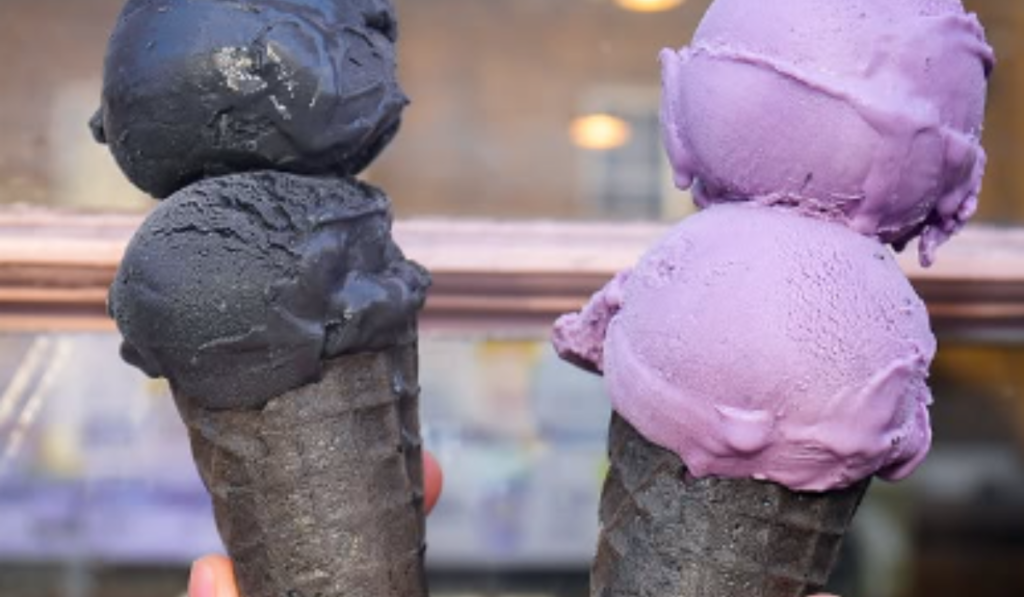
These are just a few examples of how ube is being introduced to new audiences. What started as curiosity is quickly turning into steady demand.
In New York, Kora Bakery became known for its ube-filled pastries, including its popular ube babka and donuts. At one point, the bakery built a long waitlist driven largely by social media buzz.
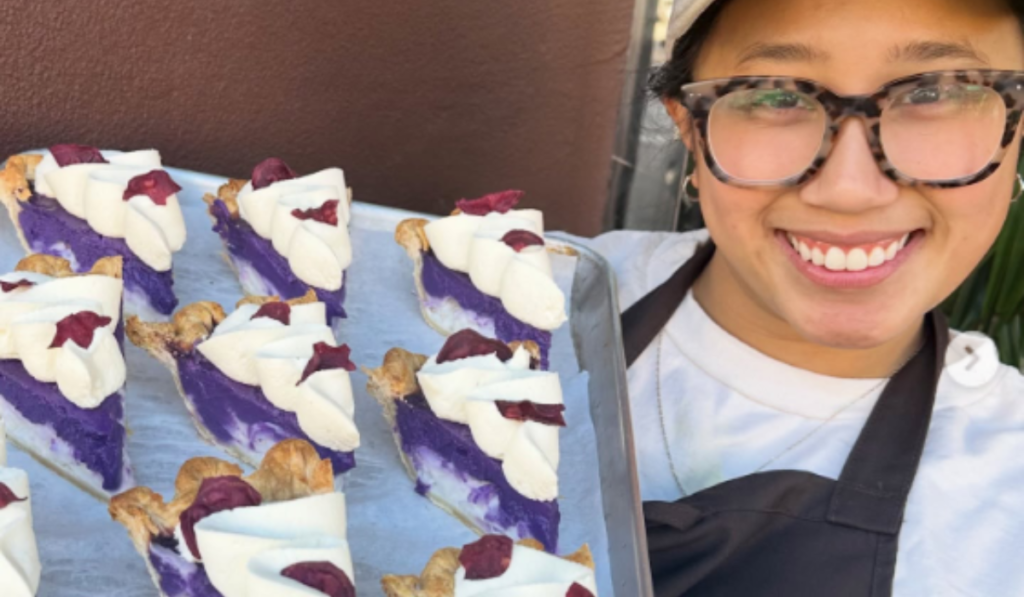
Other Filipino-owned spots are doing the same in their own ways. Hood Famous Bakeshop has built a following around ube cheesecakes and desserts, while Botanical Bakeshop brings ube into a more community-focused café setting.
Even in smaller markets, Filipino bakeries are seeing strong demand for ube-based products, often selling out as more people discover the flavor.
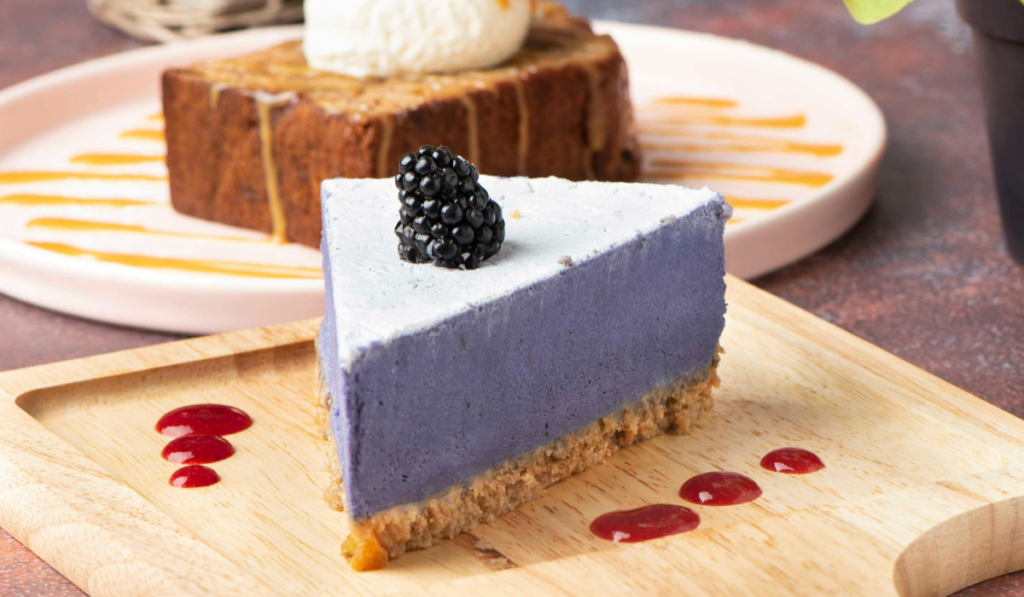
Together, these businesses are doing more than just selling desserts. They’re shaping how ube is introduced, understood, and appreciated outside the Philippines.
A familiar pattern, with a different origin
Ube’s rise is often compared to other food trends.
Matcha was introduced and marketed globally over time. Dubai chocolate gained popularity through curated hype and social media visibility. Both were built with a clear strategy.
Ube feels different.
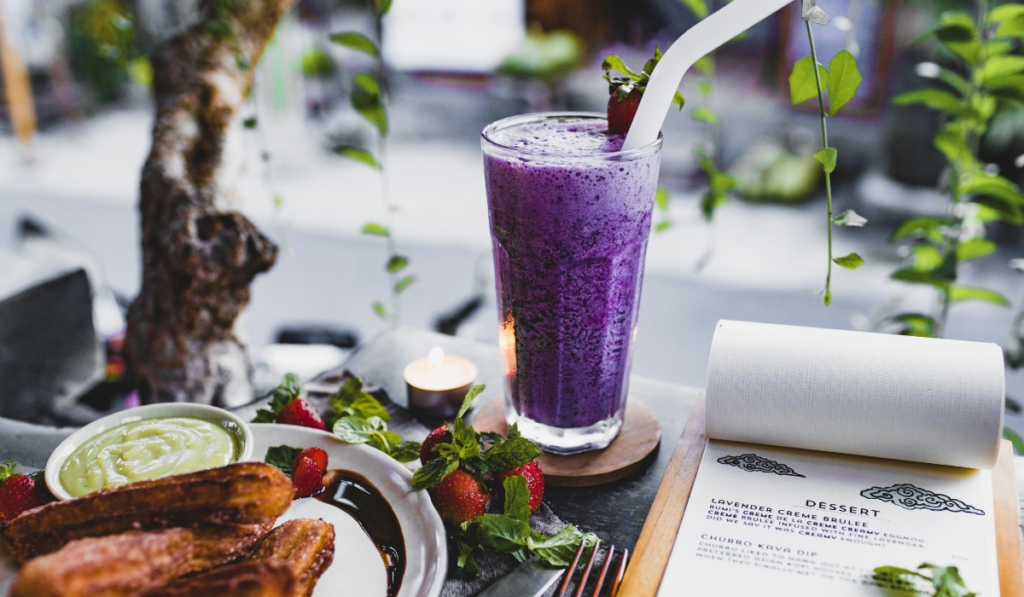
It didn’t arrive with a campaign. It spread through diaspora communities, small businesses, and organic discovery. Its appeal comes from how it looks, but also from the story behind it.
That difference makes its growth feel more natural.
More than just a trend
What makes ube interesting is not just its growing popularity, but the contrast behind it.
In the Philippines, it remains familiar. In other parts of the world, it feels new. That gap creates space for reinterpretation, experimentation, and curiosity.
At the center of it are Filipino creators and businesses who are shaping how ube is experienced abroad. They’re not changing what it is, but they’re presenting it in ways that resonate with a wider audience.
For Filipinos, ube doesn’t need to be rediscovered. But seeing it appreciated differently offers a new perspective.
Not as something that just belongs to the past, but something that continues to evolve.
Related story: Spain’s “world’s best churros” land in Manila with San Ginés’ first Asian flagship
Related story: Halo-halo hotspots: 5 Metro Manila finds for a fresh, flavorful fix