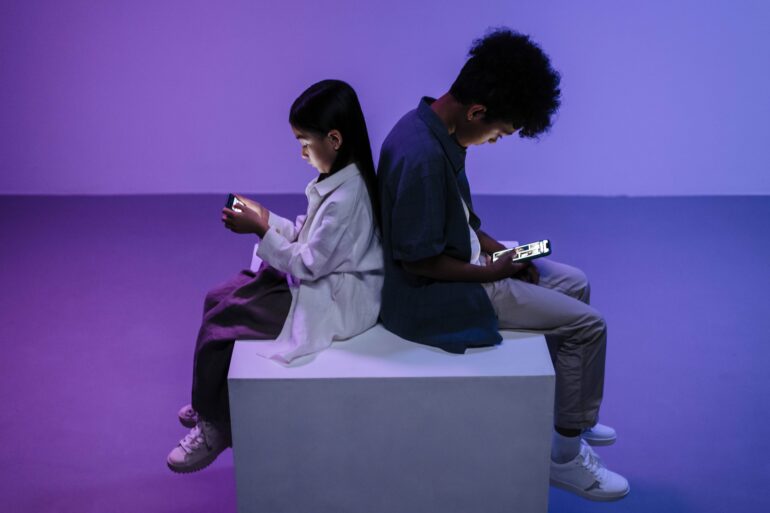

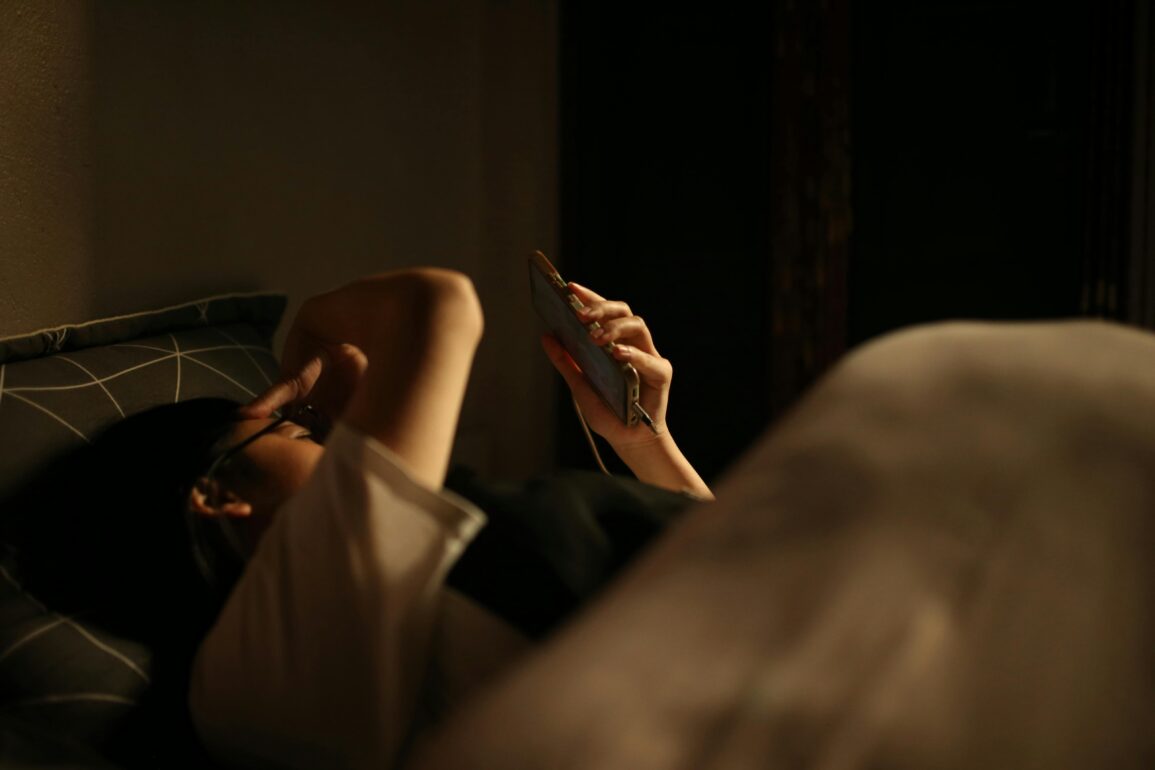
With the Philippines among the world’s most online countries, the problem is no longer just screen time. It is how much of our attention, rest, and real life our screens now take.
There is a very specific kind of tiredness that comes from being online all day.
It is not the same as physical exhaustion. It is foggier than that. You have replied to messages, checked emails, watched videos, opened too many tabs, scrolled through posts, and somehow, your brain feels full and empty at the same time.
Many of us, or at least me, know the feeling too well.
You wake up and check your phone. You reply to a message before properly getting out of bed. You scroll while eating. You open TikTok “for five minutes” and return to reality half an hour later. Work chats follow you into lunch. Notifications interrupt conversations. Even rest has started to look like more screen time.
Related story: Gen Z grew up online—now we’re tired of being perceived
Related story: What’s an analog bag? The low-tech trend taking over totes
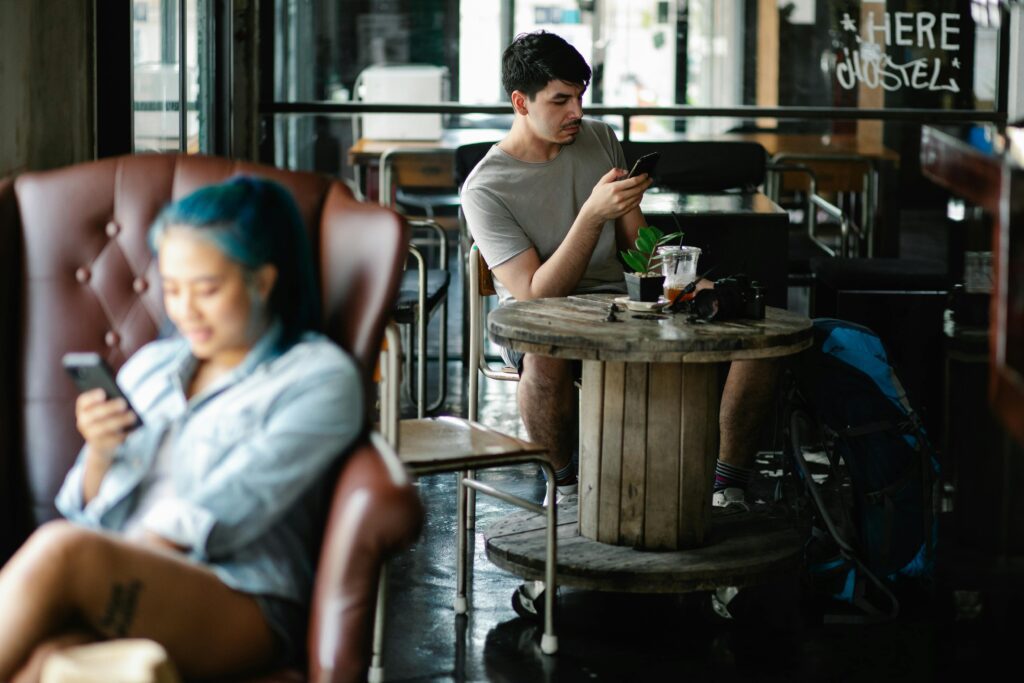
This is not about hating technology. Screens are useful. They help us work, learn, earn, connect, create, and survive daily life. The internet is where people talk to family, find jobs, run businesses, follow news, sell products, watch entertainment, book rides, pay bills, and build communities.
But the line between using our screens and being consumed by them has become harder to see.
The PH is deeply online
By the end of 2025, the Philippines had 98 million internet users, with internet penetration at 83.8 percent, according to DataReportal’s Digital 2026 report. The country also had 95.8 million social media user identities in October 2025, equivalent to 81.9 percent of the total population. Mobile use is just as intense, with 137 million cellular mobile connections in the country, or 117 percent of the population.
Those numbers say what we already feel in daily life: Filipinos are almost always reachable.
Related story: 5 digital apps and diaries for women’s wellness in 2026
Related story: From SEO to GEO: How AI is changing the rules of web visibility
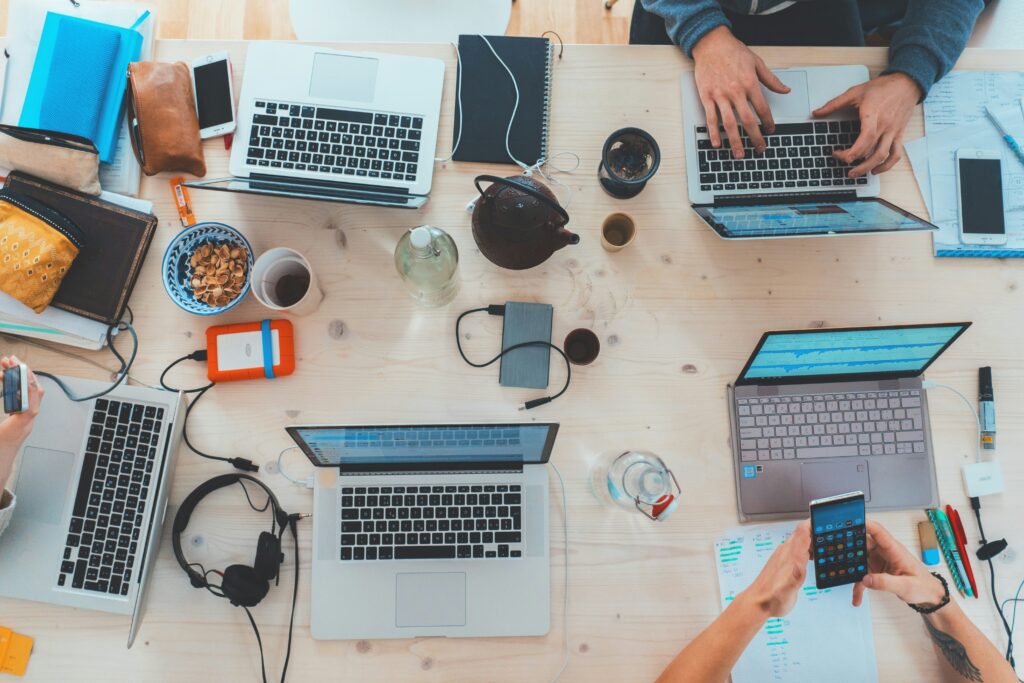
We are on Messenger, Viber, TikTok, Facebook, Instagram, YouTube, X, Gmail, Slack, Teams, Shopee, Lazada, and whatever app our work, school, family, fandom, or barkada requires that week. In DataReportal’s 2026 country report, TikTok’s ad reach in the Philippines was equivalent to 81.8 percent of adults aged 18 and above, while Messenger reached 83.3 percent of Filipino adults.
Filipinos have long been known as some of the most active social media users in the world. What feels different now is that digital life no longer seems like a place we visit. For many people, it has become the room we live in.
When scrolling becomes mental clutter
In 2024, Oxford University Press named “brain rot” its Word of the Year, describing it as the perceived decline of a person’s mental or intellectual state after consuming too much low-quality or low-value online content.
“Brain rot” is not a formal diagnosis. But as a cultural shorthand, it captures the drained, restless, overstimulated feeling that can follow hours of fragmented digital consumption. One minute you are watching a cooking video. Then a celebrity clip. Then a crime explainer. Then a political rant. Then a meme. Then a shopping haul. Then someone’s vacation. Then a crisis. Then another meme. It is a lot for the brain to process, especially when none of it is given enough time to settle.
The issue is not simply that we are online. It is the constant switching. We are reading while replying, listening while scrolling, watching while half-working, resting while refreshing, and spending entire days in what researcher and former Microsoft Executive Linda Stone has called “continuous partial attention.” We are always alert, but rarely fully present.
Over time, that can take from our focus, memory, patience, and ability to be still without reaching for a screen.
Related story: Meta is done with fact-checking: What this means for Filipino users
Our bodies are part of this too
Digital fatigue does not only live in the mind. It shows up in the body.
The Mayo Clinic Health System describes “tech neck” as chronic neck or shoulder pain, soreness, or stiffness caused by poor posture while using devices like phones and computers. Anyone who has spent hours looking down at a phone or hunching over a laptop knows the feeling: stiff shoulders, tired eyes, and a heavy head.
Our eyes are also under pressure. A 2025 systematic review and meta-analysis published in JAMA Network Open found that each additional hour of daily digital screen time was associated with 21 percent higher odds of myopia, particularly from one to four hours of daily exposure.
This does not mean every screen will damage your eyes or that everyone should panic. But it does make one thing clear: the body was not designed to stare at small glowing rectangles for most of the day without consequences. Ouch, yes, that hurt us people glued to screens to keep up with the world.
Children and young people need better digital habits too
The conversation becomes even more important when we talk about children and teens.
UNICEF’s 2025 report on childhood in a digital world stresses that digital technology can affect children in both positive and negative ways, depending on how they use it, what they encounter, and the support systems around them. In other words, the question is not simply “screen or no screen?” It is also about content, context, safety, sleep, learning, and real-world connection.
A Philippine-based study published in the Asia Pacific Journal of Advanced Education and Technology looked at the digital well-being of 461 senior high school students in private institutions in Manila and Quezon City. The study framed digital wellness around several areas, including physical, mental, social, intellectual, spiritual, and privacy and safety dimensions.
It is a useful reminder that online life affects more than productivity. It can shape how students rest, relate to others, learn, protect themselves, and make sense of the world.

Young people are not just “using gadgets.” They are growing up inside digital environments. Their friendships, entertainment, schoolwork, identity, and downtime are all tied to screens.
The antidote does not have to be dramatic or extreme
Restoring our attention does not require disappearing from the internet, deleting every app, or moving to a mountain with no signal. Most people cannot do that. Work, family, school, and business now depend on digital access. But we can interrupt the cycle.

Research increasingly points to something very ordinary as a reset: time outside.
A 2025 Stanford study on urban nature reviewed hundreds of studies and found that exposure to urban nature can benefit a broad range of mental health outcomes. A park, garden, tree-lined street, or quiet outdoor space can already help.
A University of Michigan study also found that participants improved short-term memory by about 20 percent after walking in nature, while the same improvement was not observed after walking along a busy downtown route.
There is also evidence that spending at least 120 minutes a week in nature is associated with better self-reported health and well-being.

For us, this can be as simple as a morning walk before the heat becomes unbearable, a few minutes outside after lunch, sitting somewhere with actual sunlight, walking without earphones once in a while, or spending part of the weekend somewhere green.
Sometimes it is just stepping outside and letting your brain remember that the world is bigger than your feed.
The goal is not to become unreachable but to be more intentional.
Try not to make every meal a scrolling session. Even one phone-free meal a day can make eating feel like a real pause instead of another content window.
Protect the first and last 30 minutes of your day. If the first thing your brain receives in the morning is messages, news, gossip, work requests, and algorithmic noise, it will naturally feel scattered. The same goes for bedtime. A screen curfew of 30 to 60 minutes can help signal to the body that the day is ending.
Use the 20-20-20 rule for your eyes. Every 20 minutes, look at something around 20 feet away for 20 seconds. It is small, slightly annoying, and useful.

Take one-task breaks. Spend 10 to 20 minutes doing only one thing: walking, reading, stretching, praying, journaling, drinking coffee, watering plants, or cleaning one corner of your room.
Turn off non-essential notifications. Not everything deserves the privilege of interrupting your nervous system.
Try grayscale mode if apps feel too addictive. Removing bright colors from your phone can make the screen feel less rewarding and less tempting.
We do not need less technology. We need more life around it.
Technology has given us many good things. It has made information easier to access, helped businesses reach customers, allowed families to stay connected across distance, and created new ways for people to work and express themselves. But even good tools need boundaries.
The danger of screens is not only that they take our time. It is that they can quietly take over the spaces where life used to breathe. From our walks, meals, conversations, idle moments, time before sleep, and that small window of boredom where ideas used to form.
The answer is not to shame ourselves for being online. We live in a digital world, and for many of us, being connected is part of our lives. But we can still ask better questions.
Did this scroll actually rest me? Do I feel better after this hour online? Have I looked at something far away today? Have I spoken to someone without checking my phone? Have I stepped outside?
Sometimes, reclaiming your life from the screen does not begin with a grand digital detox. Sometimes it begins with a short walk, and the decision to stare at something far even for just 20 seconds.
Related story: Is Google dying or evolving? Inside the tech giant’s race to stay relevant in the AI era
Related story: Are we losing the ability to read books?