
One minute, everyone wants a Labubu, a blind box or a squishy. The next, their resale value takes a nosedive.
Remember collecting teks, pogs, stickers, and Happy Meal toys? Or saving your allowance for Sanrio merchandise and feeling lucky when you finally got your favorite character?
Years later, we’re still collecting. Only now, we have adult money to spend.
There was a time when Funko Pops filled entire shelves, with YouTubers proudly displaying walls of their collections. Then came Sonny Angels, Smiskis, and Labubu, the sharp-toothed creature that became everyone’s favorite bag accessory.
Related story: Funko fever is finally in Manila!
Related story: Funko may not survive another year. What will happen to its collectible Pops?
Today, there’s more surprise boxes, gashapon, and squishies. But while some collectibles remain popular for years, others lose their appeal almost as quickly as they become famous.
So, what makes us want these little things so badly? And why does the excitement eventually fade?
Remember when everyone wanted a Funko Pop?
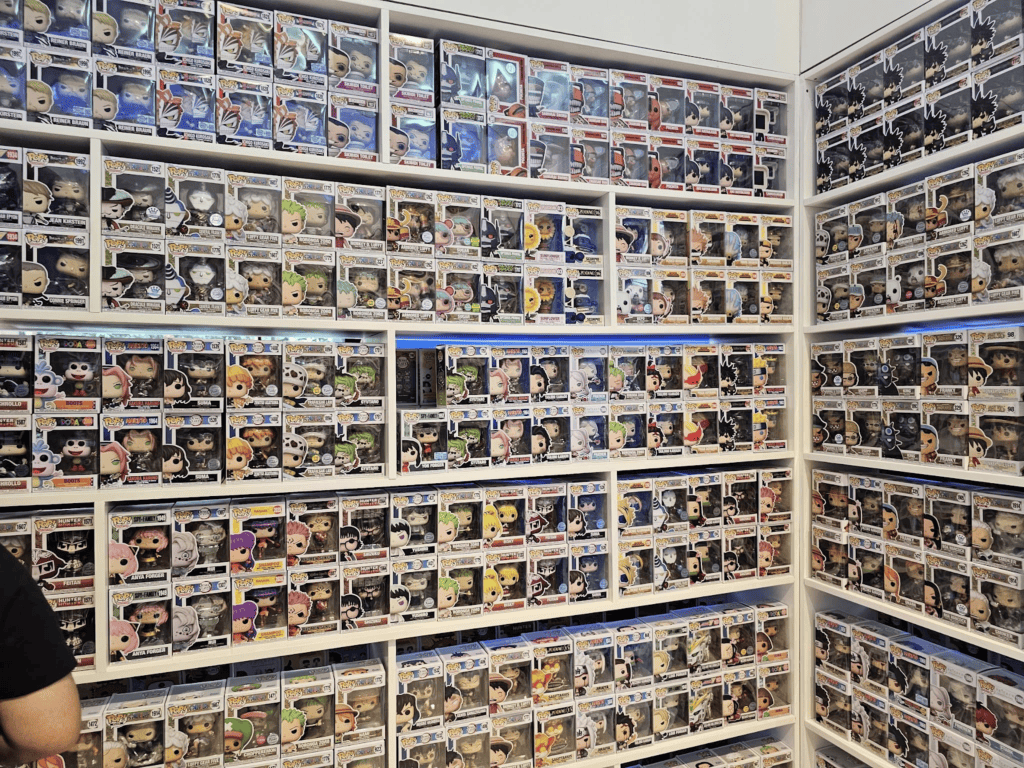
Funko Pops were among the biggest collectible crazes of the 2010s. Their oversized heads and recognizable designs appealed to practically every fandom, including Marvel, Harry Potter, anime, sports, and music. Collectors hunted for limited editions, hoping to complete their collections or secure something valuable.
In 2023, a rare golden Willy Wonka and Oompa Loompa two-pack sold for an astonishing $210,000. Only 10 sets were produced, according to collectible database hobbyDB. But not every Funko Pop became valuable. As the company expanded its catalog, it eventually produced more figures than retailers could sell.
Things became even more serious in 2025. As The POST previously reported, Funko warned that mounting debt, declining sales, and financial pressures raised doubts about its ability to remain in business over the following 12 months. However, the company showed signs of recovery in 2026. After securing an extension on its debt repayments, Funko reported a 7% increase in overall sales and 9% growth in its core collectibles business during the second quarter, compared to the same period in 2025.
The figures suggest that while Funko’s financial challenges aren’t entirely behind it, collectors haven’t abandoned the brand.
Labubu’s rise and cooling resale prices
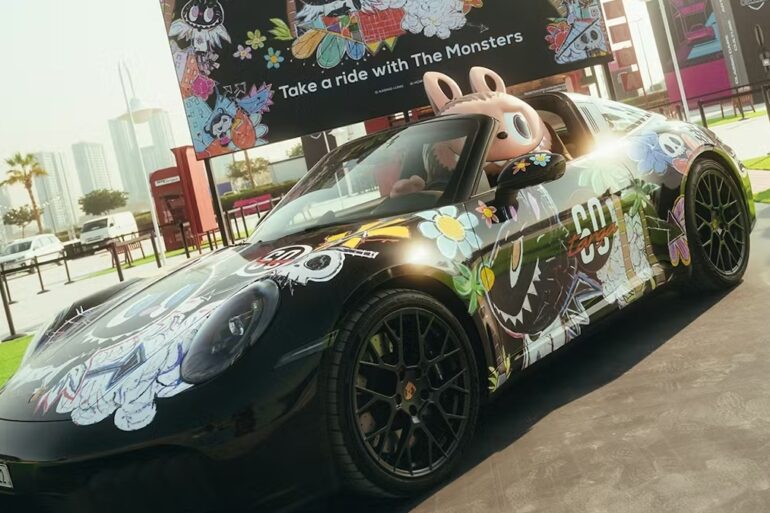
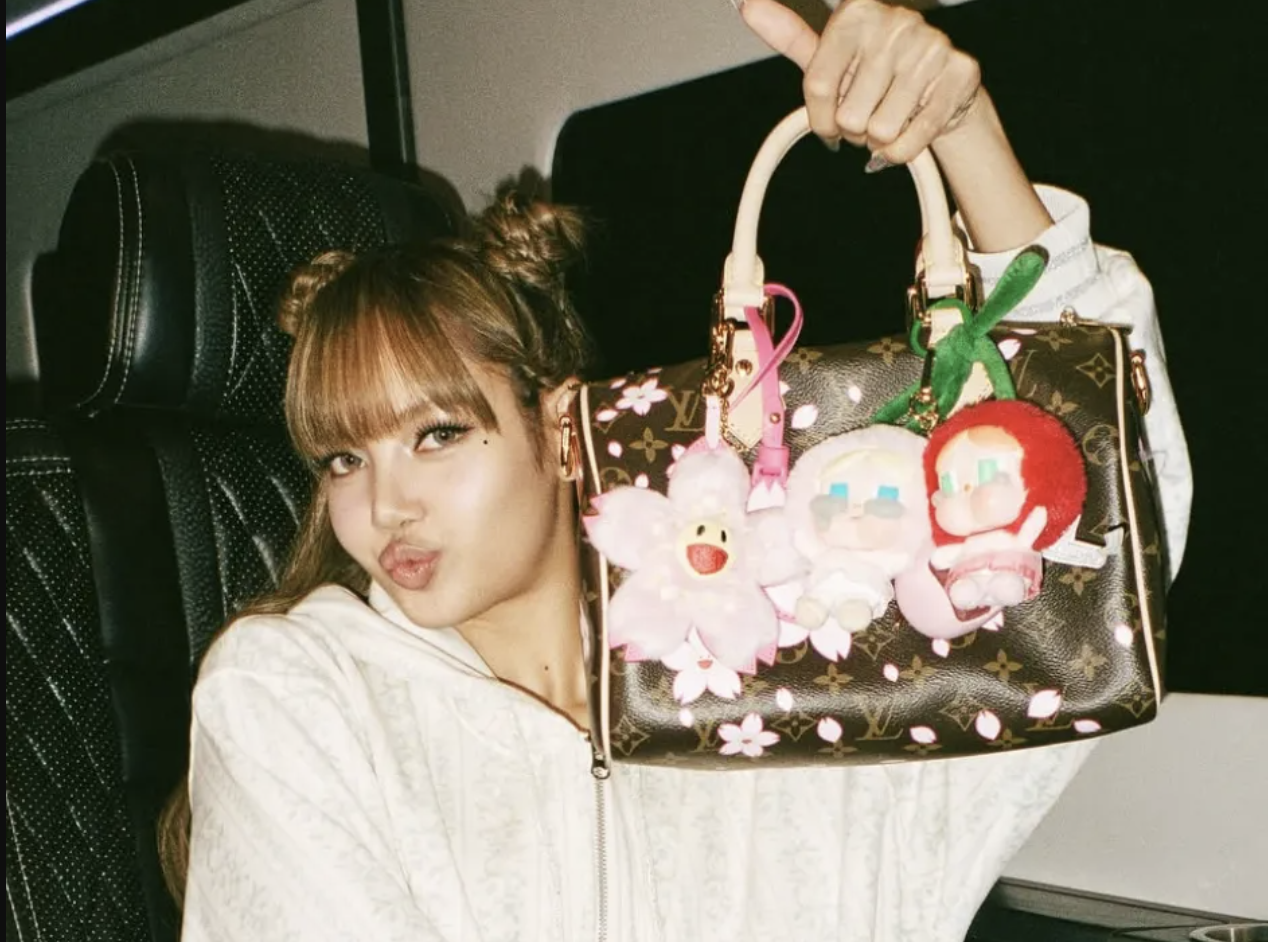
Created by Hong Kong artist Kasing Lung, the character became an international sensation after celebrities, including Blackpink’s Lisa, started showing it off. Soon, collectors were lining up for releases and paying resellers considerably more than retail prices.
At its peak, a human-sized Labubu sold for approximately $150,000 at a Beijing auction in June 2025.
But as Pop Mart increased production, resale prices began dropping. According to Reuters, a Labubu figure called Luck, which sold for over 500 yuan in June 2025, was trading for approximately 108 yuan four months later.
Interestingly, Pop Mart’s overall business continued growing. During the first half of 2026, company revenue increased 23.8%, even as sales of The Monsters, Labubu’s character family, declined. Meanwhile, another Pop Mart character, Twinkle Twinkle, recorded a 580.6% revenue increase.
Labubu may be losing some of its dominance, but collectors are simply discovering other characters.
Even luxury collaborations aren’t immune
The phenomenon extends beyond toys. In May 2026, Swatch collaborated with Audemars Piguet on the Royal Pop collection, featuring eight colorful pocket watches inspired by the luxury brand’s Royal Oak. Originally priced between $400 and $420, some watches attracted resale prices exceeding $2,000 during the initial rush.
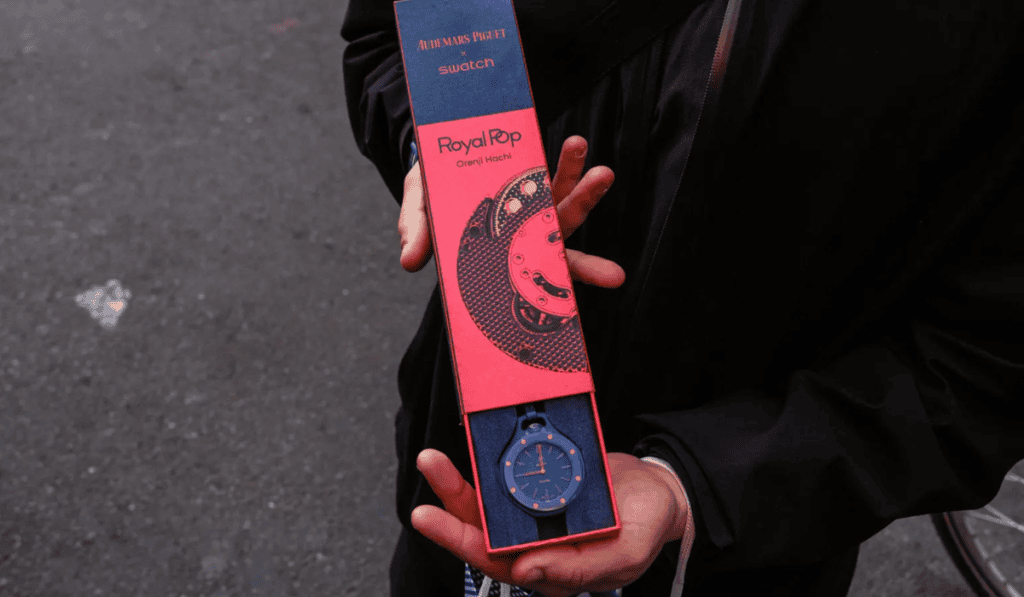
Related story: Royal pop, public riot: Why a $400 watch caused a global uproar
Months later, certain models have traded much closer to retail, although others continue commanding substantial premiums. It’s another reminder that early resale prices don’t necessarily reflect a collectible’s long-term value. Scarcity and excitement can push prices up, but increased availability often changes things.
Why do we keep collecting?
Nostalgia certainly plays a part. A Sanrio figure might remind you of childhood stationery collections. An anime gashapon might bring back memories of your favorite shows. For K-pop fans, photocards and character merchandise represent their connection to an artist.

Then there’s the excitement of the unknown. Blind boxes make purchasing feel like a game. You know the series, but not which character you’ll receive. Secret figures and limited editions make the experience even more tempting.
Social media adds to that excitement too. Celebrity endorsements, unboxing videos, and collector communities can turn a character into something thousands suddenly want. But once something becomes widely available, the thrill of owning a difficult-to-find item can disappear.
What’s catching collectors’ attention now?
In the Philippines, collectibles are becoming easier to find.
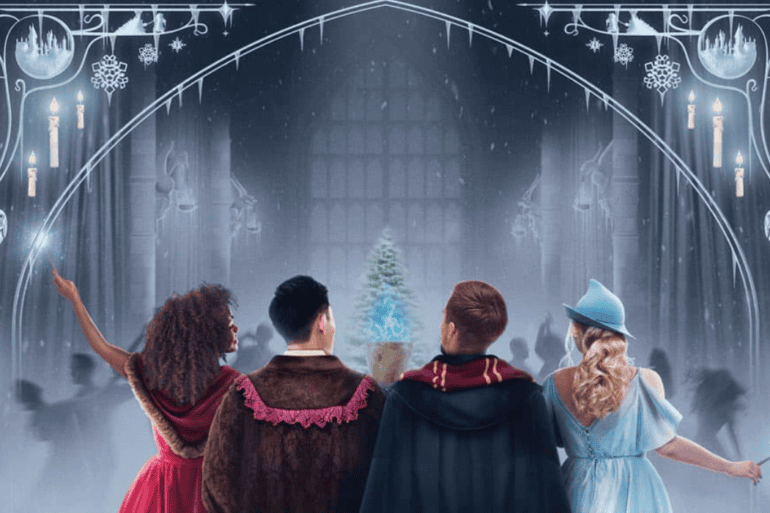
Pop Mart now has permanent stores at SM Megamall and SM Aura, while collaborations such as Hirono × Harry Potter and Seventeen’s Miniteen figures introduce fandoms to blind-box collecting. Sanrio surprise boxes also appeal to fans who grew up with these characters.
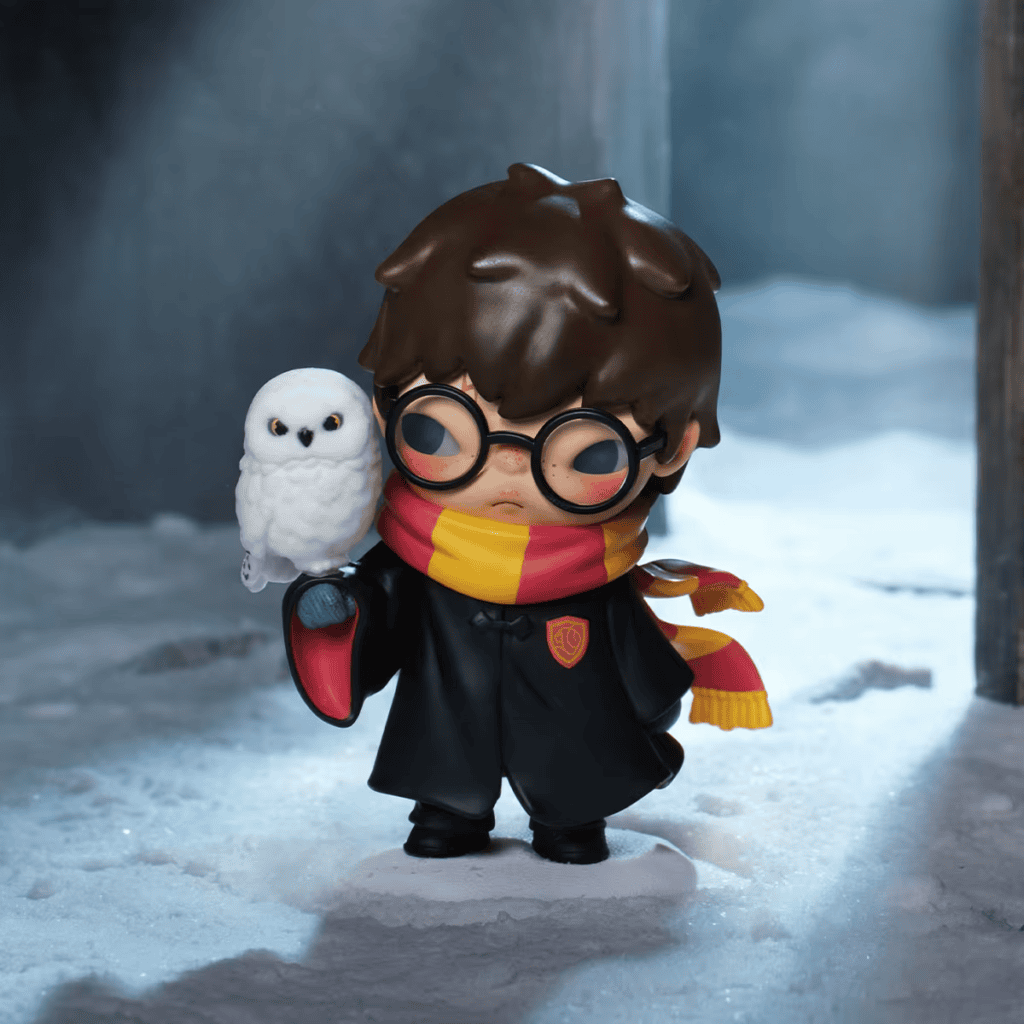
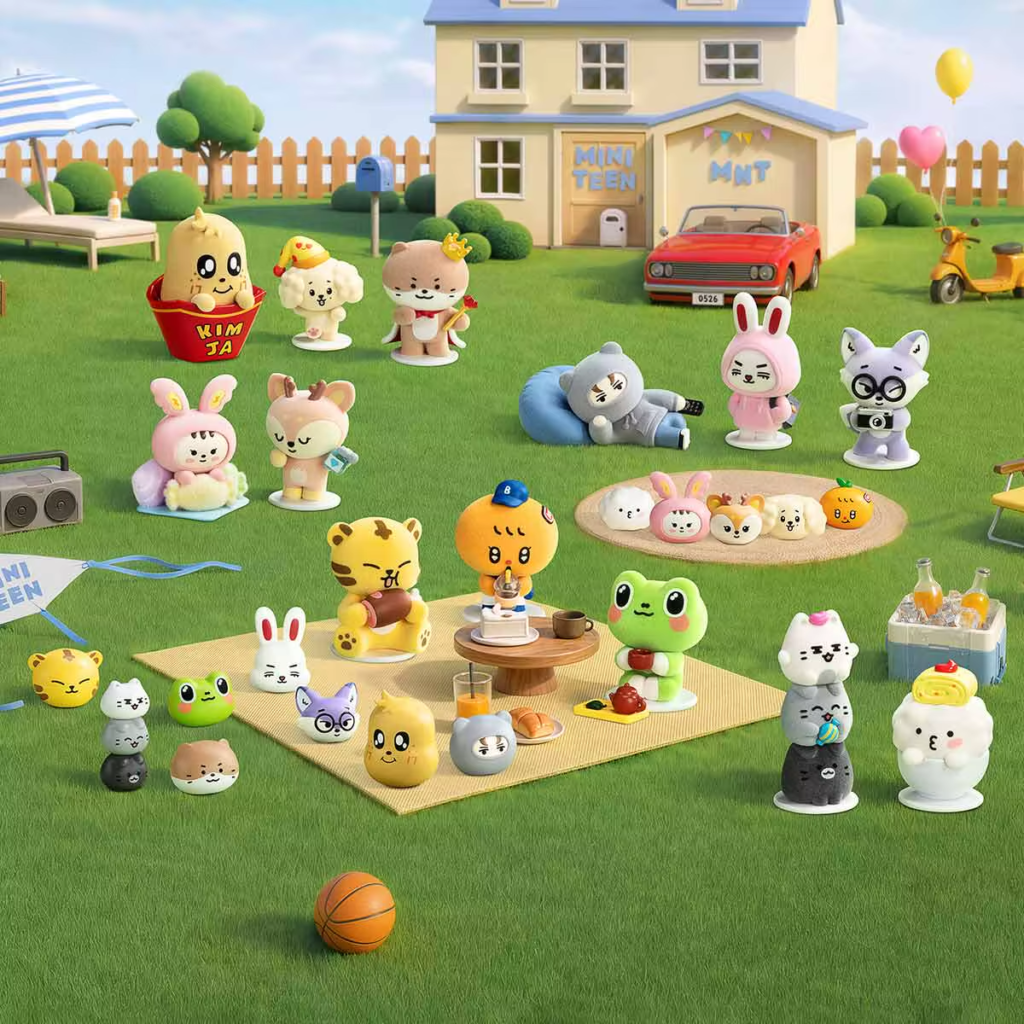
Meanwhile, Bandai’s official gashapon shops have expanded across Philippine malls, including Mitsukoshi BGC, Greenhills, and SM Mall of Asia. These capsule machines offer miniature toys and accessories based on anime, popular characters, and everyday objects.
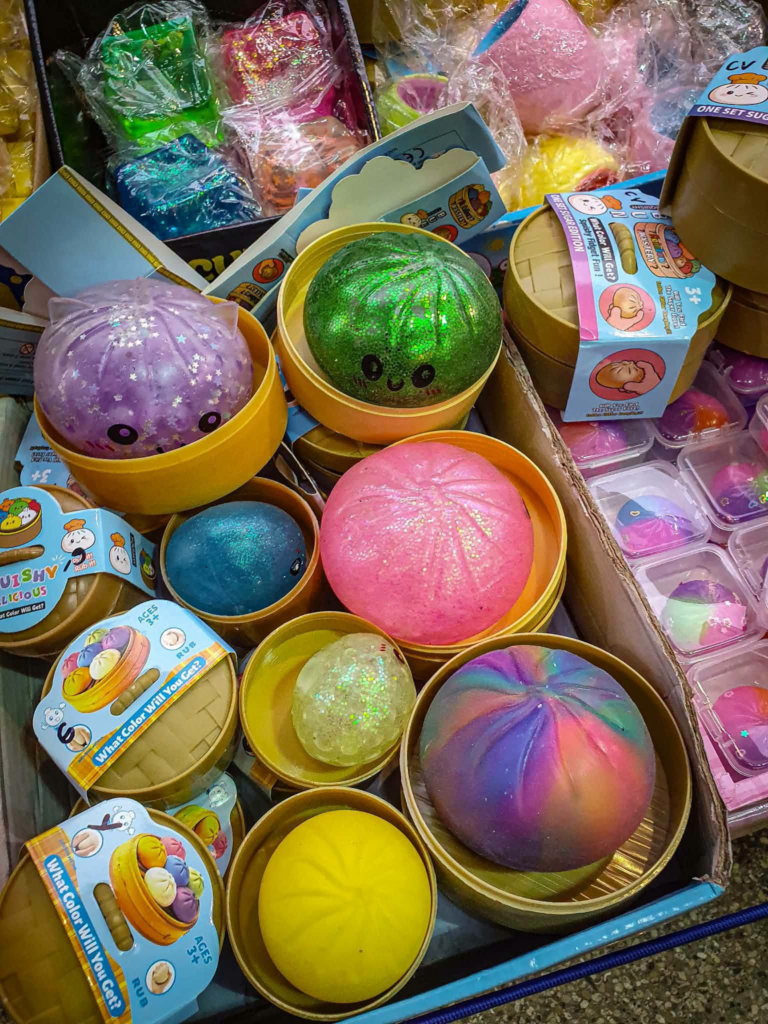
And there’s growing interest in sensory toys such as squishies and slime. Their satisfying textures make them particularly appealing for TikTok and ASMR content. According to market research firm Circana, squishy toy sales recorded triple-digit growth in the United States during the first four months of 2026. Although these figures don’t reflect Philippine sales, they indicate where another collectible craze could be heading.
A pattern for the next big thing
Looking at past crazes, a familiar pattern is visible: a collectible gains attention, demand increases, resale prices rise, and brands expand production. Eventually, supply catches up, the novelty wears off, and another product attracts attention. But not every collectible follows the same path.
K-pop merchandise, for example, benefits from established fandoms, while nostalgic characters remain appealing across generations. The next obsession could be squishies, miniature accessories, another Pop Mart character, or an unexpected collaboration. Or perhaps it won’t be a particular toy at all. With blind boxes and gashapon gaining popularity, the experience of collecting might become just as important as the characters themselves.
Whatever becomes the next big thing, the real joy of collecting isn’t in how much something is worth, but how much we love having it. And who knows? Our next favorite might already be sitting inside a box, waiting to be opened.
Related story: Why grown-ups are getting into the squishy craze
Related story: Heads up, millennial parents: Here are 2026’s must-have toys to keep children entertained
Related story: Why adults can’t stop collecting toys: The rise of designer figures and the blind box hype