
One global ranking put NAIA ahead of Heathrow, while another crowned Heathrow the world’s shopping capital. Here’s why both can be true—and what it says about air travel today.
Airport rankings rarely become conversation starters—until one places Manila’s Ninoy Aquino International Airport (NAIA) ahead of London’s Heathrow Airport.
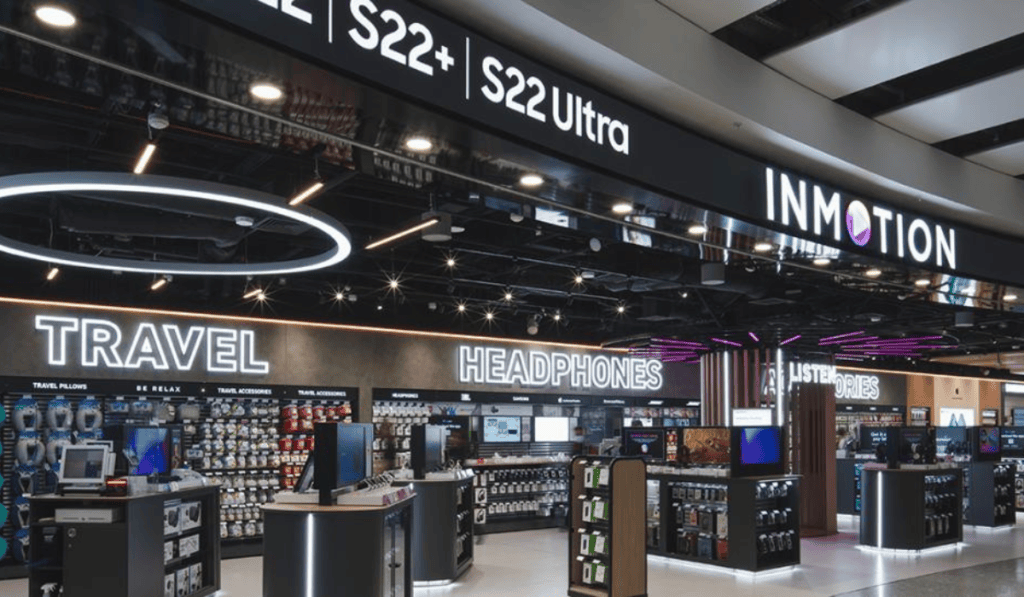
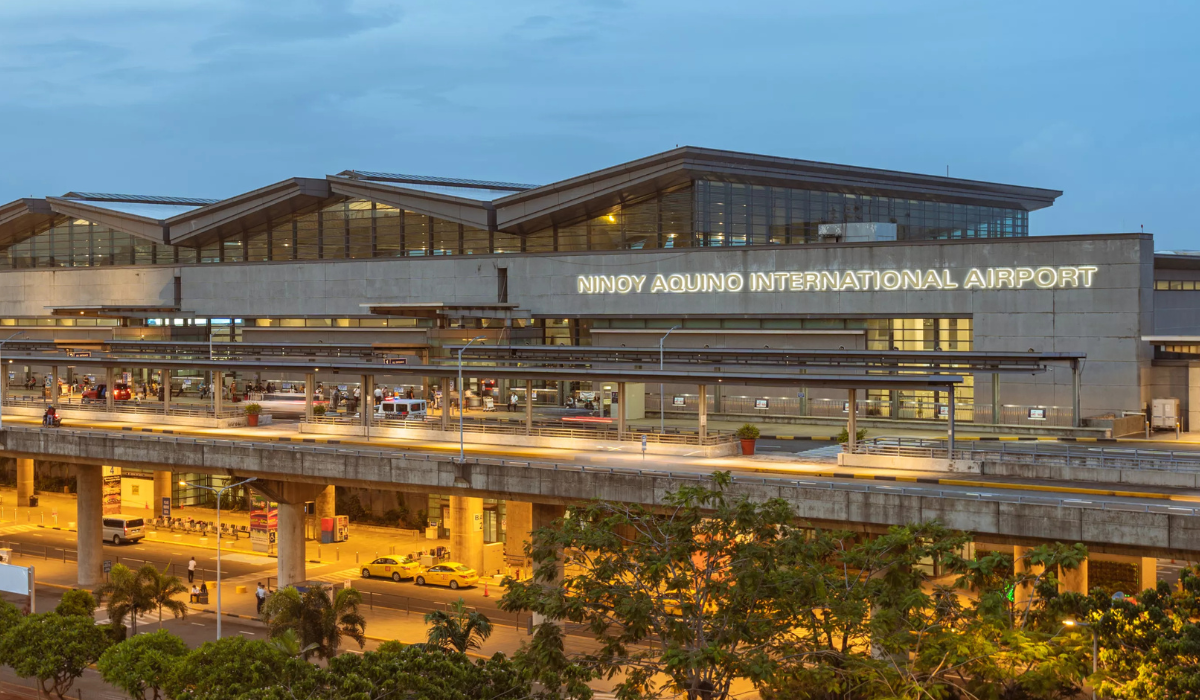
That’s exactly what happened after AirHelp released its latest global airport rankings, where NAIA surprisingly finished above Heathrow. Needless to say, the result was unexpected. Heathrow has long been regarded as one of the world’s premier aviation hubs, while NAIA continues to navigate years of infrastructure upgrades and operational improvements to shed its “world’s world airport” reputation.
So, did NAIA really surpass one of the busiest airports on the planet?
Yes—and no.
The answer lies in what each ranking actually measures.
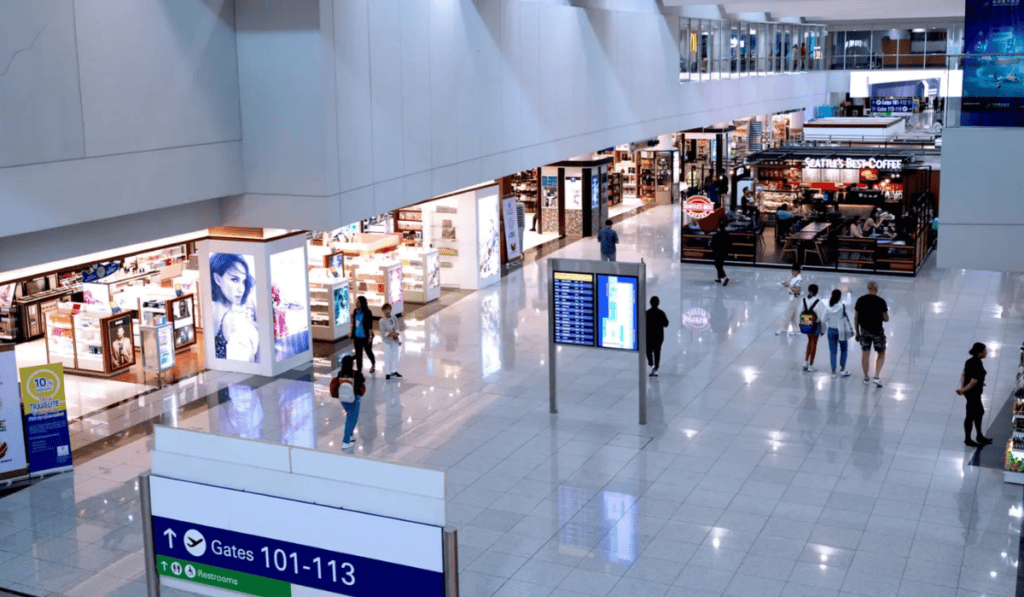
AirHelp’s Airport Score 2026 places significant weight on on-time performance, passenger experience, and airport facilities, rewarding airports that deliver efficient and reliable journeys. Meanwhile, the Skytrax World Airport Awards focus on customer experience, recognizing airports that excel in areas such as comfort, dining, retail, and overall passenger satisfaction.
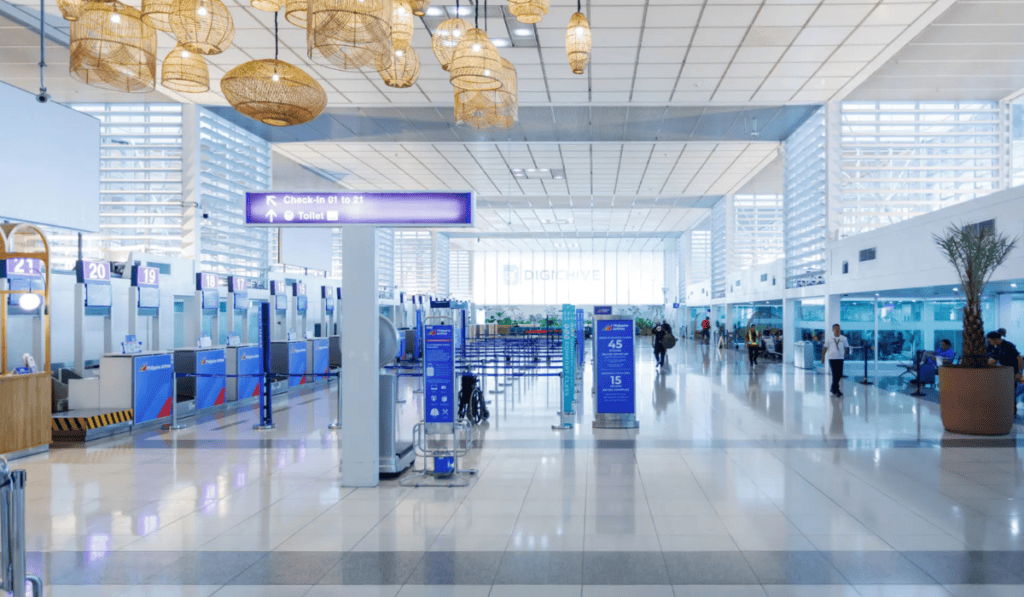
In other words, the two rankings answer two very different questions.
The comparison has gained renewed attention after recent travel reports highlighted NAIA’s inclusion among the world’s notable airport shopping and dining destinations—a distinction that stems from the Skytrax World Airport Awards announced in March 2026. AirHelp’s Airport Score, meanwhile, was released later in July, giving travelers two fresh benchmarks that evaluate airports through entirely different lenses: one prioritizes operational efficiency, while the other celebrates passenger experience.
Where did NAIA rank—and who did it beat?
AirHelp’s 2026 Airport Score evaluated hundreds of airports around the world using its three weighted criteria. Under that methodology, NAIA ranked 65th globally, ahead of London Heathrow Airport, which came in at 71st.
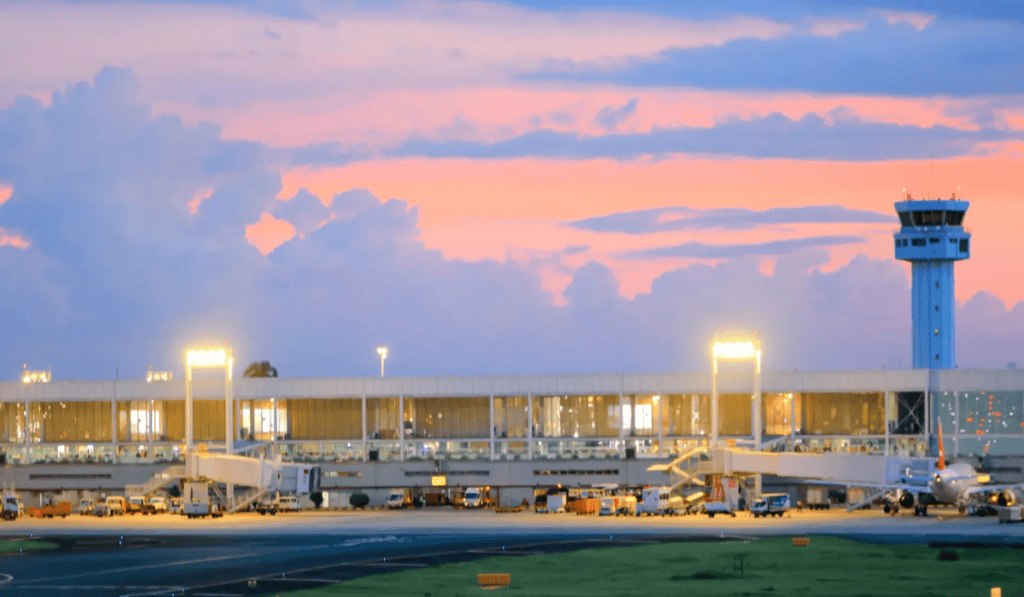
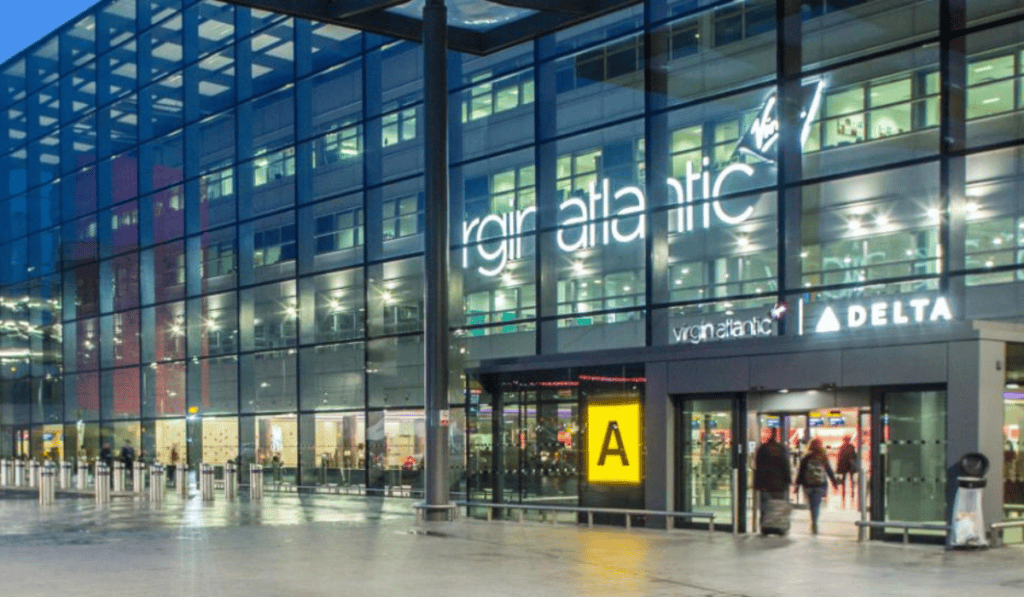
While neither airport landed in the global Top 10, the result still surprised many travelers given Heathrow’s longstanding reputation as one of the world’s busiest and most recognizable international gateways. Rather than suggesting that NAIA has overtaken Heathrow across the board, however, the rankings simply reflect different evaluation criteria, with operational efficiency carrying considerable weight.
Meanwhile, another internationally respected ranking paints a very different picture.
World’s best airports for shopping in 2026
If your airport checklist includes designer boutiques, duty-free treasures, and luxury retail, Heathrow still sits comfortably at the top.
The latest Skytrax World Airport Awards named London Heathrow Airport the World’s Best Airport for Shopping in 2026, based on millions of passenger surveys evaluating airports across the globe. The award recognizes terminals that deliver exceptional retail experiences, from luxury fashion and beauty to local specialty stores and duty-free shopping.
According to Skytrax, these airports currently offer the world’s best shopping experiences:
- London Heathrow Airport
- Singapore Changi Airport
- Rome Fiumicino Airport
- Hong Kong International Airport
- Paris Charles de Gaulle Airport
- Abu Dhabi Zayed International Airport
- Seoul Incheon International Airport
- Istanbul Airport
- Tokyo Narita International Airport
- Taiwan Taoyuan International Airport
For Heathrow, the recognition comes as little surprise.

Often described as a luxury shopping destination with departure gates, the airport is home to designer fashion houses, iconic British retailers, premium beauty boutiques, fine jewelry stores, and extensive duty-free selections. Whether passengers are looking for a Burberry trench coat, exclusive fragrances, luxury watches, or quintessentially British souvenirs, Heathrow has turned pre-flight downtime into a world-class retail experience.
Singapore Changi Airport, on the other hand, blends world-class retail with attractions like Jewel Changi, creating a destination where shopping and entertainment go hand in hand. Rome Fiumicino showcases Italian craftsmanship through designer boutiques, gourmet delicacies, and locally made products, while Hong Kong International Airport remains a favorite for luxury labels and duty-free finds.

Paris Charles de Gaulle excels in French fashion and beauty, Abu Dhabi Zayed International Airport combines upscale retail with striking contemporary architecture, and Seoul Incheon, Istanbul, Tokyo Narita, and Taiwan Taoyuan round out the list by pairing international luxury brands with locally inspired boutiques that give travelers a taste of each destination before—or after—their journeys.
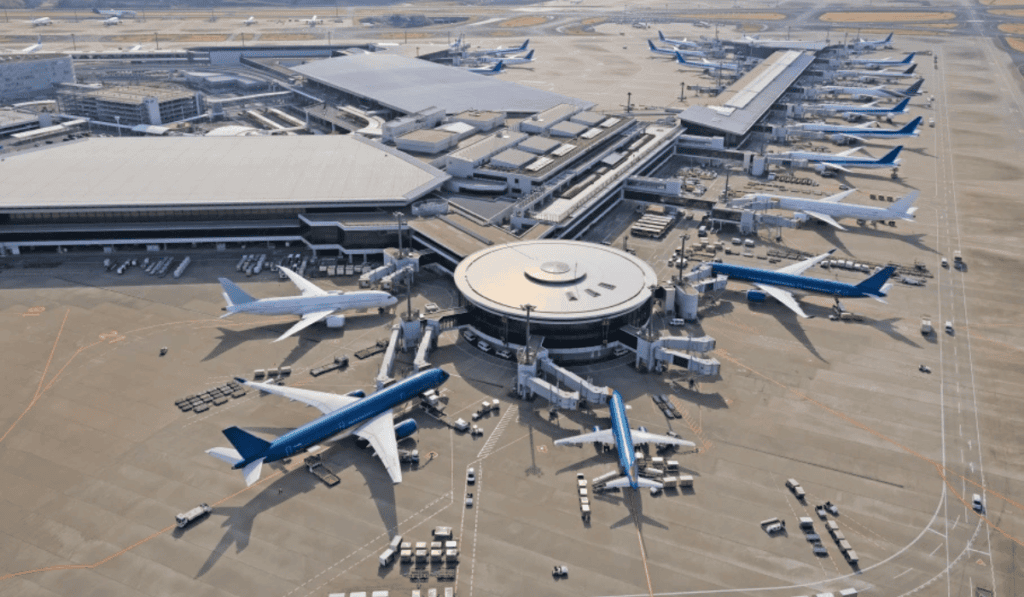
The rankings also reflect how airport shopping has become an attraction in itself. Limited-edition travel exclusives, tax-free savings, airport-only collections, and carefully curated local products have transformed terminals into retail destinations worth exploring—even if you’re not catching a flight.
Ultimately, the seemingly conflicting rankings aren’t contradictory at all—they simply measure different aspects of the travel experience.
If your priority is punctual departures and efficient airport operations, one list may shape where you’d rather connect. If your ideal layover involves luxury boutiques, exclusive duty-free finds, and retail therapy before takeoff, Heathrow continues to set the global benchmark.
So yes, NAIA may have surprised the travel world by finishing ahead of Heathrow in one international ranking. But when it comes to shopping between check-in and boarding, London’s iconic airport still wears the crown.
Related story: Doha’s Hamad International named world’s best airport, Changi takes the second spot
Related story: Get to know the nine airports considered the world’s best