
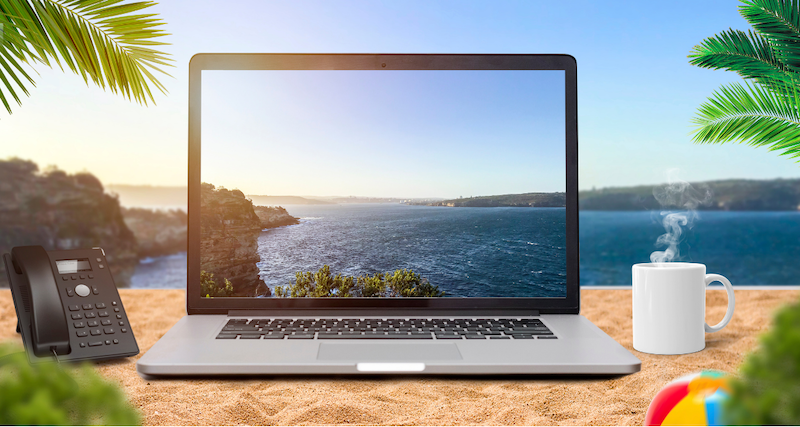

Working by the beach sounds ideal on paper. The view is real, but so are the deadlines, signal drops, and the occasional blackout in the middle of a workday.
Remote work by the beach has become one of travel’s most appealing images. A laptop on a café table, morning meetings with the ocean nearby, and a slower schedule that leaves time for surfing, swimming, or simply stepping outside between tasks all make the idea feel easy to imagine. And, to be fair, parts of that life are very real.
Coastal towns across the Philippines continue to attract remote workers because they offer a lifestyle that feels lighter than city life. There’s more access to nature, less rush, and a daily routine that feels easier to settle into. Many people like the idea of replacing traffic and long commutes with a short walk to the beach or starting the day with a surf before opening a laptop.
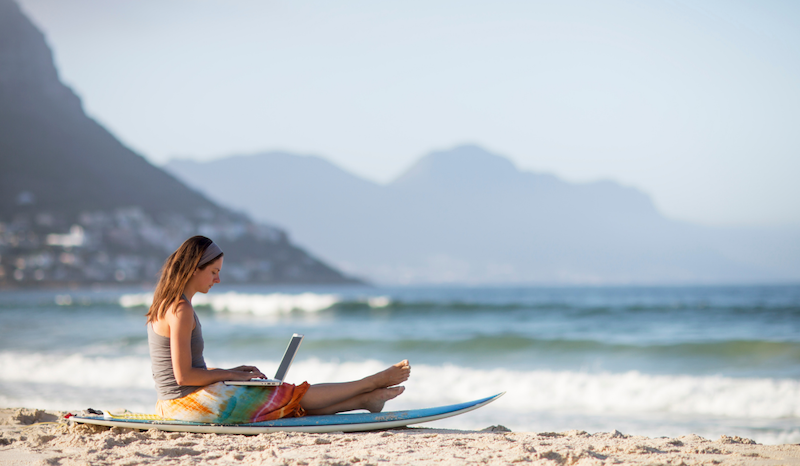
That shift can feel refreshing, but the day-to-day reality usually looks more practical than the version online. Work still needs to get done, deadlines still land at the same time, and calls still need a stable connection. Clients and teammates still expect replies and completed work regardless of whether you’re in a city apartment or a beach town several hours from the nearest airport.
That’s usually where expectations become more realistic. The beach becomes part of the environment, but it doesn’t remove the responsibilities that come with work. For most remote workers, the goal becomes learning how to enjoy both without letting one constantly interrupt the other.
Productivity still depends on signal and electricity
A strong internet connection can shape an entire workday. In many beach destinations, internet access has improved a lot over the years, but consistency can still vary depending on the exact location, the provider, and even the weather. A house near the main town may have stable WiFi, while another place only a few minutes away may rely more heavily on mobile data. One café may feel reliable during quiet hours, then slow down once more people log in throughout the afternoon.
Electricity can also become part of the planning. Scheduled maintenance and unexpected outages are still part of daily life in some coastal areas, especially during rainy months or when tourism activity is high. A short interruption can delay uploads, pause meetings, or force a quick change of plans.
That doesn’t necessarily stop work, but it does mean people learn to plan around the possibility. Files get uploaded earlier than needed, devices stay charged, and important calls are often scheduled around more stable hours. Some remote workers become surprisingly good at checking signal strength and battery percentages before doing anything urgent.
It may not sound glamorous, but that preparation quickly becomes part of the routine. Once the rhythm settles in, it starts to feel like a normal part of working there.
How people make it work
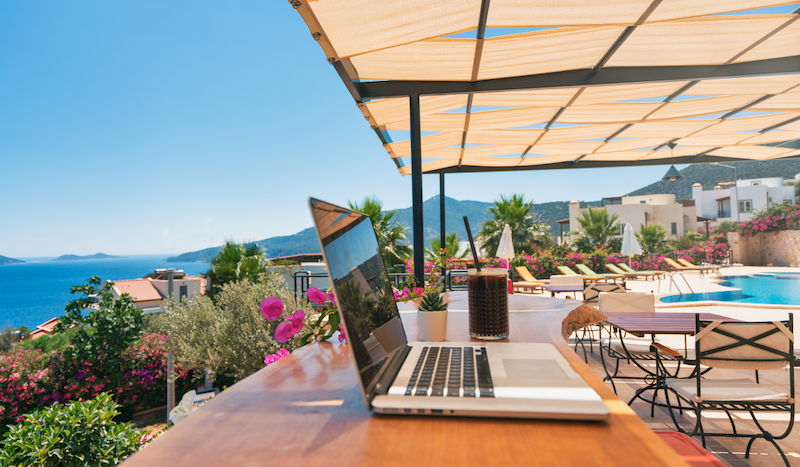
The people who stay productive by the beach usually build routines around flexibility. That often starts with backup options. A mobile hotspot becomes essential, a power bank stays nearby, and some keep both major SIM networks ready, depending on which signal performs better in a certain area.
Others choose accommodations more carefully before committing. WiFi speed matters, signal strength matters, and access to generators matters. For many remote workers, these practical details become just as important as location, budget, or being close to the beach.
Coworking spaces help where available, but in many island destinations, coffee shops still become the practical alternative. Some people rotate between home and cafés depending on the task. A meeting-heavy day may feel easier at home, while a writing day can feel more productive in a café with reliable internet and fewer distractions.
The setup may not feel as polished as a traditional office, but over time it becomes a system that works.
Related story: Where is home? It’s anywhere you’re connected—in more ways than one
Related story: This new hotel in Bohol offers a place to rest, reset, and enjoy the island at an easy pace
Related story: A guide to planning your Sicogon Island vacation
A slower pace changes how work feels
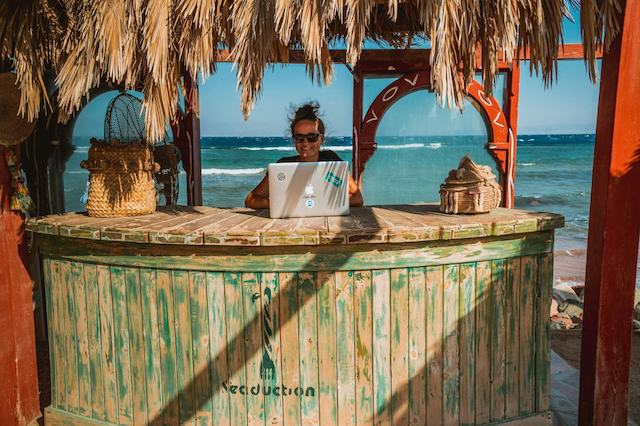
One of the biggest differences is pace. Beach towns naturally move slower than cities, and that can feel refreshing almost immediately. There’s less urgency built into the day, fewer rushed commutes, and less pressure to constantly move from one task to the next.
That slower rhythm can make work feel more manageable. Breaks feel more intentional, meals feel less rushed, and even stepping outside for a few minutes can feel like a reset before returning to work.
For some people, that helps productivity. A calmer environment can make it easier to focus for longer stretches without the usual noise and pressure that come with busier city routines.
For others, it takes adjustment. When the weather is good and the beach is nearby, it can be tempting to move tasks around or put things off until later.
That’s why routine still matters. Many remote workers eventually settle into a rhythm that feels sustainable, where work gets done during the hours that feel most productive and the rest of the day opens up more naturally. The pace is slower, but that doesn’t automatically mean less productive. In many cases, it simply means working in a way that feels more balanced.
Lifestyle and output: the tradeoff is real
This is usually where expectations become clearer. Beach living can absolutely feel worth it. The environment helps, the scenery helps, and the ability to step away from a screen and spend even a short amount of time outdoors can noticeably change how a workday feels.

At the same time, there are tradeoffs. Connectivity can affect schedules, errands can take longer, and certain supplies or services may not be as immediately available as they are in larger cities.
That can slow things down, but it doesn’t always mean productivity drops. For many people, the opposite happens. Because the environment feels more balanced, work hours become more intentional. Time gets structured around priorities, distractions feel easier to manage, and output often becomes more focused because the workday has clearer boundaries.
The tradeoff becomes less about choosing lifestyle over work and more about finding a version of work that fits the lifestyle you actually want. That’s usually what keeps people there longer.
What remote workers in island towns are saying
People already living this setup often describe the same mix of positives and practical challenges.
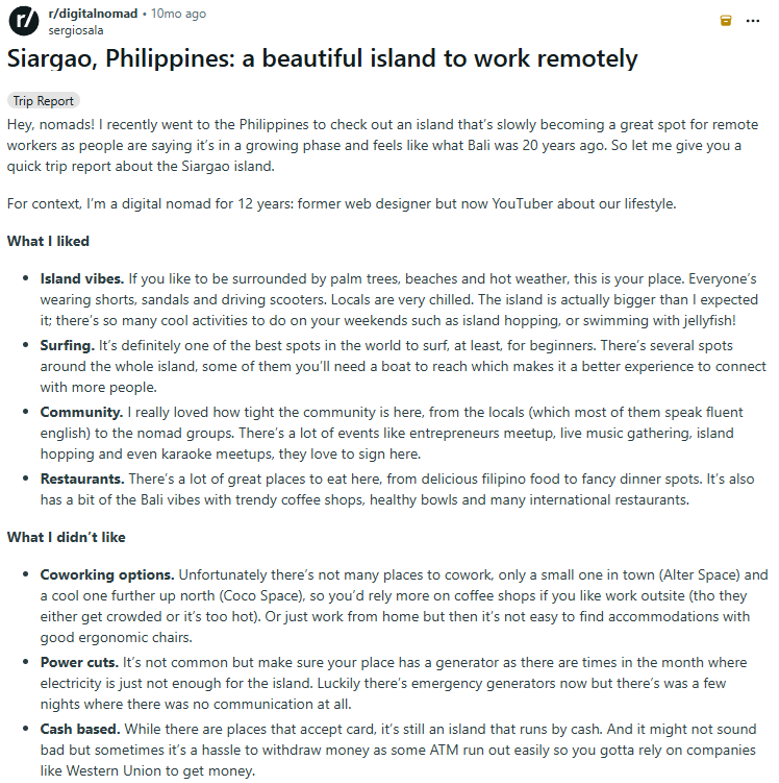
In Siargao, one long-term remote worker described the island as beautiful, social, and easy to settle into. They loved the surf, the close-knit community, and the mix of restaurants and cafés that made day-to-day life feel vibrant. They also pointed out that coworking options remain limited, power interruptions still happen, and cash is often more reliable than cards. The overall experience felt rewarding, but clearly something that works best with flexibility and realistic expectations.
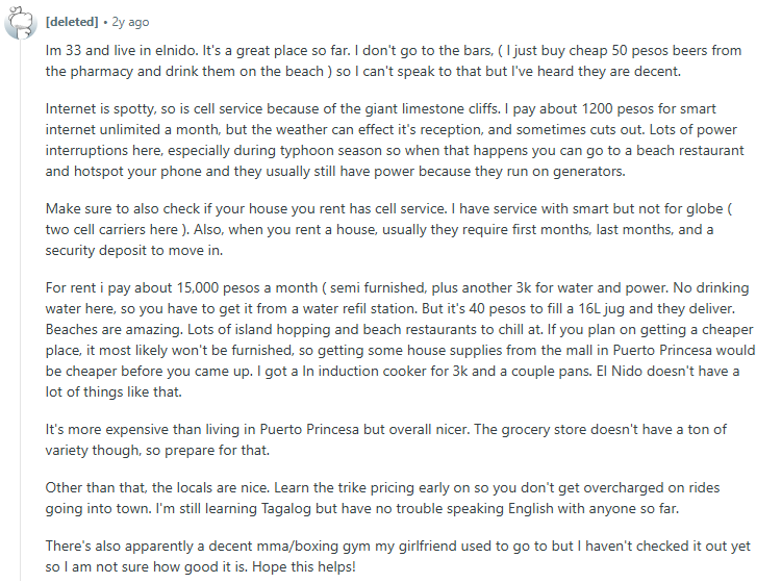
In El Nido, another remote worker shared a similar experience. The scenery and beach lifestyle were major highlights, and daily life felt relaxed, but the internet could be inconsistent because of the cliffs and changing weather. Power interruptions were common enough that backup options mattered, and practical things like checking the signal before renting or planning ahead for household supplies made a real difference. Even with those adjustments, the lifestyle still felt worth it because of the pace and environment.
That combination comes up often. The beach is a real benefit, but so is being prepared for everything around it.
The beach is still there after work
That may be the most practical way to look at it. Working remotely by the beach is not a constant vacation, and it doesn’t feel effortless every day. There are calls to take, deadlines to meet, internet to monitor, and occasional workarounds that slowly become part of the routine.
But once work is done, the reason people choose it becomes easy to understand. The beach is still there, the pace feels lighter, and for many people, that balance between work and lifestyle ends up being exactly what they were hoping to find.