
From Rizal to Rosca—the reading list for anyone who wants to know their own country deeply.
I grew up reading Western books almost exclusively. English bestsellers, whatever was on NY Times or Fully Booked’s best seller list, the titles that felt like the default definition of being well-read. Local literature showed up in school as a requirement, which meant Rizal was a grade, not a choice, and I filed it away before I graduated.
It took a few hard years to change that. COVID pandemic, the 2022 elections, so did watching a media company I poured years into shut down. At some point, between the grief and the anger and the slow process of figuring out what would come next, I started feeling something I hadn’t paid attention to before: the actual weight of living in this country.
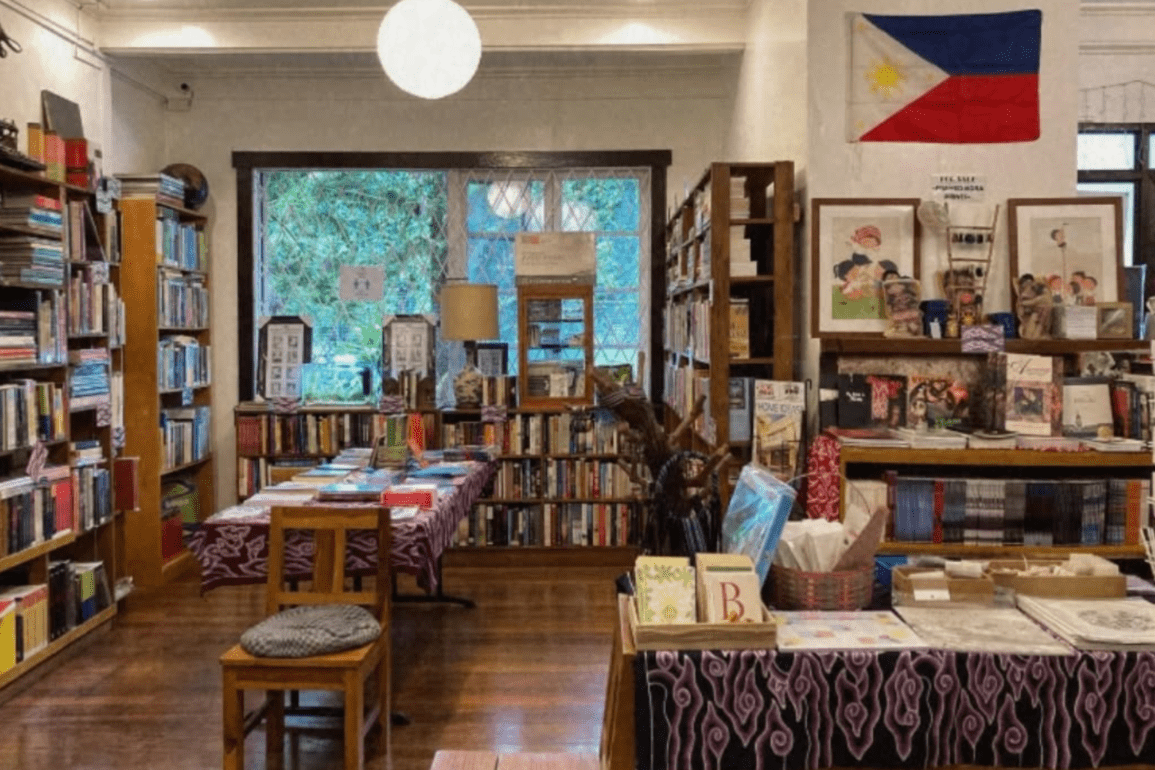
That’s when I started going back to Philippine history and literature with genuine intention. I’d already been visiting Mt. Cloud Bookshop in Baguio for a while—an independent bookshop founded by sisters Padma and Feliz Perez, carrying titles that are mostly Filipiniana, including rare and regional books you won’t find anywhere else. Each visit sent me home with something that reframed things a little.
What I found is that Philippine literature has been asking the same questions for over a century about colonialism, about who holds power, about whose version of history survives. The writers are sharp, the stories are rich, and they feel urgently relevant in a way I wasn’t prepared for. Our country has been telling its own story for a long time. I just wasn’t paying attention.
This June 12, whether you’re heading to a pocket event, a weekend market, a gig, or just staying in, here are eight books worth picking up. The classics read properly this time, and the contemporary ones that show the conversation is still very much ongoing.
Related story: Are we losing the ability to read books?
Related story: 5 translated books that deserve a spot on your shelf
Noli Me Tángere & El Filibusterismo by Jose Rizal

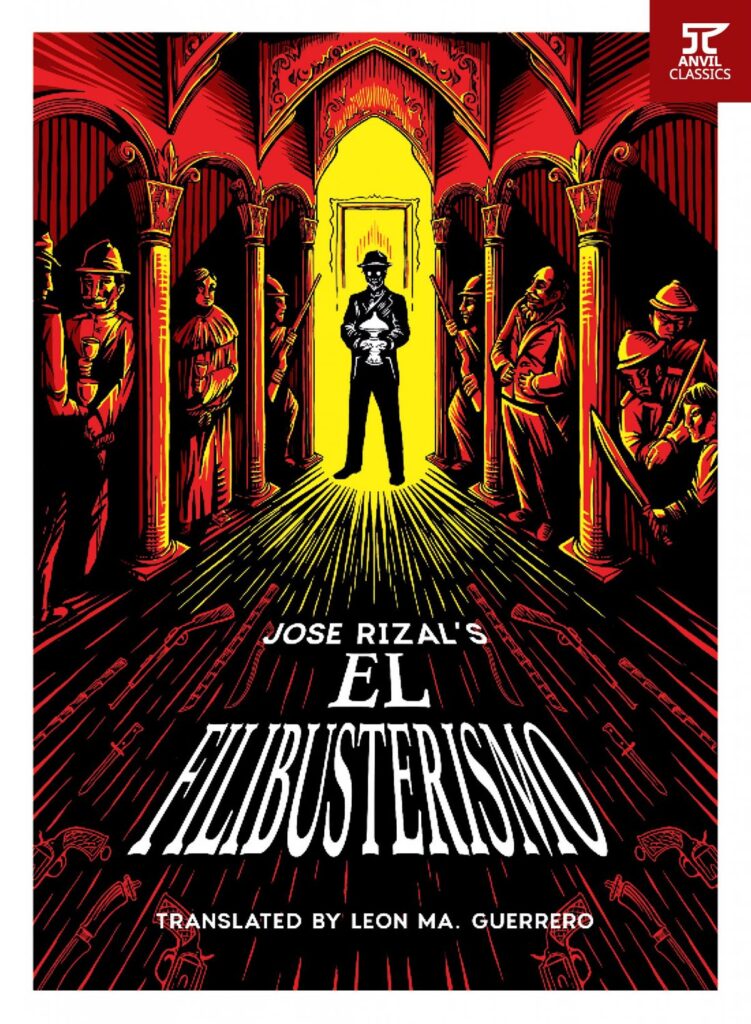
You read these in school. That doesn’t count. Reading Rizal as a grade and reading Rizal as an adult who pays taxes, watches the news, and has a complicated relationship with this country are two completely different experiences. Written in 1887 during Spanish colonization, Noli is still the clearest, most unflinching portrait of colonial Filipino society from the inside. The second novel hits harder once the first has settled. Read them back to back.
The Woman Who Had Two Navels by Nick Joaquin
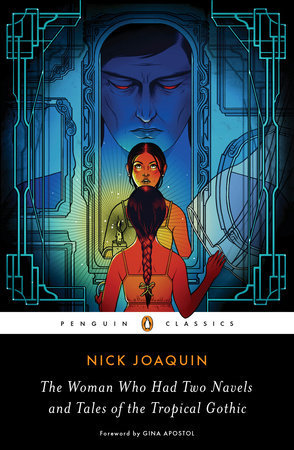
National Artist for Literature Nick Joaquin writes the way Manila feels. Dense and a little disorienting. This novel is about what the past does to us, specifically to Filipino identity in the aftermath of war and colonization. It’s not a light read, but it changes how you understand why we are the way we are. Every slow page earns its place.
State of War by Ninotchka Rosca
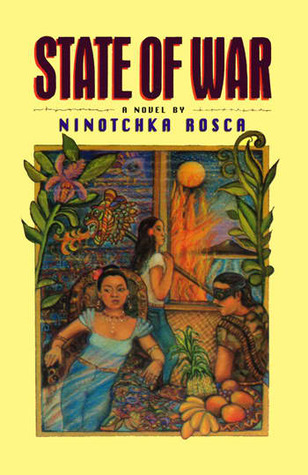
An allegory for the Marcos regime, told through three characters whose lives collide during a festival on the verge of chaos. Rosca wrote this while in exile, and that urgency is on every page. It’s now a classic of Philippine literature for good reason, it reads like it was written about whatever political moment you happen to be living through right now.
Bata, Bata… Pa’no Ka Ginawa? by Lualhati Bautista
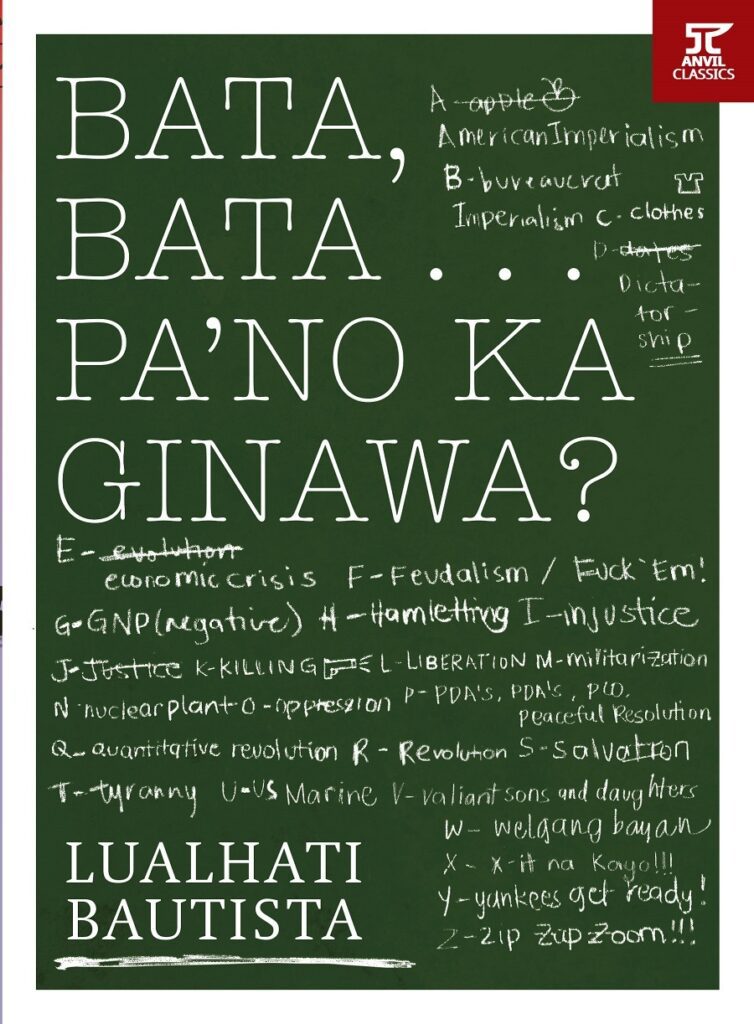
A woman navigating motherhood, marriage, and survival during the Marcos years. The Plaza Miranda bombing. The suspension of the Writ of Habeas Corpus. Bautista doesn’t write these as historical events. She writes them as the background noise of a life. The dictatorship starts feeling like something that happened to someone’s mother. This is raw and truly necessary.
Insurrecto by Gina Apostol
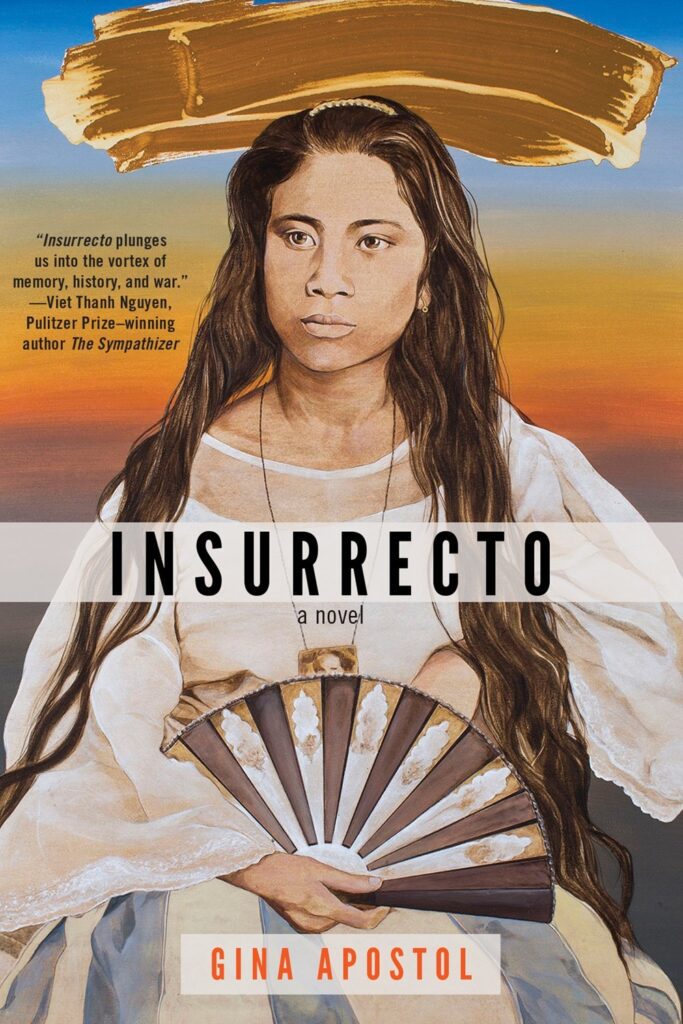
An American filmmaker comes to the Philippines to make a film about the 1901 Balangiga massacre, when US soldiers slaughtered thousands of Filipino civilians in Samar. She enlists a Filipina translator named Magsalin, who promptly writes her own competing script. Two women, two versions of the same atrocity, and a kaleidoscopic structure that keeps folding back on itself. It won the PEN/Open Book Award. To me, one of the most important Filipino books of the last decade that should be on our shelves.
Smaller and Smaller Circles by F.H. Batacan
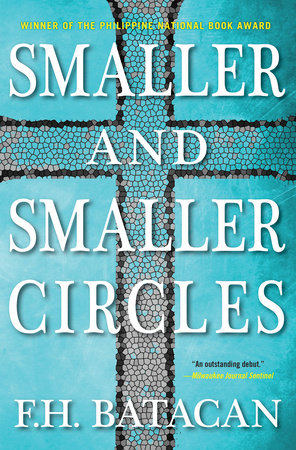
Celebrated as the first Filipino crime novel. Two Jesuit priests. A serial killer in Payatas. A government too corrupt to function. Batacan uses Manila as both setting and subject. The city’s inequality and institutional rot are as much a part of the story as the murders. There’s a film adaptation, but (please!) read the book first.

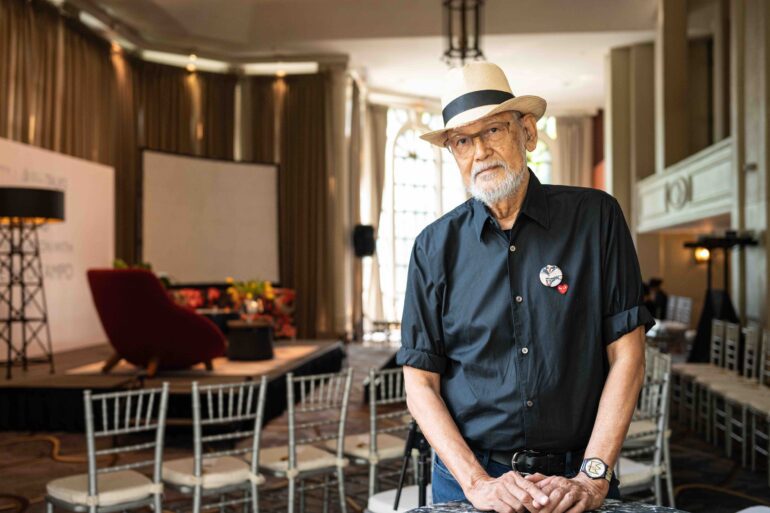
Looking Back by Ambeth Ocampo
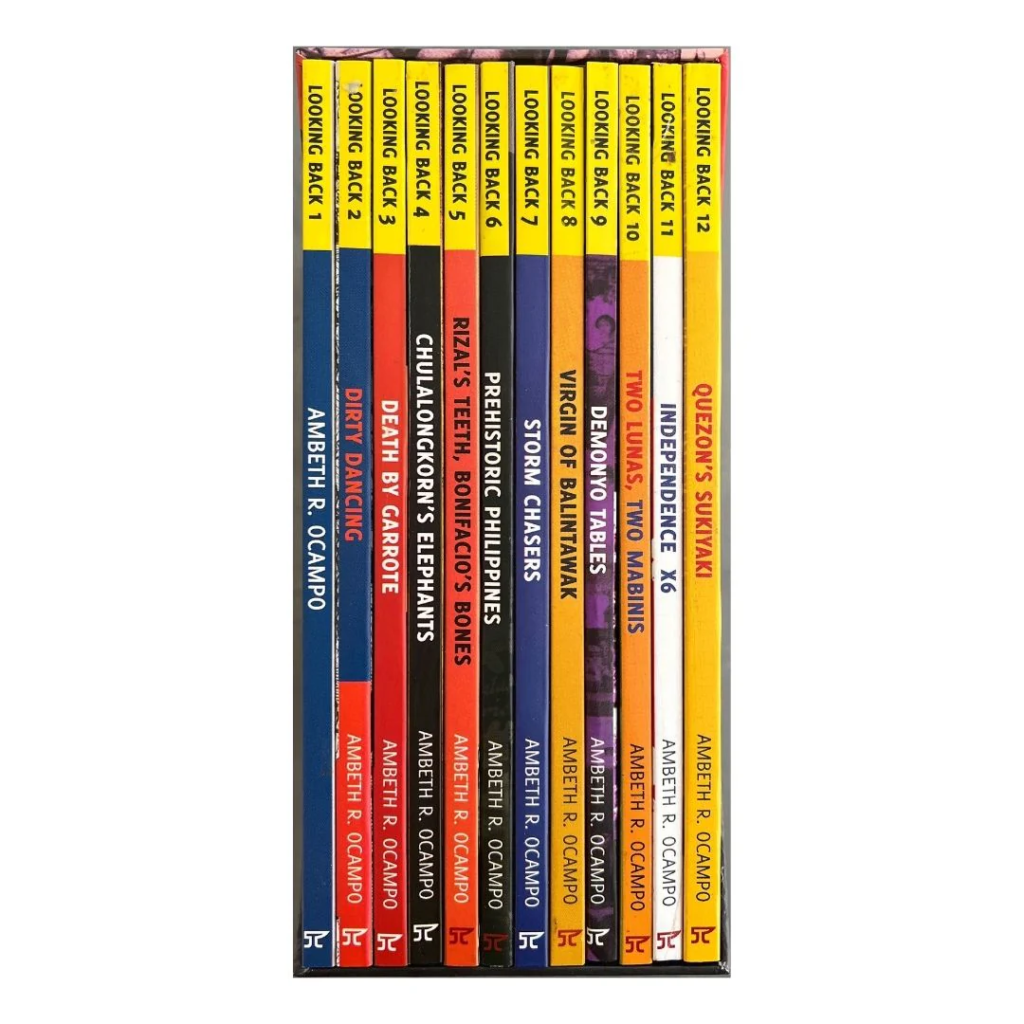
Ocampo has been writing his “Looking Back” column in the Philippine Daily Inquirer for decades, and this collection is where it started. Originally published in 1990, the essays dig into the details of Philippine history that textbooks skip. The personal quirks of national heroes, the strange specifics of colonial life. It’s the kind of history book you end up reading in one sitting without meaning to. Good for short bursts between June 12 plans.
Related story: Artist Felix Mago Miguel inspires next gen illustrators in workshop on children’s books
Related story: Are screens taking over our lives?
Rizal Without the Overcoat by Ambeth Ocampo
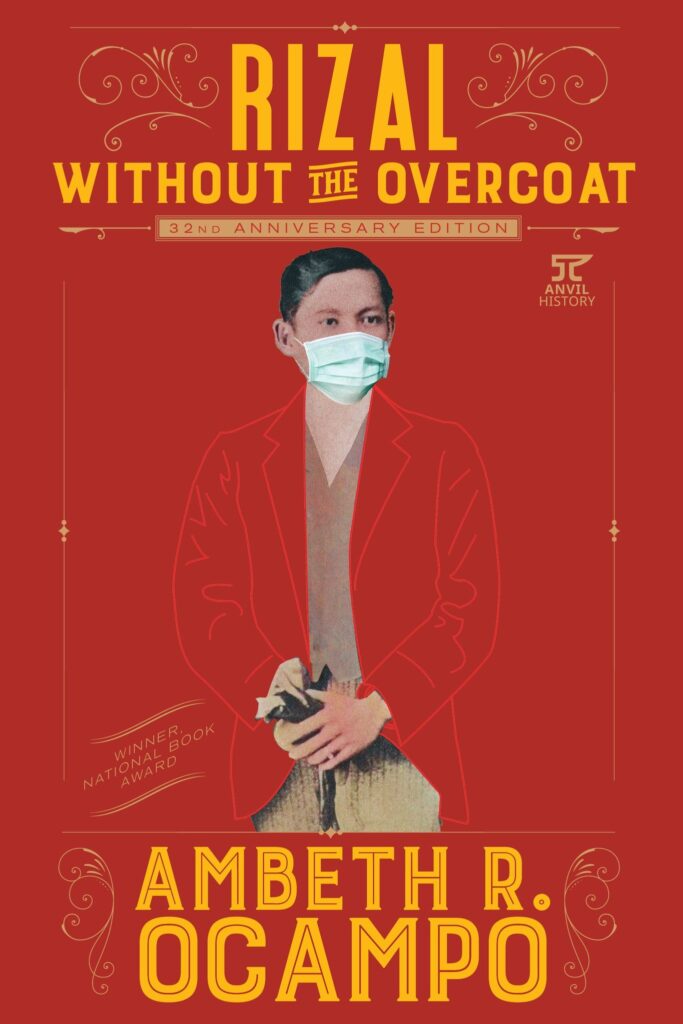
A companion to the above. Ocampo went through Rizal’s letters, diaries, and personal notes and found an actual person underneath. A person who is curious, funny, flawed, occasionally a bit dramatic. Reading this around Independence Day is also timely, because his birthday also falls on the following week. The hero makes more sense when he’s also just, you know, human.
There’s a version of June 12 that’s just a holiday, a long weekend this year. And there’s a version where you spend some of it actually reckoning with the history the day is supposed to mark. These books are for the second kind. Pick one. Our country has been waiting.
Related story: The books you’ll want to read before they hit the screen
Related story: A reading list for the upcoming long break when you just want to pause and escape