

A new visa-on-arrival policy opens the UAE to more Filipino travelers. Here’s who qualifies, what to expect amid regional tensions, and where to go in Dubai and Abu Dhabi.
For decades, the United Arab Emirates has occupied a unique place in the Filipino imagination. For some, it’s where family members built careers and started new chapters. For others, it’s a stopover destination known for record-breaking skyscrapers, luxury shopping, and desert adventures. Now, the country is becoming more accessible to a segment of Filipino travelers thanks to a newly announced visa-on-arrival program.
Starting today, June 25, qualified Philippine passport holders may obtain a visa upon arrival in the UAE, eliminating the need to secure a separate tourist visa before departure. The move is expected to make travel more convenient for Filipinos who already possess visas or residency permits from select countries, potentially encouraging more leisure trips to Dubai, Abu Dhabi, and beyond.
The announcement arrives at a particularly interesting time, too. Just days after the world watched the war between the United States and Israel, and Iran—with several Gulf states caught in the middle—travelers are understandably asking the same question: Is now a good time to visit the UAE?
The short answer appears to be a yes, provided travelers stay informed and follow official advisories.
Who qualifies for the visa on arrival?
The new policy does not apply to all Philippine passport holders.
According to UAE authorities, Filipinos must possess a valid visa, residence permit, or Green Card from any of the following countries:
- United States
- United Kingdom
- European Union member states
- Canada
- Australia
- Japan
- New Zealand
- Singapore
- South Korea
Travel documents must generally be valid for at least six months beyond arrival as well.
Qualified travelers may obtain either a 14-day visa on arrival, which can be extended for another 14 days, or a longer stay option depending on eligibility and fees assessed by UAE immigration authorities.
For frequent travelers, digital nomads, business professionals, and Filipinos with family spread across multiple countries, the policy removes one of the biggest barriers to spontaneous travel to the Emirates.
Why this matters for Filipino travelers
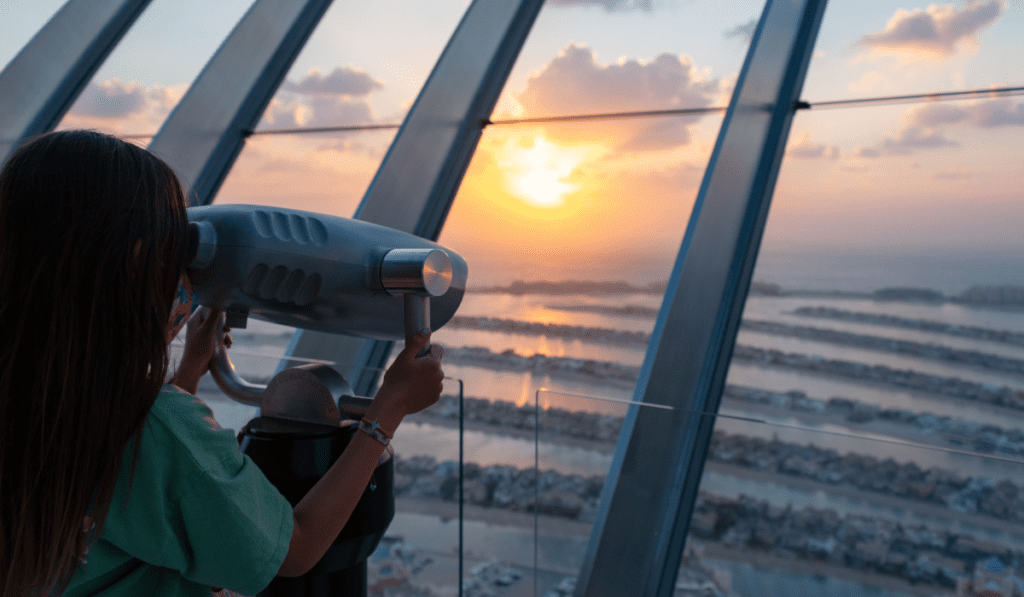
The UAE has long been one of the most visited destinations in the Middle East for Filipinos, thanks in part to a strong air connectivity and a large Filipino community estimated to exceed 900,000 residents.
Dubai alone receives millions of international visitors annually and has increasingly positioned itself as a destination for luxury tourism, food tourism, family travel, and major events. Meanwhile, Abu Dhabi continues to invest heavily in culture, entertainment, and sports tourism.
For Filipinos already holding visas from countries such as Japan, Canada, Australia, or the United States, the new arrangement could mean less paperwork and greater flexibility when planning holidays.
It also places the UAE alongside destinations that have been easing entry requirements in an effort to stimulate tourism and international business travel.
What to expect after the US-Iran conflict

The timing of the policy announcement is impossible to ignore. Earlier this month, global attention turned to the Middle East after military exchanges between the United States and Iran raised fears of a wider regional conflict. Given the UAE’s location in the Gulf region and its proximity to strategic waterways, some travelers may understandably hesitate before booking a flight.
However, daily life across major UAE cities has largely continued uninterrupted. Dubai’s airport remains operational, commercial districts are functioning normally, and tourist attractions continue to welcome visitors. Major airlines serving the UAE have also maintained operations, though some carriers have adjusted flight paths when necessary to avoid potentially sensitive airspace.
For travelers, the situation serves as a reminder to monitor airline advisories, secure comprehensive travel insurance, and stay updated through official government travel notices. As with any international trip, awareness and preparation remain key.
At present, there have been no widespread closures of major tourist attractions in Dubai or Abu Dhabi, and the country’s tourism infrastructure continues to operate normally.
Five attractions worth adding to your itinerary
If you’re planning a UAE getaway, these destinations remain among the country’s biggest draws.
Burj Khalifa

No first-time trip to Dubai feels complete without visiting the world’s tallest building. The observation decks offer sweeping views of the city’s skyline, desert landscape, and coastline. Sunset remains one of the most popular times to visit.
Dubai Mall

Connected to the Burj Khalifa, Dubai Mall is much more than a shopping center. Visitors can spend an entire day exploring its attractions, which include an aquarium, indoor entertainment venues, luxury boutiques, and countless dining options.
Museum of the Future

One of Dubai’s most photographed landmarks, the Museum of the Future combines architecture, technology, and interactive exhibits that explore humanity’s future in science, sustainability, and innovation. Even those who don’t typically enjoy museums often leave impressed.
Sheikh Zayed Grand Mosque


Located in Abu Dhabi, this architectural masterpiece is considered one of the most beautiful mosques in the world. Its white marble exterior, intricate floral designs, and reflective pools make it a must-visit for travelers interested in culture, history, and photography.
Louvre Abu Dhabi

Art lovers shouldn’t miss this world-class museum. The institution showcases works from different civilizations and time periods under its iconic floating dome, offering a cultural experience unlike anything else in the Gulf region.
Beyond the skyscrapers

The UAE’s biggest strength may be its ability to offer different experiences within a relatively compact geography.
A tourist can spend the morning shopping in one of the world’s largest malls, enjoy a desert safari by afternoon, and dine beside the Arabian Gulf in the evening. Others may choose to explore heritage districts, traditional souks, mountain landscapes, or neighboring emirates that receive far fewer tourists than Dubai.
For Filipino travelers seeking a destination that balances convenience, modernity, and cultural diversity, the Emirates continue to make a compelling case.
The bottom line
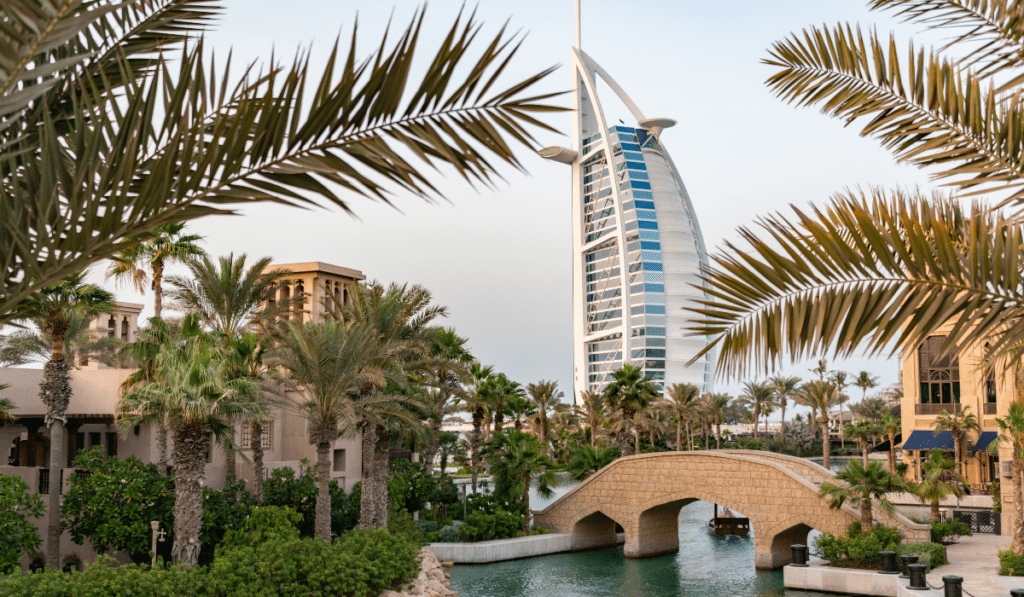
The UAE’s new visa-on-arrival policy won’t apply to every Filipino traveler, but for those who qualify, it represents a significant step toward easier international travel.
More importantly, it arrives at a moment when many travelers are reassessing the Middle East following recent geopolitical tensions. While caution and awareness remain necessary, the UAE continues to present itself as one of the region’s most accessible, tourism-friendly, and infrastructure-rich destinations.
For Filipinos who already hold qualifying visas from countries such as Japan, Canada, Australia, the United Kingdom, or the United States, that dream Dubai stopover—or long-overdue Abu Dhabi holiday—may now be much easier to turn into reality.
Photos from Pexels
Related story: Philippine Airlines set to join Oneworld—here’s what Filipino travelers need to know
Related story: Japan visa fees are going up 5x: Here’s what Filipino travelers need to know