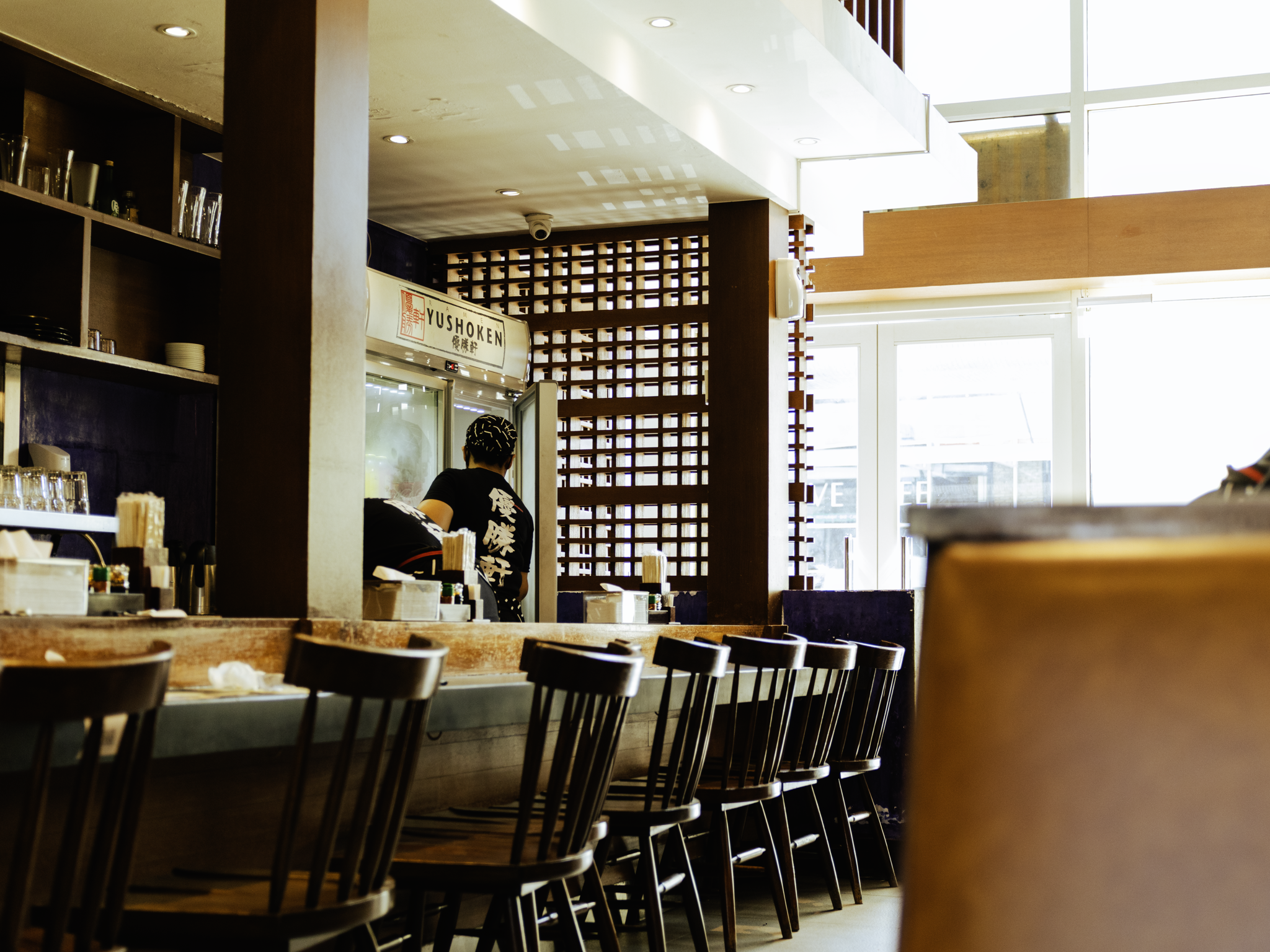

The restaurant’s newest menu tells a bigger story about Japanese hospitality, craftsmanship, and thoughtful dining while making room for everyone at the table.
For a restaurant famous for refusing takeout orders, menu modifications, desserts at the start of the meal, and even background music, introducing something new or experimental might seem almost out of character. Only, it isn’t.
If anything, Yushoken‘s newest Chibi Yudon Sets may be the clearest expression yet of the philosophy that has made Molito one of the country’s most respected ramen destinations over the past 14 years—not because it is adding to what diners can order, but because it is expanding who gets to pull up a chair.
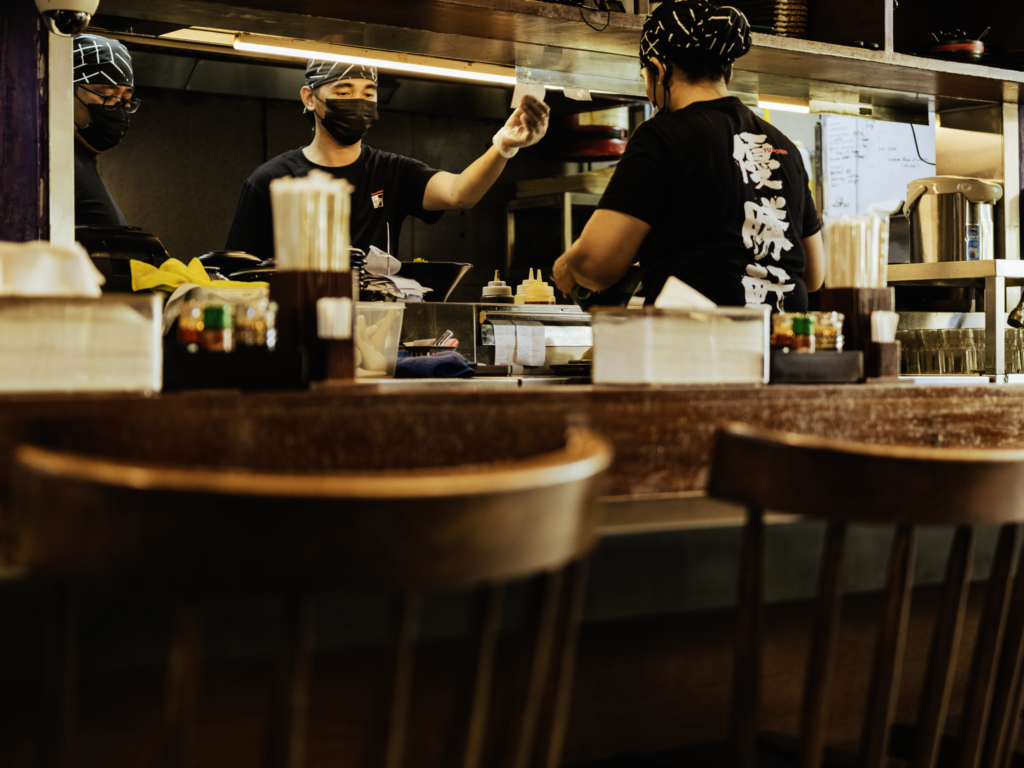
During a media lunch marking the launch of the new Japanese rice bowl lineup, CEO and founder Ryan K. Cruz offered something more than just a product presentation. He looked back at a business built on restraint.
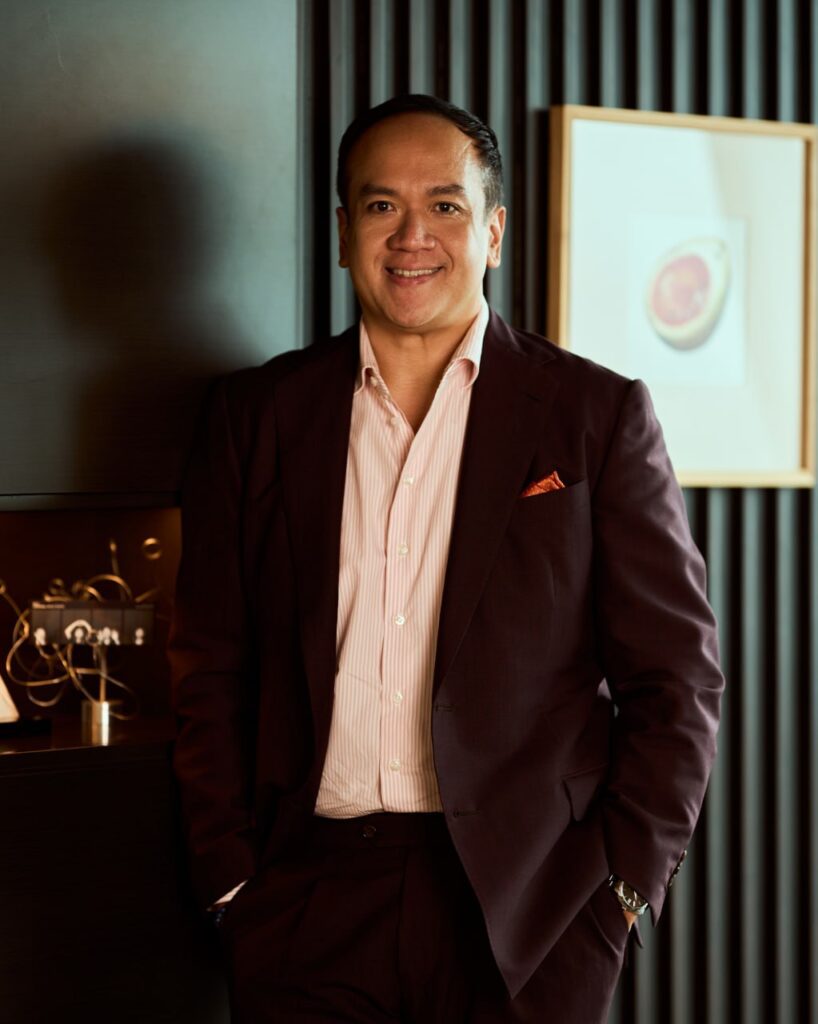
Before Yushoken even became shorthand for serious ramen in the Philippines, Cruz remembers standing outside the restaurant counting customers—to apologize. “There were days I had to stop at the 80th customer,” he recalled. “I’d tell the 81st person, ‘I’m sorry, we’re out.'”
Because of this recurring shortage, some diners predicted the restaurant would close within six months. Others accepted the disappointment with grace, choosing to return later in the day for another chance at a bowl.
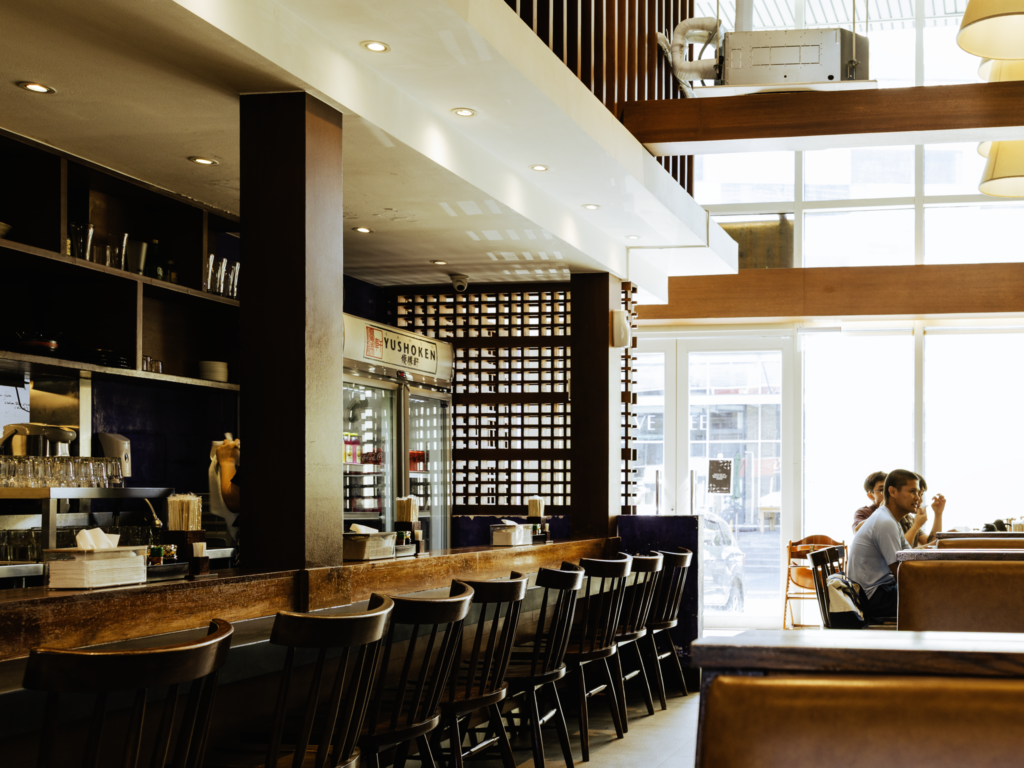
Looking back, Cruz says those moments slowly shaped nearly every decision the restaurant would make afterwards. “We’ve always tried to accommodate the people we ended up disappointing,” he shares.
That very sentence explains the arrival of Chibi Yudon.
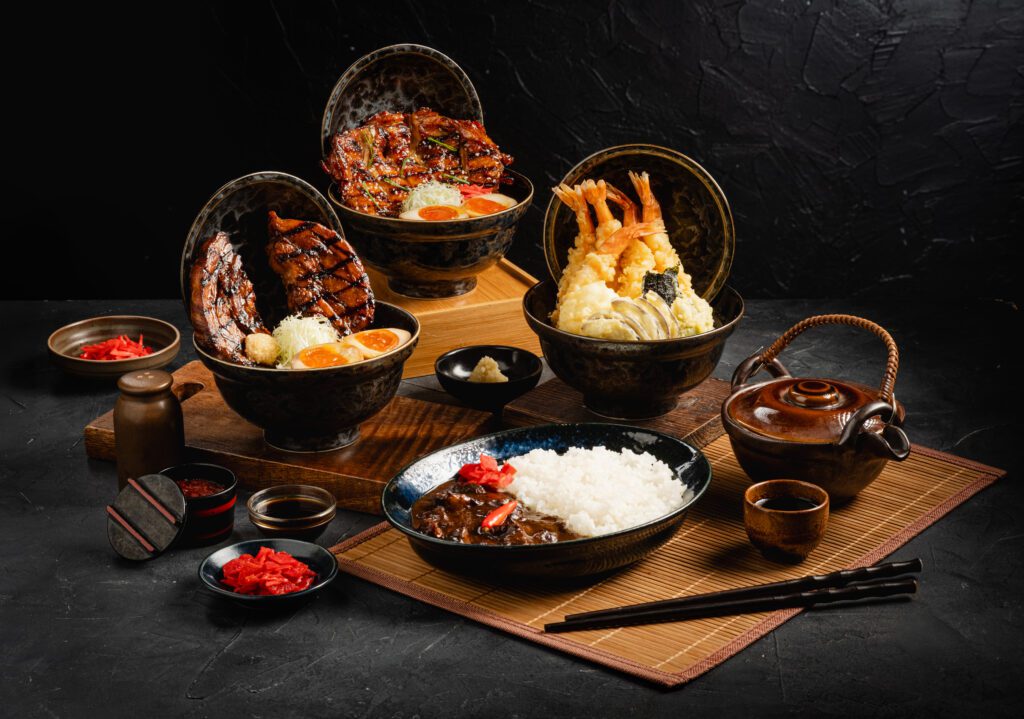
Yushoken has always resisted what many restaurants eventually embrace: a longer menu. While countless dining establishments continuously add dishes to chase broader appeal, Yushoken deliberately narrowed its focus instead.
It became known for four signature ramen styles—Shio, Shoyu, Tantanmen, and Miso—alongside tsukemen and maze soba. Every decision—from refusing menu modifications to declining takeout requests—served one objective: preserving the intended experience of each bowl.
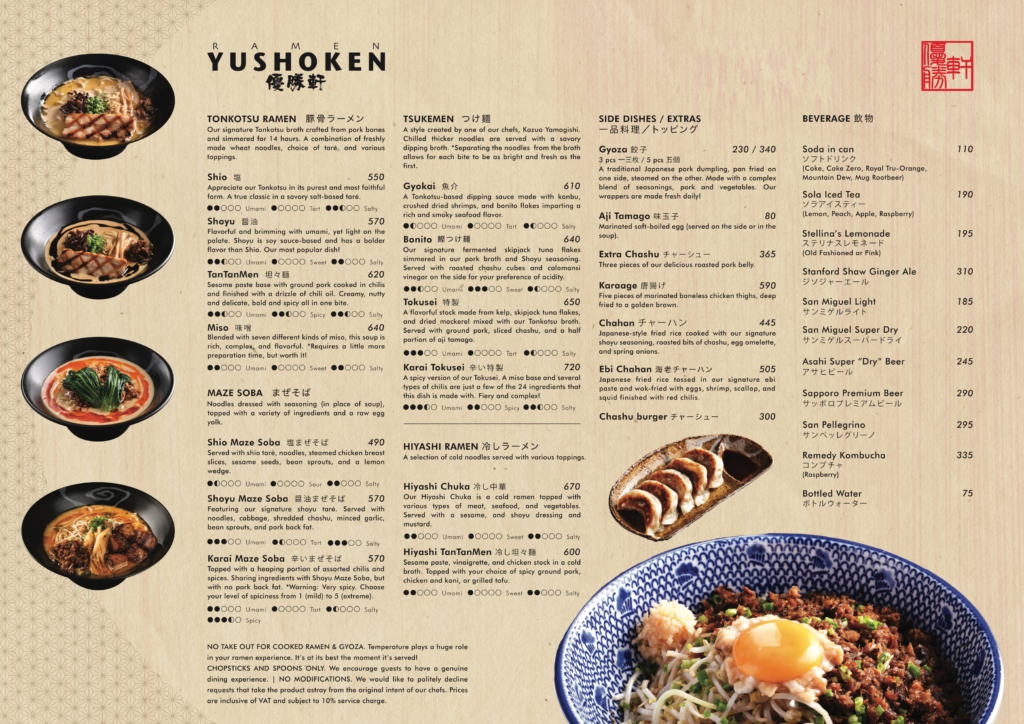
Even serving appetizers before ramen became a philosophical debate.
Cruz recalls suggesting cold starters to shorten perceived waiting times at one point, only for executive chef Hideaki Aoyama to reject the idea because it would “destroy the first taste of the company.”
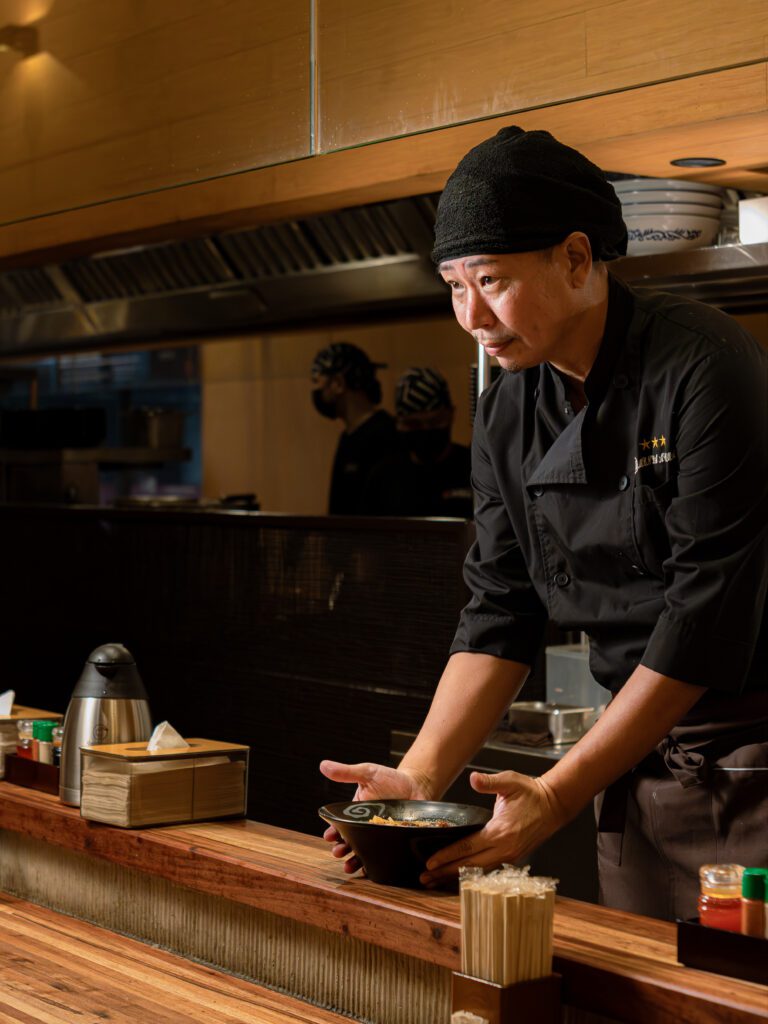
That artistic discipline eventually became the restaurant’s identity.
Ironically, the first departure from the core menu emerged for the very same reason. When customers arrived after the day’s soup had already sold out, the team created maze soba—a brothless noodle dish—for diners who still wanted to experience Yushoken without requiring another batch of ramen stock. In hindsight, Cruz describes Chibi Yudon as a continuation of that same thinking.
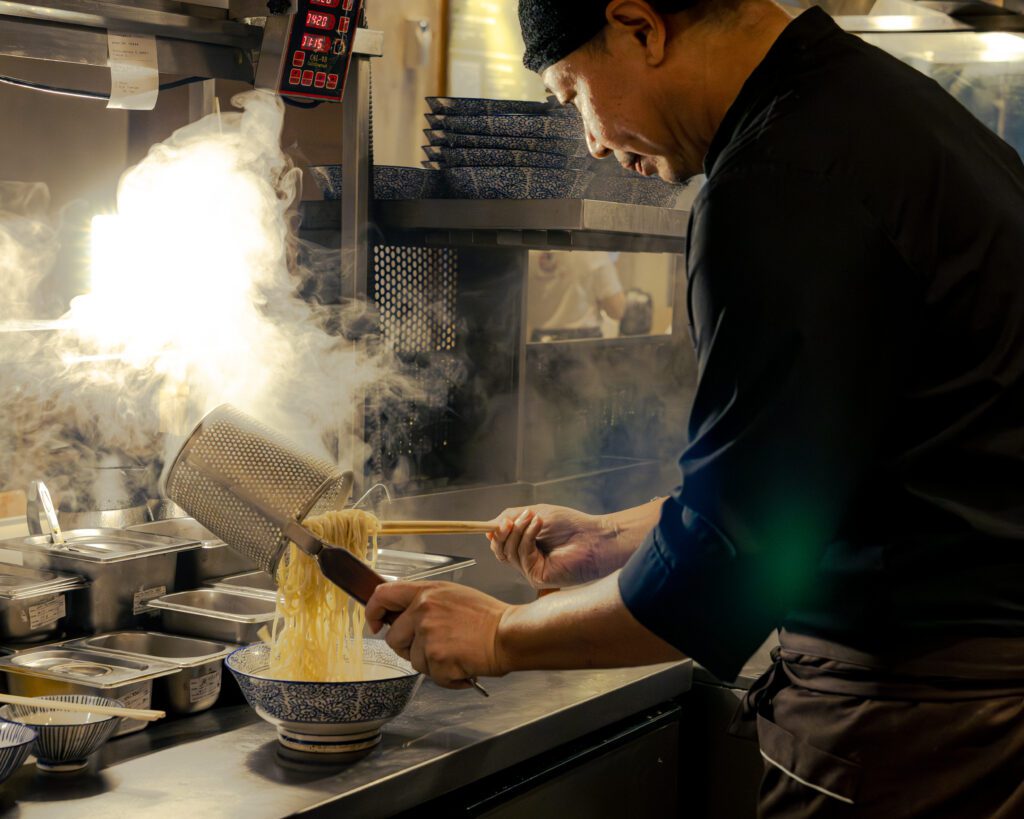
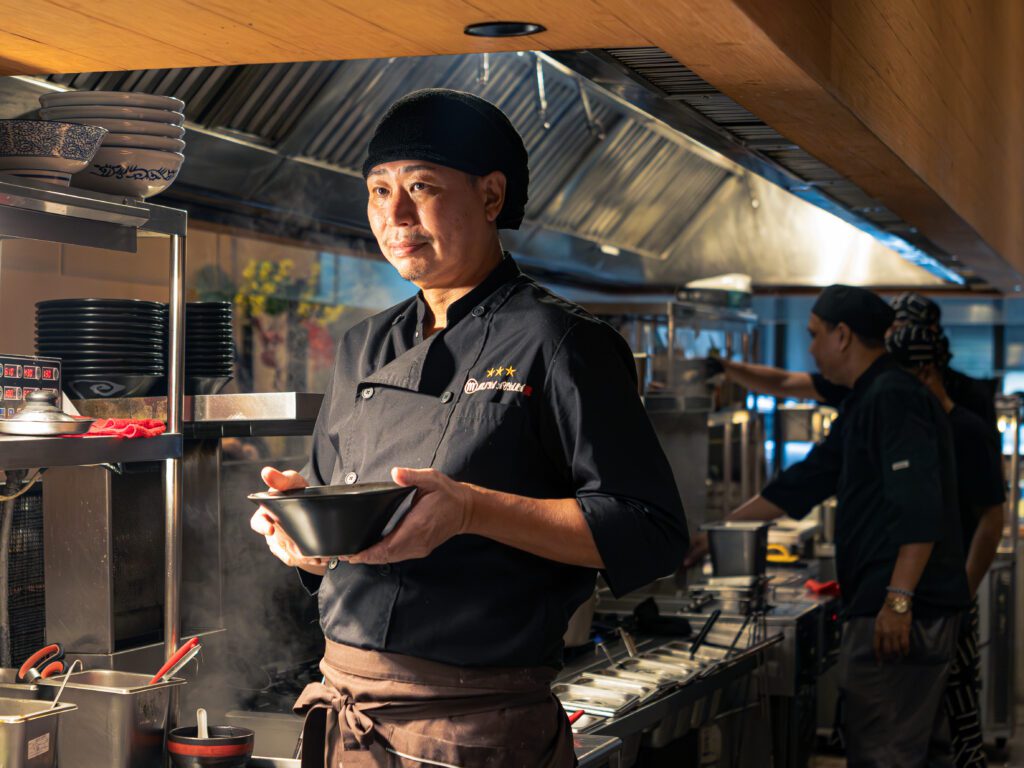
The restaurant calls it “the fourth chair at the table.” It’s for the grandmother who prefers rice, the child too young for an entire ramen serving, or the friend who simply had ramen yesterday. Rather than convincing ramen lovers to order something else, the new menu exists so that they no longer have to leave someone behind.
That philosophy explains why the new additions remain deliberately restrained instead of becoming an entirely new culinary direction.
The Chibi Yudon lineup includes Kakuni Don with braised pork belly, Titan Don featuring yakitori-glazed chicken, Ebi Tendon, and Japanese Beef Curry, alongside freshly prepared gyoza, karaage, fried rice, child-friendly Okosama Sets, and desserts like Sesame Panna Cotta, Yuzu Tiramisu, and Yaki Imo Mochi.
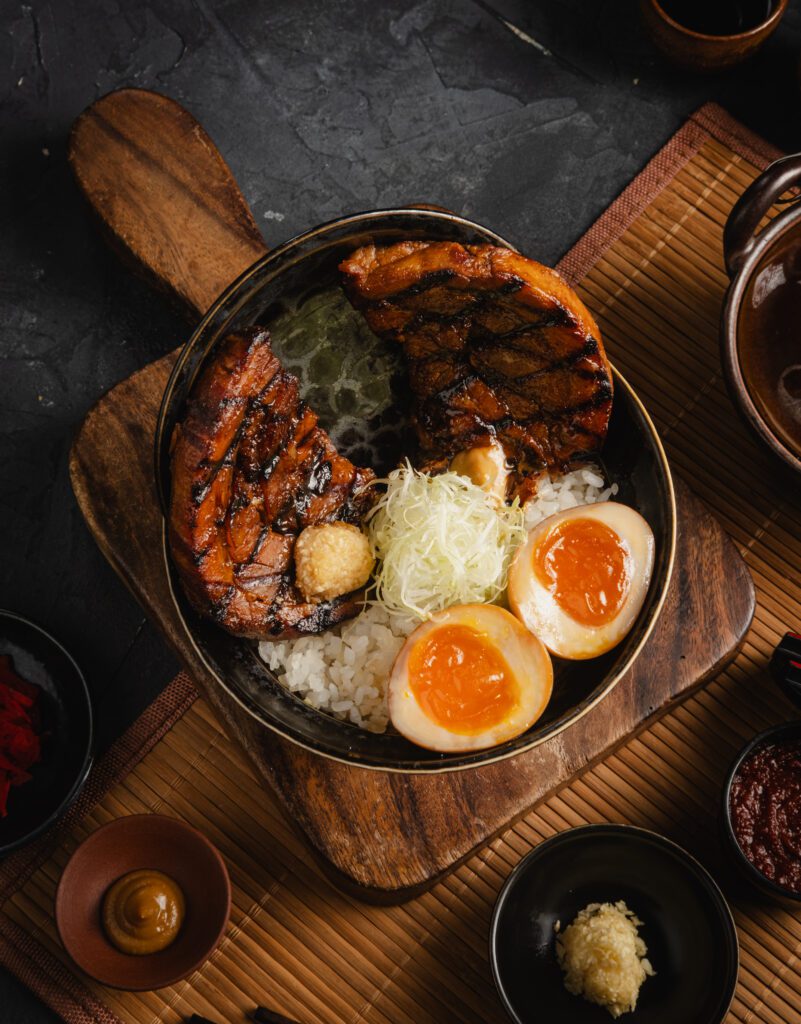
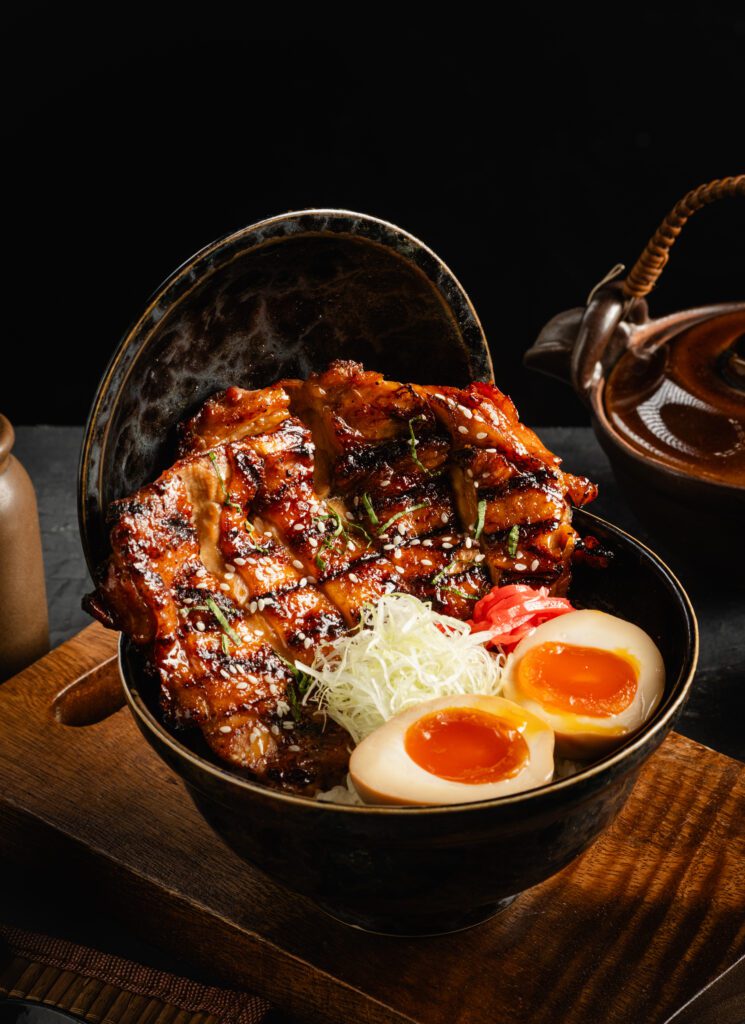
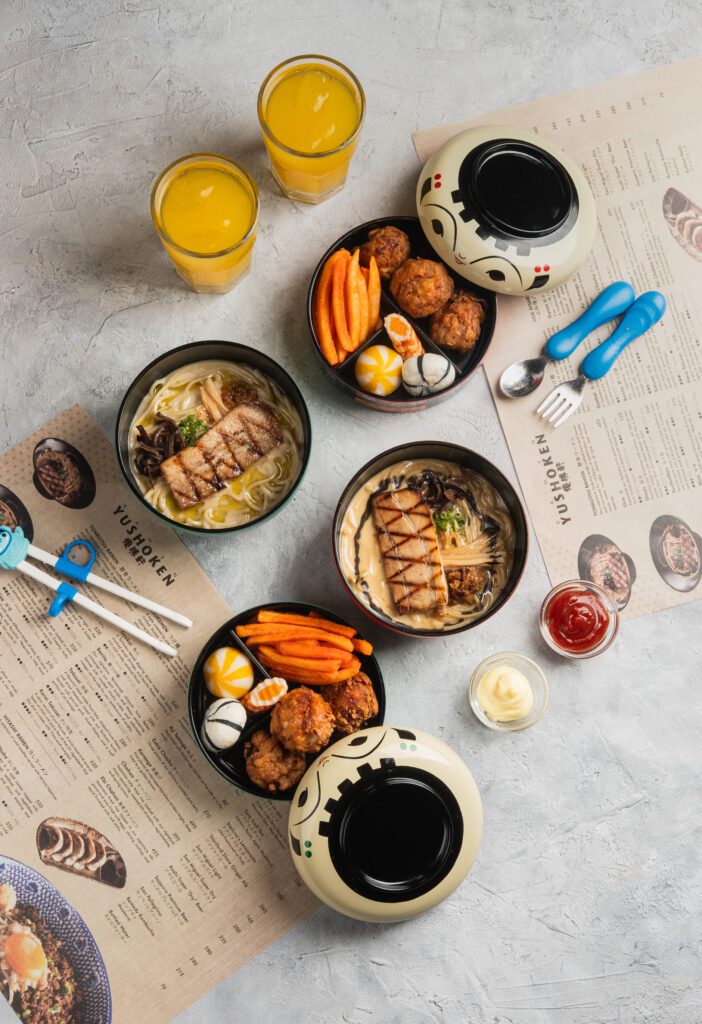
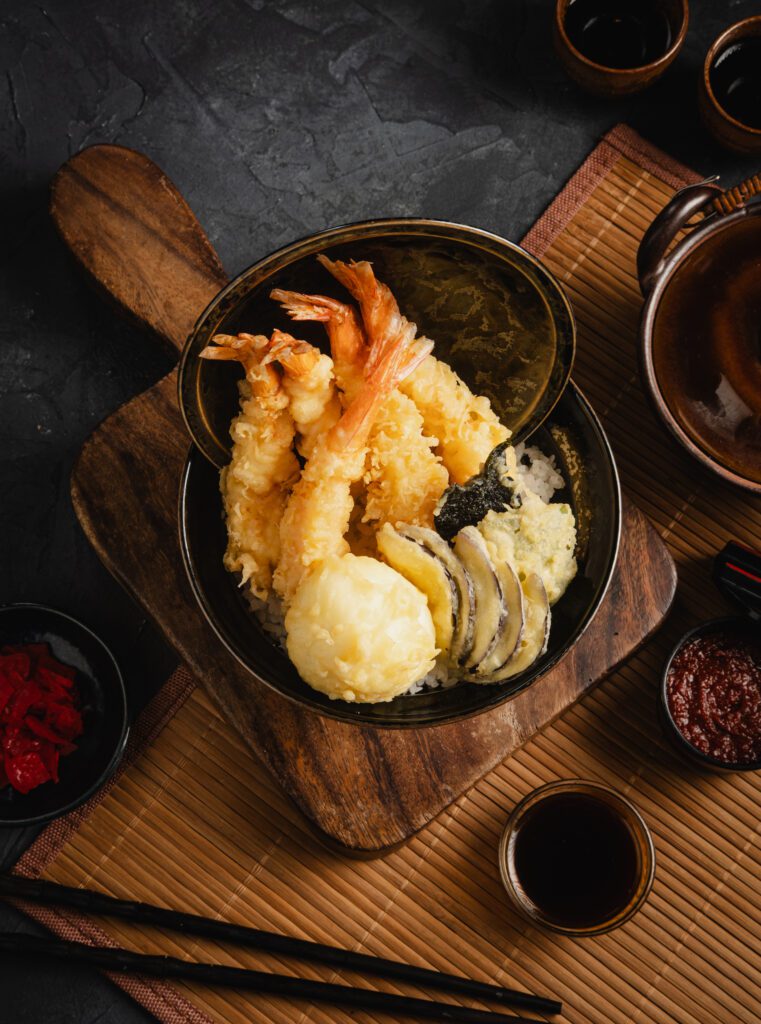
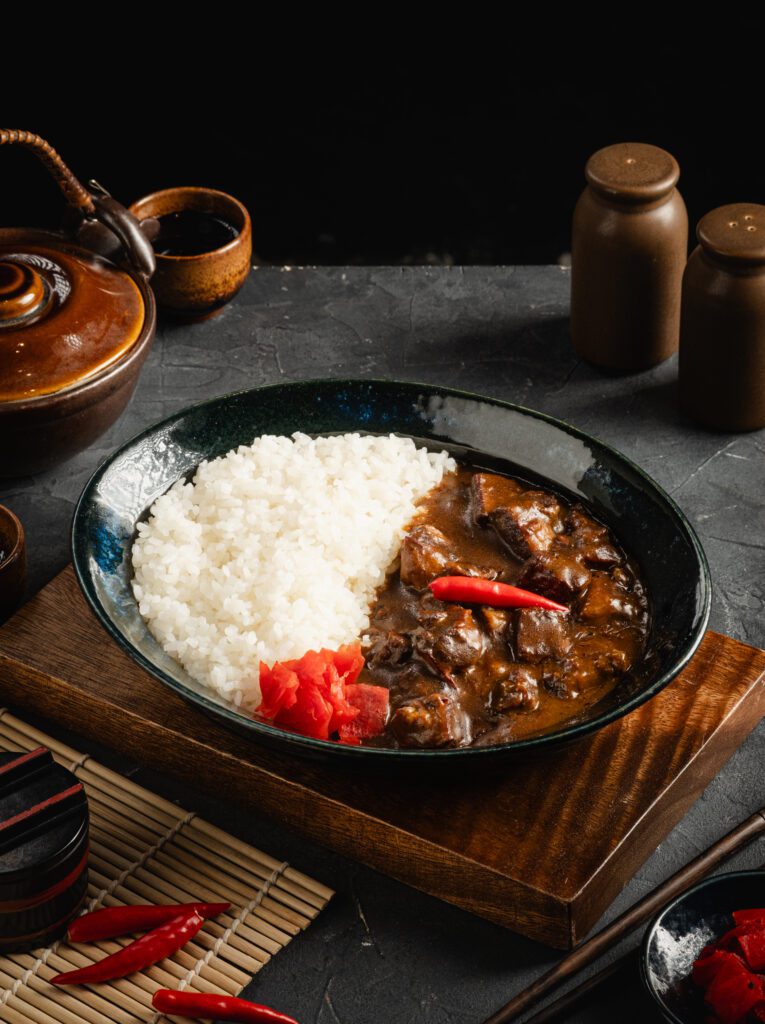
The menu feels curated rather than expansive—an important distinction for a restaurant that has built its reputation on knowing when to stop.
Its discipline also extends well beyond menu development. In an exclusive sit-down conversation with The POST, Cruz shares how sustainability at Yushoken isn’t built around grand environmental campaigns but around operational decisions that quietly reduce waste every single day.
One example comes in the form of the restaurant’s smaller ramen bowls.
Knowing that authentic ramen isn’t designed for takeaway—and maintaining a longstanding no-takeout policy despite occasional exceptions made in the spirit of hospitality—the team instead introduced reduced-size servings to help guests finish their meals.
“Our ramen is rich,” Cruz acknowledges. “For some people, it’s difficult to finish.”
Serving smaller bowls may appear like a simple operational adjustment, but Cruz admits it actually tightens already razor-thin restaurant margins. “You’re operating on an even thinner margin,” he says, pointing to soaring food costs, rising rents, inflation, and the notoriously high failure rate within the food and beverage industry.
Reducing waste, he believes, is worth the trade-off. “If you let people leave unhappy, then you didn’t really do what you came here for in the first place.” Moreover, the restaurant has partnered with an external company that collects used chopsticks and transforms them into furniture through upcycling—another small but intentional practice reflecting its minimalist yet mindful philosophy.
That same principle expounds on why Yushoken refuses to hold soft openings. In his speech, Cruz notes that charging the full price before a restaurant is fully prepared or readily operational simply isn’t fair to diners. To him and his team, it’s regarded as a disservice. “If we find anything wrong with the food, we won’t launch until we’re completely comfortable,” he says.
Perhaps that’s the thread connecting every chapter of Yushoken’s story—from hand-making noodles inside its original Molito branch, to Cruz personally loading seasonings into his own car before dawn, to creating new dishes only after 14 years of saying no.
Growth, in this case, doesn’t mean becoming a different restaurant. Instead, it means making sure the table has room for everyone without compromising the bowl that made people line up in the first place. After all, as Cruz puts it, Yushoken remains “14 years of one obsession.” Chibi Yudon simply gives that obsession a few more people to share it with.
Photos courtesy of Ramen Yushoken
Related story: From creative sushi handrolls to grilled sharing plates: Kiwami unites Japanese restaurants under one roof
Related story: Why Ogawa’s return feels like a welcome home for Japanese dining in Manila