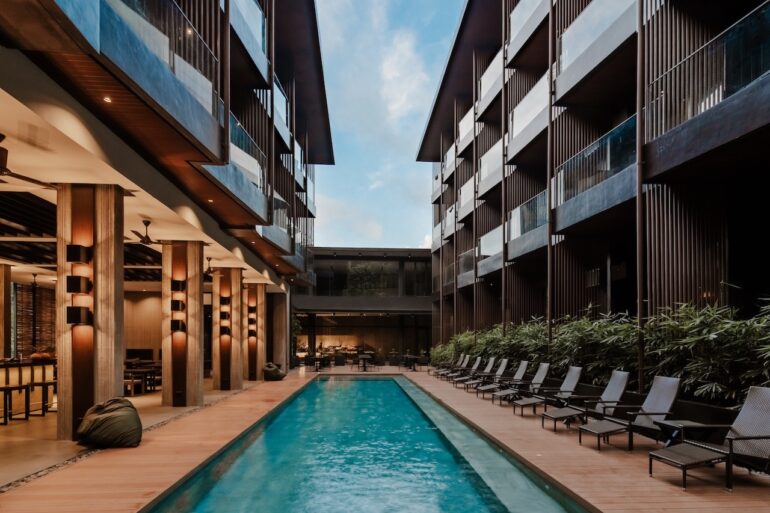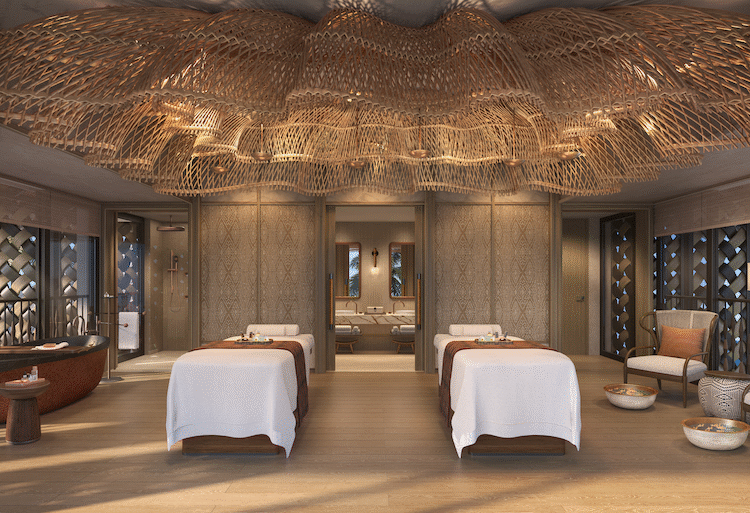
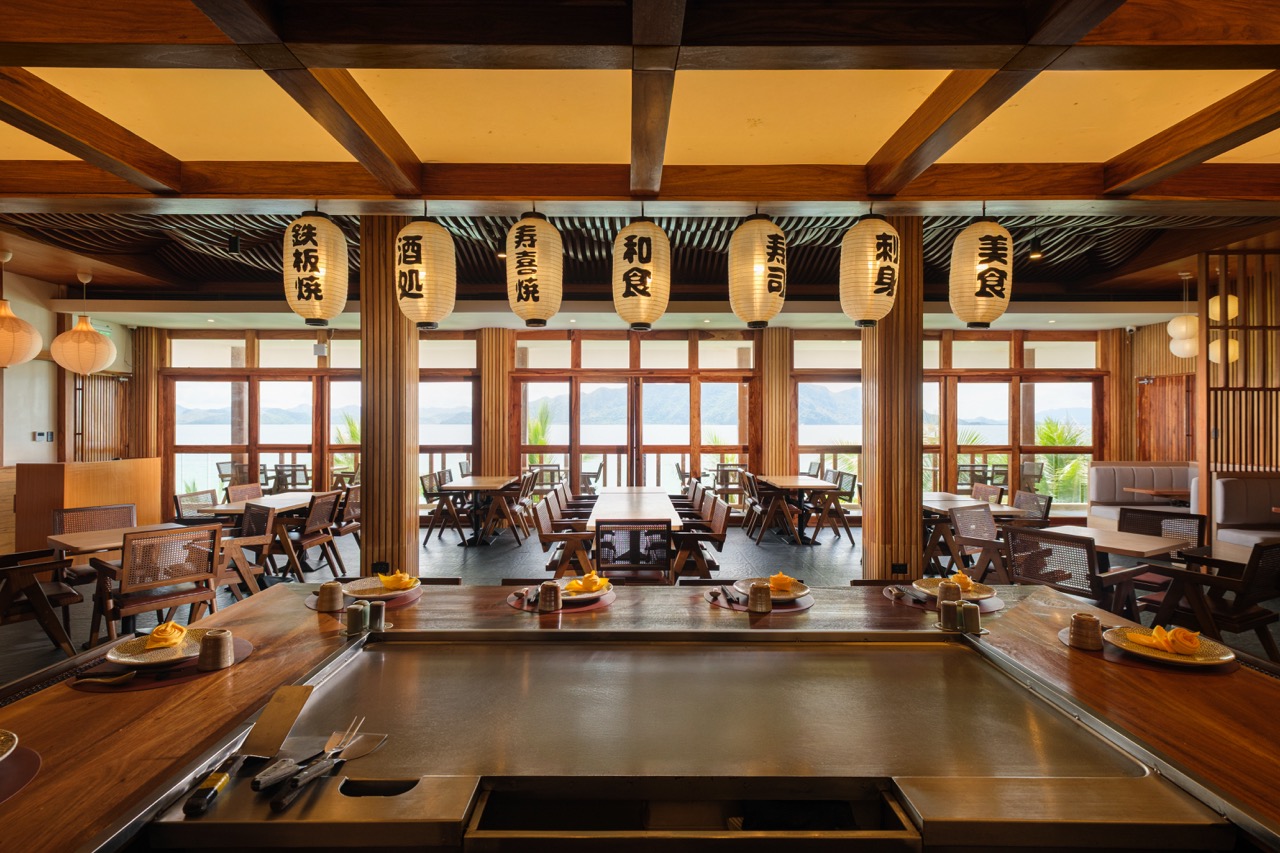

We started our days with hearty breakfasts, stopped for poolside snacks, and sat down to a teppanyaki dinner at Sunlight Ecotourism Island Resort. Back in Coron town, we found two more places worth bookmarking.
Our mornings at Sunlight Ecotourism Island Resort often began with a buggy ride.
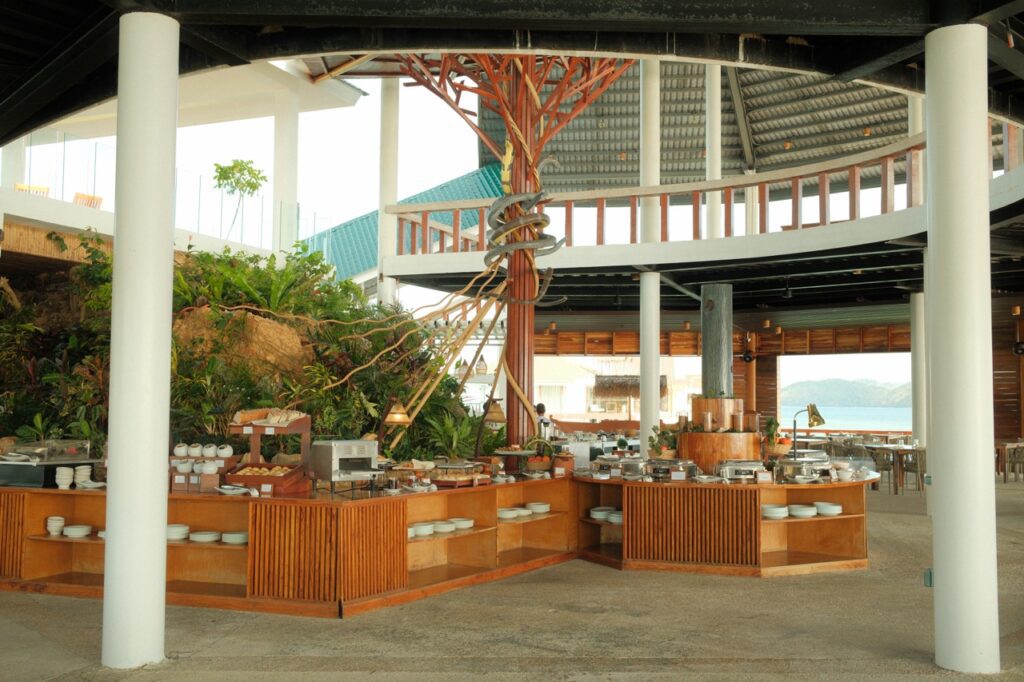
The resort is huge, and Mangrove, where breakfast was served during our stay, was not a short walk from our villa. We did not mind calling for a ride—it let us enjoy the view and see more of the island before sitting down to eat.
We followed the same routine for two mornings—call for a buggy, take in the scenery, and arrive hungry. Breakfast was hearty enough to prepare us for swimming, walking or biking around the resort, or spending hours out at sea.
Related story: Only two Asian countries land Expedia’s 2026 Island Hot List—Palawan is one
Related story: Got 72 Hours? Here’s how to enjoy El Nido in the rainy season
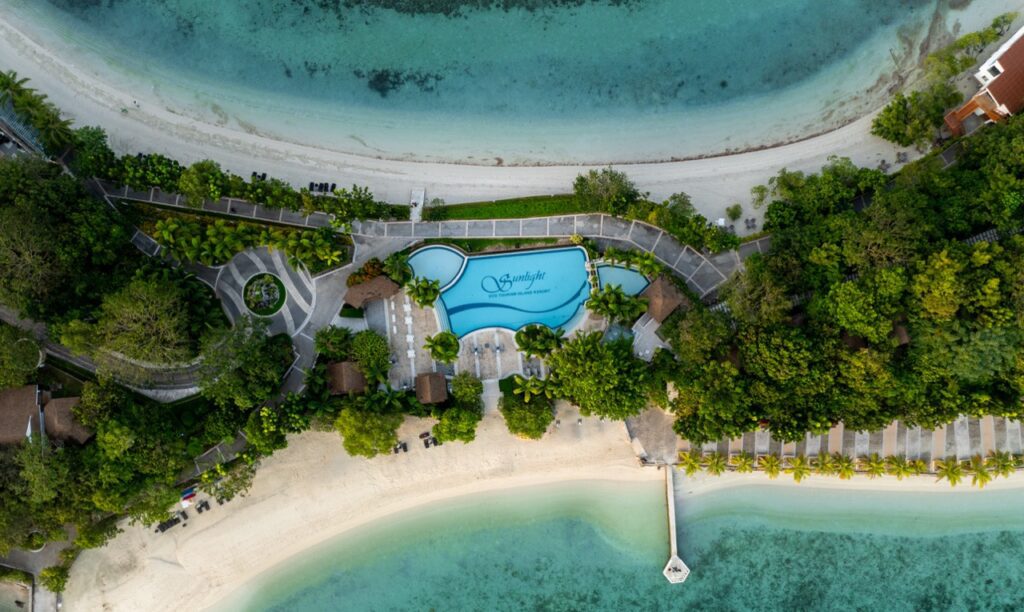
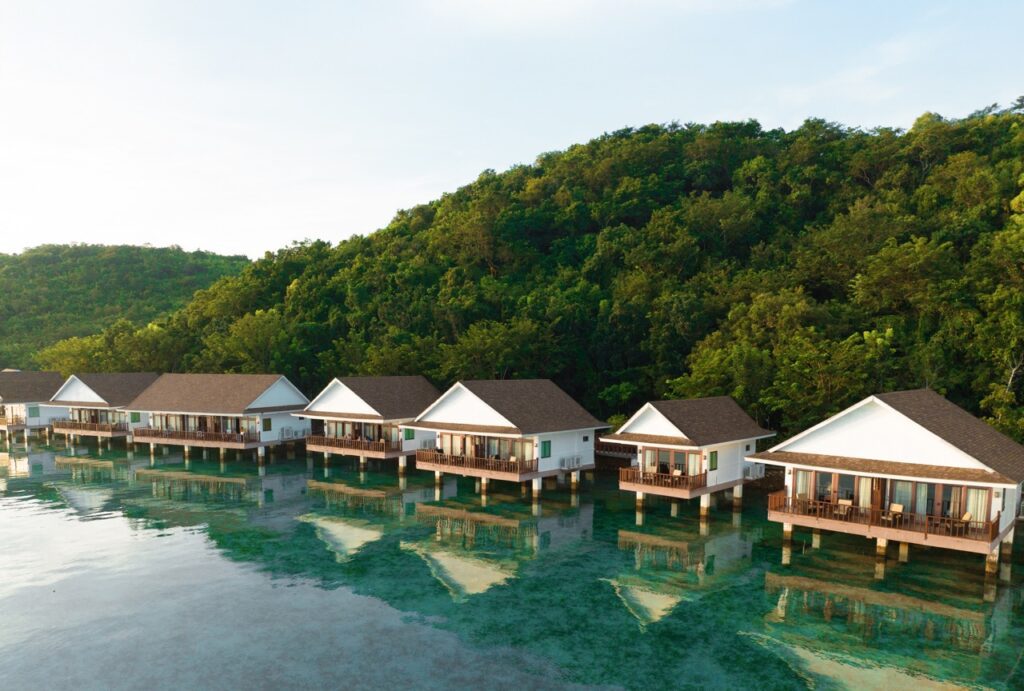
SETIR’s full dining lineup covers several cuisines and occasions. Island Garden serves international dishes, while Mangrove focuses on modern Filipino food. Hikari handles Japanese dining and teppanyaki, and Xiang combines hotpot with Korean barbecue. Guests can also get comfort food at Poolside Patio, coffee and afternoon tea at Café Adlaw, drinks at Cerveza Reál, or whiskey and cigars at Ric’s Place. The Cellar carries the resort’s wine and liquor selection.
From island hopping to poolside snacks
One afternoon, we returned to the resort after a full day of island hopping and lunch on one of Coron’s islands. We were tired and ready to sit down, but we did not need another heavy meal yet. Poolside Patio had exactly what we wanted.
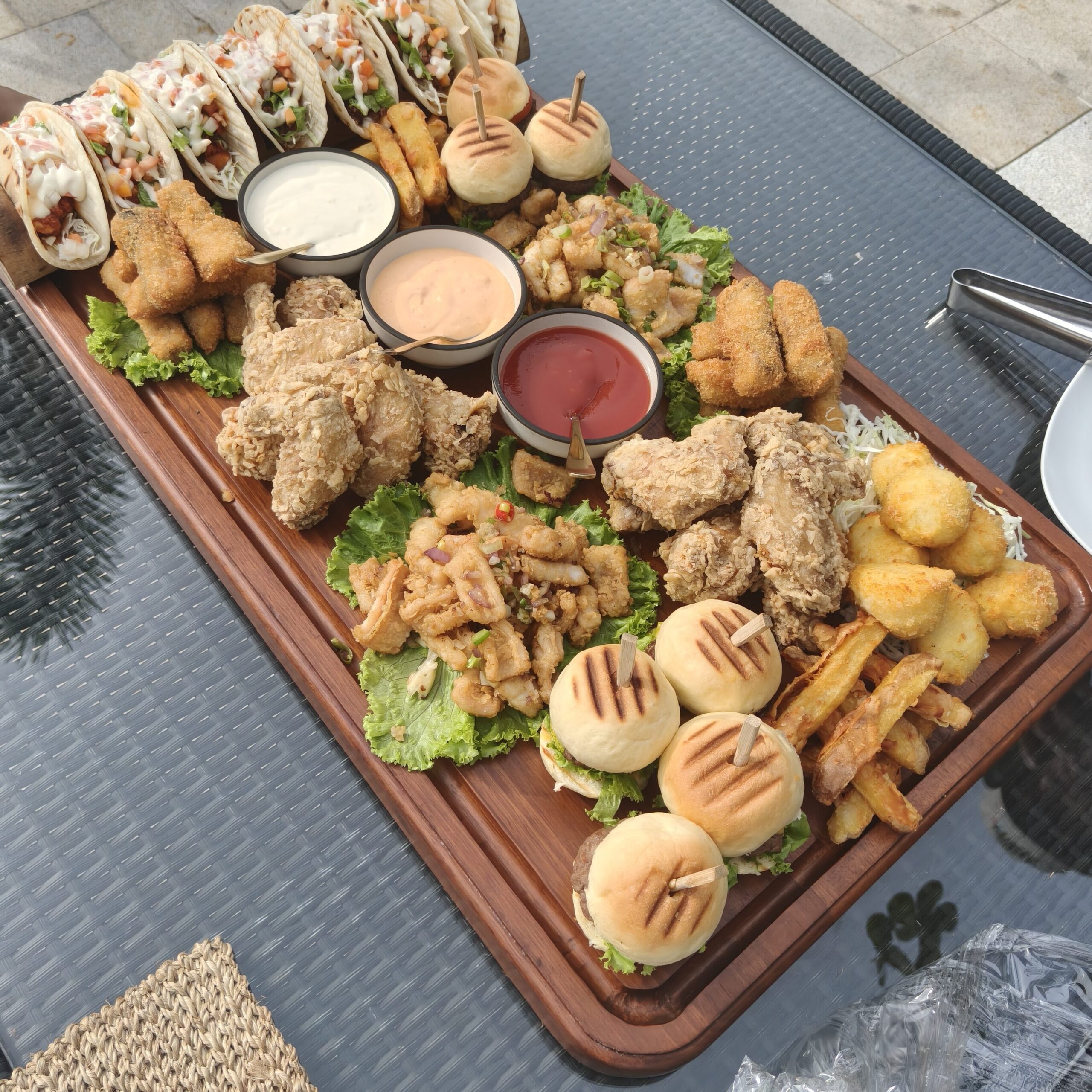
A tray arrived with chicken wings, sliders, soft tacos, calamari, fries, and chicken tenders. It also came with several sauces, so everyone could pick a snack and try a different dip. It was a simple merienda, but the timing made it one of the most satisfying meals of the trip. After hours of swimming, riding boats, and moving between islands, we were happy to sit beside the pool and share finger food.
Hikari made everyone part of the dinner
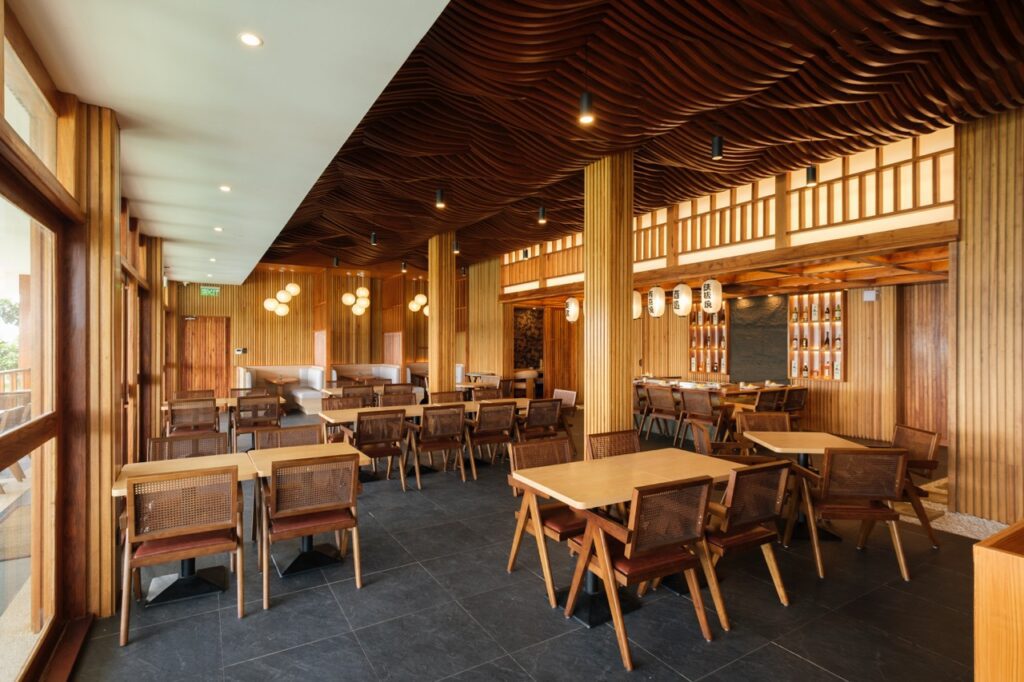
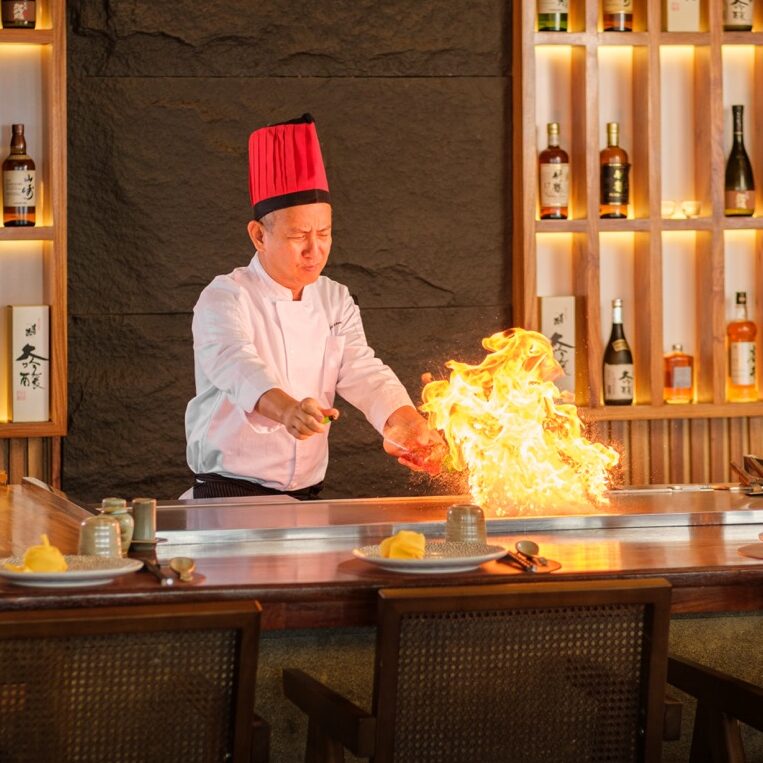
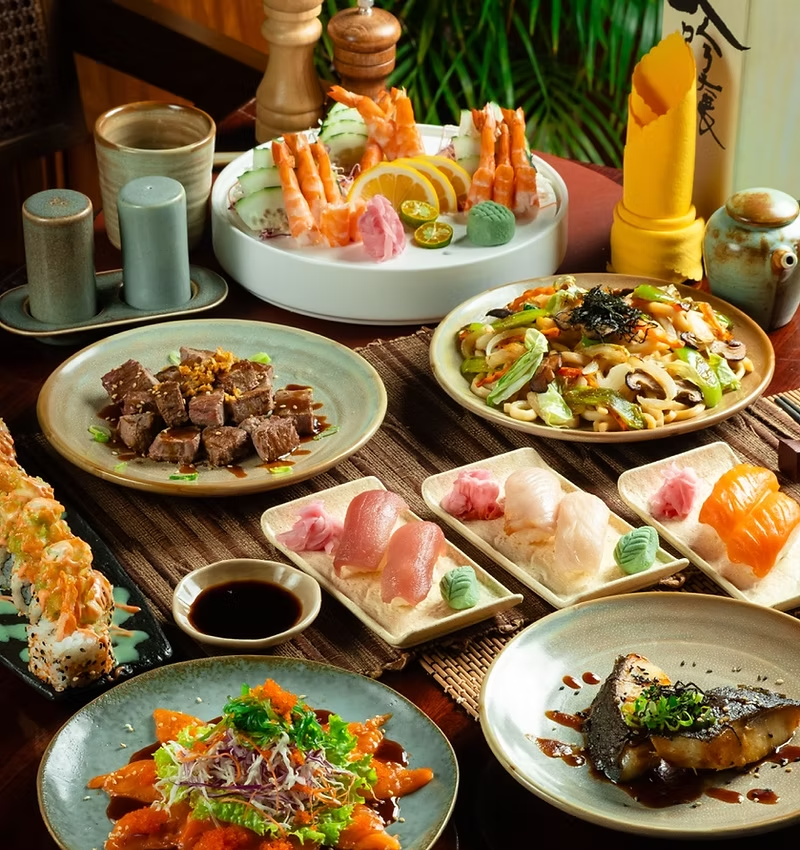
At Hikari, chef Edward Buensuceso cooked in front of us while sharing jokes, trivia, and stories about the island. He kept the table involved from the first dish to the last. At one point, we even put on chef’s hats and joined the fun.
The show never took attention away from the food. My favorite was the fried rice, which was well-seasoned, savory, and full of umami. I could have eaten another serving even with several dishes still on the way.
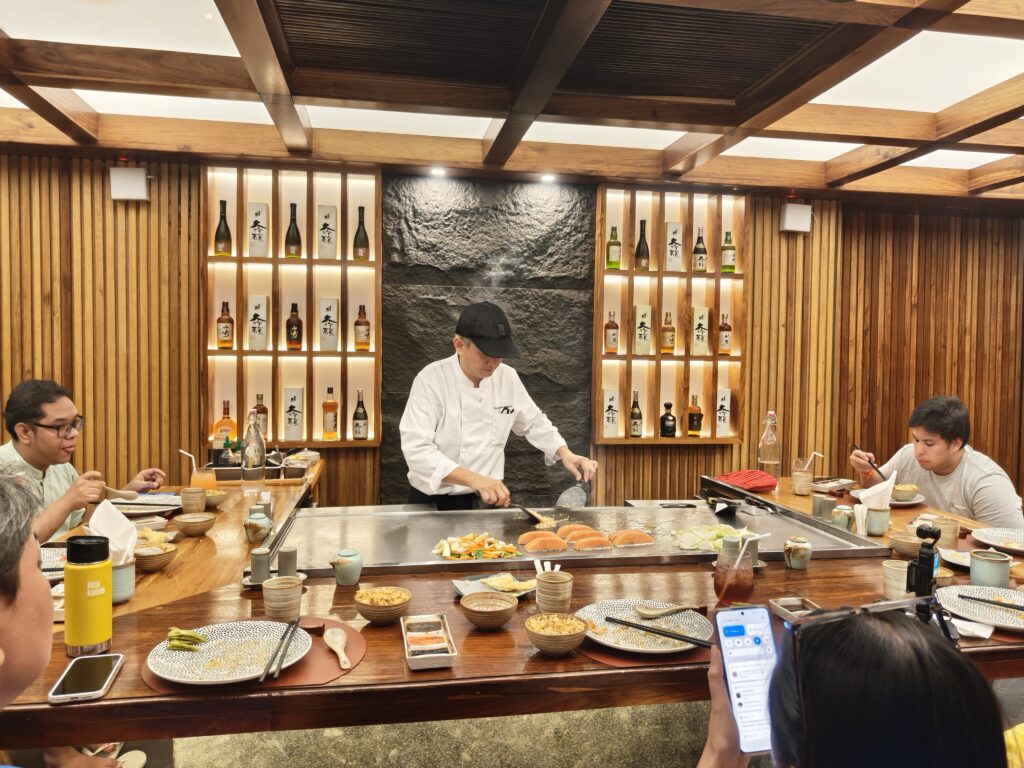
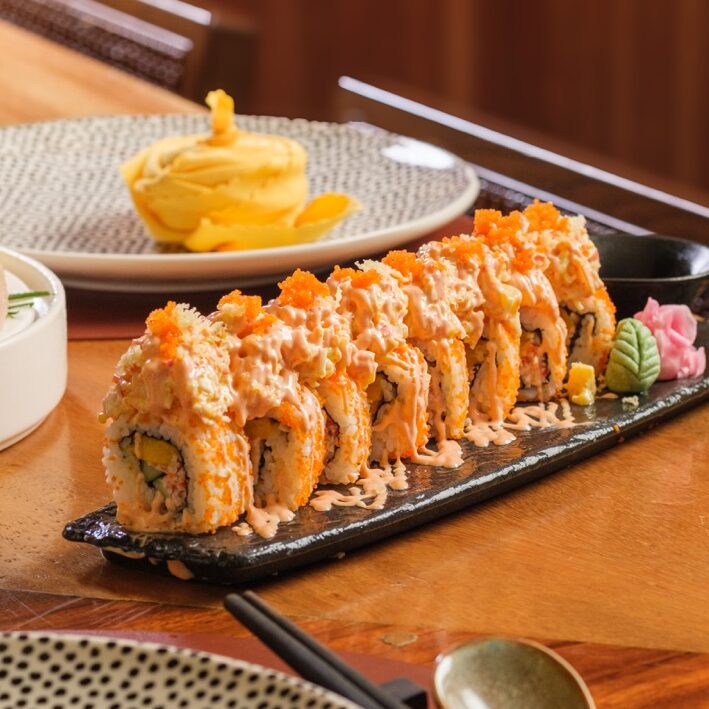
The rolls were rich and filling, while the grilled salmon was another personal favorite. Wagyu arrived near the end and became the table’s shared winner. We finished with fried ice cream. By then, we were already full, but leaving dessert untouched was never an option.
Chef Edward told us that keeping guests happy shapes how he runs the teppanyaki table.
“As long as we can make the guest happy, we do it,” he said. “Satisfaction of the guest is our first priority.”
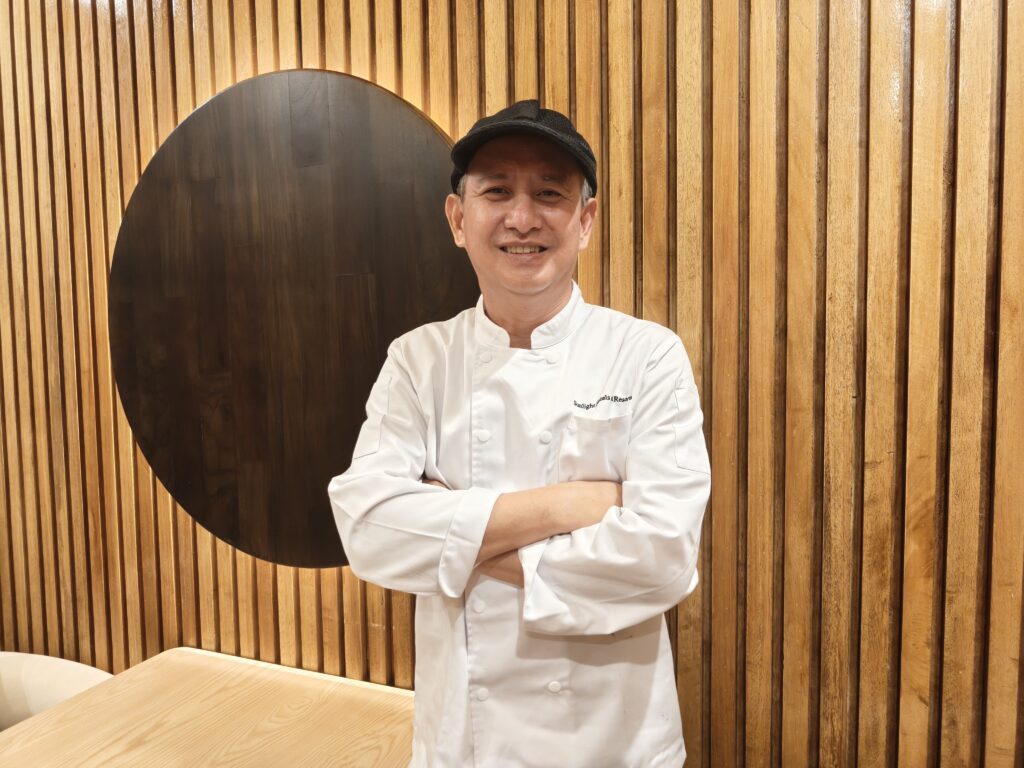
His ease around diners comes from years of experience. Chef Edward began as a kitchen helper in the 1990s. His career later took him to Switzerland, Cyprus, and the Maldives before he returned to the Philippines and joined SETIR.
Fresh seafood is not always easy to source
Being surrounded by water, I assumed a Japanese restaurant in Palawan would have easy access to all the seafood it needed. Chef Edward explained that the situation is not that simple.
“In my opinion, it’s not that easy,” he said.
The waters around Coron and Culion are shallow and warm. According to chef Edward, tuna caught nearby can be smaller, with flesh that looks lighter than the deep-red tuna used in some Japanese dishes. Hikari looks for bigger tuna from deeper, colder waters when the local catch does not meet its needs.
Rice can be another challenge. Hikari normally uses Japanese short-grain rice, but deliveries sometimes run out. When that happens, chef Edward searches Coron and Culion for a short-grain alternative that will work for sushi and Japanese fried rice.
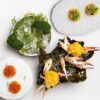
Live lobster is one local catch that works well at Hikari. Chef Edward can prepare it as sashimi with garnishes cut from carrots, radish, and cucumber, or cook it on the teppanyaki. The lobster is pricey, but guests who order it often record the cooking on their phones.
Chef Edward also shared two ideas that connect Japanese cooking with Palawan. The first is lapu-lapu usuzukuri, made with paper-thin slices of fish arranged in a circle. Greens at the center represent the mountains of Coron and Culion. The second is a sea urchin soup made with dashi, shrimp, carrots, and leeks. He would serve the soup inside a cleaned sea urchin shell, then place it over hot lava rock to keep it bubbling at the table. I could picture the dish as he explained it, and I hope it eventually reaches the menu.
Our conversation eventually turned to protecting the waters around the resort. Chef Edward recalled a guest who spotted a giant clam and offered to pay anything to have it cooked on the teppanyaki. He refused.
“I’m sorry, it’s not allowed,” he told the guest.
He would also like to see more fish, oyster, fruit, and vegetable farming in Coron and Culion. SETIR can already source some hydroponic lettuce from Culion, but a bigger local supply could help restaurants rely less on deliveries from Manila. It could also create more jobs in nearby communities.
For anyone planning to dine at Hikari, chef Edward’s personal favorite is the gindara with teriyaki sauce. He also recommends Kobe beef, live lobster teppanyaki, and shrimp tempura.
Related story: You can now discover this 8-km. UNESCO World Heritage Site in Palawan with ease
Related story: Boracay, Palawan, Siargao voted among Asia’s best by Condé Nast Traveler readers
Two good finds back in Coron town
We kept eating after returning to Coron town, although these stops were brief additions to our island food trip.
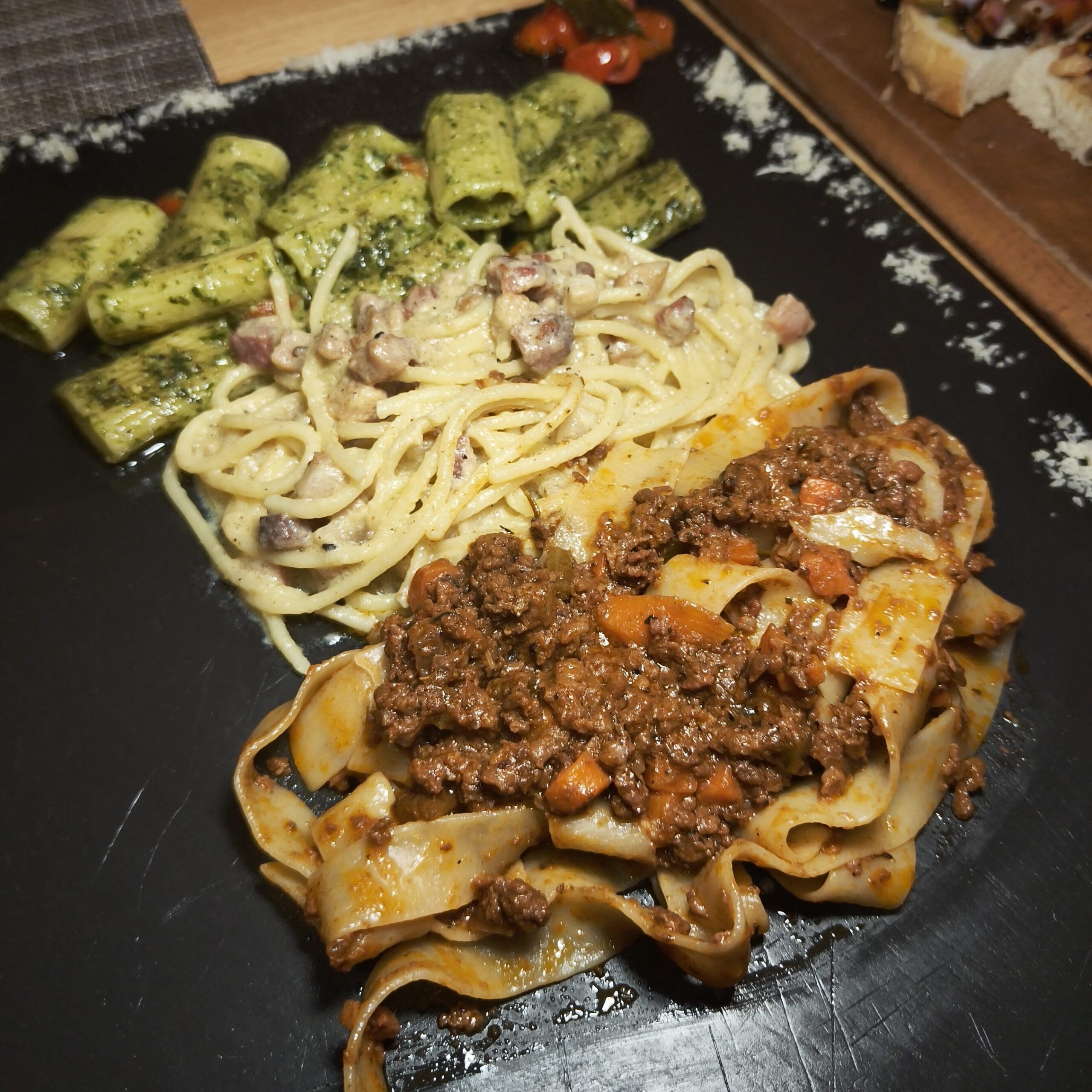
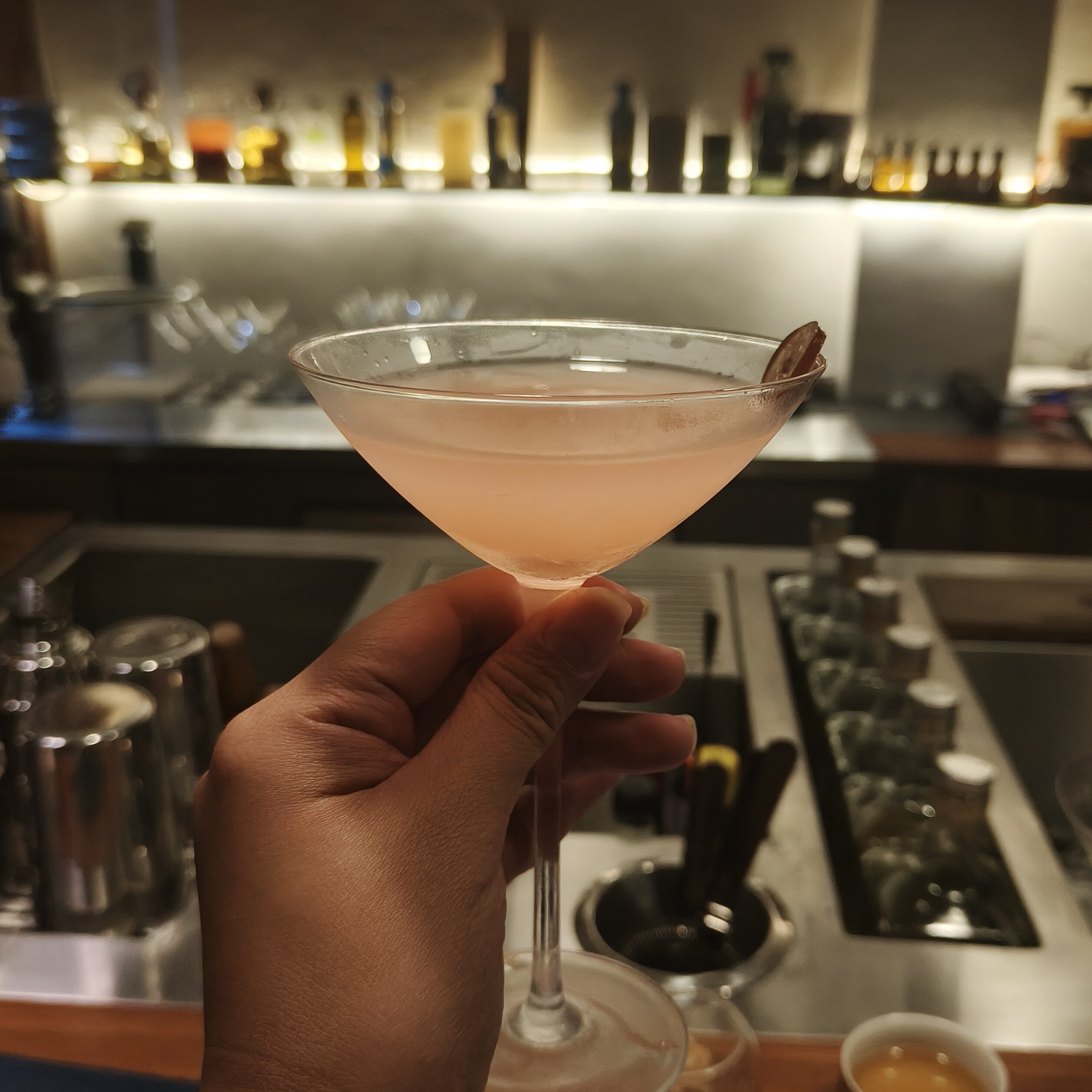
At Gran Italia, we shared pizzas and pasta before ending dinner with tiramisu. It was hearty, carb-heavy, and satisfying. We also found Elevated Bar, a small, fairly new spot on the second floor of a building along Coron-Busuanga Road. Its clarified Elevated Piña Colada combines rum, coconut, pineapple, calamansi, and vanilla. I also enjoyed the Rosita, made with gin, strawberry, vanilla, and coconut milk.
Both were worth visiting, but most of the food memories I brought home came from SETIR.
Why lean season worked for me
Guests visiting during lean season should check which restaurants will be open. Hikari requires a reservation, and I would put it near the top of the dining list.
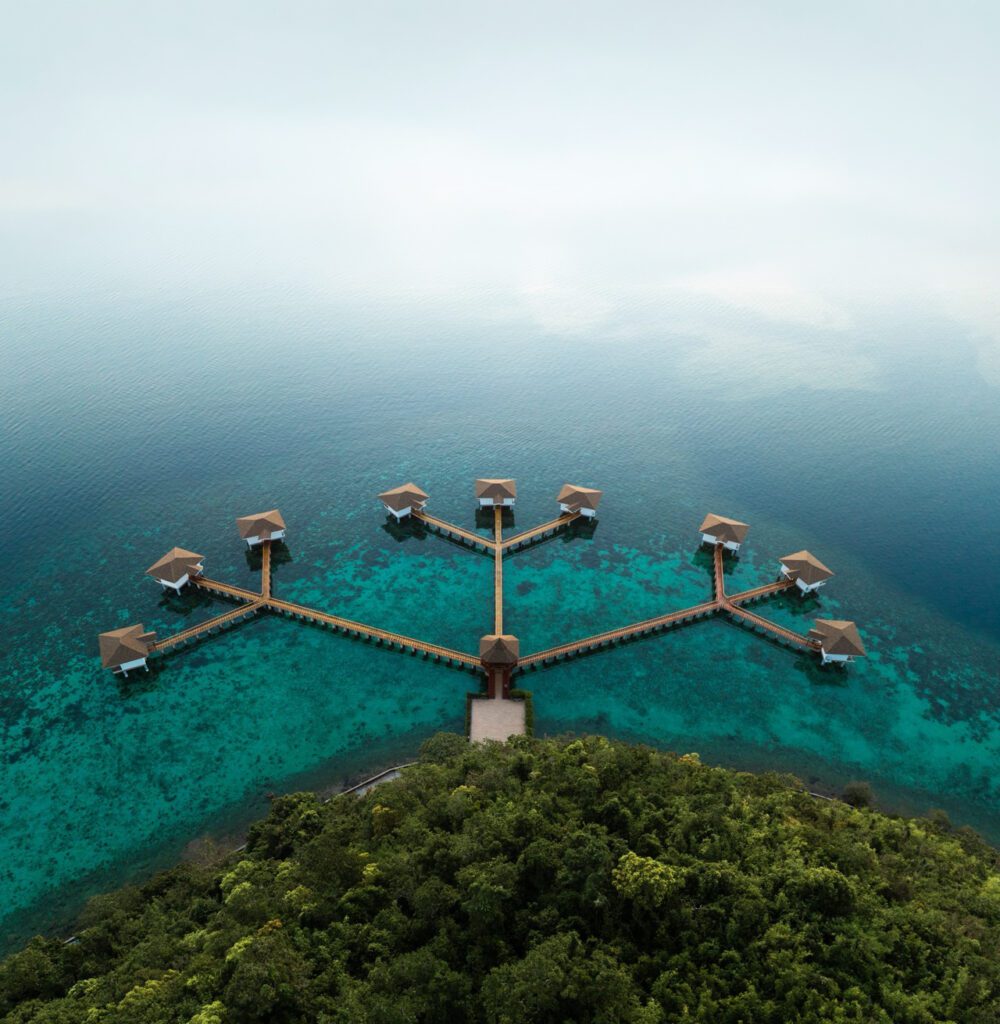
I enjoyed visiting SETIR in June. The island was quiet, we never felt rushed, and we had enough time to enjoy every meal. Even our morning buggy rides to Mangrove became a part of the experience. Chef Edward described SETIR as a place to “relax, to unwind, bond with your loved ones.” There may be fewer restaurants open during the quieter months, but I did not feel like I was missing out. The slower pace made the island feel like the retreat I needed.
Related story: The role of cafés in small beach communities
Related story: Luxury resorts in Bohol, Boracay, El Nido and Mactan win Condé Nast Johansens Awards in London