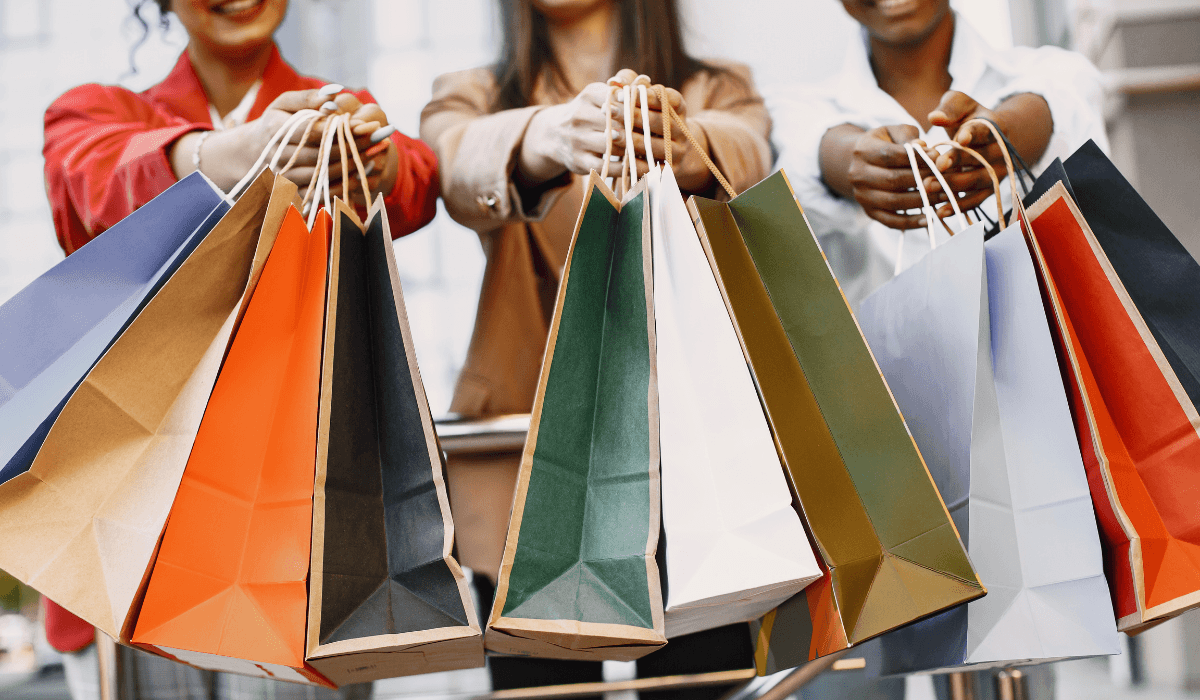

What the de-influencing movement says about us.
Social media has long operated on a simple premise: more. More products. More recommendations. More hauls. More “must-have” items that promised to improve our appearance, productivity, homes, wardrobes, or lives.
Scroll through YouTube in the 2010s, and you’d find beauty hauls, fashion hauls, room makeovers, and endless product reviews. Instagram transformed everyday purchases into lifestyle statements. TikTok later accelerated the cycle with viral products, Amazon finds, and influencer storefronts that turned shopping into a form of entertainment.
Every scroll came with another must-have item, another promising recommendation, another reason to spend. If you weren’t buying into the latest trend, it sometimes felt like you were being left behind.
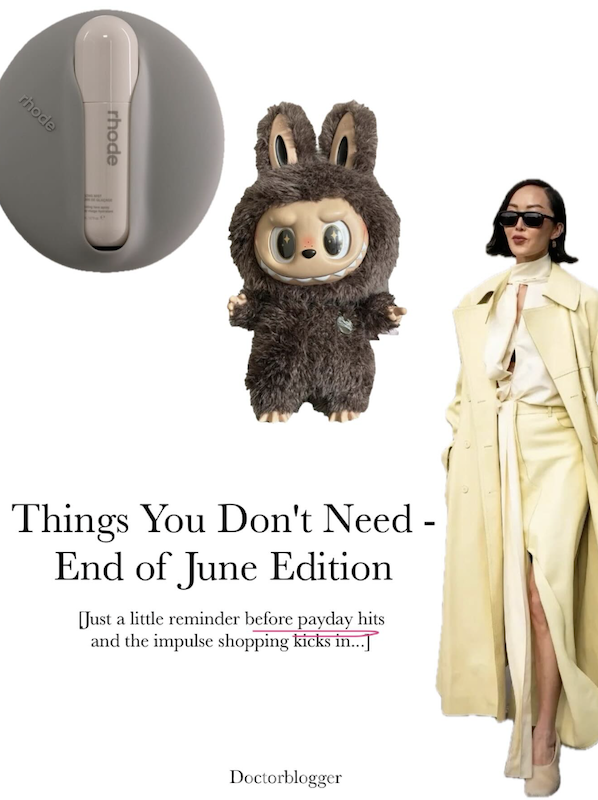
Then something happened. People started seeing the cracks in the formula. After years of being told that every product was a must-have, many consumers began questioning whether they were being offered genuine recommendations or simply another sales pitch. Creators began telling audiences not to buy things.
The movement became known as de-influencing, a trend that encourages consumers to think twice before making purchases and challenges the idea that every recommendation deserves their attention. Some creators today openly criticize viral products. Others discuss overconsumption, impulse buying, and the pressures created by influencer culture itself.
At first glance, it may seem like another social media trend destined to disappear when the next one arrives. But the popularity of de-influencing suggests something more significant may be happening. It raises questions not just about shopping habits, but about our relationship with influence, aspiration, and consumption in the digital age.
Related story: Minimalist parenting is living with less so we can have more
Related story: The anti-haul era: Why the 33-piece wardrobe is the new flex and how to do it
A response to the age of recommendations

Many internet users witnessed this transformation unfold in real time. There was a period when product recommendations felt relatively casual. A blogger might share a favorite book. A YouTuber might recommend a skincare product they genuinely enjoyed. The line between personal suggestion and advertising often felt clearer.
Over time, that line became increasingly blurred.
As influencer marketing grew into a multi-billion-dollar industry, recommendations became deeply embedded into social media culture. Product links appeared in captions. Sponsored content became commonplace. Algorithms rewarded creators who consistently generated engagement, and recommending products proved to be one of the easiest ways to do it.
Eventually, it felt as though every scroll came with a sales pitch attached.
The success of de-influencing suggests that many audiences have become aware of that shift. People are not necessarily rejecting products altogether. They are becoming more selective about who they trust and why.
The fatigue behind the movement
It would be easy to interpret de-influencing as a simple backlash against influencers, but that explanation feels incomplete.
The movement appears to reflect a broader sense of fatigue.
Several trends encouraged people to see consumption as a form of self-improvement. A new planner could make you more organized. A new skincare routine could make you more confident. A new gadget could make you more productive. Every purchase seemed to come attached to the promise of a better version of yourself.
That message was appealing because it tapped into something universal. Most people want to improve their lives. The problem is that social media often presents consumption as the primary path toward that improvement.
Eventually, the cycle becomes exhausting.
Many people have experienced the disappointment of buying something that was heavily promoted online, only to realize it wasn’t nearly as “life-changing” as they had been led to believe. Others have found themselves accumulating products they barely use because they were convinced they needed them.
De-influencing speaks to that experience. It offers a counterpoint to the constant pressure to upgrade, replace, and purchase.
Social media treated consumption as a hobby in its own right. Shopping was no longer simply something people did when they needed something. It became entertainment.
Entire feeds were built around unboxings, restocks, and shopping hauls, creating the impression that acquiring more things was inherently interesting.
Why now? The timing of the movement is not accidental.
At some point, watching strangers shop became a form of entertainment. Entire communities gathered around unboxings, restocks, and shopping hauls, celebrating purchases with the kind of excitement usually reserved for milestones. Increasingly, audiences seem less convinced.
Economic realities have changed significantly in recent years. Inflation has increased the cost of everyday necessities. Housing remains out of reach for many. Financial priorities look different from what they did during the peak years of haul culture.
A P15,000 beauty haul or a weekly stream of online purchases no longer feels aspirational to audiences who are focused on paying bills, saving money, or planning for long-term goals.
At the same time, consumers have become more media literate. Most people now understand how influencer marketing works. They recognize affiliate links. They understand sponsorships. They know that recommendations often come with financial incentives attached.
That awareness naturally leads to greater skepticism.
The question is no longer simply whether a product is good. It’s whether the recommendation itself is trustworthy.
The contradictions of de-influencing
Like most internet movements, de-influencing is not without its contradictions.
Some creators who de-influence still earn revenue through the same platforms that reward engagement and visibility. Others critique certain products while recommending alternatives. In some cases, telling people what not to buy becomes its own form of content.
The most interesting thing about de-influencing is not the products people decide not to buy. It is the fact that so many people are eager to hear that message.
That does not necessarily invalidate the movement, but it does reveal something interesting about the internet’s ability to absorb criticism and turn it into another category of content.
Perhaps this is why de-influencing feels less like a revolution and more like an evolution. It isn’t rejecting the creator economy entirely. Instead, it reflects changing expectations about authenticity, transparency, and trust.
Audiences are becoming more comfortable questioning recommendations rather than accepting them at face value.
More than a shopping trend
What makes de-influencing worth paying attention to is that it extends beyond products. At its core, the movement asks people to pause before acting on a recommendation. It encourages consumers to consider whether they genuinely need something or whether they simply want it because it was presented attractively online.
That may sound like a small distinction, but it reflects a larger cultural shift. Increasingly, audiences seem drawn to a different message. Restraint, intentionality, and thoughtful ownership are becoming part of the conversation.
Somewhere along the way, ownership started doing a lot of the heavy lifting for identity. The right water bottle, the right skincare routine, the right kitchen gadget, the right bookshelf. Products were no longer just products. They became shortcuts for communicating who we were, or at least who we hoped to be.

There is something strangely revealing about how quickly ordinary shopping became content. For a while, social media made buying things look like an achievement in itself. The line between having a hobby and having a checkout cart occasionally felt a little blurry.
Perhaps that is why de-influencing feels different from many internet trends. It is not offering a new product, a new aesthetic, or a new lifestyle to aspire to. Instead, it quietly questions whether the endless pursuit of more was ever as fulfilling as social media made it appear.
The appeal of de-influencing is not that it tells people to stop shopping. Rather, it gives people permission to step back and think critically about why they are shopping in the first place.
What the movement reveals
The most interesting thing about de-influencing is not the products people decide not to buy. It is the fact that so many people are eager to hear that message.
The movement suggests that audiences may be growing tired of being treated primarily as consumers. After years of being encouraged to shop, upgrade, collect, and optimize every aspect of their lives, many people appear to be questioning whether all that consumption delivered what it promised.
The appeal of de-influencing may lie in its willingness to challenge an assumption that shaped much of the internet: that the next purchase was always going to be the one that made the difference. If a new planner didn’t make you more organized, perhaps a new skincare routine would make you more confident. If that didn’t work, there was always another recommendation waiting around the corner, promising to be the one.
Whether de-influencing becomes a lasting shift or simply another chapter in the evolution of social media remains to be seen.
What is clear is that it reflects a growing desire to question the culture of endless recommendations that has shaped much of the internet. Many people are becoming more selective about who they trust, more skeptical of what they are being sold, and more comfortable ignoring the pressure to keep up.
Perhaps the real story is not that people have stopped wanting things. Most of us still enjoy discovering a good product, finding something useful, or treating ourselves every now and then.
What seems to be changing is the expectation that every purchase should feel meaningful, transformative, or worthy of an audience.
The de-influencing movement may not change how people shop overnight. But it does suggest that people are becoming harder to impress. After years of being told that every product was a game-changer, many consumers seem increasingly comfortable admitting that some things are simply… things. Useful, perhaps. Enjoyable, even. But not necessarily life-altering.
There is something refreshing about stepping outside the cycle of endless consumption and asking a simple question before clicking “add to cart”: do I actually want this, or was I simply told that I should?
Related story: A millennial’s guide to streamlining your style for a timeless wardrobe
Related story: The POST profiles: This young Filipino inventor wins top European award for his sustainable aircraft material