
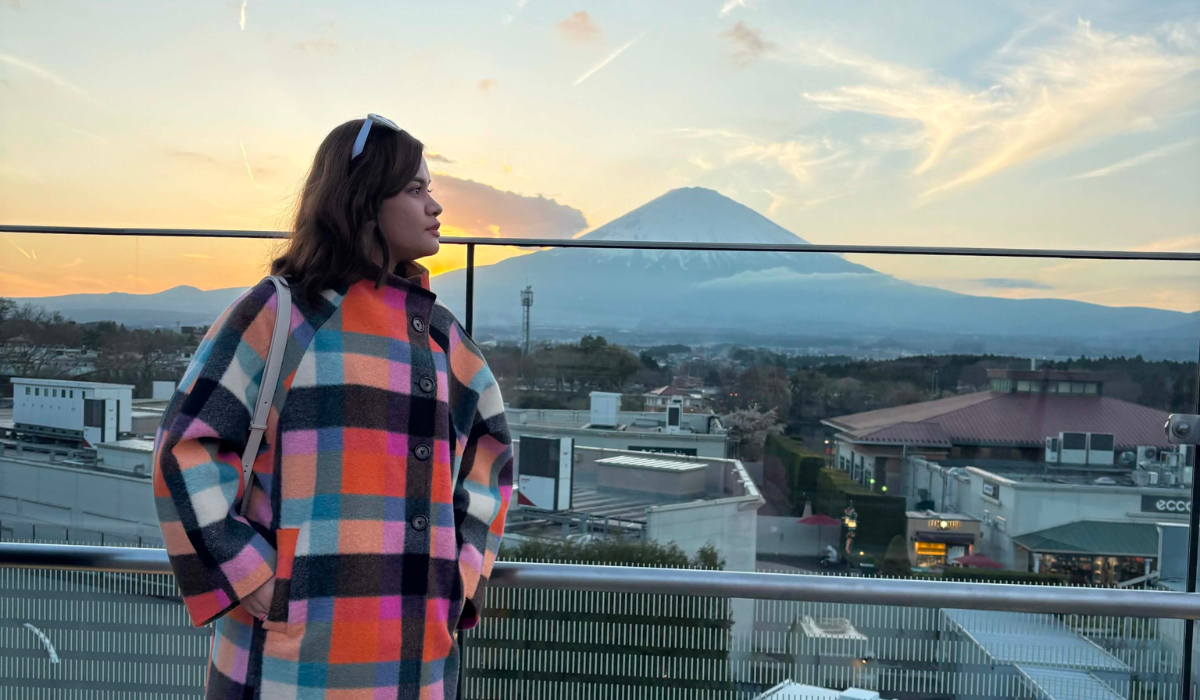

Entering the trentahin era taught me that being at peace is better than having to please everyone—especially people who don’t deserve your time.
There was a time when I believed that being everywhere meant making every connection count, living life without the risk of regret.
Every invitation felt important, every reunion a requirement, and every gathering an opportunity to grow closer and have a candid exchange. I never stopped thinking that saying “no” meant missing memories, milestones, or moments that everyone else will talk about along the line.
Like many millennials, I once subscribed to the overrated FOMO, or fear of missing out. Then came my trentahin chapter—and JOMO (joy of missing out) happened.
Some people say the world of the thirties changes your priorities in profound ways, and it’s true. I’ve changed my circle, dropped my destructive habits, and healed from what I thought was timely and necessary. I no longer live life by default; I live it by design.
Today, my decisions are more disciplined and calculated, while my connections are purposeful and personal. I’ve become intentional in both routines and relationships.
Hence, whether it’s family or friends, I favor meaningful moments over mandatory meetups, and honest conversations over casual hangouts. Access to me is also limited, because I learned to protect my peace and mental health the hard, wise, and sometimes solitary way.
Related story: Did millennials follow their dreams after all?
Related story: After years of telling us to buy, buy, buy, the internet is having second thoughts
The radical art of reciprocation
One of the biggest observations I’ve made in my thirties is learning that most relationships aren’t measured by how much you sacrifice; they’re sustained by how much both parties are willing to pour and give to the other. For years, I was an over-giver by default. I was always the first to approach, check in, show care, pitch plans, and extend grace.
Eventually, though, I got tired. I felt like a friend of convenience to conditional companions, a rebound romance to perpetual commitment-phobes, and a second story to someone else’s first ending.
Don’t get me wrong. I definitely give my wholehearted best, but I’m extra mindful of whether the effort flows both ways. I’ve begun to filter my friendships, and choose to keep close kindred spirits who consistently show up, celebrate without being bitter, and motivate without hidden malice. To many, this might strike as keeping score, but it’s actually my way of maintaining authentic bonds.
As someone as passionate and sincere as I am, I leave no room for lukewarm negotiations—be it love or belonging.
Allowing withdrawal and walking away
Contrary to what some claim, I didn’t wake up one day and decide to distance myself from many. It accumulated gradually, after periods of recognizing patterns and disrespect I didn’t have the nerve to stomach nor ignore. For instance, there were times when I found out that “friends” had met up to celebrate a milestone or catch up “casually”—everyone except me.

Relatives were more comfortable criticizing than celebrating, too, while some quietly questioned and scoffed at my achievements and milestones.
Then there were situationships that only thrived because I kept bending, compromising, and carrying conversations that barely tried to meet me halfway. Eventually, I heard what those bouts of disappointment had been telling all along: I wasn’t withdrawing from peers—I was withdrawing from one-sided obligations, depletion, and unhealthy dynamics.
That transition wasn’t rooted in resentment; it was rooted in self-respect—my time, my energy, and my emotional capacity. At 34, I’ve come up with a non-negotiable: real belonging should never require begging, and security should never sound like endless listening or constant convincing. If I have to doubt or second-guess my gravity in someone’s decisions, I’ve also learned what action—or non-action—naturally reveals. Now, I realized that instead of chasing invitations, time, or approval, I only appear where my presence is most appreciated—not accommodated. After all, aging is about building better boundaries and allowing access only when it’s earned and organic.
Related story: No second chances: Is the ‘cut them off’ dating trend too harsh or just clear?
Related story: Love bombs and red flags