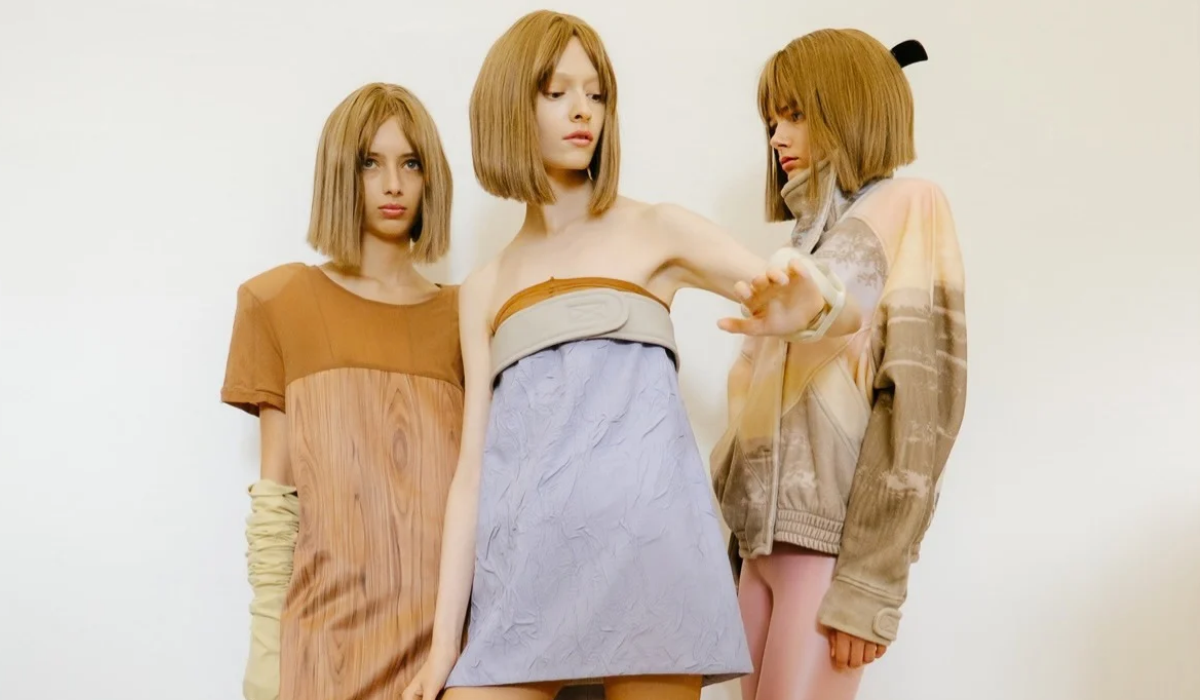

London Fashion Week SS27 made its case for a bolder spring with exposed lingerie, electric color, skinny flares, undone details, and sportswear dressed for after dark.
London has never been particularly interested in behaving itself. For Spring/Summer 2027, that instinct showed up in clothes that seemed caught somewhere between polished and provocative, proper and purposefully undone.
This season carried extra weight. Alexander McQueen returned to the London schedule, Christopher Kane made his Mulberry debut, Marks & Spencer staged its first London Fashion Week runway show, and Burberry closed proceedings on September 21. The result was a week that put British fashion’s eccentricity back in full view.
Look past the individual collections, though, and certain ideas kept resurfacing. Underwear escaped the bedroom. Trousers narrowed dramatically. Sportswear met sequins. Color lost its shyness. And garments looked all the better for being a little frayed around the edges.
Here are five trends that defined London Fashion Week SS27:
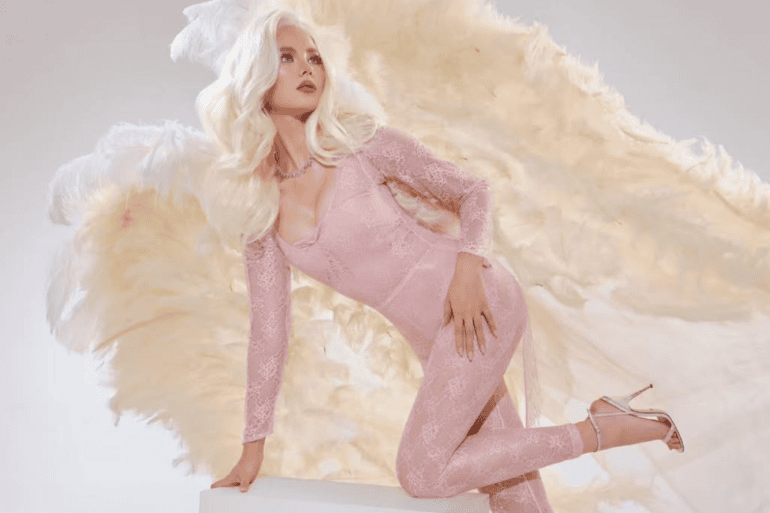
1. Lingerie leaves little to the imagination
The underwear-as-outerwear conversation isn’t over; London simply made it less precious.
At Erdem, bralettes were layered over shirting while Simone Rocha played sheer dresses against visible underwear and romantic floral details. KNWLS took a rougher route, exposing lingerie beneath pieces designed to look as though they were slipping, slicing, or coming apart. Elsewhere, Goyagoma paired bralettes with denim and workwear.
What makes SS27’s version interesting is the tension. Lace and bras aren’t necessarily being styled to look delicate; they’re colliding with tailoring, jersey, denim, and deliberately unfinished layers. It’s lingerie dressing with its sweetness slightly spoiled.
2. Skinny trousers stage their comeback
After seasons of puddling trousers and supersized denim, London’s designers are cutting closer to the body again.
The silhouette is low on the hips, lean through the thigh, then subtly flared at the ankle. British Vogue traced the look through McQueen, H&M, Petra Fagerström, Aaron Esh, and Talia Byre, where it appeared in everything from black leather to textured jacquard.
There’s something rock-and-roll about the proportions. Aaron Esh and Petra Fagerström pushed the look toward indie sleaze with fitted trousers and leather, helping revive the sort of skinny, slightly disheveled dressing that once dominated London’s nightlife.
The wide-leg trouser isn’t disappearing. But SS27 has officially reopened negotiations with the skinny flare.
3. Pink gets positively punchy
Spring pastels? London had louder plans.
Hot, shocking, almost fluorescent pink punctuated collections across the schedule. Aaron Esh sent out feathered skirts and evening pieces in the shade, while Talia Byre worked it into a pinafore and sharply tailored suit. Roksanda went grander still with sweeping silk and matching opera gloves.
It wasn’t London’s only color story—acid green also appeared across collections including McQueen, Roksanda, Ahluwalia, and Erdem—but pink emerged as one of the week’s most persuasive arguments for abandoning beige.
For SS27, color isn’t being deployed as a careful accent. It’s the outfit.
4. Fashion comes beautifully undone
London’s obsession with imperfection went deeper than distressed denim.

Fringe, shredded finishes, dangling threads, exposed seams, and deconstructed layers repeatedly gave garments the appearance of being mid-transformation. Roksanda drew on textile artist Françoise Grossen’s knotted rope sculptures for pieces heavy with loose threads and shaggy fringe; KNWLS sliced into denim and lace; and Erdem was among the designers embracing frayed, fragmented finishes.
Even Burberry joined the broader rejection of pristine polish. Daniel Lee described his SS27 collection in terms of “lived-in imperfection,” pairing the house’s codes with pieces intended to feel owned and worn rather than preserved behind glass.
The appeal lies in the evidence of the hand: threads left loose, surfaces manipulated, garments allowed to look worked on. In an era of visual perfection, London’s proposition is compellingly physical.
5. Sportswear stays out late
Perhaps London’s most wearable proposition was also one of its cleverest: the track jacket after dark. At Burberry, technical jackets and windbreakers were paired with sequined skirts and dresses. Ahluwalia similarly brought sporty shapes into conversation with fringe, while Oscar Ouyang mixed track pants with ruffled shirts and evening jackets.
The footwear followed suit. London designers produced a particularly packed roster of collaborations: Chopova Lowena worked with Dr. Martens, Aaron Esh reinterpreted an On trainer, Ahluwalia partnered with Puma, and Mowalola put her stamp on Nike Jordans.
It’s less athleisure than athletic irreverence—technical pieces dropped into outfits where they technically don’t belong. And that clash might be the most London idea of the entire season.
Taken together, SS27 didn’t deliver a single neat uniform for next spring. It offered something messier and more interesting: lingerie against workwear, track jackets against sequins, neon against neutrals, and clothes whose loose threads were left proudly showing. London’s message for spring is simple: perfect is passé.
Related story: The beauty trends we saw all over F/W 2026 Fashion Week
Related story: The trends we’re seeing (and loving) at Milan and Paris Menswear Fashion Week