
Jonathan Anderson plays with chiffon, tailoring, flowers and movement as his version of Dior continues to take shape.
Jonathan Anderson has never seemed that interested in putting Dior’s history behind glass. Since taking over the house, he has been pulling ideas out of its archive, changing proportions, trying unexpected takes and sometimes making things a little (beautifully) strange.
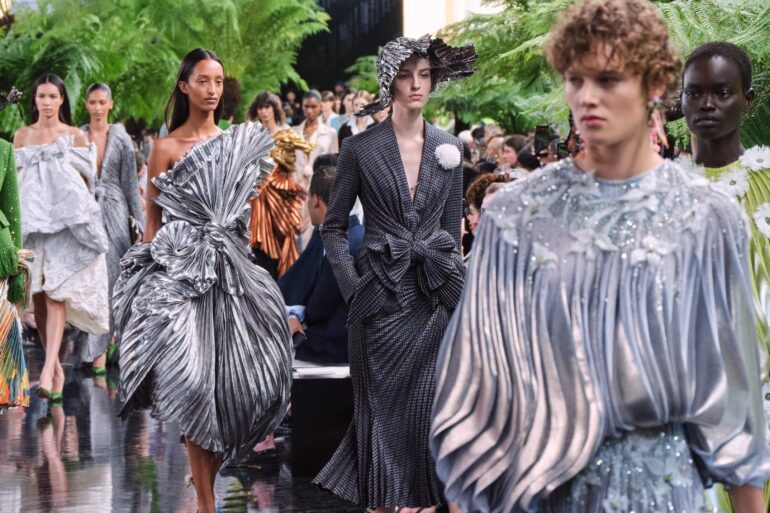
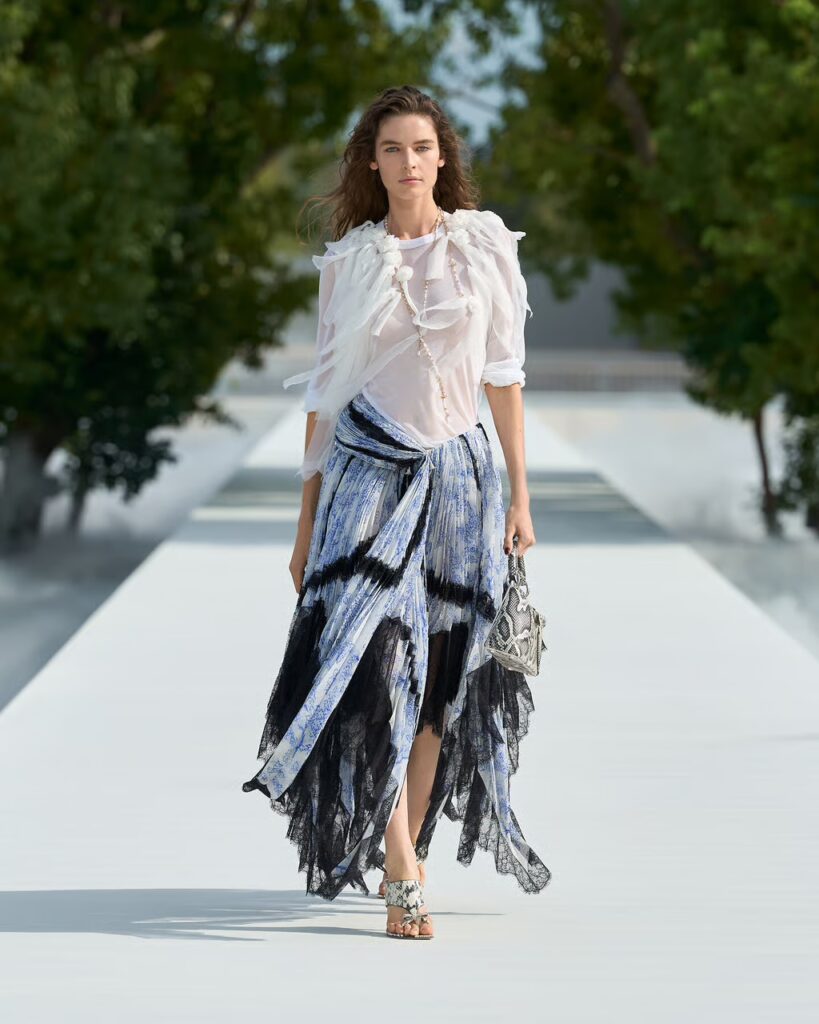
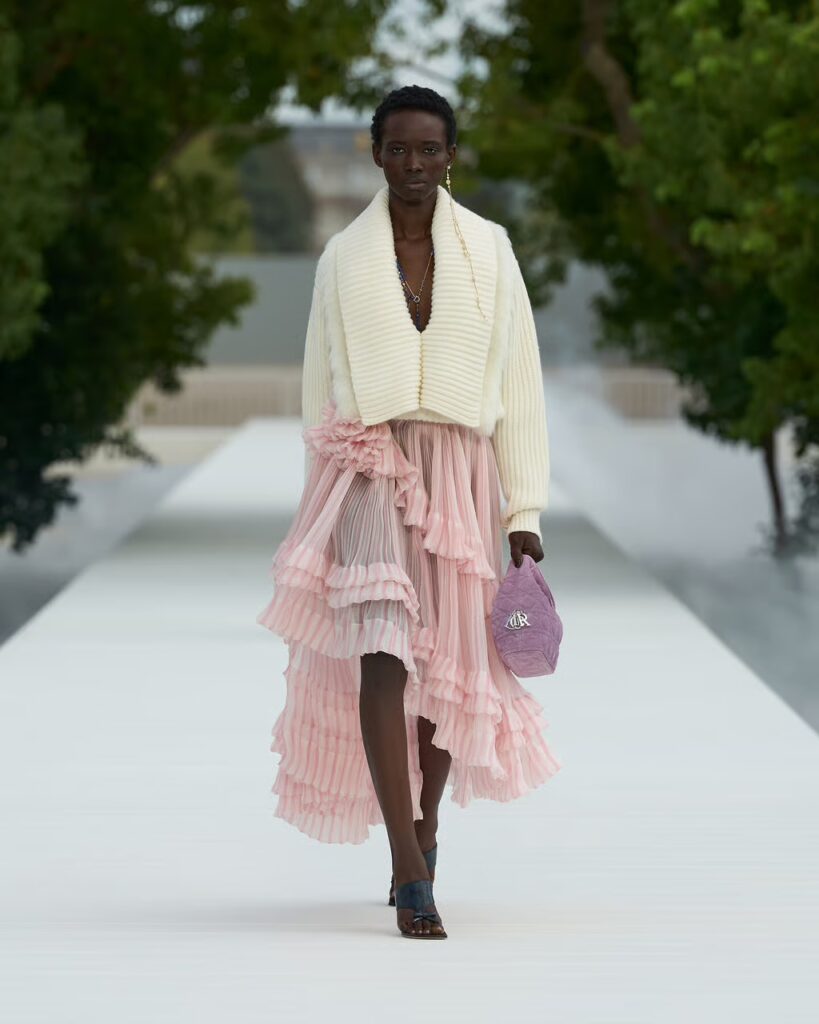
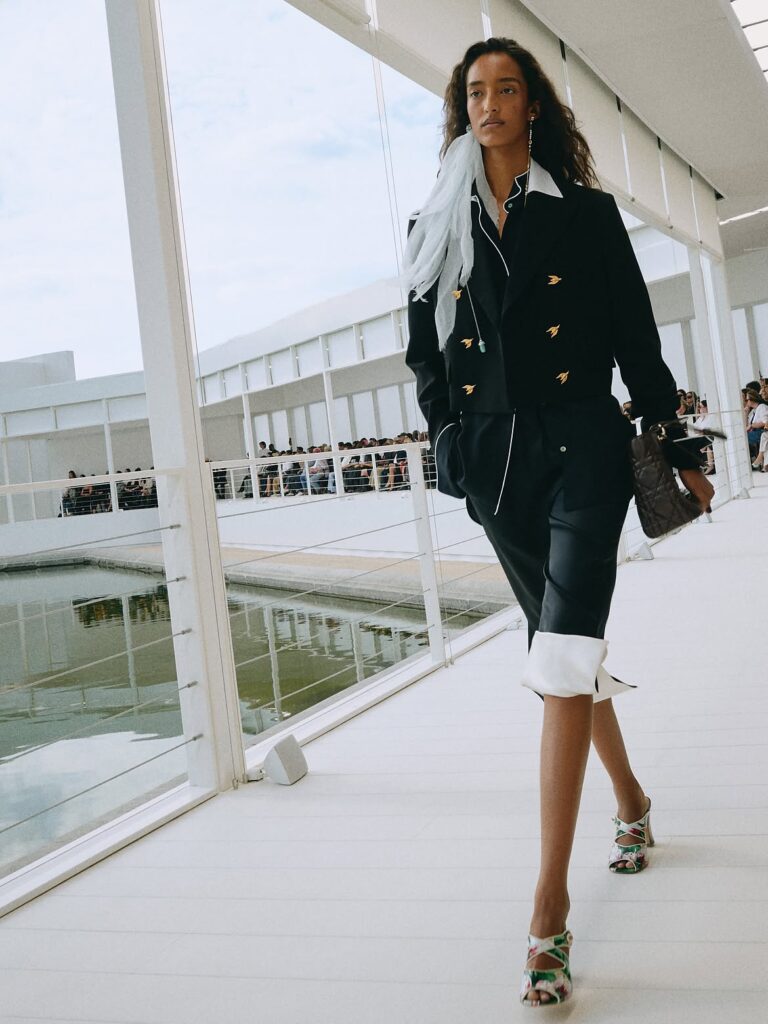
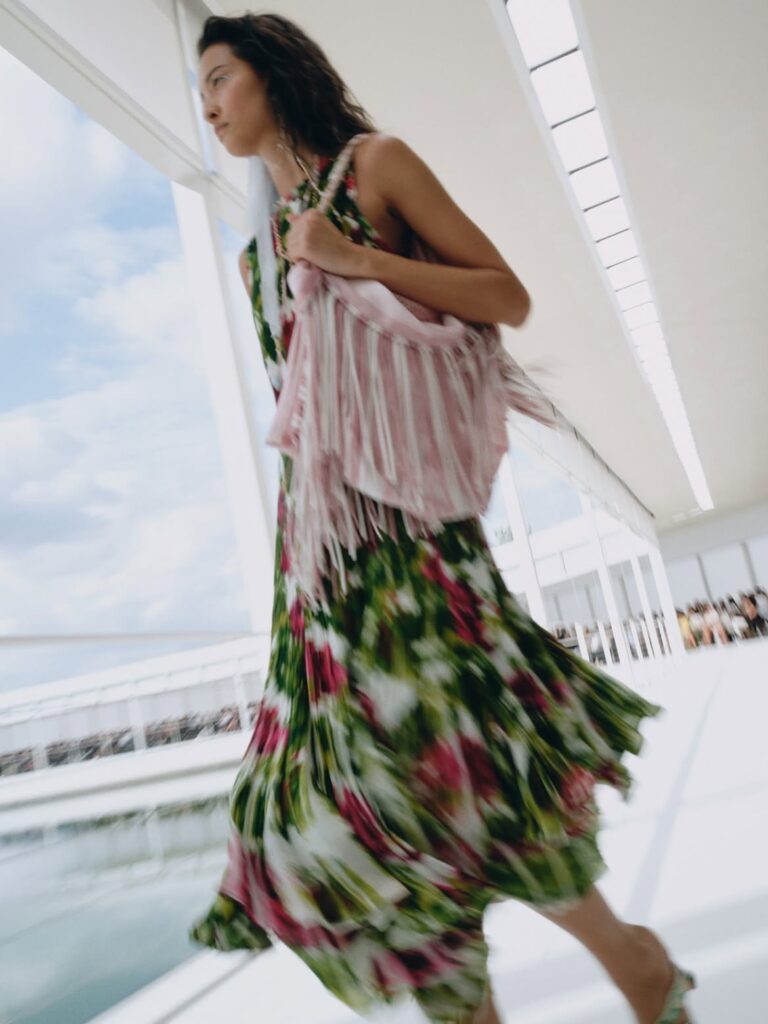
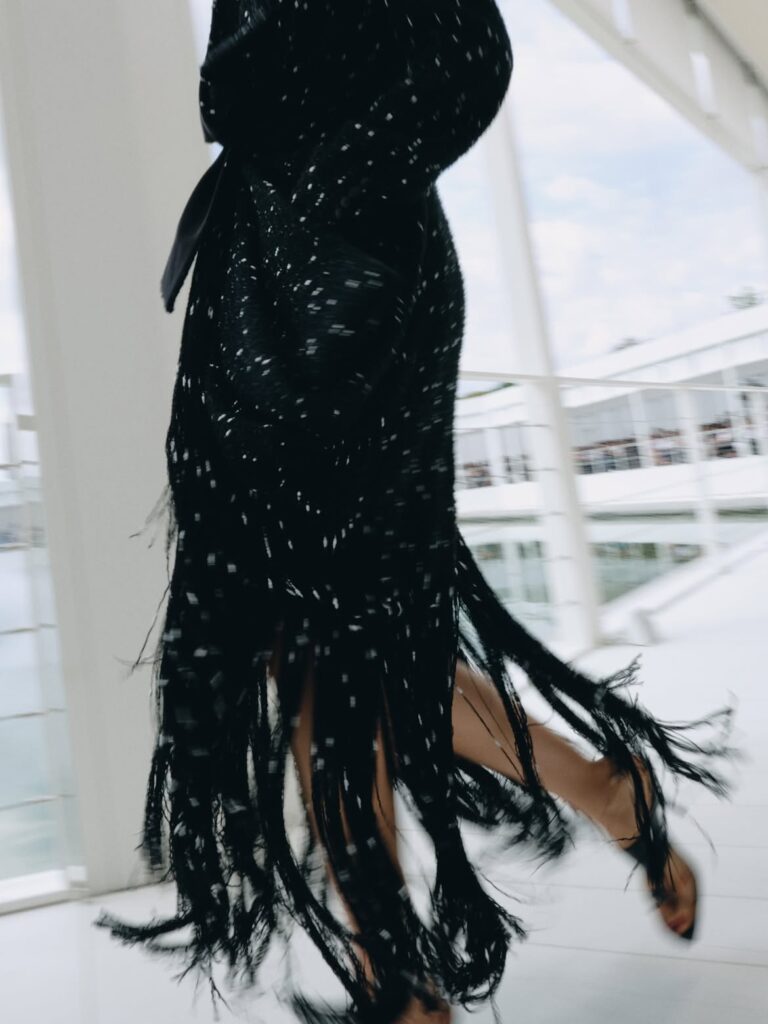
The Spring/Summer 2027 continues that thought. Shown on September 29 at the Jardin des Tuileries in Paris, the 66-look collection focused heavily on how clothes move. Chiffon, organza, silk mousseline and lace ran through the show, giving jackets, skirts and dresses an almost weightless feel. Dior even described air as part of the collection’s inspo, and once the models started walking, you could understand why.
We’ve been watching Anderson build his Dior for a while
If you have followed Dior on The POST since Anderson arrived, S/S27 feels like another piece of a much bigger project.
His first Dior menswear collection played with tailoring, proportion and the house archives. His womenswear debut brought bows, Bar jackets and historical Dior references into a wardrobe that already felt distinctly his. Since then, we have seen him look to Paul Poiret for Dior Men’s Winter 2026-2027, turn haute couture into something closer to an art collection, take Cruise 2027 to Hollywood and bring everything from rave culture to ripped denim into Dior Men S/S27.
Related story: Dior F/W 2026-2027 couture collection focuses on draping, pleats, and artist Lynda Benglis
Related story: Dior Men SS27: Jonathan Anderson brings rave energy to the suit
Related story: Jonathan Anderson turns Dior Cruise 2027 into a Hollywood dream
His latest couture collection pushed that conversation with art even further through the work of sculptor Lynda Benglis, whose folds, knots and manipulated forms found their way into fabric.
There is a pattern here. Anderson keeps going back through Dior, but he is not interested in simply recreating what is already there.
The clothes had plenty going on
The first look gave a good introduction to the collection: a pinstripe blazer over a striped shirt and a pale yellow chiffon skirt made from around 20 incredibly fine layers. A version of the same idea returned at the end of the show in darker pinstripes and checks, almost like bookends for everything that happened in between.

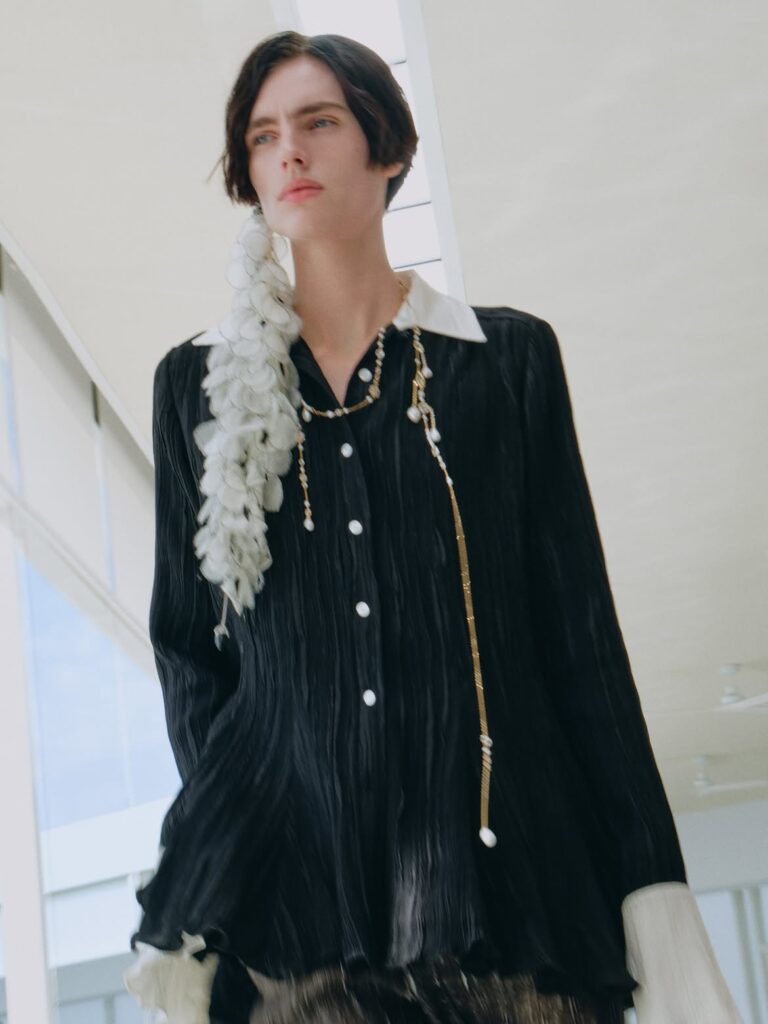
Then there were sheer chiffon jackets, striped shirts, pleated skirts, lace inserts and long dresses with ruffles that moved as the models walked. Pale yellow, soft blue and pink sat beside navy, black and checks, while metallic trousers added shine. Some dresses carried a lot of fabric but were cleverly constructed underneath so they still held their shape.
Related story: Dior Fall 2026 at Paris Fashion Week turns the Tuileries Garden into a runway
Related story: Flowers bloom in motion at Jonathan Anderson’s first Dior haute couture show
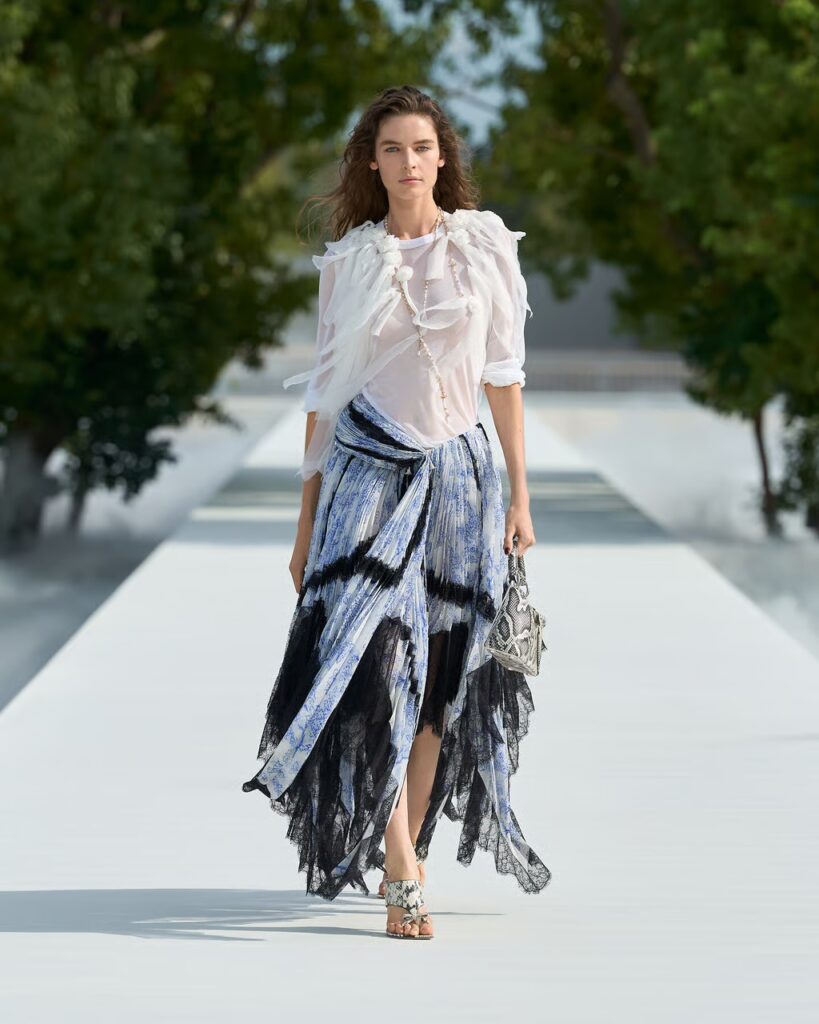
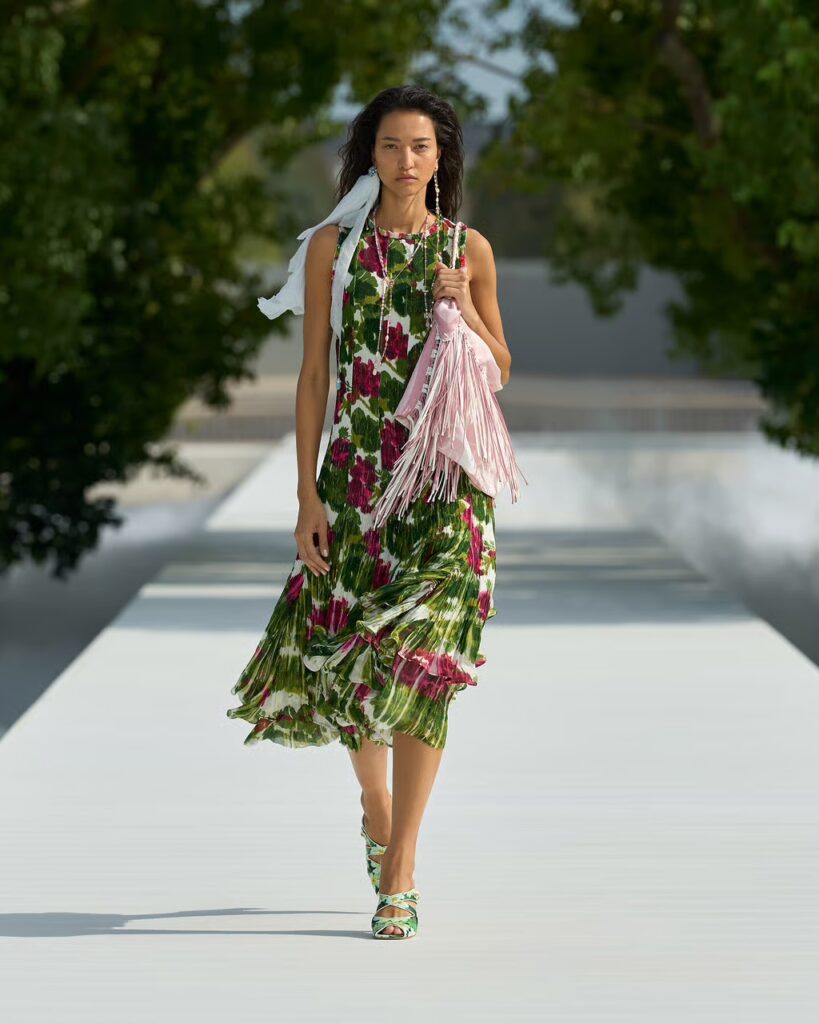
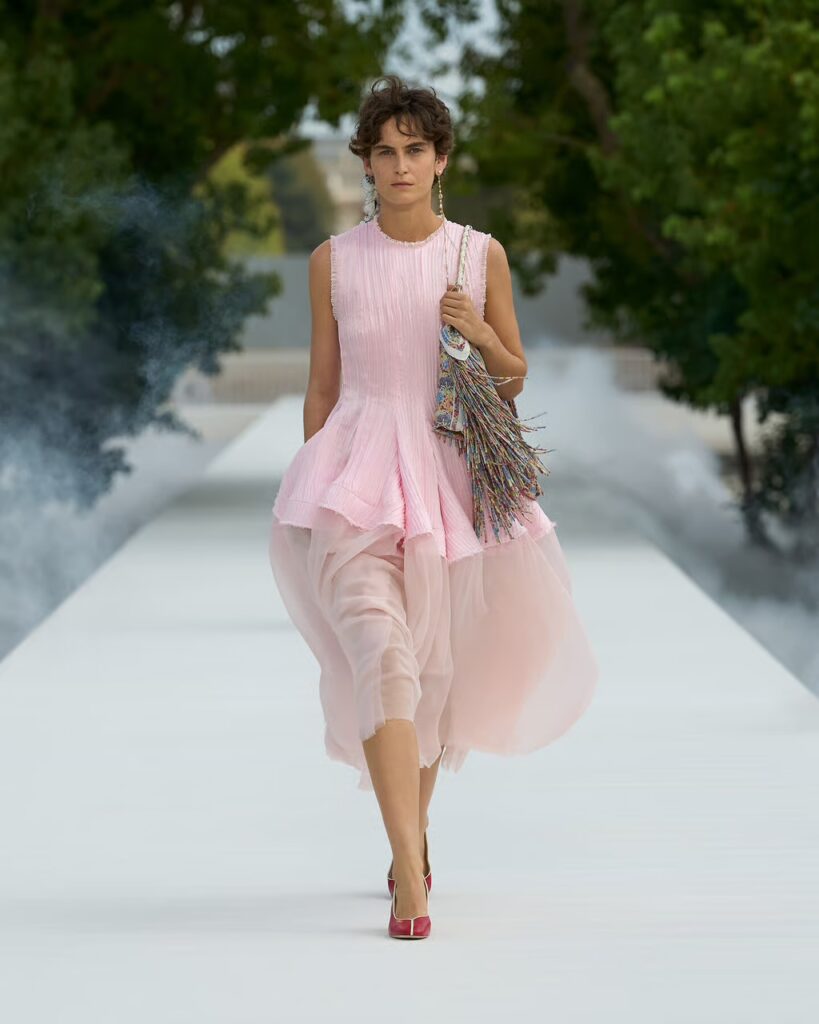
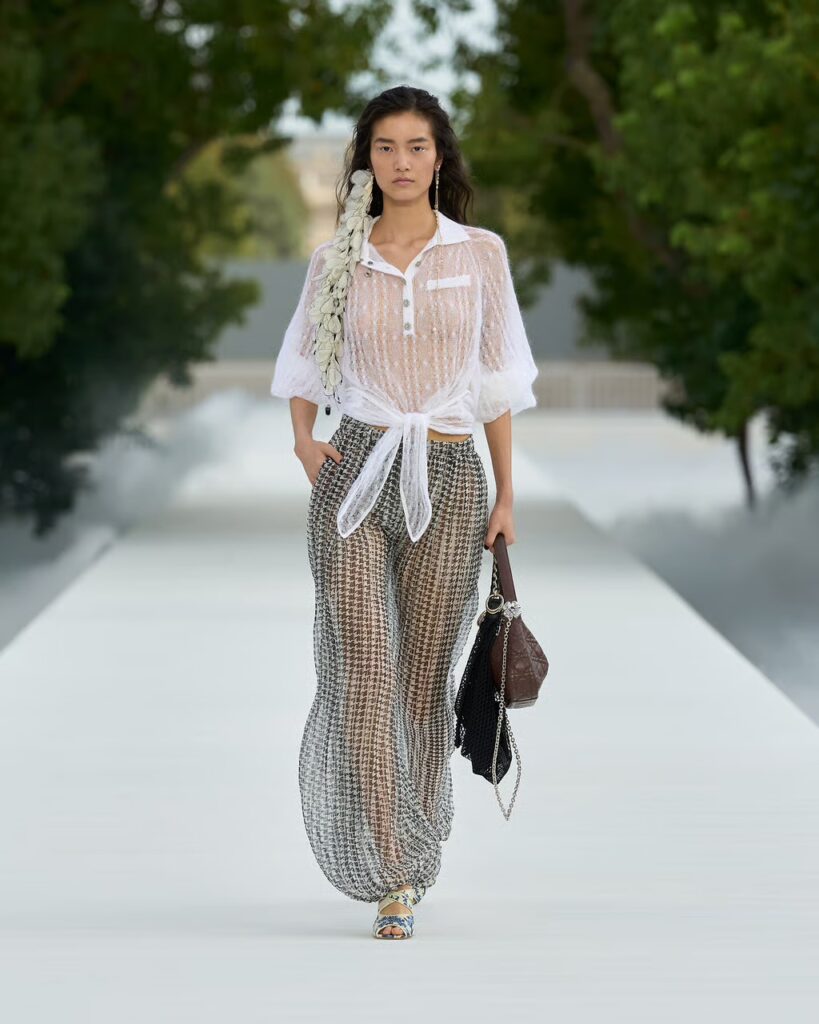
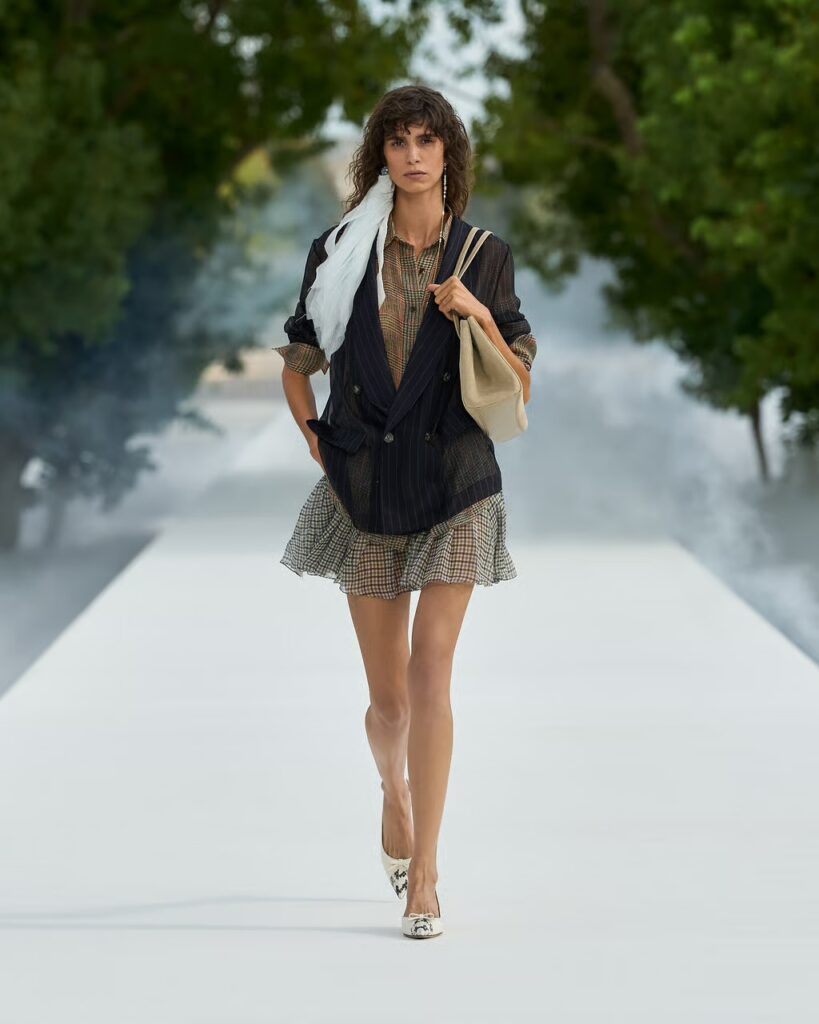
The bar jacket returned too. Anderson kept its connection to Christian Dior’s 1947 design but played with transparency and softer materials, changing the way such a historically structured piece felt on the body.
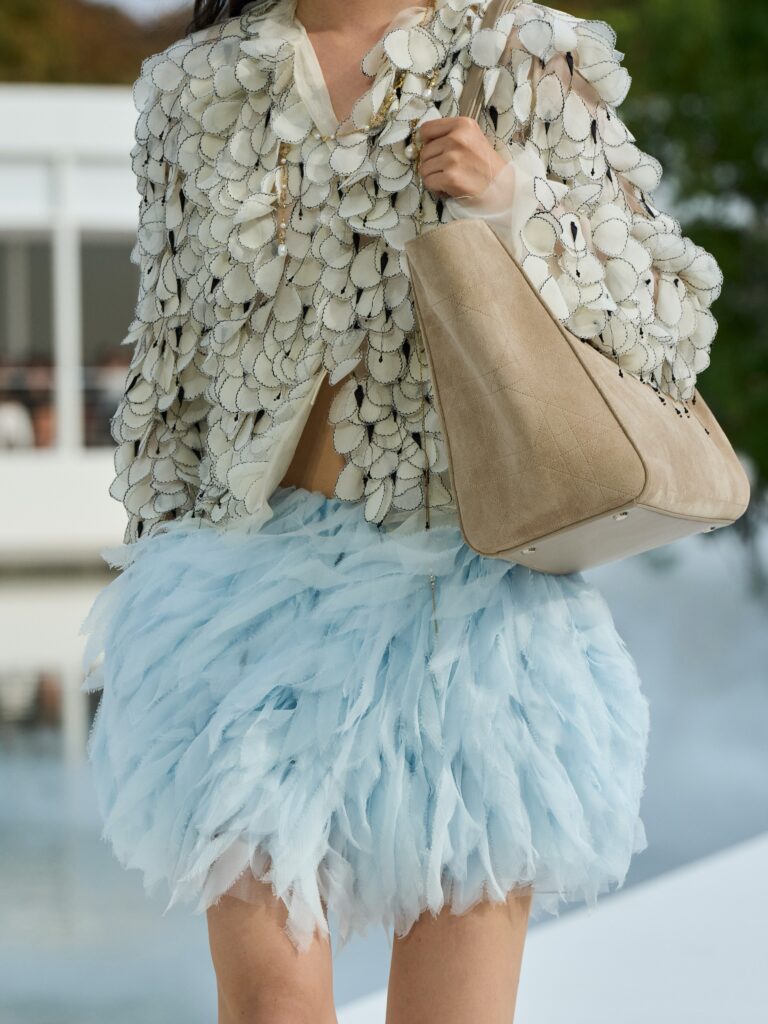
Flowers also became more than just a print. Petals covered cropped jackets, formed boas and even appeared as earrings. Rather than stiff floral decorations, many looked soft and slightly irregular, closer to actual petals than perfect fabric replicas.
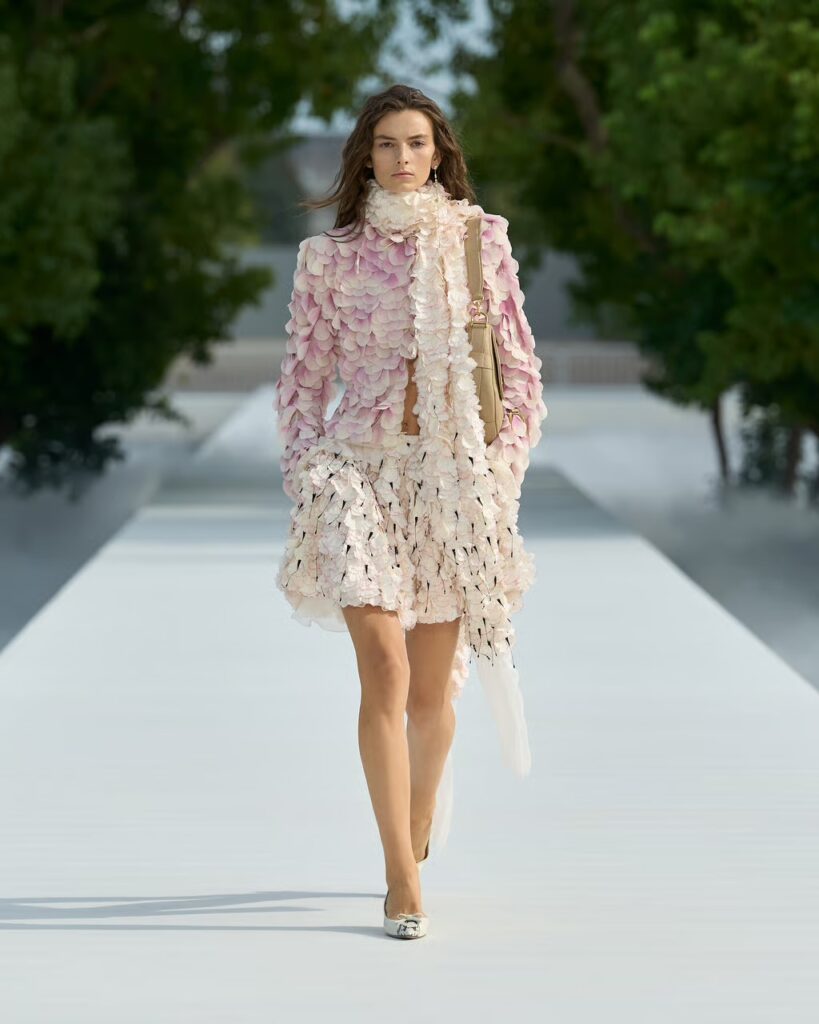
The bags and shoes deserve a look too
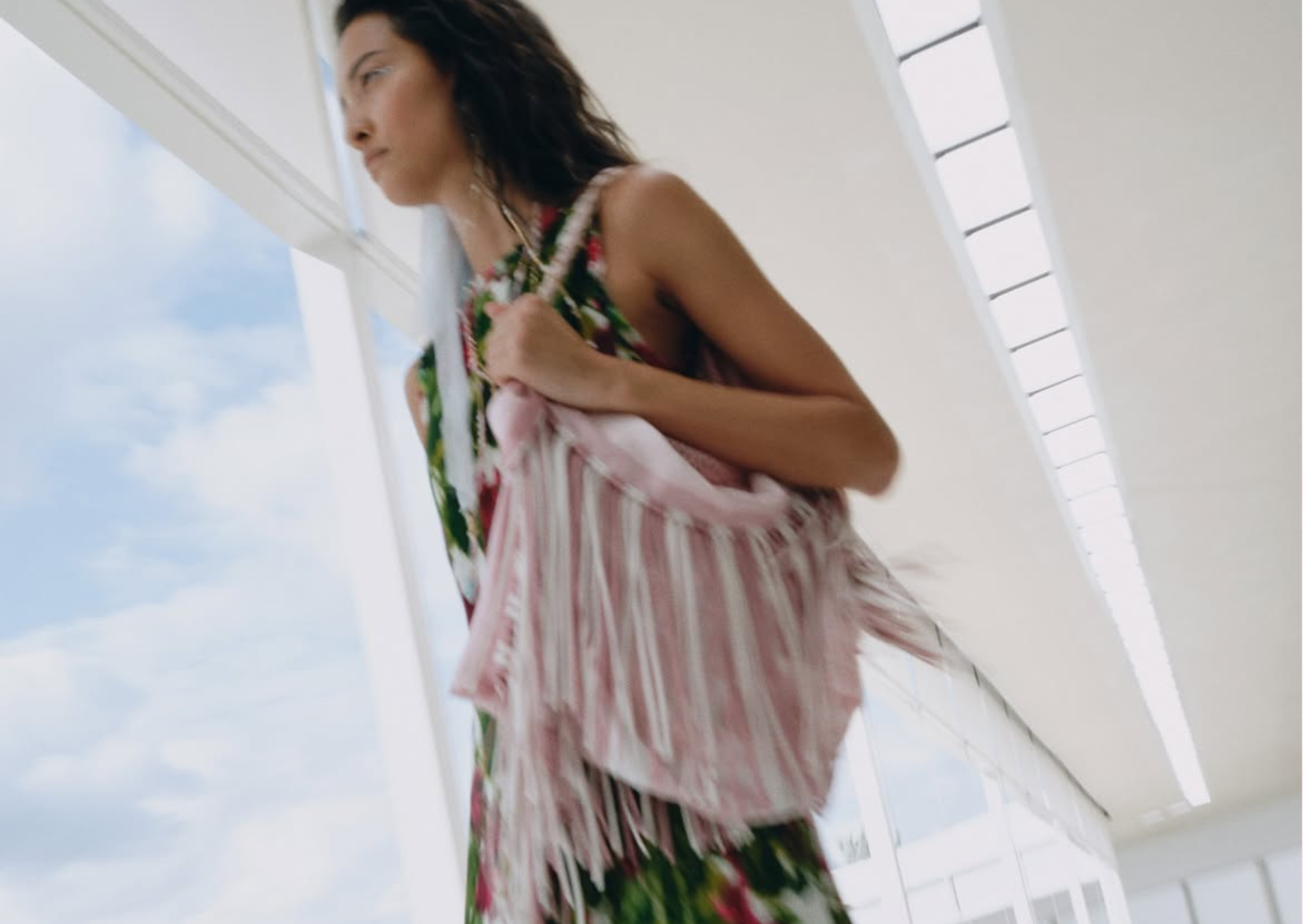
Handbags ranged from softer day bags to pieces that played with the D-I-O-R lettering, while one design continued his interest in a Marc Bohan era Dior bag.
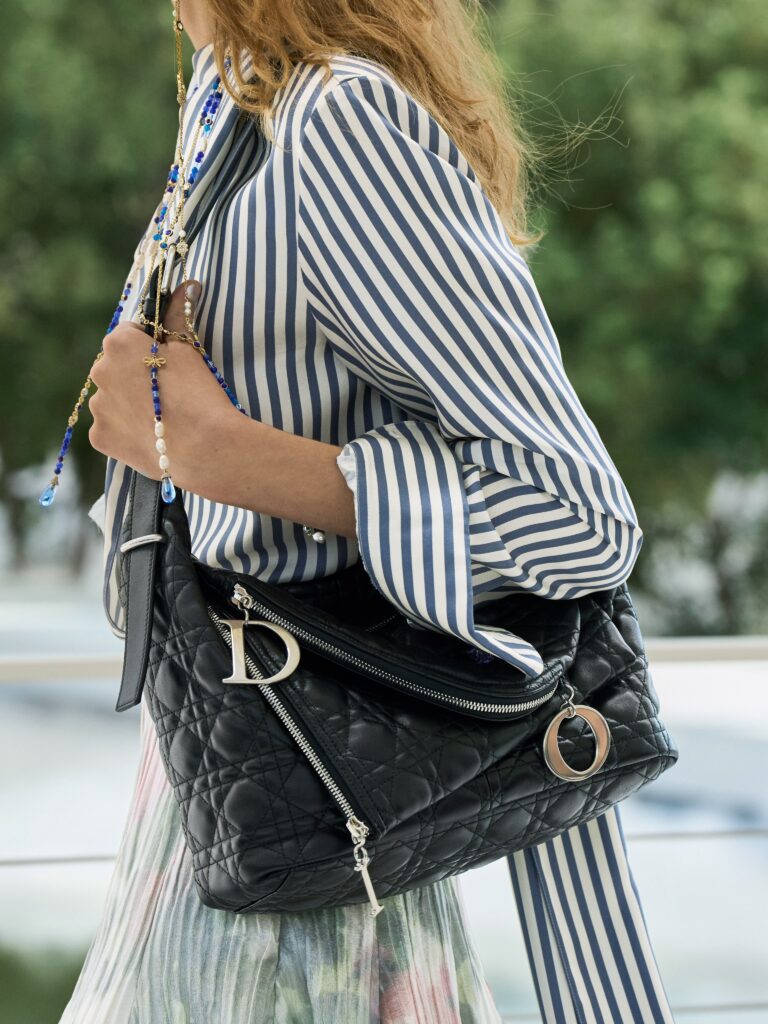
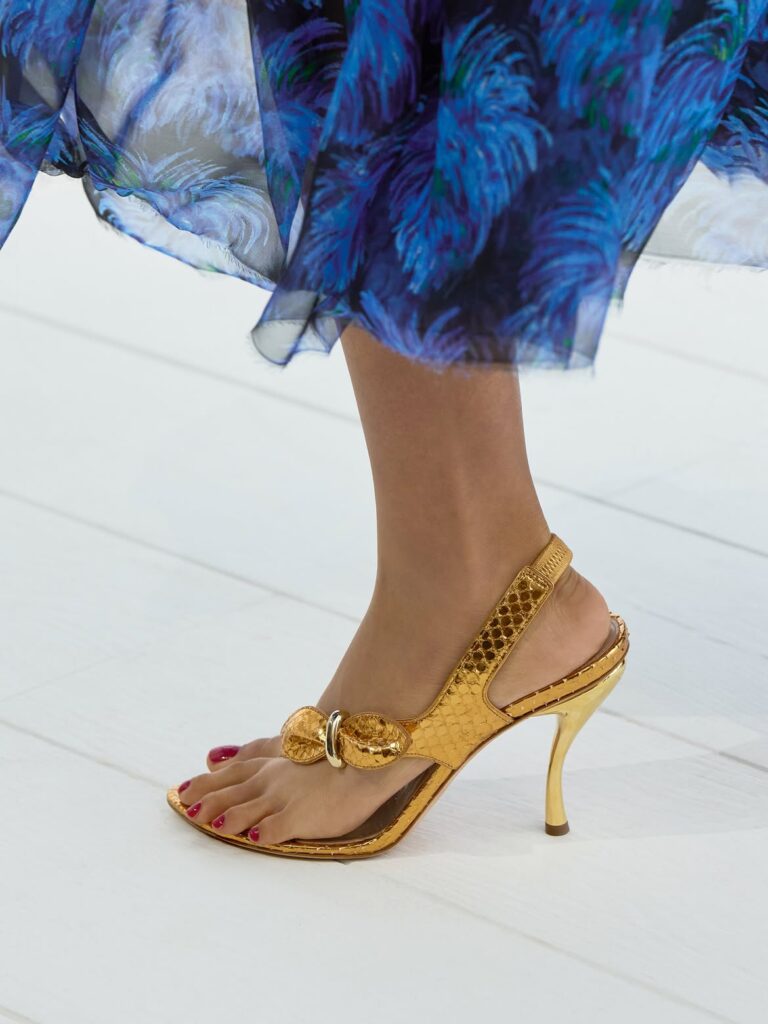
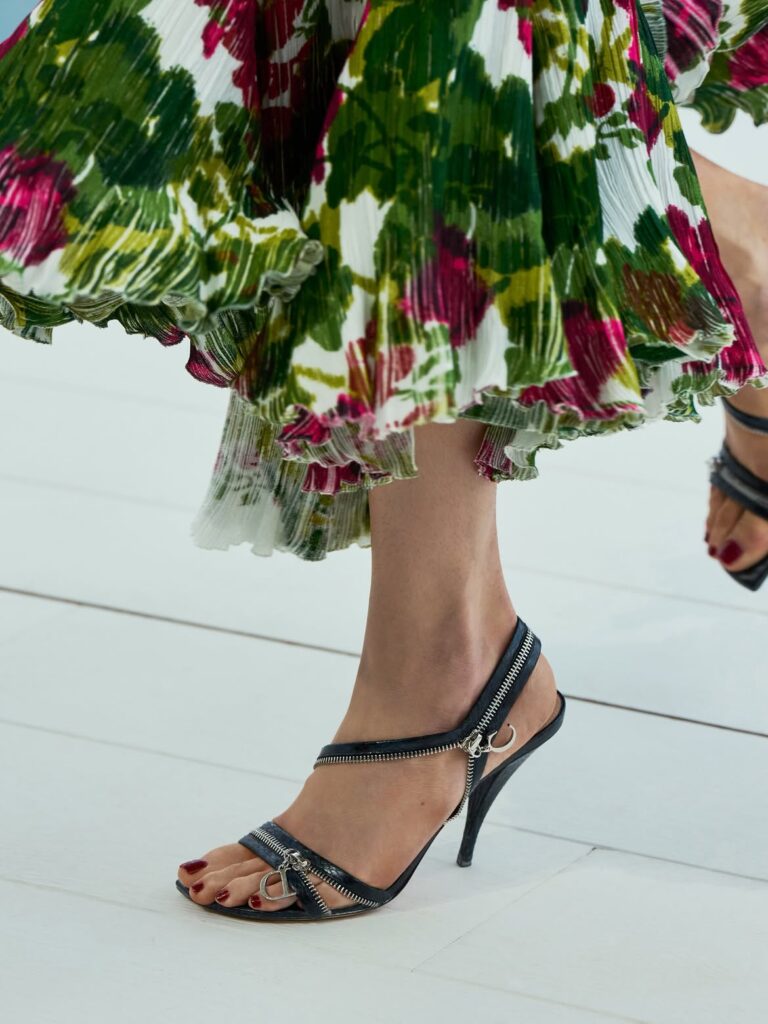
On foot were slim sandals and heels, including zipped styles that nodded to an earlier period of Dior under John Galliano. Bags appeared in everything from neutral tones to pink and purple, while floral details and long necklaces carried the collection’s slightly offbeat mood into the smaller pieces.
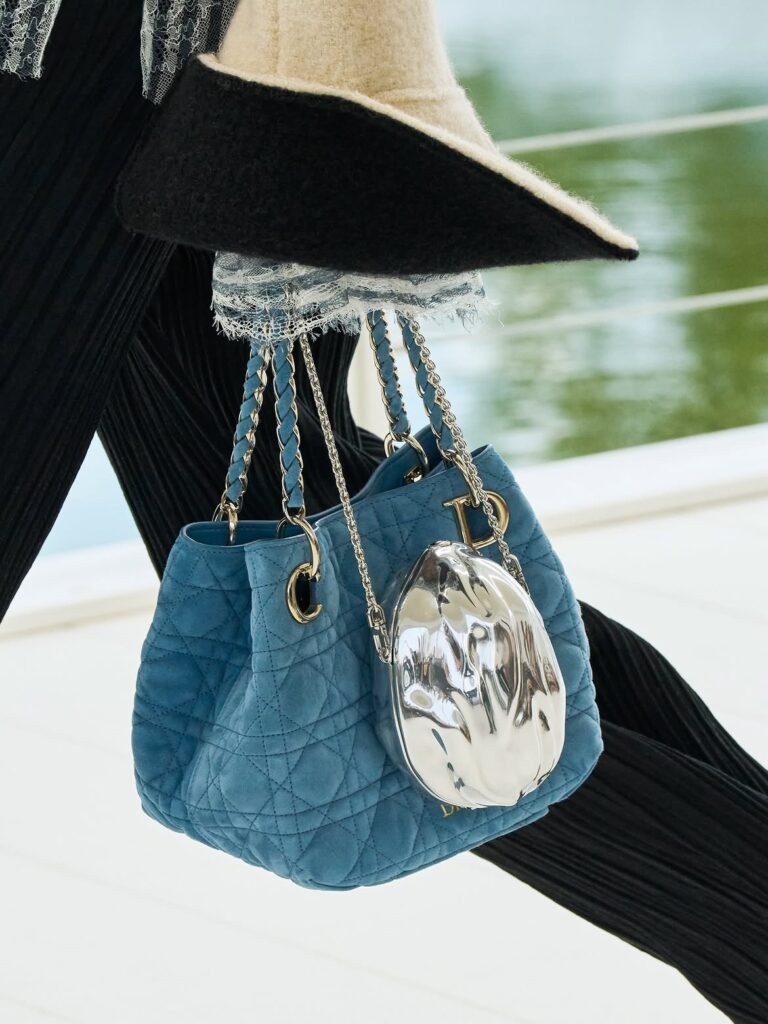
And then there were the walnuts

Guests received a pair of wénwán walnuts with their invitations, referring to the Chinese practice of repeatedly handling and polishing walnuts until their surfaces develop a patina. No two develop in exactly the same way, which is connected with Anderson’s interest this season in nature, asymmetry and things that become more interesting because they are not completely uniform.
It is a useful way to look at Anderson’s Dior as a whole. Less than two years in, he is still working through what the house can look like under him, collection by collection.
And the details are doing plenty of talking.
See the full collection below: