

Endless reunions, mounting expenses, and last-minute shopping? Here’s how to survive the Filipino Christmas rush without draining your energy or your wallet.
Christmas in the Philippines comes with a calendar of commitments. There are office parties to attend, gifts to purchase, reunions to organize, and family traditions to uphold. By November, many households are already preparing for weeks of celebrations, with December promising an even fuller schedule.
The excitement, however, can come with considerable pressure. Between budgeting for Noche Buena, navigating traffic, shopping for presents, and accommodating relatives, the holidays can become physically, emotionally, and financially exhausting.
For Filipinos, Christmas celebrations are closely tied to family relationships, generosity, hospitality, and pakikisama, too—making it difficult to decline invitations or scale back traditions without feeling guilty.
Still, enjoying the season need not require attending every gathering, purchasing expensive gifts, or exhausting one’s savings. A few practical adjustments can make the holidays feel festive without leaving everyone depleted by January.
1. Set a Christmas budget before the spending begins
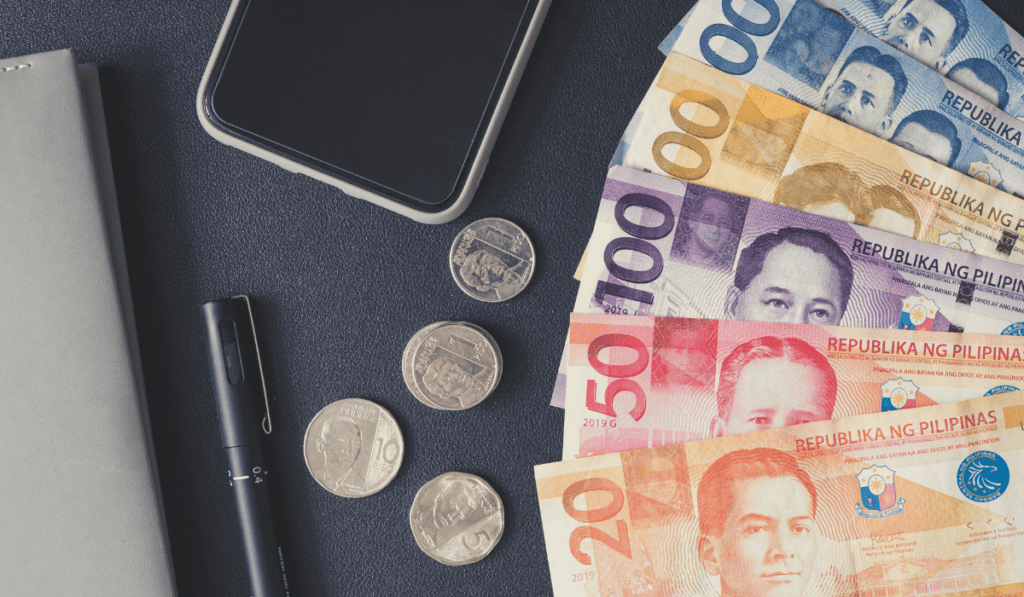
The temptation to spend generously is understandable, especially when Christmas involves giving to family members, godchildren, colleagues, and friends. Generosity, though, can become a financial burden when expenses accumulate without a clear spending limit.
According to TransUnion’s fourth-quarter 2025 Consumer Pulse Study, 50% of Filipino respondents expected to spend less on holiday shopping compared with the previous year. Meanwhile, the Bangko Sentral ng Pilipinas’ 2025 Consumer Finance and Inclusion Survey found that 86% of Filipino adults reported maintaining a personal budget.
How to do it: Start by allocating separate amounts for gifts, groceries, celebrations, and travel. Include smaller expenses such as gift wrapping, delivery fees, and contributions to office parties. Most importantly, avoid treating the 13th-month pay as money that must be spent entirely on Christmas.
2. Buy gifts early and shop with a list
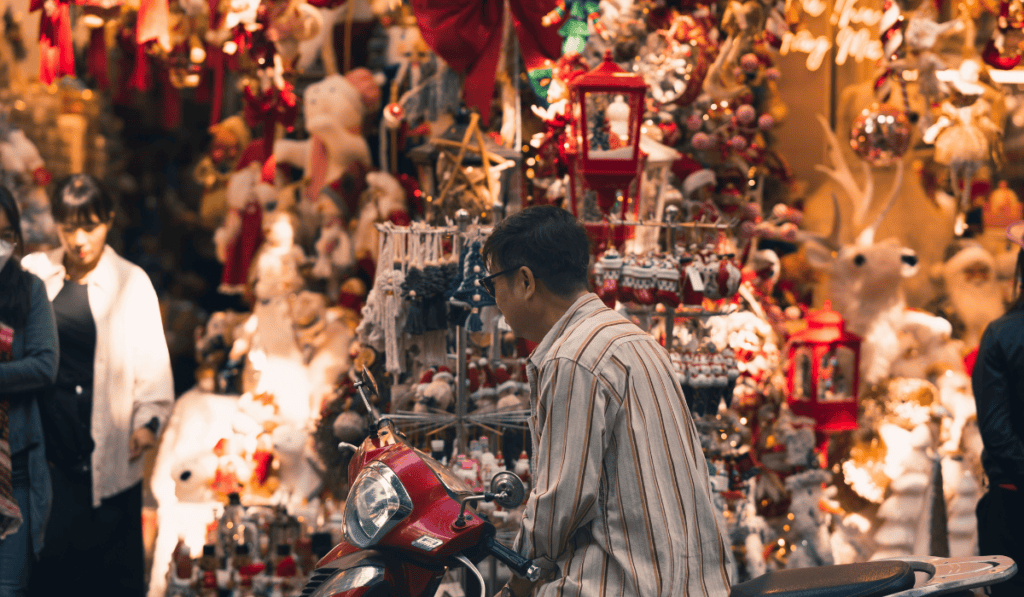
Last-minute Christmas shopping can be time-consuming, particularly when crowded malls, heavy traffic, and limited stocks leave shoppers with fewer choices. Rushed purchases can also encourage spending beyond the original budget.
Data released by Visa Consulting and Analytics in December 2025 identified December as the peak spending month for Filipino cardholders, with local in-person transactions reaching their highest level on December 23.
How to do it: Prepare a gift list in November, establish a spending limit for each recipient, and purchase items gradually. For larger families, consider organizing a Secret Santa exchange or giving practical presents instead of buying individual gifts for everyone.
3. Prioritize the reunions that matter most

Family gatherings are central to Filipino Christmas celebrations, but attending every invitation can leave little room for personal time. Office parties, barkada reunions, neighborhood celebrations, and extended-family gatherings can quickly occupy an entire December calendar.
A 2024 study published in the International Journal of Psychology involving Ateneo de Manila University psychologist Liane Peña Alampay examined Filipino family values, including collectivism and expectations of familial obligations. The research helps explain the cultural importance placed on family relationships and responsibilities, although it did not specifically investigate holiday fatigue.
How to do it: Choose gatherings based on personal priorities, travel requirements, and available energy. Declining an invitation politely, attending for a shorter period, or arranging a smaller gathering in January can help maintain relationships without overwhelming the calendar.
4. Learn to say no without feeling guilty

The Filipino value of pakikisama encourages harmonious relationships, but the desire to accommodate others can make setting boundaries uncomfortable. During Christmas, this may mean accepting invitations, financial requests, or additional responsibilities despite an already demanding schedule.
The University of Makati’s research on sumpong and pakikisama explores the relationship between emotional responses and maintaining social harmony, offering a culturally grounded perspective on interpersonal expectations.
How to do it: Set limitations. Boundaries need not come across as dismissive. A simple explanation that one’s schedule is already full, or that the Christmas budget has been allocated, can communicate appreciation without creating another obligation.
5. Share the work of preparing for Christmas

For households hosting Noche Buena or family reunions, much of the preparation can fall on one person. Grocery shopping, cooking, decorating, cleaning, and coordinating guests require considerable time, particularly for those balancing employment and family responsibilities.
Instead of expecting one family member to manage everything, distribute responsibilities early. Guests can contribute dishes, relatives can handle decorations, and children can help with age-appropriate preparations.
The Department of Health’s holiday wellness guidance, reported by the Philippine Information Agency similarly recommends planning ahead, using checklists, and delegating tasks to reduce seasonal stress.

6. Protect your rest days, even during the festivities

Christmas schedules can become so packed that sleep, exercise, and quiet time are treated as optional. Late-night celebrations followed by early-morning errands can gradually take a toll on physical and emotional well-being.
In December 2025, the Department of Health advised Filipinos to set realistic holiday expectations and maintain adequate sleep. Dr. Voltaire Guadalupe of DOH CALABARZON also cautioned that stress, sleep deprivation, and excessive alcohol consumption can contribute to health problems during celebrations. Read the DOH guidance here.
How to do it: Reserve a few days without social commitments, maintain regular meals, and make time for activities that help you unwind. A quiet evening at home can be just as important as another night out.
7. Manage expectations, including your own

Christmas can also intensify emotional pressures, particularly during reunions where conversations turn to careers, relationships, finances, or personal milestones. Comparisons with relatives and friends may make an otherwise enjoyable occasion uncomfortable.
The National Center for Mental Health has identified family conflicts, unsolicited personal remarks, financial concerns, and loneliness as potential contributors to the holiday blues. In a December 2025 advisory, medical specialist Dr. Rodney Boncajes encouraged greater sensitivity toward others, especially during family gatherings.
How to do it: Keep expectations realistic, both for celebrations and personal achievements. A modest Noche Buena, a smaller gift exchange, or a Christmas spent quietly with loved ones can still be meaningful.
Ultimately, a well-spent Christmas is not measured by the number of parties attended, gifts exchanged, or dishes served. Giving time and attention to the people who matter, while preserving enough energy and financial security for the year ahead, may be the most worthwhile holiday tradition of all.
Related story: MMFF 2026 unveils its complete lineup: Eight films to watch this Christmas
Related story: Your holiday calendar is filling up. Here’s where to find outfits you’ll want to wear again