

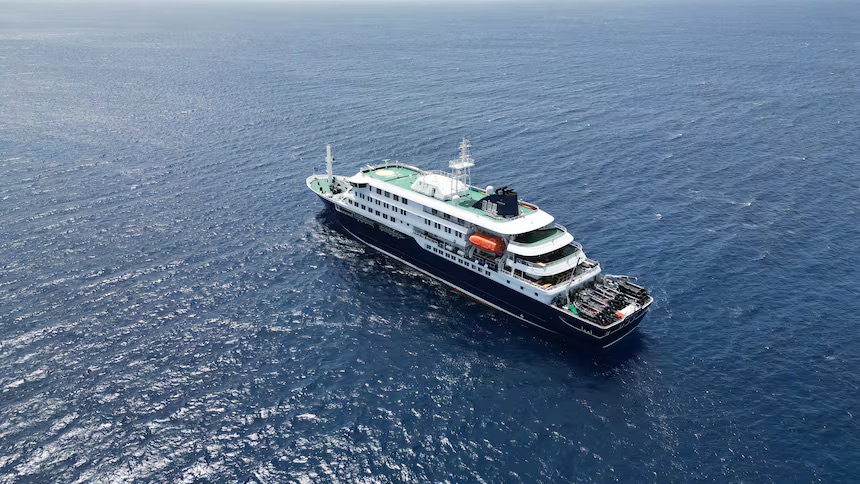
An outbreak on a cruise ship is making global headlines, but experts say the greatest risk is from enclosed campsites, cabins, and mountain huts where rodents may nest.
MV Hondius, an expedition vessel that departed Argentina on April 1, became the center of a confirmed hantavirus outbreak that has so far claimed three lives and left several others hospitalized across multiple countries.
Among the crew were 38 Filipinos, all of whom remain healthy and symptom-free, according to the Department of Health (DOH). “Hantavirus is not a new condition. It is a rare disease contracted only through close contact with the droppings or urine of rodents infected with the virus. Currently, there are no recorded cases of Hantavirus in the Philippines,” DOH spokesperson Dr. Albert Domingo confirmed.
Related story: What you should know about the deadly Nipah virus
Relates story: What is the flu and when can it turn deadly?
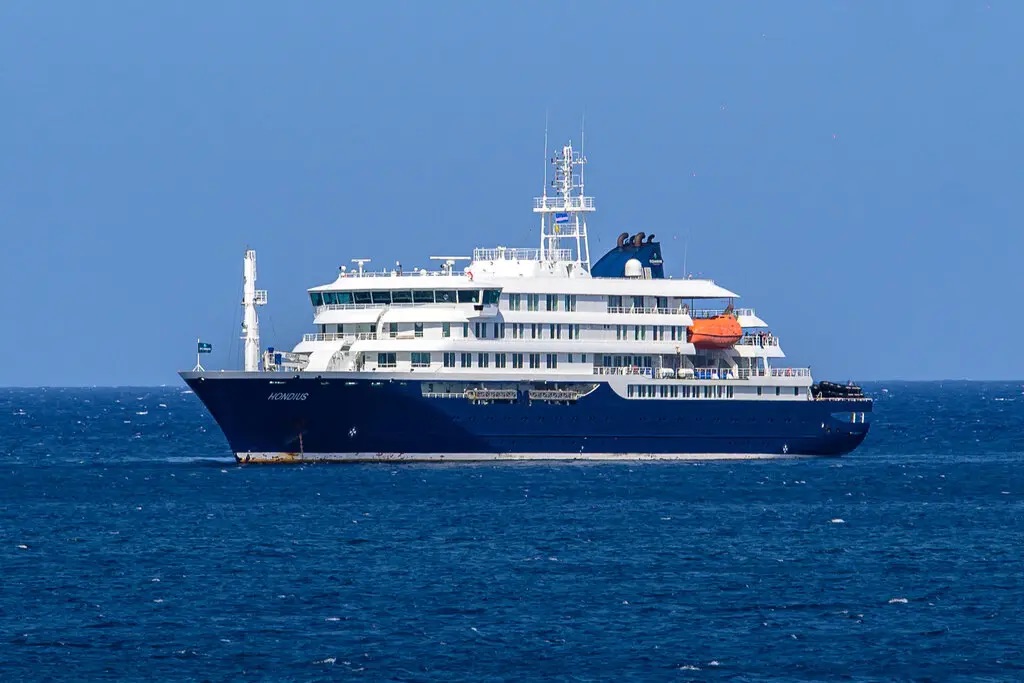
What happened on the MV Hondius?
The MV Hondius left Ushuaia, Argentina on April 1, carrying around 140 passengers and crew bound for Antarctica and several remote South Atlantic islands.
The first known victim, a 69-year-old Dutch man, died on board on April 11. His body was only removed two weeks later when the ship reached the British territory of Saint Helena, where around 30 passengers also disembarked. His 69-year-old wife, who had been showing gastrointestinal symptoms, boarded a flight to Johannesburg but collapsed at the airport and died. She was later confirmed positive for the Andes strain of hantavirus. A German passenger died on May 2, and a British passenger was medically evacuated to South Africa where he was treated in intensive care.
The leading theory from Argentine investigators is that the Dutch couple contracted the virus before boarding, likely during a birdwatching outing near a landfill in Ushuaia where rodents carrying the virus were present. Argentine health records show the couple had been on a four-month road trip through Chile, Uruguay, and Argentina before the voyage.
As the outbreak grew, the ship became stranded. It docked at Cape Verde, where it was deemed too small a territory to handle the scale of evacuation needed. Spain initially refused to let the vessel into the Canary Islands, though it eventually allowed passengers to transfer under strict health protocols. As of early May, at least eight cases were confirmed or suspected, health authorities across a dozen countries were tracking exposed individuals, and the ship’s remaining passengers had yet to fully disembark.
The WHO assessed the global public health risk as low. Dr. Maria Van Kerkhove stated clearly: “This is not the start of an epidemic, this is not the start of a pandemic.”
What is Hantavirus and how dangerous is it?
Hantavirus is a family of viruses carried by rodents. People get infected primarily by breathing in airborne particles from the urine, droppings, or saliva of infected animals, most often in enclosed spaces like sheds, barns, or rural shelters.
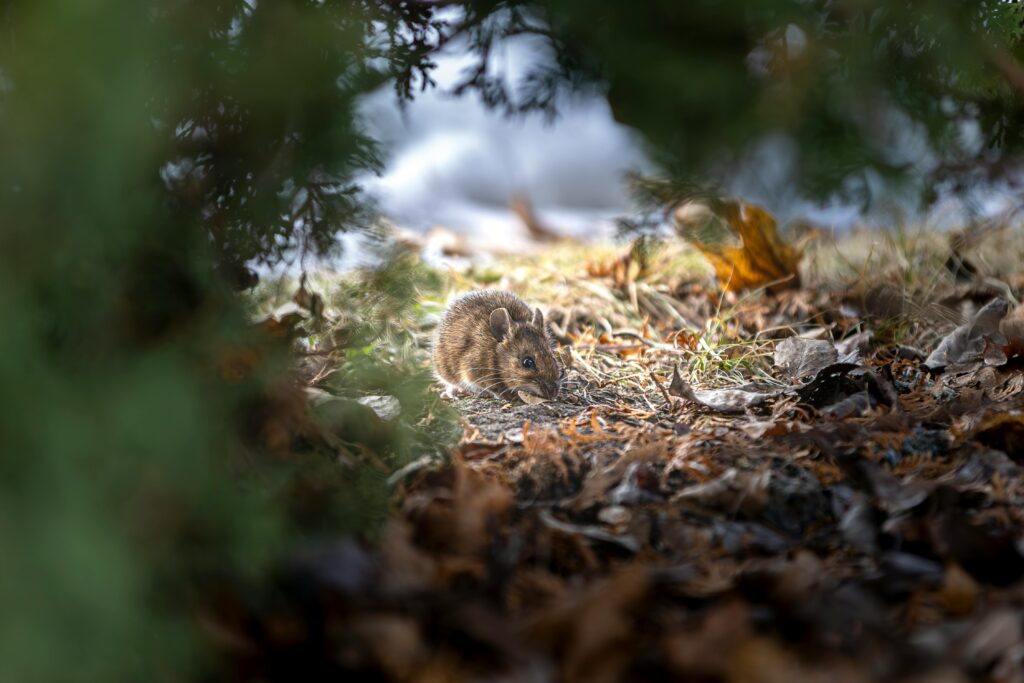
The Andes strain involved in this outbreak is endemic to South America and is the only hantavirus known to spread between people, though this remains rare and requires sustained, close contact. Most cases still originate from direct rodent exposure.

Symptoms appear one to eight weeks after exposure and begin like the flu: fever, chills, headache, and muscle aches. They can escalate rapidly into Hantavirus Cardiopulmonary Syndrome (HCPS), where fluid floods the lungs and breathing fails. The case fatality rate in the Americas can reach up to 50%. There is no approved antiviral treatment. Early hospitalization and supportive care are the only options.
What travelers need to know
The Dutch couple were birdwatchers on a months-long trip through rural South America. Their case is a serious reminder that hantavirus risk is not impossible for travelers visiting endemic regions.
If you are traveling to parts of South America, particularly in rural or wilderness areas, take these precautions seriously. Avoid contact with wild rodents and areas with visible droppings. Do not sleep on the ground or in poorly sealed shelters. In areas known to have rodent activity, wet down surfaces with a bleach solution before cleaning, never dry sweep or vacuum, and wear gloves and an N95 mask.
Hikers and trekkers should be especially mindful. Peak risk comes from enclosed resting spots, campsites, and mountain huts where rodents may nest. Ventilate any enclosed space before spending time in it.
If you develop flu-like symptoms within eight weeks of returning from an endemic area, tell your doctor about your travel history. Hantavirus does not show up on a standard flu test, and that detail changes how a doctor approaches your case, and there is currently no vaccine.
The WHO maintains updated guidance on where different strains are active and what precautions to take.
For now, the situation remains contained and the global risk is low. But with Filipinos working and traveling across every corner of the world, staying informed is never wasted. Monitor updates from the DOH and the WHO, and if you are planning a trip soon, go with the right knowledge.
Related story: Mpox in the Philippines: How to stay ahead of the latest viral threat
Related story: Gut health? Five fascinating facts about our gastrointestinal tract and how to keep it healthy