
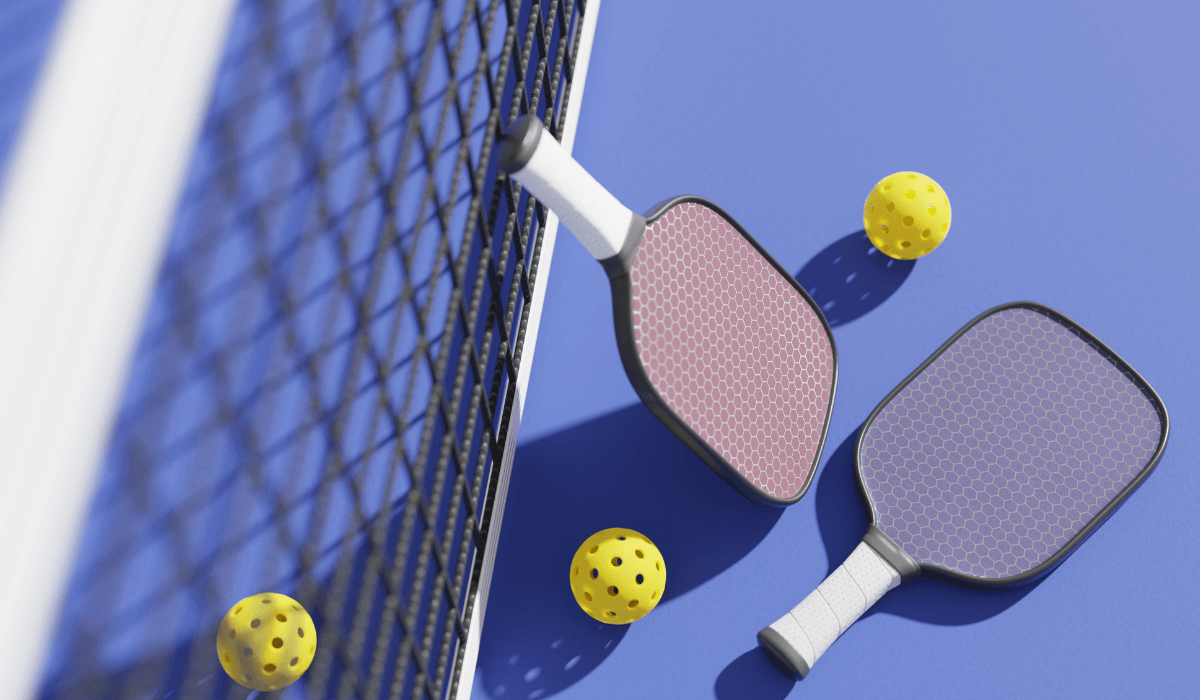

With Brisbane 2032 in its sights, does the world’s fastest-growing racket sport have what it takes to become an Olympic medal event?
Today in the Philippines, you can’t travel a few kilometers within your city without passing by a pickleball court.
Whether it’s an actual pickleball establishment or a basketball court with pickleball lines drawn on and nets set up, the reality is that this is the sport of the mid-2020s Philippine zeitgeist. I’ve played it and I like it, even though I haven’t played in a while. My friends have played it. Your friends have played it, and I guarantee you you can’t go a day or a weekend without seeing your friends’ photos, videos, and stories of them playing pickleball.
As of the latest data published on the Global Pickleball Report by the Pickleball Clinic earlier this year, more than 22 million players around the world are actively and regularly playing the game, while more than 80 million players have played at least once.
To my surprise, I learned that the sport has been around since 1965—it wasn’t some invention of the 2020s. It slowly crept up on the Philippines before really exploding in popularity sometime last year, and now most Filipinos of varying ages and socioeconomic classes are into pickleball. It helps pickleball’s boom that most court rental fees are accessible, especially when you’re playing with a group, and you don’t need a fancy, expensive paddle to play the game.
Related story: The Alex Eala effect: Here are 5 tennis schools for your young champions
Related story: HYROX 101: The beginner’s guide to the fitness race everyone seems to be doing
The case for the Olympics
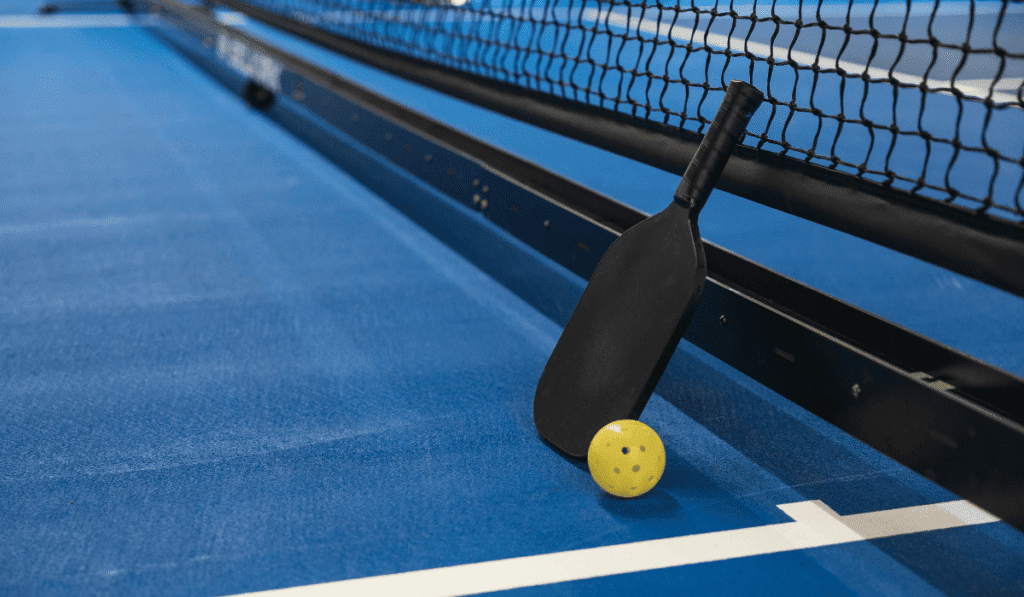
With 24.3 million people playing pickleball in the US alone, according to the statistics published by the Sports & Fitness Industry Association, one might wonder when or how long it would be until the Olympics adopts it as a medal event.
You can’t deny that the sport is having more than a moment. It’s really popular, and that momentum isn’t going to die down anytime soon, even when it has its haters—typically snobbish tennis or badminton players and fans, or toxic “macho” men who think the smaller paddles, bigger ball, and relatively slower pace make it feminine.
One might think that with the official addition of fellow racquet sport squash to the upcoming 2028 Los Angeles Olympics, pickleball might have a decent shot at being added as a medal event in 2032 or 2036. However, the International Olympic Committee (IOC) has a long set of rules and criteria for sports to be added, and pickleball doesn’t meet all of them yet.
The first and most important criterion it doesn’t yet meet is that it needs a single international governing body that strictly imposes standardized rules. While pickleball’s rules are widely accepted all over the world, a number of the sport’s bodies only got together in 2025 to form the Global Pickleball Federation (GPF). The GPF had only submitted its application to the IOC last year, and as of 2026, the IOC hasn’t formally recognized it yet.
Brisbane is a strategic target as the host city gets a bigger say in which sports become official medal events, including locally popular sports—and with pickleball’s huge following in Australia, this is its best shot in the next few Olympics after Los Angeles.
The second standard is that the sport needs to have years of transparent drug testing records. The GPF has only gotten around to partnering with the International Testing Agency in December 2025 to create an anti-doping program, and the recency of this move makes it so that the sport won’t meet this criterion until at least the year 2029.
The third criterion is the so-called “75/40” universality rule, in which men in at least 75 countries across four continents and women in at least 40 countries across three continents must be playing the sport. While this seems easy for such a popular sport to meet on paper, right now there aren’t yet competitive scenes in as many countries. However, this seems to be the lowest bar to clear for pickleball.
Another consideration for the IOC to make is that it limits the Olympics to 310-330 medal events for logistics’ sake. If this quota is full, it will take a while for pickleball to be added.

But every other consideration, such as popularity, the cost to put up, complexity, safety, and the rest aren’t that hard for the sport to meet. In fact, the longer the wait is for pickleball to be accepted by the IOC, the better its chances become. It will just take long for those hardcore fans who want to see the game played at the most prestigious international event in the world.
Pickleball in Brisbane 2032?
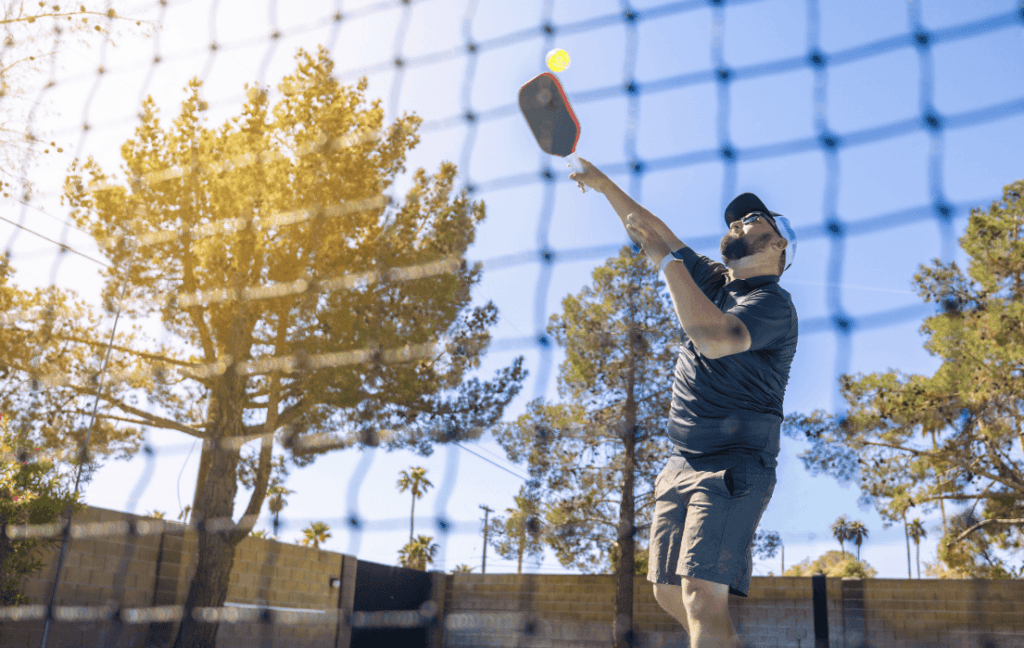
Sports are getting added and removed in the Olympics all the time, and the pickleball community does have a real target to make pickleball in the Olympics a reality, though.
“We are aiming to have pickleball in the 2032 Brisbane Olympics,” said GPF President Javier Regalado in an interview back in December. “It won’t be easy, it’s going to take a lot of work, but we’ll get there.”
Brisbane is a strategic target in the GPF’s plans as the host city gets a bigger say in which sports become official medal events, including locally popular sports—and with pickleball’s huge following in Australia, this is its best shot in the next few Olympics after Los Angeles.
But of course, it’s possible that in a few more years, the sport could become more popular than ever. Should the GPF manage to create a prestigious international tournament or a local body emerge to organize a proper competitive scene, pickleball’s popularity in places like the Philippines could crystallize as the new basketball or football, lending more credibility to its Olympic hopes.
Personally, any sport that emerges as a new mainstay for many people is good, Olympics or not—activity, exercise, and movement are always great things to have, especially when we used to fear that we were living digital-first sedentary lives. While so many things around us are taking a turn for the worse, it’s wonderful that there’s a glimmer of hope in our generation and those after us moving more. No matter what you feel about pickleball and its massive takeover, I’d always rather have more people getting up and playing sports.
Related story: The women of Wimbledon 2026: Contenders, style, and what to know
Related story: Before the first whistle: The chants, jerseys, and storylines defining FIFA World Cup 2026
Related story: The thrill and agony of watching EJ Obiena chase his Olympic dream