
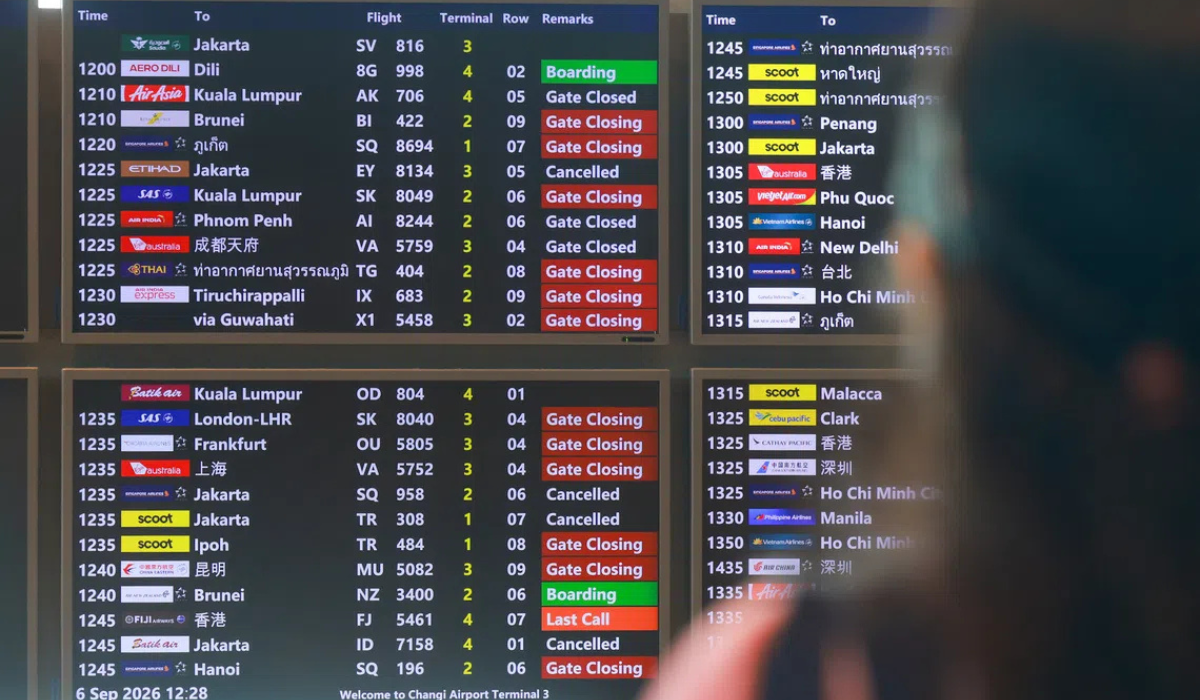

Bali-bound travelers should check flight routes, airport advisories, and local safety updates before deciding whether to proceed with their holiday.
Indonesia’s Mount Anak Krakatau erupted over the weekend, sending volcanic ash across parts of Java and Sumatra and disrupting thousands of flights. For travelers with upcoming holidays, the question is whether to cancel or continue—and the answer depends on the destination and flight route.
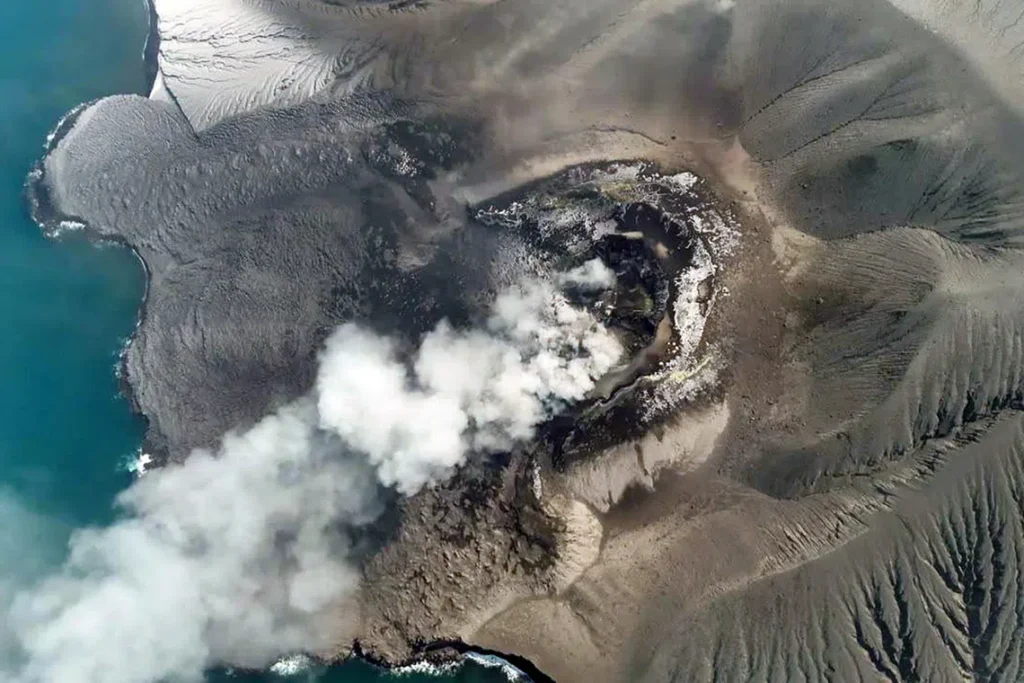
As of September 8, Jakarta’s Soekarno-Hatta International Airport and four other airports have reopened after ash conditions improved. However, some airports remain closed, and airlines are still working through cancellations, aircraft inspections, and delayed schedules.
What happened, and where is the volcano?
Anak Krakatau sits in the Sunda Strait between Java and Sumatra, located west of Jakarta. Eruptions beginning September 5 produced ash clouds that prompted airport closures and disrupted travel across western Indonesia. Authorities continue to monitor the volcano, and visitors must respect the designated exclusion zone.
The eruption does not mean every Indonesian destination is unsafe. The country’s official tourism authority says travel plans do not necessarily need to be canceled, but travelers should follow local instructions and prepare for possible changes.
Are flights to Bali affected?
Bali’s I Gusti Ngurah Rai International Airport has experienced some disruption, but Bali trips have continued. The main concern for travelers is whether their particular flight or connection passes through affected airspace. A direct flight to Denpasar may have a different status from an itinerary connecting through Jakarta.
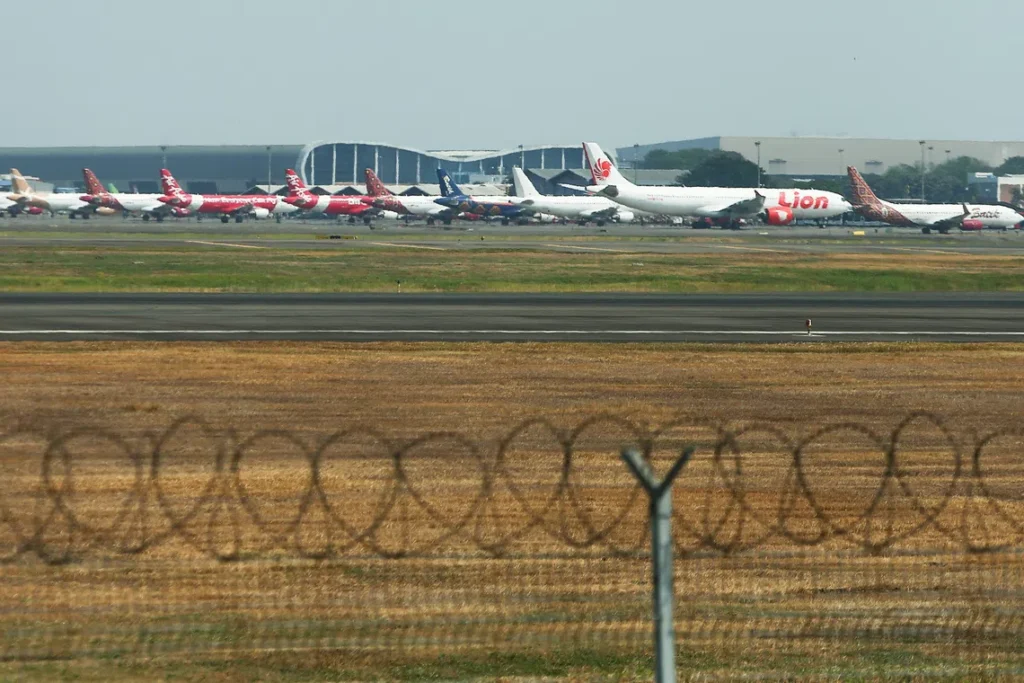
AirAsia has confirmed cancellations and rescheduling of Jakarta services, alongside adjustments to selected flights whose routes may be affected. Travelers from the Philippines should check their booking directly with their airline, including connecting services, before leaving for the airport.
What should travelers check before departure?
Check the latest airport and airline status, confirm that your hotel and transfers are operating, and review your travel insurance for natural-disaster disruptions. Indonesia’s tourism authority also advises against proceeding to the airport without first confirming flight arrangements.
For official safety information, consult Indonesia Travel, MAGMA Indonesia for volcanic activity, and your airline’s flight-status page. Australia’s Smartraveller advisory warns that airports may close at short notice and recommends monitoring conditions closely.

Should you cancel your holiday?
There is no blanket recommendation to cancel travel throughout Indonesia. If your destination and flights are operating normally, you may be able to proceed with precautions.
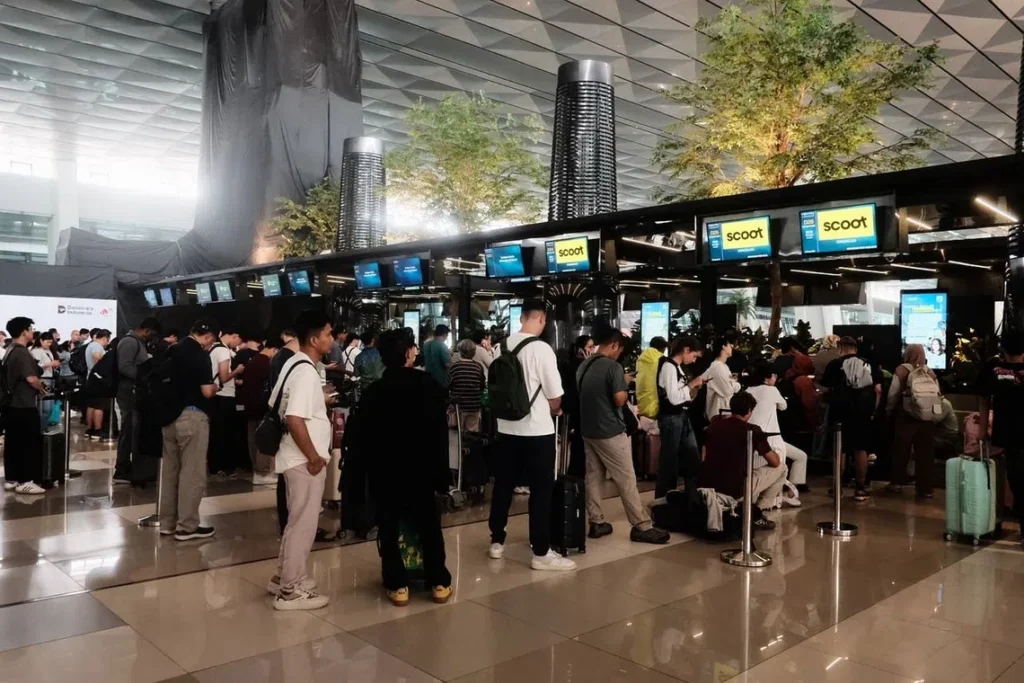
If your itinerary involves affected airports or areas near the volcano, consider postponing or arranging alternatives. The safest decision is based on current official guidance—not the eruption headline alone.
Information current as of September 8, 2026. Flight operations and volcanic conditions may change.
Related story: Seven days of style in Jakarta
Related story: Is Bali still worth it for digital nomads?