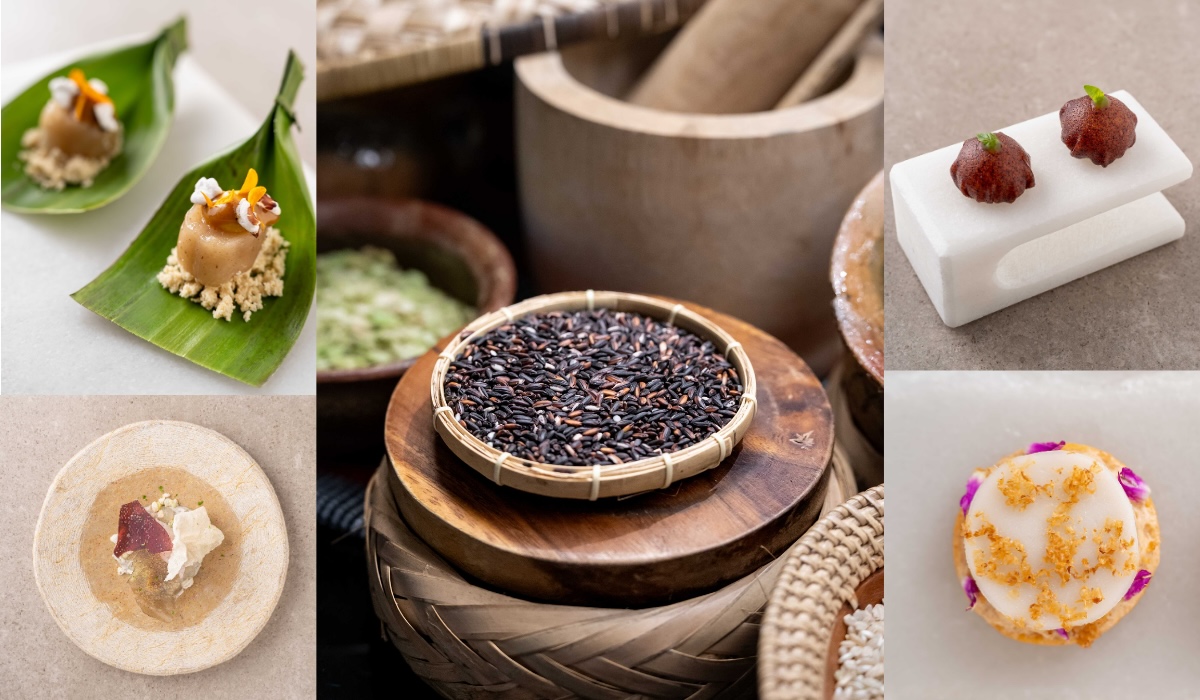

The latest tasting menu by chefs Chele Gonzalez, Carlos Villaflor, and their team is inspired by the unique qualities of these precious grains.
“Wisdom is not a product of schooling but of the lifelong attempt to acquire it.” — Albert Einstein
This saying could not be truer in the buzzing corridors of Gallery by Chele. where every chance at learning and discovery is not taken for granted. Their latest menu, The Heirloom Rice Project, is a product of years of exploration and research in the Cordillera region, north of the Philippines. Here, in these vast mountains and cold countryside, diverse heirloom rice varieties and the cultural traditions that sustain them thrive.
“Heirloom rice is one of the Philippines’most unique products, yet it is still not widely understood,” said Chele Gonzalez, chef and owner of the one Michelin-starred restaurant which was also recognized with a Michelin green star for sustainability. “Many people do not realize that these varieties can be pink, purple, green, yellow, glutinous, or aromatic. Each one reflects a different place and a different community.”
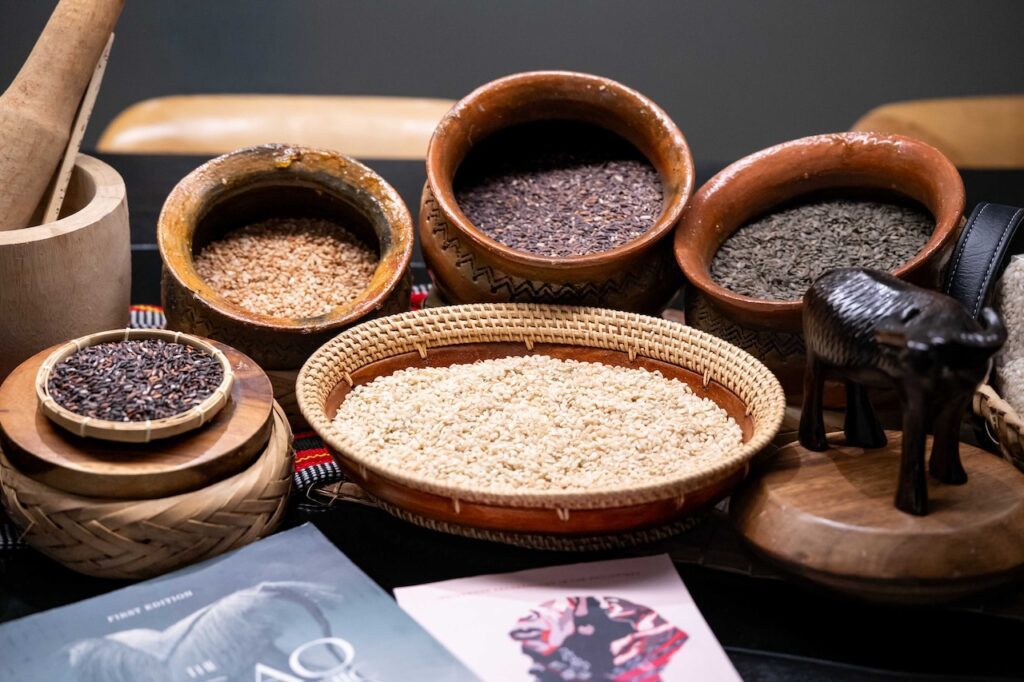
For centuries, generations of farmers in the Cordillera mountains have cultivated these rice varieties on steep terraces. Grown using time-honored methods and harvested by hand, heirloom rice remains closely tied to rituals, harvest celebrations, and everyday life in these highland communities. The grains also play an important role in preserving agricultural biodiversity and providing income for farmers who maintain these traditional systems.
From a biological perspective, these traditional strains also contribute to agricultural biodiversity. Many show natural resilience to pests and changing climate conditions, while others are known for their high levels of antioxidants and minerals. Their limited production has also helped them gain attention in specialty markets, where they frequently command higher prices than commercial rice varieties.
For farmers in the Cordillera highlands, heirloom rice can therefore provide an important source of income while safeguarding a distinctive part of the country’s agricultural heritage.
“These rice varieties are not just ingredients,” said Carlos Villaflor, Executive Sous Chef of Gallery by Chele. “They represent generations of knowledge and a living agricultural tradition that still shapes the culture of the Cordillera.”
Related story: Chele Gonzalez and Santiago Fernandez map landscapes and memories on their plates
Related story: Can restaurants reject their Michelin stars? These chefs did—and here’s why
Related story: 2 countries, 4 culinary giants, 1 night of sustainable dining
Tasting menu
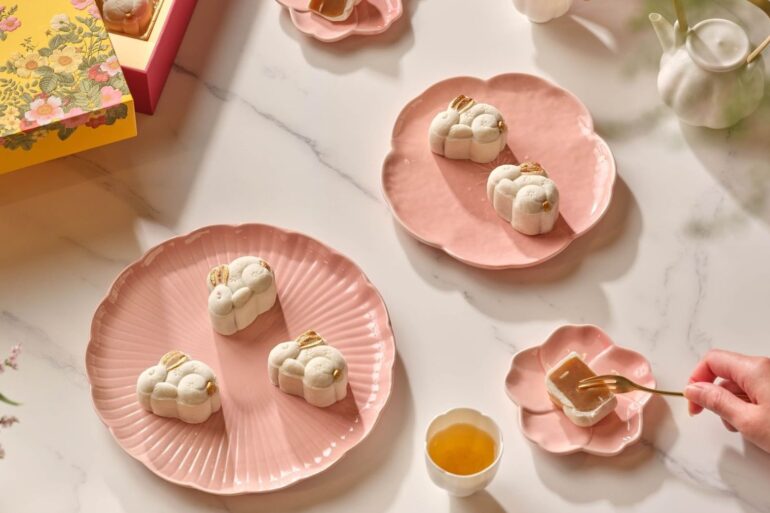
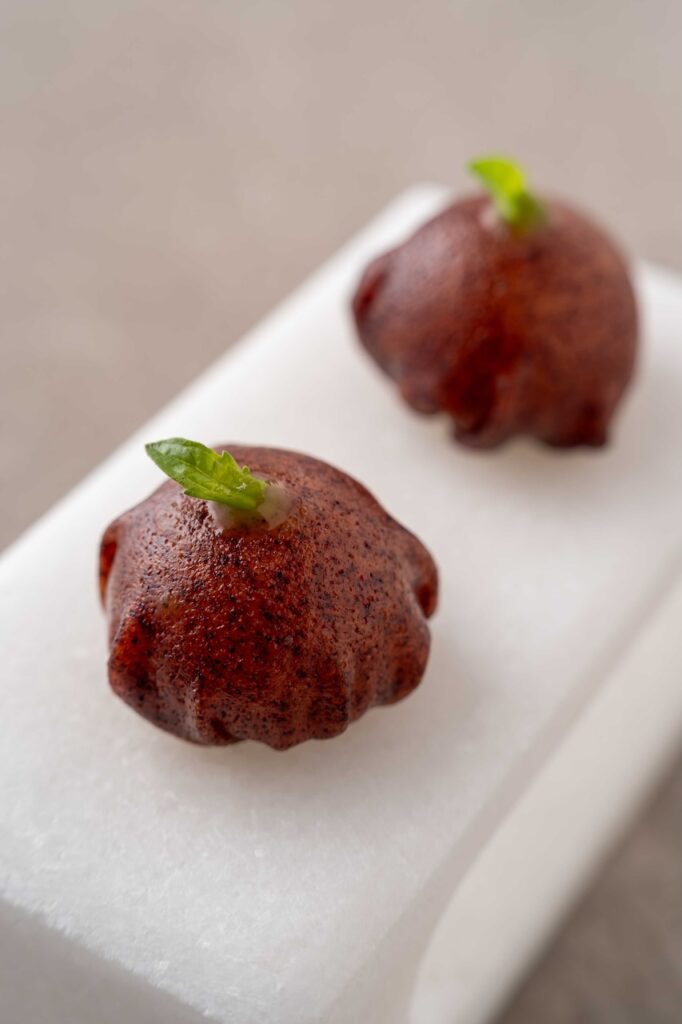
The Heirloom Rice Project is a tasting menu that offers either a ten or six-course journey, which can be accompanied with signature beverage pairings. As all meals begin at Gallery by Chele, guests are led from their table to the bar where they are given a welcome drink. The Pet Nat is made for this particular menu out of fermented flowers, creating a slightly fizzy, non-alcoholic drink that is floral and sweet with slight acidity. It is accompanied by their take on Japanese mochi that’s made from Cordillera heirloom rice called tinawon violet, then stuffed with dalandan jelly.
A stroll through their urban garden ends with another bite—a scallop and mango tartlet topped with a garden foam flavored with their garden herbs and mustasa leaves.
The final stop for the “Experience” part of the meal is at the Studiolab where many of their research and development take place, and here Chele and his R&D team geek out on the different ways they can utilize local ingredients. For this menu, they have taken “bubod,” which is a traditional Philippine rice-based starter used to make tapuey. These are pounded into discs with glutinous rice, ginger, and wild roots and then dried under the sun. In the Studiolab, fresh local mangoes are inoculated with bubod for 24 hours to soften their texture and sweeten the flavor, and then fermented for three days until a white outer crust forms similar to some cheeses.
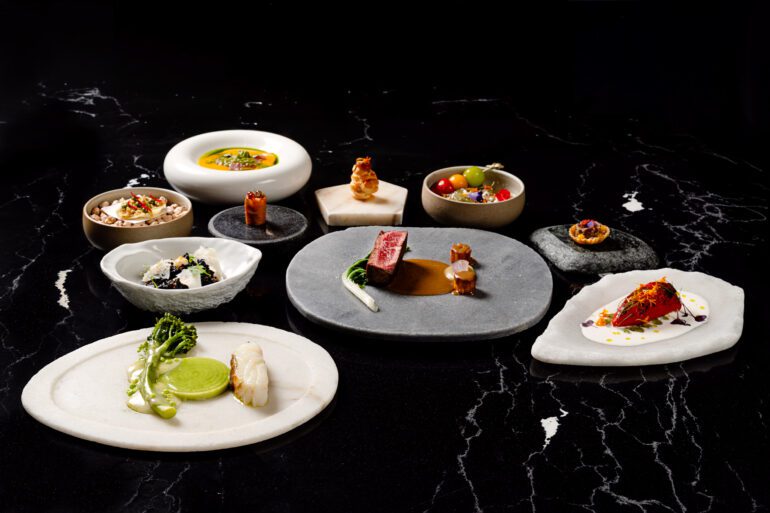
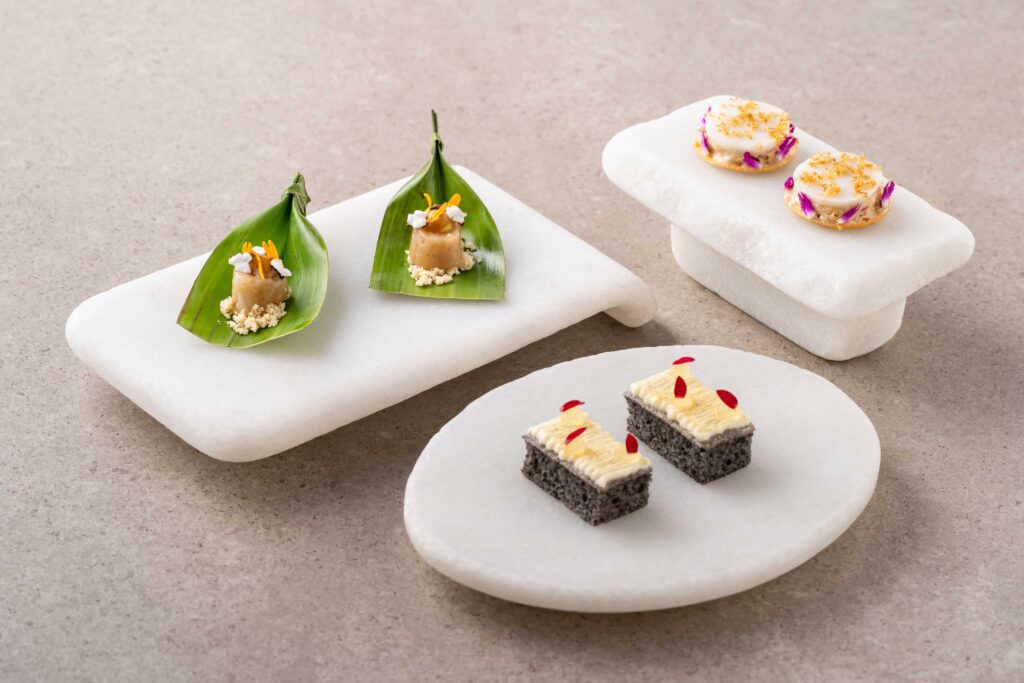
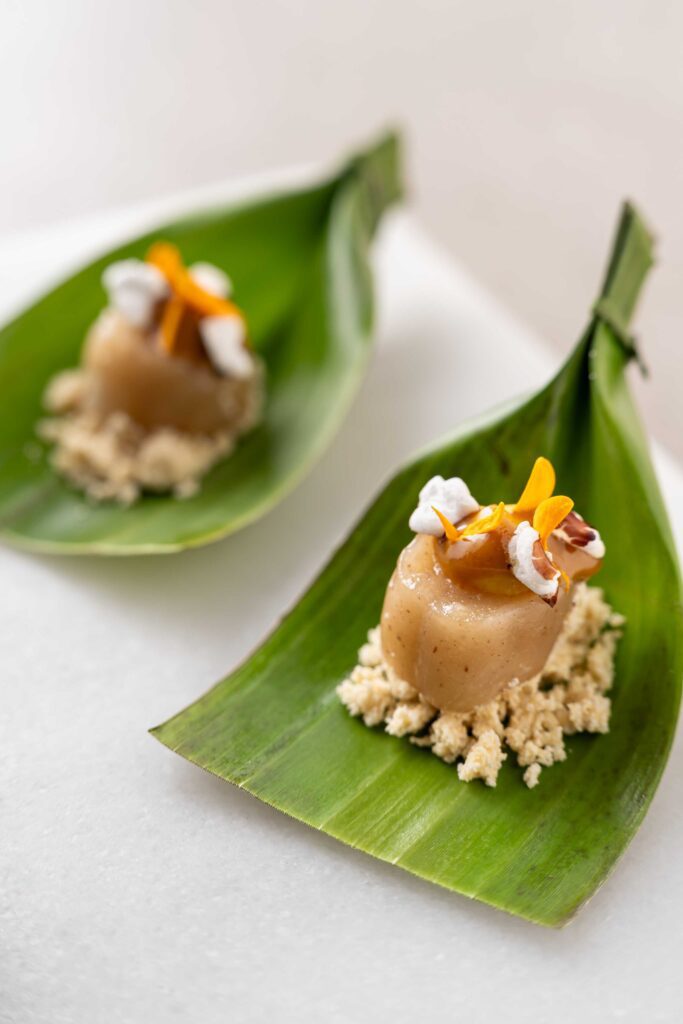
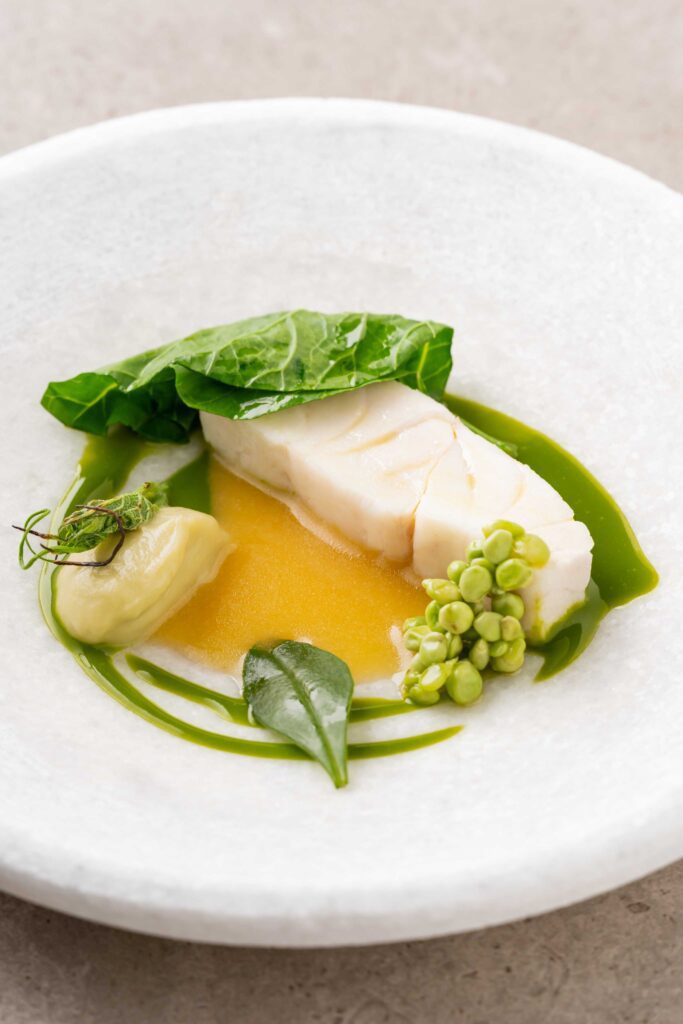
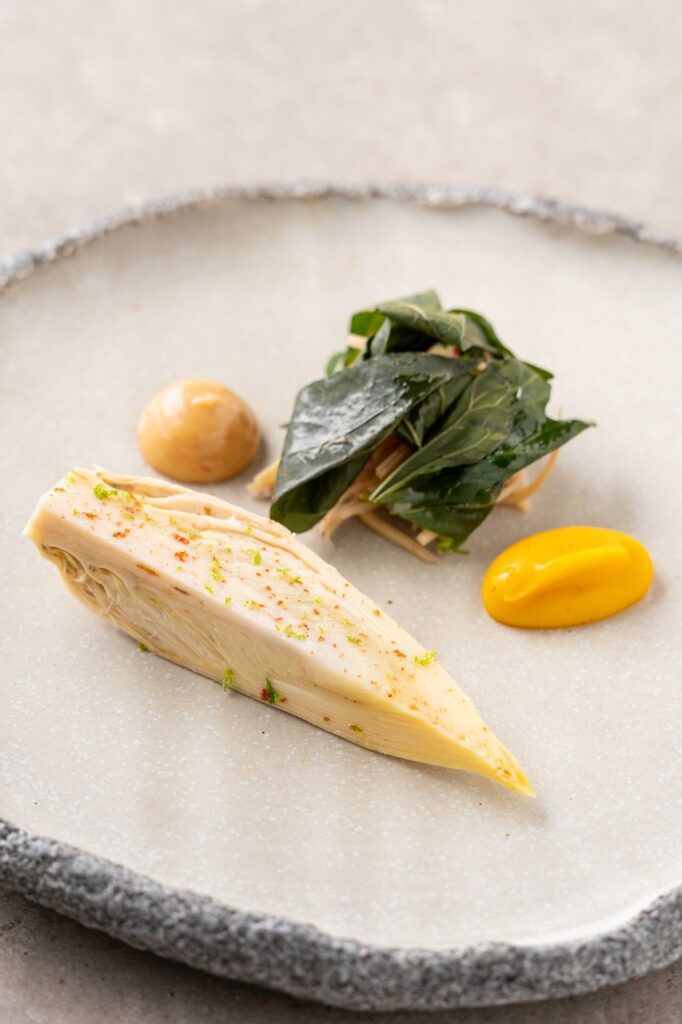
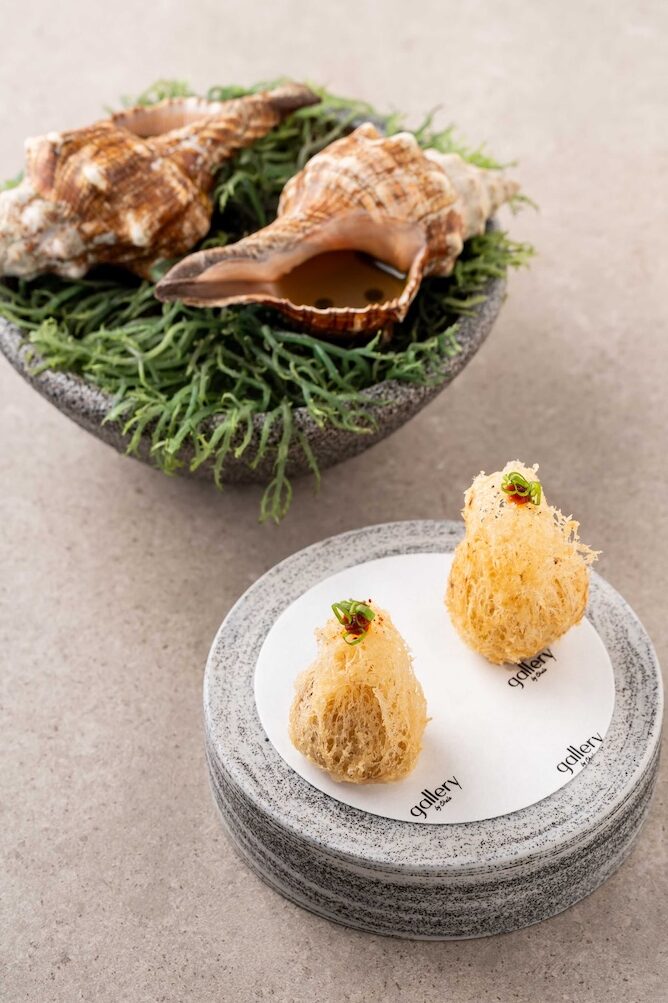
This tour sets the tone for the journey that lies ahead, and this particular one is highly anticipated since it is their first after their Michelin accolades. Gonzalez and his team rise to people’s expectations with a well-curated set of dishes composed of revered Gallery by Chele classics (tomato sinigang, kare-kare bonbon); regional flavors that spark conversation (clam soup, chili lobster puff); and clever executions of the theme ingredient that showcase both its versatility and the innovations of the Gallery team in the kitchen (puto, tupig, sapin-sapin).
Rice—but not carb-heavy
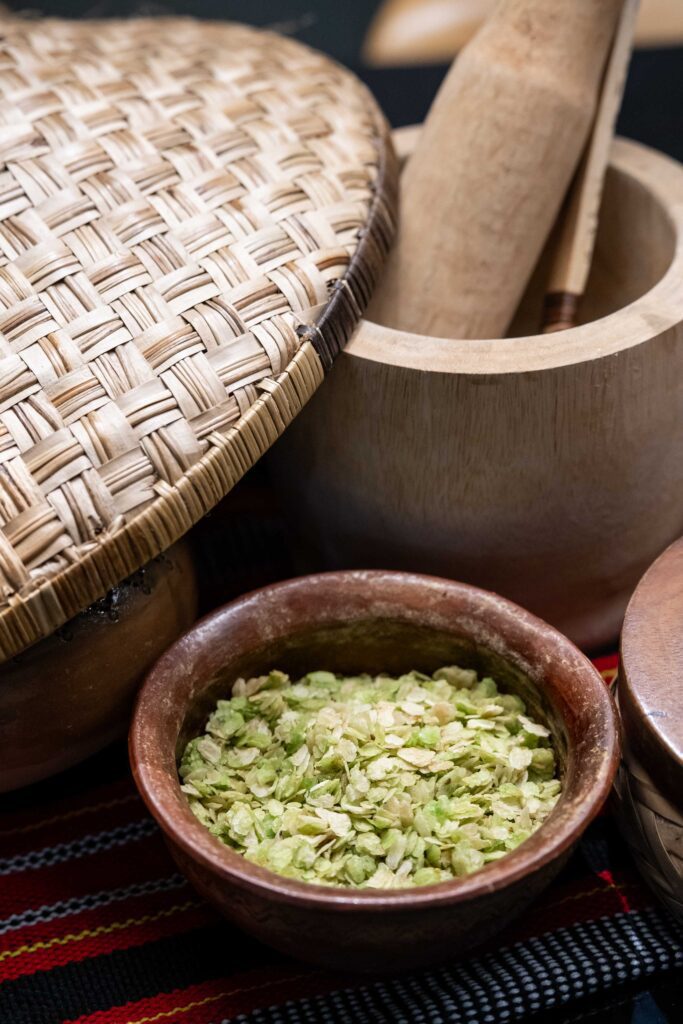
As for the journey itself, it was ensured that it was a well-balanced assortment of dishes and not carb-heavy as some might assume a rice-themed menu would be. Instead, it features various iterations of rice, starting with a kinilaw of local yellowfin tuna marinated in mirin (Japanese rice wine) fermented in-house.

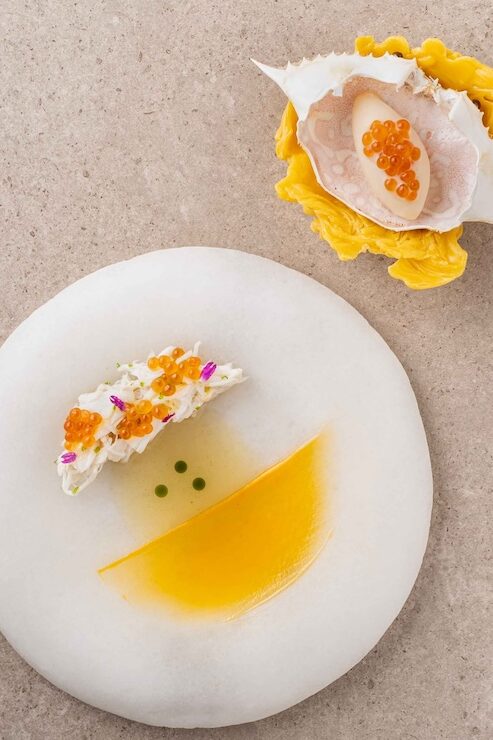
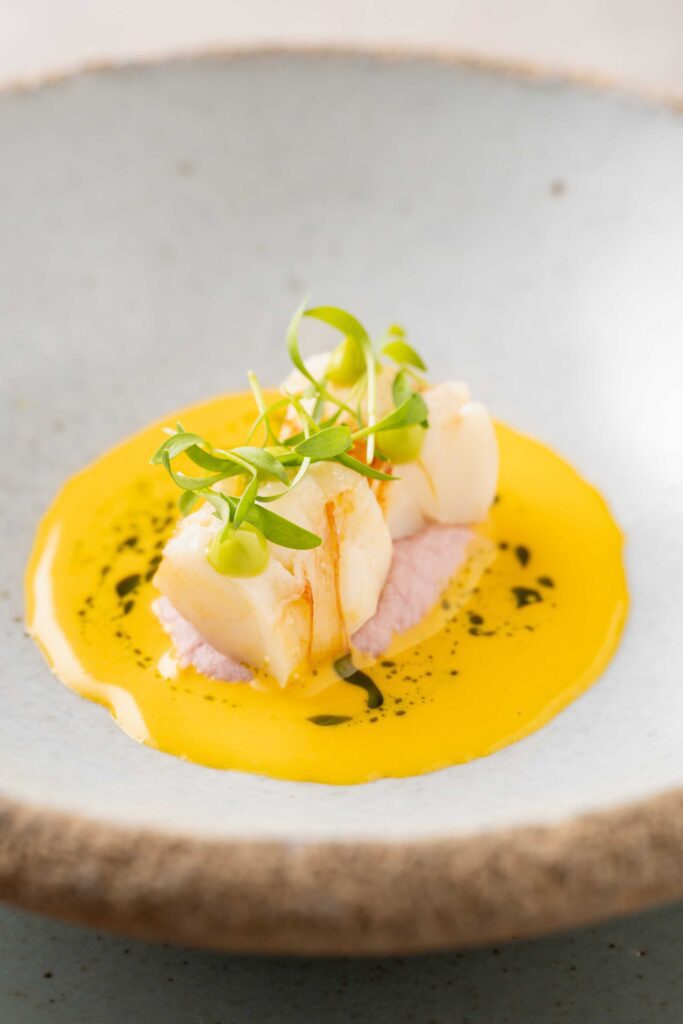
Buro, a traditional rice fermentation method, is used to preserve the crab’s flavor and freshness, which is presented with a euro ice cream finished with ikura and a crab fat emulsion. Shio, a Japanese condiment made by fermenting rice with water, salt, and garlic, is brushed on lobster as it is grilled, then laid on top of white and purple ube puree, finished with a rich sea urchin sauce.
For their series of desserts, they end the meal strong with an arroz con leche utilizing six heirloom rice varieties accompanied by grilled lacatan bananas. These are simply some of the highlights in a menu filled with bangers, arguably Gallery’s most well-conceptualized and cleverly-executed menu yet.
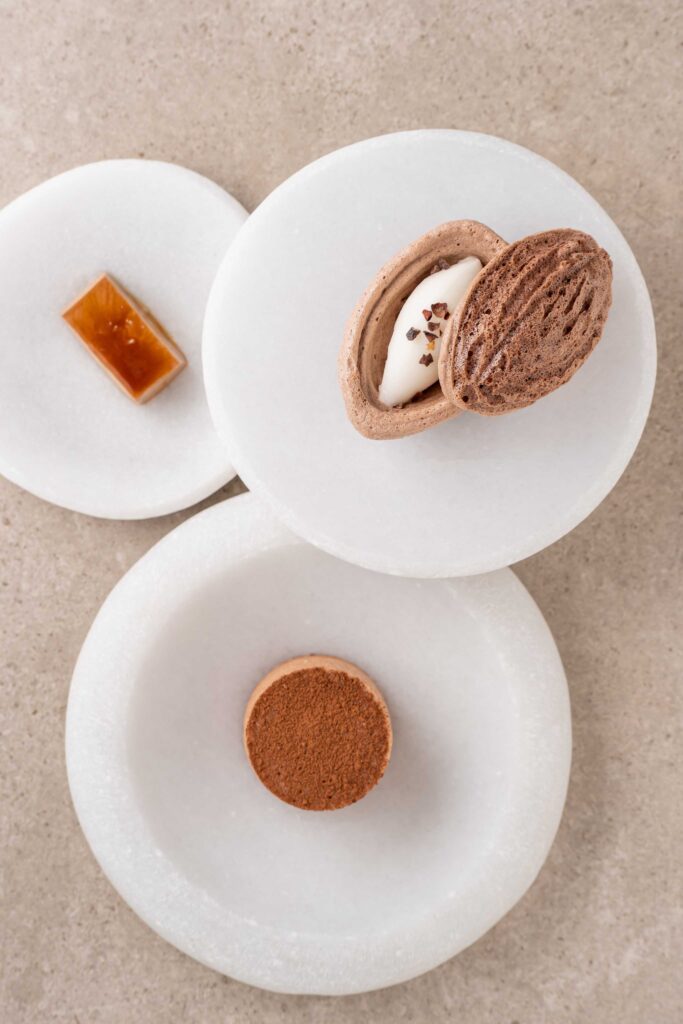
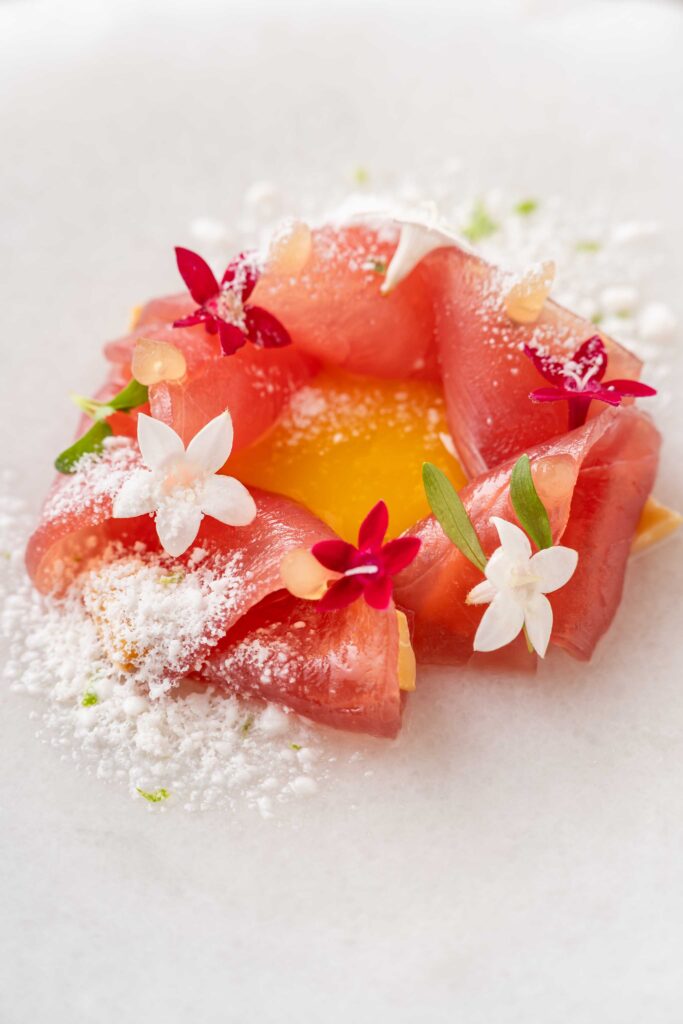
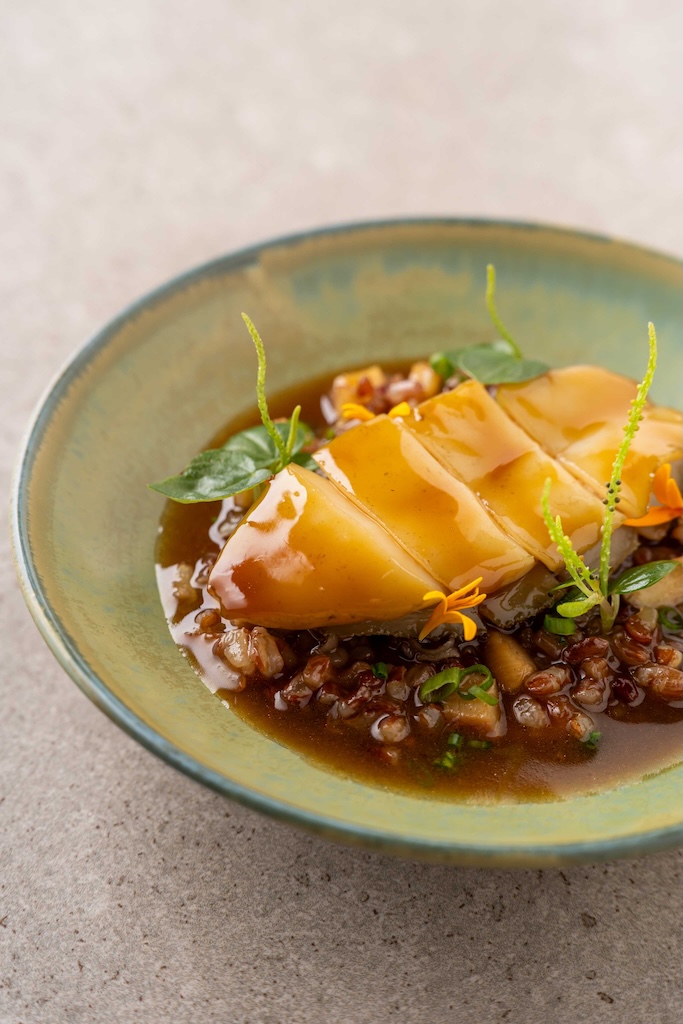
While Gonzalez, Villaflor, and their team continue to push the boundaries of what they can do with local ingredients, they continue to do this with a mindfulness that is respectful towards Philippine culinary heritage. The Heirloom Rice Project places indigenous Philippine rice at the center of the dining experience, bringing attention to grains often overlooked beyond the communities that cultivate them.
Gallery by Chele also offers Cordillera Rice for purchase at the end of the meal for those who wish to bring some home hoping, in their small way, to build demand for these distinctive grains. Still, beyond helping rural communities and preserving culture, Gonzalez said the focus remains simple.”At the end of the day, the most important thing is that the food tastes delicious.”
Related story: If food is memory, why do other people’s opinions matter?
Related story: A taste of home: 7 Filipino restaurants to explore in NYC during Fashion Week
Related story: Ube is having a moment, and the world is catching on