


These countries reflect strength in governance, stable leadership, quality of life, infrastructure, and global influence.
Europe continues to consolidate its global reputation not only as a travel powerhouse, but also as a region associated with balance, livability, governance, long-term progress, economic influence, infrastructure, and education. 10 of its nations dominated the latest “World’s Best Countries” ranking for 2026, landing all placements in the roster. With proof of advancement in all life aspects, the growing reach of these countries takes centerstage, underscoring the continent’s unmatched dominance across diverse international indicators.
The decision, originally derived from research by U.S. News & World Report’s World Best Countries ranking, evaluated 100 nations examining factors ranging from fields like tourism and livability to civic and environmental conditions. The countries included in the criteria are also required to achieve strict benchmark standards tied to the Gross Domestic Product and the Human Development Index.
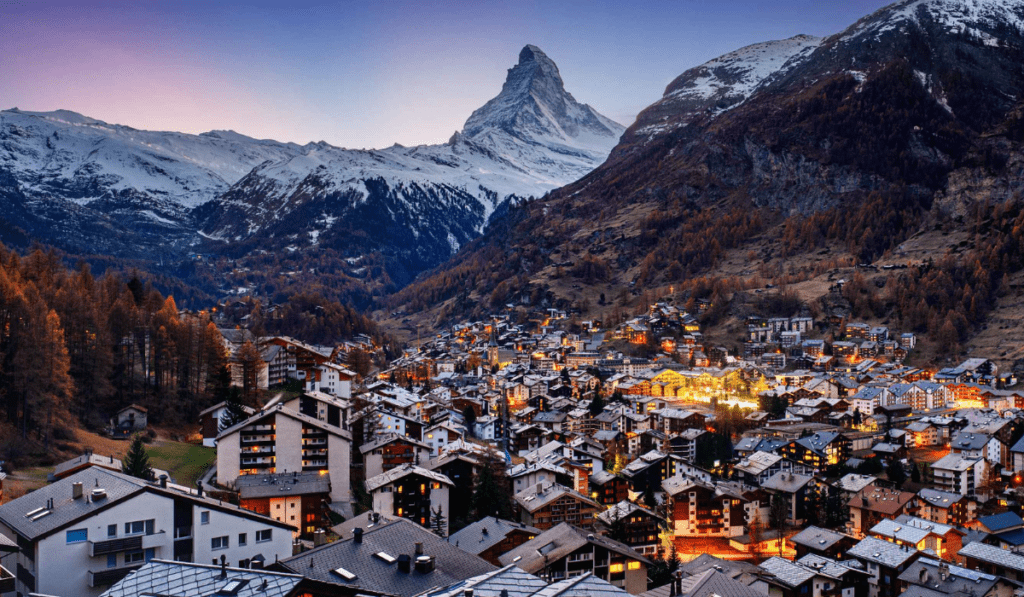
At the summit of the list sits Switzerland, which secured an overall score of 78.8. As per the report, the country particularly excelled in governance, economic diversity, and development metrics. Its market also ranked admirably in culture, tourism capabilities, and international opportunity indicators—categories increasingly influencing how countries are externally perceived by the world beyond economic power alone.
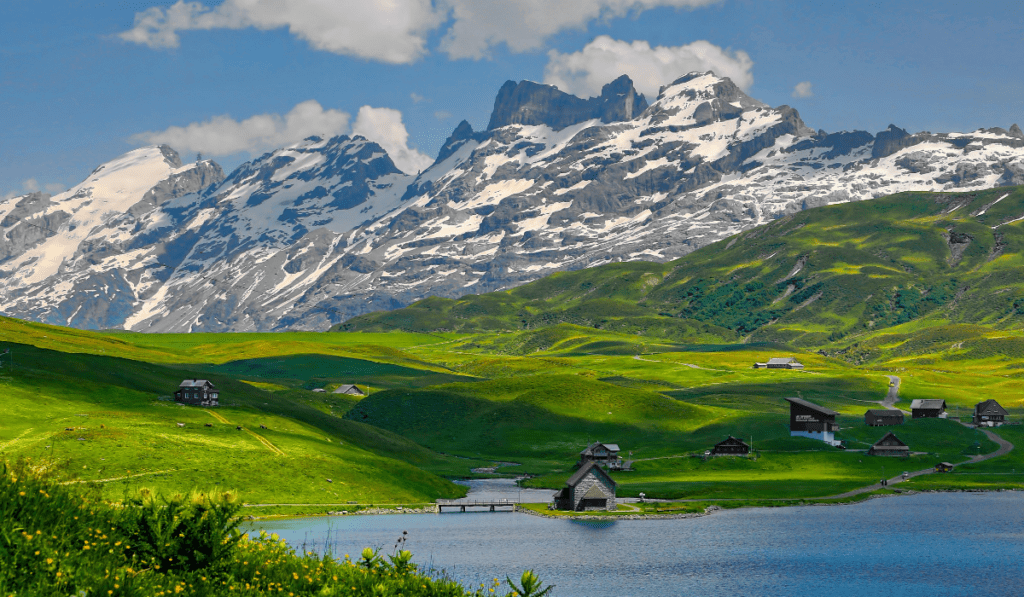
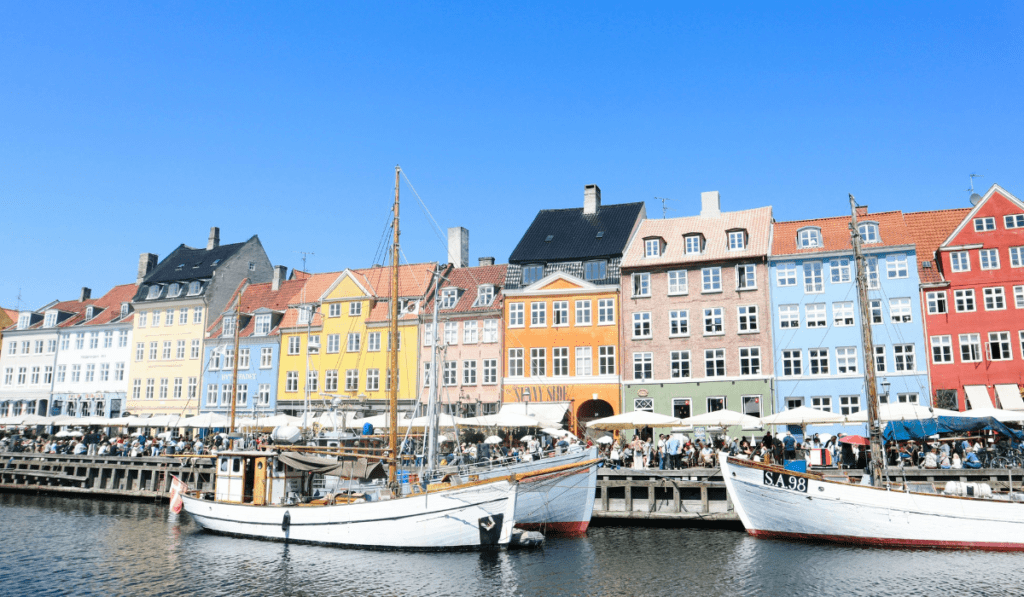
Trailing Switzerland are Denmark and Sweden, both of which performed highly in civic health, infrastructure, and overall inclusive social stability. The benchmark patterns further reinforce how Nordic nations fight to retain strong reputations surrounding way of life, welfare systems, urban sustainability, public trust, and progressiveness.
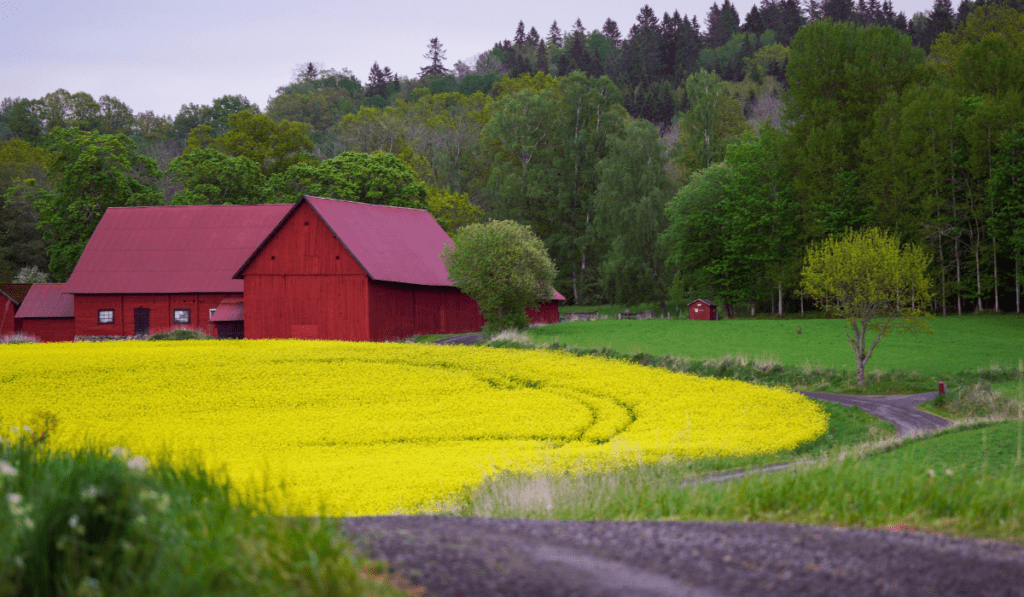
Meanwhile, major European economies such as Germany, the Netherlands, and Norway secured top positions, too, reaffirming how economic resilience and public infrastructure remain integral to prosperity. Even the United Kingdom—despite years of political turbulence and post-Brexit scrutiny—maintained a strong top-tier traction within the top 10. Completing the list are Finland, Luxembourg, and Austria—countries frequently associated with freedom, public safety, healthcare systems, progressive mindsets, efficient mobility, and strong social support structures.
The world’s 10 best countries for 2026
1. Switzerland
Population: 9,007,798
2. Denmark
Population: 6,023,520
3. Sweden
Population: 10,701,047
4. Germany
Population: 83,644,258
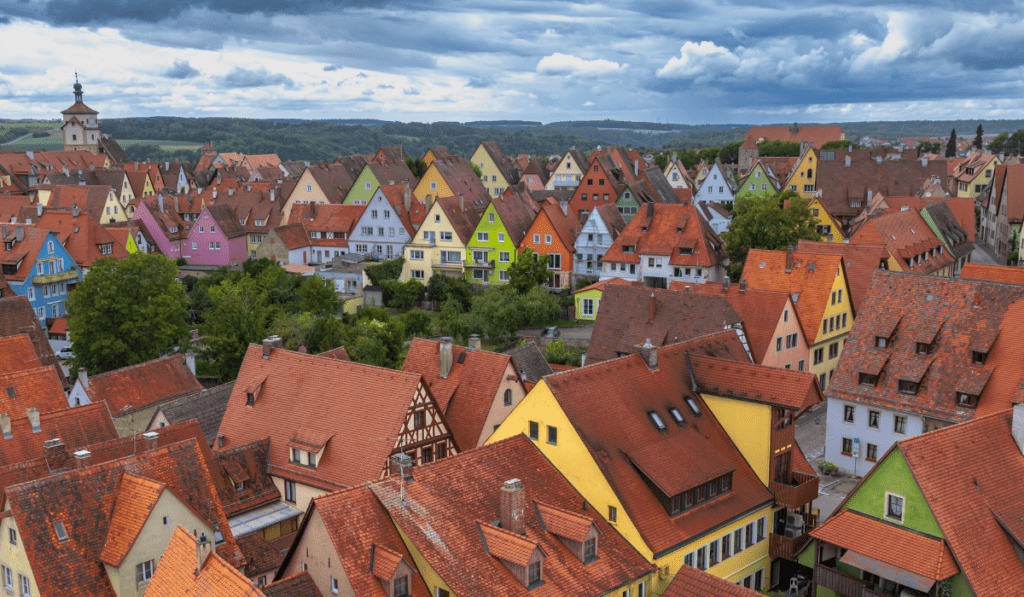
5. Netherlands
Population: 18,448,775
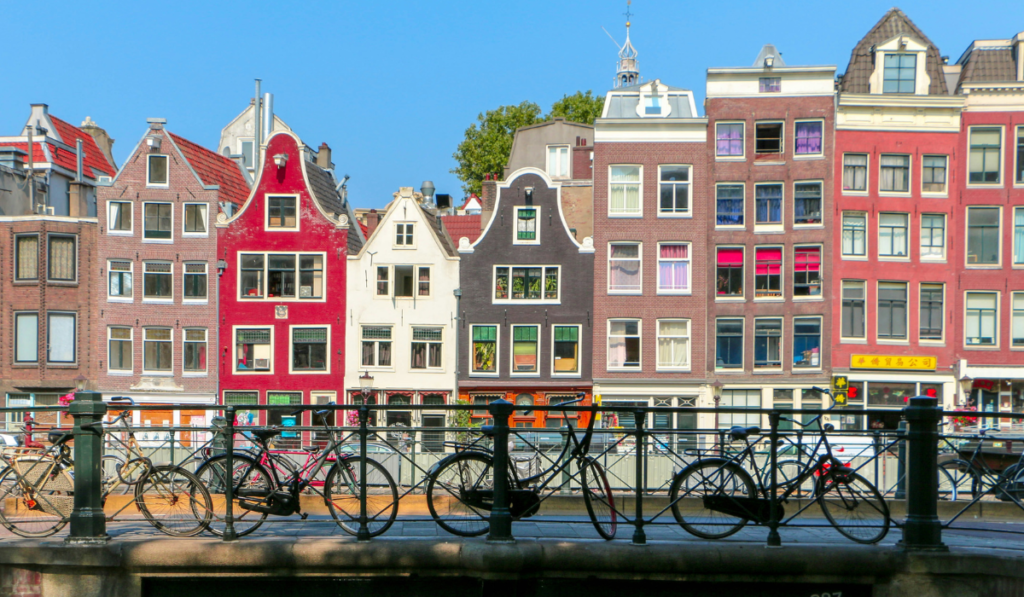
6. Norway
Population: 5,652,989

7. United Kingdom
Population: 69,931,528

8. Finland
Population: 5,621,739


9. Luxembourg
Population: 687,448

10. Austria
Population: 9,107,266
The results, arriving at a time when Europe itself is also recalibrating, is a quiet validation of its qualifications. After all, it’s no secret that the territory is still navigating geopolitical pressures, global polarization, climate conversations, economic recalibration, energy shortages, and tourism saturation. Despite these tensions, though, the continent continues to outperform many others in a collection of categories and disciplines. Not everyone, however, notes these global rankings as a general truth.
Online discussions over the latest lineup questioned whether quantitative, composite scoring systems can completely capture the complexity of national character, cultural nuance, or even personal experience. Some social media users managed to point out that what positions a country “best” constantly varies depending on variables like lifestyle priorities, profession, income, values, and ideology. Regardless, the outcome remains impossible to ignore.
From Nordic welfare networks and Alpine economies to architecture-forward urban frameworks, Europe’s presence across the prestigious chart reveals how the region continues to project practical performance and aspirational appeal alike. In an increasingly unstable international climate, the rankings collectively suggest that spectacle is not and never the main determinant of development. What makes a country competitive, instead, is consistency and institutional cohesion—serving as the nucleus to national success.
All photos from Pexels and Unsplash
Related story: I visited 14 Christmas markets in 5 countries in Europe. Here’s what I love about them
Related story: Top 3 European countries to get a Digital Nomad Visa