
The new audio format brings long-form journalism to select audiobook markets, with stories from major culture, fashion, music, and tech publications.
Your saved articles may finally have a better chance of being finished.
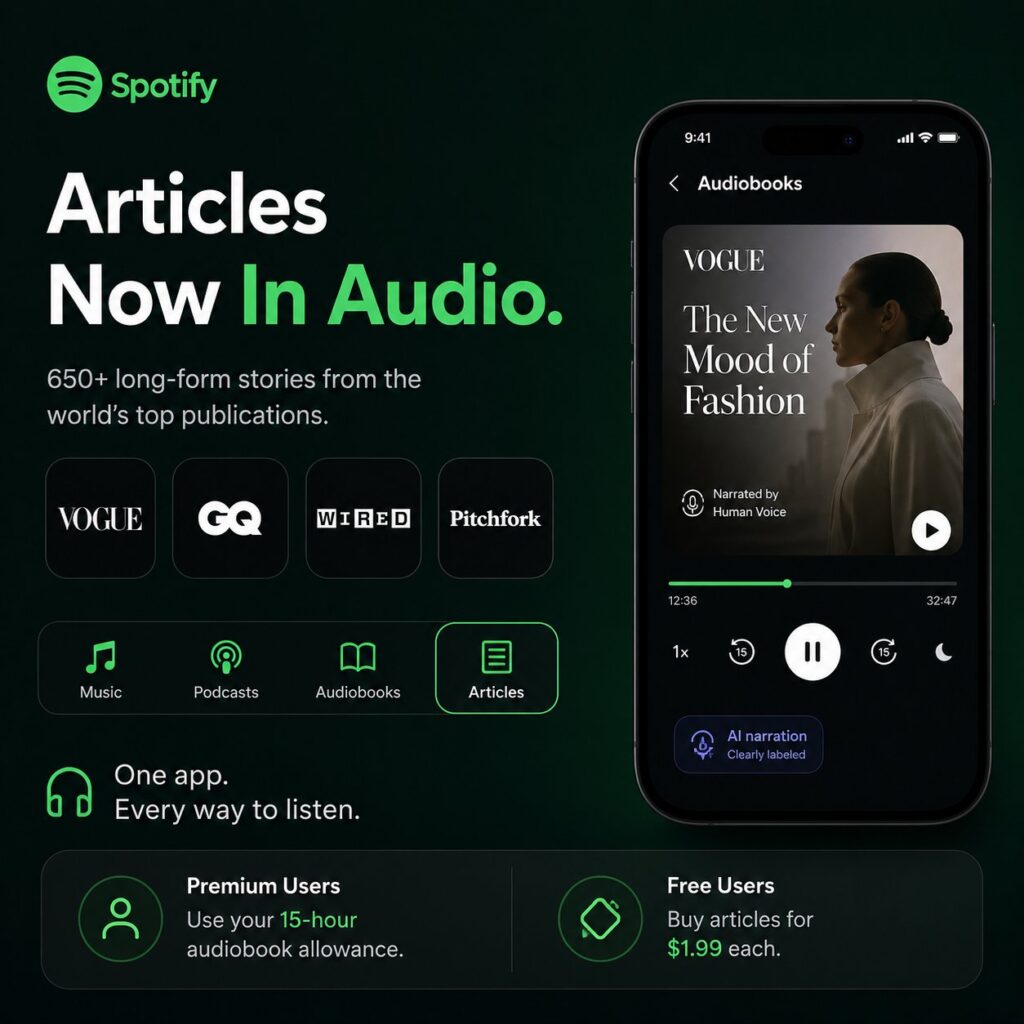
Spotify is testing a new format that turns long-form magazine stories into narrated audio. Announced on May 26, the feature starts with more than 650 English-language articles from publications including Rolling Stone, The Atlantic, Vogue, Variety, Billboard, Vibe, GQ, WIRED, Vanity Fair, and Pitchfork.
Each article runs under two hours, making it shorter than a full audiobook but more substantial than a quick podcast episode. In supported markets, Premium users can listen through their monthly audiobook allowance, while free users can buy individual articles for $1.99.
Related story: Are we losing the ability to read books?
Related story: The books you’ll want to read before they hit the screen
Filipino users will have to wait
Before local users start searching for profiles or features on the app, Spotify’s narrated articles are not available in the Philippines yet.
The feature is currently available only in markets where Spotify audiobooks are offered. Since Spotify audiobooks have not officially rolled out in the Philippines, users here will have to wait a little longer.
Still, it is easy to see why this could work here. Many people already listen to podcasts while commuting, cooking, cleaning, walking, or working on low-focus tasks. If narrated articles eventually arrive locally, long-form journalism could become easier to fit into everyday routines too.
Audio is becoming part of reading culture
Spotify is not the only platform thinking beyond the page. Earlier this May, Audible opened Audible Story House in New York, a “bookless bookstore” where guests can browse audiobooks through physical “Story Tiles,” try listening spaces, attend events, and get recommendations from “Story Tenders.”
It sounds unusual, but it points to a bigger shift. Books still matter. Kindles still matter. Uninterrupted reading is still ideal when you can get it. But audio gives busy readers another way to stay close to stories when sitting down with a book is not realistic.
Related story: Are screens taking over our lives?
Related story: Best journaling apps for writing, planning, and reflection


This is especially relevant now, when so much of our attention is shaped by short videos, endless scrolling, and the habit of consuming everything quickly. A lot of people still want to read. They just struggle to stay with one story long enough, especially after a full day of screens, notifications, and TikTok pacing. And for people who feel too tired to read, or who keep meaning to get back into the habit, listening can become a gentle way back into longer stories.
Audiobooks and narrated articles can also help build reading habits. Research from the National Literacy Trust notes that audiobooks can support comprehension, vocabulary, reading enjoyment, and access, especially for people who may find traditional reading more difficult. Listening is not a lesser version of reading. It is another format, and on busy days, it can be the format that actually gets finished.
How to make audio reading work for you
Audio works best when it is not treated like background noise for everything. Some stories need more attention than others, especially reported features, essays, memoirs, and narrative nonfiction.

Start with something short. A narrated article, podcast episode, or audiobook chapter is easier to finish than a full book right away. Listen while doing low-effort tasks like walking, folding clothes, commuting, cooking, cleaning, or making coffee. If the story is dense, slow the speed down instead of forcing yourself to keep up.
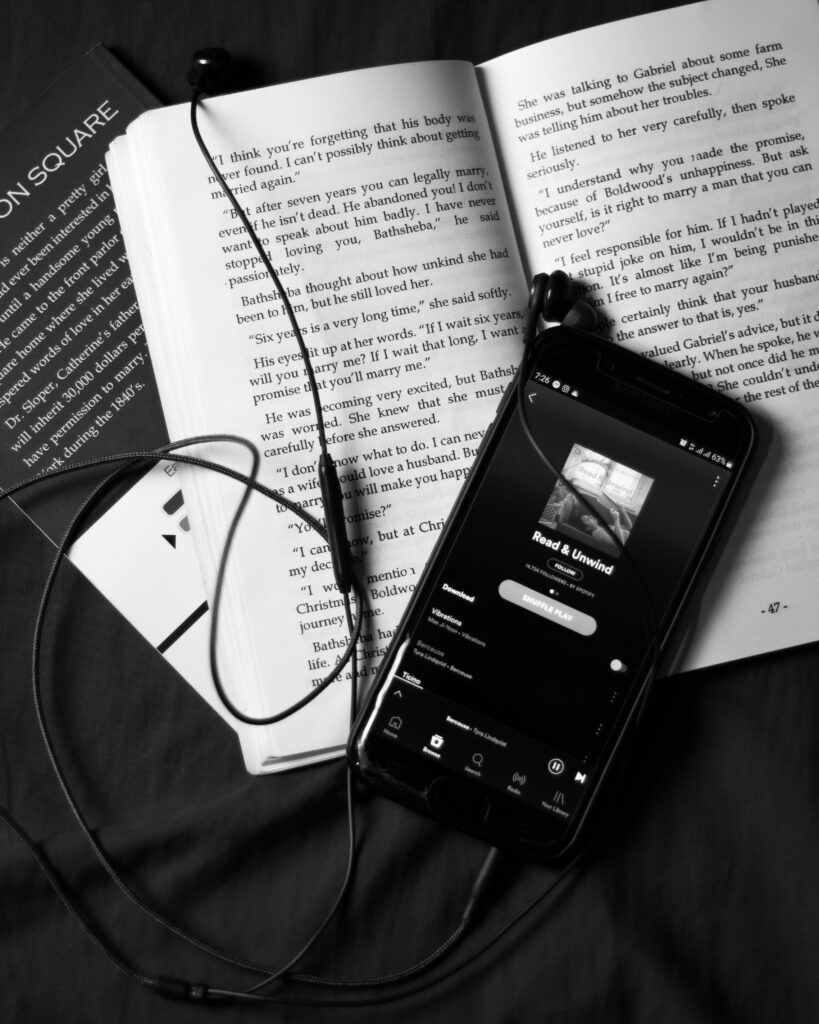
It also helps to pair formats. Read the physical book or Kindle version when you have quiet time, then switch to audio when you are moving around or working through low-focus tasks. I personally vouch for this. When I finally get rare, uninterrupted time to sit down and read, I take it. But on days when I am occupied with screens, laptop work, errands, or chores, listening to an audiobook helps me continue the story.
And while Spotify’s narrated articles are not available in the Philippines yet, some publications already offer audio narration on their own websites. That means readers can still listen to selected articles online for free, depending on the publication and story. It is not the same as having everything in one app, but it is a good reminder that audio reading is already becoming part of how people consume journalism.
Most importantly, choose stories you actually want to hear. A good narrator can pull you in, but interest still matters. If a book or article feels like homework, it will probably stay unfinished in any format.
The long read gets another life
For publishers, Spotify’s format could help long-form journalism reach people who may not visit magazine websites every day. A music profile, a fashion feature, or a tech story can now live beside the audio people already consume. That gives stories another chance to be discovered, finished, and shared.
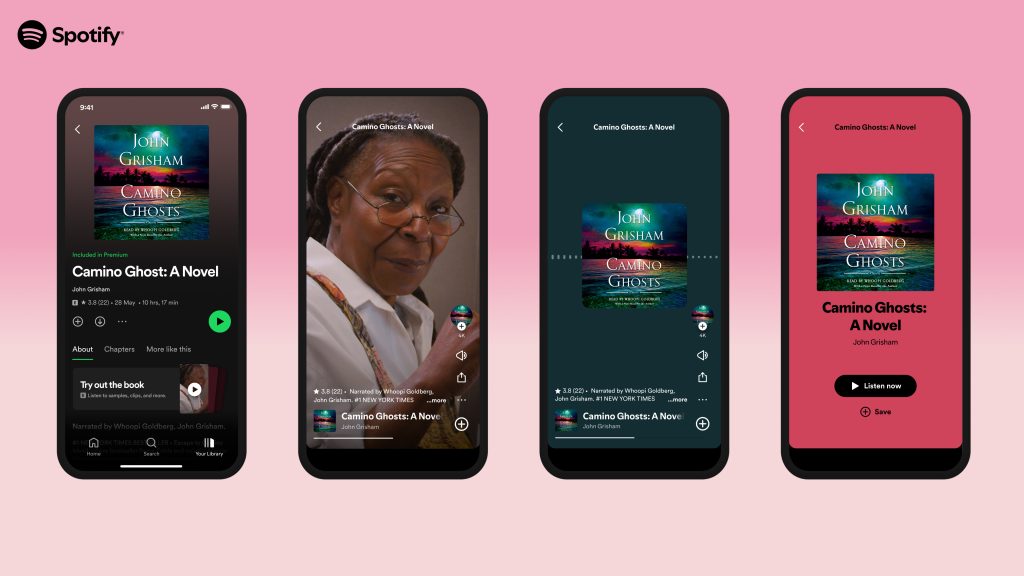
Spotify has been expanding its audiobook offerings over the past two years, with audiobooks now available in 22 markets. Narrated articles add a shorter option to that library, sitting between a podcast episode and a full-length book.
Related story: Beyond bestsellers: How celebrity book clubs and pop culture led me to unexpected literary gems
Related story: 12 cozy, clever, and BookTok-favorite titles for bibliophiles this season