
One of the easiest ways to simplify packing is to stop thinking item by item. Instead of planning every outfit or filling your bag piece by piece, start with categories.
Photos from Unsplash
Packing for a trip usually starts with a simple goal: bring what you need and leave the rest behind. Then, somehow, the bag gets heavier than expected. A few extra outfits turn into several. A backup pair of shoes feels necessary. A pouch for toiletries becomes two. Before leaving, it can feel safer to bring more than less.
But after enough trips, most travelers tend to realize the same thing: the things that matter are usually fewer than expected. The essentials rarely change. What changes is how easy or stressful the trip feels, depending on what you decide to bring.
Why we tend to pack more than we need
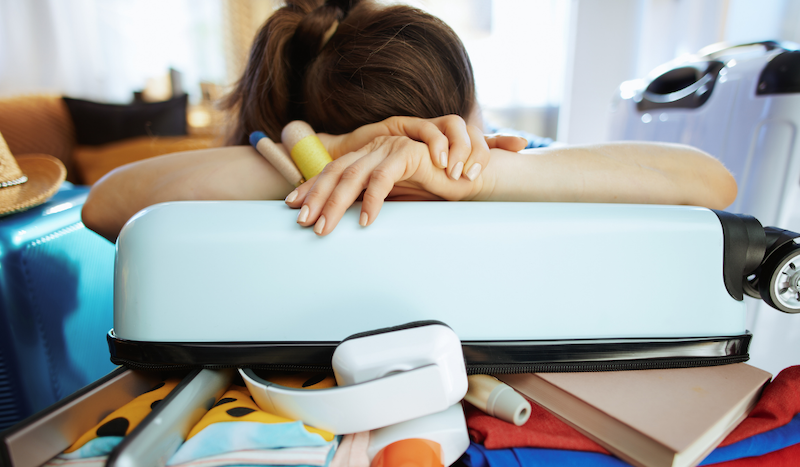
Overpacking usually starts long before the trip itself. A lot of it comes from wanting to feel prepared for every possible scenario. What if the weather changes? What if plans suddenly become more formal than expected? What if you need an extra pair of shoes or run out of something halfway through the trip?
That “just in case” mindset builds fast.
Travel also tends to make familiar things feel more important. An item you barely think about at home can suddenly feel essential simply because you’re going somewhere unfamiliar.
Social media adds another layer to that.
Travel content often turns preparation into part of the experience. The airport outfit, the resort outfits, the matching accessories, the travel gadgets. Even short trips can start to feel like they need a carefully planned checklist.
The challenge is that real travel usually feels much simpler than the version imagined before leaving.
Once you’re carrying your own luggage through an airport, lifting it into transport, unpacking and repacking in different places, it becomes easier to notice what’s useful and what’s just taking up space.
That’s usually where priorities shift. Most travelers don’t regret bringing less. They usually regret bringing too much.
Related story: The Paris I love is the Paris of Hemingway
Related story: How to master the art of packing for cold season
Related story: Inflation doesn’t deter Filipinos from traveling—visa applications up 8% in 2025
Related story: The best surf spots in the Philippines, from beginner waves to advanced breaks
Pack by category, not by item
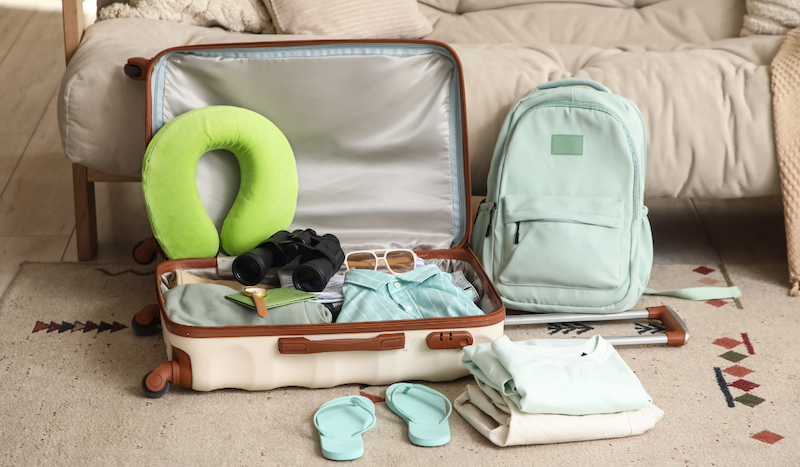
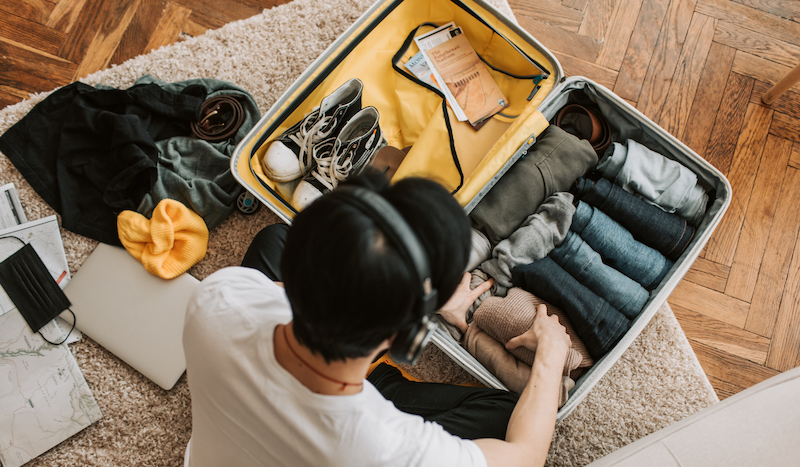
One of the easiest ways to simplify packing is to stop thinking item by item. Instead of planning every outfit or filling your bag piece by piece, start with categories.
It creates structure and makes it easier to avoid unnecessary extras. It also takes away some of the stress that comes from trying to decide whether every single item deserves space in your bag.
A few categories usually cover almost everything.
Clothing is usually the biggest one. Focus on the weather and the activities you already know are part of the trip. Comfortable basics often go further than highly specific outfit planning because they’re easier to mix and repeat. A shirt that works during the day can still work for dinner. A lightweight jacket can be useful on a flight, during cooler evenings, or unexpected rain. Thinking this way keeps your options flexible without overpacking.
Toiletries feel easier when kept simple. Bring the everyday essentials you actually use and skip duplicates where possible. Travel-sized items also help save space and make it easier to stay organized, especially if you’ll be moving between accommodations.
Tech should stay practical. A phone, chargers, a power bank, and anything work-related if needed usually cover it. For longer trips, it also helps to think about outlet adapters, charging cables, and keeping everything in one pouch so you’re not digging through your bag every time something needs charging.
Documents and payments are the non-negotiables. Passport, IDs, booking details, cards, and some cash should always be easy to reach. Many travelers also keep digital copies saved on their phone as backup, especially for international trips.
Health and comfort items are personal but useful. Medication, sunscreen, a reusable water bottle, or anything that helps you feel more comfortable while traveling can make a big difference. These are usually the small things you’re glad you packed when the trip gets busy.
Packing by category also makes it easier to adjust depending on the type of trip.
A quick city break will naturally feel different from a beach trip. A work trip usually calls for different priorities than a backpacking route or a long vacation. Starting with categories gives you a reliable base, then lets you adjust depending on where you’re going and how you plan to spend your time there.
It also helps once the trip is already moving.Unpacking feels easier because you know where things are. Repacking takes less time. And when you need something quickly, you spend less time searching through your bags and more time enjoying where you are.
The part people forget: mindset matters
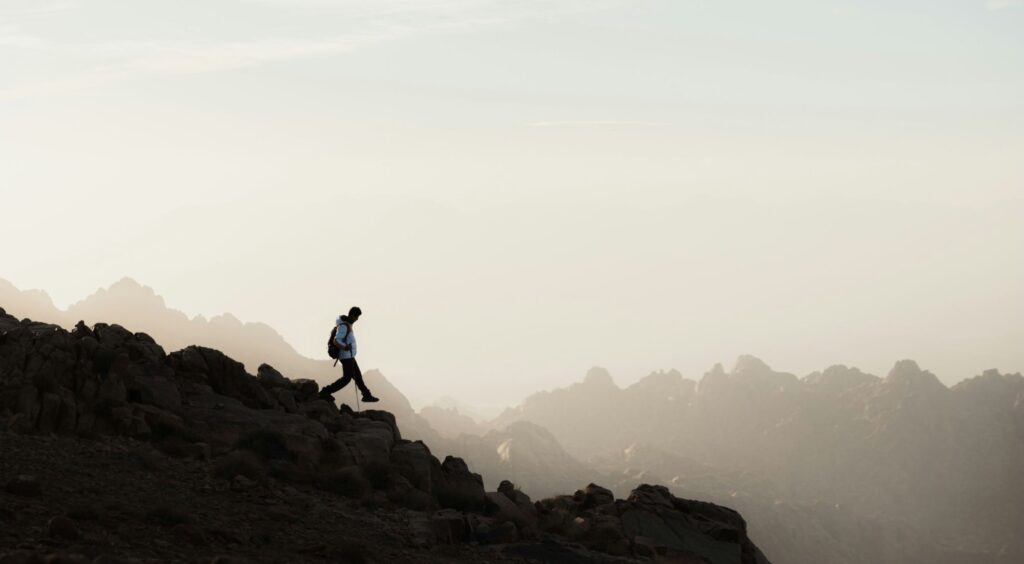
Packing light is not only about what goes into the bag. A lot of it comes down to mindset.
Travel naturally comes with uncertainty, and it’s easy to respond to that by trying to prepare for every possible situation before leaving.
The problem is that no trip goes exactly as planned. Flights get delayed. Weather changes. Plans become more spontaneous than expected. And usually, people adjust faster than they think. Being comfortable with a little flexibility often makes travel feel easier.
Leaving some space in a bag can feel strange at first. It may feel like something important was forgotten. But in reality, that space can be useful. It gives you room if you buy something along the way. It makes repacking less stressful. It also removes pressure from trying to predict every small detail before you even arrive.
That mindset matters more than people expect.
Travel often feels smoother when there’s room to adapt instead of trying to prepare for every possibility.
Why traveling light changes the experience
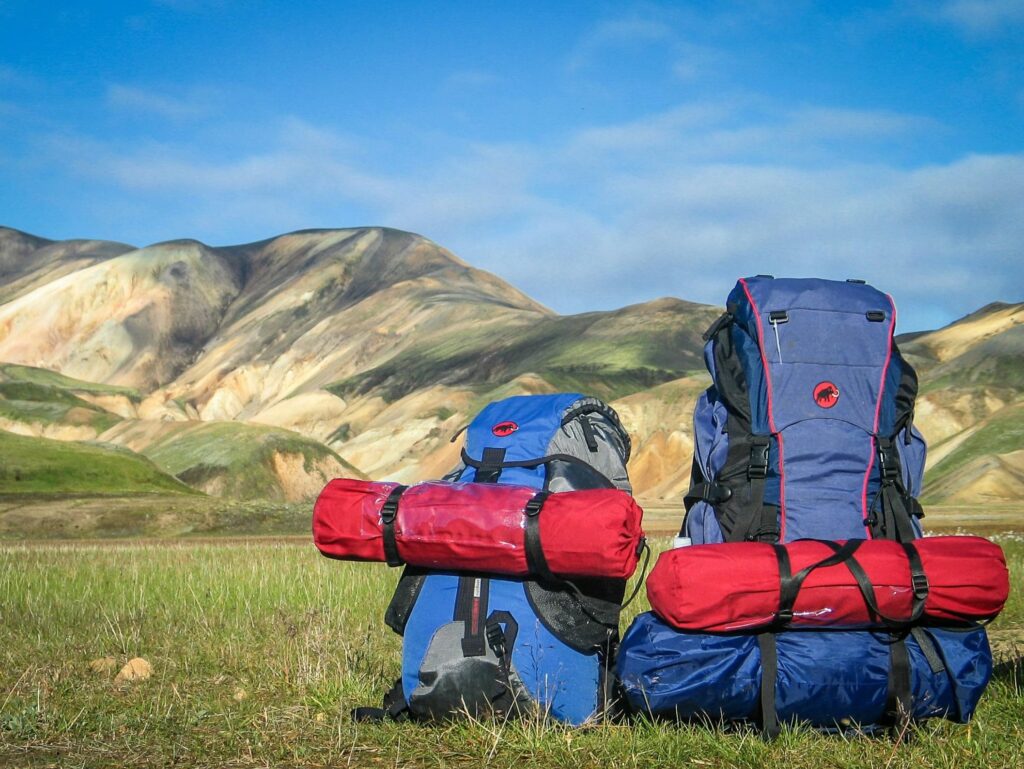
The benefits become obvious once the trip actually begins. A lighter bag simply changes how the day feels. Moving through airports feels easier. Getting into buses, taxis, or trains takes less effort. Walking a little farther doesn’t feel like a chore.

Switching hotels or accommodations becomes more manageable because you’re not dealing with more than you need.
Even the smaller moments feel lighter. You spend less time searching through bags. There’s less repacking at the end of the day. You know where things are, and that saves more energy than people expect.
There’s also a mental side to it. When there’s less to organize, there’s less distraction. That means more attention goes to the trip itself. The food, the place, the conversations, the time you actually traveled for.
That flexibility matters too. A spontaneous stop feels easier. Staying out longer feels easier. Catching an earlier ride feels easier.
Travel already asks a lot from your energy. Packing lighter doesn’t solve every challenge, but it often makes the experience feel more manageable and more enjoyable from start to finish.
A simple framework that actually works
A practical packing framework can make decisions much easier. Before adding anything, ask one simple question: Will I realistically use this more than once?
That question filters a lot. A simple guide can help:
Need: Passport, wallet, phone, chargers, medication, and anything essential to the trip.
Useful: Clothes for the climate, toiletries, weather essentials, and a few personal comfort items.
Flexible: Leave some room for anything unexpected or anything you may pick up along the way.
Skip: Items that were packed only because “maybe.”
It also helps to pack once, then take a short break before closing the bag. Coming back to it later often makes unnecessary extras easier to spot. The goal isn’t to pack perfectly.
It’s to bring what works, keep things manageable, and leave enough room to move through the trip without carrying more than you need. And more often than not, those are the travel essentials that matter most.
Related story: New York stories
Related story: Seoul is a tapestry that unfurls yard by yard, secret by secret
Related story: What a solo road trip across the Balkans taught me
Related story: Europe sweeps all top 10 spots in World’s Best Countries 2026