
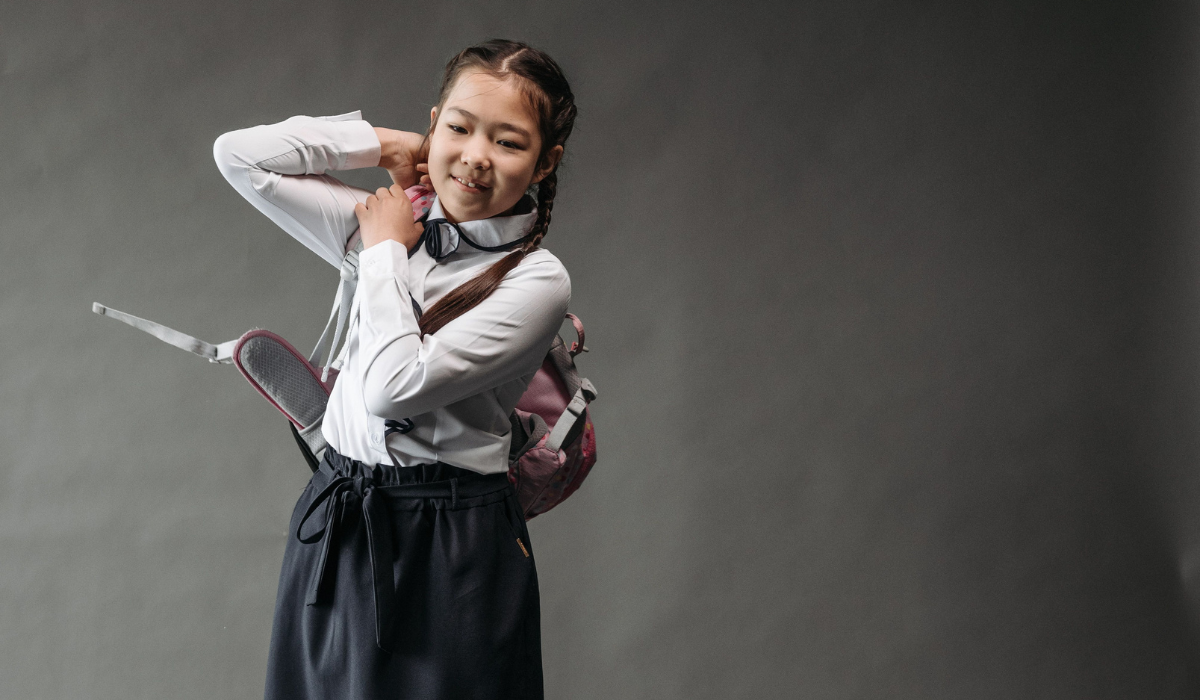

From discreet tracking tools to trusted transport, discover practical ways parents can keep children prepared, protected, and proactive.
The back-to-school season brings new uniforms, notebooks, and renewed routines.
In the swirl of the excitement, however, safety merits just as much attention as school supplies. After all, while no precaution can eliminate every concern, necessary preparations and proactive parenting can significantly keep a child safe—minimizing vulnerability in moments of danger before, during, and after your kid’s arrival at home.
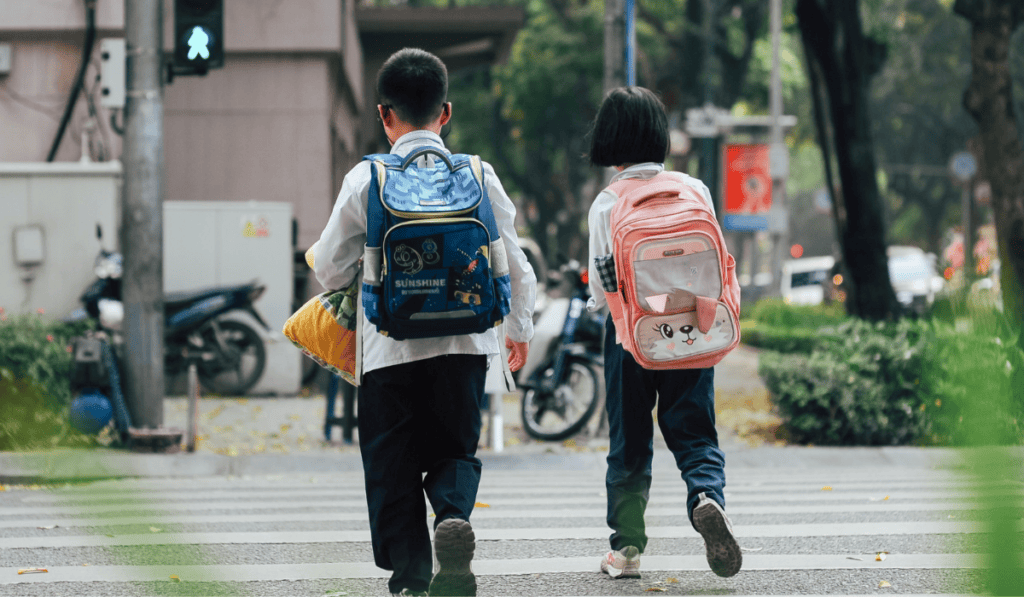
Here are five ways to fortify their safety throughout every school excursion:
Track discreetly, not dramatically

Technology can be a careful safety net when selected responsibly and with restraint. Instead of handing individual smart devices to students, try discreet tracking carriers such as AirTag-compatible wristbands, worn wallets, shoe insole holders, inner sleeves, clothing or backpack compartments, pin-on pins, or ID tag accessories that identify your child but conceal the tracker rather than advertise it. The goal is added convenience—not costly and visible valuables that draw thieves.
Practice the “less tech, less temptation” principle

Truth be told: not every child even needs to sport a smartphone, smartwatch, or tablet. Unless these resources are specifically required for learning or communication, leaving them at home can help reduce the risk of theft, distraction, or accidental damage. If a gadget is necessary, give clear rules on when it can be used. Be mindful of what you make your children bring and constantly remind them to refrain from displaying expensive devices in public and on purpose.
Screen school transport thoroughly
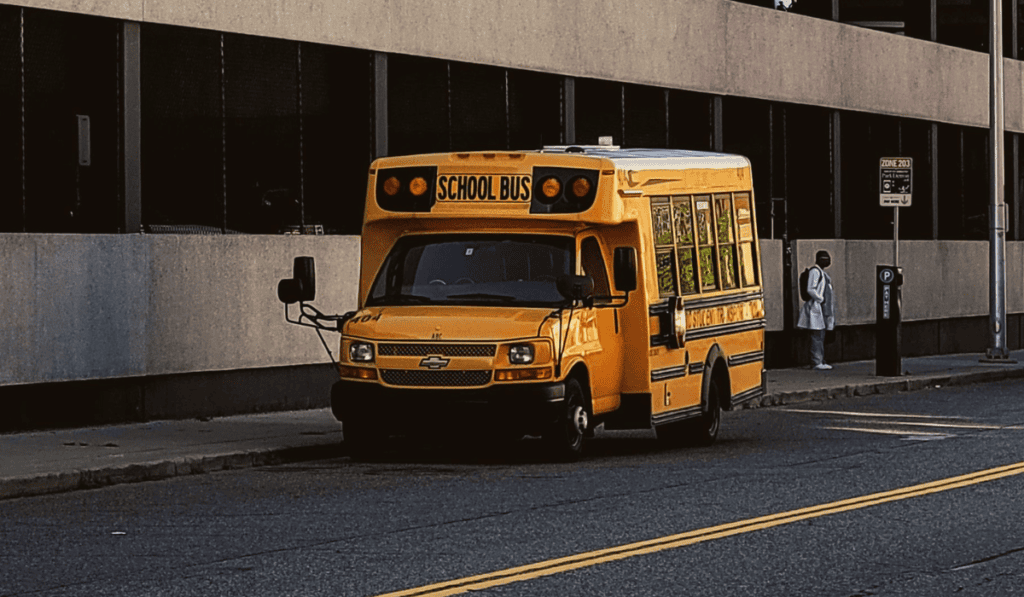
Carefully choosing a school service shouldn’t be based solely on convenience or cost. Request the driver’s complete contact details, verify identification, inspect the vehicle’s registration and—when possible—business permits. Police clearances can certify the company’s personnel, so it’s important to screen service providers with strict prudence. Rigorously seek recommendations from fellow parents or families and prioritize companies with a proven record of reliability, punctuality, and professionalism.
Share important medical information
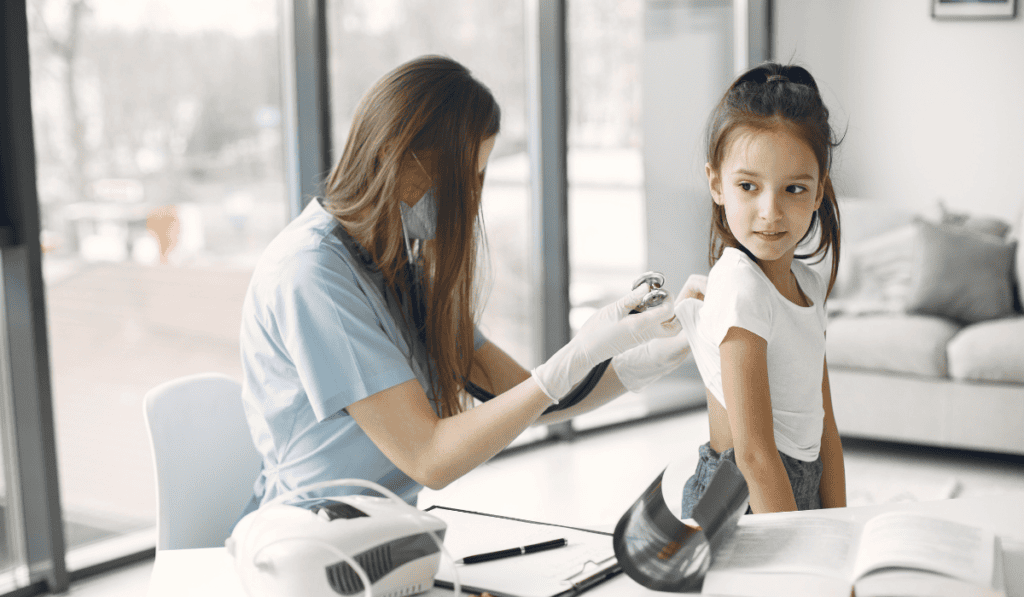
School administrators, teachers, and teaching assistants can only respond to emergencies if they’re properly informed. Specifically notify the school about allergies, medical conditions, medications, dietary restrictions, and developing health concerns before classes begin. Complete or otherwise review emergency treatment plans immediately. Likewise, provide a list of emergency contacts who can genuinely and efficiently answer calls at any hour—not simply names filled on a form.

Seek after-school conversations with your child

As mom and dad, make sure to conduct some safety checks after dismissal. Ask your child who they spent time with and what conversations transpired in class. If anything felt awkward, uncomfortable, or unusual, let them open up without looking too closely for answers or conclusions. These one-on-one talks don’t have to feel daunting like lengthy interrogations; instead, they are there to simply create a space where children can speak and communicate honestly and without hesitation.
Mindful, consistent habits practiced at home can make a meaningful difference at school. Every safe day guarantees a child’s confidence while giving parents added peace of mind. After all, the most effective and efficient protection net is preventive, not punitive.
Photos from Pexels
Related story: Mom and baby must-haves: Picks I’d personally make as a mother
Related story: Heads up, millennial parents: Here are 2026’s must-have toys to keep children entertained