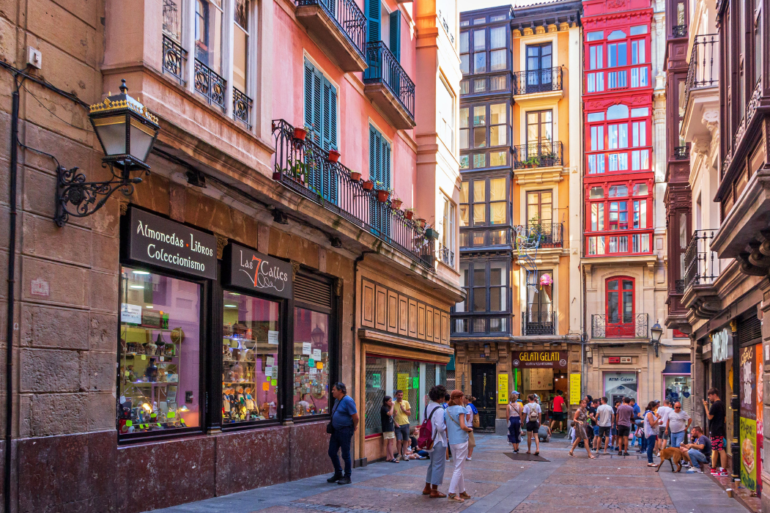

These remarkable stays show how differently European hotels can define beauty.
Europe’s most beautiful hotels have been named in Time Out’s new global ranking, with an 800-year-old Irish castle taking the top spot worldwide. The European selection spans 10 properties across the continent, each distinguished by its architecture, setting, interiors, or surrounding landscape. Here are the top 10, with a closer look at what makes each one worth discovering.
The ranking is an editorial selection based on visits by Time Out’s hotel experts, not a universal measure of beauty. Its European order differs from the global positions: Ashford Castle is first worldwide, while Four Seasons Firenze is third globally.
1. Ashford Castle, Ireland
Set beside Lough Corrib in County Mayo, Ashford Castle has stood for more than eight centuries and was once home to the Guinness family. Its 83 individually designed rooms and suites combine historic character with contemporary luxury, while the estate offers a private cinema, spa, falconry, and lakeside boathouse accommodation.
Banner photo from The Ritz-Carlton
The castle’s appeal extends beyond its grand interiors. Wooded grounds, lake views, and centuries of architectural additions make it a destination where the setting is as topnotch as the stay.
2. Four Seasons Hotel Firenze, Italy
Florence’s Four Seasons occupies two Renaissance palaces and borders one of the city’s largest private gardens. The grounds are filled with statues, fountains, and centuries-old trees, creating a secluded green retreat within walking distance of the city’s celebrated landmarks.
Inside, frescoes, original architectural details, and painted ceilings preserve the character of the historic residences. The Royal Suite, once part of the noble quarters of Palazzo della Gherardesca, features seventeenth-century frescoes and decorative ceramic floors.
3. The Ritz-Carlton Tenerife, Abama, Spain
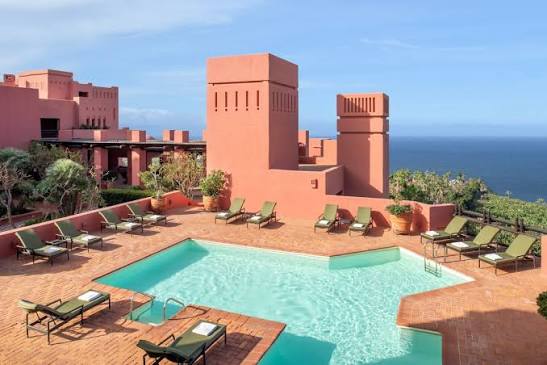
On Tenerife’s southwest coast, Abama’s salmon-pink buildings and Moorish-inspired architecture create a striking contrast against the island’s volcanic terrain. Curving staircases, palm-lined gardens, and bridges over a koi-filled lake give the resort its distinctive character.
The property’s landscaped grounds and Atlantic setting make it especially appealing to travellers who enjoy architecture with a strong sense of place. Its official gallery offers a closer look at the resort’s buildings, suites, and outdoor spaces.
4. Ion Adventure Hotel, Iceland
Ion Adventure Hotel is the list’s most dramatic departure from traditional European grandeur. Its angular, concrete architecture rises from a moss-covered landscape, with expansive windows that draw attention to Iceland’s rugged surroundings.
The hotel’s restrained lighting is designed to preserve the experience of the night sky, making the Northern Lights a central part of its appeal when conditions allow. Its visual identity is defined by the contrast between severe architectural lines and the natural landscape.
5. The Phoenicia, Malta
The Phoenicia’s most celebrated feature is its Bastion infinity pool, where clean contemporary lines meet the historic fortifications surrounding Valletta. The pool looks toward Manoel Island, offering a rare vantage point over the harbor landscape.
The hotel’s Art Deco entrance, grand interiors, and seven acres of gardens add to its sense of occasion. Its combination of twentieth-century elegance and Malta’s limestone architecture gives the property a character distinct from the other hotels on the list.
6. 1 Hotel Mayfair, London
Just steps from Green Park, 1 Hotel Mayfair brings nature into central London through living walls, natural materials, and 1,300 plants, shrubs, and trees. The property was created by reusing and refurbishing two existing buildings, with sustainability integrated into its design and operations.
Guest rooms feature filtered water taps, recycled glass bottles, and energy-efficient systems, while the interiors favour warm, organic textures. The result is a quieter, greener interpretation of city luxury.
7. Le Pavillon de la Reine, Paris
Hidden behind an elegant façade on Place des Vosges, Le Pavillon de la Reine offers a peaceful address in the Marais. Its shaded gardens, intimate courtyard, and historic surroundings create the atmosphere of a private Parisian residence.
Interior designer Didier Benderli has shaped the hotel’s distinctive rooms and public spaces, blending traditional detailing with individual decorative touches. The property is especially suited to travellers who prefer a discreet boutique stay in one of Paris’ most beautiful squares.

8. Gleneagles Hotel, Scotland
Opened in 1924, Gleneagles is a grand country hotel set amid 850 acres of Perthshire countryside. Its château-style architecture stands against the Ochil Hills, while the interiors combine chandeliers, oak panelling, open fires, and richly furnished rooms.
The hotel’s original identity as a glamorous country playground continues through its golf, outdoor pursuits, restaurants, and spa. It offers the kind of Scottish escape where a day in the countryside can end with a cocktail in an elegant bar or an evening beside the fire.
9. Villa Igiea, Palermo, Italy
Overlooking the Gulf of Palermo, Villa Igiea is a historic seaside residence associated with the influential Florio family. Its architecture and interiors preserve the decorative spirit of Sicily’s Belle Époque, with ornate rooms, terraces, and gardens facing the Mediterranean.
Today, the Rocco Forte property pairs its heritage with contemporary hospitality. The hotel’s official materials showcase its individually designed accommodations, dining spaces, and coastal setting, all of which contribute to its reputation as one of Palermo’s most distinctive luxury addresses.
10. Mandarin Oriental Conservatorium, Amsterdam
Amsterdam’s Conservatorium began life as a bank before becoming a music school, and its latest chapter is as a luxury hotel in the Museum Quarter. The building’s historic structure is paired with a dramatic glass-and-steel atrium, creating a light-filled space at the centre of the property.
Designed by Piero Lissoni, the hotel’s transformation preserves its architectural past while introducing contemporary rooms and suites. The contrast of brick, glass, steel, and warm interior finishes makes it a fitting final entry in this European selection.
The ten properties above demonstrate the breadth of Europe’s hotel design, from medieval heritage and Renaissance artistry to modern architecture and environmentally conscious interiors. For travelers choosing a destination around the experience of staying somewhere extraordinary, each offers a different reason to make the hotel itself part of the itinerary.
Related story: Office with a view: These are Europe’s top 5 digital nomad hotspots in 2026
Related story: Europe sweeps all top 10 spots in World’s Best Countries 2026