


Who wouldn’t want a workplace that doubles as a travel destination?
Remote work has evolved from a temporary arrangement into a lifestyle choice for many professionals. Who wouldn’t want an “office” that doubles as a travel destination anyway? My editor at The POST knows all too well the joys of working remotely in a beautiful location, local or foreign.
Recognizing this trend, countries around the world have been rolling out the red carpet for digital nomads. European nations, in particular, are actively competing for them. With streamlined visa programs, reliable high-speed internet, and cosmopolitan cities, the continent offers an irresistible blend of rich history and modern convenience.
For those looking to set up a European work-from-home base, Euronews has revealed the best countries for digital nomads in 2026. The ranking is based on data from the LEI register, a global database system that evaluated 40 countries across the continent using 19 metrics to identify the best destinations for remote workers.
Here are the top five countries on the list.
Related story: Europe sweeps all top 10 spots in World’s Best Countries 2026
Related story: Planning to work remotely from South Korea? This may be your sign!
1. Estonia
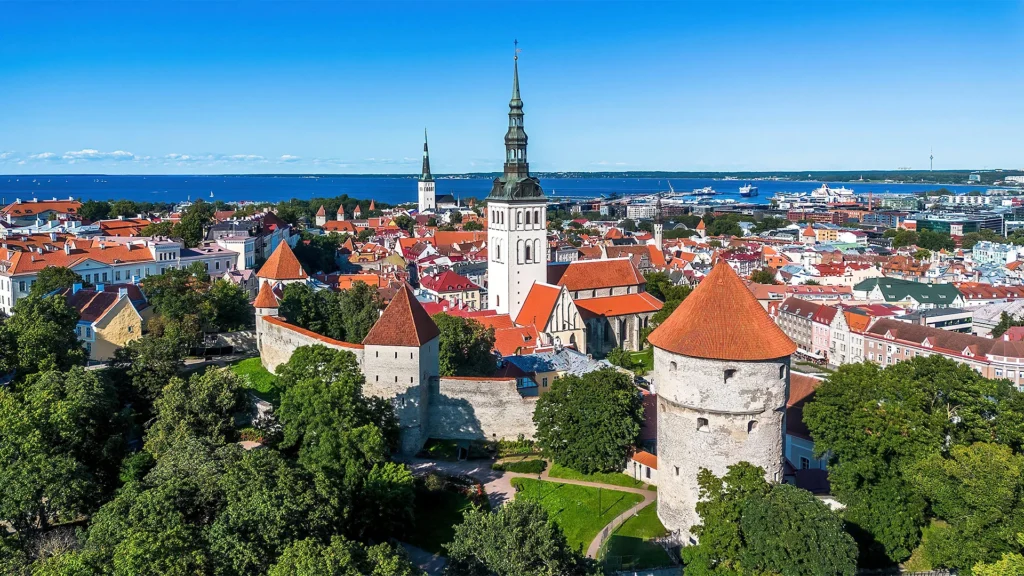
The Baltic state landed the first spot, thanks to affordable living costs and solid infrastructure. In fact, the country launched one of Europe’s first dedicated digital nomad visas, cleverly pairing it with world‑class internet and a fully digital government. Estonia is where medieval charm meets a thriving tech scene.
A one-bedroom apartment in an Estonian city center comes in at a monthly average of €573 (P40,482) to €720 (P50,868), while groceries will cost you around €230 (P16,249) to €290 (P22,608). Internet speeds are quite reliable, but not as fast as in other countries on the list, with a Speedtest Global Index ranking of 72 at an average cost of €28 (P1,978) a month.
Estonia happens to be among the world’s safest countries, ranking 24th on the World Population Review’s 2026 list of safest countries. The tiny European nation has also been recently named the best place to live in the world by the Rumavi Global Relocation Index 2026.
Digital nomad visa fast facts: Administrative processes can be handled online, making daily logistics seamless. Estonia allows non-EU remote workers to live there for up to 12 months. Applicants must prove a gross foreign monthly income of at least €4,500 (P317,920) over the six months before applying.
Visit this page for more information.
Fun tip: Visit in early summer to enjoy the so-called Baltic “White Nights,” when daylight stretches well past midnight, giving you extra hours to explore Estonia after work.
2. Iceland

I was quite surprised that Iceland came in at second, given its reputation for being one of the most expensive destinations in the world. True enough, the average monthly rent is at a staggering ISK303,700 (P150,966), while groceries are at ISK78,000 (P36,777).
Despite the high cost of living, it remains attractive to digital nomads since it has one of the fastest internet speeds of any country. For fixed broadband, Iceland sits in the sixth spot on the Speedtest Global Index. It also has one of the most coworking spaces and Airbnb availability on the continent. In terms of safety, Iceland boasts the number one spot on the World Population Review’s list of safest countries in 2026.
And one important thing that could convince you to work from Iceland: You are not required to pay taxes for the length of your stay when on a digital nomad visa.
Digital nomad visa fast facts: Iceland grants a Long-Term Visa for Remote Workers valid for up to 180 days for non-EEA nationals. Financial self-sufficiency requirements sit at 1,000,000 ISK per month (P497,091) for individual applicants. The visa fee is at 12,200 ISK (P6,065). Spouses and children can also apply for long-term visas as family members of a remote worker.
Visit this page for more information.
Fun tip: Make sure to wind down in one of Iceland’s many hot springs after long workdays, an integral part of Icelandic professional culture.
Related story: Is Bali still worth it for digital nomads?
Related story: Dreaming of being a digital nomad? These are the 10 most affordable countries you should consider
3. Portugal
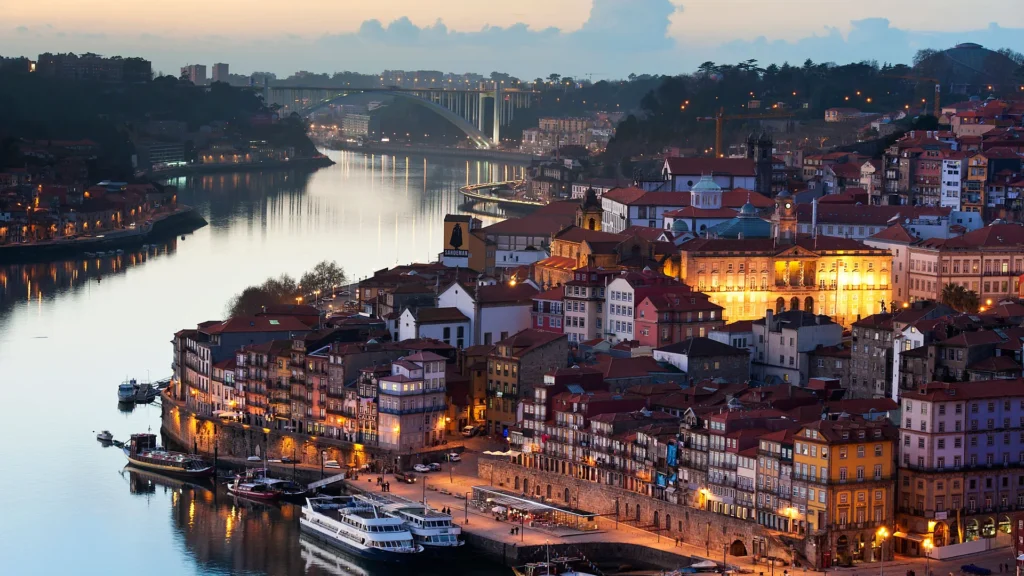
Long regarded as a premier destination for location-independent professionals, Portugal offers a winning mix of surf breaks, delicious cuisine, and vibrant networking communities. Its capital, Lisbon, is a dynamic global startup hub, while the charming city of Porto offers artistic inspiration and a slightly more affordable cost of living.
While rent in the city centre is relatively high, costing anywhere between €900–€930 (P63,527–P65,645) per month, the country’s infrastructure is conducive to remote work that it remains a favorite choice for many.
Broadband internet costs an average of €36 (P2,541) per month, while connection speeds remain impressive, with the country ranking 20th on the Speedtest Global Index. Monthly grocery expenses range from €240 to €300 (P16,941–Php21,176). Portugal is also considered one of the world’s safest countries, ranking an impressive seventh on the World Population Review’s 2026 list.
Digital nomad visa fast facts: The Portugal Digital Nomad Visa (D8 Visa) allows non-EU/EEA remote workers, freelancers, and business owners to live and work legally in the country. Applicants must earn a minimum monthly income of €3,680 (P259,756), which is four times the national minimum wage, show proof of accommodation, and must hold health insurance. It is available as a one-year temporary stay or a two-year residency track. Five years of residing in the country open a path to citizenship.
Visit this page for more information.
Fun tip: Set aside one workday as a “surf-and-spreadsheet” day: catch a morning wave in the beach towns of Ericeira or Nazaré, then finish your tasks from a seaside café in the afternoon. It’s the perfect reminder that in Portugal, your office view can be the Atlantic!
4. Montenegro
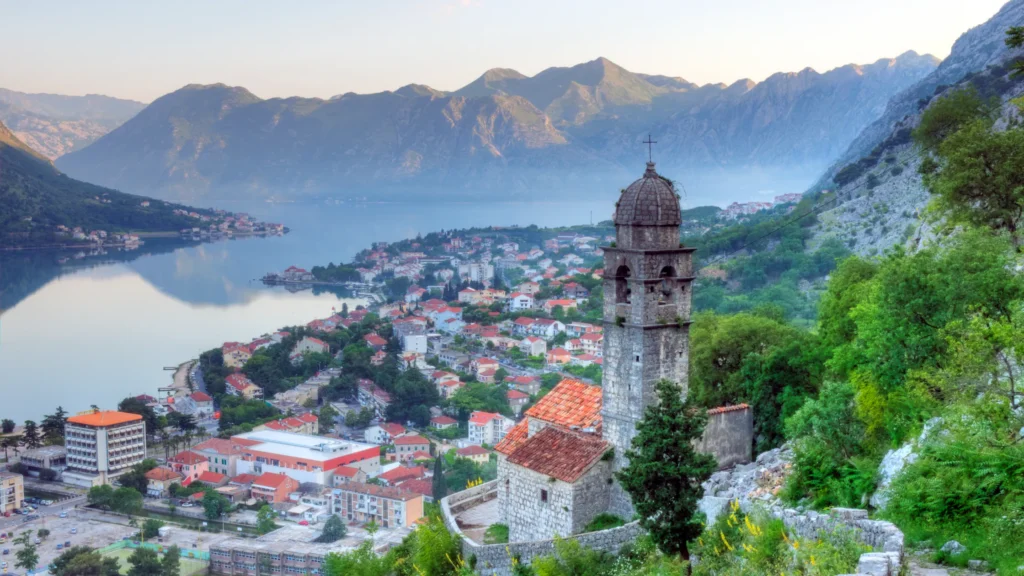
This small Balkan country on the Adriatic Sea is often described as a “mini Mediterranean,” with no shortage of breathtaking scenery despite its compact size. It’s also becoming a popular destination for remote workers on a modest budget because of its affordable visa fee of just €67 (P4,735) and overall lower cost of living compared to its European neighbors.
Average monthly rent in Montenegro is €576 (P40,667), while groceries cost around €211 (P14,897). Broadband plans are also relatively affordable, ranging from €25 (Php1,765) to €30 (Php2,118) per month.

Safety is another advantage, with Montenegro ranking a respectable 34th on the World Population Review’s 2026 list of the world’s safest countries. The country falls short in healthcare, however, while its internet speeds could use some boosting, ranking 65th on the Speedtest Global Index.
Digital nomad visa fast facts: The application process can be long, but if you are granted a visa, you can enjoy a stay in Montenegro for two years, and possibly four years should you extend. You must work exclusively for foreign employers or clients outside Montenegro. Applications are submitted in person at a local Ministry of Internal Affairs (MUP) office.
Visit this page for more information.
Fun tip: On your days off, rent a car (or a scooter!) and explore Montenegro’s coastal beauty through its immaculate highways, which link historic seaside towns in minutes.
Related story: Top 3 European countries to get a Digital Nomad Visa
Related story: Malaysia tops 2026 list of world’s best countries for digital nomads
5. Croatia
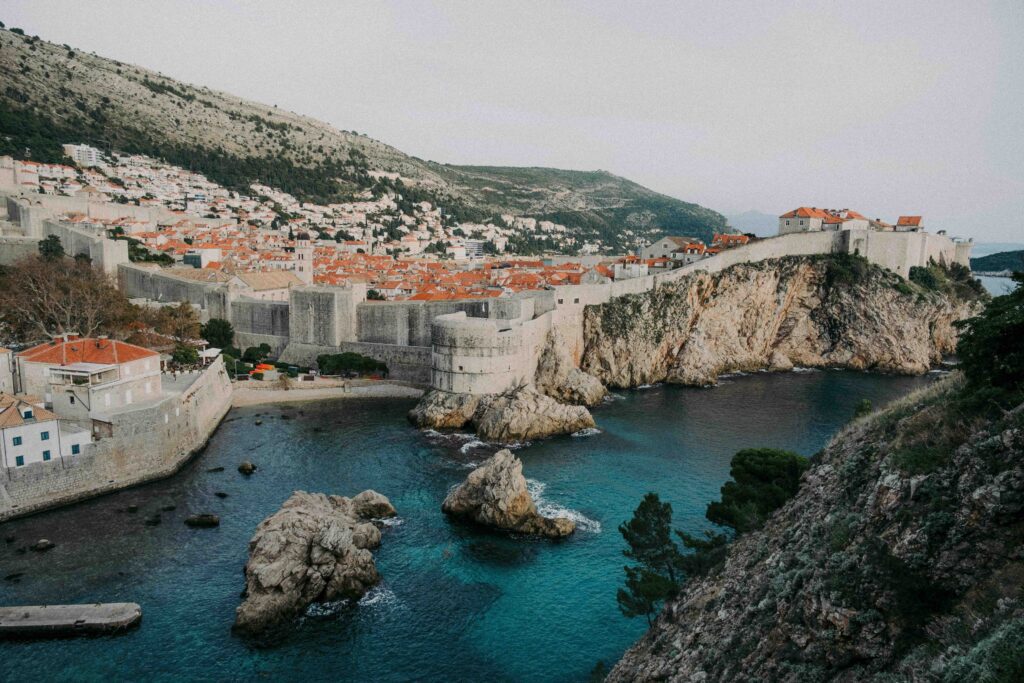
Croatia has become one of Europe’s most popular destinations for digital nomads, combining dramatic Adriatic sunsets with a mostly supportive remote-work ecosystem. Its dedicated digital nomad visa allows non-EU workers to stay for up to 18 months, remaining exempt from Croatian income tax on foreign-sourced earnings.
Croatia also scores well on safety, ranking 19th on the World Population Review’s 2026 list of the world’s safest countries. City-center rentals average between €630 (Php44,469) and €663 (P46,797) per month, while groceries cost about €232 (P16,399).
English proficiency is high, and remote workers can enjoy a lively mix of cultural and recreational activities. Internet speed is a slight drawback, however, with Croatia ranking 58th on the Speedtest Global Index.
Digital nomad visa fast facts: Croatia’s temporary residence permit allows non-EU/EEA citizens to live in the country while working remotely for up to 18 months. Applicants must show a minimum monthly foreign income equivalent to 2.5 times the national net salary of €3,622 (P256,021).
Visit this page for more information.
Fun tip: Time your stay during the shoulder seasons (May–June or September–October) to enjoy warm sea temperatures without peak summer tourist crowds.
Related story: Thinking of Dubai? The UAE just made travel easier for qualified Filipinos
Related story: Philippine passport climbs three spots in Henley Index and why this matters